
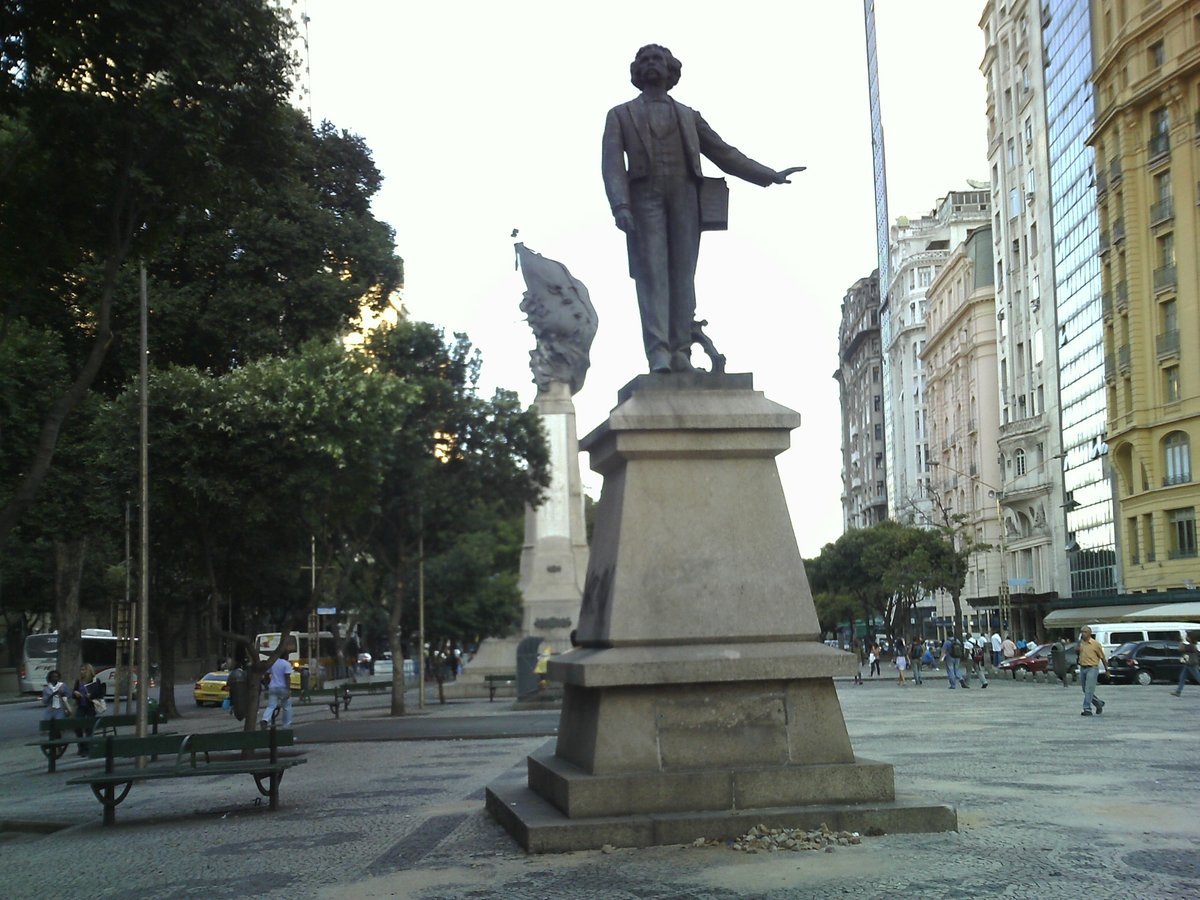
History and Urban Transformation
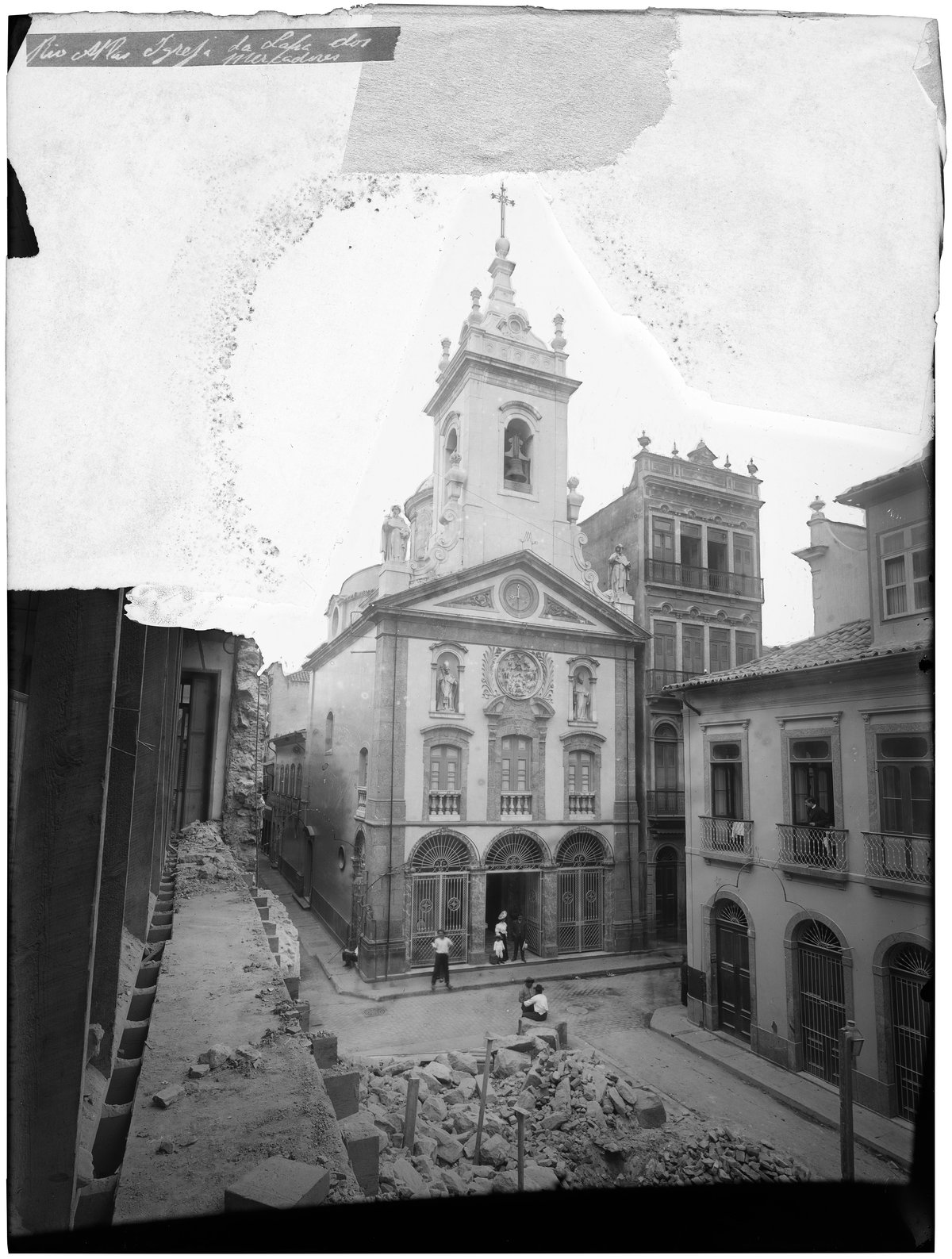
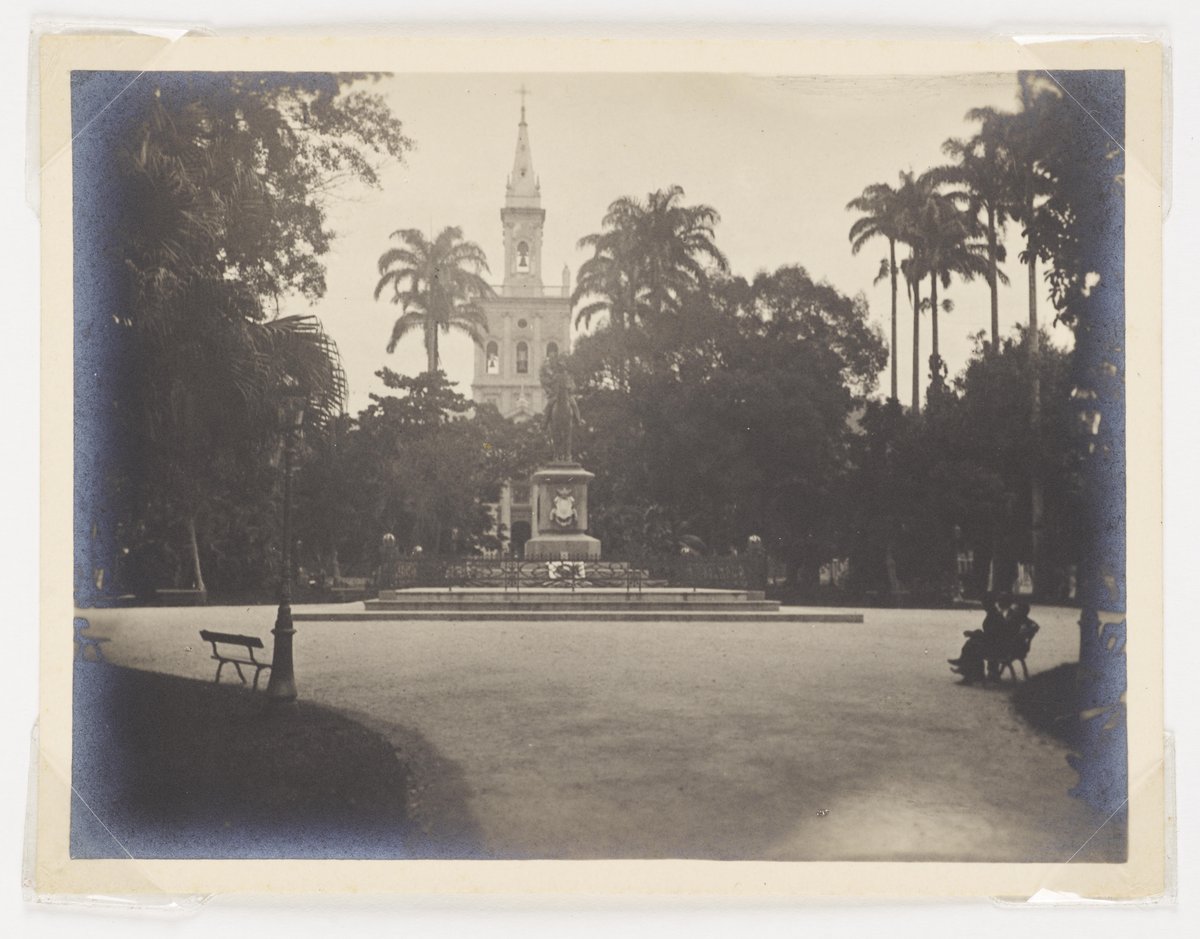
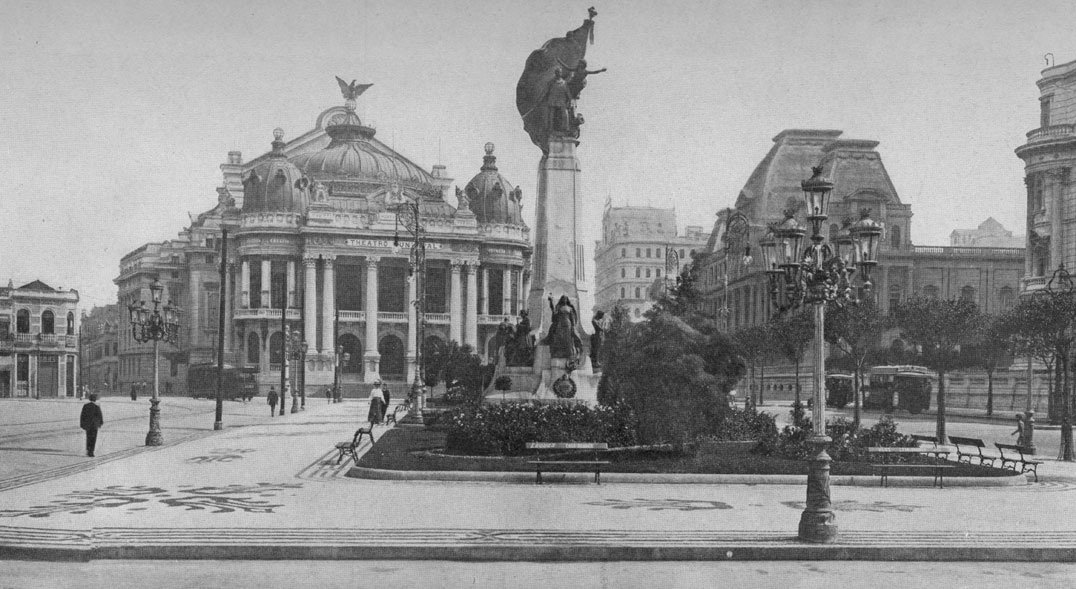
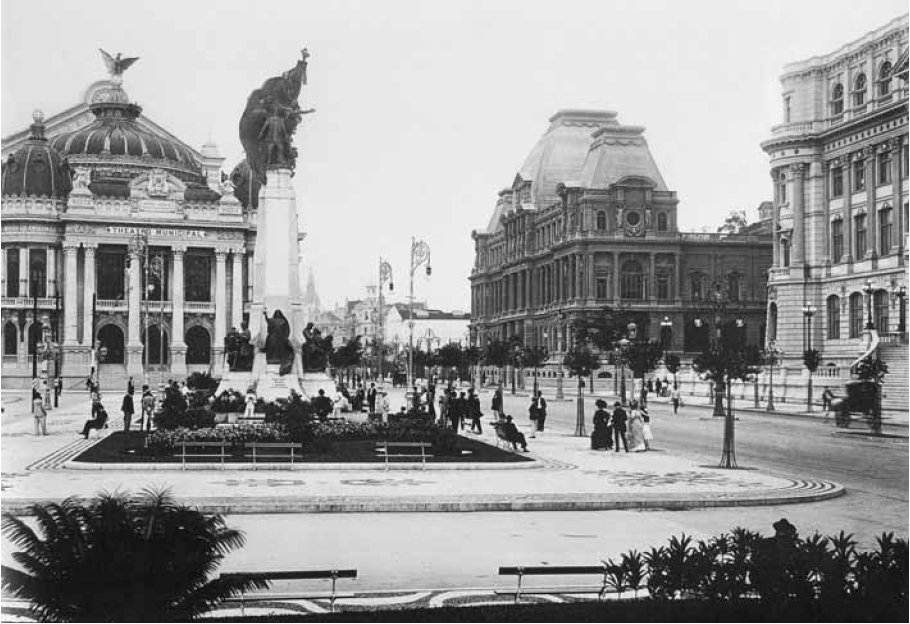
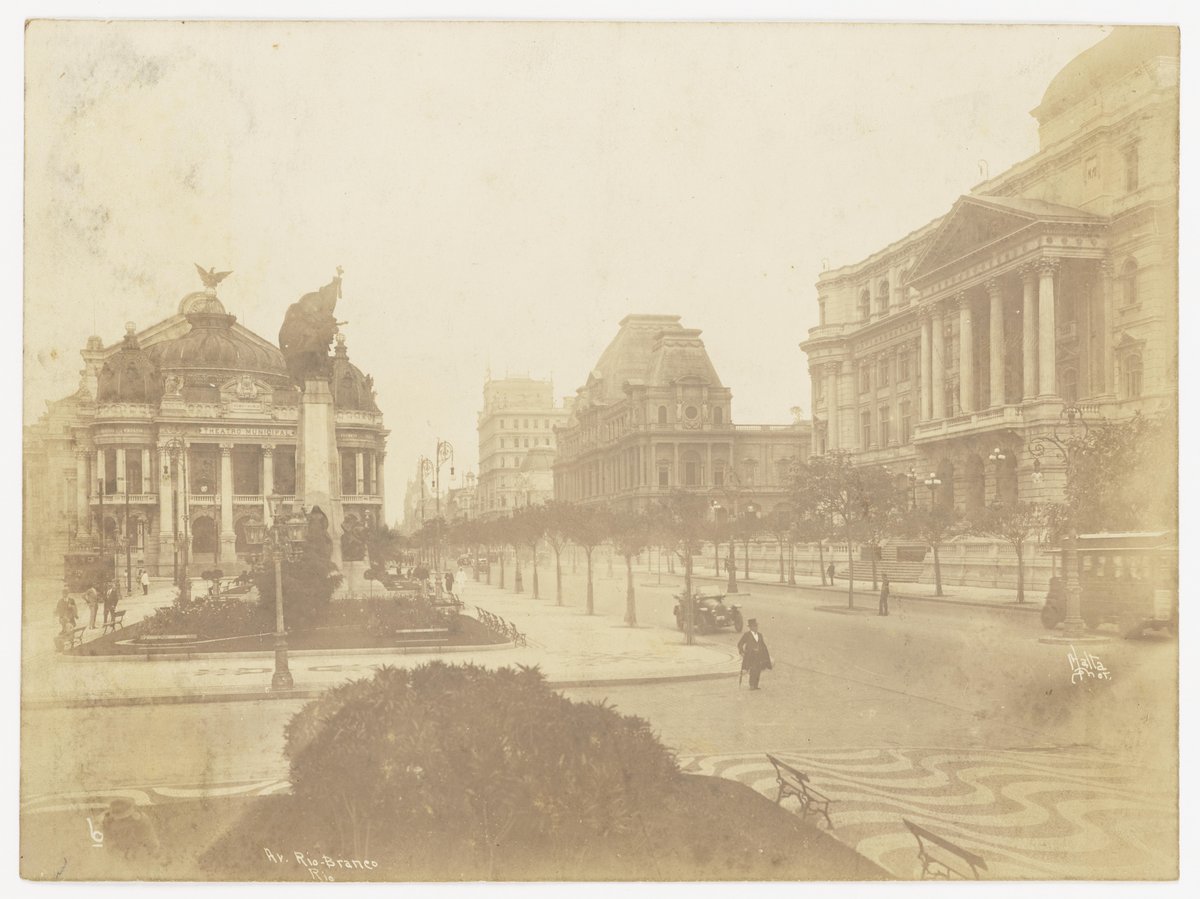
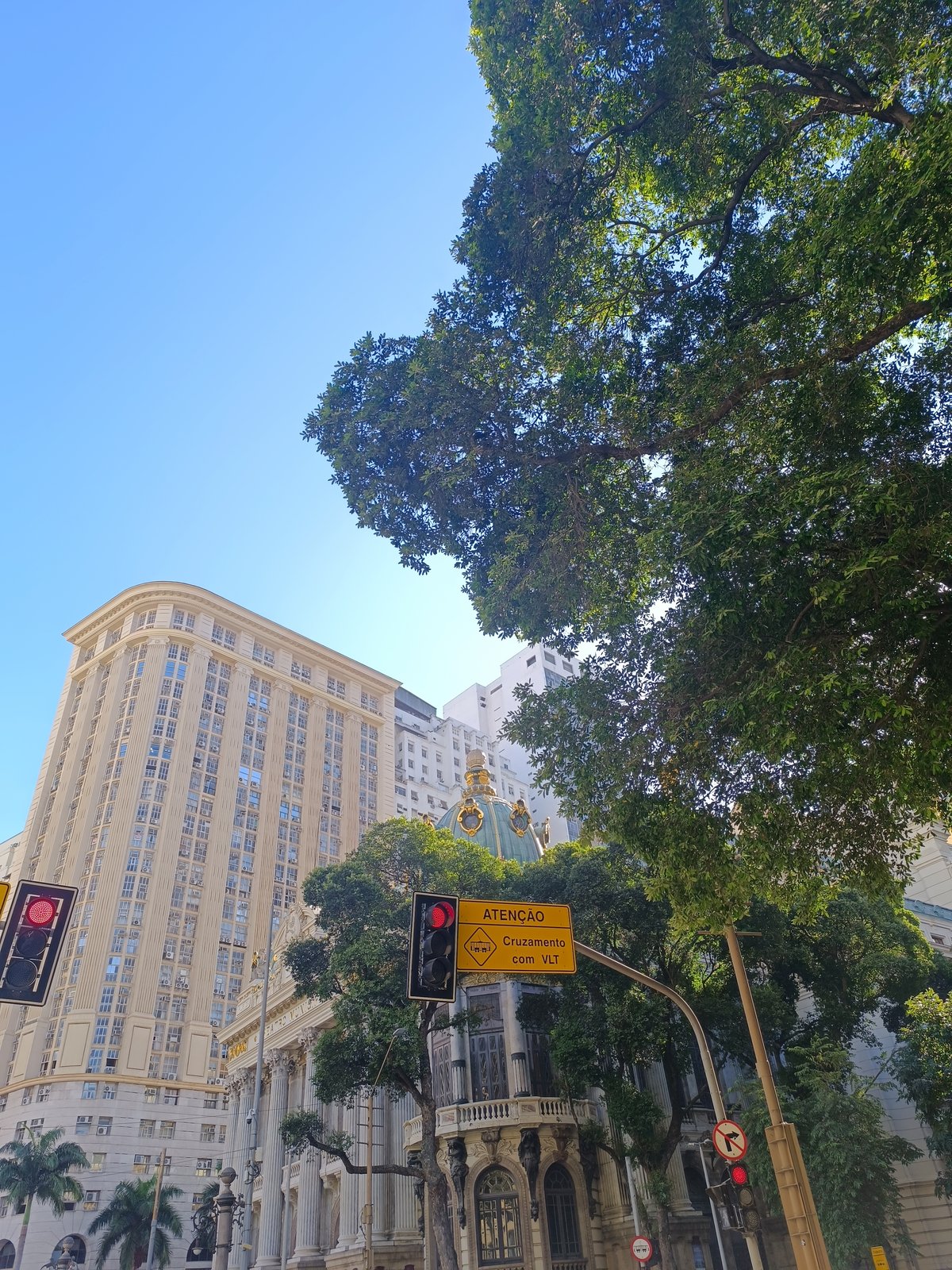
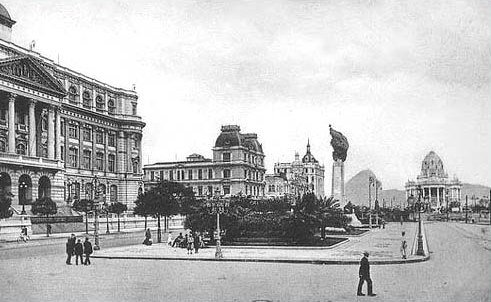
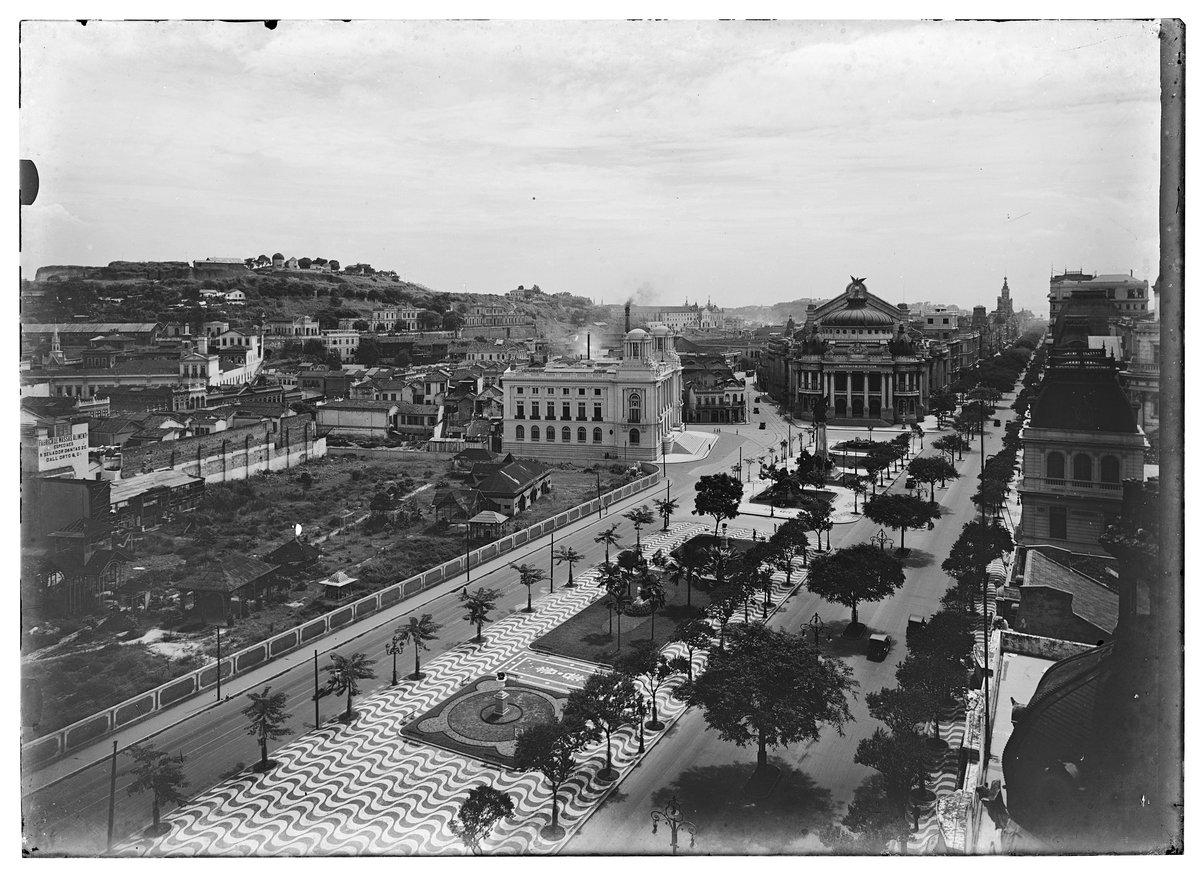
Cinelândia’s transformation began in the early 1900s with an ambitious urban renewal project led by Mayor Francisco Pereira Passos. Inspired by Paris, the city razed colonial-era buildings and the Ajuda Convent to build Avenida Central (now Avenida Rio Branco) and Floriano Square. By the 1920s, the area was renowned for its grand cinemas and theaters, giving rise to its nickname. This modernization marked Rio’s evolution into a cosmopolitan metropolis (Diário do Rio).
Architectural Highlights and Key Landmarks
Theatro Municipal
- Overview Iconic opera house inspired by the Paris Opera, opened in 1909.
- Visiting Hours Guided tours Tuesday–Sunday, 11:00 AM–5:00 PM.
- Tickets Tours approx. R$30; performance prices vary. Buy online or at the box office (Theatro Municipal Official Website).
- Accessibility Wheelchair-accessible.
Biblioteca Nacional (National Library of Brazil)
- Overview The largest library in Latin America, completed in 1910, with over 9 million items.
- Visiting Hours Tuesday–Friday, 10:00 AM–6:00 PM; Saturday, 10:00 AM–4:00 PM.
- Tickets Free entry (Biblioteca Nacional).
- Accessibility Fully accessible.
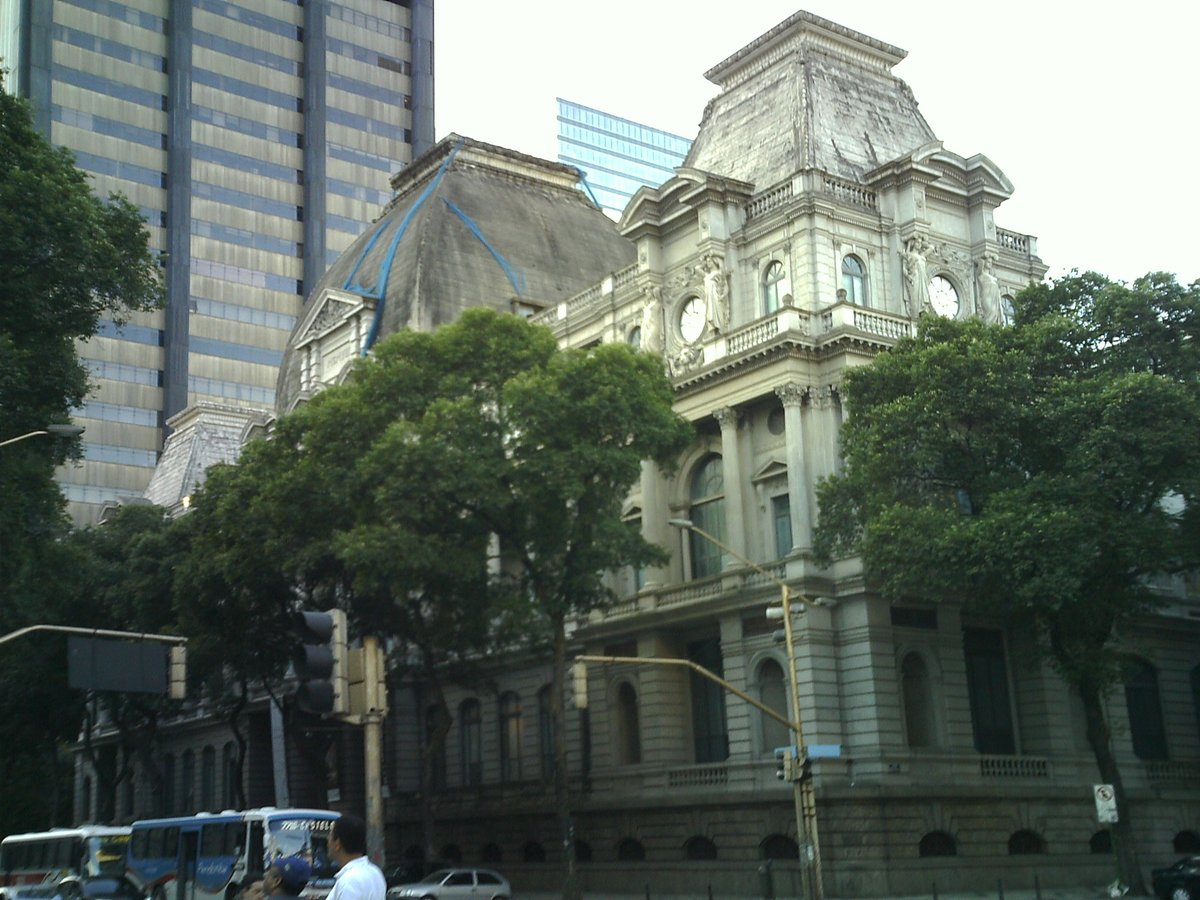
Museu Nacional de Belas Artes (National Museum of Fine Arts)
- Overview Vast collection of Brazilian and international art in a neoclassical building.
- Visiting Hours Tuesday–Sunday, 10:00 AM–6:00 PM.
- Tickets Approx. R$15; free on Wednesdays (Museu Nacional de Belas Artes).
- Accessibility Wheelchair-accessible.
Palácio Pedro Ernesto (City Hall)
- Overview Home to Rio’s City Council, built in 1923.
- Visiting Hours Limited public access; guided tours by appointment.
- Tickets Free.
Odeon Cinema (Centro Cultural Luiz Severiano Ribeiro)
- Overview The last remaining historic cinema in Cinelândia, now a cultural center.
- Visiting Hours Varies by event.
- Tickets Vary by screening; check official event schedule.
Cultural and Entertainment Hub
Cinelândia has long been synonymous with Rio’s entertainment scene. In its heyday, the square boasted numerous cinemas, including the Odeon and Capitólio, attracting crowds for film premieres and social gatherings. Today, it remains a focal point for concerts, film festivals, and open-air events. The area’s cafés, such as Amarelinho, offer classic Brazilian fare and are ideal for soaking in the local atmosphere (Rio de Janeiro by Cariocas).
Political and Social Importance
Cinelândia is not just a cultural center but also a stage for political life in Rio. The square has witnessed historic demonstrations, civic celebrations, and social activism, making it a living symbol of Brazil’s democratic spirit (Diário do Rio).
Visiting Cinelândia: Practical Information
- Square Access Open 24/7 as a public space.
- Getting There
- Metro Cinelândia Station (Line 1) is adjacent to the square.
- VLT (Light Rail) Direct connections to the port and museum district (Viaje na Viagem).
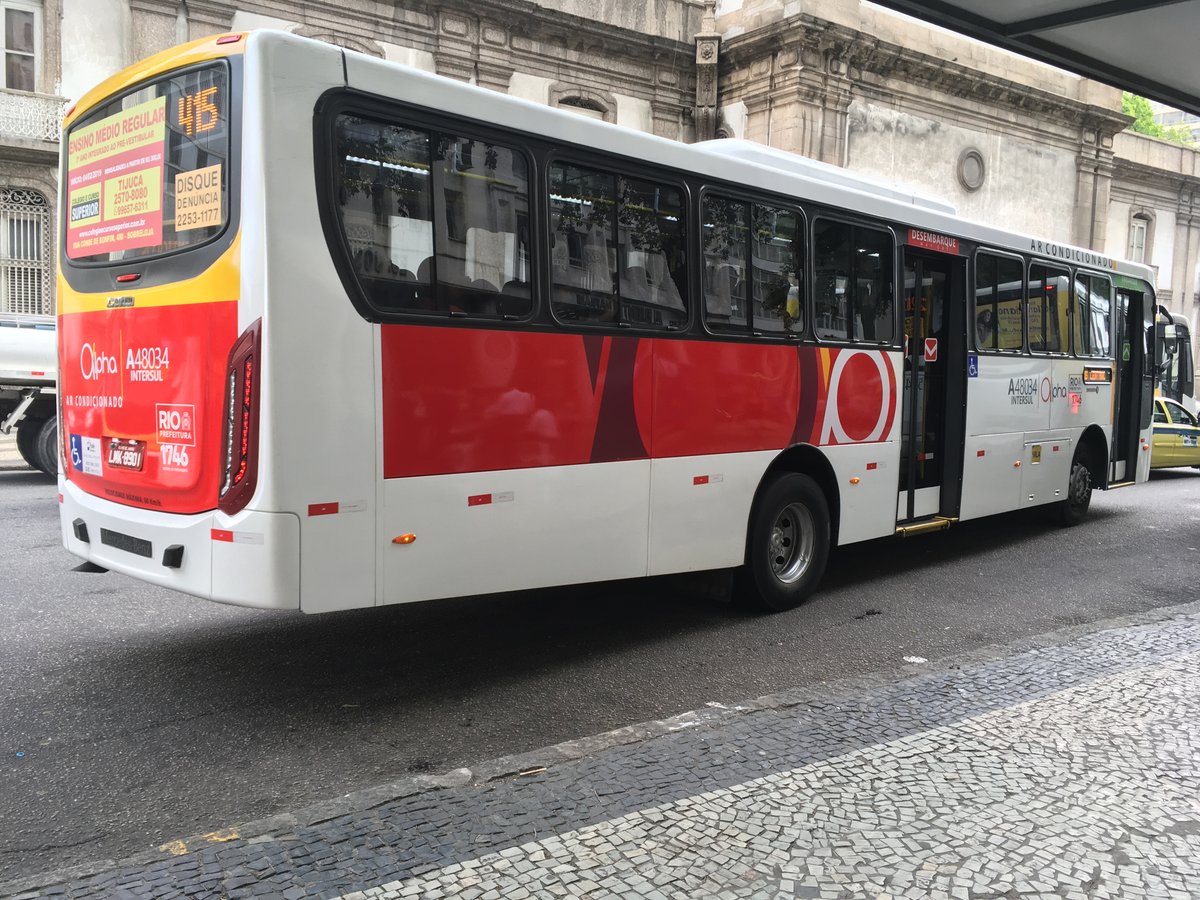
- Bus Multiple lines serve the area.
- Taxis/Rideshare Widely available and recommended after dark.
- Nearby Facilities Public restrooms at the National Library and Theatro Municipal; benches and wide sidewalks throughout the square.
- Accessibility Ramps and accessible restrooms at major institutions.
Visitor Tips
- Best Time to Visit Weekdays, during the day, for open institutions and guided tours.
- Dining Enjoy local specialties at Amarelinho, Bar do Elias, and Galeto Central.
- Footwear Wear comfortable shoes for walking tours.
- Tickets Purchase theater and museum tickets online in advance, especially during festivals.
- Safety Stay vigilant with belongings, especially in crowds. Avoid isolated streets after dark (Travellers Worldwide).
Nearby Attractions
From Cinelândia, explore:
- Santa Teresa Artsy neighborhood known for murals and bohemian vibe.
- Escadaria Selarón World-famous mosaic staircase.
- Arcos da Lapa Iconic aqueduct and nightlife district.
- Museu de Arte Moderna (MAM) Modern art museum, 10-minute walk (Museum of Modern Art Rio).
Events and Seasonal Activities
- Festas Juninas (June) Food stalls, traditional music, and dance (Rio de Janeiro Secreto).
- Book Biennial Public readings and art installations.
- Film Festivals Cine Odeon hosts the Rio International Film Festival (Rio International Film Festival).
Safety and Accessibility
- Pickpocketing Be cautious in crowds and on public transit (Travel Pander).
- After Dark Use taxis or rideshare; stay on main streets (GloboTreks).
- Water Prefer bottled water.
- Restrooms Available in museums and some cafés.
- Emergency Contacts Police (190), Tourist Police (DEAT), and local hospitals nearby.
Frequently Asked Questions
Q: What are Cinelândia’s visiting hours?
A: The square is open 24/7; museums and theaters have specific hours (generally 10:00 AM–6:00 PM).
Q: How do I buy tickets for attractions?
A: Purchase online or at the venue; advance booking is advised for popular events.
Q: Is Cinelândia accessible for wheelchair users?
A: Yes, most institutions are equipped for accessibility, though some older buildings may have limitations.
Q: Is Cinelândia safe for tourists?
A: Generally safe by day; exercise caution at night and avoid quiet streets.
Q: Are guided tours available?
A: Yes, both free and paid walking tours are offered—check with local operators or official sites.