
The Vision and History of Brasília
Origins and National Ambitions
The vision for a new Brazilian capital in the interior dates back to the 18th century and was formalized in the 1891 Constitution (semanticscholar.org). Intended to promote national integration and reduce coastal dominance, the idea gained momentum in the 1950s under President Juscelino Kubitschek. His "Plano de Metas" (Goals Plan) positioned Brasília’s construction as a symbol of Brazil’s modernization and unity (academia.edu).
The Pilot Plan: Urban Design and Innovation
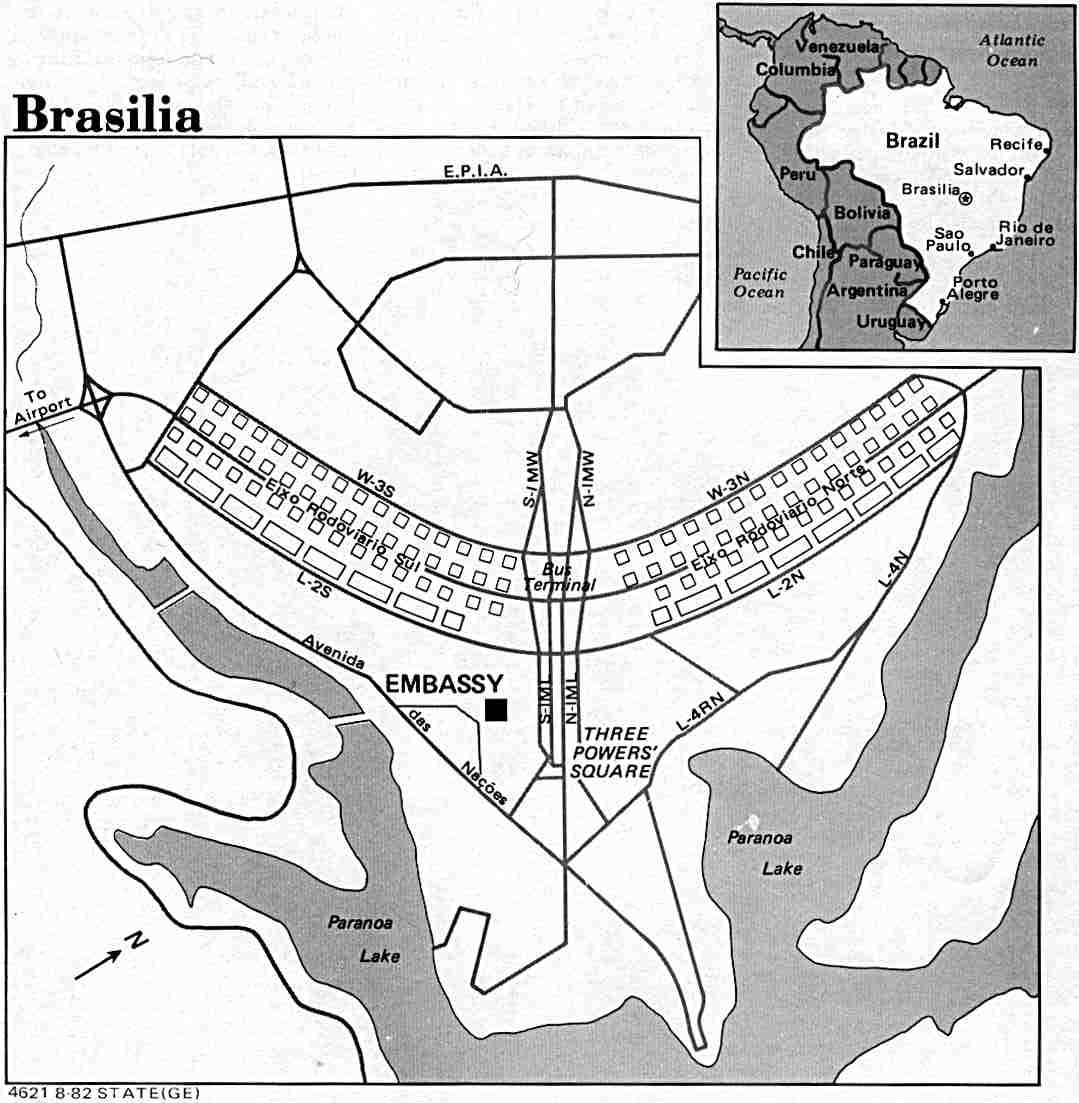
In 1957, Lúcio Costa won the national competition to design Brasília. His Pilot Plan, shaped like an airplane or bird, embodies modernist ideals with two key axes: the Monumental Axis (Eixo Monumental) for government and civic buildings, and the Residential Axis for superquadras (superblocks) (archdaily.com; curbed.com). The layout prioritizes clarity, efficiency, and integration with green spaces.
Key Architects and Contributors
- Lúcio Costa Urban planner behind the Pilot Plan’s innovative structure.
- Oscar Niemeyer Designed most of the city’s iconic monuments, employing bold forms and modernist principles (archdaily.com).
- Roberto Burle Marx Landscape architect who provided green relief and artistic gardens (architecturaldigest.com).
Construction and Social Impact
Brasília was built in just four years, relying on the labor of "candangos," workers who migrated from across the country. While the city’s core was meticulously planned, spatial segregation emerged as lower-income populations settled in satellite towns on the outskirts (academia.edu).
Symbolism and UNESCO Recognition
Brasília’s design is laden with symbolism—its aerial shape, monumental buildings, and green spaces reflect aspirations of unity and progress. In 1987, UNESCO recognized the Pilot Plan as a World Heritage Site, a rare honor for a 20th-century city (curbed.com; factualamerica.com).
Visitor Information: Hours, Tickets, and Accessibility
Opening Hours and Ticketing
- National Congress Tues–Sun, 9:00 AM–5:00 PM. Free guided tours available with advance booking.
- Cathedral of Brasília Daily, 7:00 AM–7:00 PM. Free entry.
- Palácio da Alvorada Guided tours by appointment, usually Mon–Fri, 9:00 AM–12:00 PM. Free, advance reservation required.
- Memorial JK Tues–Sun, 10:00 AM–6:00 PM. Around BRL 10; discounts for students and seniors.
- Museu Nacional Honestino Guimarães Tues–Sun, 10:00 AM–6:00 PM. Free entry.
- Itamaraty Palace Tues–Sun, 9:00 AM–5:00 PM. Free guided tours.
- TV Tower Daily, 9:00 AM–6:00 PM. Free; craft market on weekends.
Check official websites or visitor centers for the most current information and advance bookings, especially during holidays or peak seasons.
Accessibility
Most major monuments and museums are wheelchair accessible, with ramps and elevators. Wide sidewalks and superblocks make the city pedestrian-friendly, but distances can be large. Taxis, ride-sharing, or car rentals are recommended for longer trips. Public transportation is available, but may be less frequent outside central areas (lacgeo.com).
Top Attractions and Guided Tours
Architectural Marvels
- National Congress Twin towers and domes designed by Oscar Niemeyer (archdaily.com).
- Cathedral of Brasília Striking hyperboloid structure, renowned for its light and acoustics.
- Palácio do Planalto Executive seat of government with reflecting pools.
- Itamaraty Palace Known for its arches and art collection.
- Memorial JK Museum and mausoleum dedicated to the city’s founder.
- Superquadras Explore residential superblocks to understand Costa’s vision (artchitectours.com).
Civic and Cultural Sites
- Museu Nacional Honestino Guimarães Modern art and cultural exhibitions.
- Centro Cultural Banco do Brasil (CCBB) Art, theater, and film; open Tues–Sun, 9:00 AM–9:00 PM (lacgeo.com).
- TV Tower Panoramic views and weekend markets.
Parks and Recreation
- Parque da Cidade Sarah Kubitschek Jogging, cycling, and picnics in one of the world’s largest urban parks.
- Lake Paranoá Water sports and scenic relaxation.
- Parque Nacional de Brasília Hiking and nature trails (roughguides.com).
Guided Tours
Guided tours, available in Portuguese, English, and Spanish, offer in-depth insights into architecture and history. Book in advance through official sites or certified agencies.
Cultural Scene and Special Events
Brasília is a UNESCO City of Design, with a vibrant arts scene and annual events such as the Brasília Film Festival and music festivals. Cultural venues like CCBB and local theaters host exhibitions, performances, and workshops throughout the year.
Practical Travel Tips
- Getting Around Walk or cycle within the Monumental Axis; use taxis, Uber, or rental cars for longer distances (laidbacktrip.com).
- Language Portuguese is primary; English is spoken at key tourist sites.
- Currency Brazilian Real (BRL).
- Safety The Pilot Plan area is safe; exercise caution at night and avoid showing valuables (brazilcityguides.com).
- Climate Dry season (May–September) is ideal for outdoor activities.
- Etiquette Modest attire for official buildings and religious sites; tipping is appreciated but not required.
Frequently Asked Questions (FAQs)
Q: Do I need tickets for Brasília’s main monuments?
A: Most major sites are free; some require advance booking for guided tours.
Q: What are the main architectural highlights?
A: The National Congress, Cathedral of Brasília, Palácio da Alvorada, and superquadras.
Q: Is the city accessible for visitors with disabilities?
A: Yes, most key attractions have accessibility features, though distances can be significant.
Q: What is the best way to get around?
A: Walking and cycling are great for central areas, but taxis and ride-sharing are best for longer trips.
Q: Where can I find official visitor information?
A: The Visit Brasília website and the Audiala app provide up-to-date details.
Plan Your Visit
Download the Audiala app for the latest details on events, tours, and exclusive guides. Stay updated via our social media channels and consult official tourism resources for current information.
Summary and Recommendations
Brasília’s Pilot Plan is a vibrant testament to Brazil’s mid-20th-century aspirations, bold architecture, and social experimentation. The city’s visionary layout, monumental civic spaces, and integrated green areas provide a unique experience for visitors. Understanding its historical context, cultural scene, and visitor logistics will help you appreciate the city’s innovative spirit and enduring legacy (archdaily.com; curbed.com; semanticscholar.org).