Introduction
The first thing that feels wrong is the silence. Brasília, Brazil’s capital, spreads so wide that traffic noise dissolves into the 12-lane voids between superquadras, leaving only wind and the faint smell of cerrado dust baking in the sun. You expect a tropical capital to sweat; instead it floats — a city lifted on pilotis, reflected in 2 cm of water that makes marble palaces hover like mirages.
Everything here was drawn before it was poured. In 1956 Lúcio Costa stamped an airplane onto the high plains of Goiás, and Oscar Niemeyer filled the outline with curves that refuse to meet at right angles. The result feels like walking through a blueprint that refused to stay flat: the Cathedral’s 16 ribs rise 40 m before your eyes, the National Congress wears its dome upside-down, and the TV Tower hands you the whole plan from 75 m up — fuselage, wings, and the artificial lake that keeps the city from bursting into savanna fire every dry season.
Beneath the concrete, 63 years of improvised life have taken root. Government clerks lunch on frango com pequi in pay-by-weight buffets, embassy kids skate the Monumental Axis at dusk, and Forró bands turn Asa Norte parking lots into dance floors where suits and students negotiate politics one two-step at a time. You don’t come to Brasília for postcard beaches; you come to see what happens when a nation decides to build its own future, then watches the future develop cracks, graffiti, and a taste for cold chopp.
Stay long enough and the city flips its own stereotype. The architecture that looks aloof at noon turns theatrical at night — Niemeyer’s white volumes glow like paper lanterns, and the JK Bridge’s three arches string emerald LEDs across black water. Between the planned and the patched-together, Brasília reveals the Brazilian talent for celebration inside straight lines. Bring sunscreen, an appetite for pequi (spit the pit), and curiosity about how democracy, concrete, and carnival coexist under the same 2,400-metre altitude sky.
Places to Visit
The Most Interesting Places in Brasília
Cathedral of Brasília
The Catedral Metropolitana Nossa Senhora Aparecida, commonly known as the Brasília Cathedral, is an architectural marvel designed by the celebrated architect…
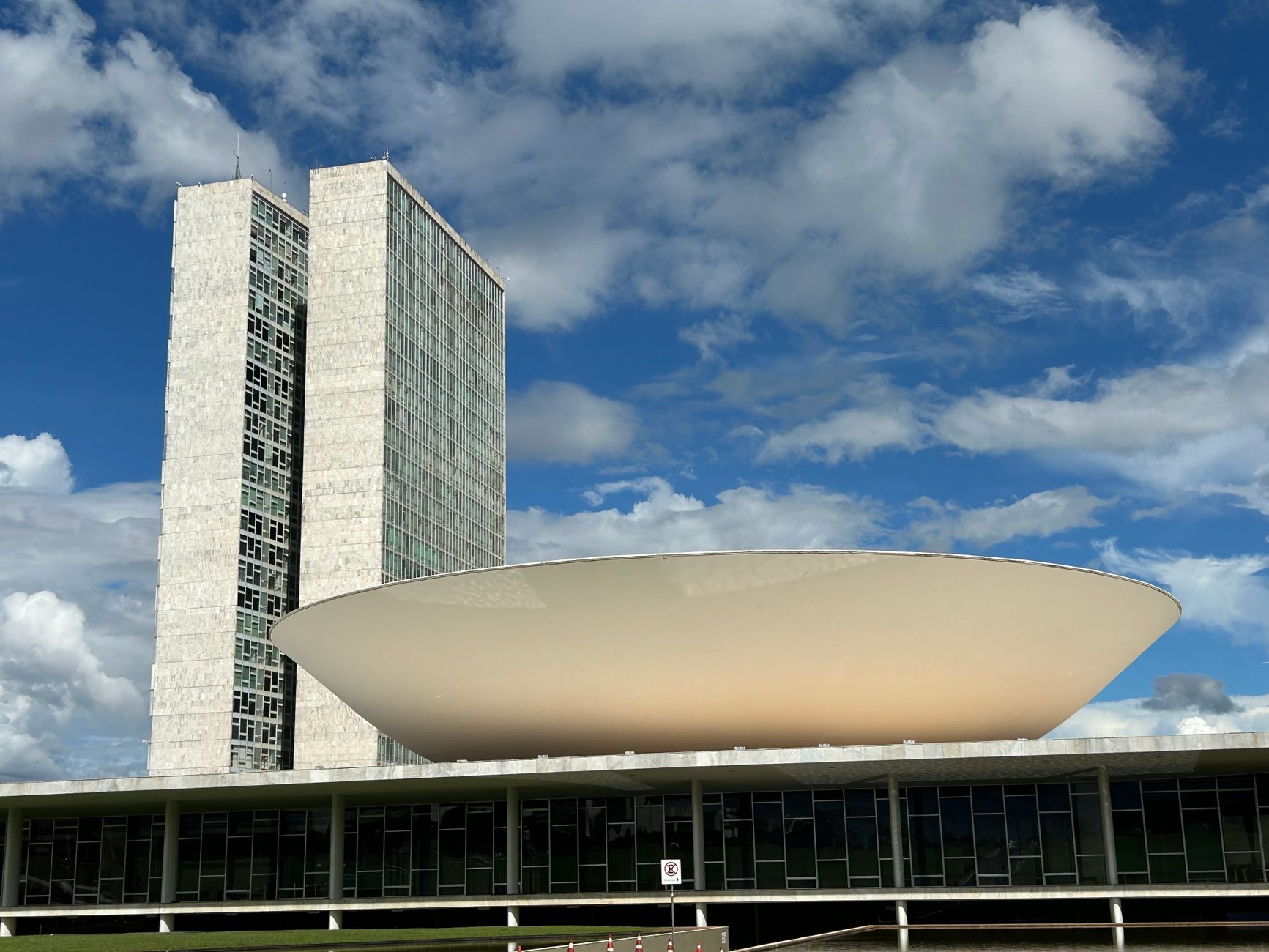
National Congress Palace
The National Congress Palace (Palácio do Congresso Nacional) in Brasília stands as a monumental testament to Brazil’s democratic ideals, architectural…
Juscelino Kubitschek Bridge
Ponte Juscelino Kubitschek, also known as Ponte JK, stands as one of Brasília's most iconic landmarks.
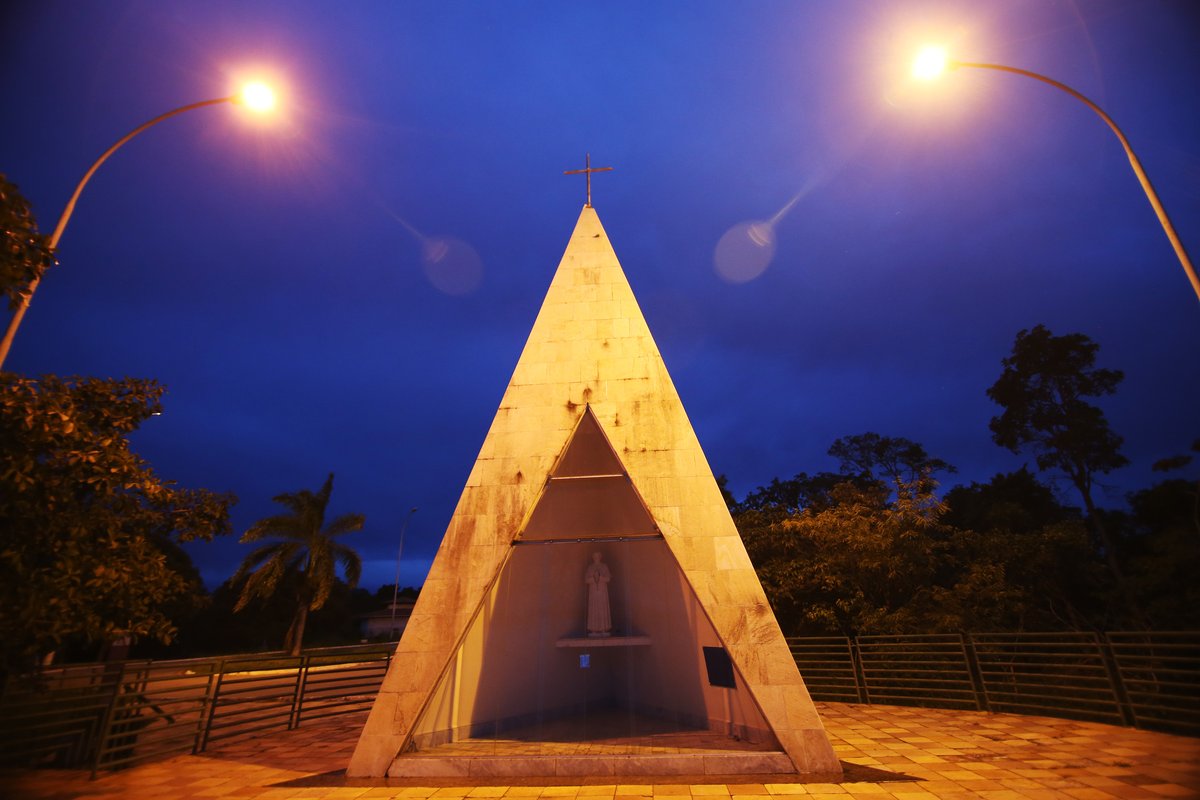
Ermida Dom Bosco
Nestled on the southern shores of Lake Paranoá in Brasília, Brazil, the Ermida Dom Bosco chapel stands as a serene testament to architectural brilliance and…
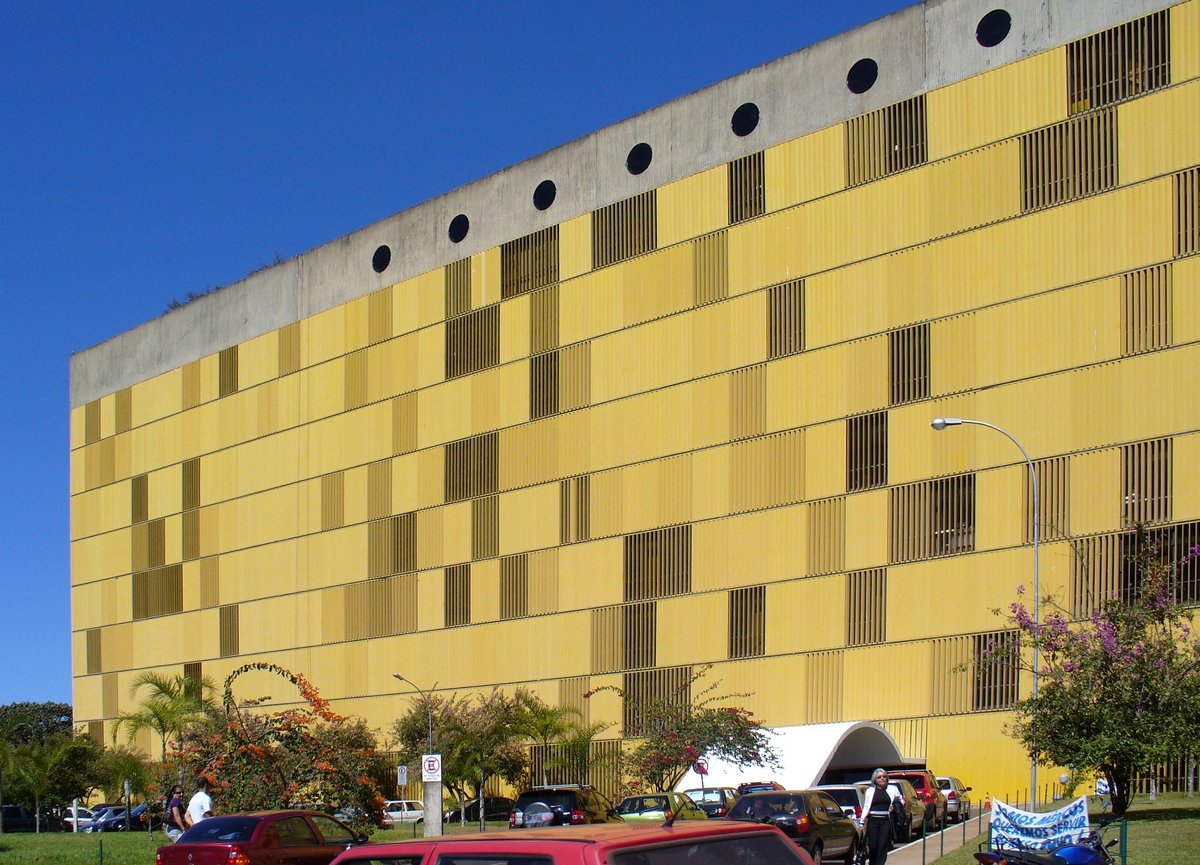
Itamaraty Palace
Nestled in the heart of Brasília, the Itamaraty Palace stands as a monumental emblem of Brazil’s rich cultural heritage, modernist architectural innovation,…
Praça Dos Cristais
Nestled within the Setor Militar Urbano of Brasília, Brazil, Praça dos Cristais, also known as Praça Cívica, stands as a testament to the innovative spirit of…
Santuário Dom Bosco
Santuário São João Bosco, often referred to as Santuário Dom Bosco, is a remarkable spiritual and architectural landmark in Brasília, Brazil.
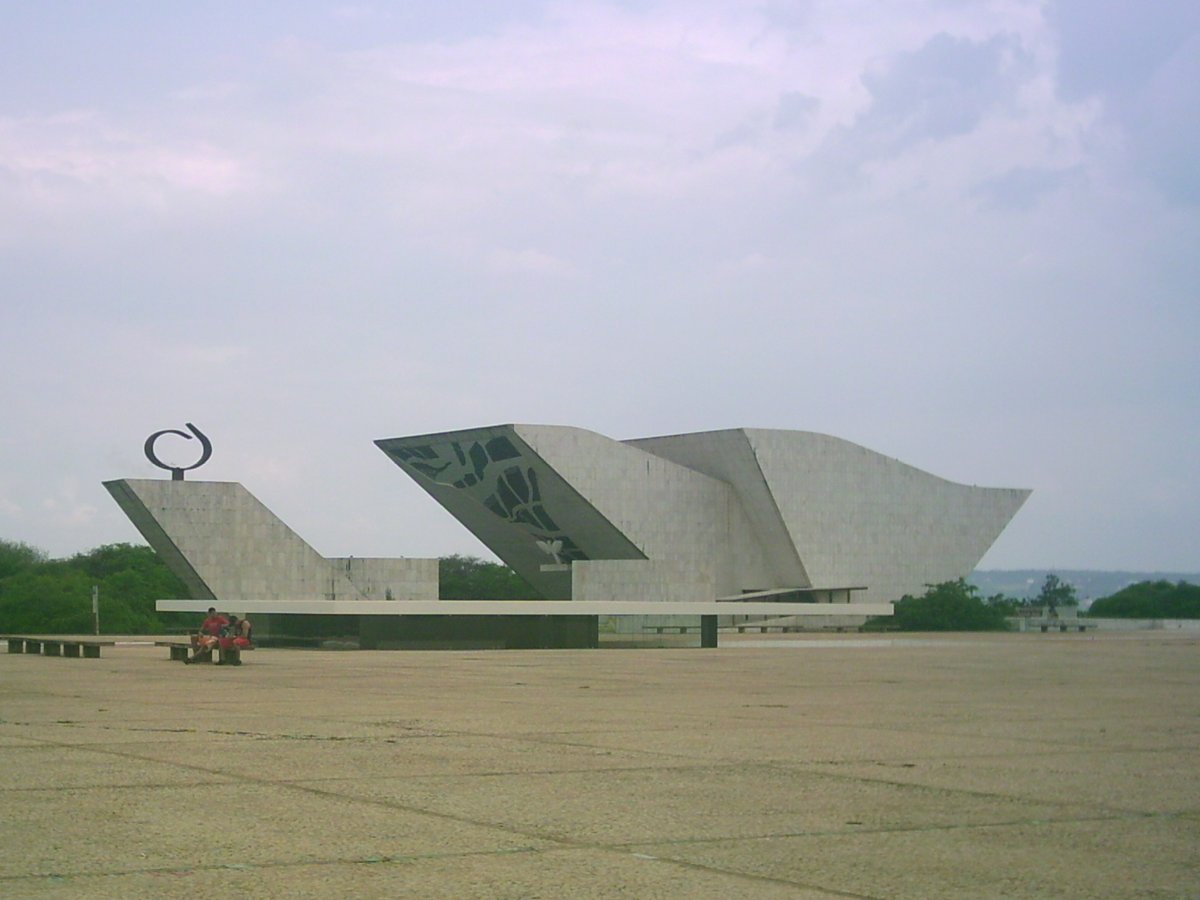
Tancredo Neves Pantheon of Fatherland and Freedom
The Panteão da Pátria e da Liberdade Tancredo Neves, also known as the Pantheon of the Fatherland and Freedom, is an iconic civic memorial situated in…
National Congress of Brazil
Visiting the National Congress of Brazil in Brasília offers a captivating journey into the heart of the country’s legislative power, architectural innovation,…
Cláudio Santoro National Theater
Nestled within Brasília’s iconic Monumental Axis, the Cláudio Santoro National Theater stands as a beacon of Brazil’s rich cultural and architectural heritage.
Memorial Jk
Memorial JK in Brasília is an essential destination for anyone seeking to understand Brazil’s transformative mid-20th-century history and the visionary…
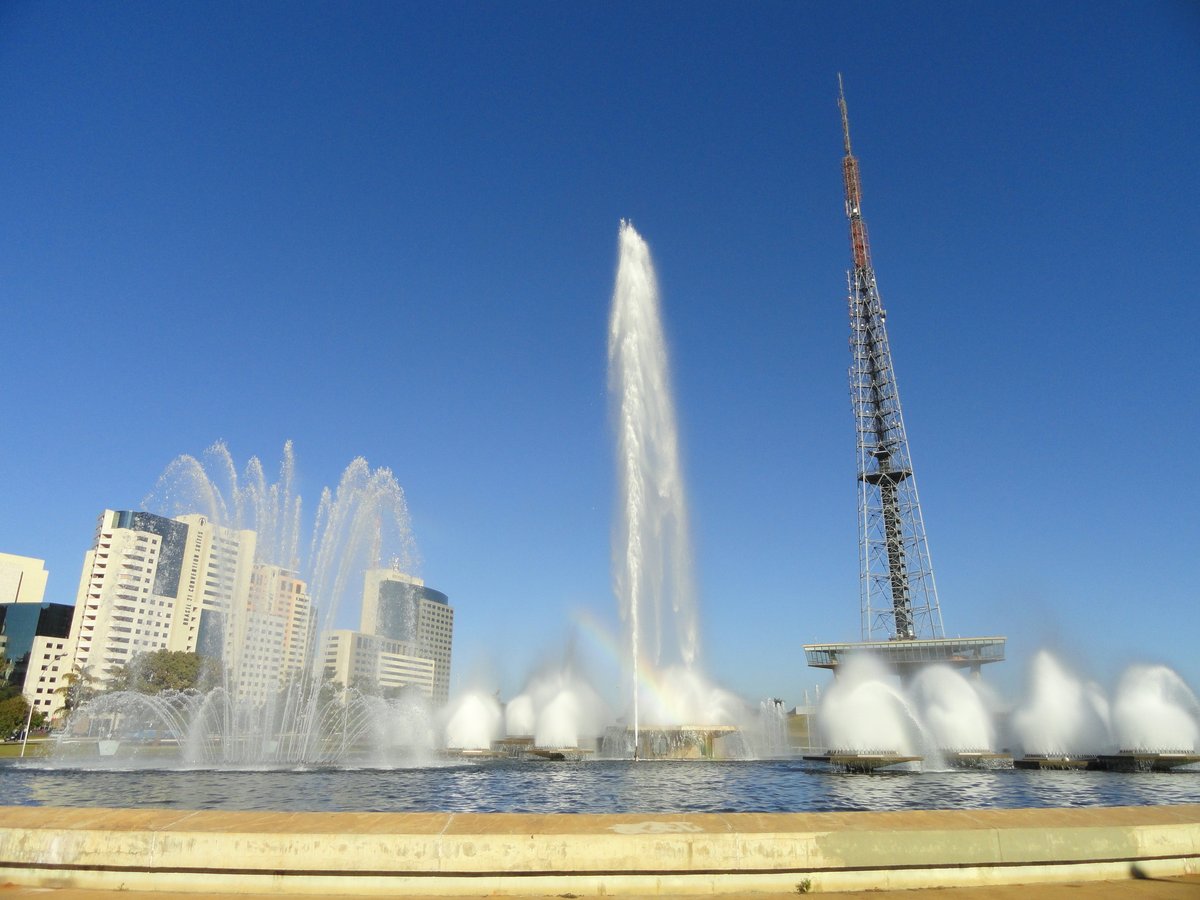
Brasilia Tv Tower
The Mirante da Torre de TV de Brasília, commonly known as the Brasília TV Tower, is an essential landmark for anyone visiting Brazil's capital.
What Makes This City Special
Oscar Niemeyer's Concrete Dreams
Sixteen concrete fingers of the Cathedral arc 40 m skyward like a prayer frozen mid-gesture. Walk the Monumental Axis at dusk and every government building floats above its mirror pool, turning Brasília into a scale model of itself.
Cerrado on the City's Edge
Drive 15 km and you're in Parque Nacional de Brasília where natural spring pools lie under buriti palms and maned wolves trot past at twilight. The same red laterite soil that built the city still stains your sandals.
Lake Paranoá After Dark
Ponte JK's three white arches light up like harp strings at 19:00 sharp. Locals gather at Pontão do Lago Sul for moqueca served two meters from black-water lapping at wooden decks.
Historical Timeline
A Capital Written in Concrete and Light
From indigenous cerrado to Oscar Niemeyer's masterpiece in four lightning years
First Muleteer Crosses
José da Costa Diogo's journal records crossing the future capital's territory. Not desert at all—just an active trade corridor linking coastal sugar ports to the gold mines of Goiás. His maps show Sobradinho farms already scattered across the high plateau.
First Colonial Map
Portuguese cartographer Ângelo dos Santos Cardoso inks the first official map of the Captaincy of Goyaz. The future Federal District appears as empty space between Santa Luzia and Corumbá—misleading wilderness that would haunt capital plans for two centuries.
Brasília Named in Secret
José Bonifácio drafts his Memoir proposing an interior capital at exactly 15° south latitude. He calls it Brasília—two centuries before ground is broken. The proposal dies with his exile, but the name sticks in bureaucratic whispers.
Cruls Quadrilateral Born
Belgian-Brazilian astronomer Luís Cruls surveys 14,400 square kilometers of central plateau. His 'Quadrilátero Cruls' defines the rough boundaries of what will become the Federal District—far larger than the final 5,850 km² slice.
Oscar Niemeyer born
The boy who would design every major building in Brasília enters the world in Rio. His concrete curves will later transform how Brazil sees itself—modern, optimistic, unafraid of empty space. The city becomes his life's work.
Kubitschek's audacious vow
President Juscelino Kubitschek arrives at Fazenda Gama and promises to build a new capital in five years. 'Fifty years in five' becomes his battle cry. The empty cerrado suddenly feels like the center of Brazil's future.
Costa wins the contest
Lúcio Costa sketches the Plano Piloto on a napkin—an airplane or bird depending on who you ask. His design beats 5,000 entries. The shape isn't just symbolic; it channels prevailing winds and creates natural ventilation through superblocks.
Palácio da Alvorada rises
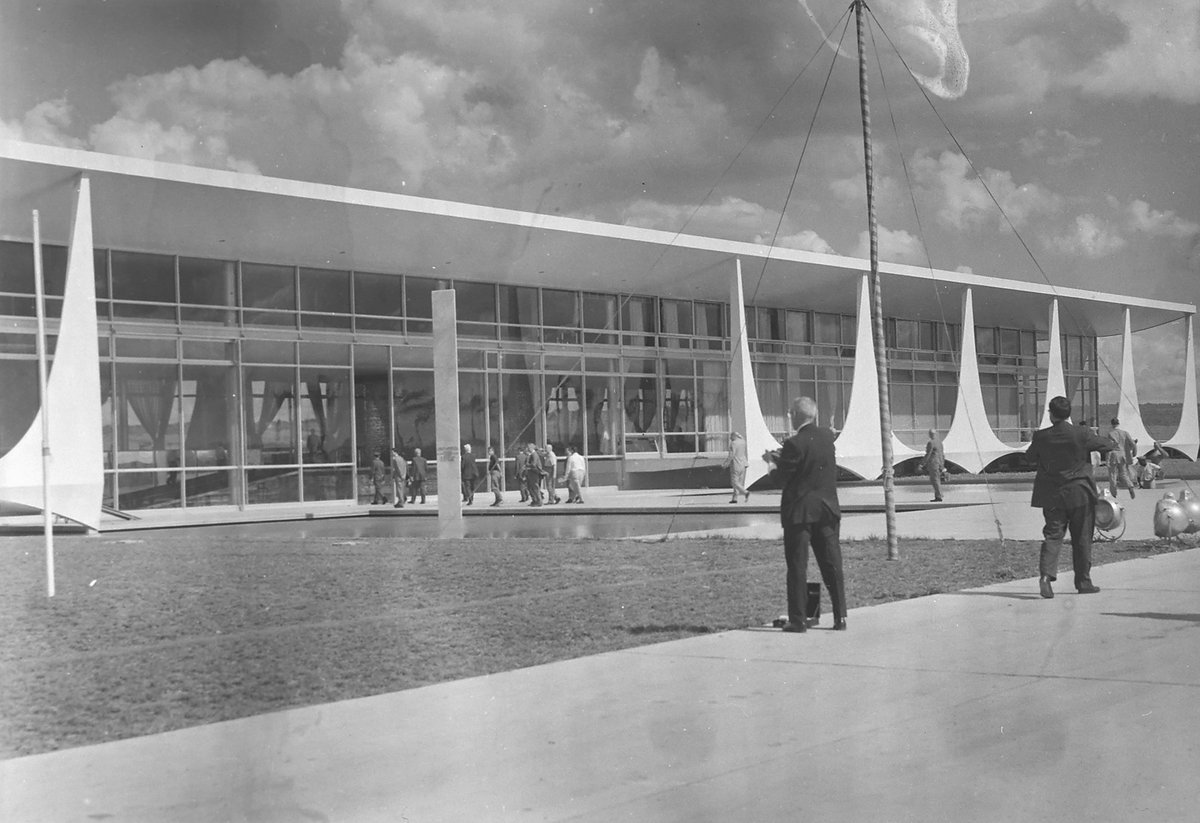
The first building completed isn't a ministry or monument—it's the presidential residence. Niemeyer's white columns seem to float above the reflecting pool. Kubitschek will live here exactly 21 days before inauguration.
Capital moves inland
April 21: Brasília becomes Brazil's capital precisely 168 years after Tiradentes' execution. The date isn't coincidence—it's deliberate symbolism. 64,000 people watch Rio's government apparatus pack up for the high plains.
Renato Russo arrives
Future Legião Urbana frontman moves to Brasília at age three. The planned city's teenage boredom breeds Brazil's most influential rock scene. His lyrics will capture the capital's existential emptiness better than any urban plan.
Military coup arrives
The modernist capital built for democracy becomes headquarters for military dictatorship. Tanks roll down the Monumental Axis. The city's open spaces suddenly feel designed for parades rather than protests.
Ceilândia forced birth
The military relocates 30,000 squatters from Plano Piloto's periphery to a planned satellite city. Families receive plots but no infrastructure. The move creates Brasília's most populous suburb and its deepest social divide.
UNESCO calls it heritage
Barely 27 years old, Brasília becomes a World Heritage Site. The youngest city ever honored. UNESCO cites it as 'a unique example of urban planning'—validation that modernism can age into history faster than medieval walls.
Collor falls hard
President Fernando Collor faces impeachment hearings in the very Congress he tried to dismiss. Brasília's marble halls echo with corruption testimony. The new democracy proves it can police its own palace.
Museu Nacional opens
Niemeyer's final major work—a white dome reflecting the sky—welcomes visitors with free admission. Inside, Brazilian art finally has a space worthy of the capital. The architect was 99 when it opened.
Democracy attacked
Rioters storm the Praça dos Três Poderes, smashing Niemeyer's windows and defacing Athos Bulcão tiles. They breach the same Congress their grandparents helped build. The attack forces Brazil to confront whether its capital's ideals still hold.
Notable Figures
Oscar Niemeyer
1907–2012 · ArchitectHe sketched Brasília’s key structures from a Rio office, never living in the city, yet its curves carry his signature rhythm. Today you can walk beneath the same concrete ribs he drew at 52, unchanged and still controversial.
Juscelino Kubitschek
1902–1976 · PresidentJK staked his presidency on moving the capital inland; when inflation bit, he doubled down. His tomb at the JK Memorial faces the city he willed into existence, lit at night like a perpetual campaign rally.
Lúcio Costa
1902–1998 · Urban PlannerHis ‘Plano Piloto’ sketch was scribbled on a flight back from Brasília’s site visit—an airplane shape that still dictates where traffic lands. He later admitted the city needed denser neighborhoods; residents still debate the missing wings.
Athos Bulcão
1918–2008 · Visual ArtistBulcão turned raw concrete into pixelated color, embedding himself so deeply that locals call blue-and-white mosaics ‘Athos tiles’. Walk any superquadra and you’re tracing his brushwork underfoot.
Cássia Eller
1962–2001 · Rock SingerShe belted out ‘Malandragem’ in the city’s gritty early bars before conquering Brazil’s charts. Brasília’s indie scene still measures itself against her raw 1990 shows in Asa Norte basements.
Kaká
born 1982 · FootballerThe Ballon d’Or winner learned to dribble on the indoor courts of Taguatinga, a satellite city planners never imagined. When he lifted the 2002 World Cup, the capital’s TV Tower flashed his name in lights—proof the planned city could improvise heroes.
Photo Gallery
Explore Brasília in Pictures
A striking monochrome view of the National Museum in Brasília, showcasing the iconic curved architecture designed by Oscar Niemeyer.
EUGENIO BARBOZA on Pexels · Pexels License
The iconic silhouette of the National Congress towers stands against a vibrant sunset in Brasília, Brazil, reflected in a serene foreground pool.
MESSALA CIULLA on Pexels · Pexels License
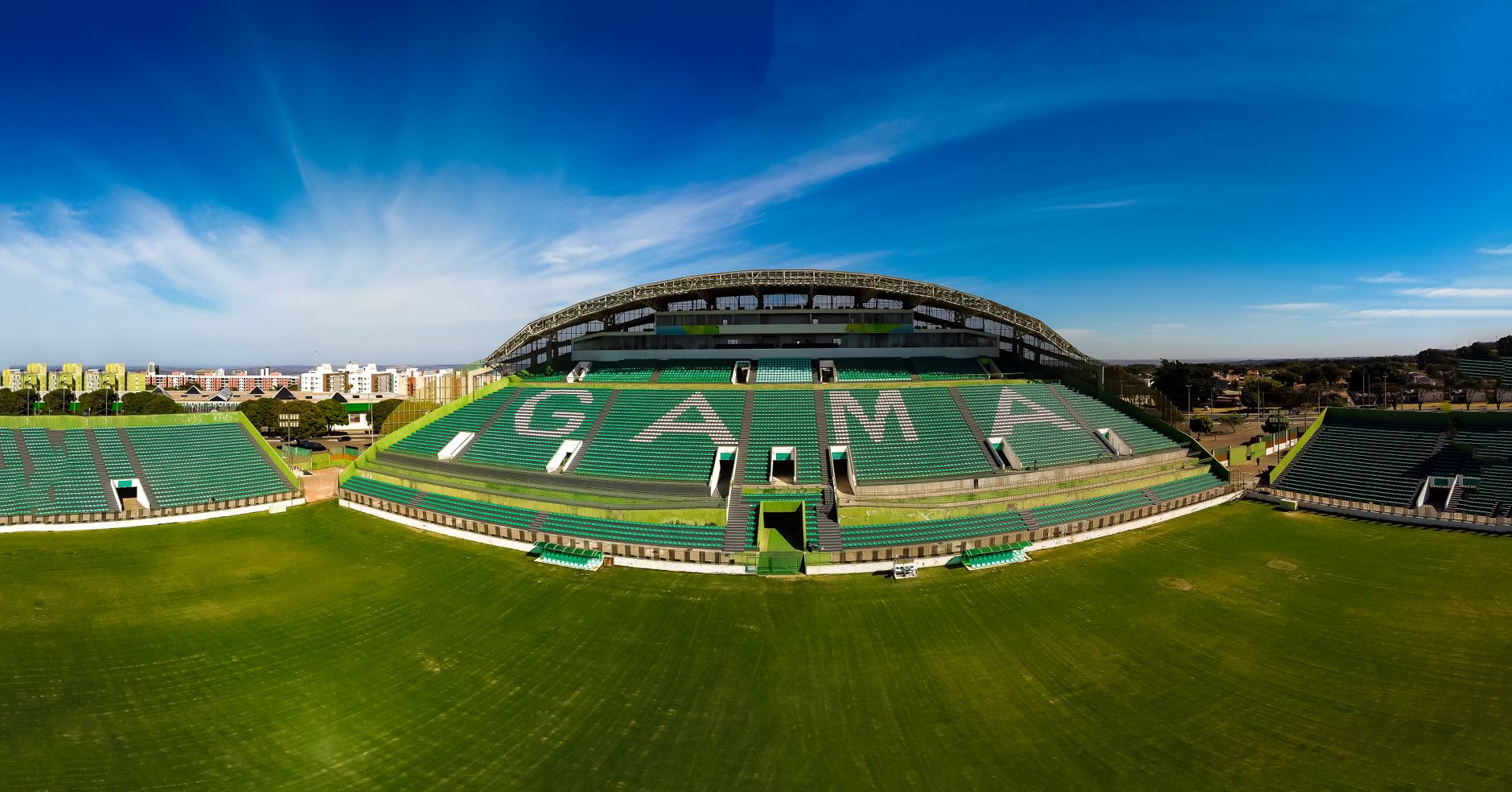
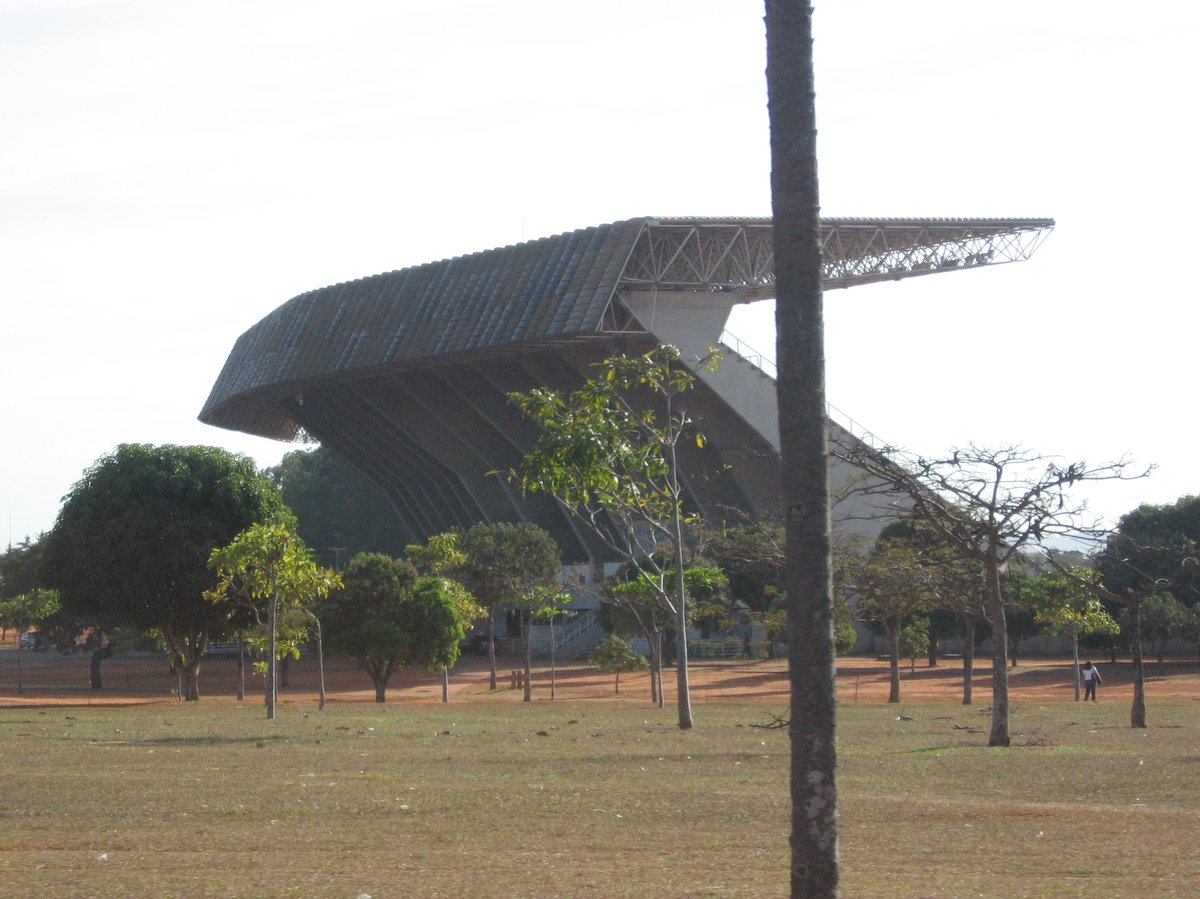
An aerial perspective of the Estádio Walmir Campelo Bezerra, commonly known as Bezerrão, located in the Gama administrative region of Brasília, Brazil.
Banco de Imagens SEL-DF on Pexels · Pexels License
The striking white dome of the National Museum of Brasília stands out against a dramatic, colorful sunset sky, reflecting perfectly in the adjacent pool.
MESSALA CIULLA on Pexels · Pexels License
Silhouetted figures frame the iconic modernist towers of the National Congress in Brasília, Brazil, captured from an elevated transit vantage point.
Henrique Morais on Pexels · Pexels License
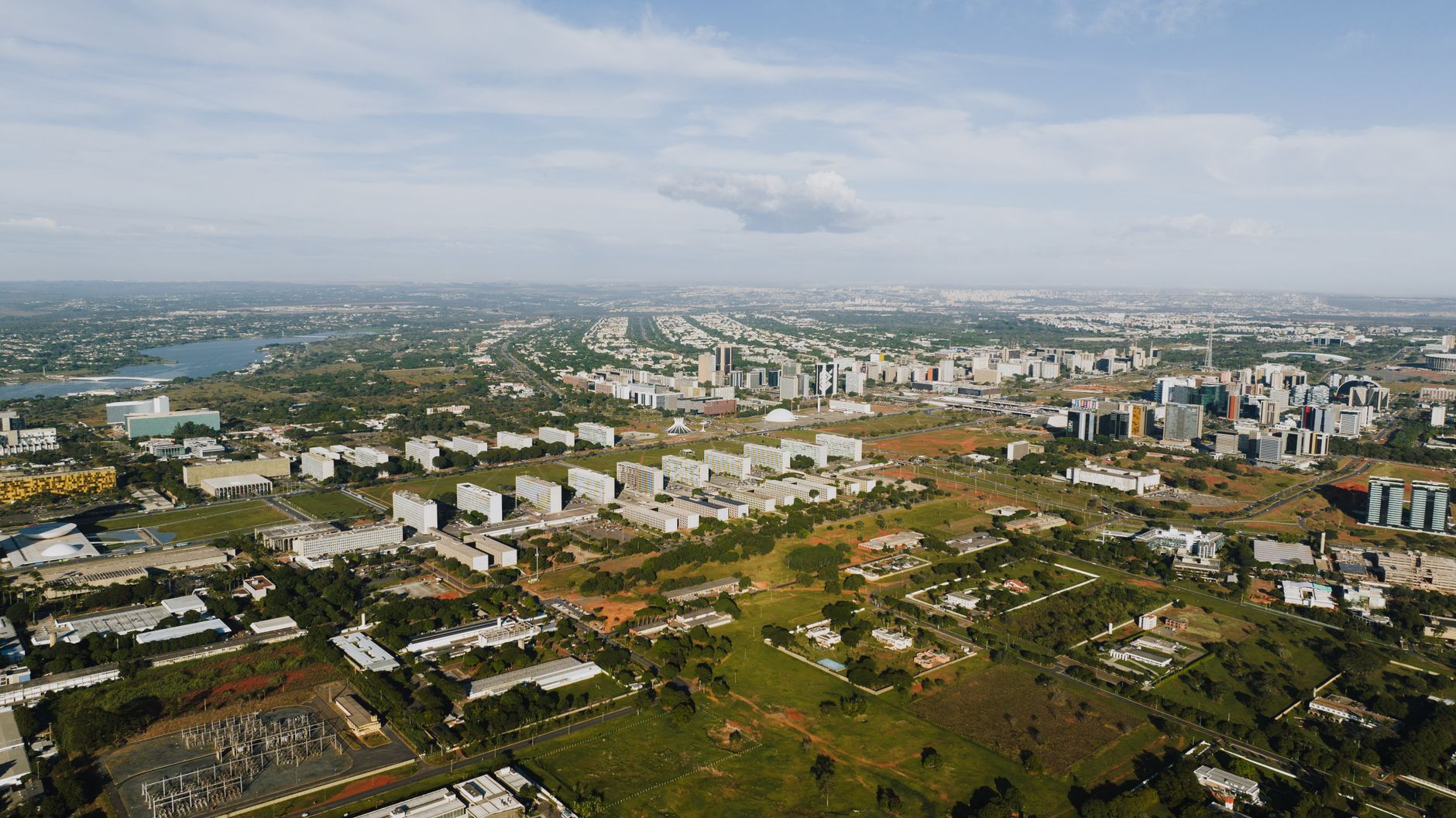
An expansive aerial perspective of Brasília, Brazil, highlighting the city's iconic modernist urban planning and sprawling green landscape.
Kelly on Pexels · Pexels License
A striking view of the Cathedral of Brasília, a masterpiece of modernist architecture designed by Oscar Niemeyer in the heart of Brazil.
João Pavese on Pexels · Pexels License
A stunning aerial view of modern apartment complexes in Brasília, Brazil, illuminated against the backdrop of the city's vast night skyline.
Thiago Gomes de Lemos on Pexels · Pexels License
A bronze sculpture stands in the foreground of the striking, modern architecture of the Cathedral of Brasília, a landmark of Brazil's capital.
Eduardo Vieira on Pexels · Pexels License
A scenic view of the Juscelino Kubitschek Bridge in Brasília, Brazil, showcasing its striking architectural arches and the surrounding Lake Paranoá landscape.
Matheus Natan on Pexels · Pexels License
The striking modernist architecture of the National Congress of Brazil stands prominently against a dramatic, stormy sky in Brasília.
Magali Guimarães on Pexels · Pexels License
Practical Information
Getting There
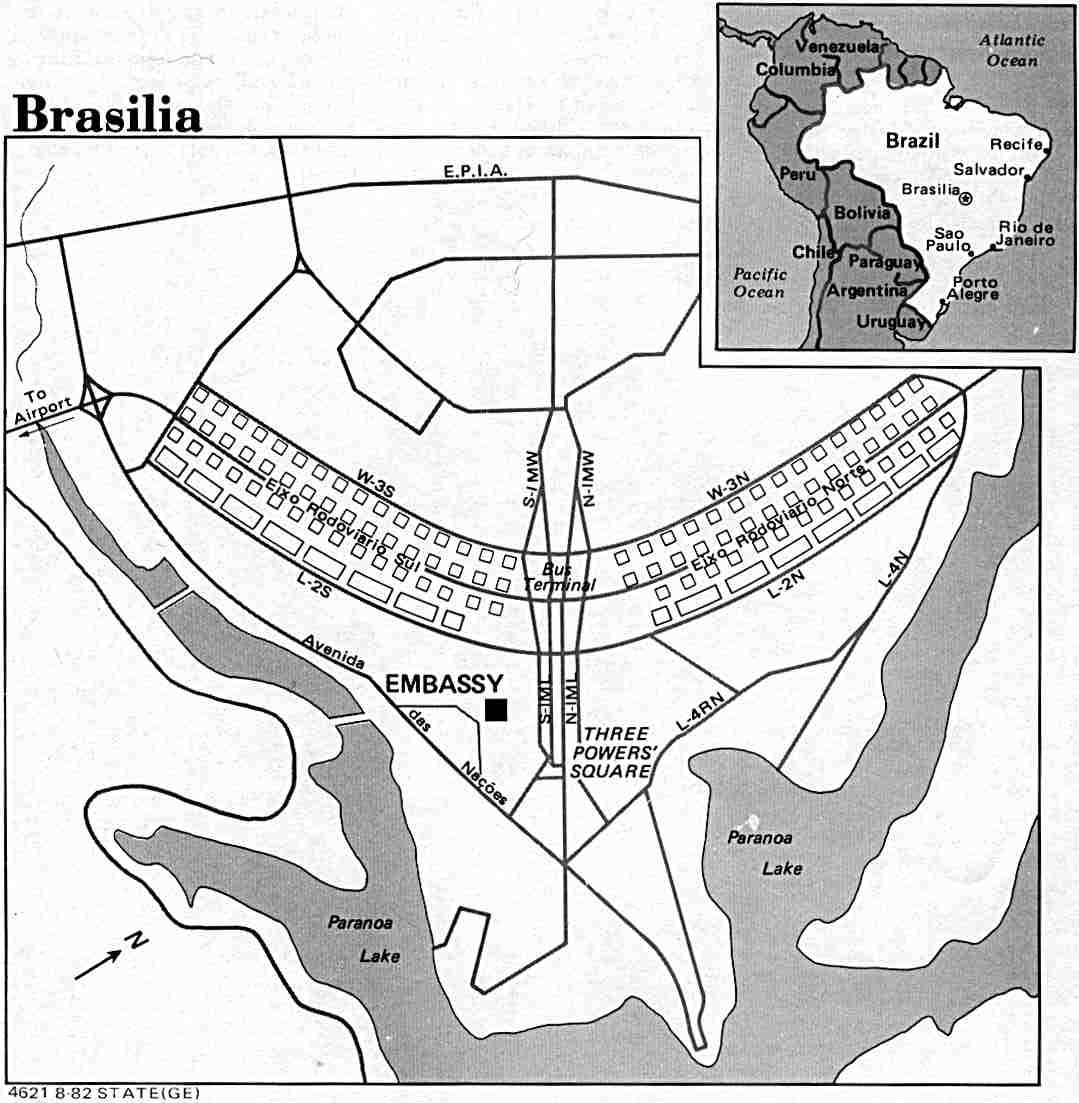
Fly into Presidente Juscelino Kubitschek International Airport (BSB), 12 km south of the pilot plan. Highway BR-040 connects Brasília to Belo Horizonte; BR-050 runs south to São Paulo.
Getting Around
Metro-DF runs two lines (Orange 1 and Green 2) but neither reaches the Monumental Axis. Buy a Cartão Fácil (R$5 base fare) for integrated metro/BRT rides; most tourists rely on Uber (R$8–20 between major sights).
Climate & Best Time
May–August is the sweet spot: 25 °C days, 12 °C nights, and virtually no rain. Wet season (October–April) brings 4 pm downpours that turn the concrete plazas into mirrors. June/July evenings need a light jacket.
Language & Currency
Portuguese only outside hotels and tour desks. Brazilian Real (R$) in cash for weekend craft fairs at TV Tower; cards accepted everywhere else. ATMs: Banco do Brasil at Conjunto Nacional mall, open until 22:00.
Where to Eat
Don't Leave Without Trying
Caminito Parrilla Asa Sul
local favoriteOrder: The parrillada (mixed grill platter) with perfectly aged cuts and the chimichurri sauce that's consistently praised
This is the place where Brasília's meat lovers go for Argentine-style grilled perfection. The cozy atmosphere and excellent service make it a top pick for both locals and visitors.
Vasto Restaurante 108 Sul: Parrilla, Sushi, Carnes, Vinho, Chopp, Delivery DF
local favoriteOrder: The steak au poivre with a side of their famous live music experience
This place has it all - excellent steaks, fresh sushi, and a great atmosphere with live music. It's a favorite for date nights and special occasions.
Nonna Augusta Trattoria: Comida Italiana | Asa Norte Brasília
local favoriteOrder: The risotto ossobuco that's been winning over foodies and the excellent vegetarian options
A reliable favorite for authentic Italian cuisine in Brasília. The service is attentive and the presentation is always top-notch.
Sallva Bar e Ristorante - Pontão Lago Sul - Brasília DF
fine diningOrder: The ox tail risotto that's been called the best in Brasília and their excellent wine pairings
This lakeside restaurant offers a high-end dining experience with impeccable service and a fantastic menu. Perfect for special occasions.
Oliva Cafe
cafeOrder: The pistachio croissant and their excellent V60 coffee
A hidden gem for coffee lovers with some of the best pastries in town. The cozy atmosphere makes it perfect for a quiet morning or afternoon break.
Aroma Brasília
local favoriteOrder: Their signature dishes with live music that enhances the dining experience
A sophisticated spot that combines excellent food with a charming atmosphere. The live music makes it a great choice for a memorable evening out.
Saboretto Cafés Especiais
cafeOrder: The pink tapioca with pesto and their naturally fermented bread toasts
This hidden café serves some of the best coffee in town with excellent food options. The friendly staff and cozy atmosphere make it a perfect spot for a relaxed coffee break.
Ticiana Werner Restaurante & Wine Bar
local favoriteOrder: Their buffet option with a wide variety of dishes and excellent wine selection
A long-standing favorite in Brasília with excellent service and a diverse menu. The buffet is particularly popular for its variety and quality.
Dining Tips
- check 10% service charge is customary and often included automatically in restaurant bills
- check Lunch is the most important meal of the day with a classic formula of rice, beans, meat, salad, and farofa
- check Tap water is generally safe but bottled water is widely preferred
- check Reservations are recommended for popular restaurants
- check Brasília lacks a centuries-old local food tradition but represents a crossroads of all Brazilian regions
- check The city is spread out by design - plan transport carefully when dining across sectors
Restaurant data powered by Google
Tips for Visitors
Pequi Pit Warning
Never bite the stone inside pequi fruit—its internal spines can lodge in your throat. Scrape off the fragrant yellow pulp and leave the pit on the side of your plate.
Lunch at Quilo
Buffets priced ‘por quilo’ charge by weight, letting you sample dozens of regional dishes for under R$15. Hit them before 12:30 pm—government workers empty the trays by one.
Cathedral After Dark
Niemeyer’s cathedral closes at 6 pm, but come back at 7—the exterior lighting makes the 16 concrete ribs glow like a crown suspended in mid-air.
Sunday Car-Free Axis
Every Sunday the Monumental Axis closes to traffic from 7 am to 5 pm. Rent a bike at the TV Tower and ride straight down the middle of Brazil’s capital—no cars, full skyline.
Free Culture Circuit
National Museum, Library, JK Memorial and all Three-Powers Plaza tours cost nothing. You can tick off every major monument in one day without spending a real on entry.
Explore the city with a personal guide in your pocket
Your Personal Curator, in Your Pocket.
Audio guides for 1,100+ cities across 96 countries. History, stories, and local insight — offline ready.
Audiala App
Available on iOS & Android
Join 50k+ Curators
Frequently Asked
Is Brasília worth visiting if I’m not into politics? add
Absolutely—most visitors come for the architecture, not the congress floor. Niemeyer’s concrete curves, Athos Bulcão’s tile murals and a lake built like a leisure park give the city a sci-fi feel you won’t find anywhere else in South America.
How many days do I need in Brasília? add
Two full days cover the Monumental Axis core, a lake sunset and a cerrado park dip. Add a third if you want a day-trip to Pirenópolis colonial town or Chapada dos Veadeiros waterfalls.
Is Brasília safe to walk at night? add
The hotel sector and Asa Sul bar strips are generally safe with normal precautions, but the central bus station area empties after 9 pm—take a cab back. Weekend nights around Pontão lake are busy and well-lit.
Do I need a car to get around? add
The bus-rapid-transit (BRT) links the main wings and the Monumental Axis, but attractions are 2–4 km apart. Ride-hailing is cheap; without wheels you’ll spend a lot of time waiting or walking under harsh sun.
What’s the best time of year to visit? add
May–September: dry season, daytime highs around 26 °C and almost zero rain. December–March is hot, humid and stormy—great for lake swims, bad for open-air architecture walks.
Are the government buildings open on weekends? add
Congress tours run hourly on Saturdays; the Supreme Court opens Tuesday–Sunday. The Presidential Palace interior is only possible on ceremonial open-door Sundays—check the official agenda a week ahead.
Sources
- verified Secret Flying Brasília Food Guide — Local dishes, restaurant picks and eating etiquette including pequi safety and quilo buffet culture.
- verified DF Government Tourism Portal — Official opening hours, tour schedules and accessibility info for Congress, Cathedral, museums and memorials.
- verified TripAdvisor Attractions Ranking & Reviews — Visitor tips on bike tours, stadium visits, nightlife districts and day-trip operators.
- verified The Culture Trip – Brasília Top 10 — Highlights Santuário Dom Bosco, Parque Nacional and seasonal best-times to visit.
Last reviewed: