


Place
Tirana
Albania Verified Apr 2026
Tirana smells of espresso and paint—the first from tiny cups that stall morning traffic, the second from murals slapped onto communist-era facades in colors that never asked for permission. In this city of 550,000, Albania’s capital since 1920, minarets, Orthodox domes and a glass-and-steel mosque opened in 2024 share the same skyline, and a 15-minute cable car can lift you from palm-lined boulevards to pine snow on Mount Dajti faster than your macchiato cools.
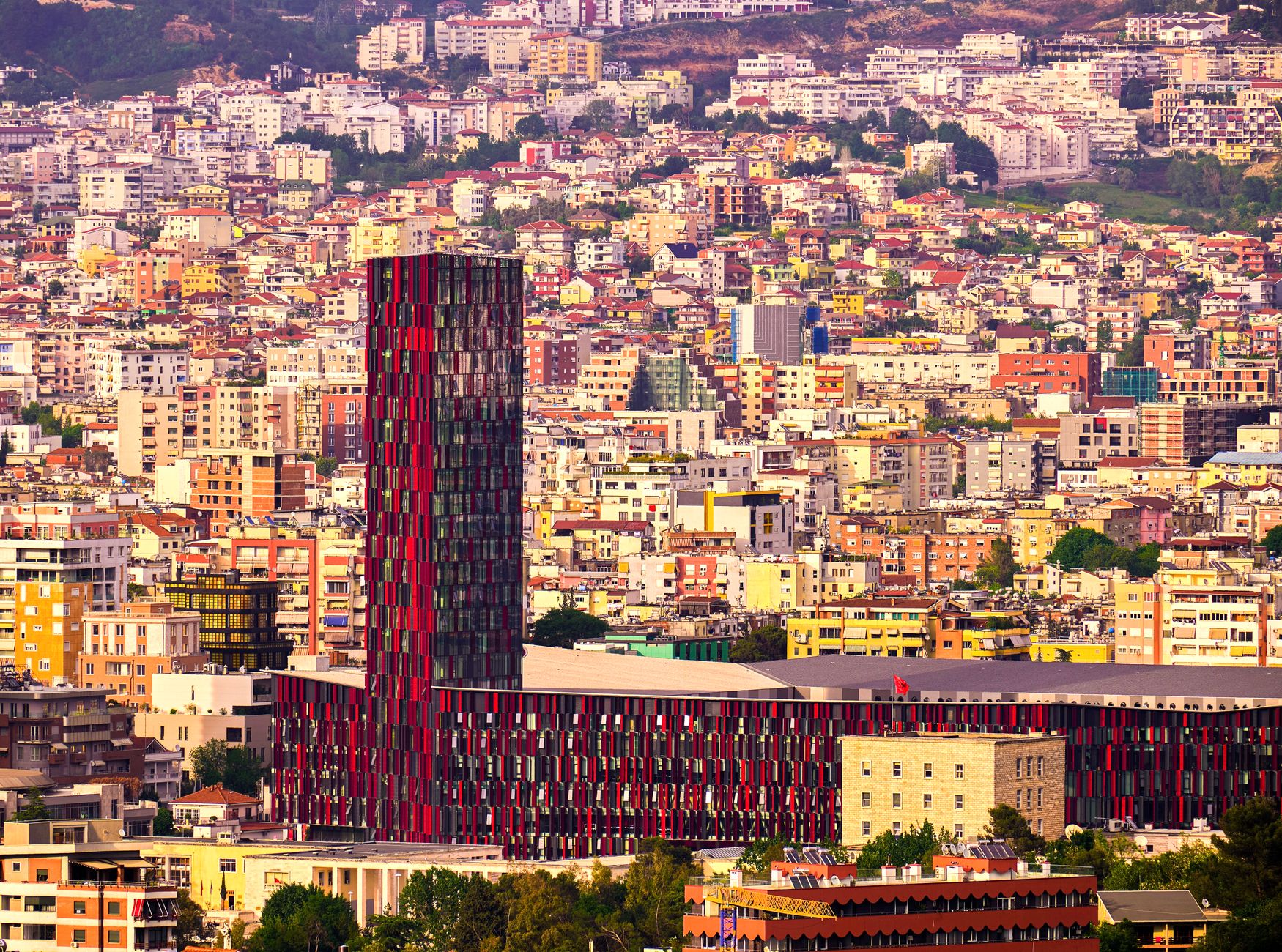 Photo: Valter Zhara / Pexels
- Attractions
- 25
- Audio
- 3 h 52 min
- Trip length
- 2–3 days
- Best season
- May–July (warm, dry)
Why Tirana
Built from cited sources · see the method · How we make our guides →
The grid you walk today was sketched by Italian rationalists in the 1930s, then wrapped in concrete bunkers by Enver Hoxha and finally cracked open by a generation that turned a pyramid-shaped dictator’s museum into a tech-and-club incubator with rooftop views. Between the frescoed leaves inside the 1821 Et’hem Bey Mosque and the LED-lit escalators of the Air Albania Stadium, Tirana compresses a Balkan century into two square kilometers.
Locals still gossip in the former elite block where politburo children once played behind barbed wire—now Blloku’s cocktail bars pour rosemary-infused raki until 3 a.m. A morning detour through Pazari i Ri yields sour-cherry jam, mountain honey and the city’s best spinach byrek, still 70 lek a slice, eaten elbow-to-elbow with butchers on their espresso break. Tirana doesn’t whisper its stories; it invites you to lean in over coffee strong enough to sponsor the conversation.
A Pyramid Turned Inside-Out
The 1988 marble monolith once meant to glorify Enver Hoxha is now the Pyramid of Tirana, its slanted roof a public staircase leading to tech labs, art shows, and a rooftop sunset bar that opened in spring 2024.Bunkers as Confessionals
Bunk’Art 2 sits 24 m beneath the Ministry of Interior, its dim corridors lined with tape loops of intercepted phone calls; one chamber still smells of the diesel heaters used by Sigurimi agents in 1986.Cable-Car to the Skyline
The 15-minute Dajti Ekspres carries you from the city’s exhaust to 1,613 m on Mount Dajti, where pine resin and grilled qofte drift across the valley and Tirana’s concrete blocks look like scattered Lego.Blloku’s Reversal
The tree-lined quarter once reserved for Party elite now hums with espresso machines at 07:30—inside the same villas whose gates you would have been shot for touching in 1985.
Places to Visit
Not every monument, just the ones we'd walk you past ourselves.
-
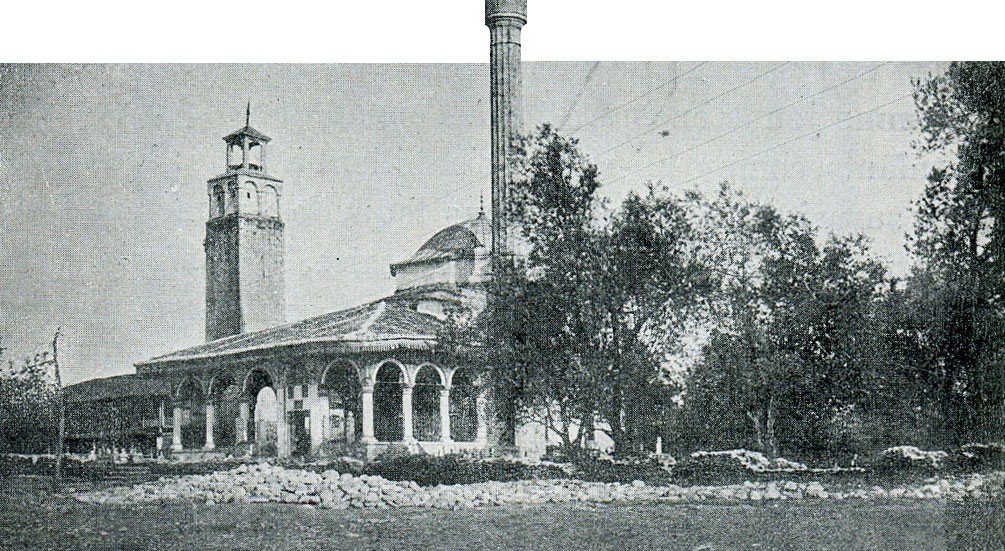
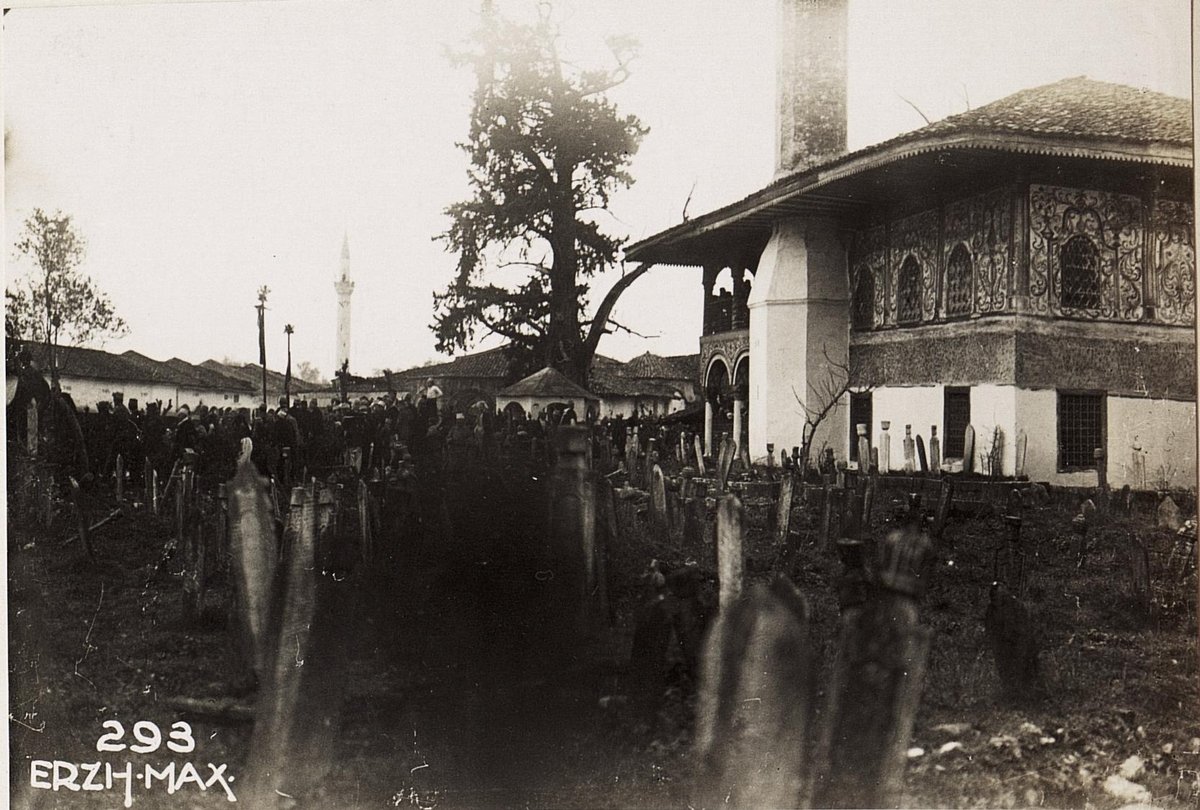
Et'Hem Bey Mosque Nestled in the vibrant heart of Tirana, the Et’Hem Bey Mosque stands as a distinguished symbol of Albania’s rich Ottoman heritage and cultural resilience.
-
National Library of Albania Albania's national library grew from a 1917 literary commission and opened in 1920 beside Skanderbeg Square, where the country's paper memory still gathers.

-
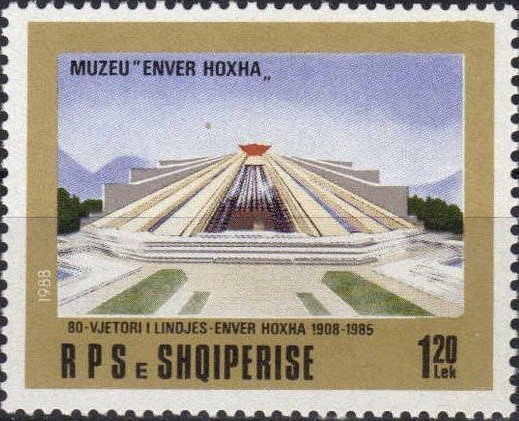
Pyramid of Tirana The Pyramid of Tirana, locally known as "Piramida," stands as one of Albania’s most striking and historically charged landmarks.
-
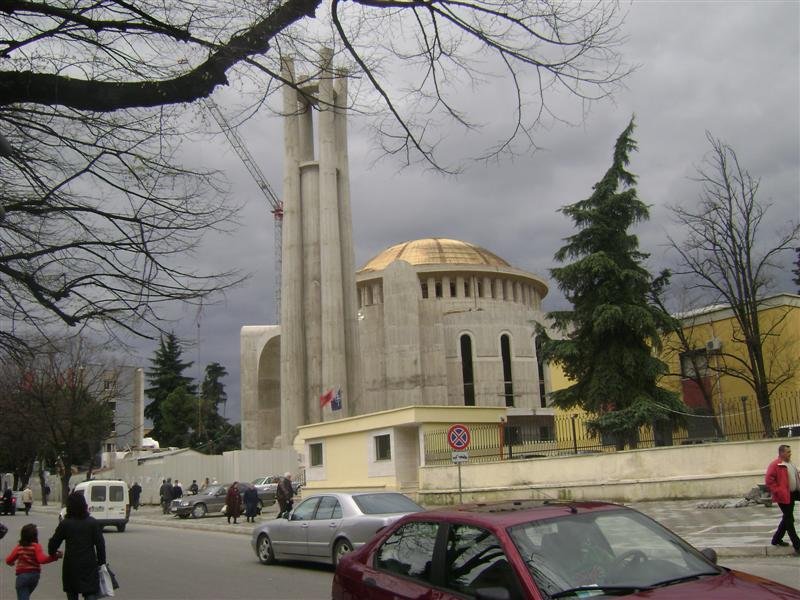
Resurrection of Christ Orthodox Cathedral Nestled in the vibrant heart of Tirana, Albania, the Resurrection of Christ Orthodox Cathedral stands as an architectural marvel and a living testament to the…
-
Great Mosque of Tirana Opened in October 2024 after a 32-year delay, Tirana’s Namazgjaja is less a quiet landmark than a fault line of faith, politics, and memory in the city center.

- Skanderbeg Square Skanderbeg Square, located at the heart of Tirana, Albania’s capital, stands as a vibrant symbol of the country's rich history, cultural diversity, and…
- National Theater of Albania The National Theater of Albania in Tirana stands as a cornerstone of the country’s rich cultural and historical landscape, embodying decades of artistic…
- National Historical Museum The National Historical Museum in Tirana stands as Albania’s largest and most significant cultural institution, representing a monumental tribute to the…
- National Archaeological Museum The National Archaeological Museum in Tirana stands as Albania’s foremost institution dedicated to preserving and showcasing the nation’s rich and diverse…
Neighborhoods
Where to wander, by quarter — each with its own rhythm.
Blloku
Once a forbidden enclave for communist apparatchiks, Blloku is now a pedestrian chessboard of pastel apartment blocks hiding speakeasy bars, concept stores and Albania’s most concentrated coffee culture. Start at Radio Bar for vintage posters and mezcal, drift toward Zeta Gallery for contemporary art, and finish at Hemingway where live jazz competes with clinking Negronis.Pazari i Ri (New Bazaar)
A 2017 facelift turned this 19th-century market into an open-air pantry: stalls of paprika strings, goat-cheese wheels and olive barrels frame cheap grill kiosks churning out qofte for 120 lek. Evenings see wine bars spill onto the cobbles; try the local shepherd’s fërgesë baked in clay dishes still warm to the touch.Skanderbeg Square & Boulevard Axis
The 28,000-m² marble plaza is Tirana’s heartbeat—fountains mirror the National Historical Museum’s socialist-realist mosaic while kids weave through skateboards below the 35 m clock tower. Walk south along the plane-tree boulevard to find the National Gallery, Opera House and the cloud-shaped lattice pavilion Reja, constantly hijacked for pop-up debates or yoga at sunset.Tirana Castle Quarter
More lifestyle cluster than fortress, the excavated 6th-century walls now cradle craft shops and courtyard taverns. Stone staircases lead to rooftop terraces where glasses of chilled verë sheshi (house wine) arrive with views over minaret tops and the distant Dajti massif.Grand Park & Lake Area
Locals call it the “lung of the city”: 230 ha of cypress and pine circling an artificial lake where joggers orbit before dawn. Rent a pedal boat for 500 lek half-hour, then climb to Mullixhiu restaurant for modern takes on mountain herb tavë kosi while geese honble below.Dibri & Hoxha Tahsim Streets
North of the boulevard, these parallel lanes form a low-key foodie strip where 1960s apartment ground floors host family grills and bakeries firing sesame-crusted bread at 5 a.m. Join construction workers for 50-lek espresso shots or queue at tiny Byrektore #8 for cheese triangles that steam like geysers.Bektashi World Center (Mangalem)
At the edge of Tirana, carved-stone gateways open into the global headquarters of the tolerant Sufi order whose babas welcome strangers with rosewater and short, cryptic parables. The teqe’s green dome and adjoining museum offer a quiet counterpoint to the city’s secular buzz.Farka
A 15-minute taxi southeast brings you to a lakeside suburb where kayaks glide past weekend barbecue pits. Evening fish restaurants serve carp grilled with bay leaves; beyond the reeds, shepherd paths climb toward Kakunja Waterfall, a spring torrent locals keep politely off Instagram.
Plan your trip
Before you go
- Getting There
- Fly into Tirana International Airport Nënë Tereza (TIA), 17 km northwest. Hourly airport buses cost 400 ALL and drop behind the Opera House in 30-40 min. No rail link; highway A1 connects to Kosovo, A2 to Durrës port.
- Getting Around
- No metro or tram in 2026; rely on 20+ city bus lines (40 lek per ride). Dedicated BRT lanes debuted March 2026 on Unaza and Kombinat corridors. Bike-share stands dot Grand Park; rentals ~500 lek/hr. Tourist cards don’t exist—pay cash on board.
- Climate & Best Time
- Spring (Mar-May) 14–22 °C with 70 mm rain; summer (Jun-Aug) 26–31 °C and the driest month is August (20 mm). Autumn (Sep-Nov) stays warm at 21–26 °C until heavy rains return in November. Visit May–June or mid-September to dodge both crowds and downpours.
- Language & Currency
- Albanian is the tongue; “Faleminderit” earns smiles. Currency is the lek (ALL) at 96.12 ALL = 1 EUR as of April 2026. Cards work in malls and hotels, but keep cash for cafés, taxis, and Pazari i Ri produce stalls.
- Safety
- U.S. State Dept rates Albania Level 2—exercise caution. Pickpockets operate on Skanderbeg Square buses and late-night Blloku streets. Demonstrations flare around Parliament; avoid if loudspeakers appear. Road rules are suggestions—look both ways even on one-way streets.
Concrete Bunkers, Painted Facades, and a Square That Refuses to Forget
From Illyrian plain to Europe’s youngest capital
- c. 3000 BCE
First Farmers on the Plain
Polished stone axes and red-slipped pottery appear in Laprakë and Pëllumbas cave shelters. The Tirana basin, still a marshy river delta, becomes a seasonal camp for farmers hunting red deer and growing early emmer wheat.
- c. 300 CE
Roman Villa by the Road
A landowner on the Durrës–Lake Ohrid track paves a courtyard with a polychrome mosaic of vines and kantharoi. The villa’s foundations—still visible today—are the oldest stone fabric inside modern Tirana’s borders.
- 1431
Ottoman Taxmen Count the Hamlets
The imperial defter lists ‘Tirana e Madhe’ and ‘Tirana e Vogël’—two clusters of 60 households paying tithes on wheat, honey, and flax. The names are Albanian; the empire is Turkish.
- 1614
A Mosque, a Bakery, a Town
Sulejman Pasha Bargjini plants a mosque, a hammam and a stone bridge over the Lanë stream. Caravans heading inland from Durrës now stop inside sturdy walls; Tirana graduates from village to kasaba.
- c. 1820
Et’hem Bey Finishes His Mosque
Haxhi Et’hem climbs the half-built minaret at dawn to paint delicate frescoes—rare Islamic landscapes of waterfalls and cypress—while the call to prayer is still banned by conservative factions. The mosque survives every regime that follows.
- 1867
Murat Toptani, the Patriot Poet
Born in the Toptani family compound near today’s Pyramid, Murat carves the Albanian double-headed eagle into his ink-stained desk. His verses will circulate in Tirana’s coffeehouses decades before independence.
Show the full timeline (18 moments)
- 27 Nov 1912
Serbian Cavalry Raises Dust in the Capital
Two days after Albania declares independence in Vlorë, Serbian lancers trot across the unfinished square. Shops shutter; the green-and-red flag hastily sewn by local women is hidden inside Et’hem Bey’s minaret.
- 11 Feb 1920
Tirana Becomes the Temporary Capital
Government clerks arrive with typewriters in fruit crates and set up in Toptani’s old saray. The population—12,000—doubles overnight; the first telegraph wire to the coast is strung from the clock-tower balcony.
- 7 Apr 1939
Italian Paratroopers Land on Dëshmorët e Kombit Boulevard
At 6:00 a.m. Fiat engines drown out the call to prayer. Within hours the royal palace is seized; King Zog flees south, leaving behind a half-eaten plate of baklava on the palace terrace.
- 17 Nov 1944
Partisans Liberate the City After 19-Day Battle
Shells scar the new Italian ministry façades; 127 partisans lie dead in the olive groves above the city. At noon the red flag with black double-eagle replaces the swastika atop the Palace of Culture construction site.
- 30 May 1957
University of Tirana Opens in a Requisitioned Villa
Seventy students share four microscopes and one mimeograph. The first rector, a former partisan, plants plane trees along what will become the city’s intellectual spine—today lined with cafés named after dead poets.
- 1967
State Atheism Closes Every House of Worship
Et’hem Bey’s doors are chained; icons are piled in the National Library basement. The city’s five muezzins are reassigned to factory loudspeakers that now blast partisan songs at prayer times.
- 1936
Ismail Kadare, the Chronicler of Dictatorship
Born in mountain Gjirokastër, Kadare will spend thirty Tirana winters in a fourth-floor apartment on Rruga e Kavajës, writing *The Palace of Dreams* while the Sigurimi listens from the stairwell. His balcony overlooks the Pyramid built to glorify the man who spied on him.
- 14 Oct 1988
Pyramid of Tirana Opens as Hoxha Mausoleum
Marble from Prrenjas, glass from Korça, 17,000 light bulbs. Schoolchildren file past the embalmed leader’s jacket; outside, the city queues for rationed coffee. The structure will outlive the ideology.
- 20 Feb 1991
Students Topple Hoxha’s Statue
A crane drags the 7-metre bronze to the asphalt; the clanging echoes off the Opera House. Someone saws off the left ear as a souvenir. By evening the square smells of burnt rubber and liberation.
- 1964
Edi Rama, the Mayor Who Painted the City
Born in the maternity hospital overlooking the Artificial Lake. As mayor he’ll splash lemon-yellow across Stalinist facades and install chrome benches where spies once sat, turning grey boulevards into open-air canvases.
- June 2017
Skanderbeg Square Reborn in Catalan Granite
Fifty thousand stone blocks echo the pattern of traditional carpets; water jets cool kids where tanks once idled. Traffic is banished—only the echo of bicycle bells and evening tango classes remain.
- 2023
The Pyramid Becomes a Youth Tech Hub
Concrete slabs tilt into wheelchair ramps; startup kids sip flat whites inside the dictator’s tomb. From the rooftop you can see Et’hem Bey’s minaret, Radio Tirana’s antenna, and the mountains that once hid partisan radios.
Who lived here
-
Novelist · 1936–2024
Ismail Kadare
Lived and died in Tirana
He rewrote Albanian identity from a Tirana apartment where the walls still echo with typewriter clicks; today the cubist block he called home is a pocket museum where guides whisper lines from The Palace of Dreams.
-
Painter-politician · born 1964
Edi Rama
Born here; mayor 2000-11
Before running the country he ran the city—splashing lime green and tangerine across Stalinist facades so locals woke up laughing instead of grey; those colours now define every Tirana postcard.
-
Opera soprano · born 1963
Inva Mula
Born in Tirana
She first trilled Puccini in the city’s 1950s opera house before Hollywood phoned for The Fifth Element; Tirana’s ticket prices still feel provincial, but the acoustics she trained on remain flawless.
-
Crown Prince · 1939–2011
Leka I
Born in Tirana Royal Palace
Entered the world in a palace that became a parliament office and left it campaigning for democracy—his cradle city had swapped crowns for traffic lights, yet he insisted on coming home to die under the same mountain.
-
Actress-author · born 1985
Masiela Lusha
Born in Tirana; fled 1990
She learned English from subtitles in a Tirana basement before escaping as a refugee; now her bilingual children’s books are sold back in the city’s new English-language bookstore—she calls it a circular migration of words.
Where to Eat
Where locals actually book dinner — not the tourist menus.
Insider tips
Small things that change how the city treats you.
Cash is king
Cards work in hotels and malls, but cafés, taxis and markets still run on lek. Keep small notes; nobody breaks 5000 lek for a coffee.Airport bus hack
The 24-hour airport bus leaves hourly from behind the Opera and costs 400 lek—one-tenth of a taxi. Buy the ticket from the driver, cash only.Dajti sunset window
Cable-car last departure is 19:00 in summer; be on the 18:00 up to watch the city flip on its lights while you sip a mountain-top €2 espresso.Lunchtime byrek rule
Byrek is baked at dawn and sold out by 13:00. If the tray is empty, move on—afternoon pies are yesterday’s leftovers re-heated.Bunk’Art echo
The long concrete tunnels amplify every footstep. Bring headphones if you hate sudden metallic clangs from the audio installations.November rain check
November dumps 120 mm of rain—double October. Book indoor days: Bunk’Art, Kadare’s house-studio, and the National Gallery are drizzle-proof.
Gallery
The city, as it actually looks.


Watch
Frequently asked
Is Tirana worth visiting?
Yes—few capitals flip from Ottoman mosque to post-communist pyramid to 2024 mega-mosque in a single stroll. Add mountain-cable-car sunsets and €3 lunches and you get more surprise per hour than Paris-priced neighbours.
How many days in Tirana?
Two full days cover the square, bunkers, Blloku nightlife and Dajti mountain. Add a third if you want day-trips to Krujë castle or Cape Rodon beaches.
Is Tirana safe to walk at night?
Central streets stay busy until 01:00; violent crime against tourists is rare. Pickpockets work crowded bars—keep phone off the café table and take registered yellow taxis home.
Do I need euros or lek?
Lek is required for buses, bakeries and most cafés. Euros are accepted in souvenir shops but at a lazy 1:100 rate—carry lek for fair prices.
Can I do Dajti mountain without a car?
Absolutely—city bus 11 reaches the cable-car base in 20 min; the gondola runs every half-hour and costs 1300 lek return—no vehicle needed.
Are Tirana’s museums closed on Mondays?
Most bunker-museums (Bunk’Art 1 & 2, House of Leaves) open daily; the National Gallery and Historical Museum rest on Monday—plan indoor back-ups.
All Places to Visit.
79 places to discover
Place
National Theater of Albania
Place
Et'Hem Bey Mosque
Place
National Library of Albania
Place
Pyramid of Tirana
Place
National Historical Museum
Place
Resurrection of Christ Orthodox Cathedral

Place
Great Mosque of Tirana
Place
National Archaeological Museum
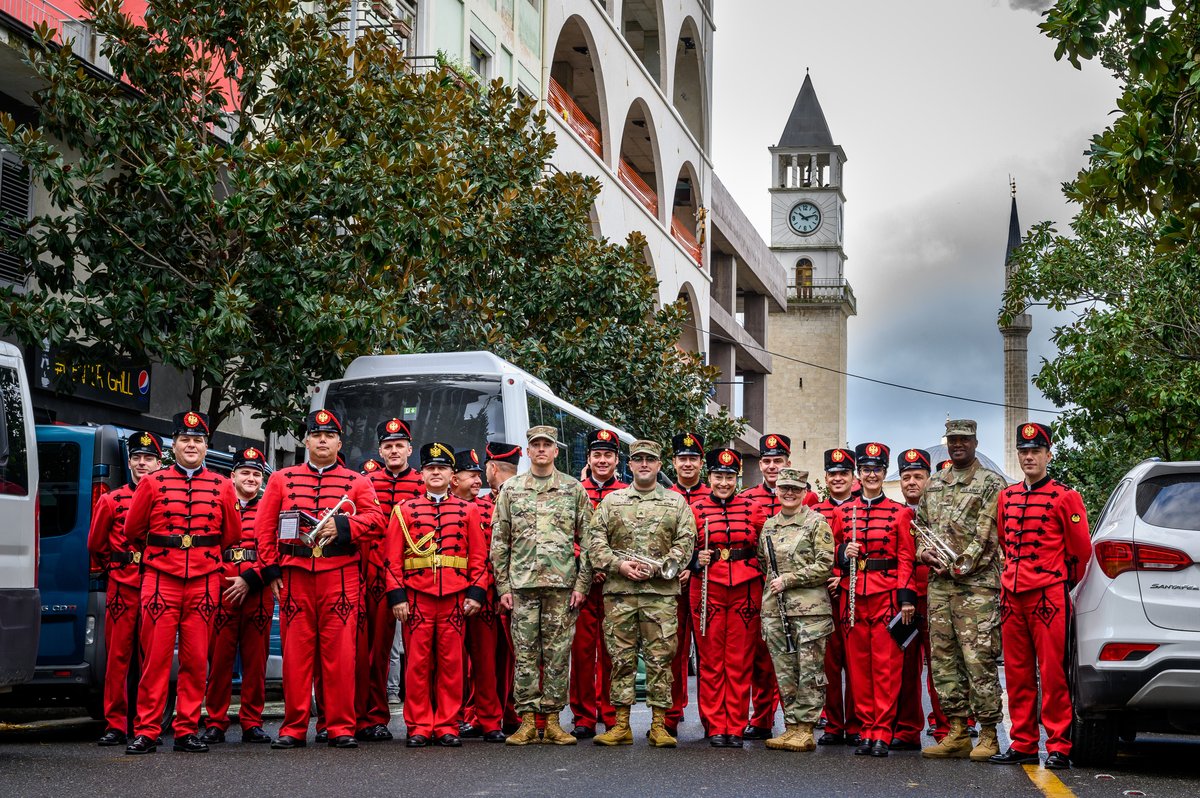
Place
Tirana Clock Tower
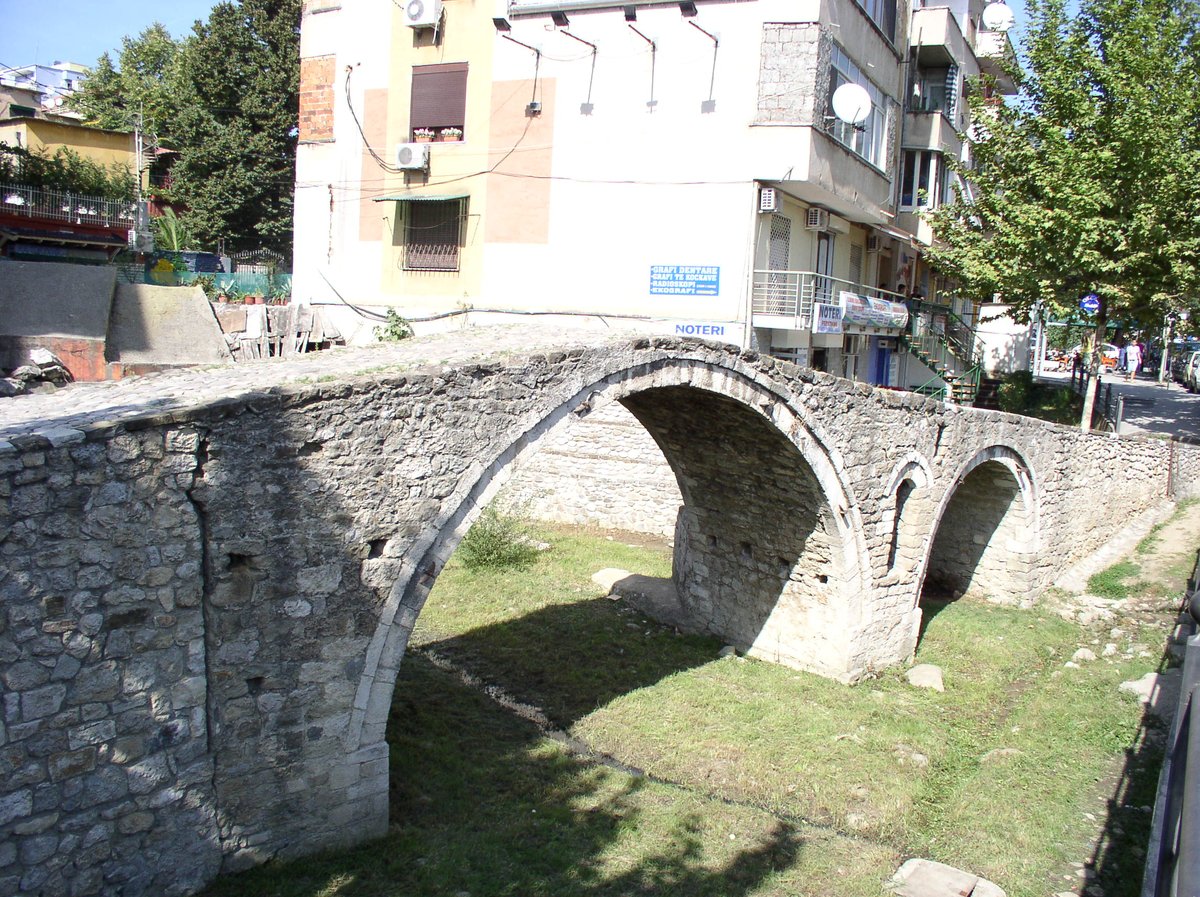
Place
Tanners' Bridge
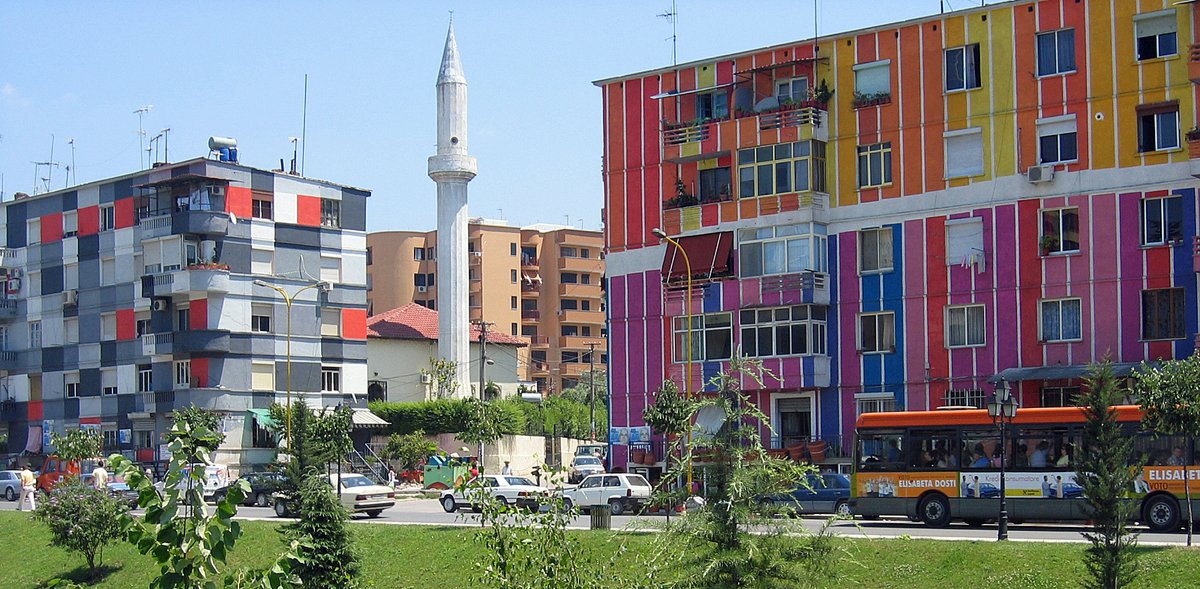
Place
Tanners' Mosque
Place
St Paul'S Archcathedral
Place
Kokonozi Mosque
Place
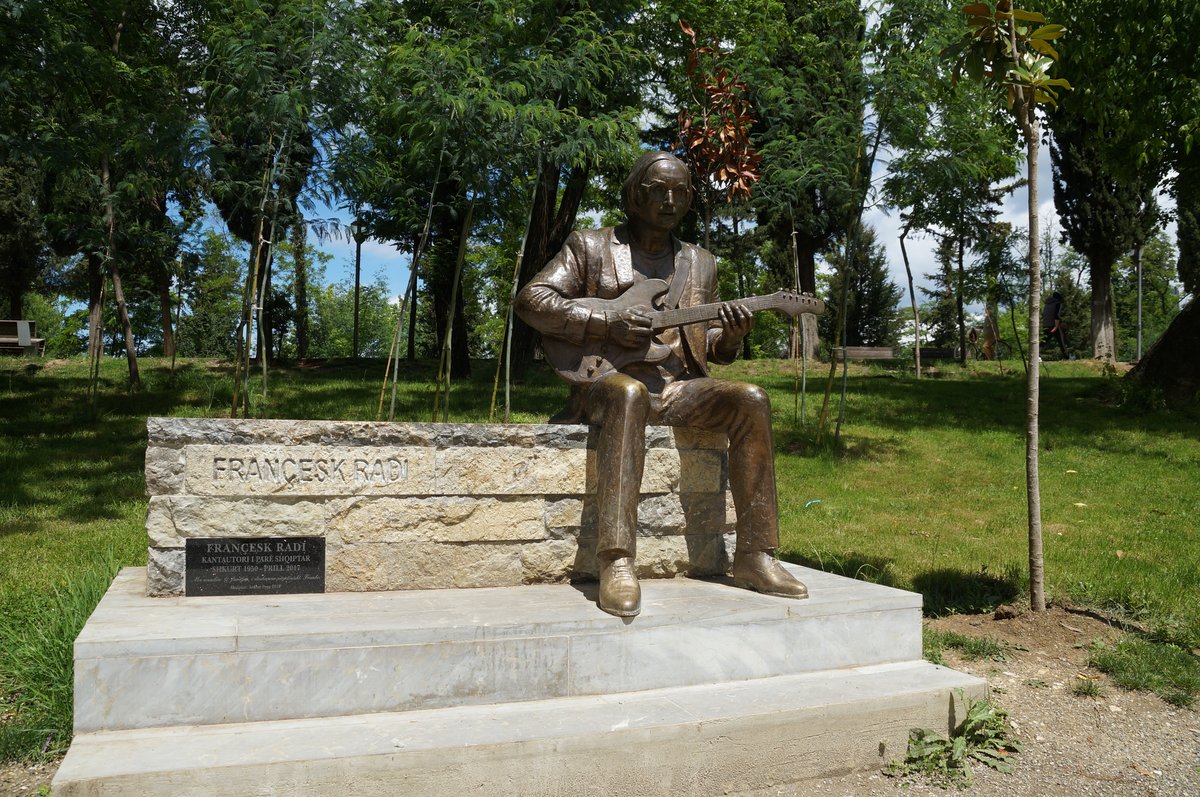
Grand Park of Tirana
Place
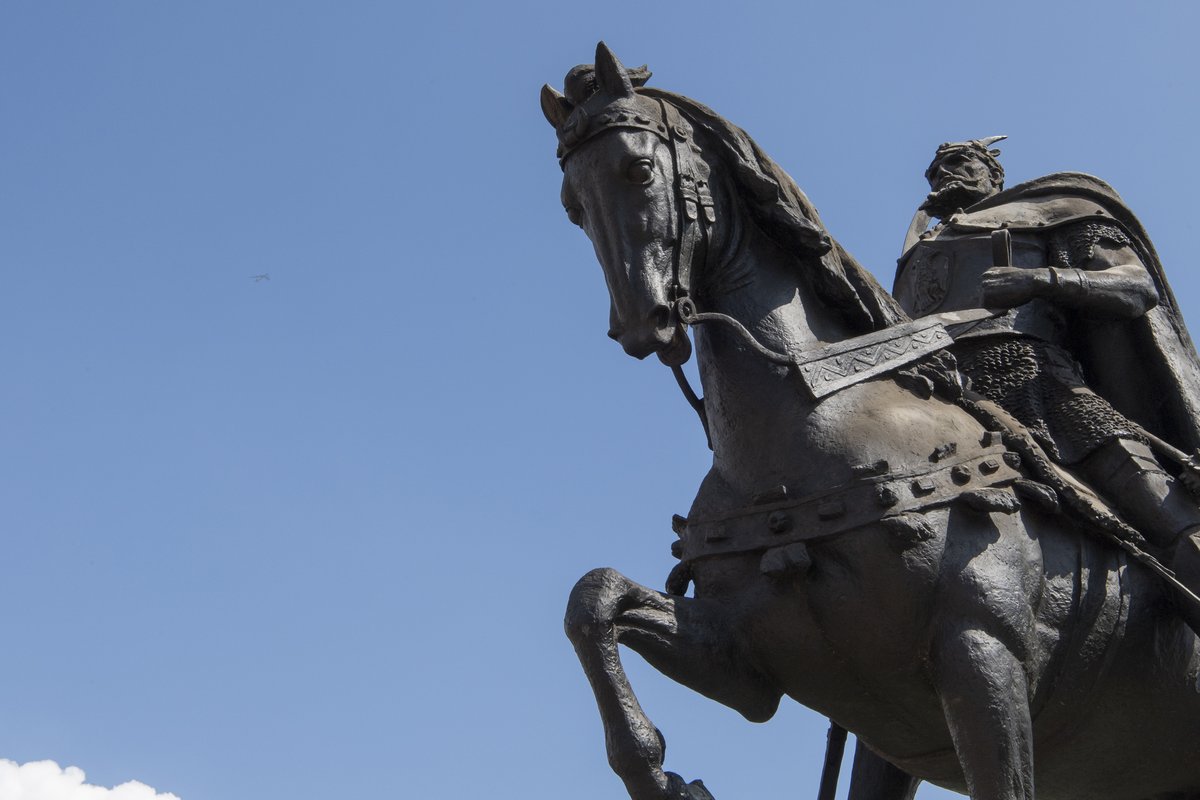
Skanderbeg Monument
Place
Mother Teresa Square
Place
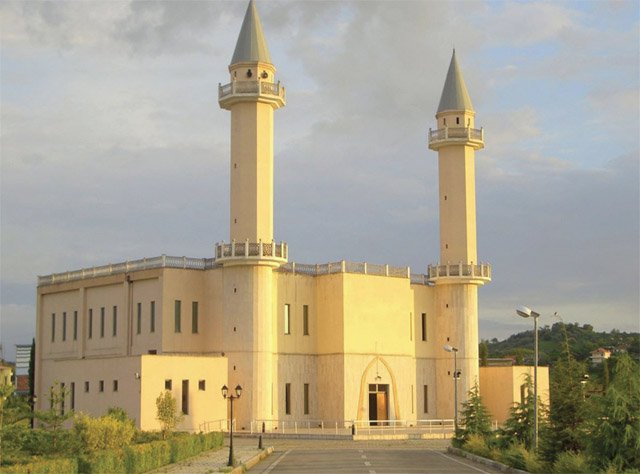
Baitul Awwal Mosque
Place
Presidential Palace
Place
Zemra E Krishtit Catholic Church of Tirana
Place
Maritim Hotel Plaza Tirana
Place
Botanical Gardens of Tirana
Place
Rinia Park
Place
Saint Procopius Church of Tirana
Place
Natural Sciences Museum Sabiha Kasimati
Place
Summer Theatre of Tirana
Place
National Martyrs Cemetery of Albania
Place
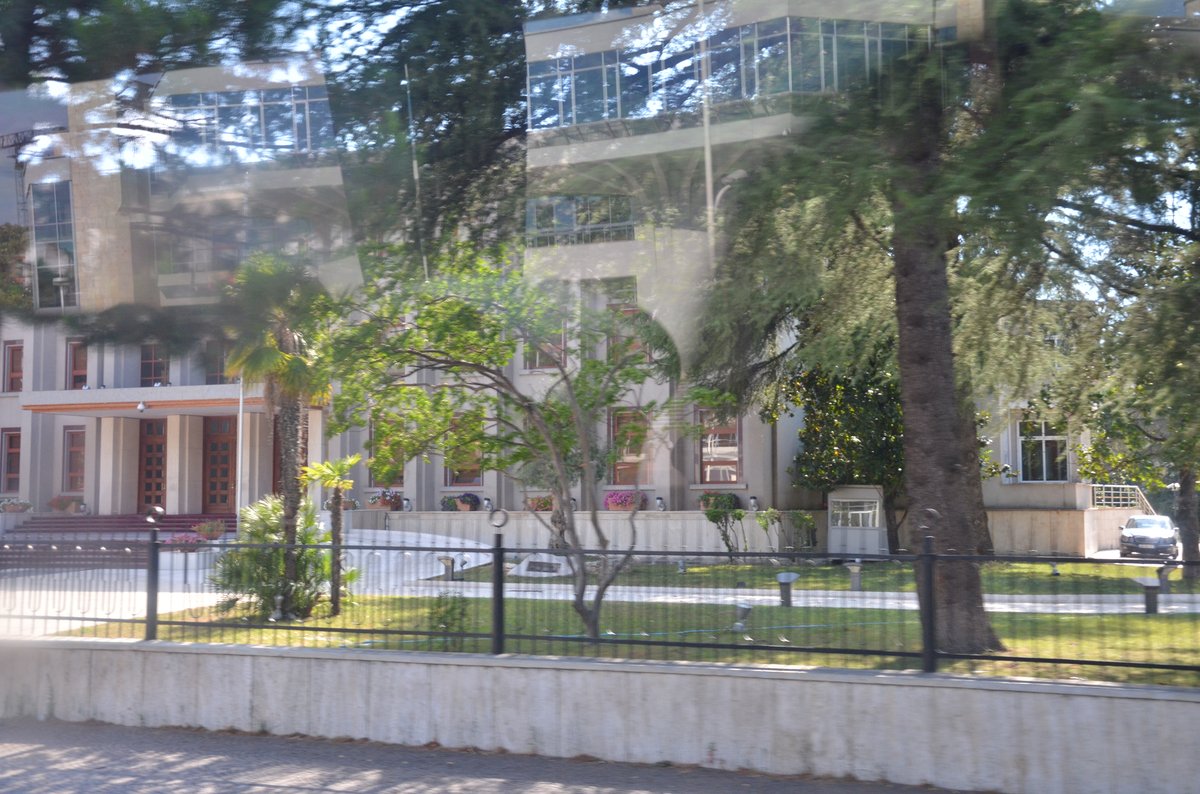
Presidential Palace of Tirana
Place
Parliament of Albania
Place
University of Tirana
Place
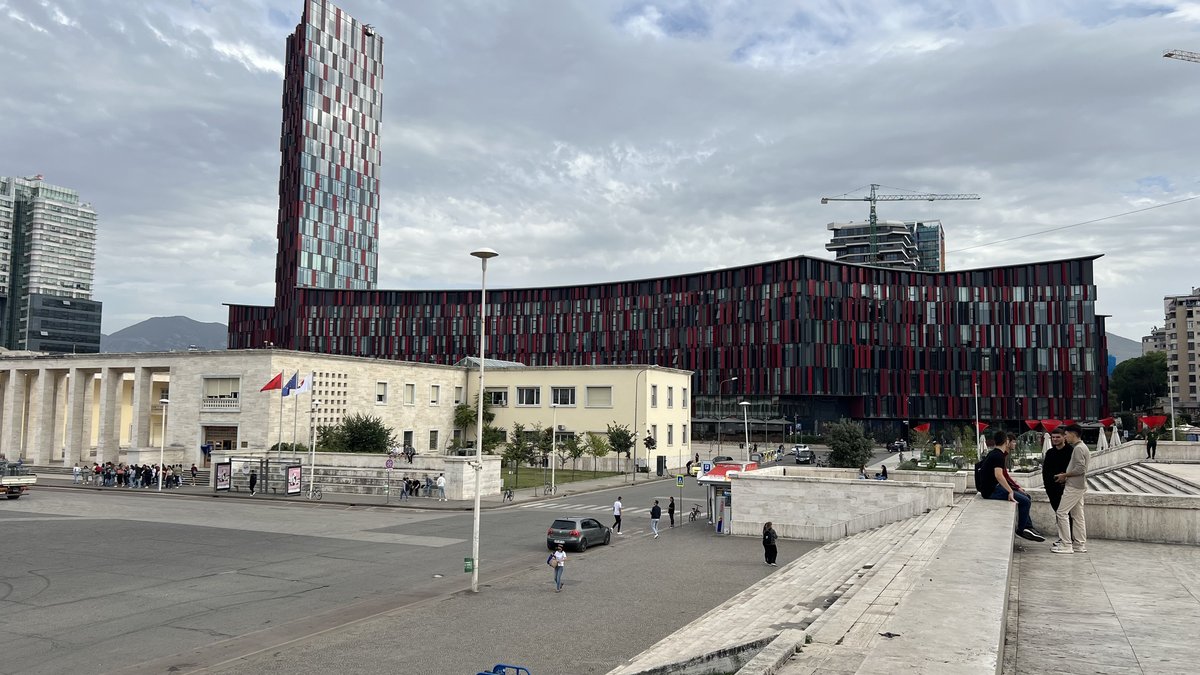
Air Albania Stadium
Place
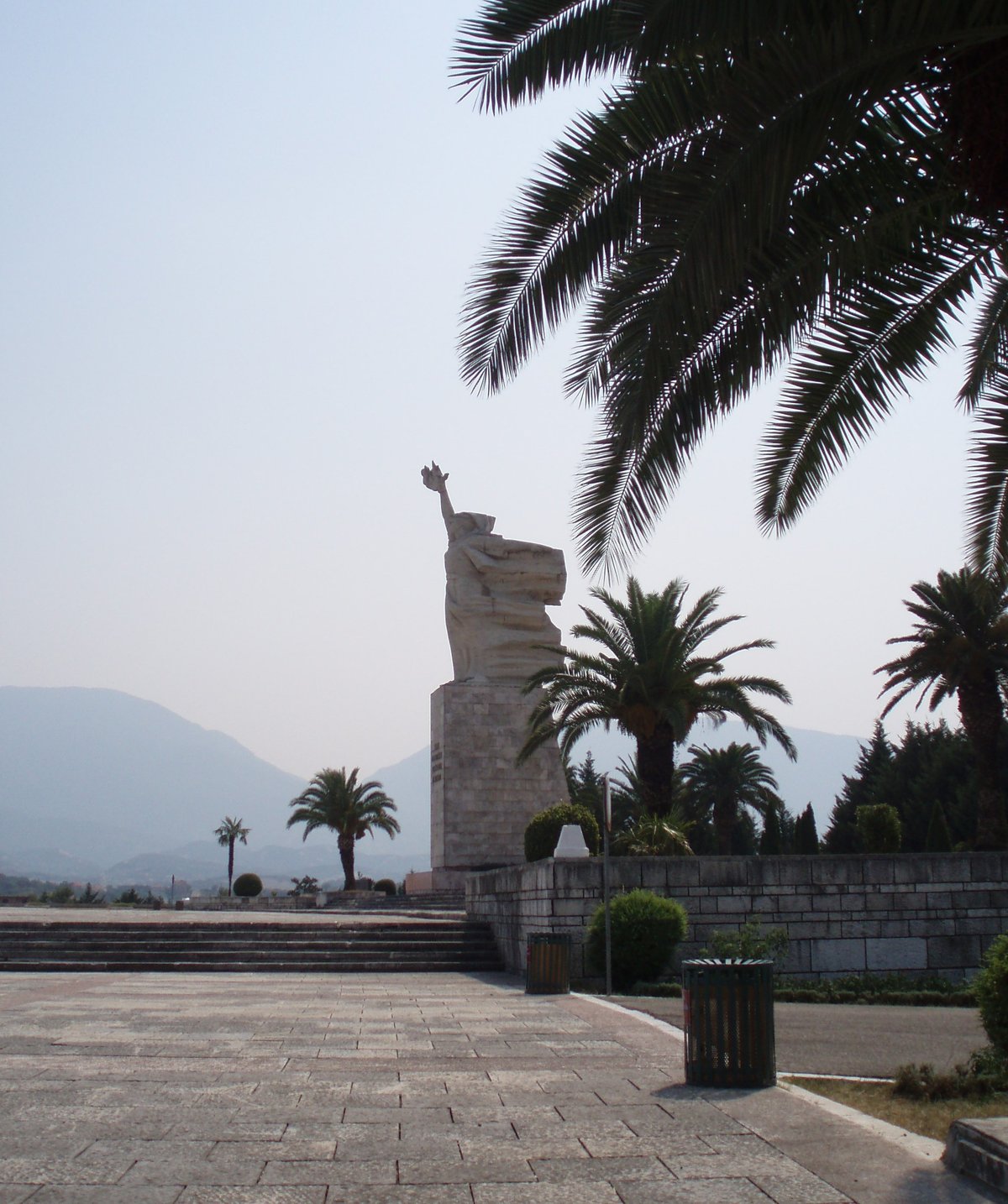
Mother Albania
Place
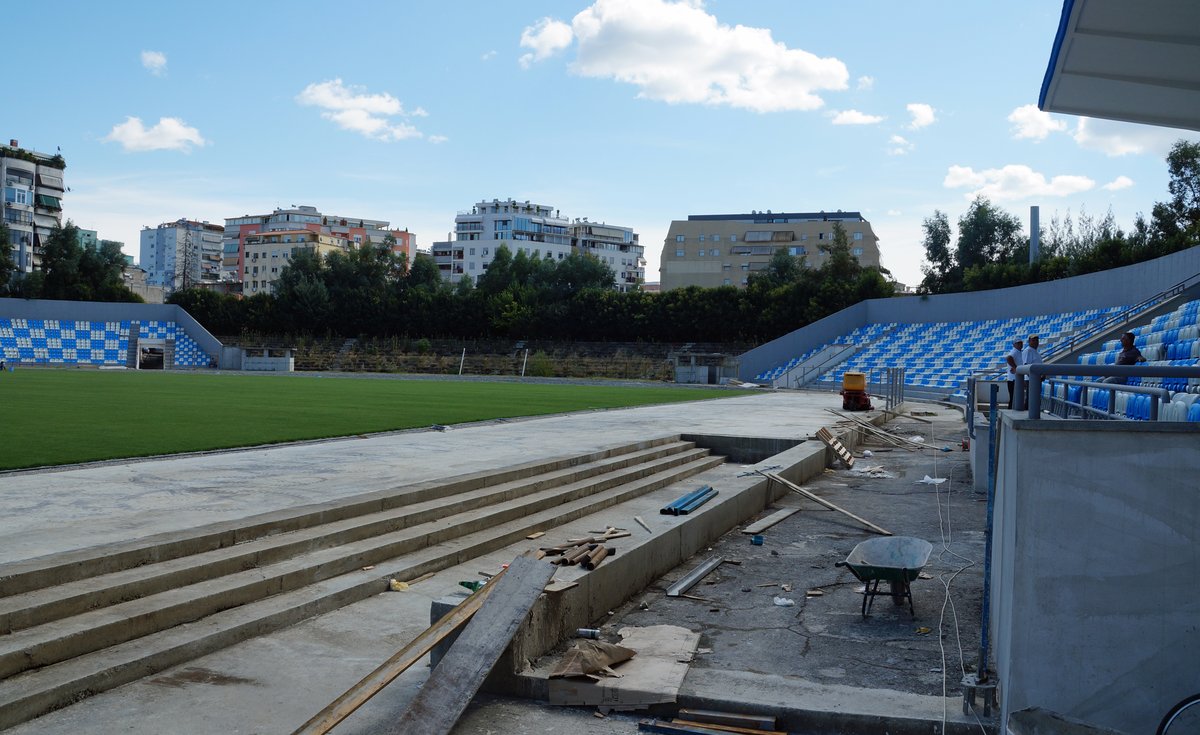
Selman Stërmasi Stadium

Place
Justinian Fortress
Place
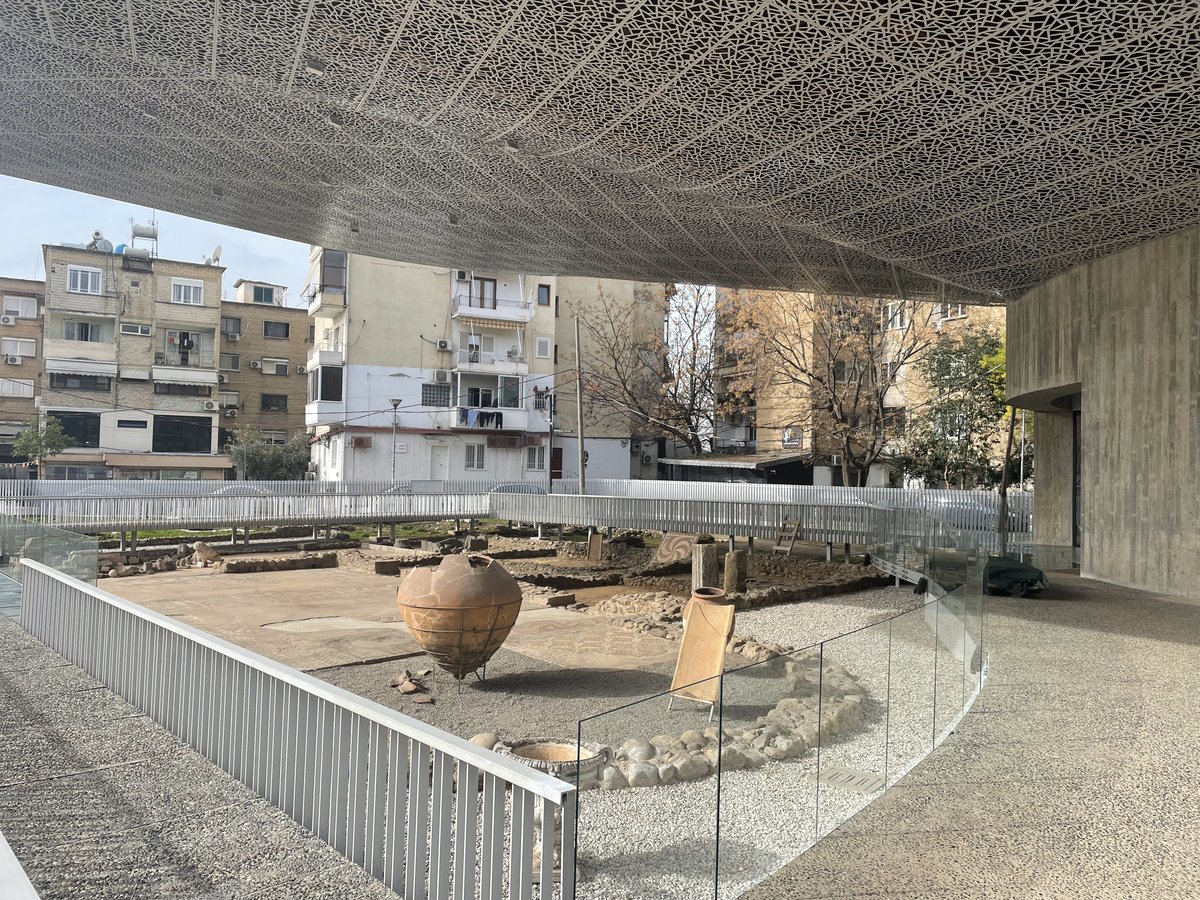
Tirana Mosaic
Place
National Archives of Albania
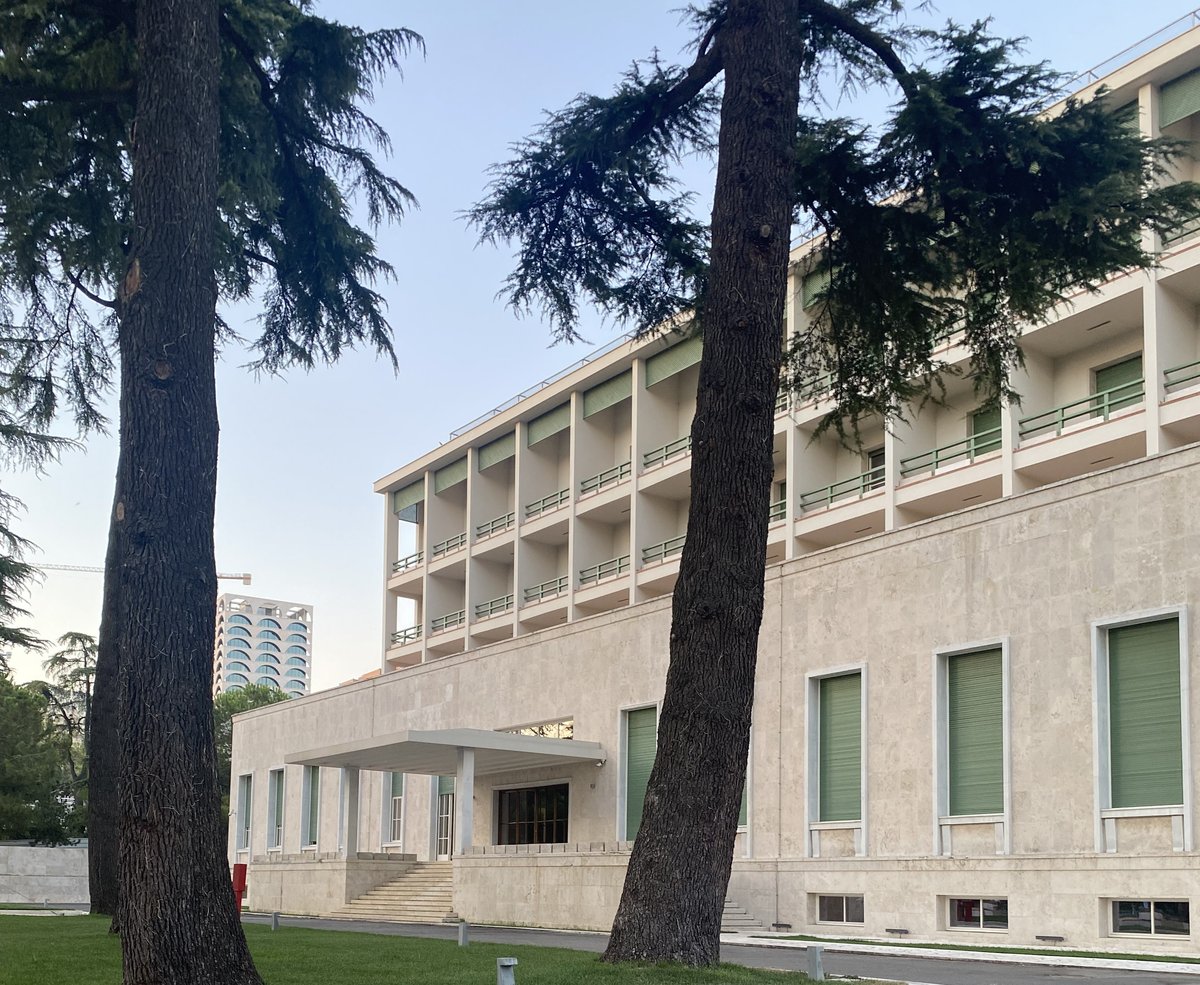
Place
Hotel Dajti
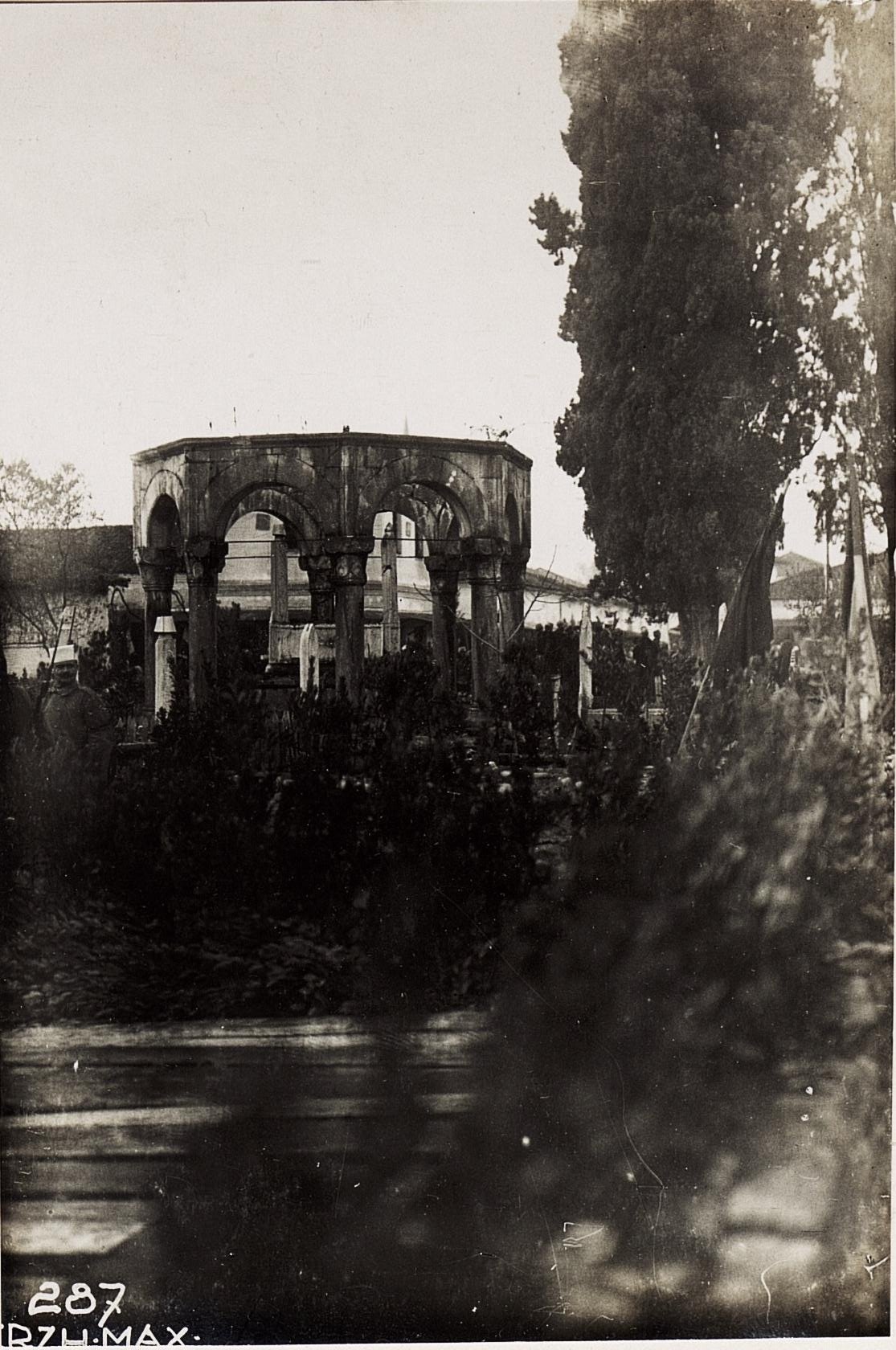
Place
Kapllan Pasha Tomb
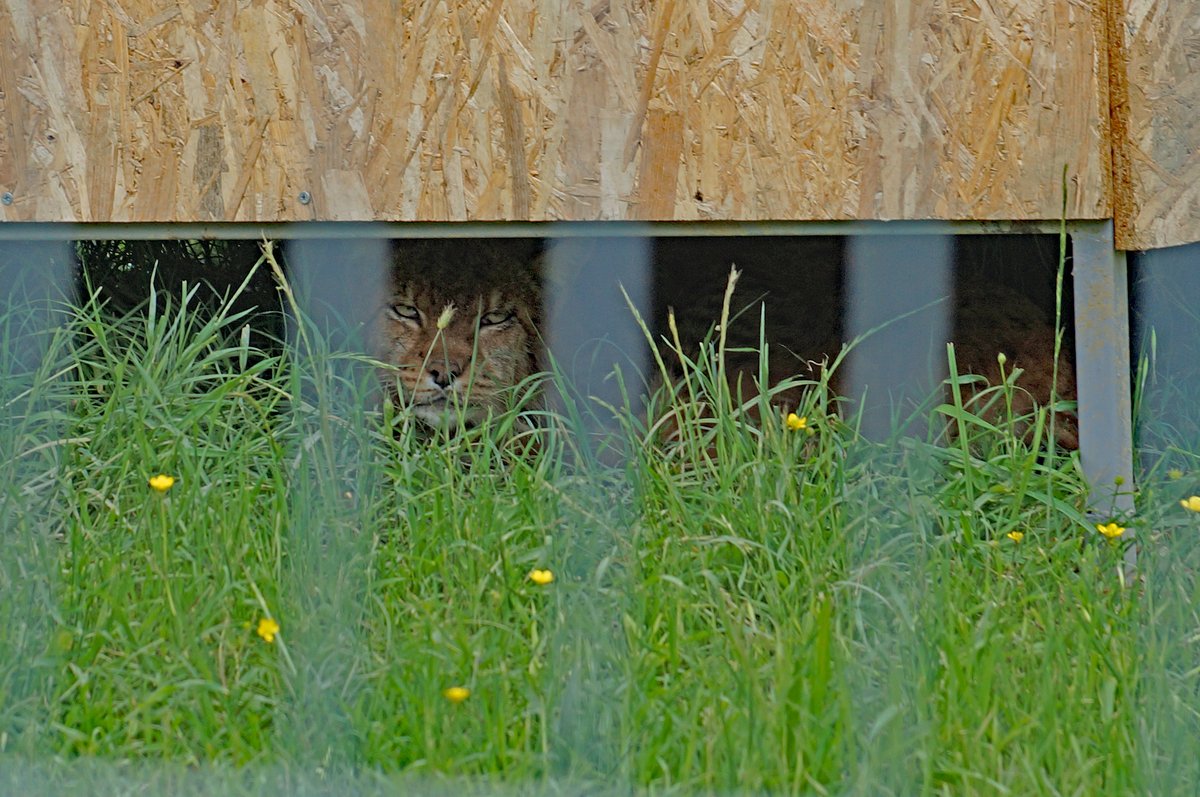
Place
Tirana Zoo
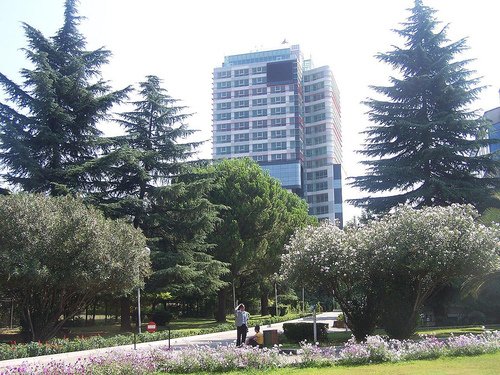
Place
Aba Business Center

Place
Prime Minister's Office
Place
Unknown Soldier

Place
Apostolic Nunciature to Albania
Place
Prison Hospital of Tirana
Place
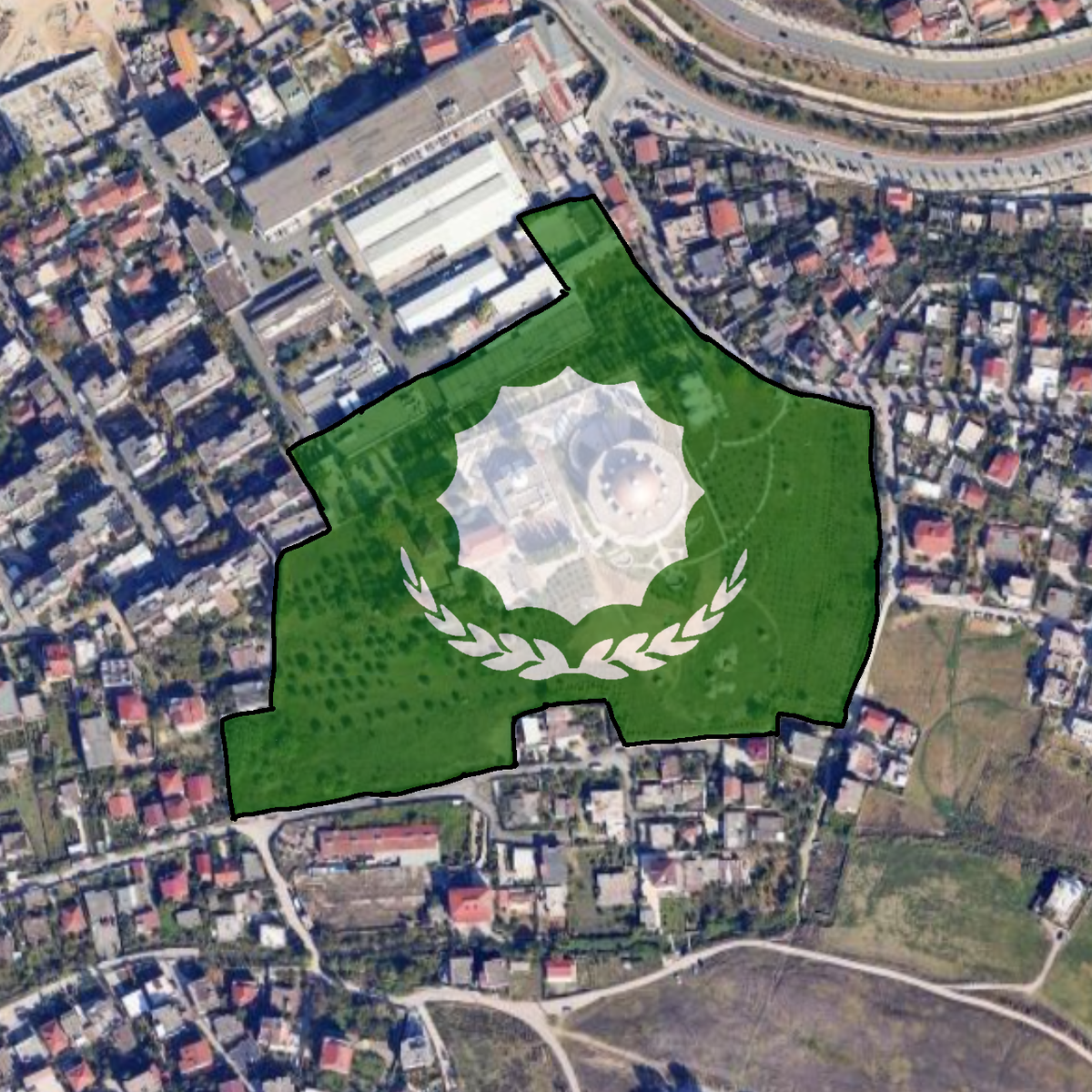
World Headquarters of the Bektashi
Place
Pioneers of Enver

Place
Academy of Film and Multimedia Marubi
Place
Agricultural University of Tirana
Showing 1–48 of 79 places
Pick up where you left off
Saved and recently read places — kept on this device only.
Photo credits (5)
- Valter Zhara — Pexels License (https://www.pexels.com/license/) — Source: https://www.pexels.com/photo/12083271/
- alma mancaku — Pexels License (https://www.pexels.com/license/) — Source: https://www.pexels.com/photo/36526515/
- Valter Zhara — Pexels License (https://www.pexels.com/license/) — Source: https://www.pexels.com/photo/14085010/
- Valter Zhara — Pexels License (https://www.pexels.com/license/) — Source: https://www.pexels.com/photo/13275966/
- Cafer Caner Şavli — Pexels License (https://www.pexels.com/license/) — Source: https://www.pexels.com/photo/34936948/
Photos may have been resized or cropped.