
History and Cultural Significance
Founded in 1966 as the Higher Institute of Arts, the University of Arts Tirana emerged from the merger of the Tirana State Conservatory, the Higher School of Fine Arts, and the High School for Actors “Aleksander Moisiu.” This unification centralized arts education and fostered a multidisciplinary environment influenced by Russian classical traditions, especially in music and ballet.
The institution became the Academy of Arts in 1991, reflecting the broader transformation of Albanian society. In 2011, it was officially named the University of Arts, continuing as the nation’s premier arts education center (Official University Website).
The university has played a pivotal role in shaping Albanian arts, with alumni who have left their mark on dance, music, theater, film, and television. Its collaborations with European academies and participation in international cultural organizations have continually enriched its academic and creative environment.
Institutional Structure and Academic Highlights
The University of Arts Tirana comprises three faculties:
- Faculty of Music Offers programs in classical and contemporary music, composition, and music education.
- Faculty of Fine Arts Focuses on painting, sculpture, graphics, and multimedia arts.
- Faculty of Performing Arts Covers theater, film, choreography, and acting.
These faculties provide undergraduate and postgraduate degrees, and the teaching staff includes notable artists, musicians, actors, and choreographers with national and international renown (Official University Website).
Beyond its educational mission, the university is a vibrant cultural hub, hosting events, exhibitions, and performances that are open to the public.
Architectural and Campus Features
Building and Historical Context
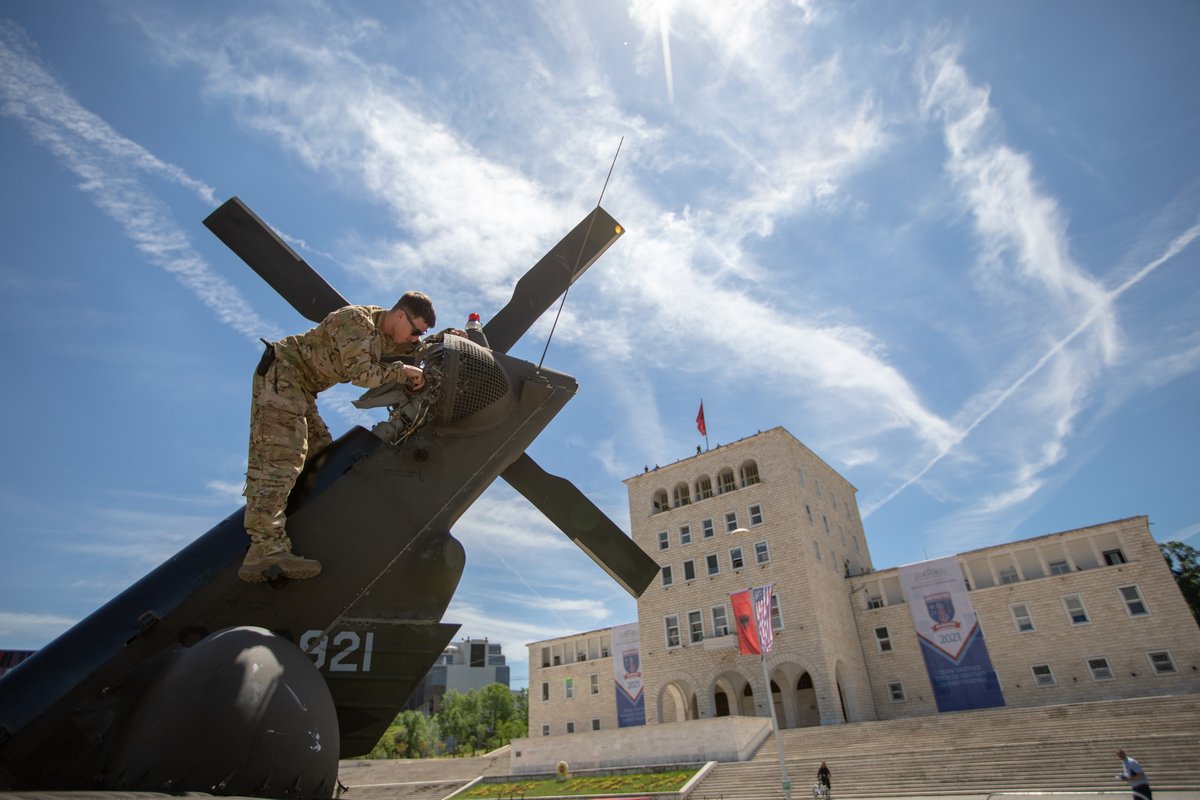
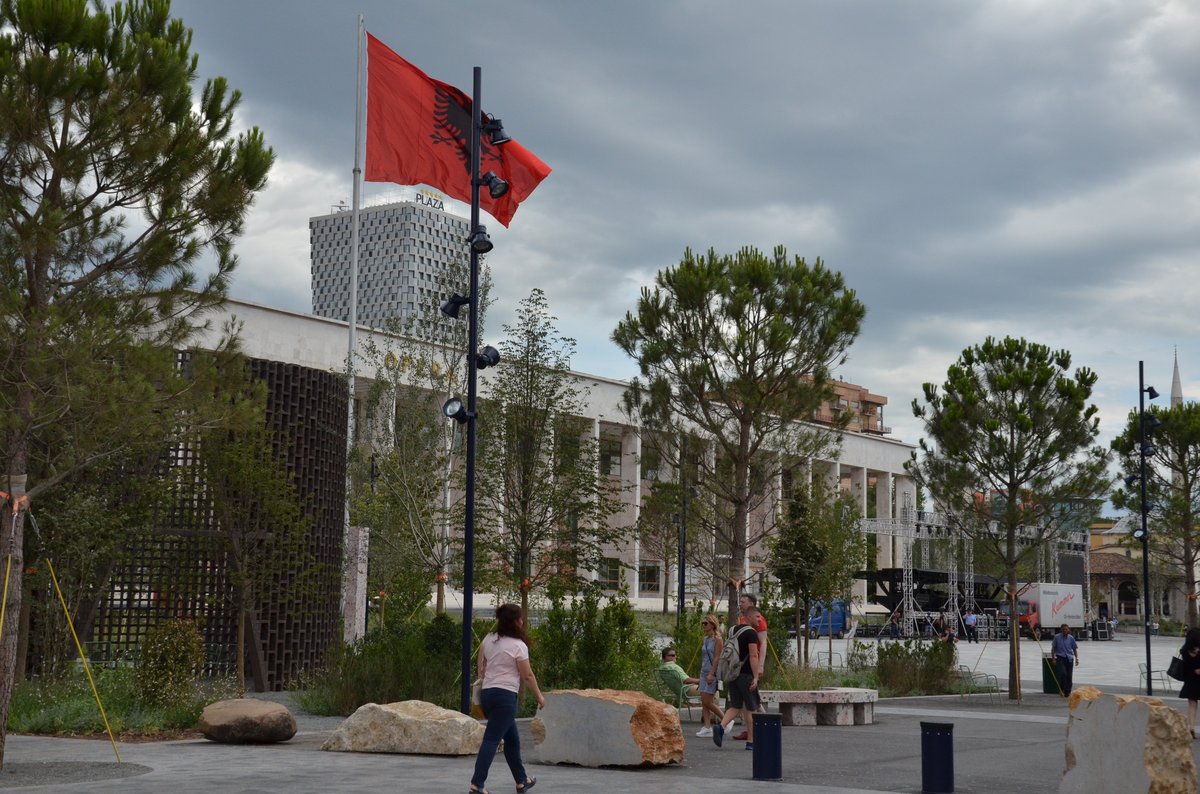
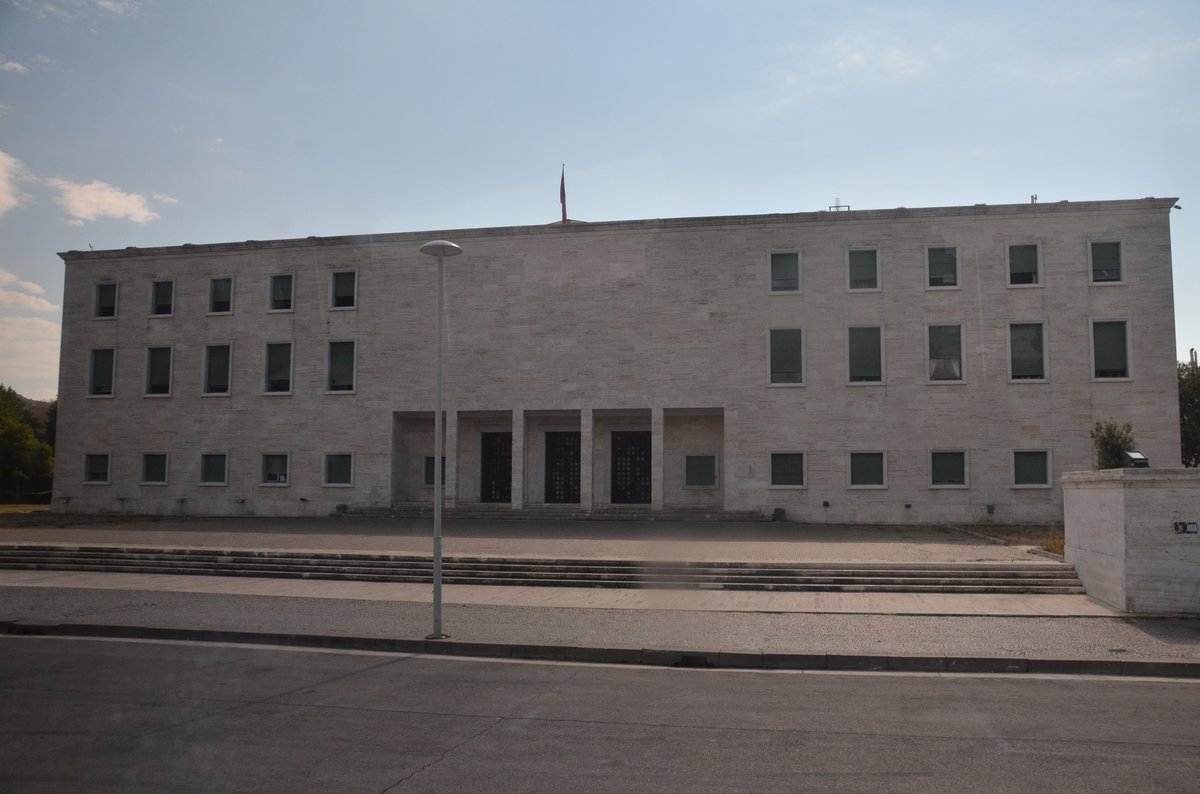
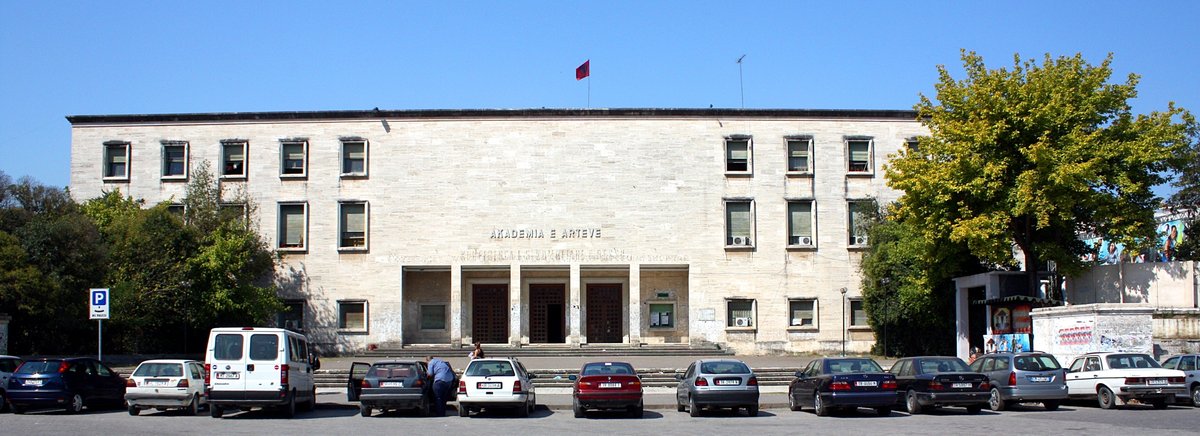
The university is housed in a building designed by Italian architect Gherardo Bosio between 1939 and 1940, originally serving as the Casa del Opera del Dopolavoro Albanese, an Italian Fascist cultural center. Its monumental façade and symmetrical design are prominent on Sheshi Nënë Tereza. After World War II, the building gained political significance as the site where the People’s Republic of Albania was declared in 1946 (tirana.al).
Campus and Facilities
- Grand Concert Hall Renowned for acoustics, it hosts orchestral and solo performances.
- Çesk Zadeja Hall Named for a leading Albanian composer, used for chamber performances and lectures.
- Experimental Theater “Black Box” A flexible space for innovative theater and interdisciplinary events.
- Fine Arts Gallery Showcases works by students, faculty, and guest artists.
- Studios/Ateliers For painting, sculpture, multimedia, and design.
- Library Supports research in arts and humanities.
The campus is centrally located, easily accessible by public transport, and within walking distance of other key attractions (Facts about Tirana).
Visiting Information: Hours, Tickets, Tours
Visiting Hours
- Galleries and Exhibitions Monday to Friday, 10:00 AM – 5:00 PM.
- Concerts and Performances Primarily evenings and weekends, aligned with scheduled events.
- Guided Tours Available by appointment; contact university visitor services for arrangements.
Tickets
- Exhibitions Usually free entry.
- Concerts/Theater Events Tickets range from €3 to €10, with some free student performances.
- Purchase Points Online at the university website, at the box office, or via local event platforms.
Accessibility
- Facilities Ramps, accessible restrooms, and special accommodations are available. Contact ahead for specific needs.
Photography Policy
- Exhibitions Photography allowed unless otherwise noted.
- Performances Generally prohibited during events, permitted before/after unless restricted.
Travel Tips
- Align your visit with scheduled events for the fullest cultural experience.
- Combine your university visit with nearby attractions such as the National Arts Gallery, National History Museum, and Tirana’s famed street art.
- Use public transport or taxis; parking is limited in the area.
Artistic and Cultural Impact
The University of Arts Tirana has been central to the development of Albania’s contemporary arts. Its faculty and alumni are at the forefront of innovation in music, theater, fine arts, and film, and public events provide unique opportunities for visitors to engage with Albanian creativity.
International partnerships have introduced new artistic trends and teaching methods, enriching the university’s educational quality and diversity.
Notable Events and Recognition
The university was honored with a commemorative postal stamp for its 45th anniversary in 2011 and has received national recognition such as the "Grand Master Order." Its busy calendar features concerts, exhibitions, premieres, and festivals, attracting audiences from across Albania and beyond.
Visitor Experience
Visitors can explore galleries, attend performances, and participate in lectures and workshops. The university’s central location makes it an excellent starting point for a cultural tour of Tirana. English is widely spoken, facilitating international visits.
For up-to-date event listings and visitor guidelines, check the official website.
FAQs
Q: What are the visiting hours?
A: Monday to Friday, 10:00 AM – 5:00 PM for exhibitions; event times vary.
Q: Is there an entrance fee?
A: Most exhibitions are free; concerts and performances may require tickets.
Q: Are guided tours available?
A: Yes, by appointment.
Q: Is the campus accessible?
A: Yes, with accommodations for visitors with disabilities.
Q: What attractions are nearby?
A: National Arts Gallery, National History Museum, and street art hotspots.
Recommendations and Tips for a Memorable Visit
- Attend a concert or exhibition at the University of Arts’ renowned venues.
- Explore the National Gallery of Art, FAB Gallery, and the city’s street art zones (albaniatraveller.com).
- Join a guided street art tour or visit local artist studios.
- Plan your trip around annual festivals for an immersive cultural experience (visit-tirana.com).
- Use the Audiala app for curated cultural tours and up-to-date event information.
Exploring Tirana’s Artistic Scene Beyond the University
Tirana is home to a lively arts scene. Highlights include:
- National Gallery of Art Medieval to contemporary works.
- FAB Gallery & Tirana Art Lab Contemporary exhibitions and workshops.
- Street Art Mural Fest Tirana, Blloku area murals, and the Secret Stairs (streetartmap.com, secretattractions.com).
- Workshops and Studios Engage with local artists at open studios or attend workshops in painting and ceramics.
June is a particularly vibrant month for festivals and cultural events, but Tirana’s art scene is active year-round (travellingking.com).