Location and Directions
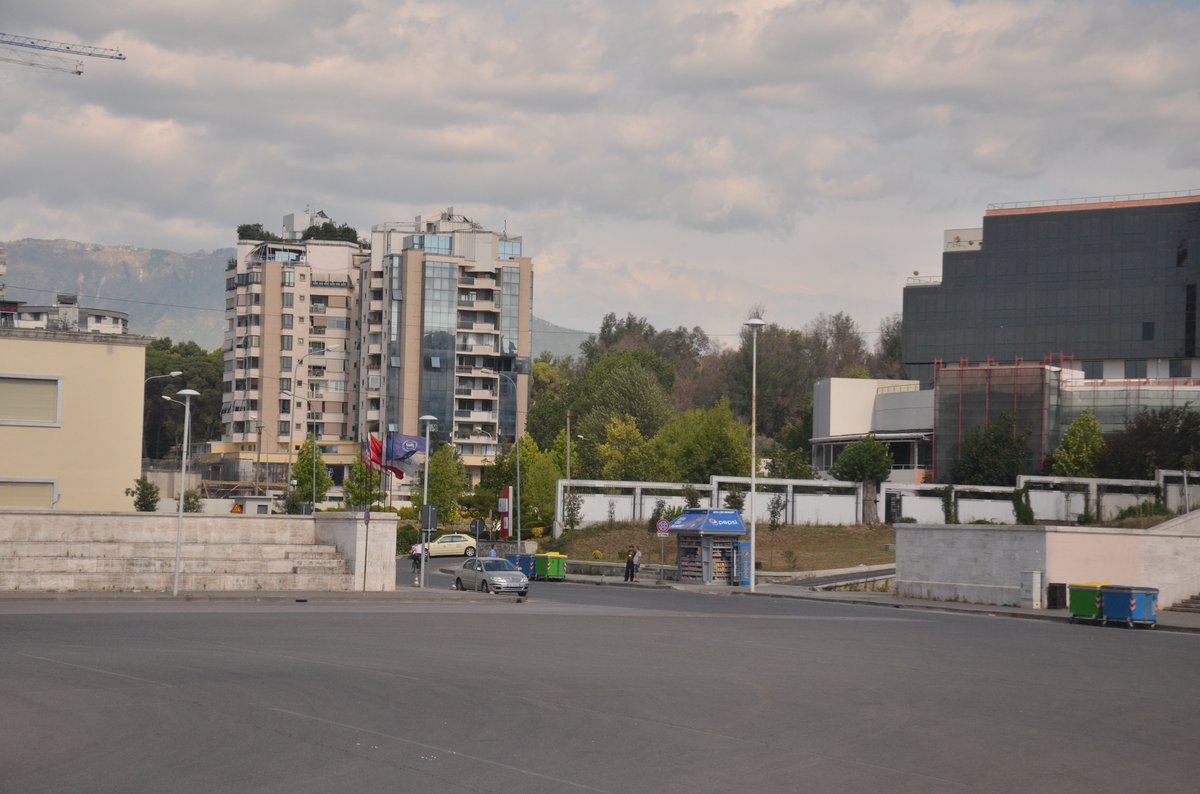
The National Archives of Albania is located on Rruga e Dibrës, Nr. 219, in eastern Tirana. This central location places it within easy reach of major city landmarks such as Skanderbeg Square and the National History Museum.
- Public Transportation Multiple city bus lines stop nearby, making the archives easily accessible (The Balkans and Beyond).
- Taxis Readily available across Tirana; a typical ride from the center takes about 10 minutes (Destination Abroad).
- Parking Limited street parking is available, but public transport or taxis are recommended due to congestion.
A detailed map and further transportation info are available on the EHRI Project page.
Visiting Hours and Admission
- Opening Hours Monday to Friday, 8:00 AM – 4:00 PM
- Closed Weekends and public holidays
- Admission Entry to public exhibitions and the reading room is free. For access to restricted collections or specialized research, prior permission or appointment may be required.
It is recommended to confirm current hours and any special restrictions via the official website before your visit.
Tickets, Guided Tours, and Special Events
- General Admission Free for researchers and visitors.
- Guided Tours Occasionally available during special exhibitions and by appointment. For groups, educational workshops, or in-depth tours, advance booking is recommended through the archives or local tourism offices.
- Special Events The AQSH hosts temporary exhibitions and public events highlighting aspects of its collections. Check the archives’ website or social media for upcoming events.
Accessibility and Visitor Services
- Physical Accessibility The archives building is equipped with ramps and elevators, ensuring access for visitors with disabilities.
- Assistance Staff are available to support visitors with special needs.
- Language Support Most materials and signage are in Albanian, but staff often speak basic English or Italian. For research visits, consider bringing a translator or using translation apps.
Additional amenities include restrooms, a small waiting area, and services for photocopying and scanning following preservation guidelines.
Highlights of the Collections
- Codex Beratinus and Codex Beratinus II Ancient manuscripts inscribed in UNESCO’s Memory of the World Register.
- Elbasan Gospel Manuscript Features the rare Elbasan alphabet.
- Holocaust and Minority Records Unique documentation on Jewish and Roma experiences during WWII.
- Communist Era Archives Files from the Party of Labour, secret police records, and political dossiers.
- Ottoman and Monarchical Documents Legal, administrative, and cadastral records from earlier periods.
- Private Archives and Diaspora Collections Letters, personal papers, and materials from Albanian communities abroad.
- Photographic and Audiovisual Materials Historic images tracing Tirana’s transformation and Albania’s 20th-century changes.
Research Facilities and Services
- Reading Room Open to Albanian and international researchers. Registration with a valid ID (passport or national ID) is required.
- Access to Materials Advanced requests are advised for specific documents; staff provide assistance navigating the collections.
- Digital Catalogues Available for on-site and remote research. Scanning and photocopying services are offered, subject to copyright and preservation guidelines.
Practical Tips for Visitors
- Advance Contact For research or access to restricted materials, contact the archives at least two weeks ahead of your visit.
- Identification Bring a valid passport or national ID for registration.
- Language Preparation Non-Albanian speakers should consider translation aids or local guides.
- Dress Code Modest, neat attire is advisable.
- Photography Generally prohibited except in designated areas and with prior permission.
Nearby Historical Sites in Tirana
Make the most of your visit by exploring other major attractions nearby:
- Skanderbeg Square The central plaza with museums and monuments (Road Affair).
- National History Museum An extensive overview of Albania’s past.
- Et’hem Bey Mosque An iconic piece of Ottoman-era architecture.
- House of Leaves Museum Dedicated to Albania’s secret police history (Lotus Eaters Travel).
- Bunk’Art 2 An underground museum focused on the communist-era security apparatus (Destination Abroad).
Safety and Etiquette
Tirana is generally safe for tourists. Inside the archives:
- Maintain a quiet, respectful demeanor.
- Set mobile devices to silent.
- Food and drinks are prohibited in research and exhibition areas.
Unique Aspects of Visiting the Archives
- The AQSH holds over 14 million documents chronicling Albania’s journey from Ottoman rule to the modern era (Official Website).
- The archives are engaged in international collaborations on digitization and cultural preservation.
- Special exhibitions and public programs periodically offer fresh perspectives on Albanian history.
Frequently Asked Questions (FAQ)
Q: What are the National Archives of Albania visiting hours?
A: Monday to Friday, 8:00 AM – 4:00 PM; closed on weekends and public holidays.
Q: Is there an entry fee?
A: General admission is free; some special exhibitions or research services may require a fee.
Q: Do I need to book an appointment?
A: Not for general visits, but advance booking is recommended for research or guided tours.
Q: Are guided tours available?
A: Occasionally during exhibitions and by prior arrangement.
Q: Is the building accessible to people with disabilities?
A: Yes, the archives are fully accessible.
Q: Can I take photographs inside?
A: Photography is generally prohibited except in designated areas with permission.
Recommendations for a Memorable Visit
- Visit during spring or autumn for pleasant weather and fewer crowds (Destination Abroad).
- Combine your visit with a walking tour of Tirana’s historical center.
- Engage with staff and local researchers for deeper insight.
- Allocate 1–2 hours for a general visit; longer for research.
Visuals and Media Recommendations
- View exterior and interior photos of the archives on the official website.
- Consider accessing virtual tours or online exhibitions to preview the collections.
Discover More
The National Archives of Albania offers an exceptional window into the nation’s history, from Ottoman firmans and independence records to communist-era files and contemporary archives. With free admission, accessible facilities, and a wealth of resources, AQSH welcomes all who wish to explore Albania’s past.
Plan your visit by checking current hours and policies on the EHRI Project portal or official site, and download the Audiala app for the latest guides and cultural updates. For further inspiration and updates, explore our related posts on Tirana’s historical sites and follow us on social media.