What to See
Tirana, Albania’s capital, blends culture, history, and education. This guide covers three central points of interest: the European University of Tirana (UET), Skanderbeg Monument and Square, and the National History Museum.
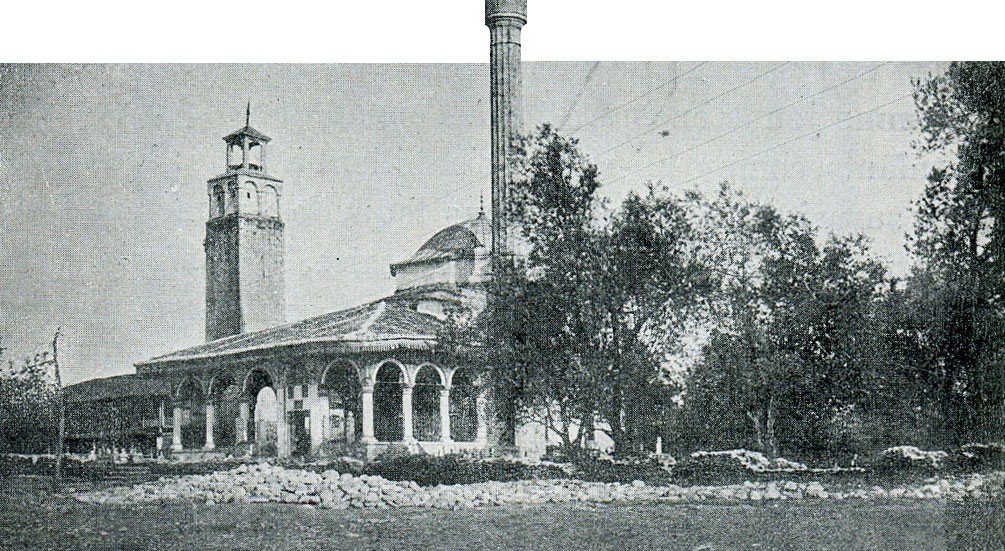
UET is a modern academic institution and cultural landmark. Skanderbeg Square is the city’s symbolic heart, while the National History Museum explores Albania’s past. The square is also surrounded by prominent institutions including the Et'hem Bey Mosque and the National Opera and Ballet Theatre. (European University of Tirana) (Tirana Tourism) (National History Museum)
European University of Tirana
UET’s contemporary campus combines modern architecture with local cultural influences. Visitors can see its facilities and main faculties, including Law, Economics, and Social Sciences. Tours may include an overview of the university’s history and architecture, as well as information about academic programs focused on European integration. Public lectures and cultural events may also be open to visitors when scheduled.
Skanderbeg Square and Monument
Skanderbeg Square is an open plaza and a focal point for national celebrations, cultural events, and gatherings. Its landmarks include the Skanderbeg Monument, the National History Museum, Et'hem Bey Mosque, and the National Opera House.
The monument depicts Gjergj Kastrioti Skënderbeu on horseback. The square’s architecture reflects Tirana’s Ottoman, Italian, and communist-era influences.
National History Museum
Albania’s largest museum, the National History Museum, presents the country’s history from prehistoric times to the present. Its mosaic-adorned facade is titled “The Albanians.” The museum has the country’s largest collection of artifacts and offers guided tours and educational programs.
History and Significance
UET was founded in 2006 and represents Albania’s educational aspirations, innovation, and integration with European standards. It has become an academic hub for students and scholars, as well as a point of interest for visitors.
Skanderbeg Square is named for Albania’s national hero, Gjergj Kastrioti Skënderbeu, a 15th-century resistance leader. The monument was unveiled in 1968, commemorating 500 years since Skanderbeg’s death. The statue symbolizes Albanian resilience and pride. The square is a crossroads of Albania’s past and present and regularly hosts national celebrations.
The National History Museum provides context for Albania’s journey from ancient times through its modern era.
Practical Visiting Information
European University of Tirana
- Hours Monday–Friday, 9:00 AM–5:00 PM. Weekend visits are available by appointment or during special events.
- Admission Entry to the university grounds is free. Some guided tours or special events may require advance booking and a nominal fee.
- Getting there The campus is in central Tirana and is accessible by public transport or taxi.
- Accessibility Ramps and elevators are available for visitors with mobility needs.
- Amenities Campus amenities include cafeterias, student lounges, Wi-Fi hotspots, and visitor assistance at administrative offices.
Skanderbeg Square and Monument
- Hours The open-air monument and square are accessible 24/7 and free of charge. Daylight hours, approximately 8 AM–8 PM, are recommended for viewing and photography.
- Getting there The square is in central Tirana, near major hotels and public transport. It is easily reached by bus, taxi, or a short walk from most hotels.
- Facilities and access Benches, green spaces, and cafes surround the square. Wheelchair-accessible pathways and ramps are available, and public restrooms and tourist information centers are nearby.
- Events The square hosts national holidays and cultural celebrations, including Independence Day on November 28th, as well as music performances and art exhibitions.
- Nearby museums Museums in the area are described as typically open from 9 AM to 5 PM, with ticket prices between 300–500 ALL (~$3–$5 USD). Confirm hours on official websites before visiting.
National History Museum
- Hours Daily, 9:00 AM–6:00 PM; last admission is at 5:30 PM. The museum is closed on major public holidays, such as New Year's Day and Christmas.
- Tickets Adults: 400 ALL (
$3.5 USD); students and seniors: 200 ALL ($1.7 USD); children under 12: free. Tickets are available on-site or through the official website. - Getting there The museum is on Skanderbeg Square in central Tirana and can be reached by bus, taxi, or on foot from city-center hotels.
- Accessibility The museum is wheelchair accessible, with ramps at the main entrance. Assistance is available on request.
- Tours and events Tours are available in several languages; reserve in advance during peak seasons. The museum also hosts temporary exhibitions and workshops.
Tips
- Wear comfortable footwear for exploring the campus and nearby attractions.
- Plan at least two hours for a thorough visit to the National History Museum.
- Museum photography is permitted except with flash or tripods. The mosaic facade and square are especially photogenic at sunset. Golden hour, shortly after sunrise or before sunset, is also a good time to photograph the monument. At night, the monument is illuminated and offers a cityscape backdrop.
- Photography is generally allowed in the square except during religious services.
- Food and drinks are not allowed inside the museum, to protect the exhibits.
- May–June or September–October offer mild weather.
- Albanian is the local language, but English is widely spoken in tourist areas. Many local operators offer English-speaking guides.
- The currency is the Albanian Lek (ALL); ATMs are available and some places accept euros.
- Tirana is generally safe; standard travel precautions apply.
- Accommodation near the square or Blokku offers easy access to these sights.
- Check the museum website for exhibitions and holiday hours.
Nearby Places
- Et'hem Bey Mosque One of the prominent landmarks around Skanderbeg Square.
- National Opera and Ballet Theatre Located by the square.
- Blokku District Known for its nightlife, cafes, modern atmosphere, and history.
- Tirana Castle (Kalaja) A nearby historic site.
- National Art Gallery Another nearby cultural attraction.
- Pyramid of Tirana A unique cultural venue.
- Clock Tower Offers panoramic city views.
- Markets, cafes, and restaurants Options for combining a museum visit with a walk or meal nearby.
FAQs
European University of Tirana
Is the university open to visitors on weekends?
Usually, it is open Monday–Friday. Weekend visits are possible by appointment or during special events.
Are there fees for visiting?
Access to the grounds is free. Some tours or special events may have a nominal or small fee and may require advance booking.
Can visitors attend lectures or events?
Select public lectures and cultural events are open to visitors when scheduled. Check the events calendar for details.
Is the campus accessible for people with disabilities?
Yes. Accessibility features include ramps and elevators.
What are the best nearby attractions?
Skanderbeg Square, the National History Museum, and the Blokku District.
Skanderbeg Square and Monument
Is there an entrance fee?
No. The monument and square are free to visit at any time.
Are guided tours available?
Yes. Local operators offer tours that include the monument and nearby sites; many provide English-speaking guides.
Is the area accessible at night?
Yes. The square is accessible at night, and the monument is illuminated after dark.
Is it wheelchair accessible?
Yes. The square has accessible paths and facilities.
When is the best time to visit?
May–June or September–October offer mild weather. Daylight hours, approximately 8 AM–8 PM, are recommended for viewing and photography.
National History Museum
Are group discounts available?
Yes. For groups of 10 or more, contact the museum in advance.
Is the museum child-friendly?
Yes. It has interactive and educational exhibits for young visitors.
Can I buy tickets online?
Yes, through the official tourism website. Tickets are also available on-site.
Are food and drinks allowed inside?
No. Food and drinks are not allowed inside to protect the exhibits.