
History of the Franklin Institute
Founding and Early Years
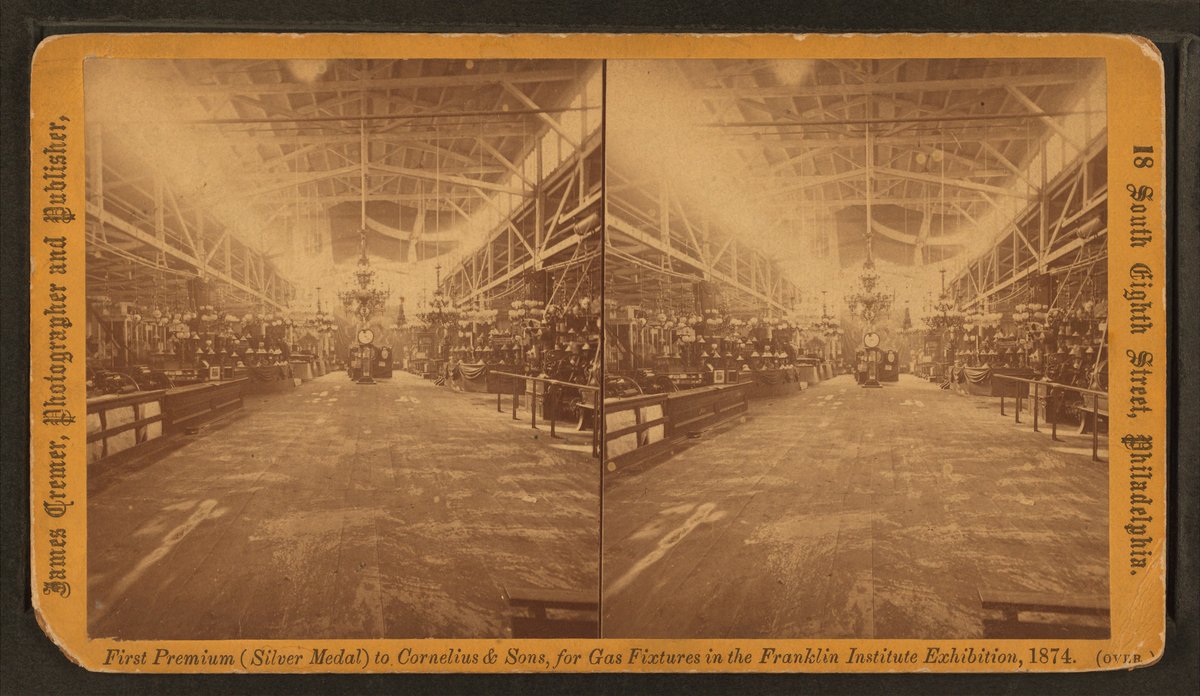
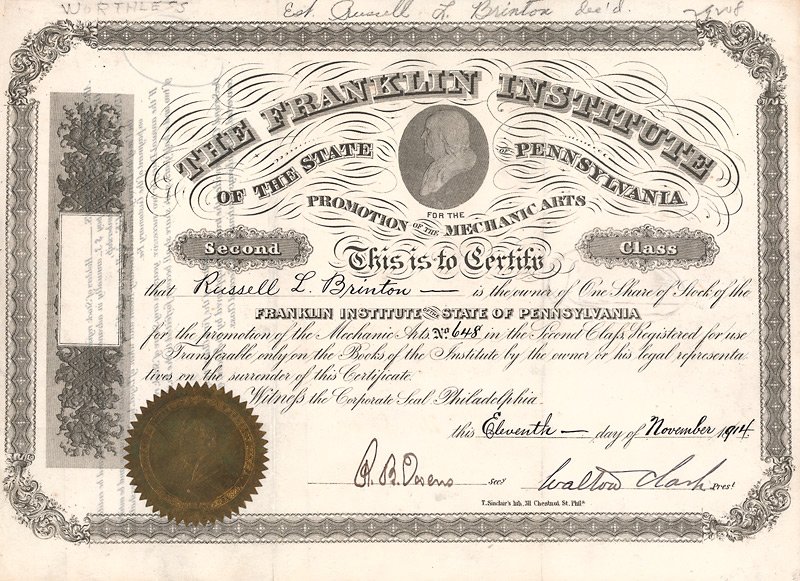
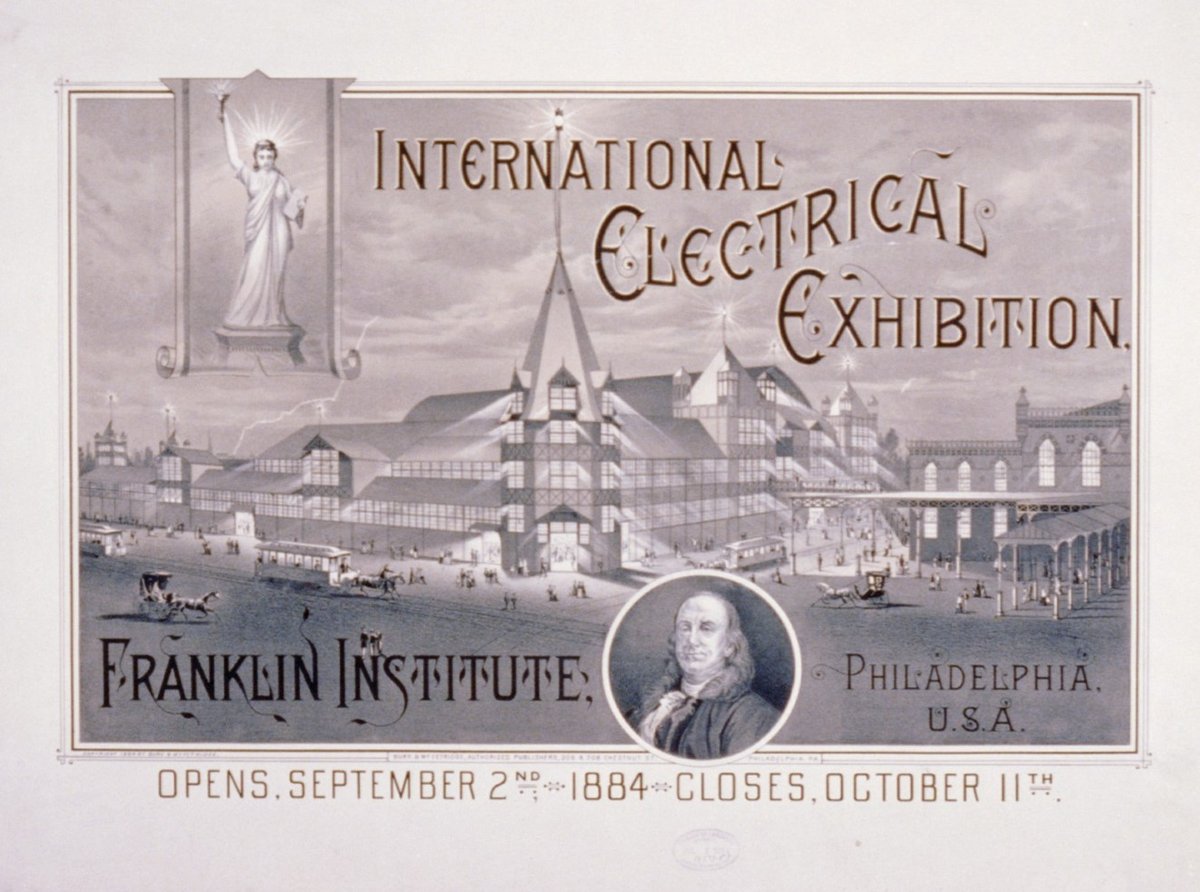
The Franklin Institute was founded in 1824 to promote the mechanical arts and disseminate scientific knowledge. Originally located at 15 South 7th Street, its building housed a museum, library, and lecture halls.
The Move to the Parkway
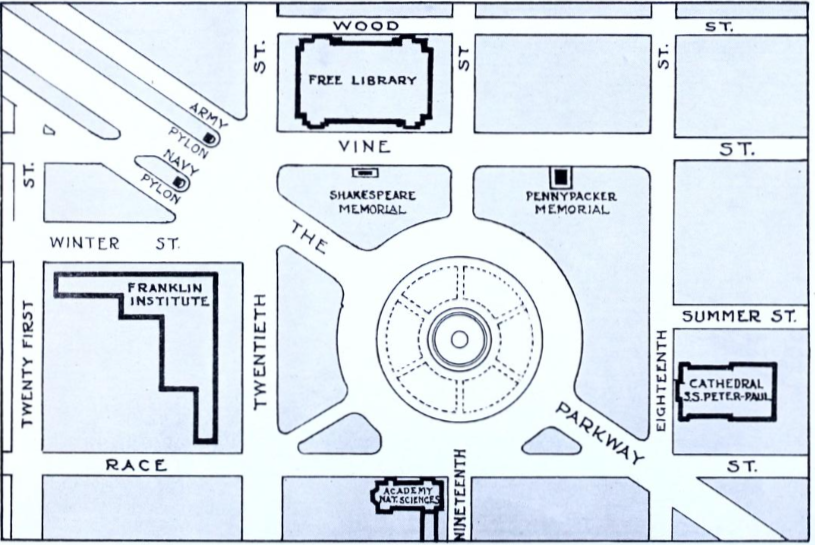
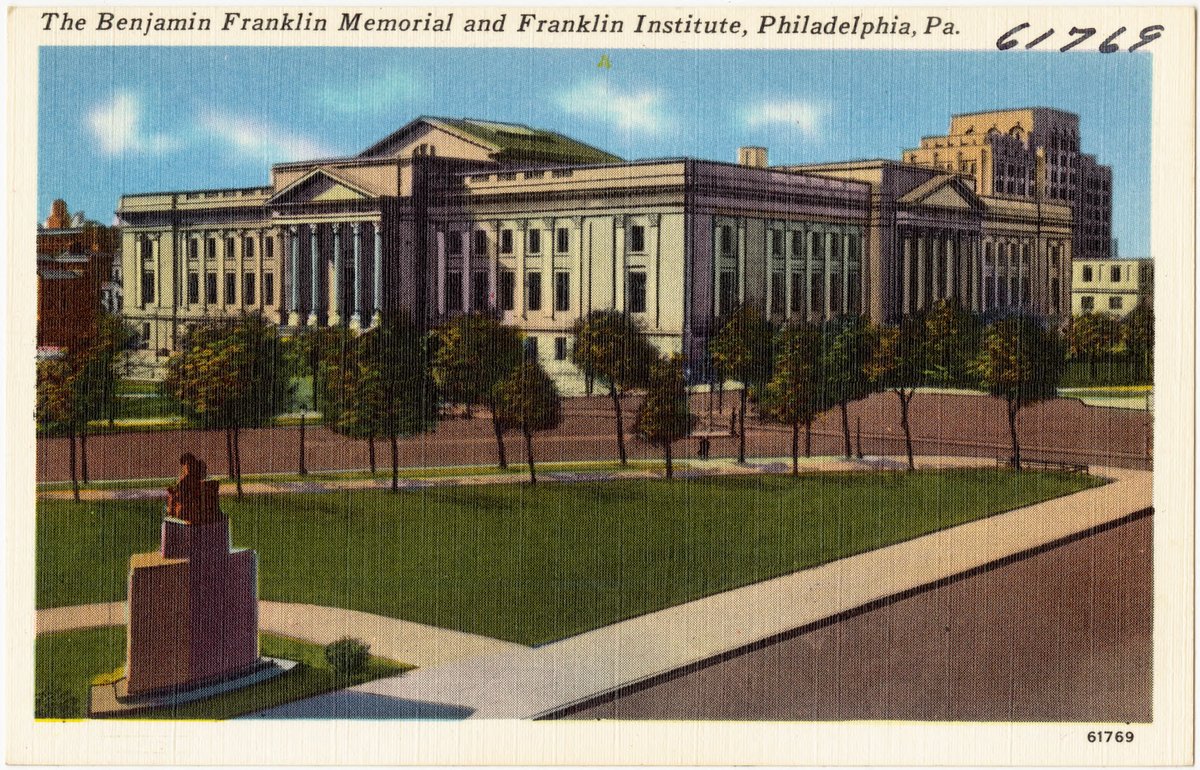
In 1934, the institute moved to its current location on the Benjamin Franklin Parkway. Designed by John T. Windrim, the new Beaux-Arts style building allowed the institute to expand its exhibits and educational programs.
The Fels Planetarium
The Fels Planetarium opened in 1933. Funded by Samuel S. Fels, it was one of the first planetariums in the United States and was designed to educate the public about astronomy and the night sky.
The Benjamin Franklin National Memorial
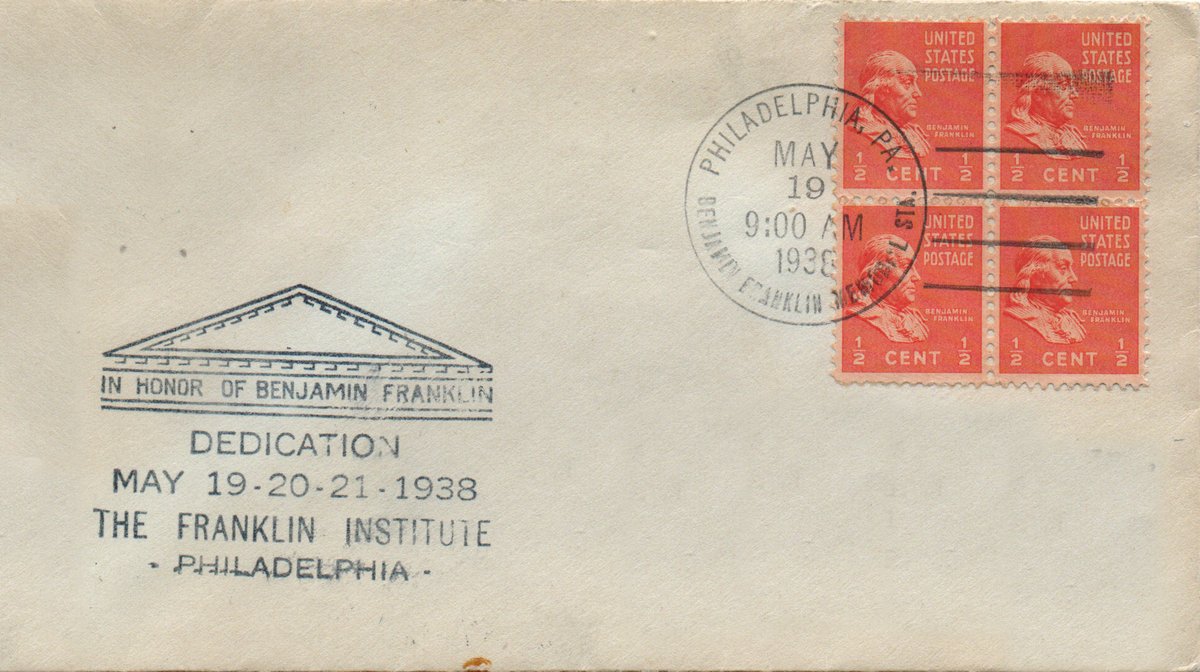
The institute became home to the Benjamin Franklin National Memorial in 1938. The memorial features a 20-foot-tall marble statue of Franklin and was designated a National Memorial by Congress in 1972. It is also a focal point of the institute (Benjamin Franklin National Memorial).
Expansion and Modernization
The institute opened the Mandell Center in 1990, the Tuttleman IMAX Theater in 1991, and the Karabots Pavilion in 2004. A major renovation in 2014 added the Nicholas and Athena Karabots Pavilion, further enhancing its exhibits and visitor experience.
Contributions to Science and Technology
Franklin Institute Awards
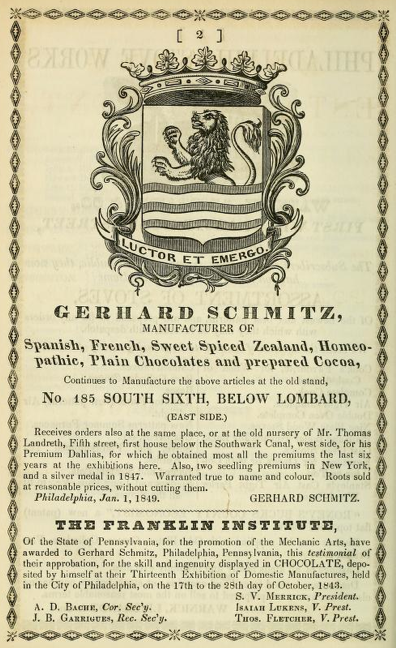
Established in 1824, the Franklin Institute Awards recognize outstanding achievements in science and engineering. Notable laureates include Nikola Tesla, Thomas Edison, and Marie Curie (Franklin Institute Awards).
Educational Impact
The Franklin Institute’s Science Museum offers interactive exhibits and hands-on learning experiences across scientific disciplines (Franklin Institute Science Museum).
Cultural Significance
The Franklin Institute is a cultural landmark as well as a center for scientific learning. Its architecture includes the Benjamin Franklin National Memorial and its 20-foot statue of Franklin.
Exhibits and Attractions
Permanent Exhibits
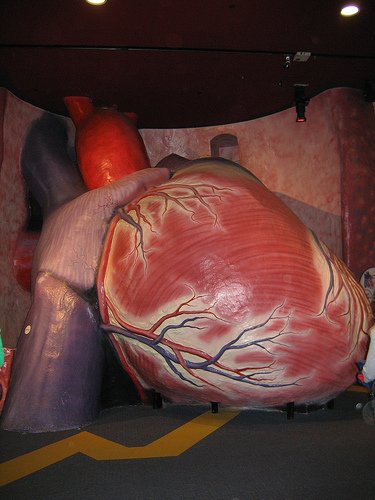
Permanent exhibits include the Giant Heart, a walk-through model of the human heart; Your Brain, with interactive displays about neuroscience; and the Train Factory, which showcases a real Baldwin 60000 locomotive. The Benjamin Franklin National Memorial is another highlight.
Special Exhibits
The museum frequently hosts special exhibits featuring rare artifacts and cutting-edge technology. These exhibits require separate tickets. See the current exhibits page for current offerings.
IMAX and Planetarium
The Tuttleman IMAX Theater and Fels Planetarium offer immersive experiences alongside the museum’s exhibits. Showtimes and tickets are available on the theater page.
Family-Friendly Activities
Children’s Activities
The institute has hands-on exhibits for children of all ages. KidScience is designed for younger visitors, with interactive displays that teach basic scientific principles.
Stroller Policy
Strollers are allowed, and designated stroller parking areas are available near some exhibits. The museum can get crowded, so a baby carrier may be more convenient in busy sections.
Educational Programs
Programs and workshops for children include science camps, after-school programs, and weekend workshops. Details and registration are available on the education page.
Dining and Shopping
Cafes and Restaurants
The Franklin Foodworks Café serves a variety of meals and snacks. Vending machines and picnic areas are also available for visitors who bring their own food.
Museum Shop
The museum shop sells educational toys, books, and souvenirs. Members receive a discount on purchases.
Special Events and Programs
Science After Hours
Science After Hours events are themed evenings for adults featuring live demonstrations, music, and cocktails. Tickets and schedules are available on the events page.
Community Nights
The museum offers free admission on select Community Nights throughout the year. These events are open to all. Dates and details are available on the community page.
Holiday Events
Events are held during holidays such as Halloween, Thanksgiving, and Christmas, and may include themed activities, special exhibits, and family-friendly entertainment. Check the calendar for upcoming holiday events.
Visitor Information
Visiting Hours and Tickets
The Franklin Institute is open daily from 9:30 AM to 5:00 PM. Ticket prices vary, but generally range from $23 for adults to $19 for children. For the latest information, visit the official website.
Accessibility
The institute is fully accessible and offers wheelchair rentals and sensory-friendly resources (Accessibility).
Travel Tips and Nearby Attractions
The institute is accessible by public transportation. Check the weather and wear comfortable shoes, as a visit involves a lot of walking. Weekdays may have fewer crowds than weekends. The Franklin Institute’s mobile app offers interactive maps and exhibit guides.
Nearby attractions include the Philadelphia Museum of Art, the Liberty Bell, the Rodin Museum, and the Mutter Museum. The Philadelphia Museum of Art, Rodin Museum, and Mutter Museum are within walking distance of the institute.