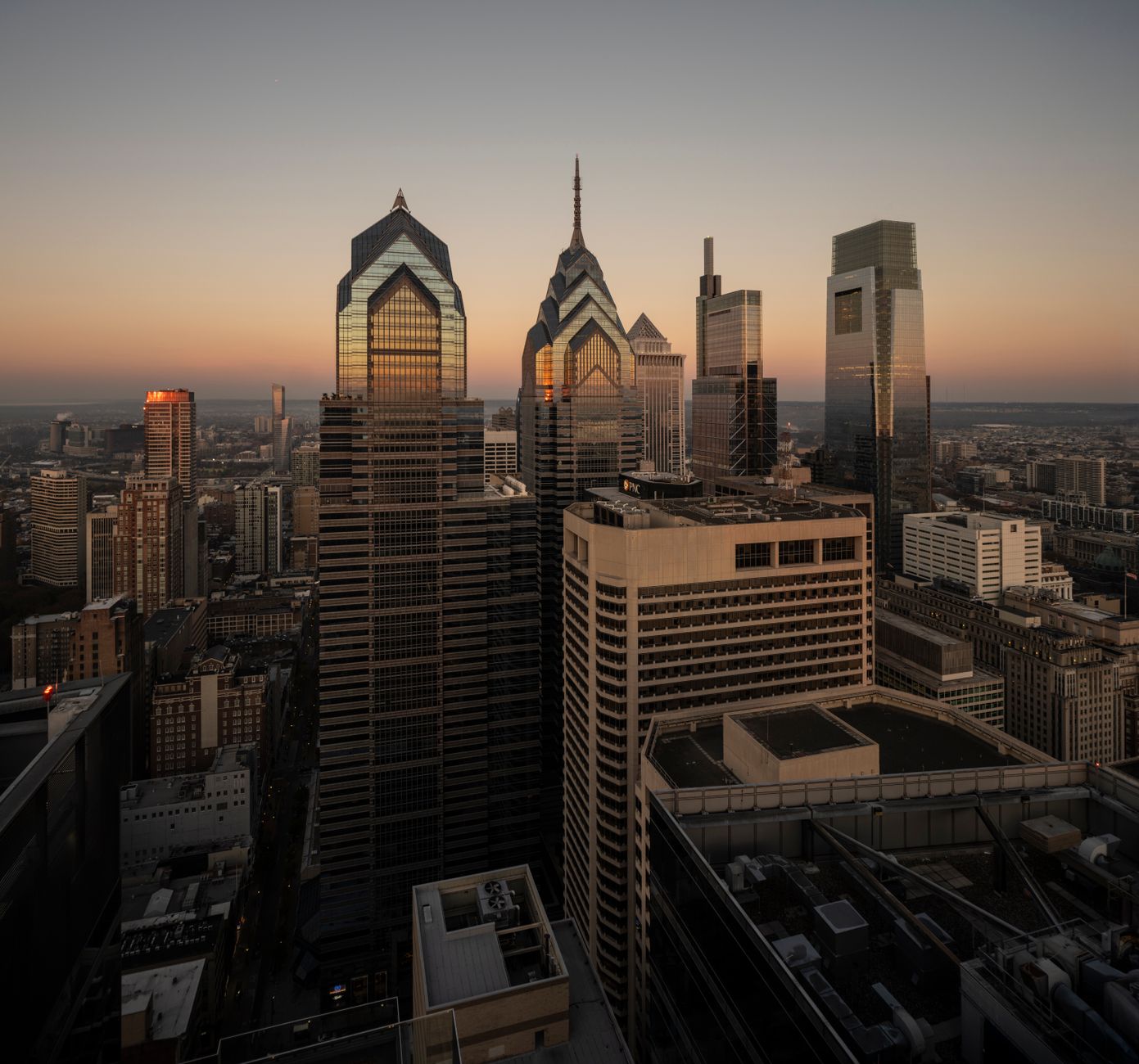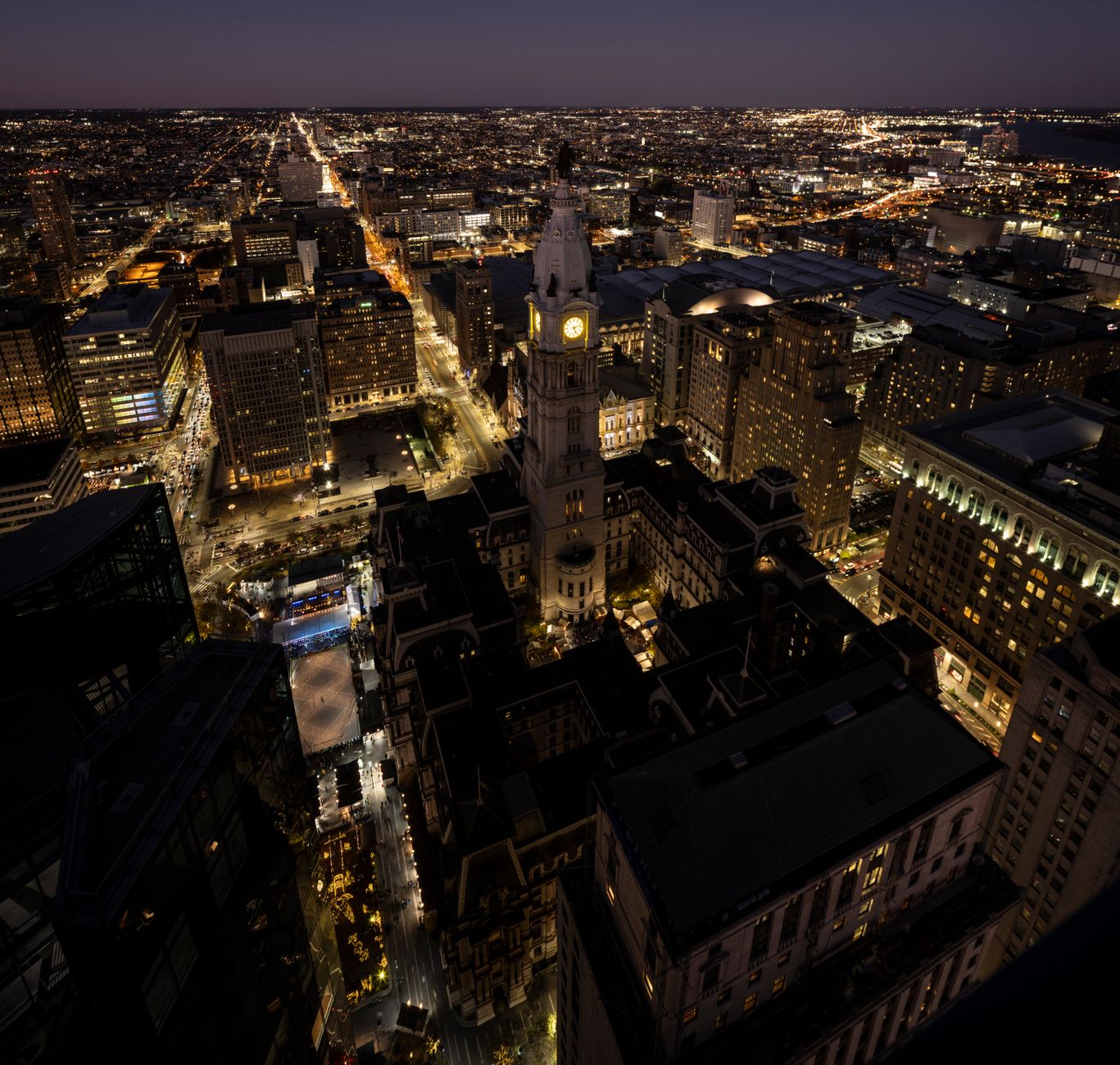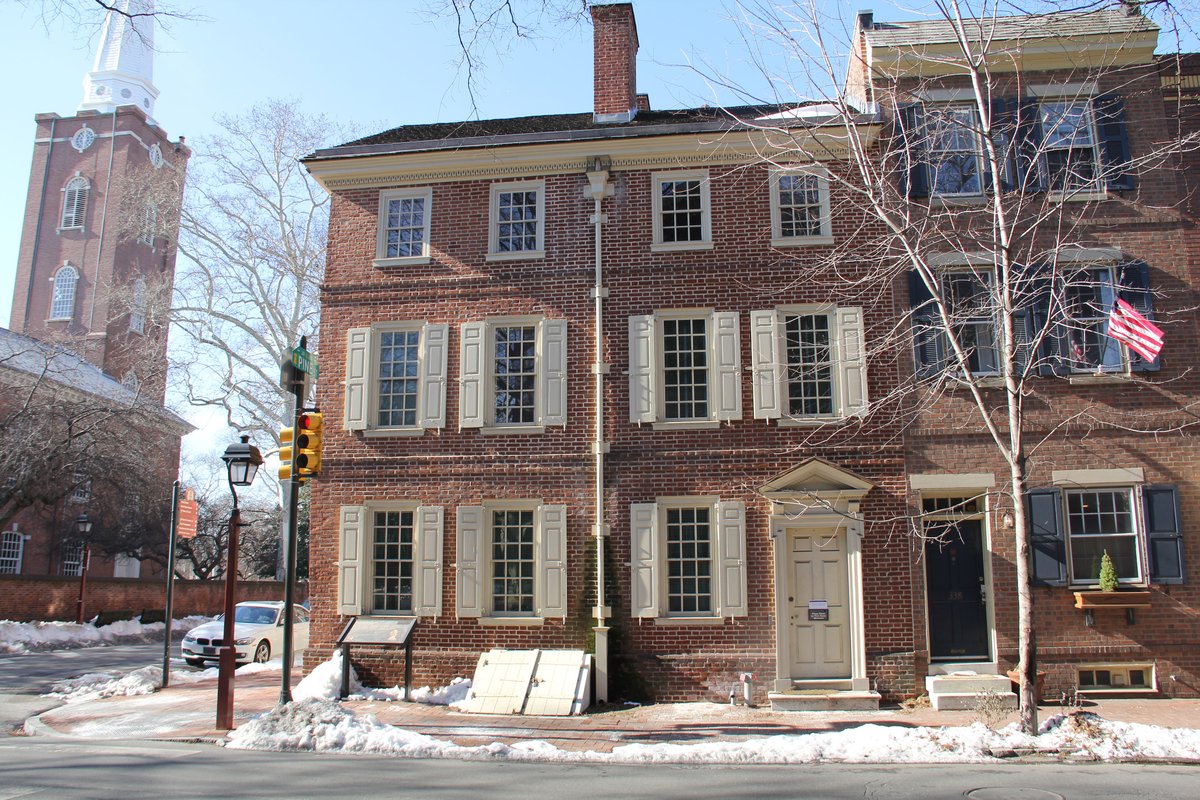
Introduction
The first thing that hits you in Philadelphia is the smell of grilled onions drifting down a side street at 11 p.m., followed immediately by the echo of your own footsteps on 300-year-old brick. This is the United States of America’s most lived-in city, where colonial ghosts share sidewalks with people arguing about cheesesteaks like it’s a blood sport. The contrast is the point.
Independence Hall still smells of old wood and heated debate. Stand in its second-floor assembly room long enough and you can almost hear the scratch of quill pens that signed away an empire in 1776. Yet two blocks away, the Mütter Museum displays preserved human intestines in jars while Victor Café’s opera-singing waiters belt Puccini between plates of gnocchi. The city refuses to pick a single personality.
Philadelphians are direct in a way that feels almost European. They will tell you exactly which cheesesteak spot has gone tourist and why the roast pork at DiNic’s in Reading Terminal Market is the sandwich worth crossing state lines for. This honesty extends to the art: 4,000 murals cover brick walls from Fishtown to South Philly, turning the city into an open-air gallery that changes with the light.
What changes your understanding is how gently the past refuses to leave. Walk Elfreth’s Alley at dusk when the gas lamps flicker on and the 18th century feels like it ended last Tuesday. Then step into the Magic Gardens on South Street, where Isaiah Zagar’s mosaic-covered wonderland glitters with broken plates and bicycle wheels. One city. Two centuries. No apology.
Places to Visit
The Most Interesting Places in Philadelphia
Philadelphia Museum of Art
Exploring the captivating artwork of 'Prometheus Strangling the Vulture' in Philadelphia offers a unique window into the intersection of art, history, and…
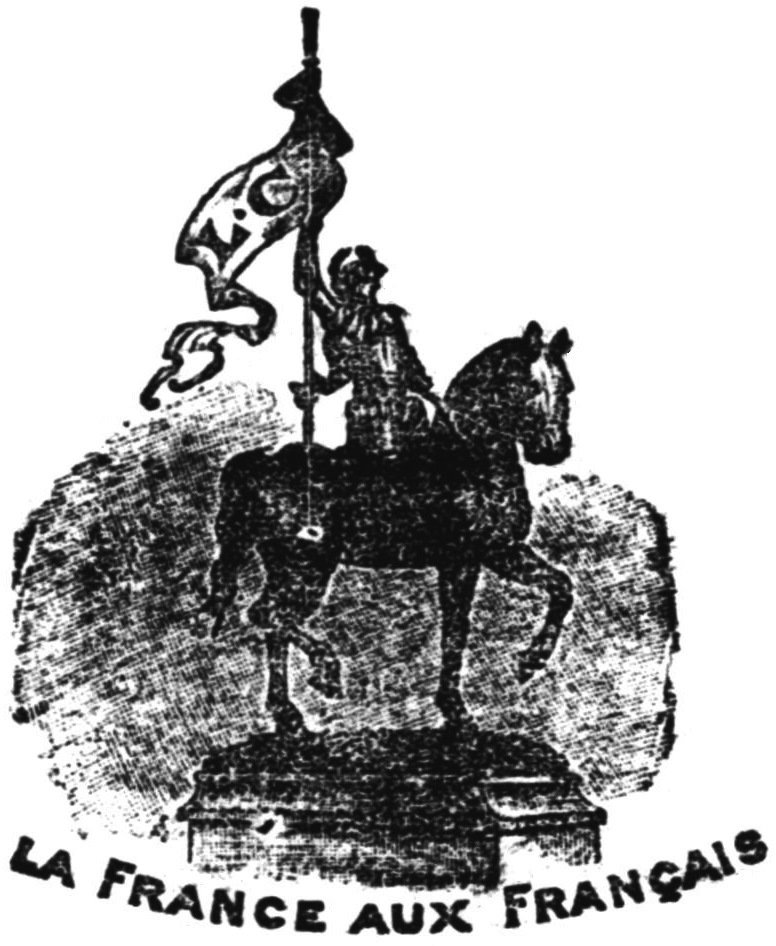
Equestrian Statue of Joan of Arc
The Joan of Arc Monument in New Orleans stands as a gilded tribute to the city's deep-rooted French heritage and the extraordinary legacy of Joan of Arc, one…
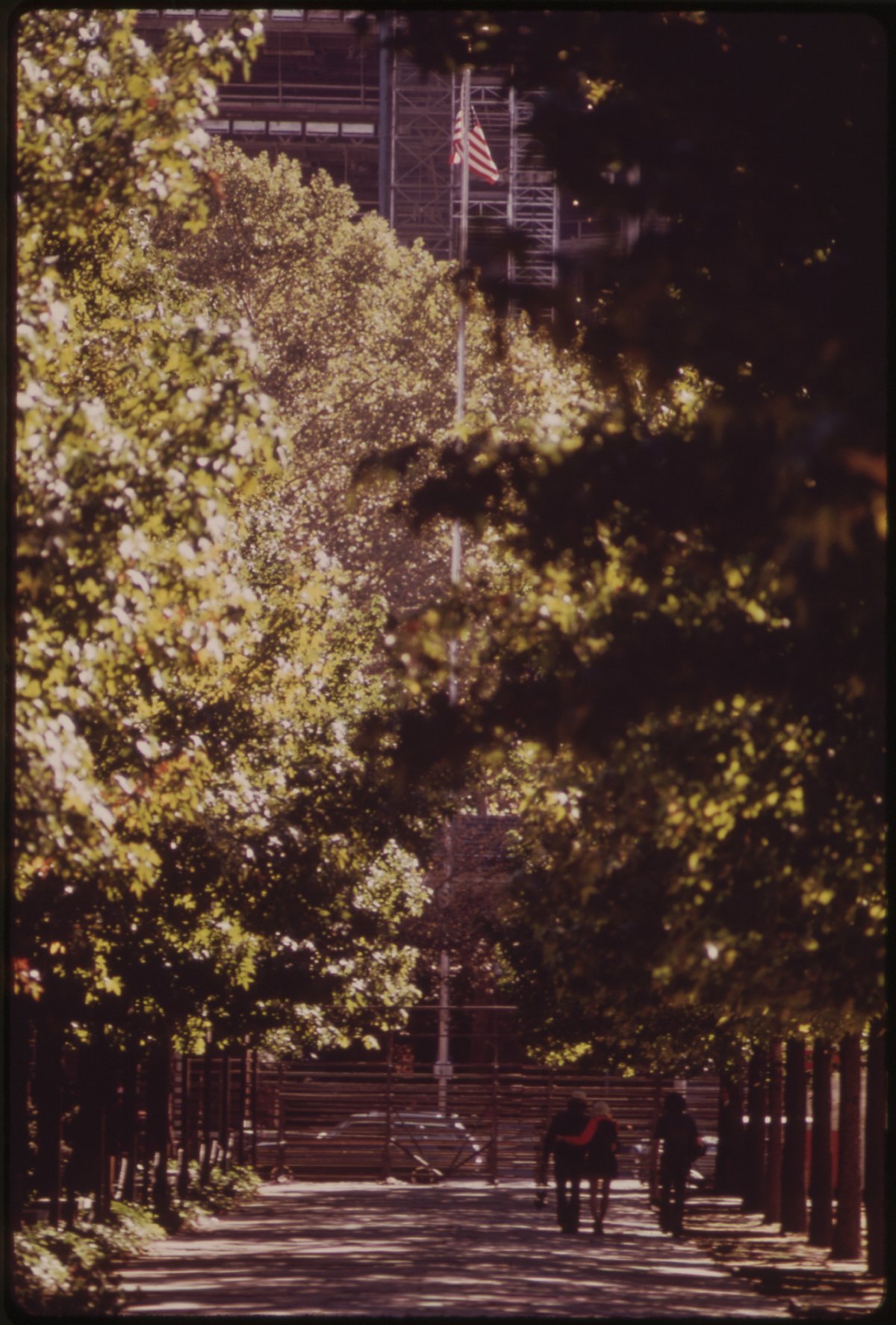
Independence National Historical Park
Independence National Historical Park in Philadelphia, Pennsylvania, stands as a beacon of American heritage and democracy.
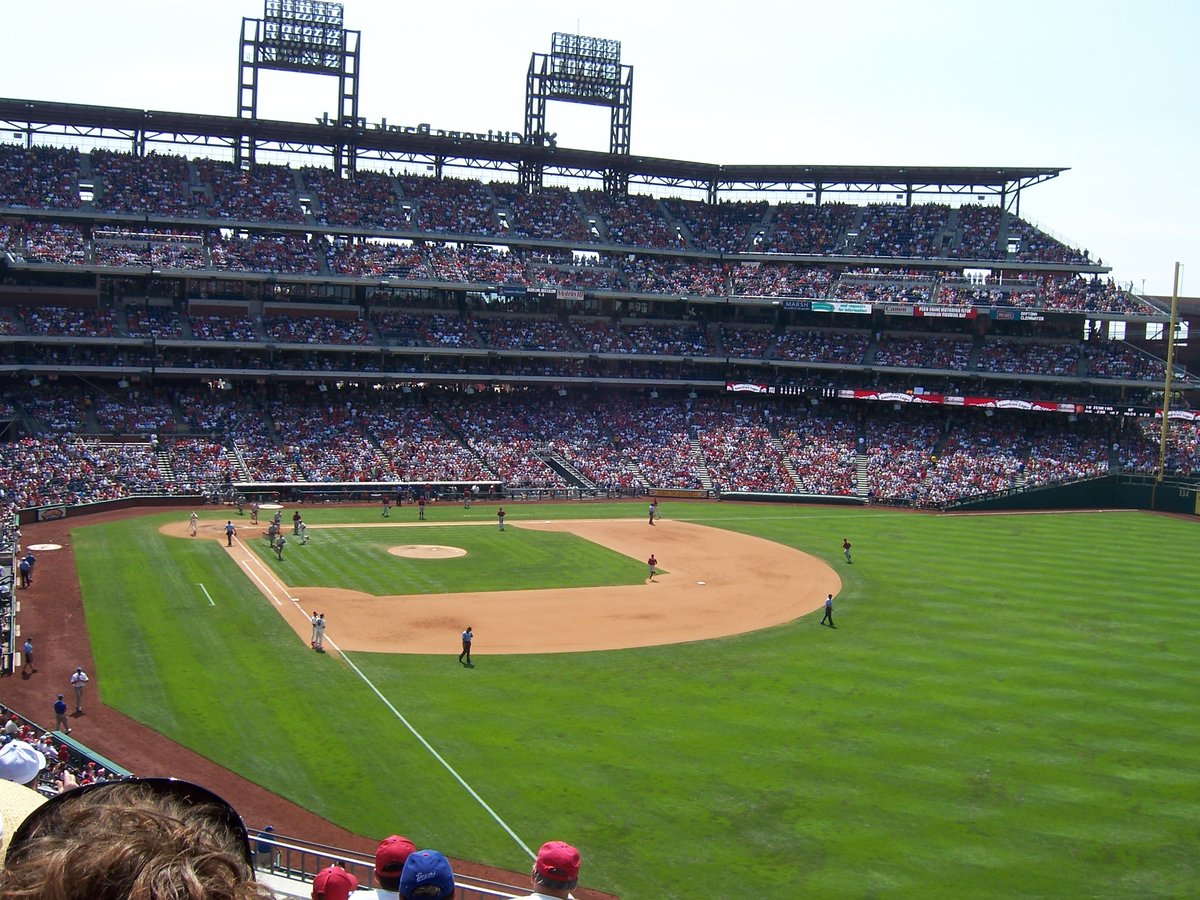
Citizens Bank Park
Nestled in the vibrant heart of Philadelphia, Citizens Bank Park stands as a premier destination for baseball fans and visitors eager to immerse themselves in…
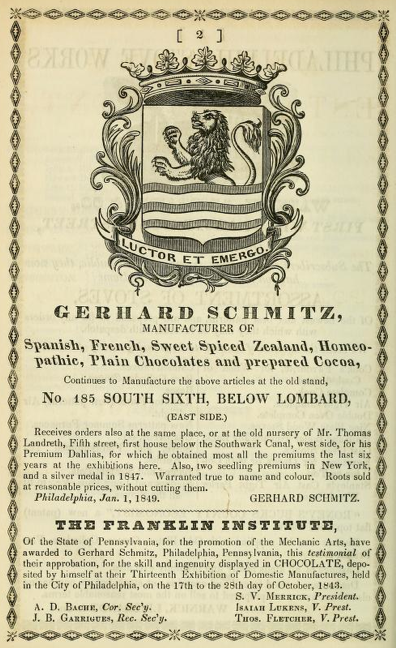
Franklin Institute
The Franklin Institute, nestled in the heart of Philadelphia, Pennsylvania, stands as a beacon of scientific enlightenment and cultural heritage.
Shibe Park
Shibe Park, later known as Connie Mack Stadium, holds a distinguished place in both Philadelphia’s urban landscape and the broader history of American baseball.
Philadelphia Zoo
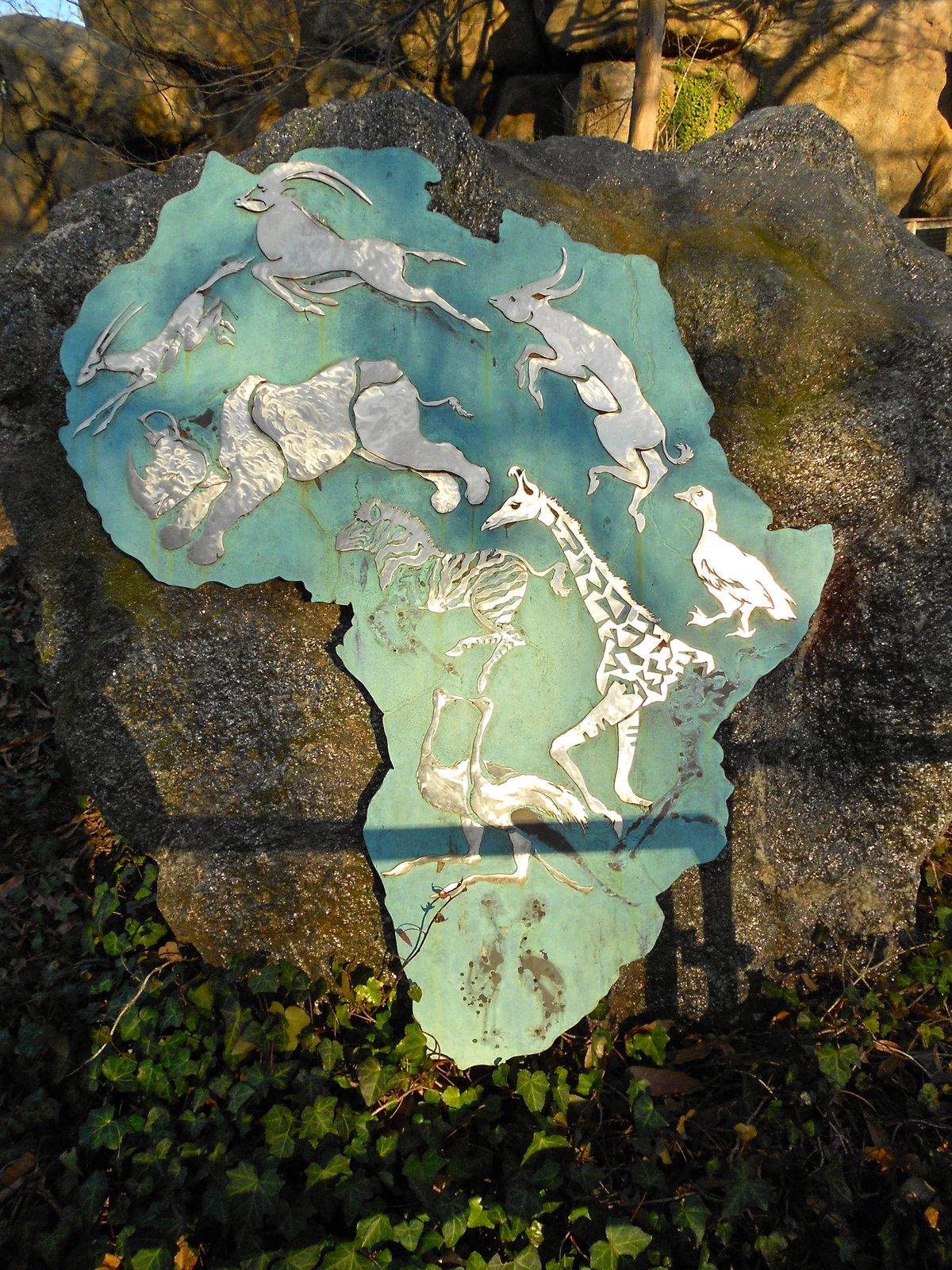
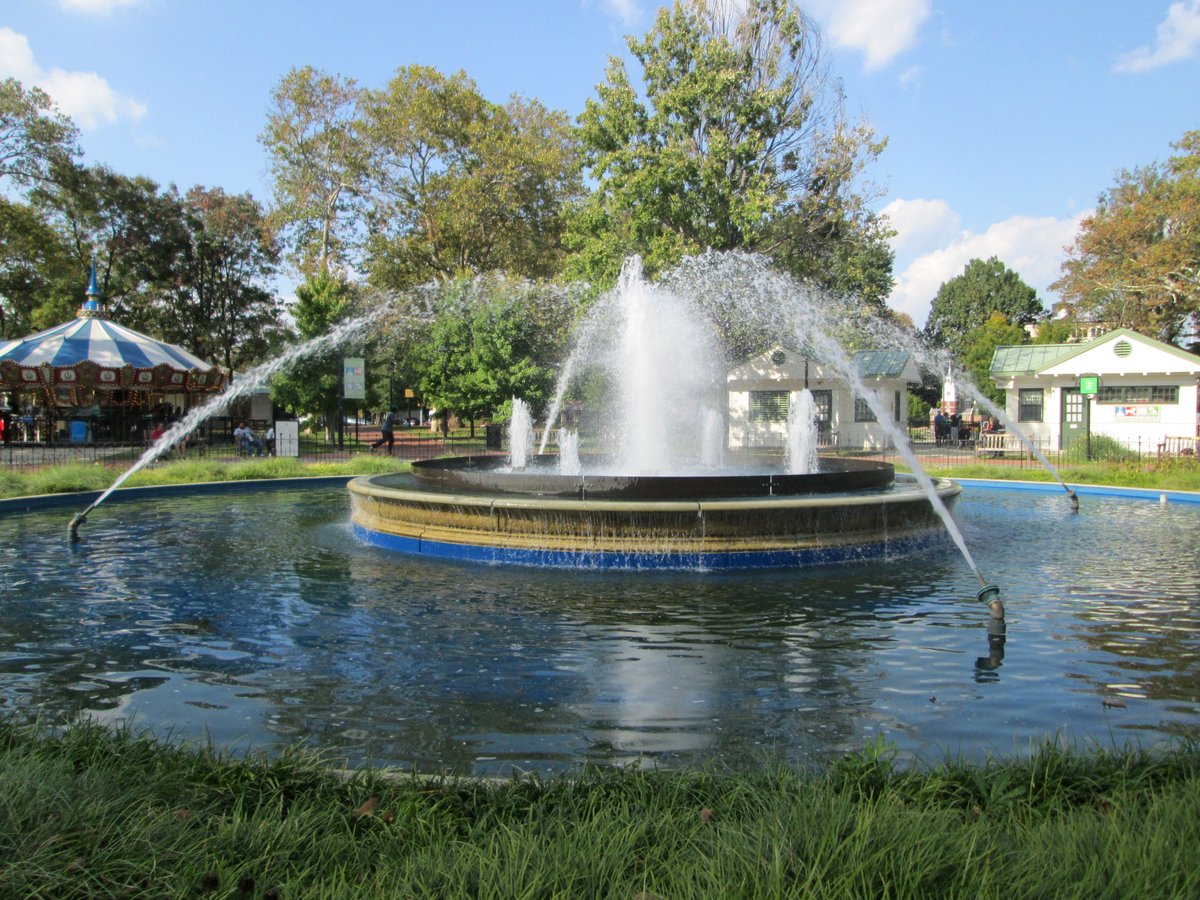
The Philadelphia Zoo, established on July 1, 1874, is America's first zoo and a landmark of historical and cultural significance.
Second Bank of the United States
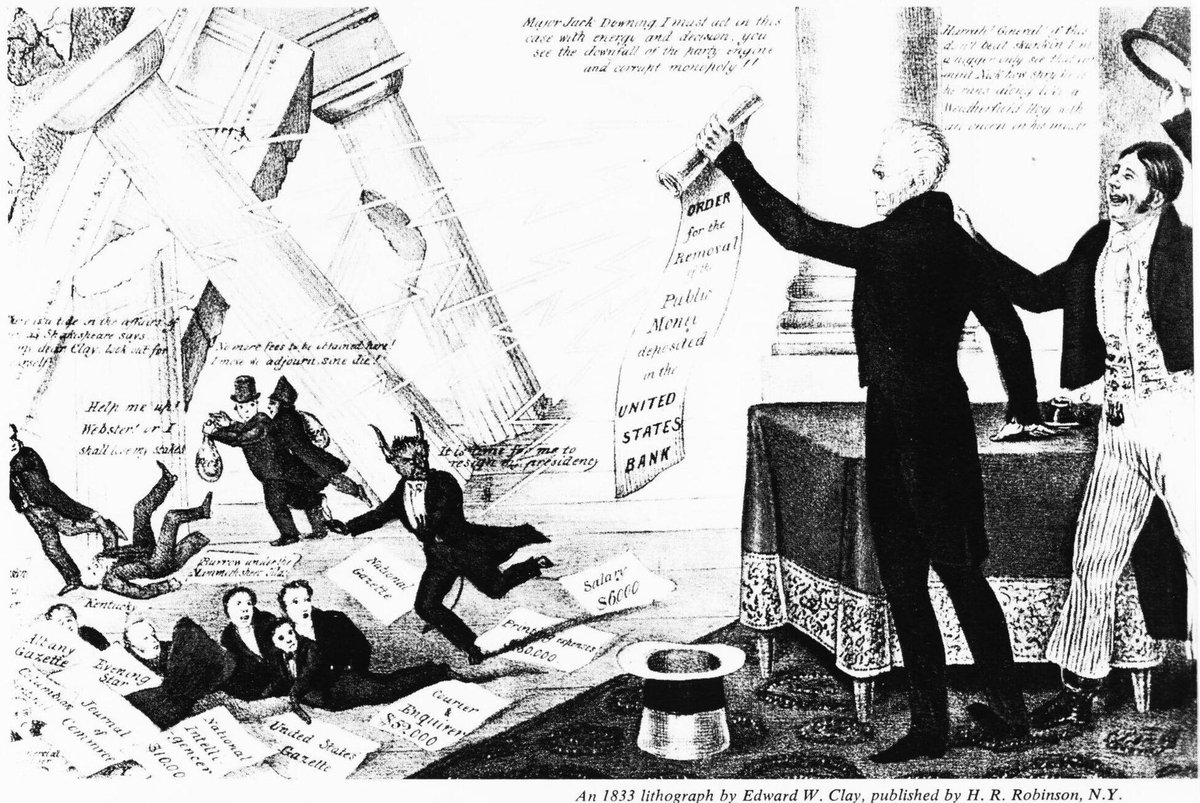
The Second Bank of the United States in Philadelphia stands as a monument to America's early financial history and architectural innovation.
Fairmount Park
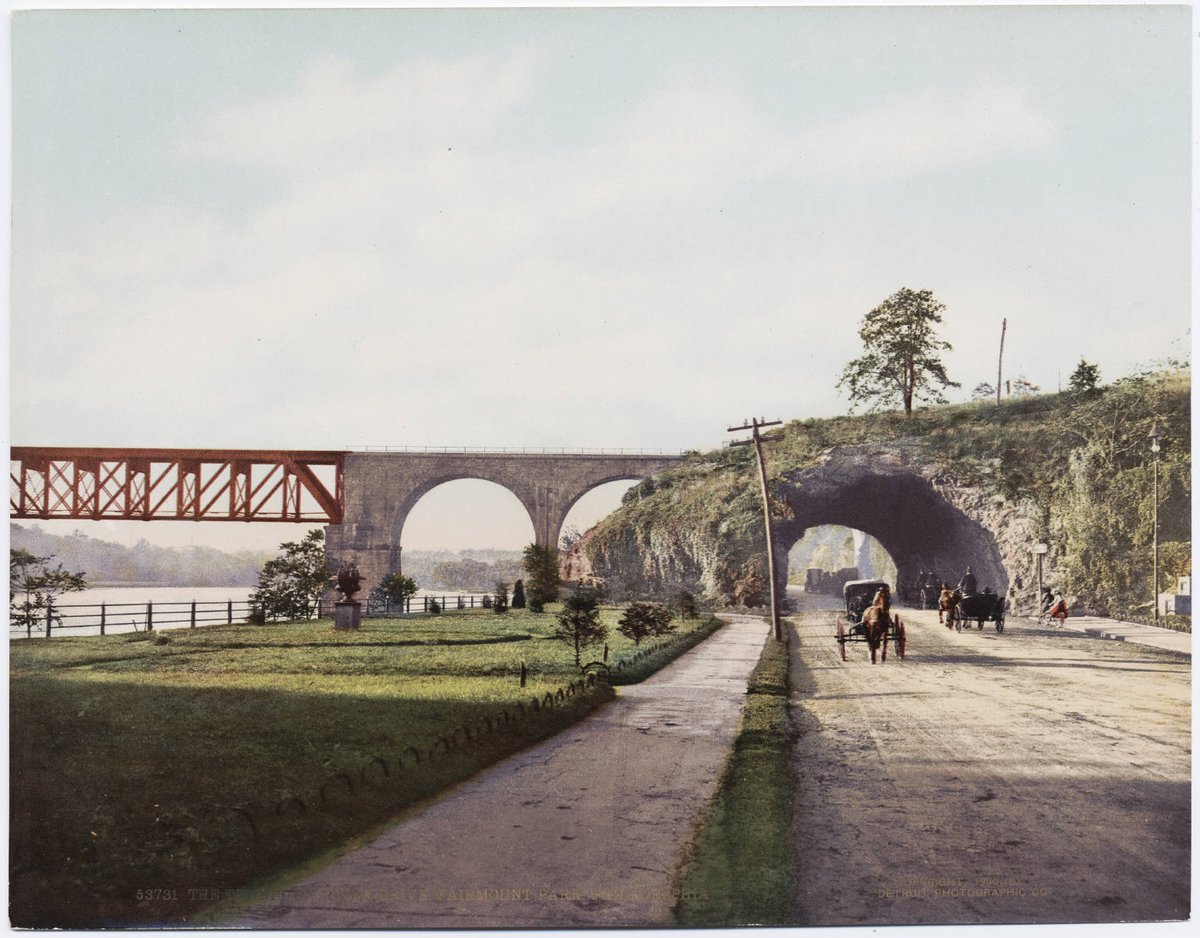
Fairmount Park in Philadelphia stands as one of the United States' most expansive and historically rich urban park systems, offering visitors a unique blend…
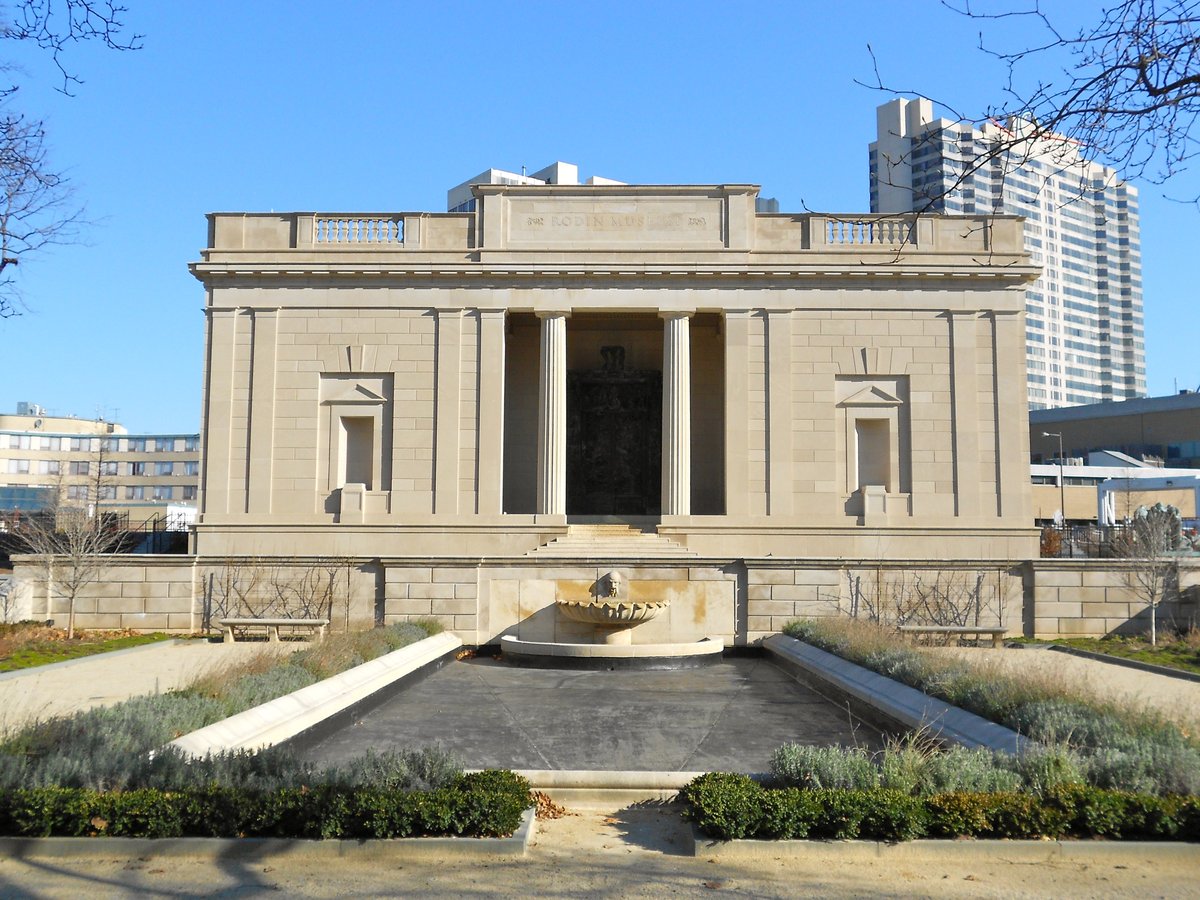
Rodin Museum
Nestled along the iconic Benjamin Franklin Parkway in Philadelphia, the Rodin Museum stands as a premier cultural destination housing one of the most…
Thaddeus Kosciuszko National Memorial
Nestled in the historic Society Hill neighborhood of Philadelphia, the Thaddeus Kosciuszko National Memorial offers a compelling glimpse into the life and…
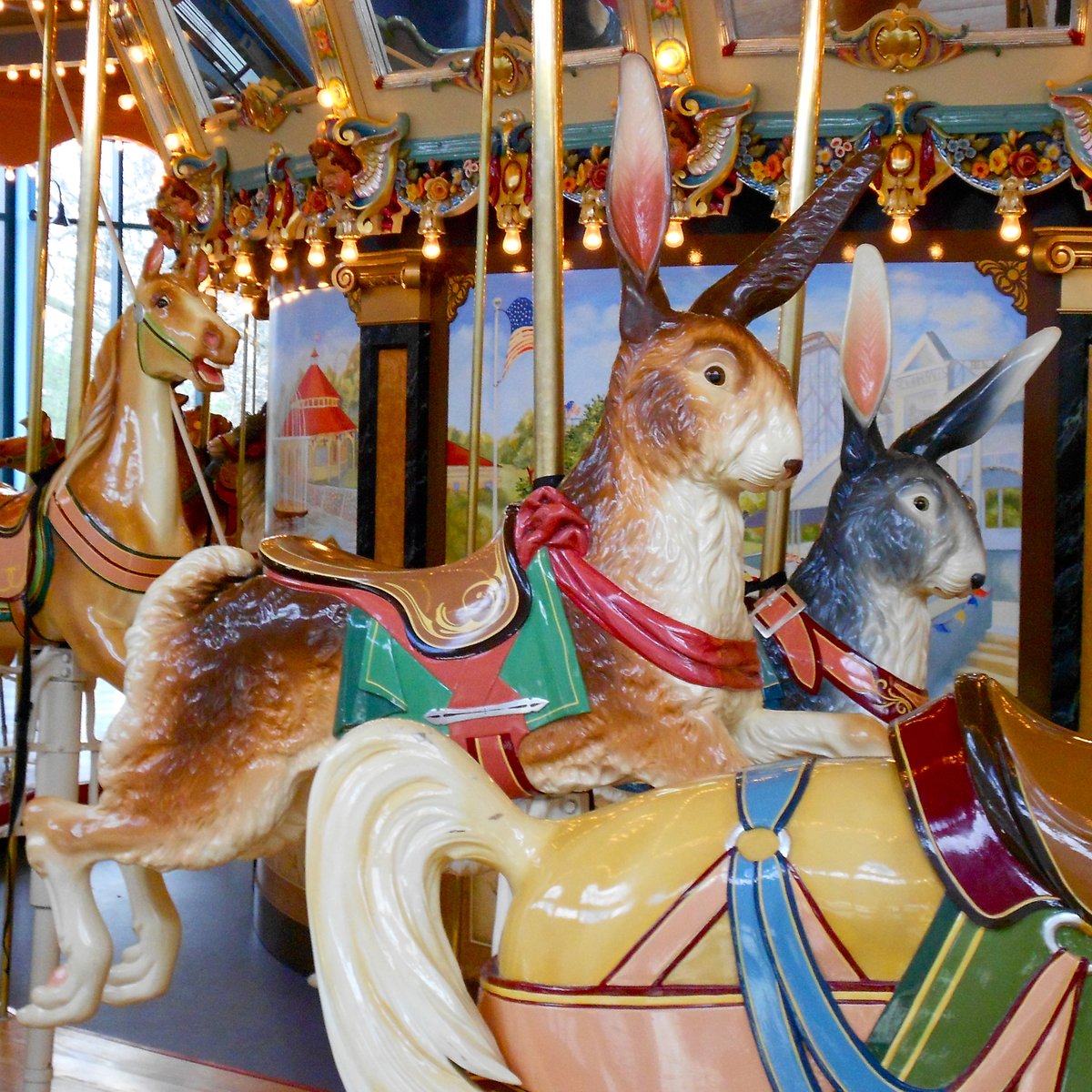
Please Touch Museum
The Please Touch Museum in Philadelphia is a pioneering institution that redefines the traditional museum experience with its hands-on, interactive approach…
What Makes This City Special
Birth of a Nation
Independence Hall still smells of candle wax and ink from 1776. Stand in the same room where they signed the Declaration and feel the weight of every argument that still echoes in American life today.
Cheese Wiz and Opera
South Philly serves you a perfect cheesesteak at 2 a.m. then sends an opera singer to your table at Victor Café. The contradictions here are not smoothed over. They are celebrated.
4,000 Murals
Philadelphia never painted over its industrial scars. Instead it covered brick walls with murals so ambitious they turn entire neighborhoods into open-air galleries. The light hits them differently every hour.
Cemeteries as Parks
Laurel Hill spreads across 78 acres of Victorian sculpture and quiet river views. Locals jog past graves of Civil War generals while tour guides tell ghost stories. Death feels oddly alive here.
Historical Timeline
The Quaker Experiment That Forged a Nation
From Lenape hunting grounds to the cradle of American independence
Lenape Shape the Delaware Valley
For centuries the Lenape tended oak forests and tidal marshes along the Schuylkill and Delaware rivers. They called the future Center City Coaquannock, the place of pines. Their trails still dictate where modern streets bend. The land remembers them in place names like Passyunk and Shackamaxon.
Swedes Raise Fort Christina
Swedish settlers built the first permanent European outpost on the Delaware. Log walls rose where cargo ships once unloaded furs and iron. The scent of pine tar and smoked fish hung over the river for decades. Their modest colony would soon be swallowed by larger ambitions.
William Penn Founds Philadelphia
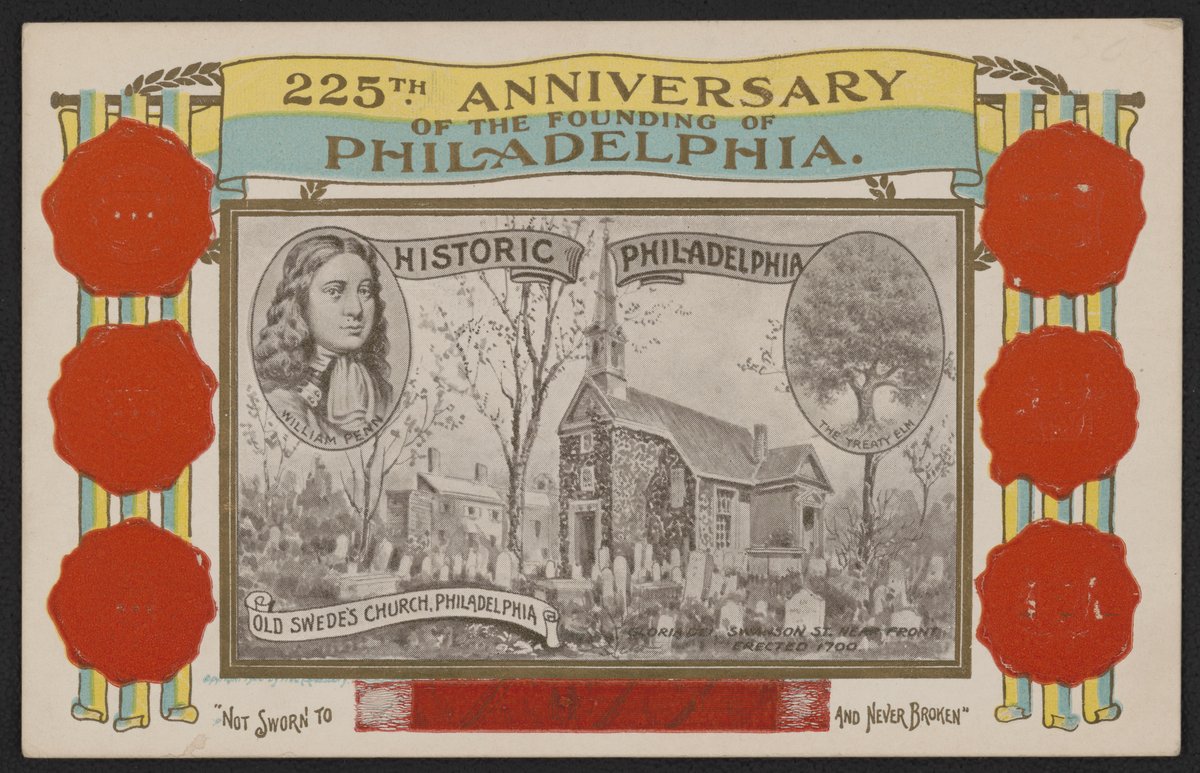
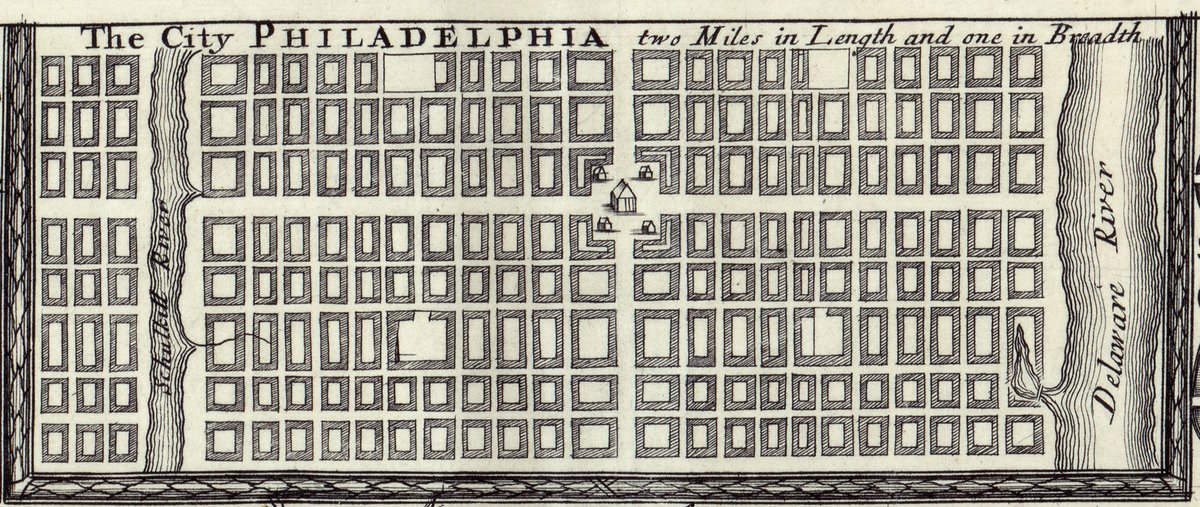
Penn stepped ashore at what is now Penn's Landing and declared a city of brotherly love on a grid of wide streets. He bought land directly from the Lenape rather than the Crown. Brick houses replaced cabins within a decade. The smell of fresh-cut lumber and printer's ink soon filled the air.
Penn Signs Treaty with Lenape
Under an elm at Shackamaxon, Penn and Lenape leaders exchanged wampum and promises. The treaty lasted longer than most colonial agreements. Its spirit still echoes in the city's self-image, even if the elm itself vanished in 1810.
Benjamin Franklin Born
A candle-maker's son arrived in a city still smelling of woodsmoke and river mud. Franklin would later map its streets, found its first library, and organize its first fire company. Philadelphia shaped him as much as he shaped it.
Christ Church Steeple Completed
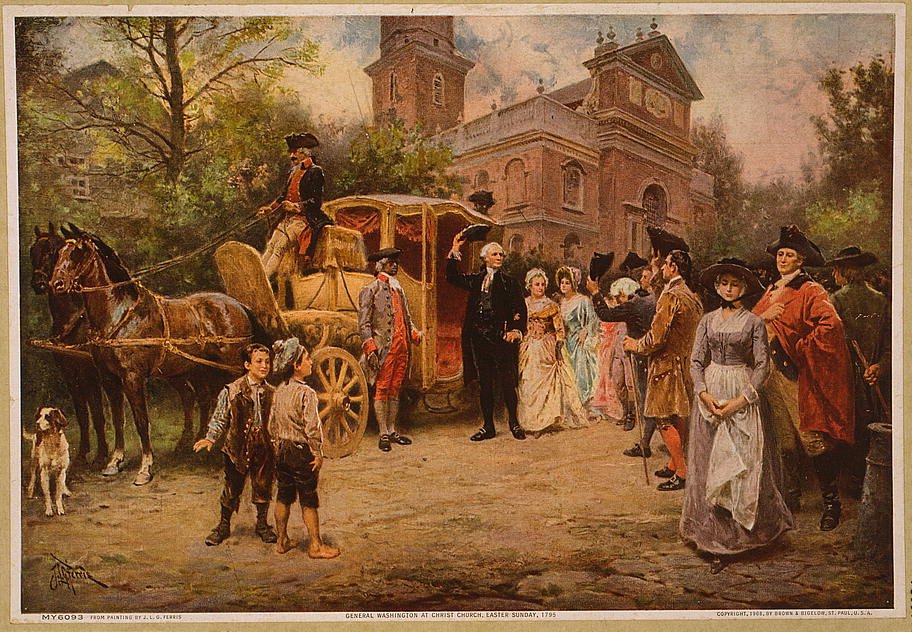
The brick church on Second Street finally received its towering steeple. Franklin helped raise funds for its bells. On quiet mornings the sound still carries across Society Hill the way it did when Washington and Adams worshipped here.
First Continental Congress Meets
Delegates gathered in Carpenters' Hall while the city buzzed with rumors and printer's ink. John Adams found the local food heavy and the political talk electrifying. The building still stands, small and perfectly proportioned, on a quiet block.
Independence Declared at State House
On a humid July day the Declaration was adopted in the Pennsylvania State House. The bell in the tower rang out over streets filled with cheering and panic. British troops would occupy the city within two years. The building we now call Independence Hall became the quiet center of American myth.
Constitutional Convention Convenes
Delegates met again in the same chamber, windows shuttered against summer heat and eavesdroppers. Franklin, now 81, offered witty remarks that eased tense debates. The document they produced still governs the country two centuries later.
Philadelphia Becomes National Capital
For ten years the city housed both Congress and the presidency. Its streets saw Jefferson and Hamilton argue while yellow fever lurked in the marshes. The federal government left for Washington in 1800, leaving Philadelphia to reinvent itself.
Yellow Fever Epidemic Devastates City
Mosquitoes breeding in stagnant pools near the Delaware killed one in ten residents. President Washington fled to Mount Vernon. Benjamin Rush stayed, bleeding patients by the hundreds. The smell of vinegar and gunpowder hung in the air as futile defenses.
Edgar Allan Poe Arrives in Philadelphia
Poe moved to the city at twenty and produced some of his most disciplined work here. The tiny brick house on North Seventh Street still stands, its rooms cramped enough to feel his claustrophobic imagination. Philadelphia gave him both poverty and purpose.
Construction Begins on Independence Hall Restoration
Architects started repairing the old State House, now regarded as a national shrine. The work revealed how much the building had been altered since 1776. Every generation since has tinkered with it further, chasing an idea of authenticity.
City Hall Finally Completed
After thirty years of construction, the massive Second Empire pile at Broad and Market received its statue of William Penn. At 548 feet it was the tallest masonry building on earth. The agreement that nothing should rise higher lasted until the 1980s.
John Coltrane Born in Hamlet, North Carolina
Though born elsewhere, Coltrane's family moved to Philadelphia when he was a teenager. He studied at the Granoff School and later lived at 1511 North 33rd Street. The house is now a landmark. The city's jazz scene helped forge the sound that would change music.
Philadelphia Museum of Art Opens
The massive Beaux-Arts temple on the Parkway finally welcomed visitors after decades of planning. Its steps would later become famous for different reasons. Inside, the light still falls across galleries exactly as the architects intended in 1928.
PSFS Building Redefines Skyline
The nation's first International Style skyscraper rose on Market Street. Its sleek lines announced that Philadelphia, for all its colonial nostalgia, could embrace the future. Bankers and architects argued about it for years.
New City Charter Ends Republican Machine
After decades of one-party rule, voters approved a new charter that professionalized city government. The shift to Democratic dominance reshaped neighborhoods and patronage networks alike. The machine didn't vanish. It simply changed parties.
Will Smith Born in West Philadelphia
Born at 51st and Cedar, the boy who became the Fresh Prince absorbed the city's humor, rhythm, and occasional edge. His early rhymes referenced real corners and real rivalries. Philadelphia remains audible in everything he does.
Liberty Place Breaks Height Agreement
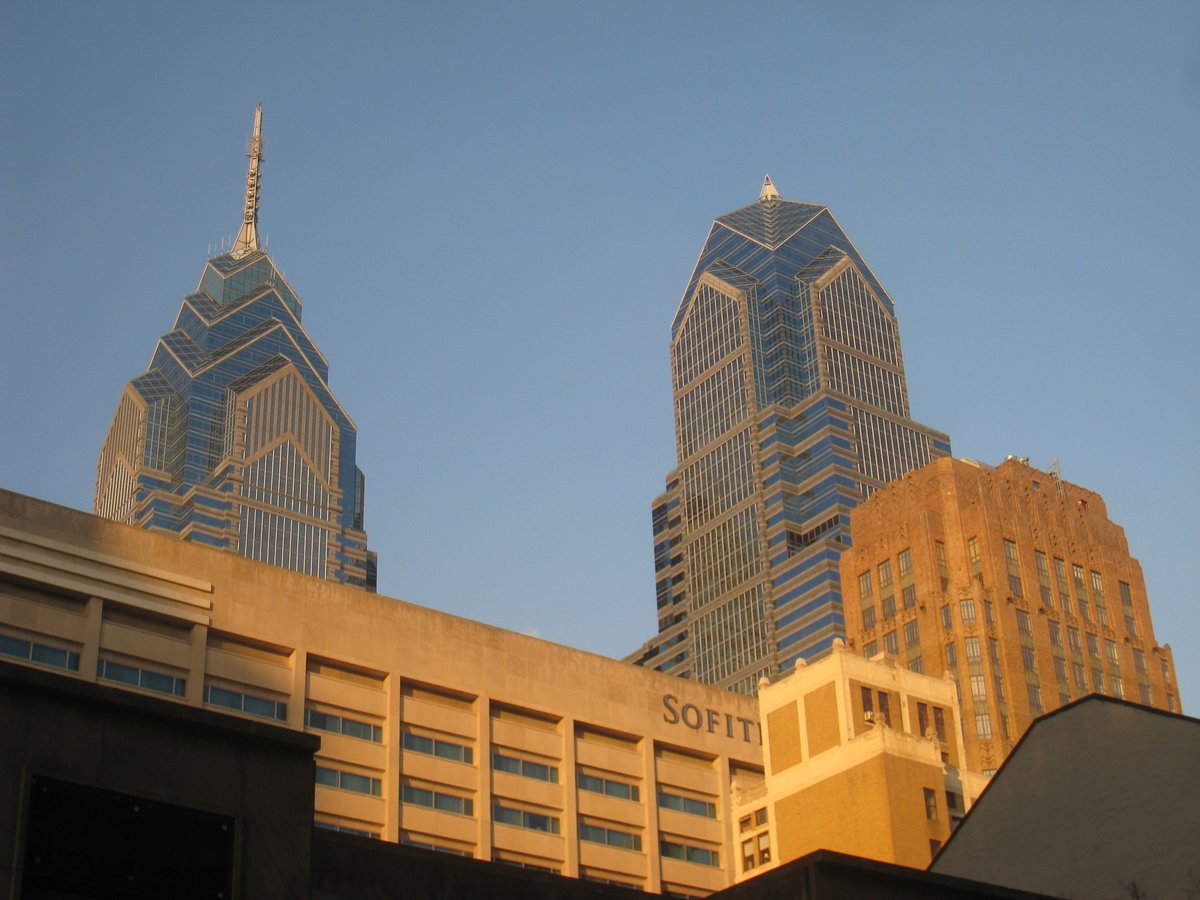
Two sleek blue towers finally rose higher than Penn's hat on City Hall. The gentleman's agreement died with a crash of construction noise. Philadelphians still argue whether the city lost something essential that day.
Comcast Center Opens
The 58-story glass tower became the city's tallest. Its lobby features a three-story video wall and a fountain that somehow never splashes visitors. The building quietly announced that Philadelphia had rejoined the ranks of ambitious American downtowns.
Murals Become Voice of Protest
After George Floyd's murder, new and old murals across neighborhoods became focal points for mourning and rage. Mural Arts Philadelphia documented them all. The city's walls have carried political messages since Franklin's time. These simply spoke louder.
Notable Figures
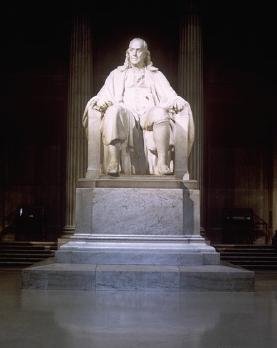
Benjamin Franklin
1706–1790 · Founding Father, PolymathHe arrived in Philadelphia at 17 with two pennies in his pocket and later set up the first lending library and fire department on these streets. You can still see his hand in the grid layout he helped design. Today he would probably be fascinated by the solar panels on rowhouses and the fact that his old printing shop now sits steps from a Vietnamese coffee roaster.
Edgar Allan Poe
1809–1849 · WriterPoe wrote some of his most productive horror and detective tales in a narrow three-story brick house on North 7th Street. The city’s damp winters and hidden courtyards fed the gothic atmosphere he craved. He would likely recognize the same shadowy alleys off South Street that still feel untouched by time.
Billie Holiday
1915–1959 · Jazz SingerBorn Eleanora Fagan at Philadelphia General Hospital, she returned throughout her life to the city’s jazz clubs. The grit and directness of local audiences shaped her no-nonsense delivery. She might smile at the fact that her birthplace now sits inside a city still obsessed with live music in small rooms.
John Coltrane
1926–1967 · Jazz SaxophonistColtrane honed his sound while practicing in apartments near 33rd Street, a house now preserved as a landmark. The city’s vibrant Black music scene gave him both teachers and tough critics. Walking past the current jazz clubs in Fishtown, you sense the same restless search for new sounds that drove him.
Photo Gallery
Explore Philadelphia in Pictures
A stunning aerial perspective of the Philadelphia skyline at dusk, showcasing the city's vibrant urban grid and illuminated skyscrapers.
Kelly on Pexels · Pexels License
The iconic clock tower of Philadelphia City Hall stands tall against a bright, cloudy sky in the United States of America.
Dan Parlante on Pexels · Pexels License
A dramatic aerial perspective of Philadelphia, United States of America, capturing the city's architecture and river bridges emerging through a layer of low-hanging clouds.
Kelly on Pexels · Pexels License
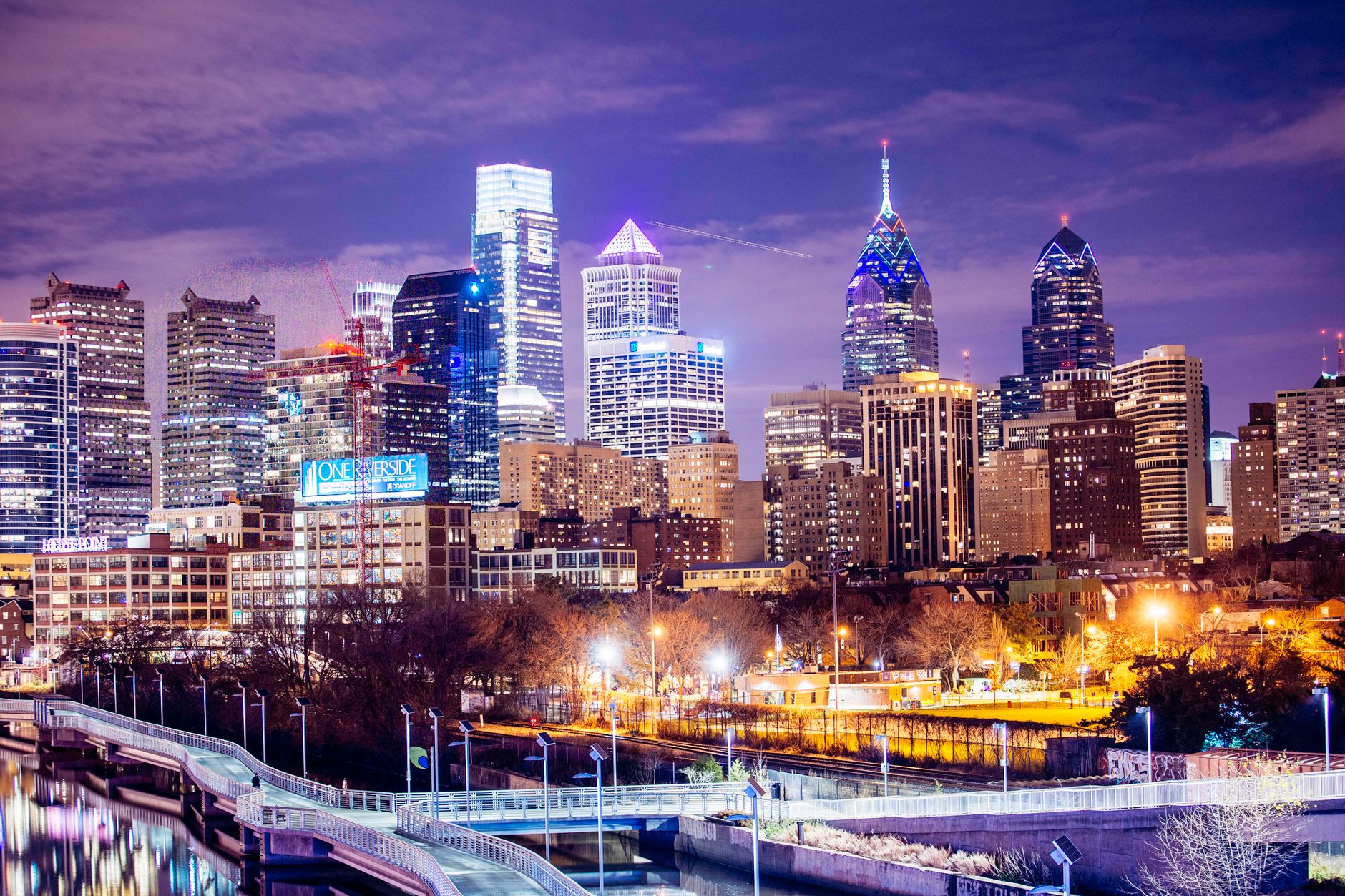
The vibrant Philadelphia skyline glows against a deep purple twilight sky, showcasing the city's iconic architecture and riverfront paths.
Scott Duygun on Pexels · Pexels License
The Philadelphia skyline glows under the warm light of a setting sun, highlighting the city's distinctive architectural landmarks.
Trev W. Adams on Pexels · Pexels License
The iconic Philadelphia skyline glows under a dramatic sunset, highlighting the city's blend of historic and modern architectural landmarks.
SANJIV JOSHI on Pexels · Pexels License
The historic Philadelphia City Hall stands brilliantly illuminated against the sprawling night skyline of the city.
Trev W. Adams on Pexels · Pexels License
The Philadelphia skyline glows at dusk, showcasing iconic skyscrapers and a brightly lit Ferris wheel along the waterfront.
Hawk i i on Pexels · Pexels License
A dramatic aerial perspective of the Philadelphia skyline at sunset, showcasing its iconic architecture against a moody, cloud-filled sky.
Kelly on Pexels · Pexels License
A stunning aerial perspective of the Philadelphia skyline, showcasing the city's dense urban architecture and iconic skyscrapers under a clear blue sky.
Kelly on Pexels · Pexels License
Practical Information
Getting There
Philadelphia International Airport (PHL) sits 7 miles from Center City. The SEPTA Airport Regional Rail Line leaves every 30 minutes, takes 25 minutes, and costs $6.75 in 2026. 30th Street Station serves Amtrak and regional trains while I-95 and I-76 deliver drivers straight into the grid.
Getting Around
SEPTA runs two subway lines (Broad Street and Market-Frankford), plus trolleys and dozens of bus routes. Tap a credit card or use the SEPTA Key app for all of them. Indego bike-share stations appear every few blocks. The Schuylkill River Trail gives cyclists 10 uninterrupted miles along the water.
Climate & Best Time
Summers hit 85–90 °F with thick humidity. Winters drop to 25–35 °F and occasionally bring snow. Early October delivers crisp air, turning leaves, and smaller crowds. May and mid-September also work well. Avoid July unless you enjoy sweating through your shirt.
Safety
Center City and Old City remain safe after dark if you stick to well-lit streets. West of Broad Street beyond University City and parts of North Philadelphia require more caution. Philadelphians are direct. If someone tells you to watch your back, listen.
Where to Eat
Don't Leave Without Trying
Vedge
fine diningOrder: The seasonal vegetable-forward tasting menu showcases Philadelphia's best produce transformed into elegant, unexpected dishes that prove vegetarian dining can be as sophisticated as any Michelin-starred kitchen.
Vedge has put Philadelphia on the map as a serious vegetarian destination, earning national acclaim for elevating plant-based cuisine to fine dining status. This is where locals and critics alike come for innovation.
Talula's Garden
fine diningOrder: Whatever's on the seasonal menu—the kitchen sources obsessively from local farmers and purveyors, so expect dishes built around what's at peak ripeness. Trust the chef.
Talula's Garden is a neighborhood gem where serious food lovers eat when they want to celebrate without pretension. Nearly 3,000 reviews at 4.8 stars isn't hype—it's consistency.
Vernick Food & Drink
fine diningOrder: Go for the tasting menu if you can—Chef Vernick builds dishes around seasonal ingredients with technical precision and genuine creativity. Every plate tells a story.
This is Philadelphia's answer to high-end dining done right: ambitious, ingredient-driven, and utterly refined without being stuffy. It's where the city's food community celebrates.
Monk's Cafe
local favoriteOrder: The Belgian beer selection is legendary—over 250 bottles—but don't skip the moules frites. Simple, perfect, and exactly what this place does best.
Monk's is a Philadelphia institution where locals have been gathering for decades. It's unpretentious, reliable, and feels like home the moment you walk in.
Paesano's
quick biteOrder: The Italian roast pork sandwich is a masterclass in simplicity: crusty bread, perfectly seasoned pork, and nothing else needed. Get it.
Paesano's sits in the heart of South Philly's Italian Market neighborhood, crafting sandwiches the way they've been made for generations. This is where locals buy lunch.
Isgro Pastries
quick biteOrder: The canoli are legendary—crispy shell, creamy filling, and tasting like they've been perfected over decades. Also grab a sfogliatelle if they have them.
Isgro is a South Philly cornerstone where three generations have been making authentic Italian pastries. The neighborhood's sweet tooth depends on this place.
Beiler's Bakery
quick biteOrder: The donuts are exceptional—try the classic glazed or seasonal specials. They're made fresh daily and gone by afternoon.
Beiler's is where Philadelphia goes for donuts that taste like they actually matter. The consistency and quality keep people coming back every morning.
Tria Cafe Rittenhouse
cafeOrder: The wine list is carefully curated—ask the staff for recommendations based on your mood. Pair with their cheese and charcuterie selections.
Tria is Philadelphia's go-to spot for wine lovers who want to linger without the stuffiness. The Rittenhouse location is perfectly positioned for an evening out.
Dining Tips
- check Tip 15–20% for sit-down service; some establishments include gratuity automatically for large parties.
- check Reservations are highly recommended for popular spots—book as far in advance as possible, and later time slots may face less competition for tables.
- check Philadelphia is famous for its 300+ BYOB (Bring Your Own Bottle) restaurants, which can help keep dining costs down.
- check Cash is strongly encouraged for markets and small vendors, though cards are widely accepted at restaurants.
Restaurant data powered by Google
Tips for Visitors
Visit in October
Early October brings crisp air, fall color along the Schuylkill, and far smaller crowds than summer. Hotel rates drop noticeably after mid-September.
Skip the Tourist Steaks
Locals prefer roast pork sandwiches at DiNic’s in Reading Terminal Market over the 9th and Passyunk cheesesteak lines. Bring cash; some stalls still refuse cards.
Use SEPTA Contactless
Tap your credit card or phone at every subway, bus, or trolley. The base fare is $2.90. No need to buy a Key card for short visits.
BYOB Saves Money
Many excellent restaurants in East Passyunk and Fishtown are BYOB. A $12 bottle from the corner store beats $60 corkage fees.
Stay East of Broad
First-timers should keep to Center City, Old City, and University City after dark. West of Broad beyond the campus grid gets quieter fast.
Book Independence Hall
Entry is free but requires a timed ticket. The $1 reservation fee keeps lines manageable. Book the 9 a.m. slot before crowds build.
Explore the city with a personal guide in your pocket
Your Personal Curator, in Your Pocket.
Audio guides for 1,100+ cities across 96 countries. History, stories, and local insight — offline ready.
Audiala App
Available on iOS & Android
Join 50k+ Curators
Frequently Asked
Is Philadelphia worth visiting? add
Yes, especially if you like layers of history you can actually touch. Walk Elfreth’s Alley at dusk when the 18th-century bricks glow, then eat a roast pork sandwich at Reading Terminal the next morning. The city’s scale lets you cover the colonial core, world-class art, and gritty neighborhoods in a few days without exhaustion.
How many days do you need in Philadelphia? add
Three full days is the minimum to see Independence Hall, the Art Museum steps, Reading Terminal, and one neighborhood properly. Five days lets you add Eastern State Penitentiary, a Mural Arts tour, and a day trip to Longwood Gardens. Any less and you’ll only skim the surface.
How do you get from Philadelphia airport to Center City? add
Take the SEPTA Airport Regional Rail Line every 30 minutes. The trip costs $6.75 and lands you at 30th Street Station or Suburban Station in 25 minutes. Tap your credit card; no ticket machine required.
Is Philadelphia safe for tourists? add
Center City, Old City, Rittenhouse Square, and the tourist corridor are generally safe during daylight and early evening. Stick to well-lit streets and avoid walking alone west of Broad Street or deep into North Philadelphia at night. Normal big-city awareness applies.
When is the best time to visit Philadelphia? add
Early October to early November delivers the best weather and smallest crowds. May and June run a close second. Summers are hot and humid while January and February can be raw, though hotel prices drop dramatically.
Should I rent a car in Philadelphia? add
No. Center City is one of America’s most walkable downtowns. Use SEPTA, Indego bikes, or rideshares instead. Parking is expensive and scarce; one-way streets will test your patience.
Sources
- verified Visit Philly — Official tourism site providing neighborhood guides, event calendars, transport details, and seasonal recommendations.
- verified DiscoverPHL — Curated list of medical curiosities, waterfront landmarks, cemeteries, and local institutions beyond standard tourist routes.
- verified Encyclopedia of Greater Philadelphia — Scholarly reference for Lenape history, founding dates, epidemics, and architectural timelines.
- verified SEPTA — Official fares, contactless payment methods, Airport Line schedule, and current service information.
Last reviewed: