Visiting the Clifton Suspension Bridge: Hours, Tickets & Accessibility
Visiting Hours
- Bridge Access Open 24 hours a day for pedestrians and vehicles.
- Visitor Centre & Museum Open daily from 10:00 AM to 5:00 PM (last admission 4:30 PM).
Tickets & Entry
- Pedestrian & Cyclist Access Free.
- Vehicle Toll £1.00 per crossing (cars/motorcycles), payable by coins or contactless card.
- Museum Admission Free entry.
- Guided Tours & Vaults Tours Free weekend bridge tours available; special underground vault tours require advance ticket booking (Book a Tour).
Accessibility
- Bridge & Museum Wheelchair accessible with step-free entry, ramps, accessible toilets, and dedicated parking for Blue Badge holders.
- Assistance Staff and volunteers are available to help visitors with additional needs. For specific requirements, contact the museum in advance.
Travel & Parking Tips
- Public Transport The No 8 bus from Bristol Temple Meads serves Clifton Village; X4 bus from Ashton Court.
- Parking Pay-and-display in Clifton Village and Leigh Woods (no dedicated museum parking); Blue Badge spaces by Leigh Woods toll house.
- By Foot/Bike Scenic walking and cycling routes from the city center and Clifton Downs; cycle racks available.
- By Train/Air Bristol Temple Meads station connects to London, Bath, and Bristol Airport; use bus/taxi to reach the bridge.
Guided Tours, Photographic Spots & Nearby Attractions
Guided Tours
- Weekend Bridge Tours Free tours at 2:00 or 3:00 PM on weekends and bank holidays (Easter–October), starting from the Clifton Toll House, led by expert volunteers.
- Underground Vaults Tours Ticketed “Hard Hat” tours (Easter–October) explore the hidden vaults beneath the Leigh Woods tower, suitable for ages 7+ (Secret Bristol).
- Lantern Tours Special guided tours recreating 19th-century conditions with Victorian-style lanterns.
Photographic Spots
- Best Vantage Points
- Clifton Observatory
- Viewing platforms on both bridge sides
- Observatory Hill
- White Lion pub balcony
- Base of the Clifton side tower (most photographed spot)
Nearby Attractions
- Clifton Village Boutique shops, cafes, restaurants.
- Leigh Woods National Nature Reserve Scenic walks and wildlife.
- Bristol Zoo Gardens Family-friendly.
- Clifton Observatory & Caves Historic site with panoramic views.
- Ashton Court Estate Expansive parkland nearby.
Early Proposals & Vision
The idea for a bridge across the Avon Gorge dates back to the 18th century, but only gained momentum in the early 1800s as Bristol’s industrial growth demanded reliable river crossings. Merchant William Vick’s bequest in 1753 laid the financial groundwork, but decades of delays followed (History Hit; Design Horizons).
Brunel’s Ambition & Design Competition
The 1829 design competition saw ambitious entries, notably from Thomas Telford and a young Isambard Kingdom Brunel, whose Egyptian-inspired towers and innovative use of wrought iron chains ultimately won over the judges (Secret Bristol).
Construction Challenges & Completion
Construction began in 1831 but was delayed by political unrest, financial shortfalls, and the formidable engineering challenge posed by the gorge. Notably, the Leigh Woods abutment’s 12 vaulted chambers, built as foundations, were only rediscovered in 2002 (Wikipedia). Brunel died before completion, but the bridge was finished by Barlow and Hawkshaw, using repurposed chains from London’s Hungerford Bridge.
Engineering Significance
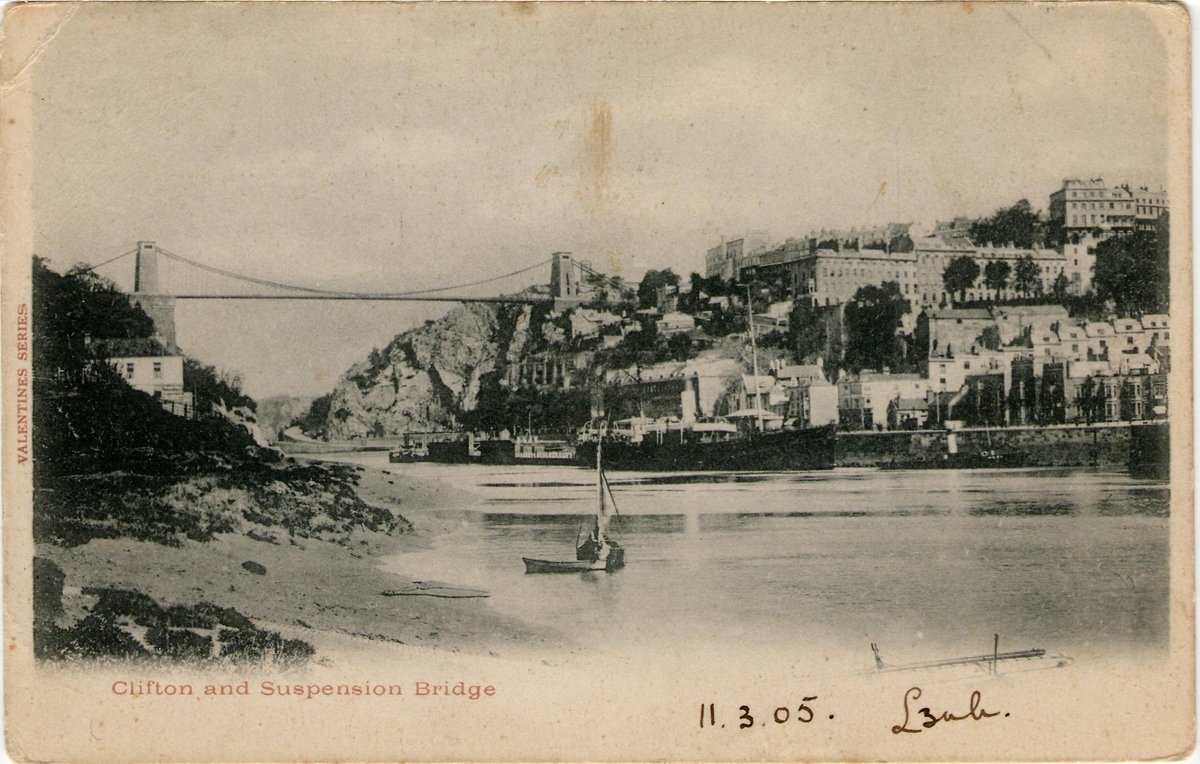
When it opened in 1864, the bridge was among the world’s longest suspension bridges—412 meters (1,352 feet) long, 75 meters (245 feet) above the Avon. Its design, combining wrought iron chains, Pennant stone towers, and advanced load distribution, influenced global suspension bridge engineering (Design Horizons).
Cultural, Economic & Wartime Roles
The bridge has been a symbol of Bristol’s resilience, economic expansion, and community pride. It played a defensive role in WWII, hosting anti-aircraft guns, and has been the site of historic events from bungee jumps to the Olympic Torch relay (History Tools).
Preservation & Public Engagement
Managed by the Clifton Suspension Bridge Trust since 1949, the bridge is a Grade I listed structure. The accidental rediscovery of the Leigh Woods vaults added a new dimension to public tours and interpretation (Secret Bristol), while the museum and visitor centre ensure ongoing education and engagement.
Museum: Location, Layout & Exhibitions
Location & Facilities
Located on the Leigh Woods side, the Clifton Suspension Bridge Museum is open daily, offering step-free access, a gift shop, coffee cart (in summer), and accessible toilets (Clifton Suspension Bridge visiting hours).
Permanent & Temporary Exhibitions
- Historical Artefacts Original Brunel letters, engineering drawings, and construction photos (Bristol Post).
- Interactive Displays Bridge-building activities, films, and multimedia presentations.
- Personal Stories Oral histories from locals, engineers, and workers.
- Engineering & Maintenance Displays on preservation work and recent projects (Visit Bristol).
- Special Exhibitions Timed with anniversaries, festivals, or engineering milestones.
Digital & Self-Guided Experiences
Access a free digital guide via the Bloomberg Connects app for audio tours, interactive maps, and extended content (Clifton Suspension Bridge Museum).
Educational Initiatives
School Visits & Curriculum Integration
- Workshops Engineering, science, and local history topics, led by accredited learning facilitators (Schools & Groups).
- Outreach & Virtual Learning Sessions for schools unable to visit; downloadable teaching resources.
- Family Activities Scavenger hunts, hands-on challenges, and creative workshops.
Community Engagement
Partnerships with local colleges and universities support placements and research opportunities (Clifton Suspension Bridge Museum).
Collections & Archival Access
The Clifton Suspension Bridge Trust maintains a digital and physical archive of artefacts, photos, and rare documents—including Brunel’s letters. Researchers can request appointments for in-depth study (Bristol Post).
Visitor Tips & Practical Information
- Getting There Take the No 8 bus or enjoy a scenic walk; cycle racks available.
- Admission Free museum entry; donations support conservation.
- Photography Best shots from the Clifton side tower base and Observatory Hill.
- Accessibility Step-free entry, accessible toilets, and staff support.
- Souvenirs Books, gifts, and memorabilia at the museum shop.
- Contact For group bookings or information, see Contact Us.
Awards & Recognition
The museum holds Accredited Museum status from Arts Council England and is a member of the Visitor Attraction Quality Assurance Scheme (Bristol Post; Clifton Suspension Bridge Museum).
Frequently Asked Questions (FAQs)
Q: What are the Clifton Suspension Bridge and museum visiting hours?
A: The bridge is open 24/7. The museum is open daily from 10:00 AM to 5:00 PM.
Q: Is there an admission fee?
A: Museum entry is free; vault tours may require tickets.
Q: Are guided tours available?
A: Yes—free on weekends, with ticketed vault tours available seasonally.
Q: Is the bridge wheelchair accessible?
A: Yes, with step-free access and accessible toilets.
Q: How do I book tickets for special tours?
A: Book online via the museum’s website; tickets are released seasonally.
Q: Where can I park?
A: Pay-and-display parking in Clifton Village or Leigh Woods; Blue Badge bays near the Leigh Woods toll house.