Place
United Kingdom Updated Oct 2026
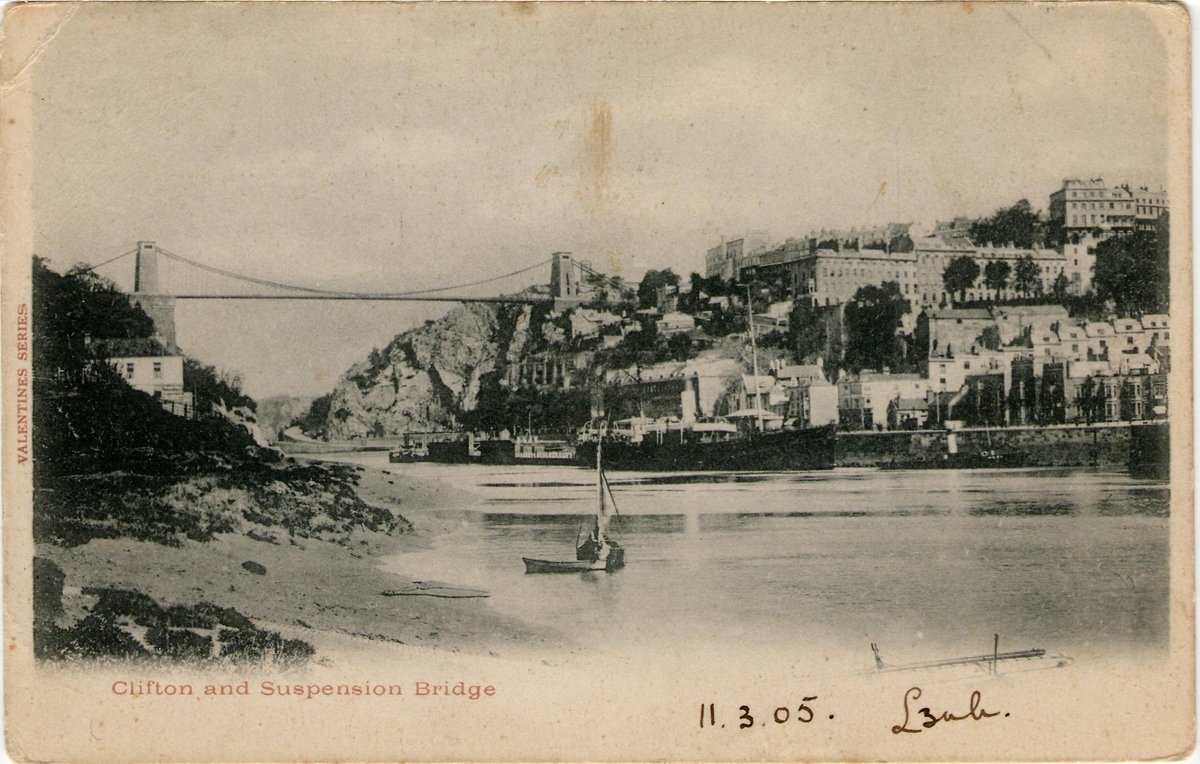
At Clifton, the suspension bridge cuts across the Avon Gorge, its deck 75 metres above the river; below, the Floating Harbour holds ships beside old warehouses and dockside cafés. Bristol, in the United Kingdom, brings Victorian engineering, maritime history and street art within a few miles of one another.
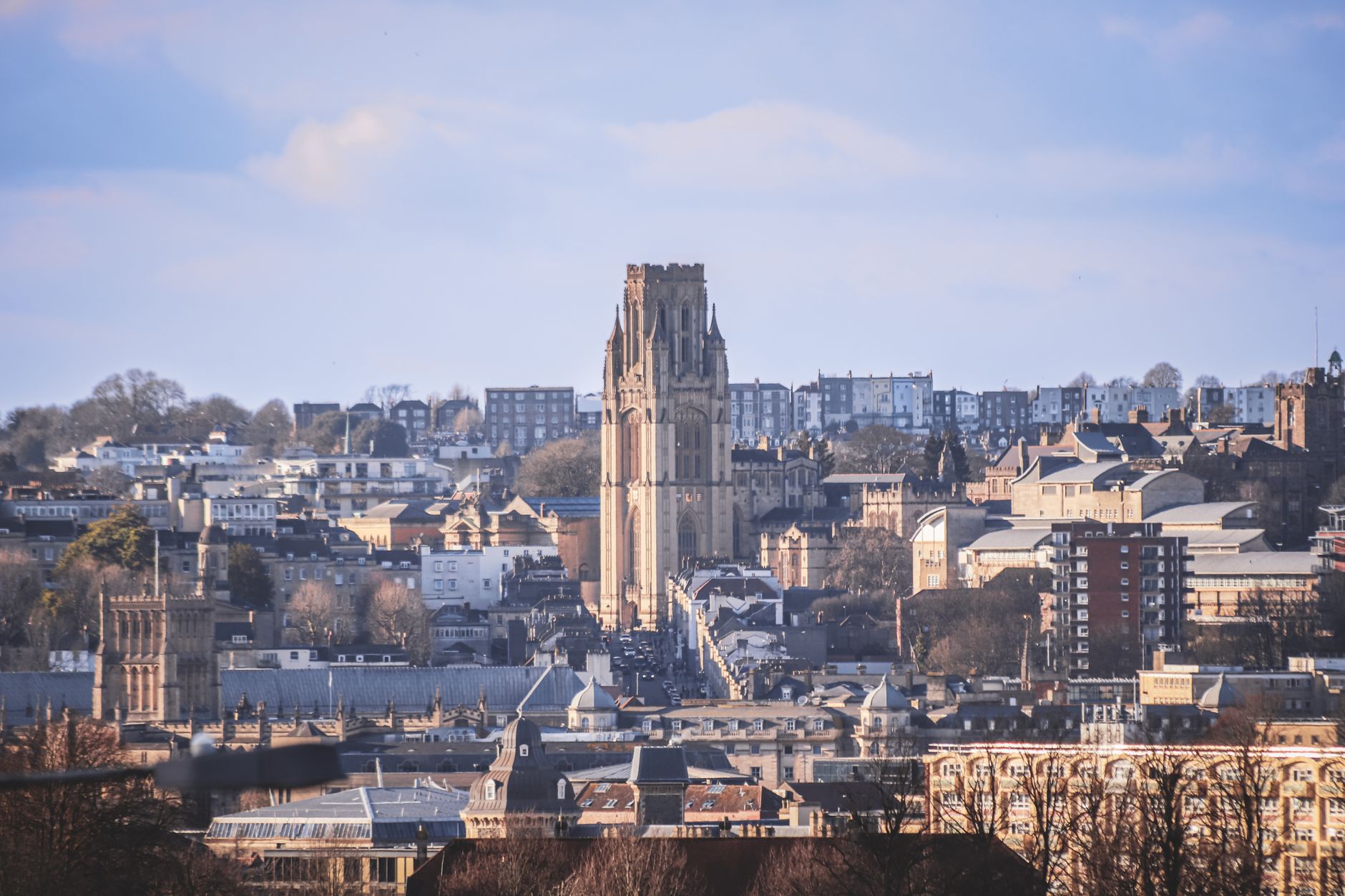 Photo: Boys in Bristol Photography / Pexels
Built from cited sources · see the method · How we make our guides →
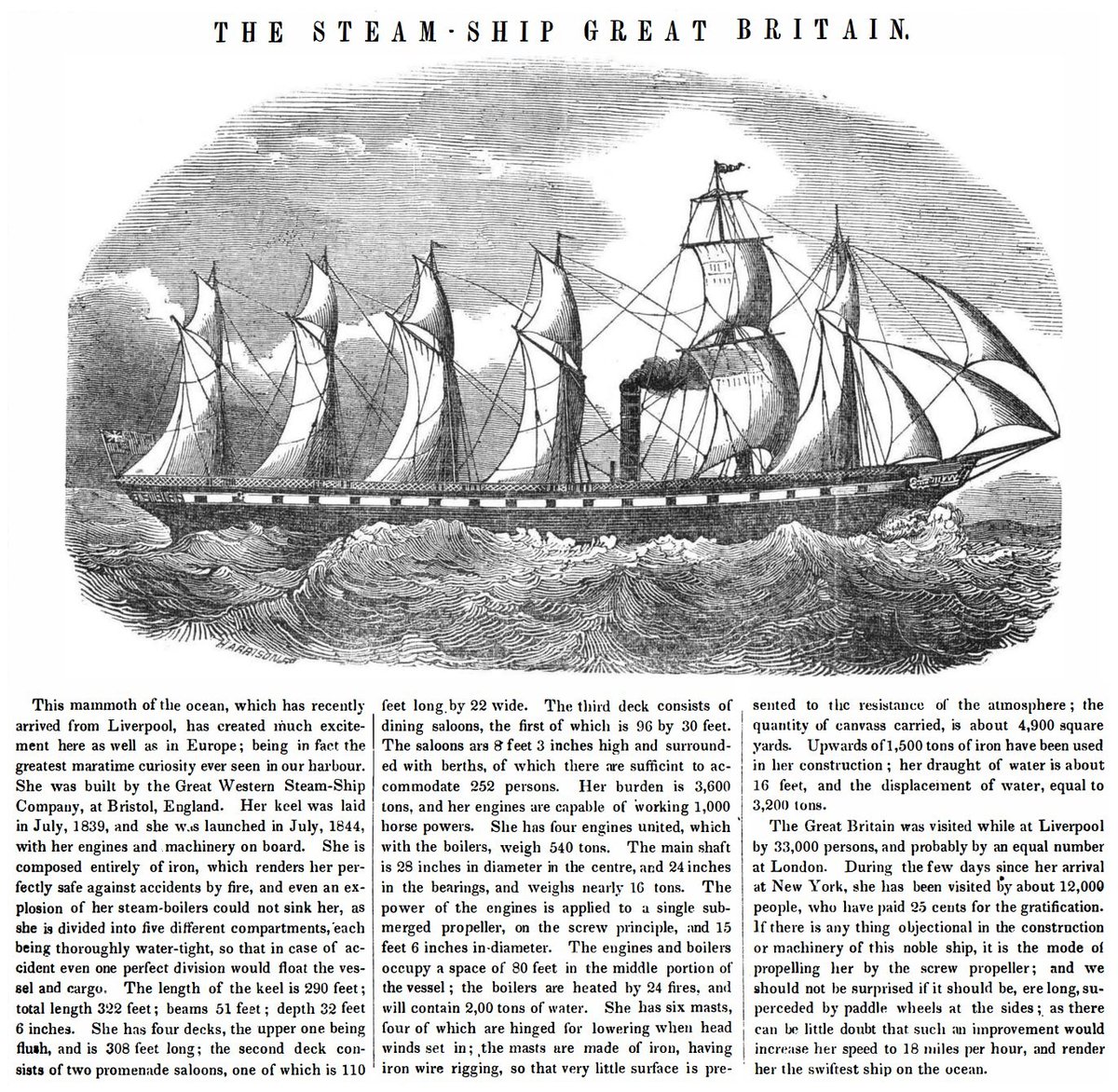
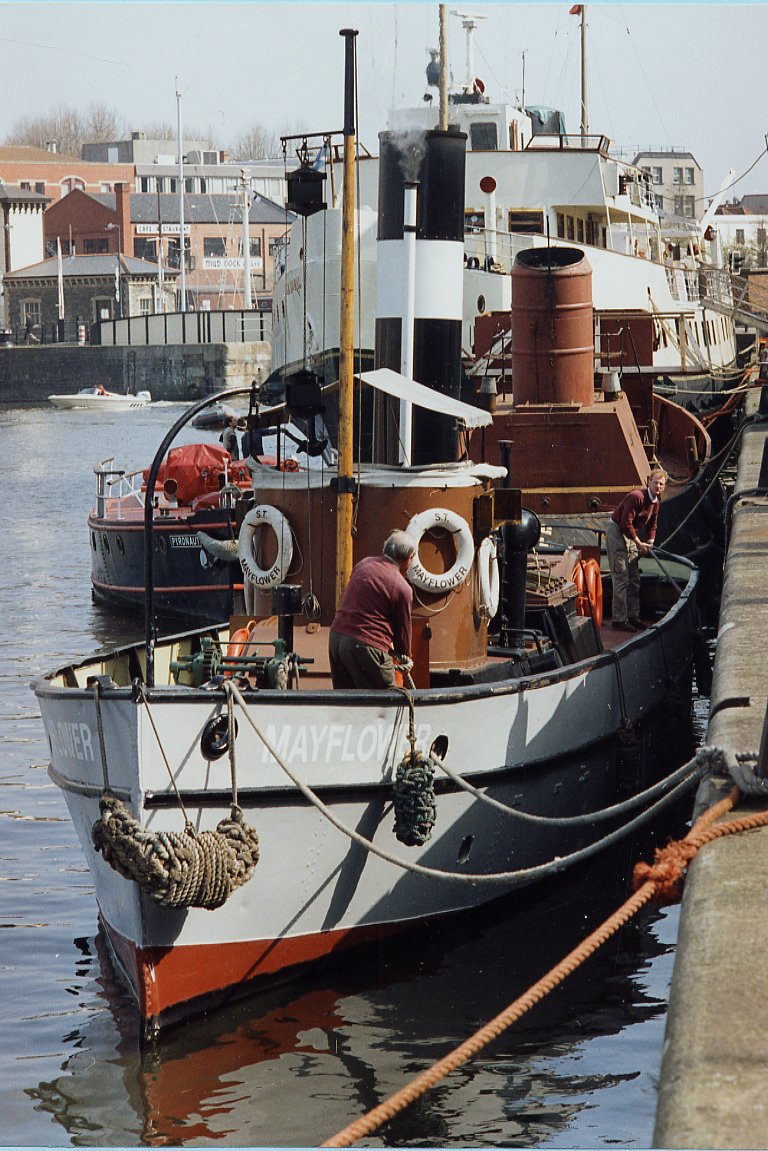
Bristol’s seafaring past remains part of the city’s daily scenery. Brunel’s iron-hulled SS Great Britain rests in its original dry dock, while M Shed tells local stories from an old transit shed and historic cranes stand along Princes Wharf.
Art here often lives on walls rather than behind glass: Banksy’s Mild Mild West faces Stokes Croft, and Bedminster’s North Street becomes a canvas for Upfest murals. The city’s music has its own history too, from the trip-hop of Massive Attack and Tricky to the drum and bass associated with Roni Size.
From Cabot Tower on Brandon Hill, the harbour, church towers and surrounding hills fit into one view. Bristol begins to look less like a collection of landmarks than a port that kept remaking itself.
Not every monument, just the ones we'd walk you past ourselves.
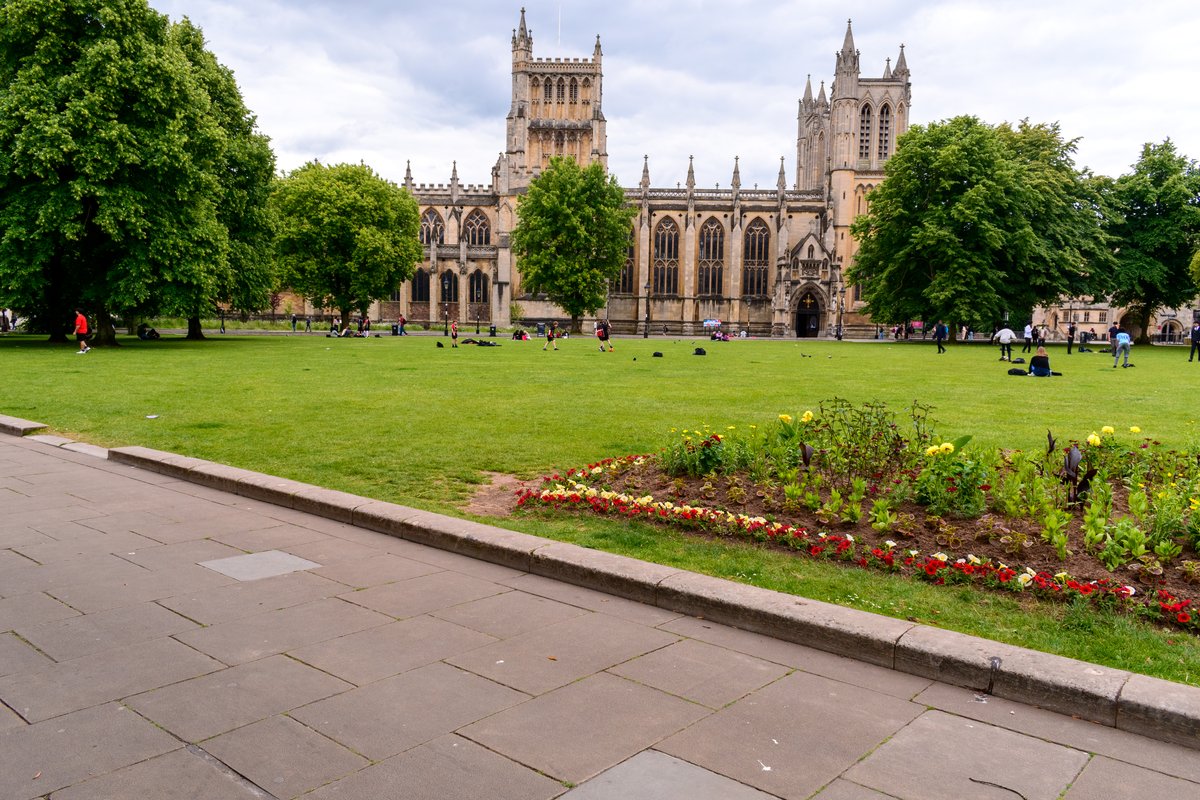
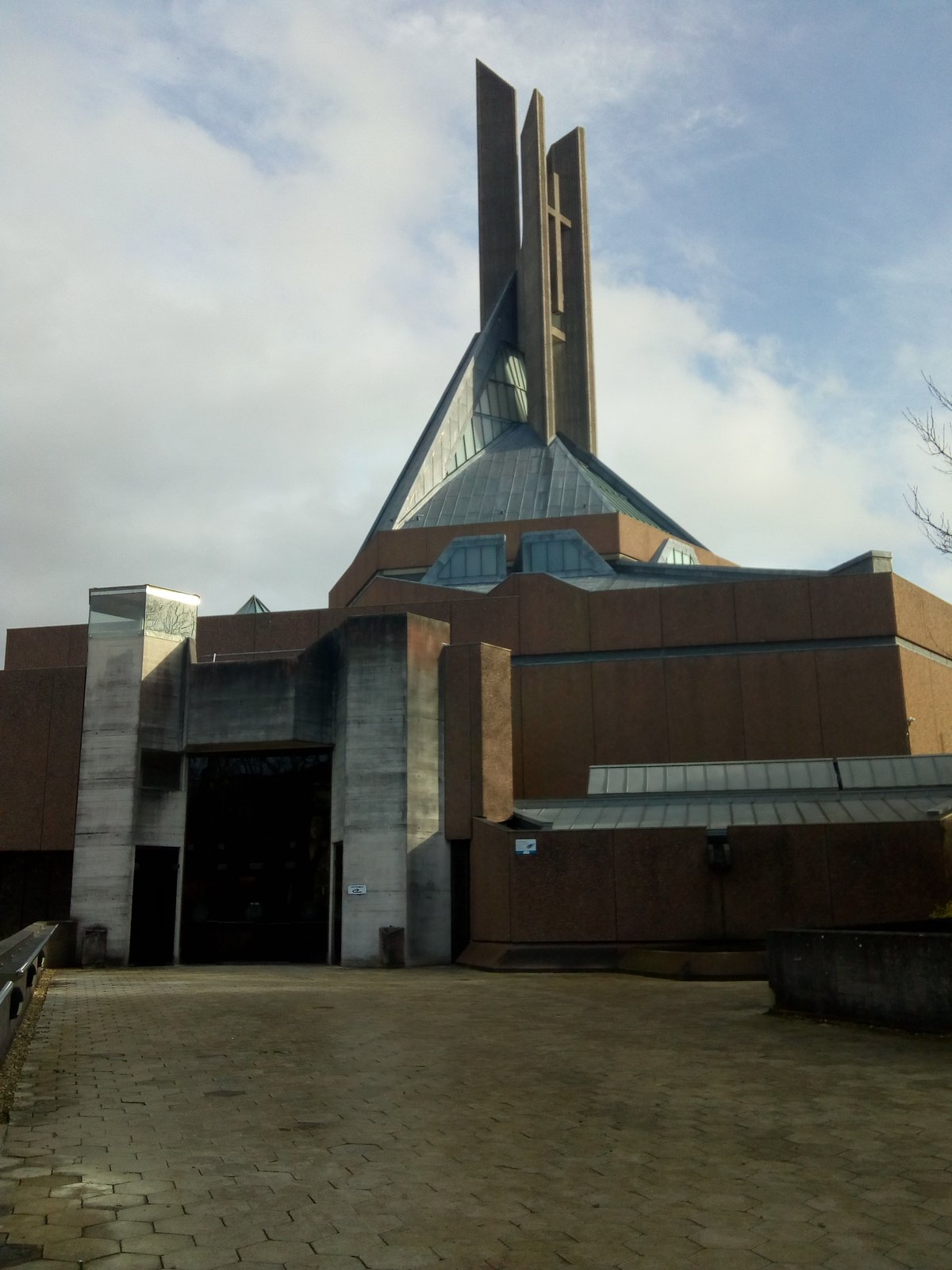
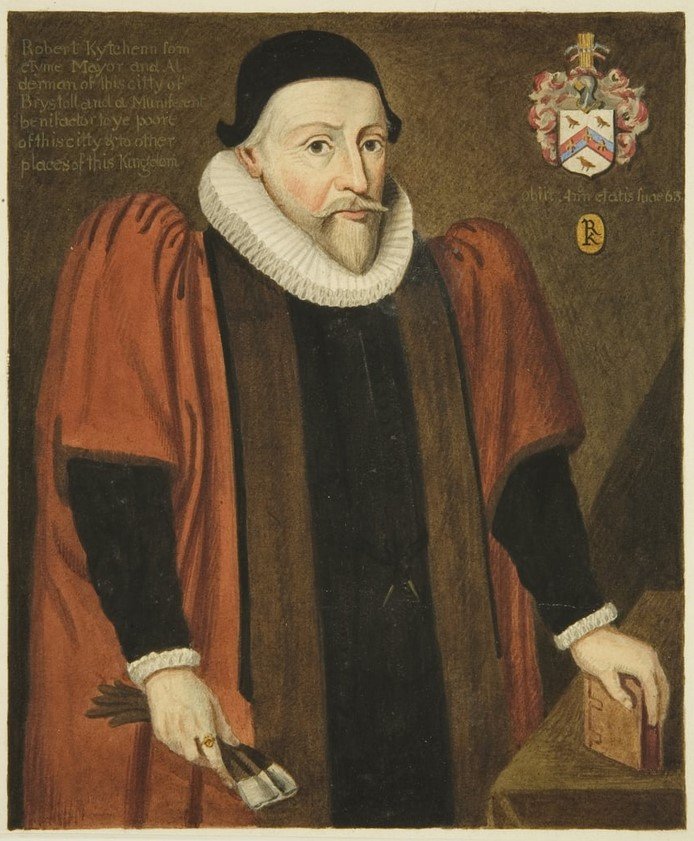

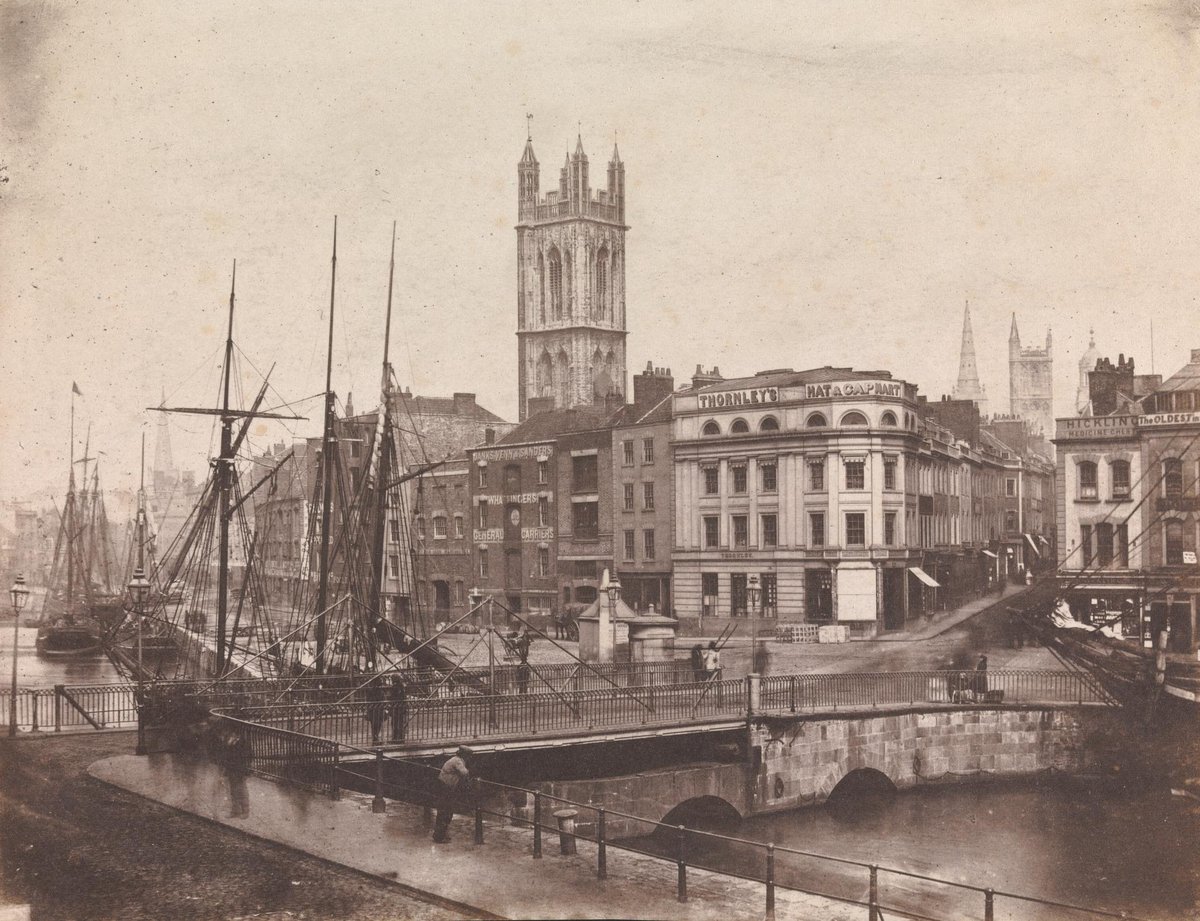
Where to wander, by quarter — each with its own rhythm.
Before you go
Curated from places in this city. Same price as official sites.


Prices shown are indicative — final pricing and availability are confirmed at checkout. Audiala may receive a commission from bookings made via these links.
From a Roman river port to a city remade by trade, engineering, and protest
By the early second century, Roman traders used Abona, near today’s Sea Mills, as a port on the River Trym. Its warehouses and river access connected the settlement to roads leading inland.
A silver penny minted at Bristol during the reign of Æthelred the Unready offers early evidence of the town’s standing as a market centre. Small and easy to overlook, the coin marks a growing settlement where the Frome met the Avon.
The Anglo-Saxon Chronicle names Bristol in 1051, describing a port with trading links to Ireland and the south-west of England. Wool and leather moved through its quays, carried by the same tides that would later make the harbour both valuable and difficult.
After the Norman Conquest, a timber castle was established at Bristol, commanding the crossing and the approaches to the town. In the twelfth century, stone walls gave the fortress a harder edge and made it a centre of regional power.
Robert, Earl of Gloucester, founded St James Priory around 1129; Robert Fitzharding established St Augustine’s Abbey around 1140. Their churches and precincts brought new stone buildings to Bristol, and the abbey church would later become Bristol Cathedral.
Henry II granted Bristol its first royal charter of liberties, confirming privileges for its townspeople and merchants. The charter gave local government firmer footing in a port whose fortunes depended on trade as much as royal favour.
During the unsettled regency of the young Henry III, the government reissued Magna Carta at Bristol. The city briefly became the setting for a kingdom-wide effort to restore order after King John’s death.
Edward III’s Great Charter made Bristol a county corporate, separate from both Gloucestershire and Somerset. The city gained its own sheriffs and mayoral courts, a measure of civic independence that still shapes how Bristol understands itself.
John Cabot sailed from Bristol aboard the Matthew under a commission from Henry VII, reaching Newfoundland on 24 June. The voyage tied the port to England’s emerging Atlantic ambitions, though its later consequences for Indigenous peoples were profound.
Bristol became a city when Henry VIII established the Diocese of Bristol and St Augustine’s Abbey church became its cathedral. The change gave civic rank to a port that had long held economic weight beyond its walls.
Born in Bristol, Edward Colston later made his fortune through the Royal African Company, which traded enslaved Africans across the Atlantic. He gave money to local schools and institutions, but those gifts were inseparable from wealth built through human bondage.
Prince Rupert of the Rhine led Royalist forces against Bristol’s Parliamentarian garrison, taking the city after several days of fighting. Control of its busy port gave Charles I a valuable foothold in the west.
After besieging the city, the New Model Army breached Bristol’s outer defences and forced Prince Rupert to surrender. The loss of the port weakened the Royalist cause, and Rupert was soon dismissed from the king’s service.
When the Royal African Company’s monopoly ended, Bristol merchants gained the right to send ships directly into the transatlantic slave trade. Between 1698 and 1807, estimates indicate that Bristol vessels carried roughly 500,000 enslaved Africans across the Atlantic.
John Wesley established the New Room in Broadmead, a preaching house built for the Methodist movement. The plain brick chapel offered a stark contrast to the wealth flowing through Bristol’s docks, and it remains the oldest purpose-built Methodist chapel.
Poet Thomas Chatterton was born near St Mary Redcliffe, whose medieval fabric would later feed his imagination. He became famous for poems he presented as the work of a fictional medieval monk, blurring the line between literary invention and fraud.
Bristol completed its Floating Harbour after building locks, gates, and a dam to keep water levels steady through the tides. About 80 acres of river became dock space, protecting ships from the Avon’s dramatic rise and fall.
Anger over Parliament’s rejection of the Reform Bill erupted after anti-reform recorder Charles Wetherell arrived in Bristol. Rioters set fire to buildings in Queen Square and attacked prisons; the smoke and destruction exposed deep tensions over political representation and poverty.
At 24, Isambard Kingdom Brunel became engineer for a proposed suspension bridge across the Avon Gorge. The crossing demanded a bold solution: its banks stood high above the river, with a gap too wide for a conventional stone arch.
The SS Great Britain was launched in Bristol, combining an iron hull with screw propulsion for ocean-going passenger travel. Brunel’s ship made a new kind of crossing possible; today, its preserved hull rests in the very dock where it was built.
Clifton Suspension Bridge opened after Brunel’s death, completed as a memorial to the engineer whose design had won the crossing. Its 214-metre span hangs 75 metres above the Avon, linking the steep sides of the gorge in a sweep of iron and stone.
The University of Bristol received its royal charter, formalising its status as a university. Its growth added a new centre of research and teaching to a city better known for shipping, trade, and engineering.
German air raids struck Bristol from November 1940 into April 1941, devastating parts of the historic centre, including Broadmead and Castle Street. Around 1,300 people were killed, while the shattered remains of St Peter’s Church became a lasting reminder of the raids.
Led by Paul Stephenson and supported by Bristol’s West Indian community, a four-month boycott challenged the Bristol Omnibus Company’s discriminatory hiring policy. The company dropped its colour bar on 28 August, and the campaign helped build pressure for Britain’s Race Relations Acts.
As a youth officer and campaigner, Paul Stephenson became the public face of Bristol’s bus boycott against racial discrimination. The campaign’s quiet mechanics—refusing to ride, organising meetings, and keeping attention on the company—made civil rights impossible for local employers to ignore.
The British-built Concorde prototype 002 made its first flight from Filton, north of Bristol. The sleek aircraft marked the city’s continuing place in aviation manufacturing, far removed in speed and sound from the sailing ships once launched at its docks.
Local government reorganisation placed Bristol within the new county of Avon. The arrangement lasted until 1996, when Avon was abolished and Bristol regained unitary authority status.
Massive Attack, Portishead, and Tricky helped shape trip-hop from Bristol’s mix of sound-system culture, hip-hop, dub, and soul. Their slow, bass-heavy records carried the city’s name far beyond the harbour, without smoothing out the music’s darker edges.
Avon was abolished and Bristol became a unitary authority, taking responsibility for local services once handled by the county. The change restored a clearer line between the city and the surrounding towns.
During a Black Lives Matter protest, demonstrators pulled down the bronze statue of Edward Colston and rolled it into Bristol Harbour. The city later recovered the monument, but the empty plinth made the argument over who deserves a public memorial impossible to ignore.
Bristol ended its directly elected mayoral system after voters chose to abolish the role in a 2022 referendum. In May 2024, powers returned to a committee system, changing how the city’s decisions are made and who is answerable for them.
Engineer · 1806–1859
Designed the Clifton Suspension Bridge and SS Great Britain
Brunel’s ideas still shape Bristol’s skyline and harbour: he designed the Clifton Suspension Bridge and the SS Great Britain. He might recognize the city’s appetite for ambitious engineering, even if the container cafés beside the docks would be a new sight.
Actor · 1904–1986
Born in Horfield, Bristol
Archibald Leach was born in Horfield before becoming Cary Grant, one of Hollywood’s defining screen actors. Bristol’s mix of old brickwork and reinvention might have suited his knack for making a new entrance.
Street artist · born 1974
Early work and murals in Bristol
Bristol is closely tied to Banksy’s early work, including the Mild Mild West mural in Stokes Croft and Well Hung Lover near Park Street. The city’s changing walls give his work a different setting each time a new mural appears nearby.
Poet · 1752–1770
Born and raised in Bristol
Bristol-born Thomas Chatterton was still a teenager when he invented the medieval poet Thomas Rowley and passed his own verses off as Rowley’s. A city where walls keep acquiring new authors might have appealed to his taste for writing under another name.
Explorer · c.1450–c.1499
Sailed from Bristol on his 1497 expedition
Bristol’s merchants backed Cabot’s 1497 westward voyage, which left from the city aboard the Matthew. A replica of the ship now sits by the Floating Harbour; Cabot might recognize the name, if not the promenades and cranes around it.
Where locals actually book dinner — not the tourist menus.
Small things that change how the city treats you.
The city, as it actually looks.


Yes, especially if you like engineering history, street art and independent cultural venues. You can cross Clifton Suspension Bridge for free, see local history at M Shed and walk between the old docks and modern harbourfront.
Plan for two to three days to see the harbour, Clifton and a few museums without rushing. Add another day if you want to visit attractions such as SS Great Britain or take a day trip to Bath.
The A1 Bristol Flyer connects the airport with Temple Meads station and Bristol Bus Station. It runs 24 hours a day; check the airport’s timetable and fare information before travelling.
Use buses, Metrobus, suburban trains, harbour ferries and walking; Bristol has no underground or tram system. Contactless payment works on First Bus, while Metrobus requires you to pay before boarding or use its contactless readers.
Bristol is generally safe for visitors, but take ordinary city precautions around nightlife and crowded places. Avoid swimming in the harbour or River Avon, and keep clear of unfenced quayside edges, particularly at night.
You can keep sightseeing costs down with free entry at M Shed, Bristol Museum & Art Gallery and the Clifton Suspension Bridge Visitor Centre. First Bus fare information lists a £6.80 daily cap in the Bristol Zone; check the operator for current fares.
69 places to discover
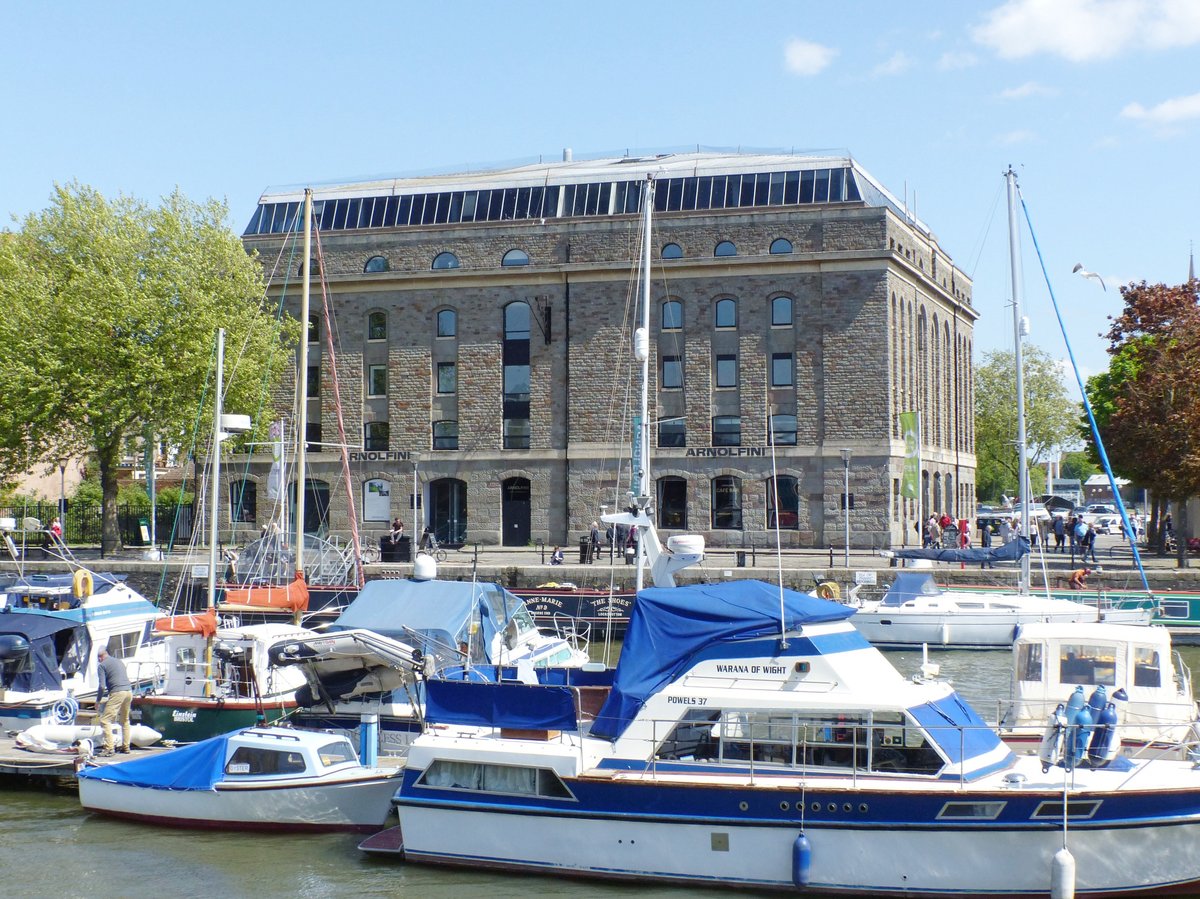


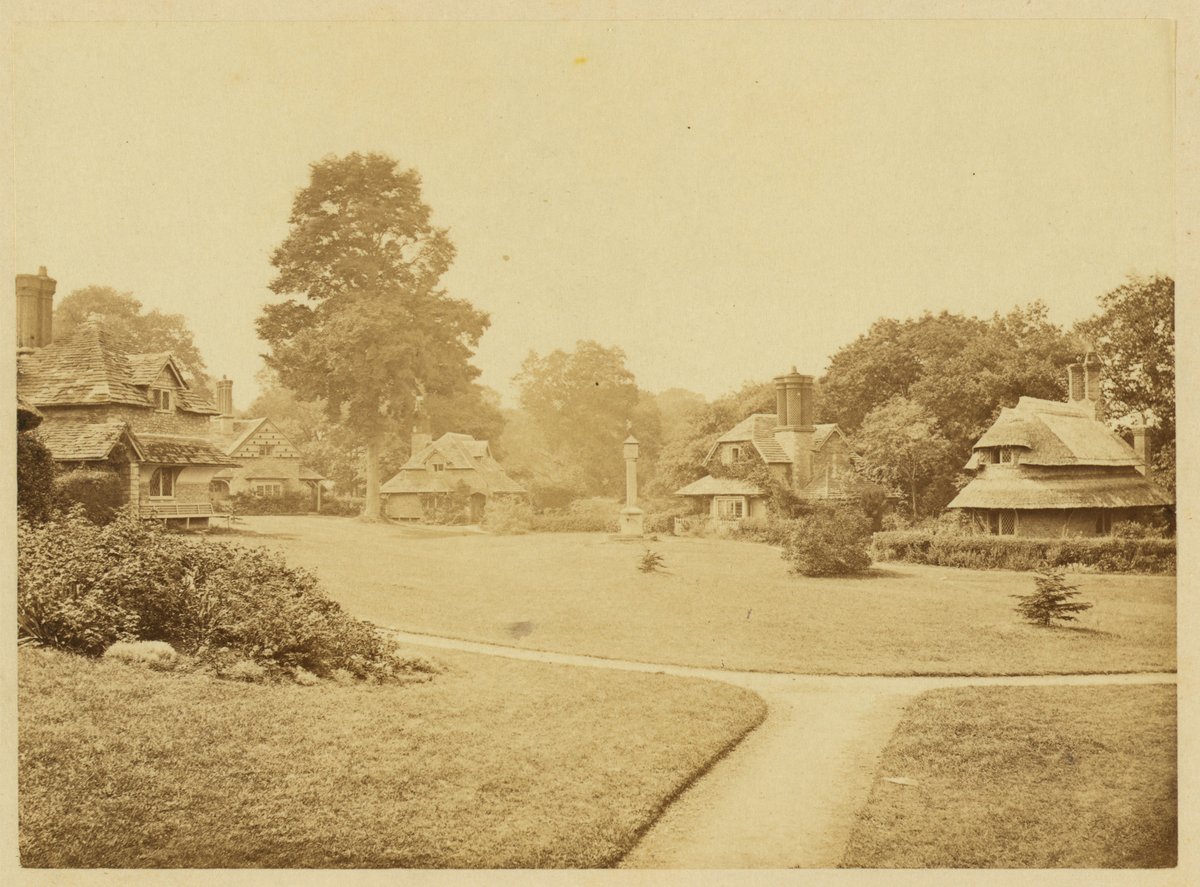







Showing 1–48 of 69 places
Saved and recently read places — kept on this device only.
Photos may have been resized or cropped.