Historical Background
Construction and Origins
The Presidential Complex was constructed between 2012 and 2014 under the direction of then-Prime Minister Recep Tayyip Erdoğan. Built on the grounds of the Atatürk Forest Farm and Zoo—a site with historical resonance due to its ties to Atatürk—the complex was designed to embody both the roots and ambitions of the Turkish Republic. The architectural plan, led by Mimar Kaya Kıran, integrates Ottoman and Seljuk styles with modern forms, symbolizing continuity and progress.
The scale is immense: over 3 million square meters of grounds, with the main palace itself spanning nearly 200,000 square meters. Facilities include administrative offices, ceremonial halls, the Presidential Library, a mosque, gardens, and memorials.
Ankara as the Political Center
Selected as the capital in 1923, Ankara was chosen for its central location and as a break from the Ottoman-centric focus on Istanbul. The city anchors Turkey’s secular, republican identity. The Presidential Complex, set amid ministries and the Grand National Assembly, reinforces Ankara’s role as the nation’s administrative nucleus.
Evolution of the Turkish Presidency
Turkey’s presidency shifted from a largely ceremonial office to a powerful executive role following constitutional reforms in 2017. The President now wields significant authority, including ministerial appointments and decree powers, making the complex the epicenter of Turkish governance.
Political and Symbolic Significance
The Presidential Complex is both a seat of power and a symbol of national aspiration. It hosts state ceremonies, diplomatic events, and strategic meetings, including international summits. The complex’s construction, while controversial for its cost and environmental impact, represents Turkey’s intent to project both continuity and modernization. Public opinion is divided, but the site is undeniably central to contemporary Turkish identity and diplomacy.
Architectural Highlights and Facilities
Design and Layout
The complex’s architecture merges traditional Turkish elements—arches, domes, geometric tiling—with modern minimalism. Local materials, intricate craftsmanship, and expansive courtyards give the site grandeur and gravitas. The grounds are divided into administrative, ceremonial, and public zones.
Key Features
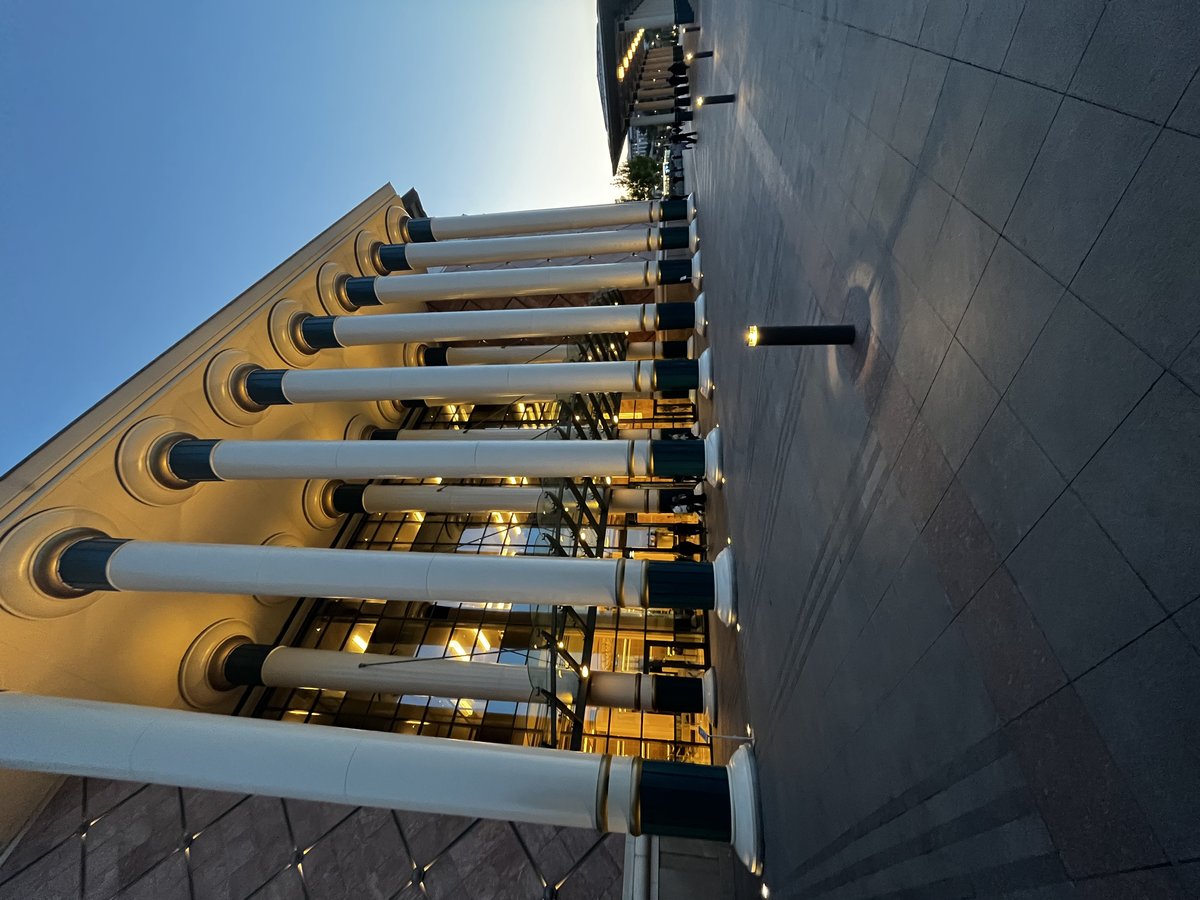
- Main Presidential Building Monumental façade with marble, glass, and custom lighting. Not open to the public.
- Conference and Reception Halls Venues for major events, with ornate Turkish decor.
- Atatürk Memorial and Museum Open to the public, honoring Atatürk with exhibits and artifacts.
- Peace Park Landscaped gardens with native flora and water features for public enjoyment.
- Presidential Library The nation’s largest library, with modern facilities, reading rooms, and a cafeteria.
Accessibility and Sustainability
The complex is equipped with ramps, elevators, and accessible restrooms. Sustainable design includes energy-efficient systems and water-saving landscaping, supporting both environmental responsibility and visitor comfort.
Visitor Information
Visiting Hours and Tickets
- Hours Public areas are generally open Tuesday–Sunday, 9:00 AM–5:00 PM; last entry at 4:00 PM. Closed Mondays and during official events or national holidays.
- Tickets Admission is free, but advance registration via the official website is mandatory for all visitors. Guided tours may require booking.
Guided Tours
- Available in Turkish and, with prior arrangement, English.
- Tours cover public spaces like the Atatürk Memorial and the Presidential Library.
- Group size is limited (usually 10–25), and tours last 60–90 minutes.
Visitor Guidelines
- Security Expect ID checks and screening at entry.
- Dress Code Modest attire required (shoulders and knees covered). Additional requirements apply for mosque visits.
- Photography Permitted only in designated areas; prohibited near sensitive buildings.
- Behavior Respectful conduct is expected throughout.
Amenities and Accessibility
- Modern restrooms, baby changing stations, and a cafeteria are available.
- The library offers free Wi-Fi and reading spaces.
- Facilities are accessible for visitors with disabilities; assistance is available with advance notice.
Getting There
Public Transportation
- Metro Nearest station is Beşevler (M1 Red Line); continue by taxi or bus.
- Bus EGO city buses (lines 220, 297, 413) stop nearby.
- Taxi Readily available in Ankara; a ride from the city center takes about 15–20 minutes.
- Parking Available but limited during major events.
From the Airport
Esenboğa International Airport is about 35 km from the complex. Havaş shuttles and city buses connect to metro and bus routes serving Beştepe.
Safety and Security
- Ankara is generally safe, but exercise caution against petty theft in crowded areas (Travel Safe Abroad).
- The Presidential Complex employs strict security: ID checks, surveillance, and controlled access.
- Avoid political demonstrations and crowded events near government sites.
- Emergency numbers: Police 155, Medical 112.
Cultural Etiquette
- Dress modestly, especially at government and religious sites (The Turkey Traveler).
- Remove shoes and cover hair (for women) when visiting mosques.
- Show respect for staff and avoid disruptive behavior.
- Tipping is customary in restaurants and for guides.
Nearby Attractions
- Anıtkabir Mausoleum of Atatürk.
- Museum of Anatolian Civilizations Artifacts spanning thousands of years.
- Ankara Castle Historic fortress with panoramic city views.
- Ulus District Historic heart of Ankara. More details at misstourist.com.
Frequently Asked Questions (FAQ)
Q: What are the visiting hours?
A: Tuesday–Sunday, 9:00 AM–5:00 PM; closed Mondays and official holidays.
Q: Is admission free?
A: Yes, but advance registration is required.
Q: Are guided tours available in English?
A: Yes, with advance arrangement.
Q: Is the complex accessible for visitors with disabilities?
A: Yes, with ramps, elevators, and adapted restrooms.
Q: Can I take photographs inside?
A: Only in designated areas; follow posted signs and staff instructions.
Practical Tips for Visitors
- Arrive 30 minutes early for security checks.
- Bring the ID used during registration.
- Check the official website for the latest updates.
- Wear season-appropriate, modest clothing.
- Travel light; large bags may be restricted.
- Use ATMs at banks for added security.