


Place
Ankara
Turkey Updated Apr 2026
The first thing that feels wrong about Ankara is the silence inside the Temple of Augustus: no incense, no guards, just a Latin inscription running eye-level around 2,000-year-old walls that most visitors to Turkey never know exist. While Istanbul shouts, the capital whispers—through marble lion paws on the parade road to Atatürk’s tomb, through the metallic clink of tea glasses in 1930s parliamentary cafés, through snow that settles on concrete ministries built by exiled Bauhaus architects who never imagined their sober grids would one day glow pink at dusk.
 Photo: Eser Tekin / Pexels
- Attractions
- 9
- Audio
- 6 h 36 min
- Trip length
- 2–3 days
- Best season
- Spring (April–May) or Autumn (Sept–Oct)
Why Ankara
Built from cited sources · see the method · How we make our guides →
Ankara trades postcard clichés for receipts: the exact date—13 October 1923—when the rail-junction town of 20,000 was declared capital; the measured 262-meter axis of Atatürk Boulevard that Hermann Jansen drew with a ruler in 1927; the 1.4-meter-thick walls of the Citadel that have watched every occupying force since the Galatians recycle the same limestone blocks. You taste the bookkeeping in a plate of Ankara tava: lamb and orzo measured by the handful, baked until the top grains scorch into a smoky crunch that no restaurant in Istanbul bothers to replicate.
Between the citadel and the railway workshops turned CerModern, the city keeps two conversations going at once. In Ulus, cobblers still hand-stitch yellow boots for military cadets; five kilometers south, graduate students argue over craft beer about whether the 1961 constitution was plagiarized. The mosques don’t compete with minarets here—they time-travel: Kocatepe’s 88-meter-high call brushing against the 15th-century prayer niche of Hacı Bayram where the paint is cool enough to press your palm against on a July afternoon.
Museum of Anatolian Civilizations
Two 15th-century Ottoman market halls packed with 7,000 years of loot: Neolithic mother-goddess figurines, Hittite cuneiform tablets, and the world’s oldest known peace treaty. The lighting is dim enough that your reflection disappears and the objects start talking.Ankara Castle Quarter
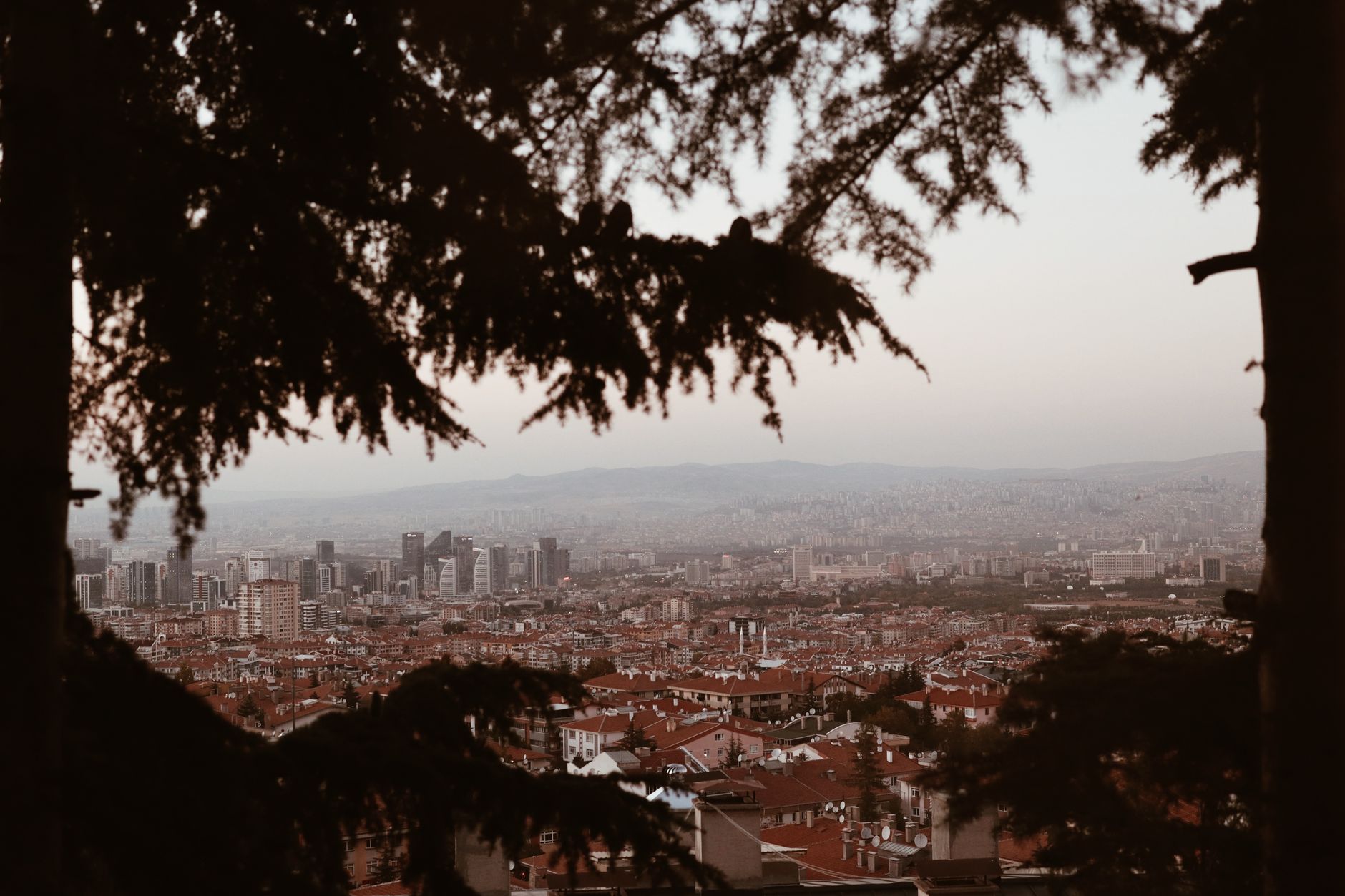
Climb the 7th-century citadel at dusk and you’ll see the city’s original Anatolian spine—red-tiled roofs inside the walls, concrete ministries beyond. The alleys smell of grilled corn and hot iron from the blacksmiths who still work below the ramparts.Republican Architecture Axis
Atatürk Boulevard is a 1930s open-air manifesto: Holzmeister’s ministries in naked stone, Bruno Taut’s railway station in glass brick. Walk it at 08:00 when the civil servants snap briefcases shut and the façades glow like a new calendar.Beypazarı Houses & 80-layer Baklava
Ninety-eight kilometres west, Beypazarı’s 200-year-old timber mansions lean so far over the street you can shake hands across the gap. Inside, grandmothers roll baklava so thin you read newsprint through it—eighty layers, one sheet of gossip.
Places to Visit
Not every monument, just the ones we'd walk you past ourselves.
-
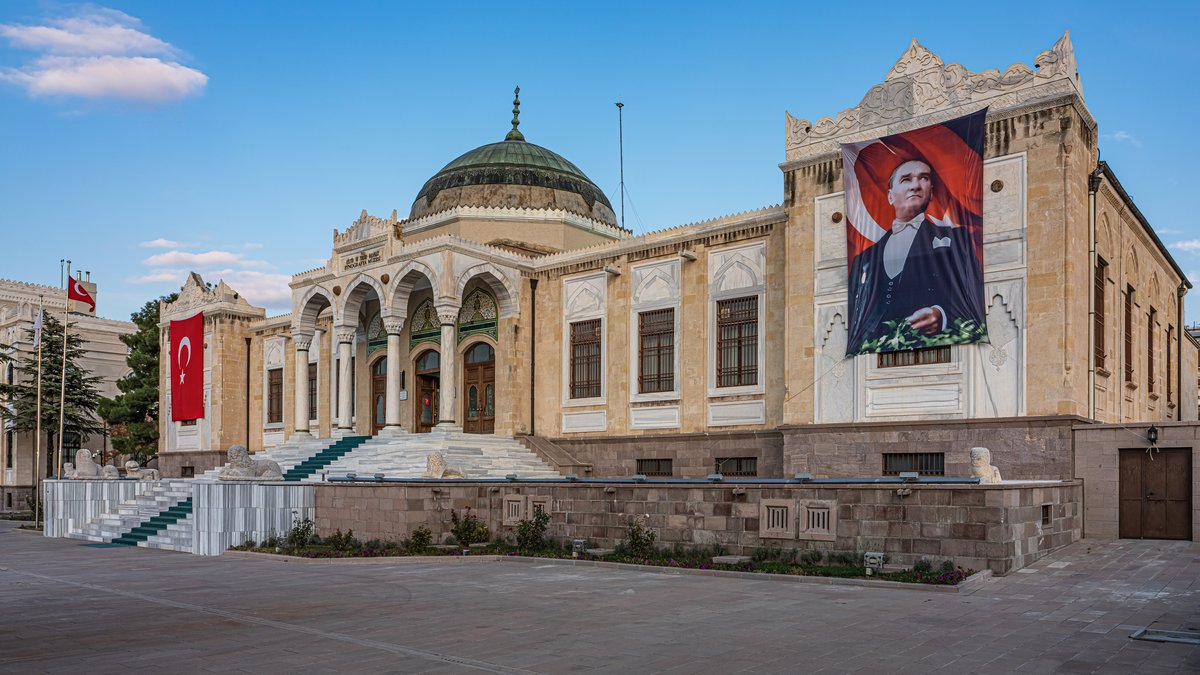
Ethnography Museum of Ankara Nestled in the heart of Ankara, the Ethnography Museum of Ankara stands as a beacon of Turkey’s rich cultural tapestry and modern historical legacy.
-
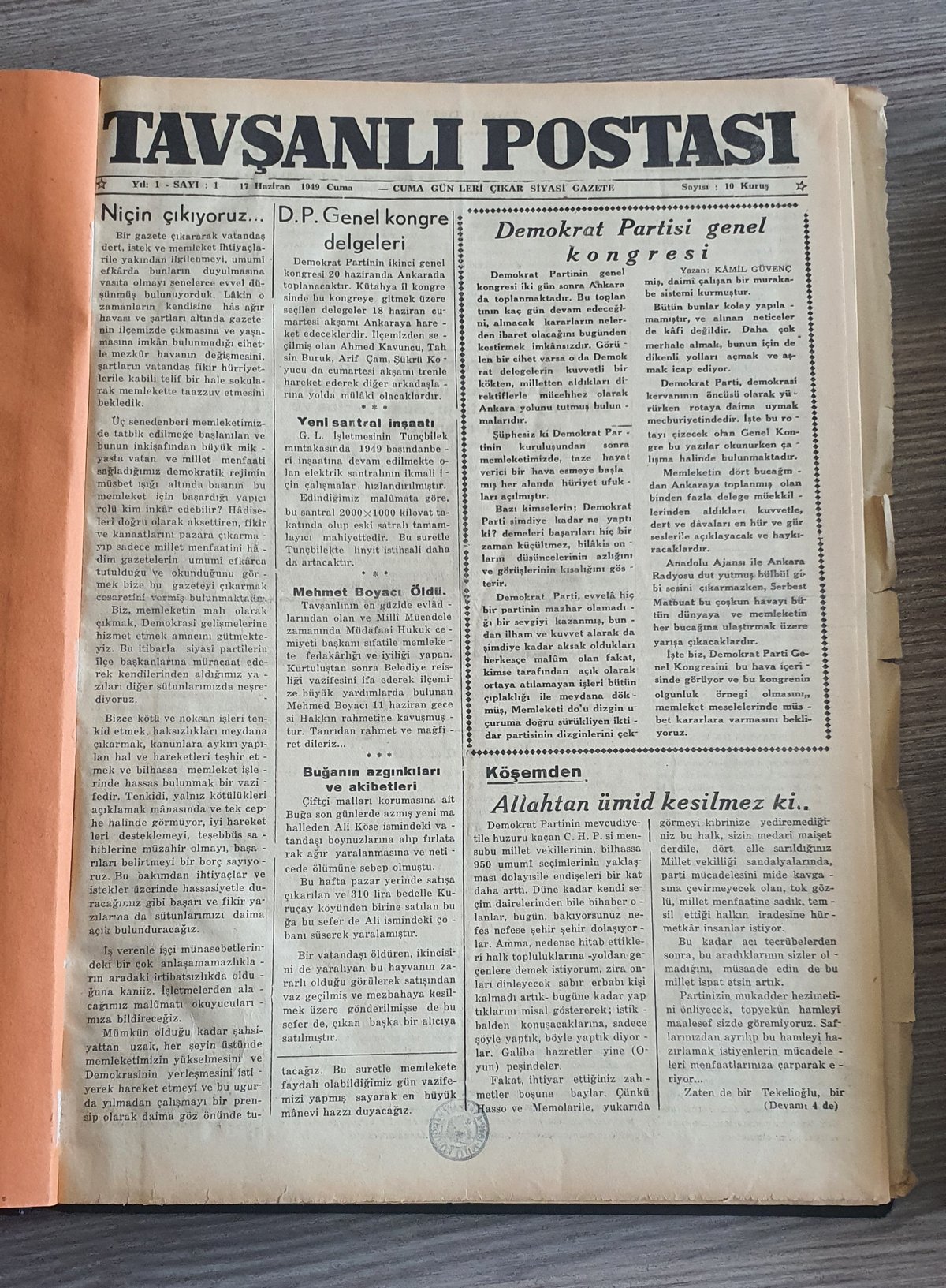
National Library of Turkey The National Library of Turkey, located in Ankara, stands as a monumental institution that embodies the nation’s rich literary heritage, cultural identity,…
-
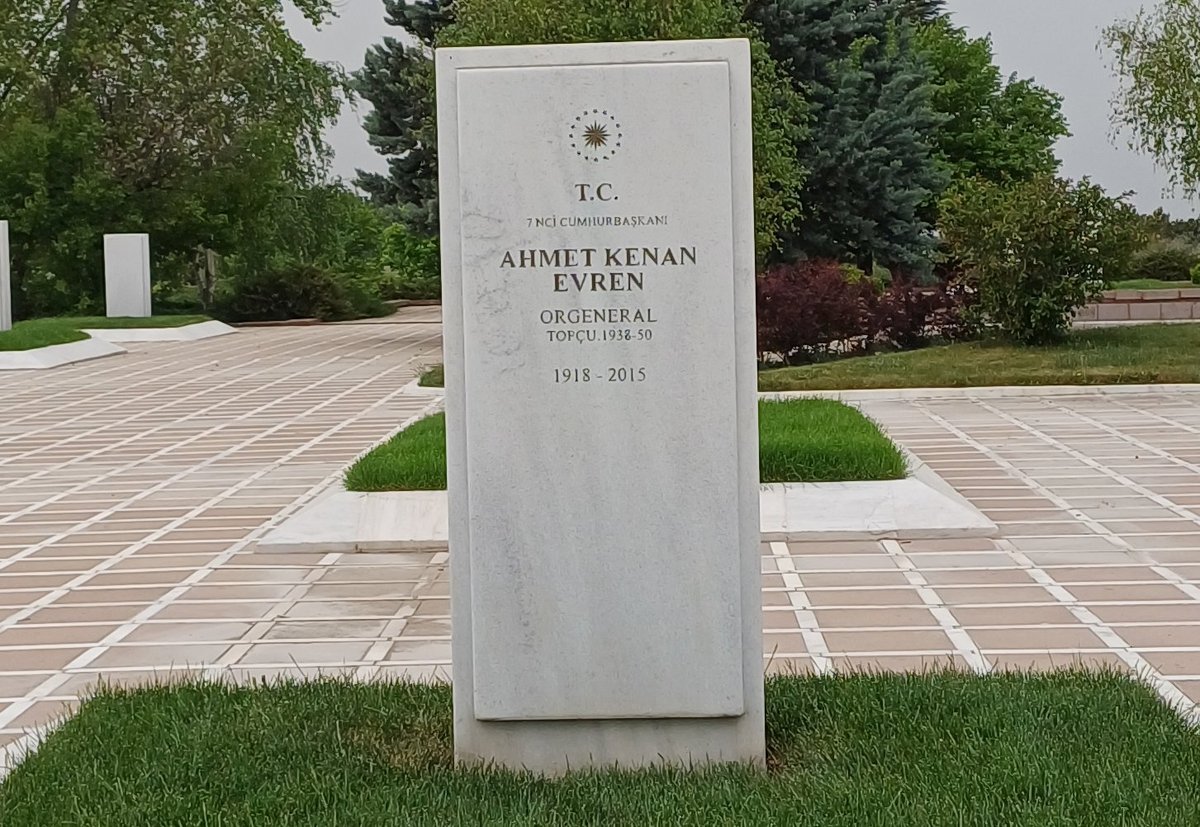
Turkish State Cemetery The Turkish State Cemetery (Devlet Mezarlığı) in Ankara stands as a profound emblem of Turkey’s republican identity, honoring the legacy of its most…
- Kocatepe Mosque Nestled in the heart of Ankara, Turkey’s vibrant capital, the Kocatepe Mosque stands as a monumental testament to the nation’s rich cultural heritage,…
- Ankara Painting and Sculpture Museum Nestled prominently on Namazgah Hill in Ankara, the Ankara Painting and Sculpture Museum—also known as the State Art and Sculpture Museum (Devlet Resim ve…
- Hacı Bayram Mosque Situated in the vibrant heart of Ankara’s historic Ulus district, the Hacı Bayram Mosque stands as a monumental symbol of Turkey’s rich spiritual, cultural,…
- Presidential Palace of Turkey The Presidential Palace of Turkey, officially known as the Cumhurbaşkanlığı Külliyesi and commonly referred to as Ak Saray (White Palace), stands as a…
- Cebeci Asri Cemetery Cebeci Asri Cemetery, established in the early Republican era of Turkey, stands as Ankara’s first modern and centralized burial ground, symbolizing the city’s…
- Karşıyaka Cemetery Karşıyaka Cemetery, located in Ankara, Turkey, stands as a profound symbol of the city's historical evolution and cultural heritage.
Neighborhoods
Where to wander, by quarter — each with its own rhythm.
Ulus
The old Roman grid tilts uphill toward the Citadel; inside the walls, houses lean so close you can follow your neighbor’s radio from roof to roof. Street stalls sell pickled cabbage juice that stains fingers violet, and the 25–20 BC Temple of Augustus stands free of charge, its Latin inscription readable if you circle clockwise before the guard closes at five.Hamamönü
Restored Ottoman timber houses painted pistachio and clove now hold women rolling out paper-thin yufka for three-lira gözleme. Evening smells of rose jam and coal dust mingle; on Sundays the local municipality sets up long tables for free lentil soup and poetry readings that rarely finish before midnight.Kızılay
The city’s pulse is mechanical: escalators deliver 320,000 commuters daily into a 1950s metro shaft whose walls still carry faded Atatürk decals. Fast-food simit costs 2.50 TL, protest banners snap in the wind every Saturday, and the 7.5-meter-wide Güven Park fountain adds enough chlorine to the air to bleach black jeans if you sit long enough.Tunalı Hilmi
One street of bookshops and bars where Ankara’s civil servants argue over raki versus craft IPA. Kıtır Pub pours Efes for 18 TL since 1986; across the road, B Cocktail Bar charges 85 TL for mezcal that arrives with a single hand-carved ice sphere. The pavement is wide enough for twin prams and political canvassers to weave without collision.Çankaya (Anıttepe/Mebusevler)
Embassy walls topped with broken glass reflect radar dishes on the presidential palace roof. Side streets hide 1930s villas whose gardens drop two stories down the hill; locals jog around Eymir Lake’s 10.2-km loop at dawn to beat both traffic and security convoys.Kavaklıdere
Kuğulu Park’s swans accept sunflower seeds from diplomats’ children while Segmenler Park smells of grilled corn and wet pine needles after rain. Up-scale steakhouses occupy former garages; the Günaydın branch serves a 400-gram Ankara steak for 220 TL with a view of the park’s 1912 fountain still hooked to the original brass pipes.
Plan your trip
Before you go
- Getting There
- Ankara Esenboğa Airport (ESB), 28 km north. Havaş shuttle reaches Kızılay in 45 min; EGO bus 442 continues to Ulus and AŞTİ terminal. High-speed trains (YHT) connect Ankara Gar to Istanbul-Pendik in 4h 15m and Eskişehir in 1h 20m. Motorways O-4 and O-20 feed in from Istanbul; D-750 from the Black Sea coast.
- Getting Around
- Five-line Ankara Metro: Ankaray (A1) plus M1-M4. Single ride 7.50 TRY with Ankarakart (refundable 13 TRY card). EGO buses blanket the city; dolmuş minibuses run fixed routes for cash. No tram; limited bike lanes—rentals at Eymir Lake only. Museum Pass Turkey (700 TRY, 15 days) covers the Museum of Anatolian Civilizations.
- Climate & Best Time
- Spring (Apr–May): 12–22 °C, tulips along Atatürk Boulevard. Summer (Jun–Aug): 28–34 °C, dry, empty ministries on Fridays. Autumn (Sep–Oct): 15–25 °C, purple Judas trees on the citadel slope. Winter (Dec–Feb): -2 to 7 °C, snow probable, flights rerouted to ESB’s single runway. Visit late April or mid-October for long walks without sweat or slush.
- Language & Currency
- Turkish only on most dolmuş signs; metro announcements alternate English. Download offline Google Translate—camera function deciphers Ottoman tombstones. Turkish lira (TRY) floats; cash needed for street simit carts, cards accepted in Republic-era cafés.
- Safety
- Ankara is calm; riot police idle outside the Grand National Assembly. Keep photocopies of passport for random security checks near embassies in Çankaya. Official taxis are yellow, meter starts at 9 TRY, insist on ‘taksi’ not informal rides.
Where Empires Rose and the Republic Was Born
From Phrygian fortress to Atatürk's capital in 3,000 restless years
- c. 1000 BCE
Midas Builds Ankyra
Phrygian refugees, fleeing an earthquake that swallowed their old capital at Gordion, raise a mud-brick citadel on a 150-meter basalt outcrop. They call it Ankyra—'the anchor'—because the rock bites into the surrounding plain like iron into wood. Wool from their long-haired goats will one day clothe Europe’s elite; the animals still graze the hillsides outside town.
- 278 BCE
Celtic Warlords Take the Rock
Three hundred Galatian warriors scale the cliffs at dawn, their blond braids visible against the limestone. They make Ankyra their capital, mint coins stamped with stags, and terrify neighboring Greek cities. For the next half-century the settlement speaks Celtic in the streets and Greek in the markets.
- 25 BCE
Augustus Claims Galatia
Emperor Augustus arrives after the last Galatian king, Amyntas, dies in a hunting 'accident'. He declares Ankyra the capital of the new Roman province, orders a marble temple raised on the summit, and has the Res Gestae—his personal résumé—carved into its walls. The inscription is still readable today, letters 3 cm deep.
- 362 CE
Julian the Apostate Passes Through
Emperor Julian stops on his way to fight Persia, sacrifices a white bull in the Temple of Augustus, and sneers at the locals for still speaking Celtic-accented Greek. He sleeps one night in the governor’s palace; fifty years later Christians will convert the same building into a basilica.
- 1073 CE
Seljuk Cavalry Enters the Gates
The green banner of Sultan Malik-Shah flaps above the walls. The city, now called Engürü, becomes a frontier post against the Byzantines. Minarets rise where Roman standards once stood; the call to prayer echoes through the castle keep for the first time.
- 1356
Ottoman Janissaries Occupy the Citadel
Orhan’s troops march in without a fight—locals simply switch flags. The sultan gifts the castle mosque a walnut minbar carved in Bursa; its honey-colored wood still smells of polish six centuries later. Ankara becomes a provincial town famous only for its goats and the quality of its wheat.
Show the full timeline (18 moments)
- 1402
Tamerlane Crushes Bayezid at Çubuk
The plain northwest of town turns into a butcher’s yard. Timur’s archers rain arrows until the sky darkens; Ottoman soldiers drown in the shallow Çubuk River. Bayezid is captured in his tent, the first sultan ever taken alive. Ankara’s bazaar burns for three days; the smell of scorched silk drifts as far as Kayseri.
- 1428
Hacı Bayram Welcomes Dervishes
The Sufi poet builds a small lodge beside the ruined Temple of Augustus. His followers—farmers, students, even janissaries—whirl in the courtyard on Thursday nights. The mosque that bears his name still stands, its 15th-century blue-and-white tiles glowing like underwater ceramics.
- 1839
First Steam Engine Reaches Town
The Ankara-Izmir telegraph line clicks to life, shrinking the distance to Istanbul from weeks to minutes. British engineers lay tracks for a branch railway; locals call the iron horse şeytan arabası—‘the devil’s carriage’. Mohair wool can now reach Manchester mills in under a month, tripling prices overnight.
- December 1919
Atatürk Steps Off the Train
Colonel Mustafa Kemal arrives in a snow-covered freight car, collar turned up against the wind. The town has 20,000 souls, one paved street, and no electricity after midnight. He commandeers the dilapidated Agriculture School for headquarters; within six months it becomes the seed of a new parliament.
- 23 April 1920
Grand National Assembly Opens in a School Hall
Deputies squeeze onto wooden benches meant for teenagers. The heating stove smokes; ink freezes on the table. They vote to reject the Sultan’s surrender, signing the declaration with a pen made from a captured British rifle cartridge. The crack of that vote still echoes in parliamentary procedure today.
- 13 October 1923
Ankara Becomes Capital
A telegram reaches the Ankara Palace Hotel: ‘The Assembly has spoken. The seat of government is yours.’ Overnight, property prices quadruple. Tents sprout on the outskirts—civil servants sleep beside their desks while builders haul Ankara stone from nearby quarries. The goat town turns capital.
- 10 November 1938
Atatürk Dies in Dolmabahçe, Returns Here Forever
His coffin travels the 450 km from Istanbul in a black-draped carriage. Farmers stand silent along the tracks; women throw wheat instead of flowers. The hill at Rasattepe is chosen for a mausoleum—workers blast 25 meters into the bedrock to anchor a monument heavy enough for the century.
- 1944
Anıtkabir Rises Stone by Stone
Architects Emin Onat and Orhan Arda reject neo-Ottoman frills; they want Hittite severity, Roman scale. Each block of travertine weighs 14 tons, trucked from Kayseri quarries under wartime petrol rationing. Construction continues through winter; when concrete freezes, workers wrap it in military blankets.
- 1987
Kocatepe Mosque Opens, Dome Gilded with 24-Karat Leaf
After 20 years of stop-start funding, the neo-Ottoman colossus finally dominates the skyline. Its four minarets—88 meters each—were meant to be taller, but aviation authorities refused. Inside, 48 columns of Egyptian porphyry support a dome wide enough to cover a football pitch.
- 2005
Arda Güler Kicks His First Ball in Mamak
On a cracked concrete pitch next to a military barracks, five-year-old Arda learns to bend the ball like a veteran. The neighborhood kids use stones for goalposts; he uses them for target practice. Seventeen years later he signs for Real Madrid, the first Ankara boy to wear the white shirt.
- July 2016
Parliament Bombed During Coup Night
At 2:04 a.m. an F-16 drops a laser-guided bomb through the roof of the Grand Assembly. Debris rains on the same benches where independence was declared in 1920. Lawmakers shelter in the tunnel system; when they emerge at dawn, the Turkish flag still flies—torn but attached to a broken marble column.
- 2023
Subway Reaches the Airport, 37 Minutes End-to-End
The final tunnel-boring machine breaks through at 3:12 p.m. on 12 March. For the first time you can ride from Esenboğa’s arrivals gate to Kızılay without seeing daylight. The journey costs 15 lira—less than a cup of coffee in the departure lounge—and erases the last excuse for traffic excuses.
Who lived here
-
Founder & First President of Turkey · 1881–1938
Mustafa Kemal Atatürk
Declared Ankara capital 1923, buried in Anıtkabir
He chose this once-sleepy rail town over Istanbul to build a secular republic from scratch. Walk the Boulevard he drew on maps; today he’d nod at the trams gliding past ministries his architects sketched in exile.
-
Musician, The Clash · 1952–2002
Joe Strummer
Born in Ankara 1952
His diplomat father’s posting gave the future punk icon his first cries in a city still echoing with Ottoman military bands. One wonders if the call to prayer drifting over the embassy garden seeded his taste for anthemic rebellion.
-
Concert Pianist · born 1941
İdil Biret
Born in Ankara
A child prodigy shuttled from Ankara State Conservatory to Paris at seven, she carried Bartók records back home every summer. The CSO Hall she now sells out stands three blocks from her first teacher’s cramped studio.
-
Footballer, Real Madrid · born 2005
Arda Güler
Born in Ankara
He learned the geometry of the game on the concrete pitches of Etimesgut, dodging potholes and low-flying kites. Now his left-foot curl terrifies La Liga defenses; neighborhood kids still replicate it behind the same apartment blocks.
Where to Eat
Where locals actually book dinner — not the tourist menus.
Insider tips
Small things that change how the city treats you.
Buy Ankarakart First
Swipe one plastic card for metro, bus, even the suburban train—each ride costs 30% less than a cash ticket. Top-up kiosks sit inside every station and accept contactless cards.Friday Prayer Pause
Between 12:15-13:30 many Ulus shops quietly shutter. Finish lunch errands before noon or you’ll wait outside a locked door.Dawn on Kale Ramparts
The citadel gates open at 08:00 but the eastern stair is unguarded earlier—locals climb for sunrise. Bring a scarf; the wind up there is knife-sharp even in May.Pay at the Counter
In lokantas the bill is settled at the till, not table-side. Walk up when you’re ready; tipping 10% is left in the small dish provided.Museum Pass Maths
The national MüzeKart (600₺) pays for itself if you enter Anıtkabir, the Anatolian Civilizations, and one more state museum within 72 hours—otherwise pay single tickets.Skip July Steel
Ankara’s asphalt radiates 38°C by 14:00 in midsummer. Sightsee 08-11 and again after 17:00; siesta indoors like civil servants do.
Gallery
The city, as it actually looks.



Watch
Frequently asked
Is Ankara worth visiting compared to Istanbul?
Yes—if you want Turkey’s origin story instead of postcard views. Ankara hands you the War of Independence archives inside Atatürk’s marble mausoleum, Hittite sun disks under spotlights, and ministries built by exile architects who bet the republic on concrete. Istanbul entertains; Ankara explains.
How many days do I need in Ankara?
Two full days cover Anıtkabir, the Castle quarter, the Museum of Anatolian Civilizations, plus one evening in Tunalı for meyhane culture. Add a third if you day-trip to Gordion’s 2,700-year-old burial mound.
Is Ankara safe for solo female travelers?
Ankara registers low violent-crime stats; the main risk is overcharging in unofficial taxis. Stick to metered ‘taksi’ with illuminated rooftop signs and sit in the back. Night buses and the metro run until 01:00 with security cameras at every platform.
What’s the cheapest way from Esenboğa Airport to the city?
EGO bus 442 costs 16₺ and reaches Kızılay in 55 minutes. Havaş shuttle is faster (45 min) at 60₺. A taxi meter starts at 12₺ and totals ~220₺ to Ulus—agree to use the meter or walk to the official rank.
When is Ankara’s weather kindest?
Late April paints the citadel slopes purple with wild irises and keeps highs near 21°C. Mid-October is the mirror image—golden vines on stone houses, 23°C afternoons, crisp nights that smell of roasted chestnuts.
Do I need cash or can I card-tap everything?
Cards work in supermarkets, hotels, even dolmuş if you flash an İstanbulkart-family QR. Carry at least 200₺ in notes for street kokoreç, museum lockers, and the odd teahouse that still writes bills by hand.
All Places to Visit.
88 places to discover
Place
Ankara Painting and Sculpture Museum
Place
Ethnography Museum of Ankara
Place
National Library of Turkey
Place
Hacı Bayram Mosque
Place
Presidential Palace of Turkey
Place
Cebeci Asri Cemetery
Place
Turkish State Cemetery
Place
Karşıyaka Cemetery
Place
Aslanhane Mosque
Place
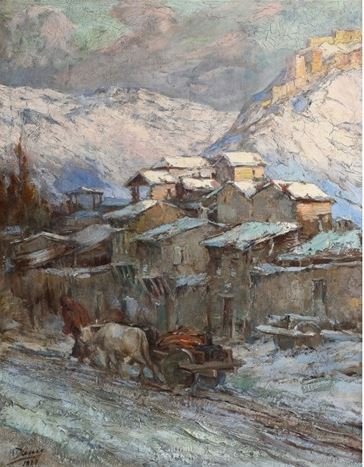
Ankara Castle
Place
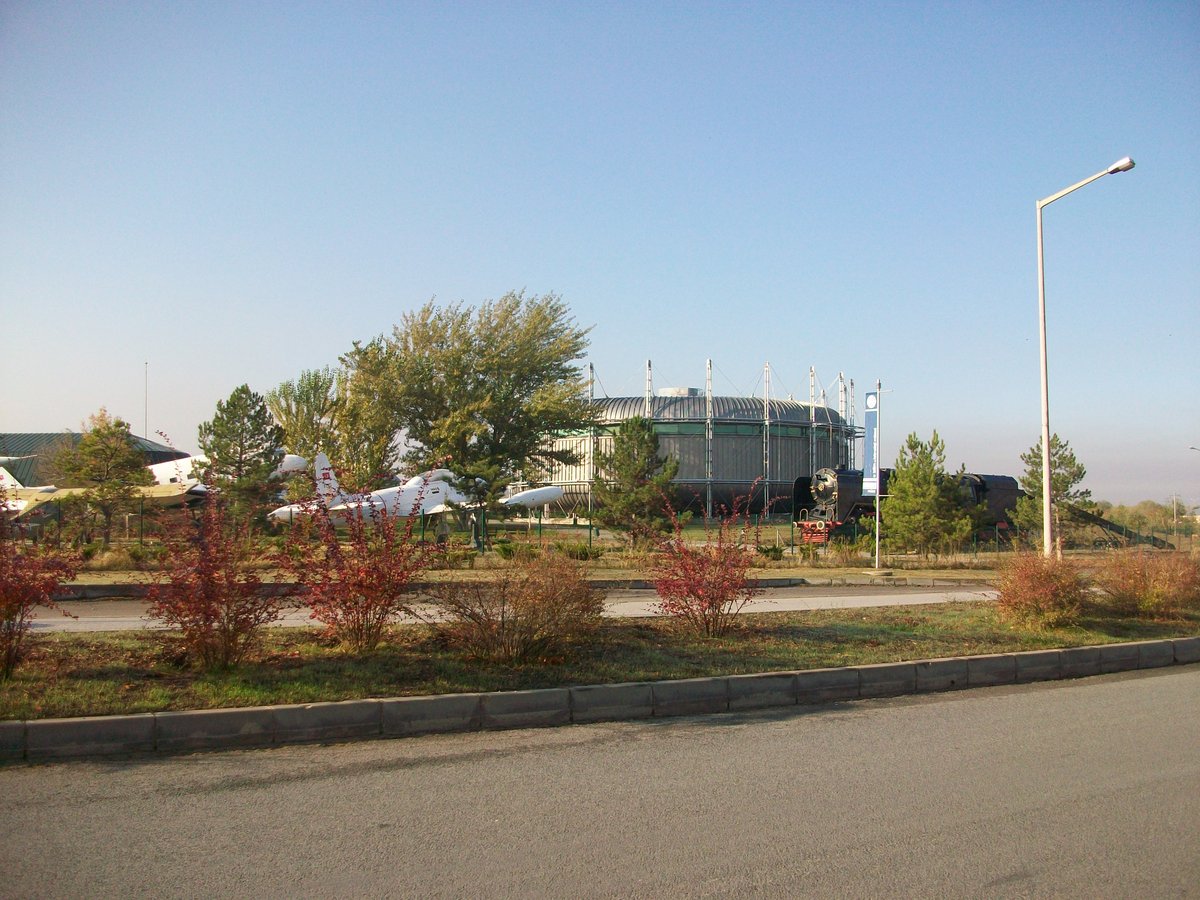
Metu Science and Technology Museum
Place
Maltepe Mosque
Place
Opera Stage
Place
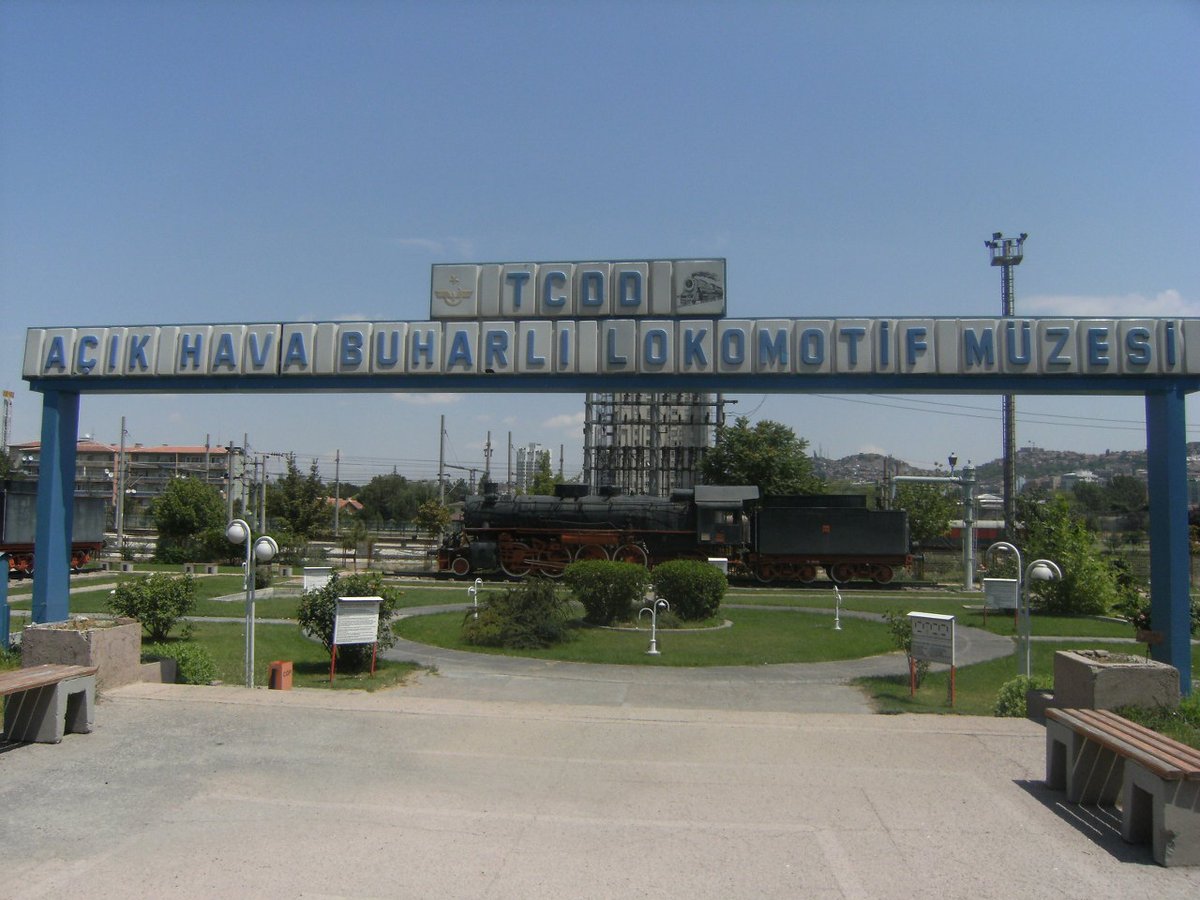
Tcdd Open Air Steam Locomotive Museum
Place
Melike Hatun Mosque
Place
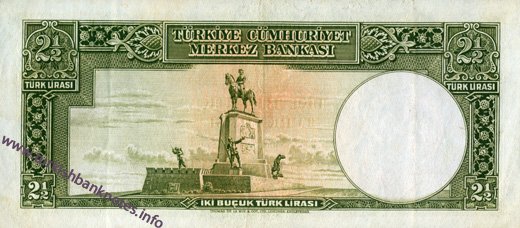
Victory Monument
Place
Ankara Aviation Museum
Place
Küçük Theatre
Place
Altındağ Theatre

Place
Göksu Park
Place
Esertepe Park
Place
Türkiye İş Bankası Economic Independence Museum
Place
Hittite Sun Course Monument

Place
Roman Theatre of Ankara
Place
Ankara Synagogue

Place
Ankara University
Place
Opera Square
Place
Middle East Technical University
Place
Anıtkabir
Place
Ankara Esenboğa Airport
Place
Ankara 19 Mayıs Stadium
Place
Library of the Grand National Assembly of Turkey
Place
Atatürk Forest Farm and Zoo
Place
Ankara Arena
Place
Roman Baths of Ankara

Place
Feza Gürsey Science Center
Place
Presidential Complex of Turkey
Place
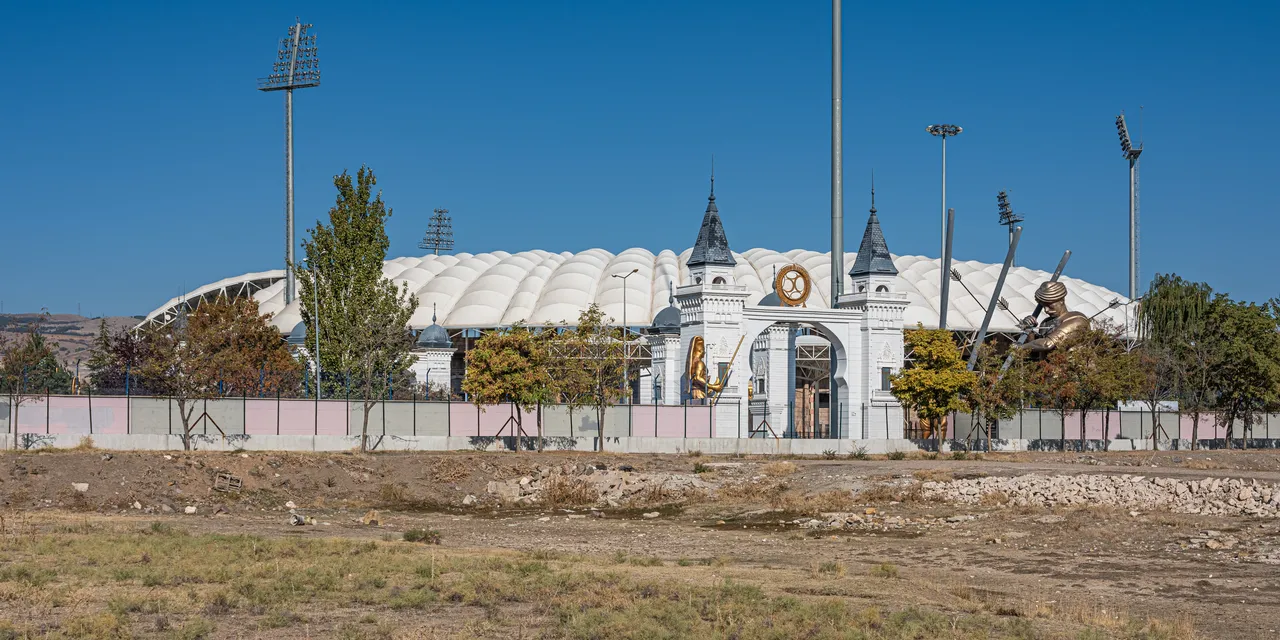
Osmanlı Stadyumu
Place
Şinasi Stage
Place
Taipei Economic and Cultural Mission in Ankara
Place
Cebeci İnönü Stadium
Place
Aski Sport Hall
Place
Başkent Volleyball Hall
Place
Profesör Doktor Metin Aktaş Zooloji Müzesi
Place
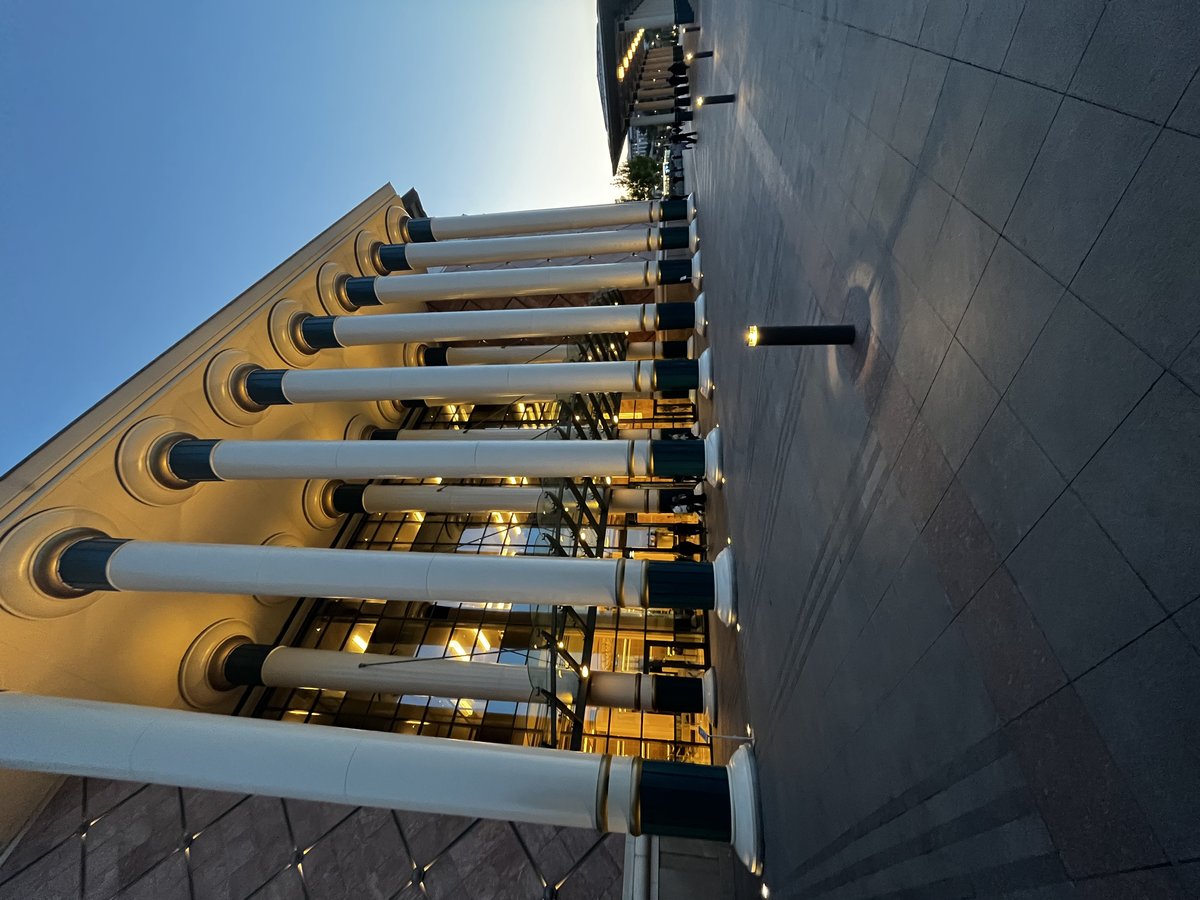
Nation'S Library

Place
Akköprü
Place
Akün Stage
Showing 1–48 of 88 places
Pick up where you left off
Saved and recently read places — kept on this device only.
Photo credits (8)
- Eser Tekin — Pexels License (https://www.pexels.com/license/) — Source: https://www.pexels.com/photo/14335483/
- Aleyna Demir — Pexels License (https://www.pexels.com/license/) — Source: https://www.pexels.com/photo/20328268/
- Yunus Eren Tekneci — Pexels License (https://www.pexels.com/license/) — Source: https://www.pexels.com/photo/10026688/
- Mustafa S. — Pexels License (https://www.pexels.com/license/) — Source: https://www.pexels.com/photo/36389364/
- Kateryna Hnidash — Pexels License (https://www.pexels.com/license/) — Source: https://www.pexels.com/photo/11920252/
- Mustafa S. — Pexels License (https://www.pexels.com/license/) — Source: https://www.pexels.com/photo/36389362/
- Zeynep Gül Ceylan — Pexels License (https://www.pexels.com/license/) — Source: https://www.pexels.com/photo/19150292/
- Esma Çokluk — Pexels License (https://www.pexels.com/license/) — Source: https://www.pexels.com/photo/33524299/
Photos may have been resized or cropped.