
Historical Context and Significance
Origins and Purpose
The Turkish State Cemetery was created to honor the nation’s leading presidents, prime ministers, and military commanders who contributed to the foundation and development of modern Turkey. Located in the Yenimahalle district of Ankara, the cemetery was designed as a secular space, reflecting the Republican ethos and breaking from the religious burial traditions of the Ottoman era. The establishment of the cemetery in the 1980s followed decades of commemorating national figures across various sites, signifying a new era of centralized remembrance (Simple Wikipedia, AjamMC).
National Identity and Secularism
The cemetery’s design emphasizes Turkey’s secular and republican identity. Reserved for senior governmental and military figures, the site symbolizes unity and the shared sacrifices of those who shaped the nation. Its location in the capital, Ankara, further highlights its symbolic role as the heart of the Republic (Discover Walks).
Memorial Architecture and Symbolism
Layout and Artistic Features
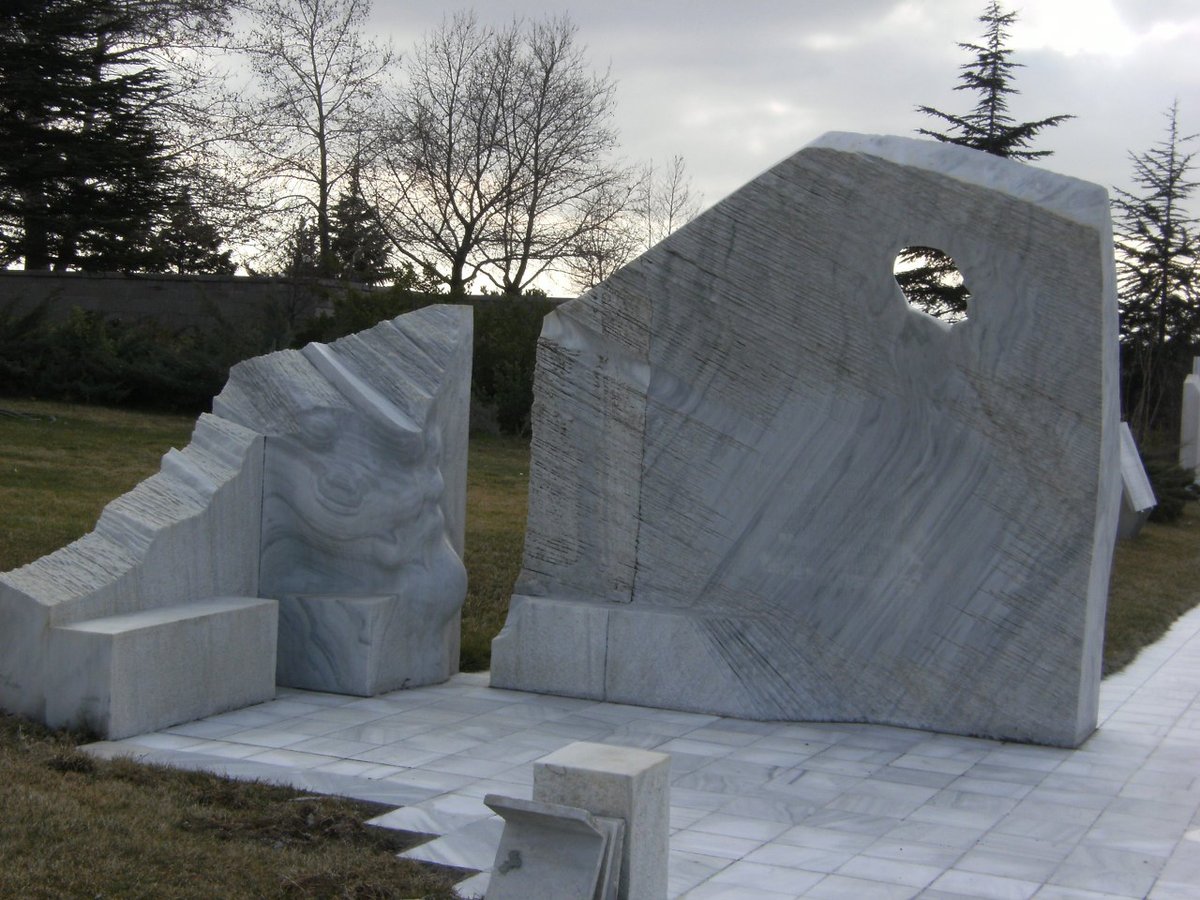
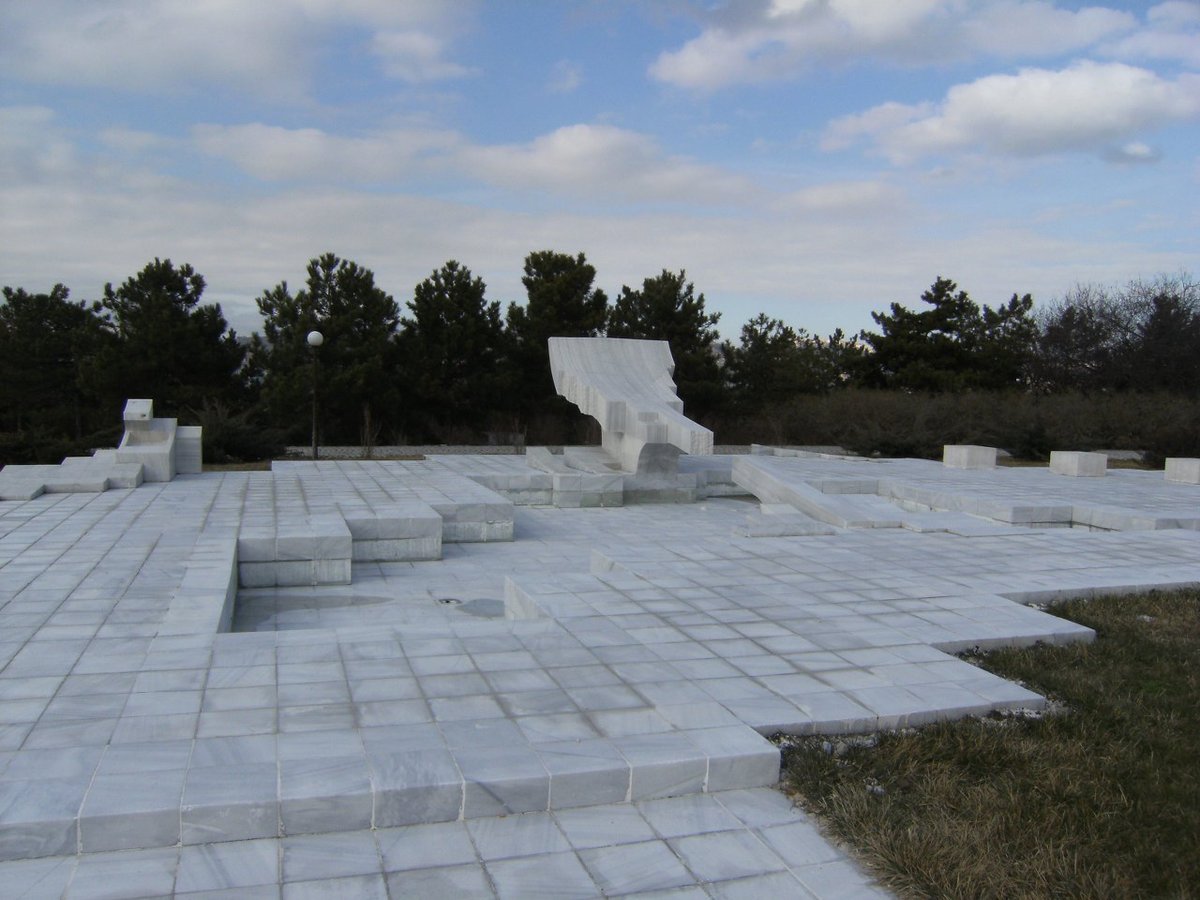
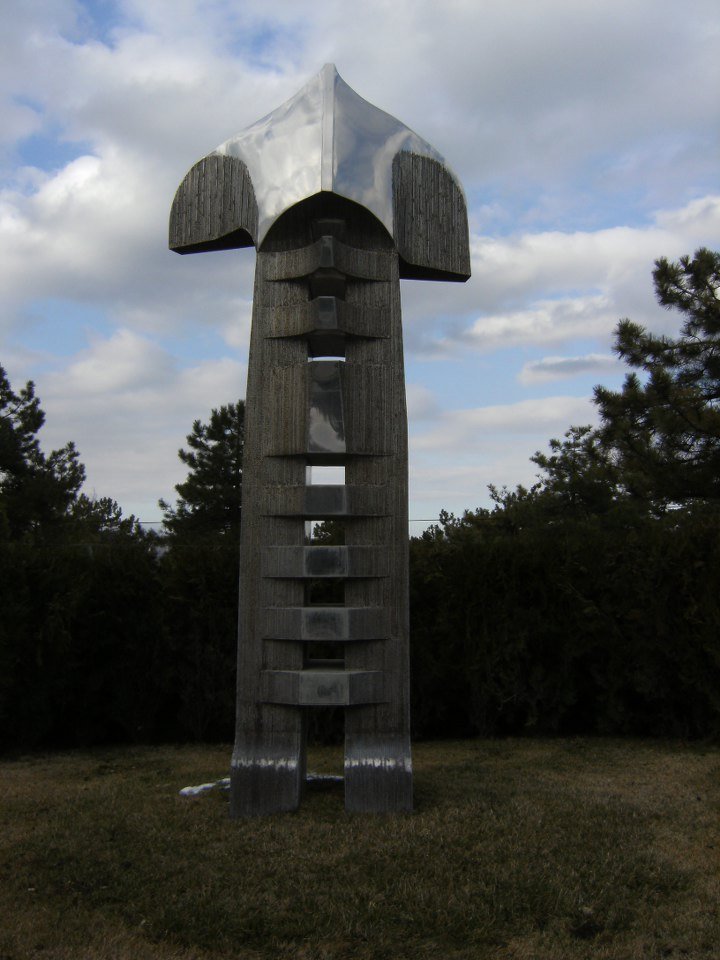
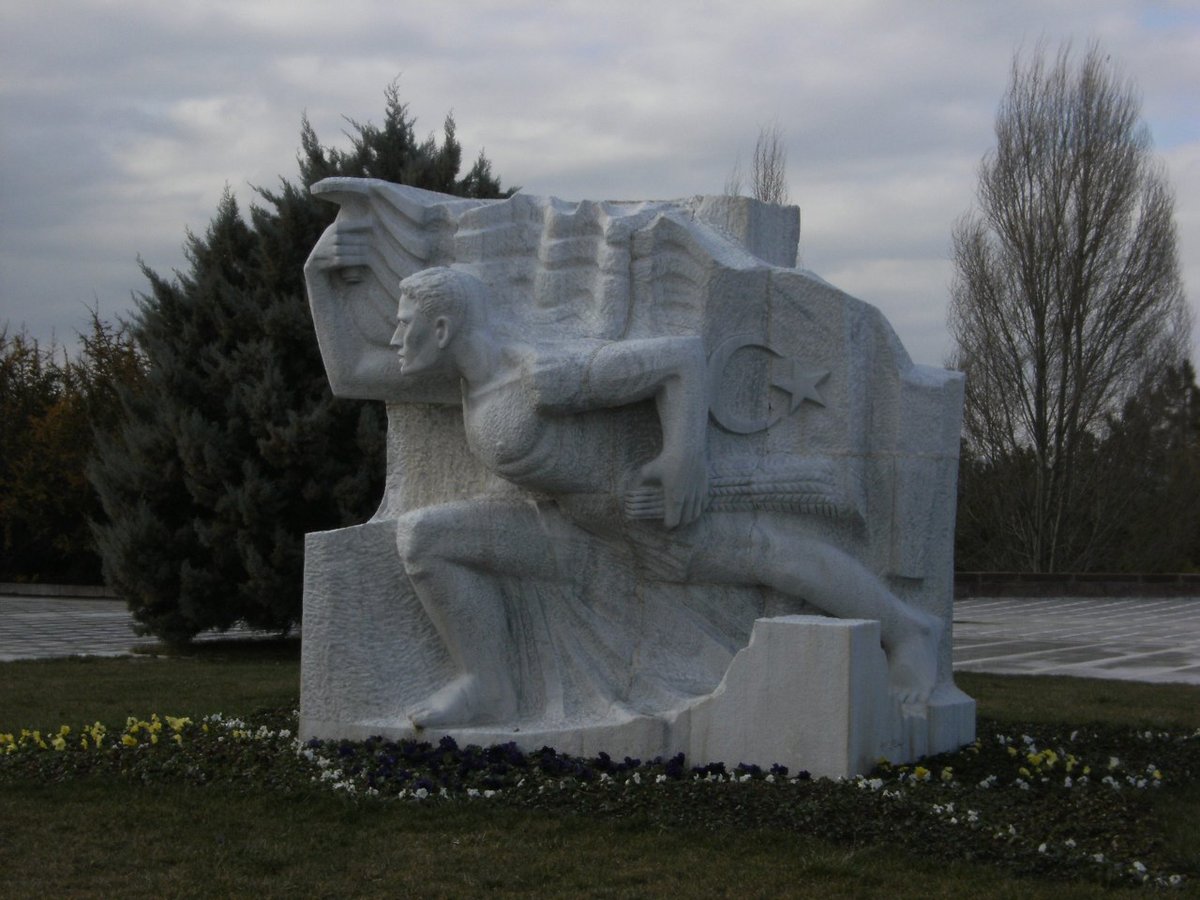
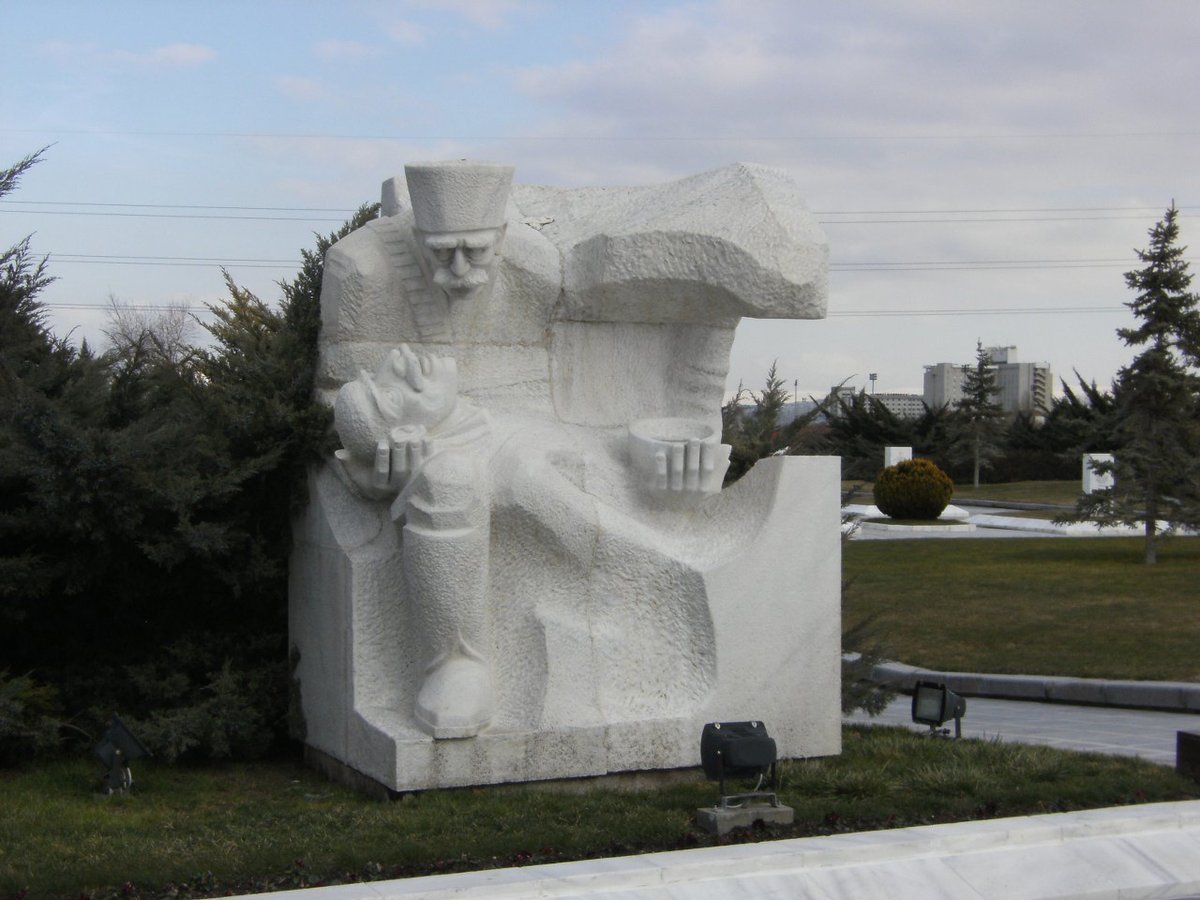
The cemetery covers over 500,000 m², featuring a memorial park, the Black Sea Pool (originally commissioned by Atatürk in 1931), and the iconic History of the Republic Road—a pathway lined with marble sculptures depicting pivotal moments from the Turkish War of Independence and the Republic’s founding (Wikipedia). The Simge, an octagonal yurt-inspired monument, stands at the heart of the main ceremony area, symbolizing continuity and shelter.
Sections and Organization
- Presidential and Prime Ministerial Sections Prominently placed graves with unique monuments.
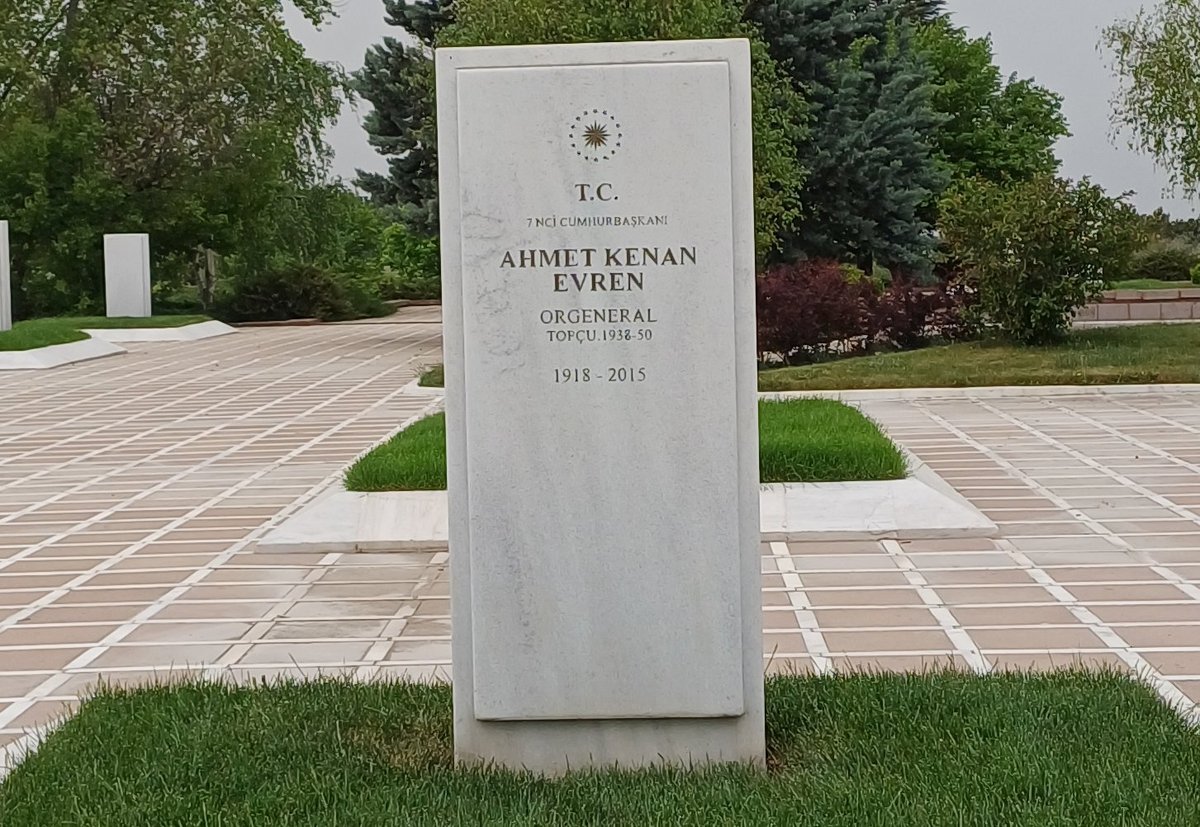
- Military Commanders’ Section Uniform headstones arranged in orderly rows, reflecting equality in sacrifice.
- Symbolic Graves Eleven commanders, whose remains are missing, are commemorated with symbolic tombs (Simple Wikipedia).
The Museum
The on-site museum, open on weekdays except Mondays and Tuesdays, displays personal artifacts, documents, and photographs of Turkish presidents and military leaders, providing historical context for visitors (Ebrary).
Notable Interments
The cemetery is the final resting place for many of Turkey’s most distinguished leaders:
- Presidents and Prime Ministers Including several who played central roles in the republic’s foundation and development.
- Military Commanders Especially those celebrated for their contributions during the War of Independence.
- Other National Heroes Statesmen, diplomats, and public servants recognized for exceptional service (Find a Grave).
Practical Visitor Information: Hours, Tickets, and Accessibility
Visiting Hours
- Cemetery Open daily from 08:00 to 17:00.
- Museum Open weekdays except Mondays and Tuesdays.
- Note Hours may vary during national holidays or official ceremonies. Check ahead for updates (Restgeo).
Admission and Tickets
- Entrance Free for all visitors, including the museum.
- Guided Tours Available (often in Turkish and English) through the visitor center or authorized operators. Some may require advance booking (WhichMuseum).
Location and Access
- Address Devlet Mezarlığı Caddesi, 06590 Cebeci/Ankara.
- Public Transport Bus line 365 (from Kızılay) and 339 (from Sıhhiye Bridge) stop nearby (Wikipedia).
- Metro Cebeci station is the closest; a short taxi ride or walk is required.
- By Car Parking available; check for restrictions during state events.
Accessibility
- Paths Main routes are paved and wheelchair-friendly, though there may be some uneven terrain.
- Facilities Restrooms, shaded benches, and visitor information points are available.
- Assistance Contact the visitor center in advance if mobility support is needed.
Visitor Etiquette and Cultural Guidelines
- Dress Code Modest attire is expected—long pants or skirts and covered shoulders out of respect (Where Tiana Travels).
- Behavior Maintain silence and respectful conduct. Mobile phones should be silenced.
- Photography Allowed for personal use, but avoid photographing ceremonies or mourners without permission.
- Food and Drink Not permitted within the cemetery grounds.
- Pets and Music Not allowed to preserve the solemn atmosphere.
- During Ramadan Refrain from eating or drinking in public during daylight hours (Living Nomads).
Facilities and On-Site Services
- Visitor Center Provides maps, brochures, and multilingual assistance.
- Restrooms Located near the entrance and within the grounds.
- Canteen Light refreshments available near the Black Sea Pool.
- Seating Benches and shaded areas throughout the park.
- Information Panels Detail the significance of key monuments and figures.
- Wi-Fi Limited coverage; a local SIM card is recommended for connectivity (MissTourist).
Nearby Attractions in Ankara
Enhance your visit by exploring these significant sites:
- Anıtkabir Mausoleum of Mustafa Kemal Atatürk, 7 km away (MissTourist).
- Museum of Anatolian Civilizations Artifacts from ancient Anatolia, 10 km away (VisitTurkey).
- Atatürk Forest Farm and Zoo Adjacent green space with a zoo and botanical gardens (VisitTurkey).
- Ankara Castle Offers panoramic city views and a glimpse of Byzantine-Ottoman heritage.
- Kocatepe Mosque Ankara’s largest mosque, easily accessible from central districts.
- Altınköy Open-Air Museum Recreates a traditional Anatolian village, 9 km away.
- Roman Baths of Ankara Preserved 3rd-century ruins.
- Gençlik Park Urban park with ponds and recreation (VisitTurkey).
Practical Tips for Tourists
- Best Time to Visit Spring and autumn offer mild weather and fewer crowds (Tripcrafters).
- Sustainable Tourism Use public transport, respect the site, and support local businesses.
- Safety The cemetery is secure, but standard precautions are advised during busy periods.
- Language Turkish is official; English is common at tourist sites. Bilingual signage is prevalent.
- Accommodations Stay in central districts like Kızılay or Çankaya for easy access (MissTourist).
- Connectivity Local SIM cards recommended for reliable mobile data.
Frequently Asked Questions (FAQs)
Q: What are the Turkish State Cemetery visiting hours?
A: Open daily from 08:00 to 17:00; museum is closed Mondays and Tuesdays.
Q: Is there an entrance fee?
A: No, admission to both the cemetery and museum is free.
Q: How do I get there using public transportation?
A: Take bus 365 from Kızılay or 339 from Sıhhiye Bridge; nearest metro is Cebeci.
Q: Are guided tours available?
A: Yes, through the visitor center or authorized operators; advance booking recommended for groups.
Q: Is the cemetery accessible for visitors with mobility issues?
A: Main paths are wheelchair-friendly, but some areas have uneven ground.
Q: Can I take photographs?
A: Yes, for personal use. Avoid photographing ceremonies or mourners.