What the Place Is
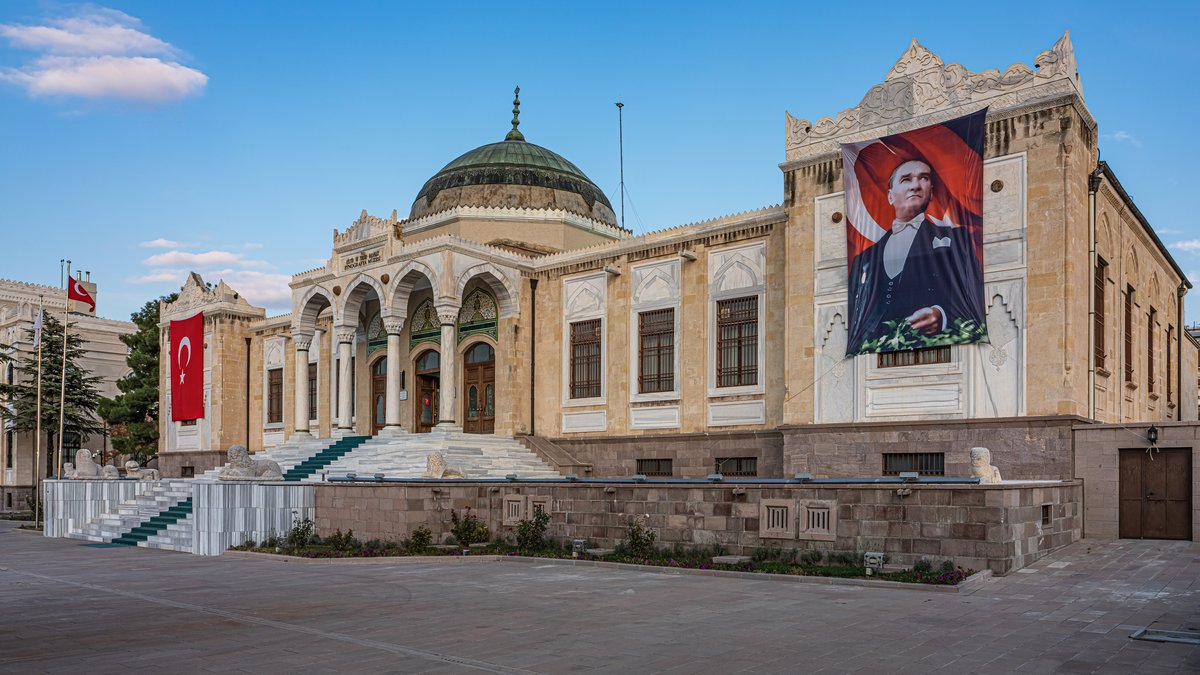
Ankara Yıldırım Beyazıt University is located in the heart of Turkey’s bustling capital. The city’s nationally significant landmarks include Ankara Castle and Anıtkabir, the mausoleum of Mustafa Kemal Atatürk. The university’s proximity to these sites offers visitors an opportunity to explore Ankara’s history and culture alongside its academic environment.
History
Ankara Castle
Ankara Castle (Ankara Kalesi), a defining landmark above the city’s Ulus district, has origins stretching back over two millennia. Roman, Byzantine, Seljuk, and Ottoman civilizations contributed to its history. The castle served defensive and administrative purposes, and its walls and towers reflect a range of architectural influences. Today, it offers panoramic city views and a connection to the region’s layered history (Ankara Castle Visitor Guide).
Anıtkabir
Anıtkabir is a symbol of national pride and remembrance. Designed by Emin Onat and Orhan Arda and completed in 1953, it honors Mustafa Kemal Atatürk, the founder of the Turkish Republic. The complex combines modernist and ancient Anatolian architectural elements and includes Atatürk’s tomb and a museum chronicling his life and Turkey’s path to independence (Official Anıtkabir website).
What to See
Ankara Castle and Its Surroundings
Ankara Castle’s walls and towers reflect its long history, while the site’s elevated position provides panoramic views of the city.
Nearby, the Museum of Anatolian Civilizations displays artifacts from prehistoric Anatolia to the Ottoman era (Museum of Anatolian Civilizations). Ulus Square is a lively hub with shops, cafes, and monuments.
Anıtkabir
- Hall of Honor Atatürk’s monumental tomb.
- Ceremonial Plaza Venue for official ceremonies and national celebrations.
- Atatürk Museum Displays personal artifacts and key documents.
- Peace Park Landscaped gardens with trees from across the world.
Anıtkabir is central to Republic Day on October 29 and Atatürk Memorial Day on November 10, when special ceremonies are held. Visitors on these occasions experience a patriotic atmosphere.
Practical Visiting Information
Ankara Castle
Hours
- Summer (April–October) 8:00 AM – 7:00 PM
- Winter (November–March) 9:00 AM – 5:00 PM
Tickets
- Adults: 30 TRY
- Students/Seniors: 15 TRY
- Children under 12: Free
Tickets can be purchased on-site or online via the Ankara Tourism Website, which can help visitors enter quickly during peak times.
Guided tours are available upon request for an additional fee and are recommended for deeper historical insight.
Getting there
- By Metro M1 line to Ulus station, then a 10-minute uphill walk.
- By Bus Several city buses stop near the castle.
- By Taxi Widely available and cost-effective within Ankara.
The elevated location involves steep paths and stairs, though some ramps are available for wheelchair users. Visitors with mobility challenges are advised to inquire ahead about specific accessible routes.
Anıtkabir
Hours and admission
- Regular hours 9:00 AM – 5:00 PM; last entry at 4:30 PM.
- Closed Mondays and some national holidays; check the Official Anıtkabir website for updates.
- Admission Free for all visitors.
Guided tours are available for a fee and can be booked in advance. Ramps and elevators provide wheelchair access, and multilingual signage is available in Turkish and English. Facilities include restrooms, a café, a souvenir shop, and free Wi-Fi in designated areas.
Getting there
- By Metro Ankaray to Anadolu station, followed by a short walk.
- By Bus Several lines stop near Anıtkabir.
- By Taxi Direct and convenient from anywhere in the city.
- Parking On-site parking is available for visitors.
Tips
- Wear sturdy, comfortable shoes: both sites involve walking over uneven surfaces, and Ankara Castle has steep paths and stairs.
- Bring sun protection in summer and dress in layers in winter.
- Arrive early to avoid crowds, especially during holidays. Early mornings or weekdays are quieter at Ankara Castle.
- Dress respectfully at Anıtkabir and maintain a solemn demeanor. Photography is welcomed, but flash and drones are restricted inside the museum.
- Check official websites for updated hours and event schedules.
- Ankara Castle hosts cultural festivals, concerts, and historical reenactments, especially in spring and summer.
- The sites offer guided tours; arrange in advance for English or other languages.
- Combining Ankara Castle, Anıtkabir, and the Museum of Anatolian Civilizations makes for a cultural visit. For current visiting hours, ticketing, tour bookings, and interactive maps, consult official sites and reliable travel sources. Travel tools such as the Audiala app can also be used.
Nearby Places
The Museum of Anatolian Civilizations is at the base of Ankara Castle. Ulus Square, with its shops, cafes, and monuments, is also nearby. Traditional Turkish eateries, souvenir shops, and rest areas are available in the vicinity. Anıtkabir can be reached from the castle by a short car ride.
Frequently Asked Questions (FAQs)
Q: Is there an entrance fee for Ankara Castle and Anıtkabir?
A: Ankara Castle charges admission, with discounted tickets for students and seniors; Anıtkabir is free. See the visiting information above for prices.
Q: Are guided tours available?
A: Yes. Both sites offer guided tours; arrange in advance for English or other languages.
Q: Is public transportation reliable in Ankara?
A: The city has an extensive metro and bus network, making major sites easily accessible.
Q: Can I visit these sites on public holidays?
A: Generally yes, but hours may change. Confirm with official sources before visiting.
Q: Are the sites suitable for children and visitors with disabilities?
A: Both sites are family-friendly and provide accessibility options. Ankara Castle may be challenging in some areas because of its elevation and terrain.