What the place is
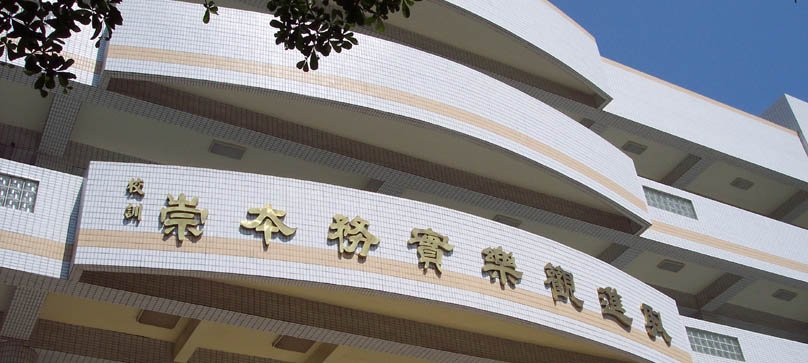
National Kaohsiung University of Applied Sciences (KUAS) merged into the National Kaohsiung University of Science and Technology (NKUST) in 2018. Its former campuses, particularly Chien Kung and Yanchao, remain accessible to the public and reflect Taiwan’s history of applied sciences, education, and industrial development. Today, those sites are part of a larger university known for technological innovation and collaboration with industry (NKUST Official Website).
NKUST has five campuses—Jiangong, Yanchao, First, Nanzih, and Cijin—covering more than 216 hectares and hosting more than 28,000 students, including a significant international community. The campuses specialize in areas including marine sciences, smart manufacturing, and industry collaboration.
History
KUAS was founded in 1963 as the Provincial Kaohsiung Institute of Technology to train skilled professionals for Taiwan’s expanding industries. It developed from a junior college into a comprehensive university, building a reputation for applied sciences and collaboration with local industry.
In 2018, KUAS merged with two other institutions to form NKUST, described as Taiwan’s largest technological university. Its legacy continues within the modern university.
What to see
NKUST campuses
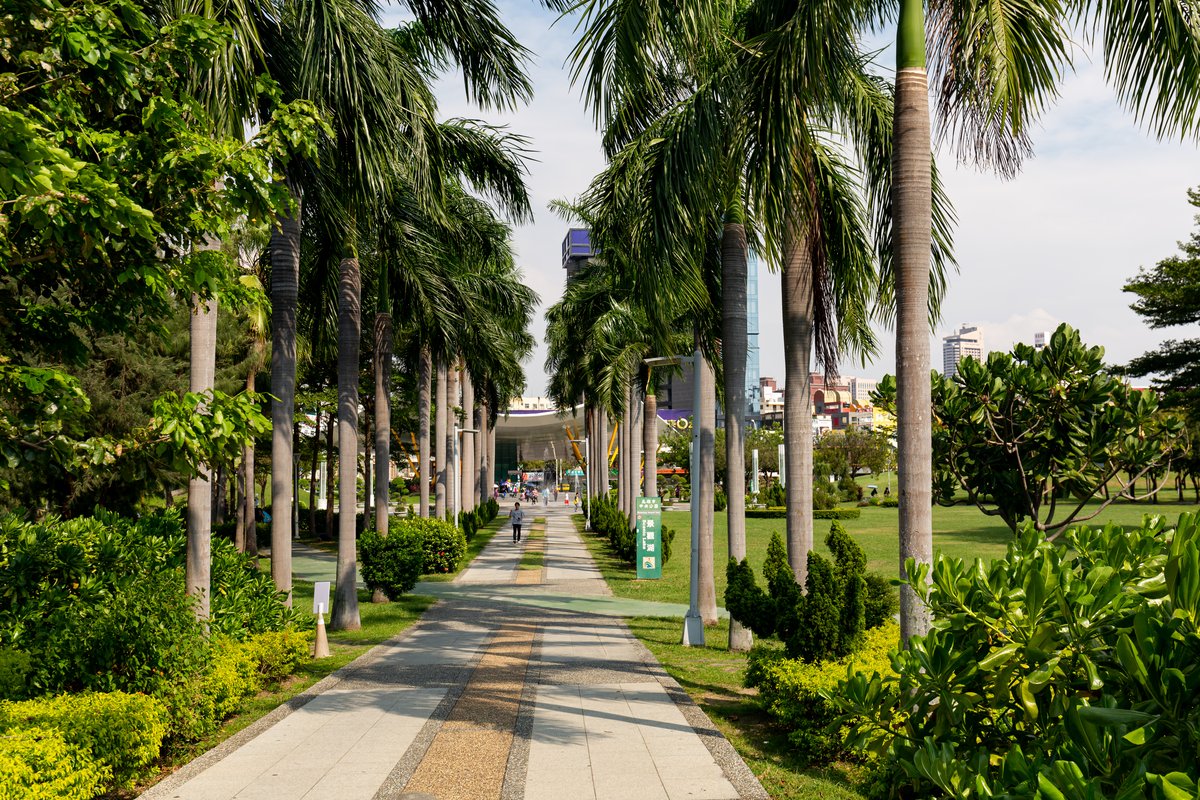
- Jiangong (Chien Kung) Campus The historic heart of the university, with modern academic buildings, a comprehensive library, landscaped gardens, and open spaces.
- Yanchao and First Campuses Focus on research, innovation, and smart campus technologies.
- Nanzih Campus Known for technical training and close industry links.
- Cijin Campus Specializes in marine sciences and offshore wind industry training, with views of Cijin Beach. It is the only university site in Taiwan authorized for Global Wind Organization (GWO) offshore wind industry training.
The campuses also feature research centers and laboratories that illustrate the university’s academic and historical significance. Innovation and entrepreneurship centers, cultural events, exhibitions, and workshops are hosted across the campuses; some events are open to the public.
Dragon and Tiger Pagodas
Built in 1976 at Lotus Pond, the Dragon and Tiger Pagodas are known for their vivid architecture and cultural symbolism. According to traditional Chinese beliefs, entering through the dragon and exiting through the tiger turns bad luck into good fortune and represents harmony and prosperity. The pagodas feature intricate murals and are focal points for local festivals (Kaohsiung Tourism Bureau - Dragon and Tiger Pagodas).
Former British Consulate at Takao
Built in 1865 atop Mount Shoushan, the Former British Consulate at Takao is one of Kaohsiung’s best-preserved colonial-era sites. It served as the British diplomatic office until the early 20th century. Its red-brick architecture, manicured gardens, and panoramic harbor views are among its notable features (Kaohsiung Tourism Official Site - Former British Consulate).
The site hosts exhibitions about Taiwan’s colonial history and maritime heritage, as well as cultural events such as tea ceremonies, art shows, and flower festivals.
Practical visiting information
KUAS former campus locations and hours
- Chien Kung Campus No. 415, Chien Kung Rd., Sanmin District, Kaohsiung City 807, Taiwan.
- Yanchao Campus No. 58, Shenzhong Rd., Yanchao District, Kaohsiung City 824, Taiwan.
The former-campus visiting information lists public hours as 8:00 AM–5:00 PM, Monday to Friday. A broader NKUST campus guide lists general public hours as 8:00 AM–6:00 PM on weekdays. Weekend access to the former KUAS campuses may be limited. Check the NKUST Official Website – Visitor Guide for updates and special events.
General campus admission is free. Select research facilities, specialized areas, or events may require prior arrangement or permission. Guided tours are available by advance arrangement through the NKUST visitor center; group and educational visits can also be scheduled. Tours can also be arranged in advance through the Office of International Affairs (OIA).
Both former campuses can be reached by public transportation, with nearby bus stops and taxi services. NKUST campuses are served by Kaohsiung’s MRT, LRT, and bus systems. Jiangong Campus is near Kaohsiung Main Station; other campuses can be reached by bus or LRT. Major campuses have accessibility features including ramps, elevators, and accessible restrooms.
Visitors may use campus cafeterias during their operating hours. Photographs can be taken on campus, but visitors should follow campus guidelines, respect university property, and protect people’s privacy.
Dragon and Tiger Pagodas
- Location No. 22, Lotus Pond, Zuoying District, Kaohsiung City.
- Hours Daily, 8:00 AM–6:00 PM.
- Admission Free.
- Getting there Take the MRT to Zuoying Station, then travel to Lotus Pond by bus or taxi.
The pagodas are seven floors high and require stair climbing. They are not wheelchair accessible, although the paths around Lotus Pond are.
Former British Consulate at Takao
- Hours Daily, 9:00 AM–5:00 PM.
- Admission NT$50 for adults; free for children under 12 and seniors over 65.
- Guided tours Weekends at 10:00 AM and 2:00 PM; advance booking is recommended.
- Access Reach the site via a scenic hiking trail or shuttle bus from Sizihwan MRT Station. Wheelchair access is limited because of the historic architecture.
Tips
- Wear comfortable walking shoes and bring water, especially in warmer months.
- Follow campus policies and respect academic activities. Check campus guidelines and respect privacy when taking photographs.
- For the Dragon and Tiger Pagodas, visit early or late for better light and fewer crowds; supervise children on the stairs.
- At the Former British Consulate, wear comfortable shoes for the uphill terrain. Late afternoon offers sunset views. Parking is limited, so public transport is recommended.
- Photography is welcome at the consulate; drones require prior permission.
- Check official resources for current hours and event information. Travel apps such as Audiala offer guides and updates, and NKUST and Kaohsiung tourism share news and event information on social media.
Nearby places
- Lotus Pond A scenic area with temples and walking paths, including the Dragon and Tiger Pagodas, the Confucius Temple, and the Spring and Autumn Pavilions.
- Kaohsiung Harbor Offers scenic views, waterfront activities, ferry rides, and waterfront dining.
- Love River and Cijin Island Nearby destinations to combine with an NKUST campus visit.
- Sizihwan Bay Known for its sunsets and near the Former British Consulate.
- Shoushan National Nature Park An area for hiking and wildlife viewing.
Kaohsiung’s public transportation network provides access to city attractions and university campuses. See Kaohsiung Tourism and the Kaohsiung Public Transport Guide.
Frequently asked questions
Can I visit the former KUAS campuses on weekends?
Access may be limited; check with NKUST about weekend visiting policies.
Is admission to the campuses free?
Yes. General campus access is free, though specialized areas and some events may require permission or prior arrangement.
Can I take photos on campus?
Yes, but follow campus guidelines and respect privacy.
Are dining options available on campus?
Visitors may use campus cafeterias during their operating hours.
How do I reach the campuses by public transport?
The campuses are accessible by Kaohsiung’s MRT, LRT, and local bus services. Jiangong Campus is near Kaohsiung Main Station; other campuses can be reached by bus or LRT.
Are guided campus tours available?
Yes. Arrange in advance through the NKUST visitor center or the Office of International Affairs (OIA).
Are NKUST campuses accessible for wheelchair users?
Major campuses have accessibility features. The Dragon and Tiger Pagodas themselves are not wheelchair accessible, though the paths around Lotus Pond are. The Former British Consulate has limited wheelchair access because of its historic architecture.
Are the Dragon and Tiger Pagodas free to visit?
Yes. Admission is free.
Are guided tours available at the pagodas?
Yes, through local tour operators.
Are the pagodas suitable for children?
Yes, but supervise children on the stairs.
Is parking available at the Former British Consulate?
Parking is limited; public transportation is recommended.
Are photography and drones allowed at the consulate?
Photography is welcome; drones require prior permission.
Is the Former British Consulate family-friendly?
Yes, but supervision is recommended because of the stairs.