History & Origins
Parc des Cropettes originated in the 19th century, rooted in philanthropy and Geneva’s progressive vision for public spaces. In 1858, philanthropist Charlotte Odier-Baulacre donated her estate to the city, laying the groundwork for the park (BGE Genève). The "Cropettes" name is derived from the Croppet family, whose adjacent land was acquired in 1873, uniting the area into a single expansive green space.
These acquisitions were emblematic of Geneva’s commitment to expanding public parks and fostering collective well-being during a period of rapid urban growth. The park’s evolution into a communal retreat for recreation, education, and cultural life began early and has continued for generations.
Transformation to a Public Park
Following the land acquisitions, the estate’s country house was repurposed as a kindergarten, reflecting Geneva’s forward-thinking approach to early childhood education. By 1890, a new building was constructed specifically for the kindergarten, and in 1901–1902, a primary school designed by architect Marc Camoletti was added. These developments established Parc des Cropettes as a hub for both recreation and learning (BGE Genève).
Key Features & Facilities
Landscape and Ecology:
Parc des Cropettes is designed in the tradition of 19th-century European parks, featuring open lawns, mature trees, and tree-lined paths. The park is home to a diverse collection of trees—giant plane trees, horse chestnuts, sycamore maples, Californian sequoias, and more—many of which surround the park’s central pond, providing shade and a tranquil ambiance (ville-geneve.ch).
The park is managed with ecological sensitivity, avoiding chemical products and supporting urban biodiversity with birdhouses, wildflower patches, unmown lawns, and a pond that attracts ducks and small wildlife.
Facilities:
- Playgrounds Swings, slides, and climbing frames for children (intravel.net)
- Sports Pétanque courts, especially popular under the plane trees
- Art A statue of a young girl with a fish, installed in 1971 (fr.wikipedia.org)
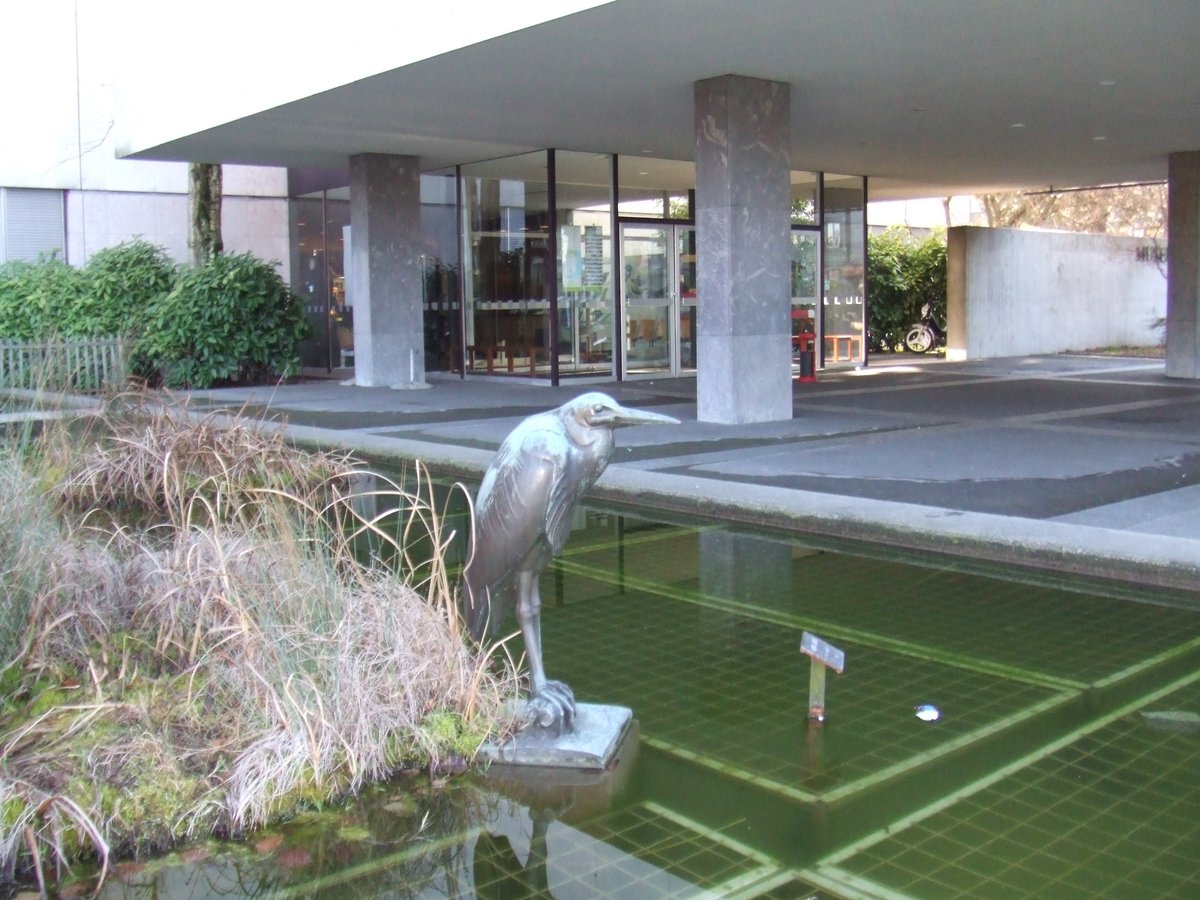
- Water Feature A pond shaped like an orange segment, offering a peaceful spot for relaxation and wildlife observation
- Restrooms Accessible toilets, including facilities for wheelchair users
- Seating Benches throughout, with free lawn chairs available in summer
Cultural Significance & Events
Parc des Cropettes is not just a park—it's a vital social and cultural hub. Its central location and accessible design make it a popular gathering place for people of all ages. The park hosts various cultural and community events, the most prominent being the annual AMR aux Cropettes festival, organized by the Association pour l’Encouragement de la Musique Improvisée (AMR) (amr-geneve.ch). This festival offers free jazz and improvised music concerts, workshops, and food stalls, drawing large crowds each June.
Other events include open-air cinema nights, markets, art installations, and community picnics. The park also serves as a meeting point for grassroots activism and public debates, reflecting Geneva’s democratic traditions.
Visiting Hours & Admission
- Hours Daily, 7:00 AM – 10:00 PM (ville-geneve.ch)
- Admission Free entry, no tickets required
Accessibility & Getting There
- Location Rue Élisabeth-Baulacre, 1202 Genève, just behind Gare Cornavin
- By Public Transport
- Tram Lines 12, 14
- Bus Lines 8 (Grottes stop), 5, 20, 60, 61 (Poste stop)
- Geneva Transport Card Provided free by most hotels, allows unlimited use of public transport (amr-geneve.ch)
- By Car Parking available at Montbrillant, Arcades, and Cornavin
- Accessibility Fully wheelchair accessible with paved paths and accessible toilets; dogs allowed on-leash
Nearby Attractions
Make your visit even more memorable by exploring other Geneva highlights within walking distance:
- Geneva Old Town
- Jet d’Eau fountain
- Museum of Art and History
- Parc Trembley (connected by a didactic tree promenade)
- Geneva Botanical Gardens
- Brunswick Monument
- Basilica Notre-Dame of Geneva
- L’Usine (alternative arts center)
- Cafés and restaurants offering diverse cuisine (wanderboat.ai)
Practical Tips for Visitors
- Best Time to Visit Late spring and summer for events and lively atmosphere; early mornings or weekdays for tranquility
- Weather Geneva’s climate is temperate; bring water and sun protection in summer
- Etiquette Respect the environment, use recycling bins, keep dogs leashed, and maintain low noise in the evenings
- Safety The park is generally safe; remain cautious near the post office deposit area in the evenings (intravel.net)
- Budget Picnicking is a budget-friendly option in an otherwise expensive city (tripsavvy.com)
- Connectivity Free public Wi-Fi is available in many parks
Frequently Asked Questions (FAQ)
What are the opening hours?
7:00 AM – 10:00 PM daily
Is there an entrance fee?
No, the park is free
Are guided tours available?
Occasional educational walks; check local event listings
Are pets allowed?
Yes, dogs must be kept on a leash
How do I get there by public transport?
Via Gare Cornavin (tram, bus, Geneva Transport Card)
Visual Highlights
- Panoramic views of tree-lined paths, open lawns, and the central pond
- The statue of the young girl and the AMR aux Cropettes festival in full swing
- Playgrounds and seating under the shade of ancient plane trees