


Place
Spain Updated Oct 2026
At dusk, the Tagus catches the last light beneath Toledo, Spain, while the city’s stone rooftops crowd a steep promontory above the gorge. The view is almost too neat: a cathedral spire, the Alcázar, and a tangle of medieval lanes. Toledo rewards the walk behind that picture.
 Photo: Francisco Anzola · CC BY 3.0
Built from cited sources · see the method · How we make our guides →
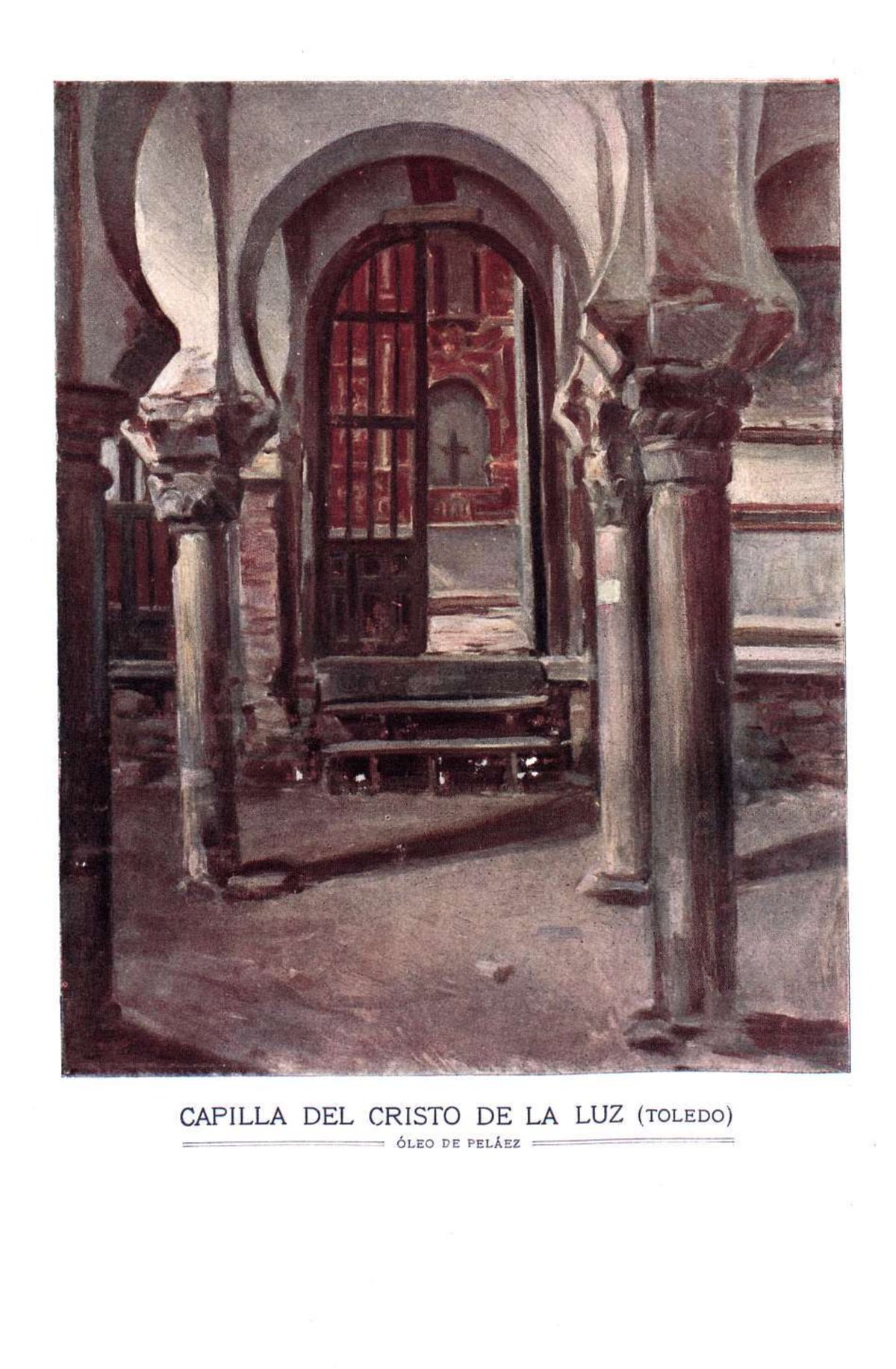
Roman, Visigothic, Islamic, Jewish, and Christian histories meet here in buildings you can enter, not just read about. The small Mosque of Cristo de la Luz was completed in 999; the Gothic cathedral, begun in 1226, took until 1493 to finish.
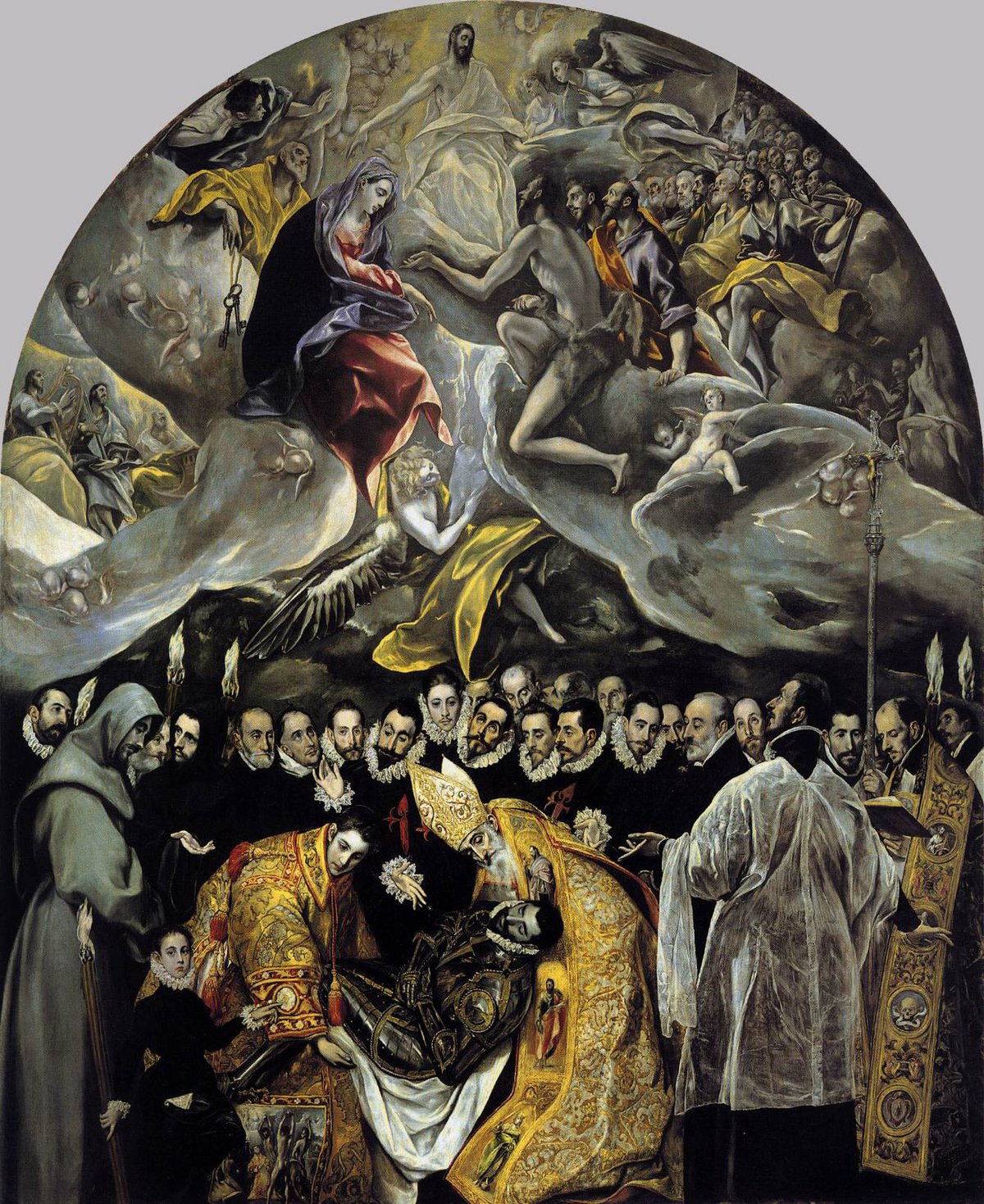
In the old quarter, footsteps ring against stone and narrow streets can turn suddenly into quiet courtyards. El Greco’s work is woven into the city’s story, from the painting in Santo Tomé’s church to the collection in the former Jewish Quarter.
When Philip II moved his court to Madrid in 1561, Toledo lost its place at the center of imperial power; the older city fabric endured. That history makes Toledo feel less like a preserved backdrop than a city still shaped by the choices made inside its walls.
Not every monument, just the ones we'd walk you past ourselves.
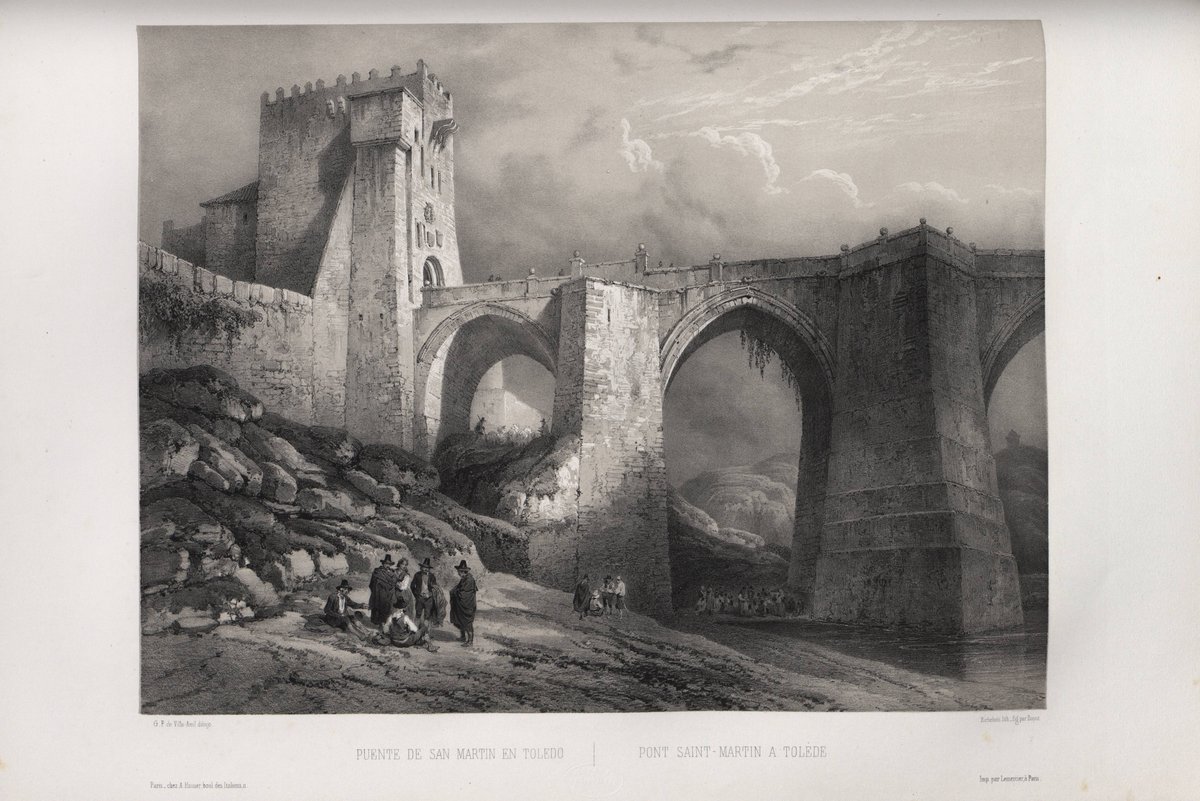


Where to wander, by quarter — each with its own rhythm.
Before you go
Curated from places in this city. Same price as official sites.


Prices shown are indicative — final pricing and availability are confirmed at checkout. Audiala may receive a commission from bookings made via these links.
From a Carpetanian hillfort to a city layered with Roman, Visigothic, Islamic, Jewish, and Christian histories
Long before Rome, Carpetanian communities settled the granite heights above the Tagus, where steep riverbanks offered a natural defense. The first Toledo was a fortified hilltop settlement, not yet a city of palaces and processions.
Roman forces under Marcus Fulvius Nobilior captured the Carpetanian stronghold in the campaigns of 193–192 BCE. The settlement entered the Roman Republic as Toletum, beginning a long chapter as a provincial center.
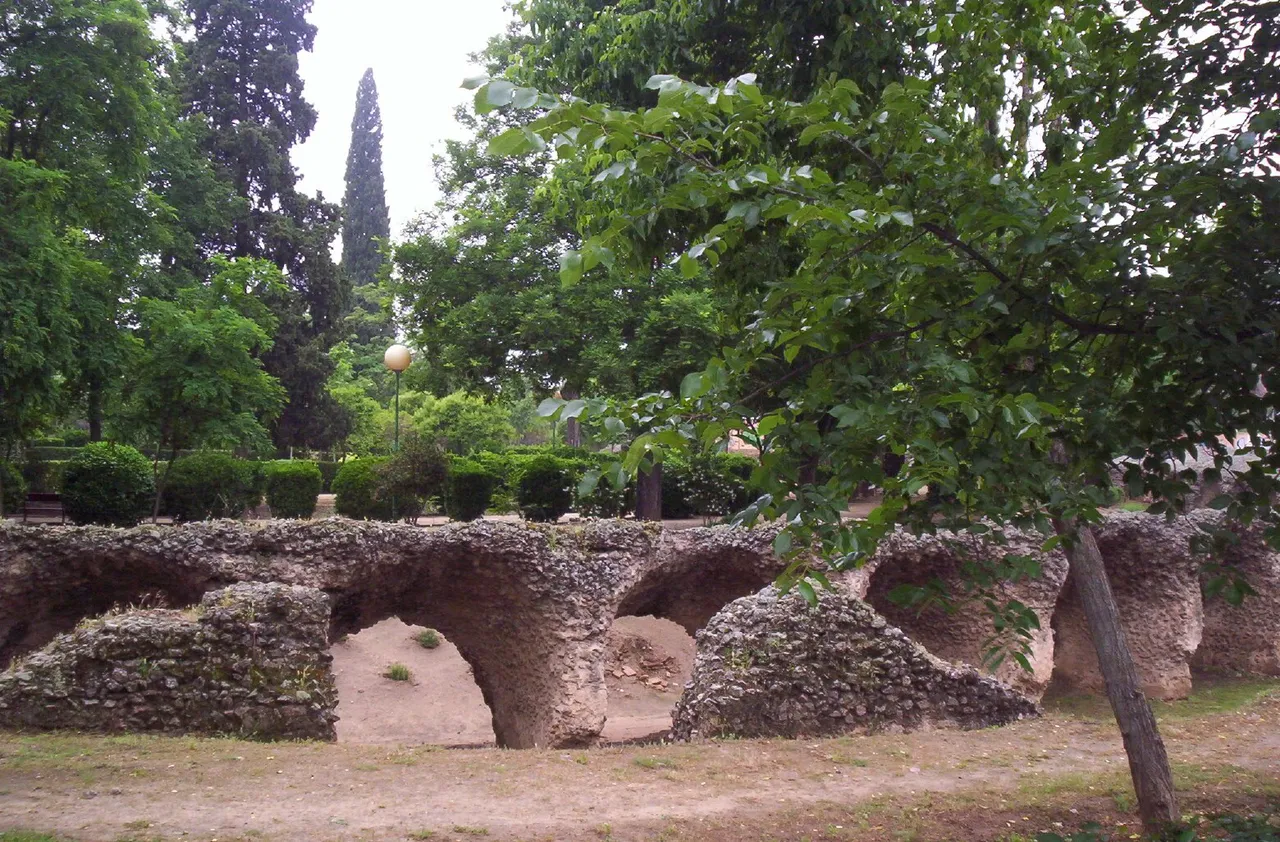
Toletum gained a circus, public works, and bridges linking the rocky promontory to roads across the Tagus. The circus’s long, curved remains still hint at crowds gathering where the city now spreads beyond its ancient core.
Under King Leovigild, Toledo emerged as the political center of the Visigothic kingdom. Its position near the peninsula’s center made the city a practical base for rule—and a stage for the monarchy’s close ties to the church.
King Reccared publicly rejected Arian Christianity at a church council in Toledo and embraced Nicene Catholicism. The decision aligned the Visigothic monarchy with the Hispano-Roman church, giving religious agreement a forceful role in politics.
Reccared’s conversion at Toledo reshaped the public identity of the Visigothic court. Bishops and nobles joined the settlement at the Third Council, though a king’s decree could not make every religious division disappear.
After the Visigothic kingdom collapsed, Muslim forces took Toledo and called it Tulaytulah. Arabic became part of the city’s public life, alongside Latin and the speech of its Christian communities.
An inscription dates the small Bab al-Mardum Mosque to 999, making it one of Toledo’s oldest surviving monuments. Its brick exterior gives little away; inside, nine vaulted bays arrange light and shadow with remarkable precision.
As ruler of the Taifa of Toledo, Al-Mamun patronized learning, the arts, and scientific study. His court belonged to a period of independent rule after Córdoba’s caliphate fractured, when scholarship could carry prestige as well as practical value.
After a prolonged siege, Toledo surrendered to Alfonso VI in May 1085; the king entered the city on May 25. The transfer brought the former Visigothic capital under Christian rule, while its Muslim, Jewish, and Mozarabic residents remained part of a tense new order.
Archbishop Raymond of Toledo supported scholars translating Arabic works into Latin, often drawing on Jewish and Mozarabic knowledge. There was no single formal “school” with a campus and charter; the work grew through patrons, translators, and the books available in the city.
Alfonso X was born in Toledo before becoming king of Castile and León. His later patronage encouraged scholars to render scientific and historical works into Castilian, helping give the language a more expansive written life.
King Ferdinand III and Archbishop Rodrigo Jiménez de Rada began construction of Toledo’s Gothic cathedral in 1226. The building rose on ground already used for earlier places of worship, so its foundations carry more than one religious history.
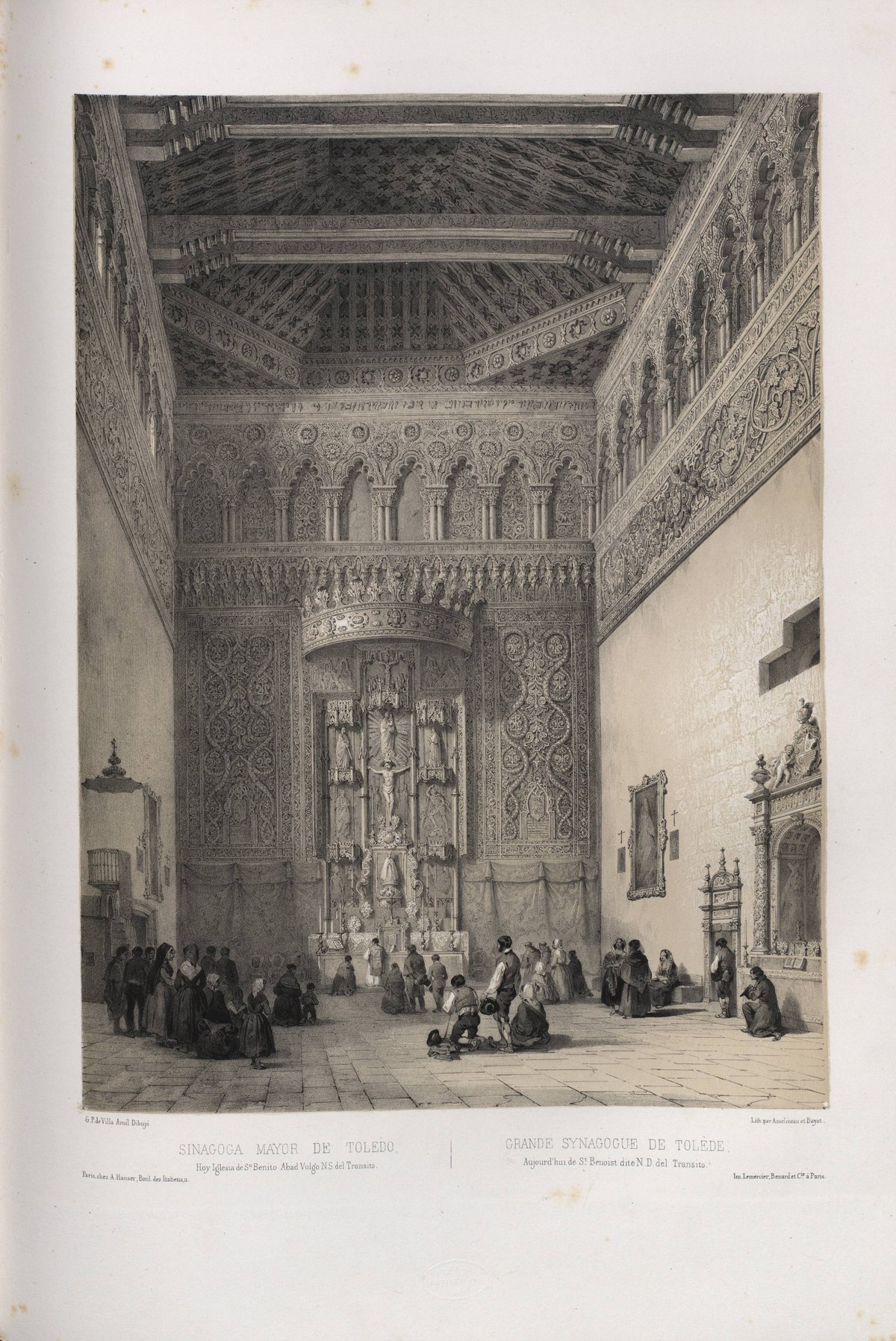
Samuel ha-Levi, treasurer to King Peter of Castile, commissioned the synagogue now known as El Tránsito. Its Hebrew inscriptions and intricate Mudéjar plasterwork speak in several artistic idioms at once, without pretending the period was free of danger or division.
Anti-Jewish riots swept Castile and reached Toledo, bringing deaths, forced conversions, and the destruction of Jewish communal life. The violence altered the city’s Jewish quarter and left many converts living under suspicion.
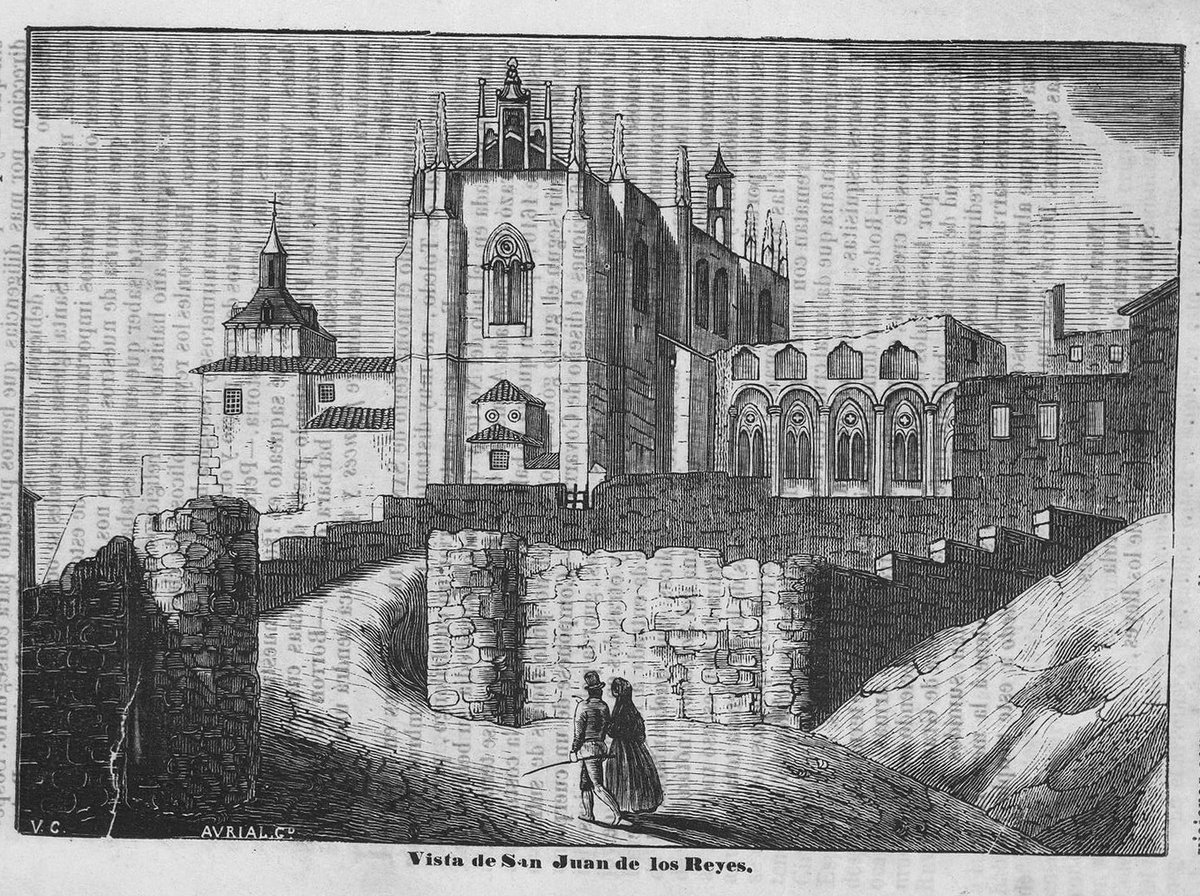
Isabella of Castile and Ferdinand of Aragon commissioned the Monastery of San Juan de los Reyes, designed by Juan Guas. Its elaborate Gothic forms turned royal ambition into stone, while chains displayed on the exterior recalled Christian prisoners said to have been freed from captivity.
The Catholic Monarchs ordered practicing Jews to leave Castile and Aragon unless they converted to Christianity. Toledo lost a long-established Jewish community, and homes, businesses, and religious spaces were left to new owners or new uses.
Toledo became a leading center of the Comunero revolt against Charles V’s rule, foreign advisers, and new taxes. After Juan de Padilla’s execution in 1521, his wife María Pacheco continued the city’s resistance until it was forced to submit in 1522.
Charles V began reshaping Toledo’s fortress into a Renaissance palace, with Alonso de Covarrubias among the architects responsible. The severe stone mass above the city acquired a more ordered façade, though the Alcázar never lost its military character.
Philip II moved the royal court to Madrid, and Toledo lost its place as the monarchy’s main political residence. The change slowed new courtly construction, leaving much of the older street plan and building fabric in place.
Doménikos Theotokópoulos, later known as El Greco, settled in Toledo and spent the rest of his life there. He painted works including The Disrobing of Christ for the cathedral and The Burial of the Count of Orgaz, where faces seem to catch light from another world.
During the War of the Spanish Succession, fire badly damaged the Alcázar as Portuguese and allied troops retreated. The fortress’s repeated destruction and rebuilding are written into its fabric; Toledo’s most imposing building has rarely had a quiet life.
Charles III established the Royal Arms Factory to organize production of Toledo’s celebrated blades. The factory later occupied a large complex beside the Tagus, shifting the city’s steelmaking tradition toward state-sponsored industry.
French troops occupied Toledo during the Peninsular War, and the Alcázar burned in 1810. The blaze left the fortress in ruins, one more costly break in a history already marked by fire and military use.
A railway connection linked Toledo with Madrid and Aranjuez, drawing the old city into a faster-moving national network. The train brought easier passage through the surrounding hills, even as its arrival changed how visitors and goods reached the city.
From July 21 to September 27, Nationalist defenders and civilians held out inside the Alcázar as Republican forces shelled the fortress. The siege ended when Franco’s troops reached Toledo; the fighting devastated the building and nearby streets, and the regime later turned the episode into a political myth.
Toledo became the seat of the new autonomous government and assembly of Castilla-La Mancha. After centuries of changing rulers and administrative roles, the city again housed regional political power.
UNESCO inscribed Toledo’s historic city as a World Heritage Site, recognizing the marks left by Roman, Visigothic, Islamic, Jewish, and Christian histories. The designation covers a dense historic core where reused stone and altered buildings often reveal more than a clean architectural style ever could.
A high-speed rail line connected Toledo with Madrid in about 30 minutes. That short trip brought new visitors and commuters, making the old city easier to reach while placing fresh pressure on its historic streets.
Spain’s National Army Museum opened in the restored Alcázar, giving the rebuilt fortress a new public role. Visitors now move through military collections inside a building whose own history includes palaces, fire, siege, and reconstruction.
Painter · 1541–1614
Lived and worked in Toledo from 1577 until his death
El Greco arrived in Toledo in 1577 and stayed for the rest of his life, making the city the setting for works such as The Burial of the Count of Orgaz. He might recognize the same sharp skyline today, though now visitors come looking for the charged figures he left behind.
Poet and soldier · c. 1501–1536
Born in Toledo
Born into a Toledan noble family, Garcilaso carried the city’s Tagus into some of Spain’s best-known Renaissance verse. The river still curls below the old quarter; his poems make it feel less like scenery than a companion.
King and patron of learning · 1221–1284
Born in Toledo
Alfonso X was born in Toledo and later backed the city’s work translating scientific and philosophical texts into Castilian. He might find today’s crowded lanes strange, but the city’s habit of holding several histories in one place would be familiar.
Military leader · 1490–1521
Born in Toledo and led the city’s Comunero movement
Juan de Padilla made Toledo a center of resistance during the Comunero Revolt against Charles V. His story gives the city’s royal façades a counterpoint: these streets have seen people challenge power, not simply serve it.
Carmelite reformer and writer · 1515–1582
Founded the convent of San José in Toledo in 1569
Teresa came to Toledo to establish the Discalced Carmelite convent of San José, working through the practical demands of a new foundation as well as its spiritual life. The quiet convent streets she knew now sit among busy visitor routes, though their enclosed courtyards still suggest a different pace.
Queen of Castile · 1479–1555
Born in Toledo
Juana was born in Toledo in 1479, into a royal family whose decisions would reshape the Spanish crowns. The city that gave her a beginning later became a place where visitors can read the grandeur of that court against the intimate scale of its lanes.
Where locals actually book dinner — not the tourist menus.
Small things that change how the city treats you.
The city, as it actually looks.


Yes, especially if you like historic streets, religious art and views over a river gorge. Roman, Islamic, Jewish and Christian histories meet within the old city, and El Greco’s works are part of the place rather than an afterthought.
One full day covers the main sights, but two days gives the old quarter room to breathe. Stay overnight if you want quieter lanes after day-trippers leave or time for the museums and the river path.
The Renfe Avant train takes about 33 minutes from Madrid’s Atocha station; the ALSA coach from Plaza Elíptica takes roughly 50–60 minutes. The coach is usually cheaper, while the train is faster, so check current fares and schedules before you go.
Walk through the historic center, but expect steep streets, steps and cobbles. Free Safont escalators lead from the lower town toward El Miradero, and city buses connect the stations with Plaza de Zocodover.
Toledo is generally a safe city for visitors. Keep an eye on your belongings in crowded spots such as Plaza de Zocodover and outside popular monuments, and take extra care on polished stones when they’re wet.
May and September are good bets for walking weather, with April, June and October also worth considering. July and August can bring temperatures above 35°C, so plan outdoor sightseeing for morning or evening.
A round-trip train ticket from Madrid is roughly €22–€28, while the coach is about €11–€14, based on the fares in the research notes. The €12 monument wristband covers seven sites, but Cathedral admission costs extra; check current prices before booking.
69 places to discover










Showing 1–48 of 69 places
Saved and recently read places — kept on this device only.
Photos may have been resized or cropped.