
Origins and Foundation of Santa Catalina de Sena
Santa Catalina de Sena’s roots trace back to the early 17th century, when the Dominican Order established a convent in Palma dedicated to Saint Catherine of Siena, a revered Italian mystic and Dominican tertiary known for her profound influence on the Catholic Church. Dominican friars promoted her veneration through religious theater, art, and literature, and the convent was officially founded in 1660. Its foundation was marked by local patronage—especially from Joan Despuig, whose remains were interred in the church—and quickly became a center of spiritual life in Palma (Diario de Mallorca).
Architectural Features and Artistic Heritage
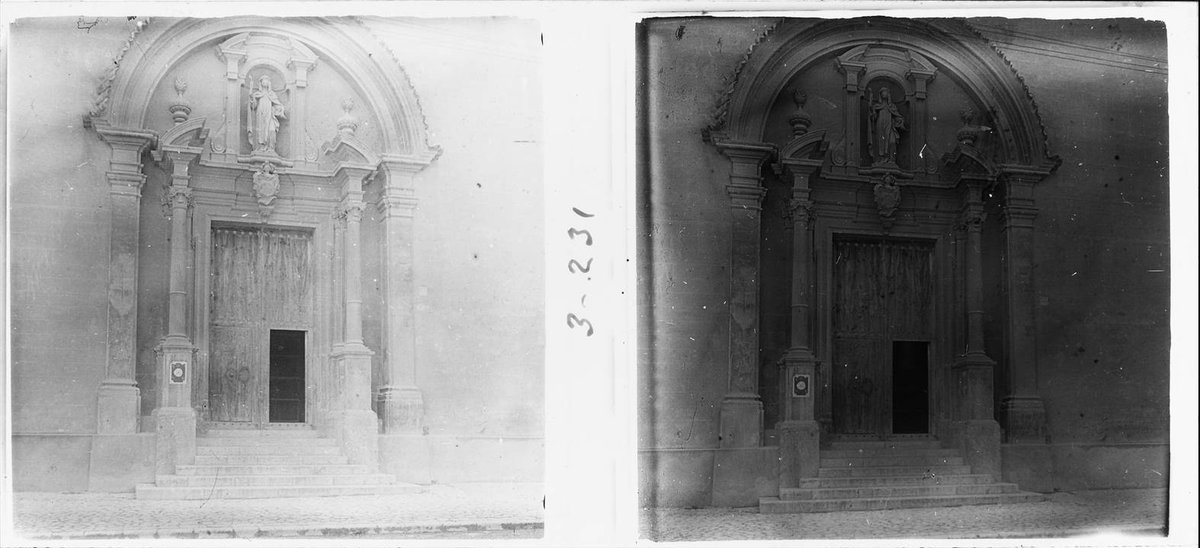
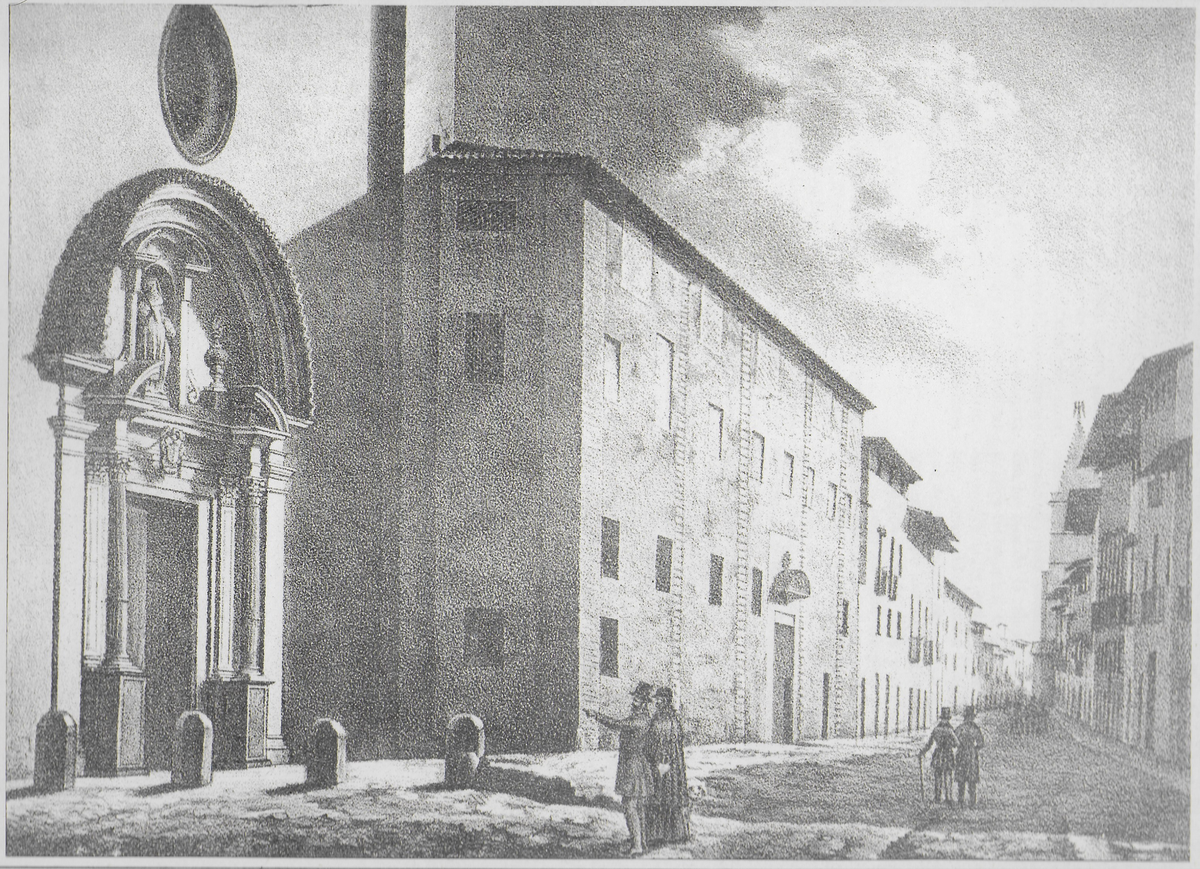
The church of Santa Catalina de Sena is the last surviving element of the original convent complex. Built in the 17th century, it features a Latin cross floor plan and a central dome—characteristics reminiscent of other significant Mallorcan churches. Notable interior elements include the sepulcher of Joan Despuig, an early 18th-century work with Italianate influences, and a once-prominent retablo crafted by Camillo Silvestro Parrino, which underscored Palma’s artistic connections with Italy (Diario de Mallorca).
The convent fostered a tradition of intellectual and spiritual life, producing works such as Sor Aina Maria del Santíssim Sagrament’s exposition on Ramon Llull’s love songs, cementing its place as a center for learning and devotion.
Social and Religious Significance
Santa Catalina de Sena played a vital role in the development of Palma’s religious identity, particularly for the Dominican Third Order. Its community included both women and men dedicated to spiritual service, religious education, and charitable works. Over centuries, the church became a focal point for local devotion, especially on the feast day of Saint Catherine of Siena, and contributed to the city’s broader cultural fabric (Diario de Mallorca).
Transformation and Modern Era
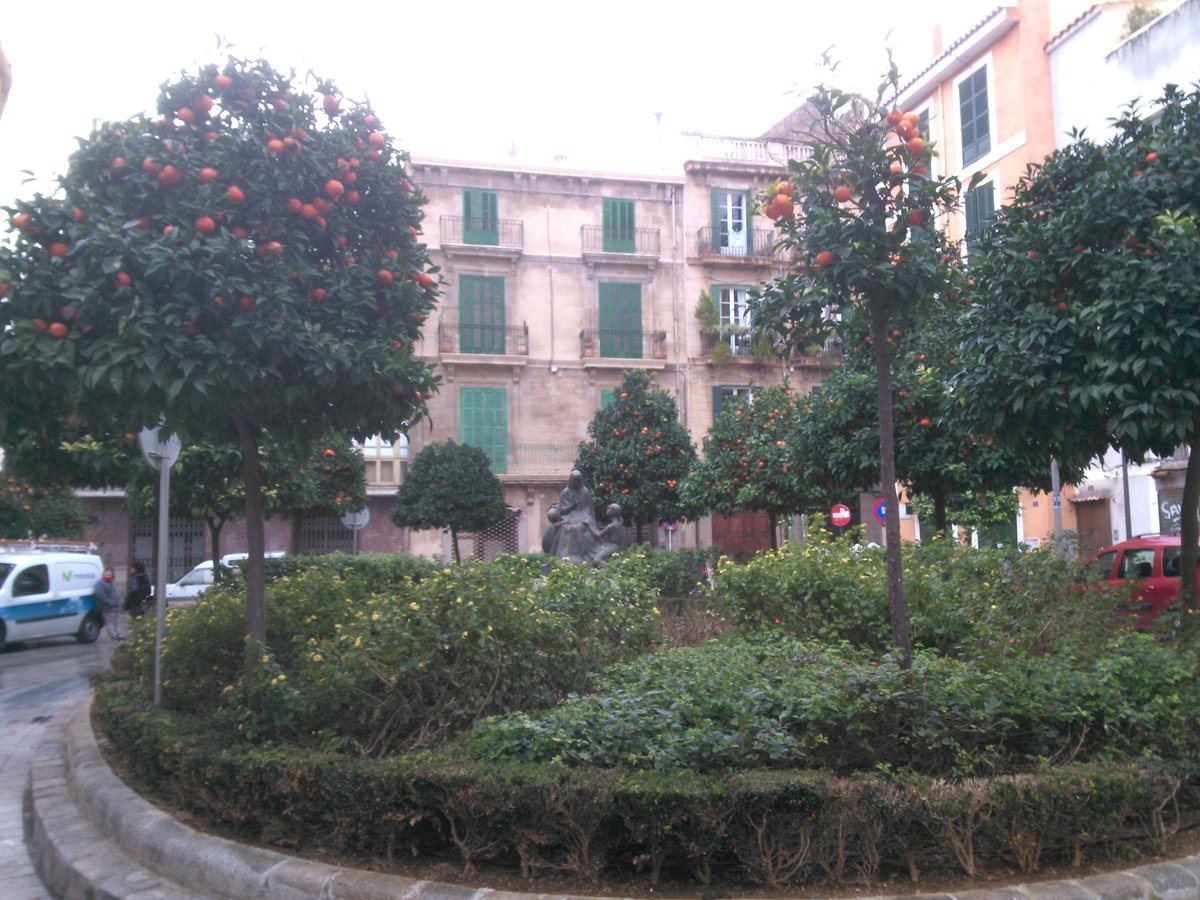
Remarkably, Santa Catalina de Sena survived the 19th-century Desamortización reforms, remaining intact and functional into the 20th century. However, urban development in the 1940s and 1960s, particularly the construction of the Olivar Market and the Los Geranios complex, led to the demolition of most of the convent, leaving only the church. Elements such as the cloister were relocated to the University of the Balearic Islands, but the church itself has been preserved as a historic landmark (Diario de Mallorca).
Today, Santa Catalina de Sena serves Palma’s Orthodox Christian community and remains open for religious services and visitors.
Visiting Santa Catalina de Sena: Practical Information
Visiting Hours
- Tuesday to Saturday 10:00 AM – 6:00 PM
- Sunday 10:00 AM – 2:00 PM
- Closed Mondays and public holidays
Hours may vary during festivals or special religious observances—check local listings or the church notice board for updates.
Tickets and Guided Tours
- Entry Free (donations appreciated for site preservation)
- Guided Tours Available by arrangement through local tourist offices; tours focus on the church’s history, art, and architecture.
Accessibility and Location
- Accessibility Wheelchair access is available via the main entrance.
- Location Calle Sant Miquel, Santa Catalina district, Palma.
Exploring the Santa Catalina Neighborhood
Santa Catalina is one of Palma’s most dynamic and historic neighborhoods. Originating as a working-class district for fishermen and dockworkers, the area has evolved into a cosmopolitan enclave renowned for its bohemian atmosphere, creative community, and lively marketplace (Affordable Mallorca). Its narrow streets, terraced houses, and vibrant public spaces offer visitors an authentic taste of Palma’s urban life.
Santa Catalina Market (Mercat de Santa Catalina)
- Opening Hours Monday to Saturday, 7:00 AM – 2:00 PM
- Entry Free
The market is a hub of daily activity, featuring fresh produce, seafood, tapas bars, and specialty food vendors (The Broke Backpacker).
Es Jonquet Windmills
Adjacent to Santa Catalina, Es Jonquet’s historic windmills provide panoramic views over Palma’s harbor and old town. The area’s quaint streets and scenic vistas are ideal for photography and leisurely walks.
Dining, Nightlife, and Shopping
Santa Catalina is famous for its diverse culinary scene, from traditional Mallorcan eateries to international restaurants and lively cocktail bars (Travels with Missy). Independent boutiques, artisan shops, and galleries line the main avenues and side streets, offering unique shopping opportunities (Travellers Insight).
Parks and Outdoor Spaces
Plaça Sa Faixina, just outside Santa Catalina, is a popular urban park with grassy lawns, playgrounds, and a café—perfect for families and relaxation.
Key Attractions and Experiences
- Santa Catalina Market Sample local delicacies and soak up the lively atmosphere.
- Church of Santa Catalina de Sena Explore the church’s architecture and spiritual significance.
- Es Jonquet Windmills Capture panoramic city and harbor views.
- Dining and Nightlife Enjoy tapas, global cuisine, and vibrant bars.
- Boutique Shopping Discover artisan crafts and local fashion.
Frequently Asked Questions (FAQ)
Q: Is there an admission fee to visit Santa Catalina de Sena church?
A: No, entry is free. Donations are welcome.
Q: What are the best times to visit to avoid crowds?
A: Weekday mornings are usually quieter.
Q: Are guided tours available?
A: Yes, arrange through local tourist offices or check the church notice board.
Q: Is the church accessible for visitors with mobility challenges?
A: Yes, there is step-free access at the main entrance.
Q: Can visitors attend religious services?
A: The church currently serves the Orthodox Christian community. Check schedules for service times.
Q: What are the market hours?
A: Mercat de Santa Catalina is open Monday–Saturday, 7:00 AM–2:00 PM.
Q: Is Santa Catalina suitable for families?
A: Yes, the area is family-friendly, with parks, markets, and accessible amenities.