
Can Caulelles in Marratxí: Origins and Archaeological Heritage
Historical Background
Situated in the Pòrtol area of Marratxí, Can Caulelles (Son Caulelles) traces its origins to the early 18th century as part of the lands belonging to the convent of Sant Domingo in the “el Vinyet” region (El Terme de Palma). The estate, named after the influential Caulelles family, was surrounded by other rural properties, reflecting a landscape dominated by agricultural holdings that shaped Mallorca’s rural economy and social fabric.
Archaeological and Cultural Features
The estate’s highlight is the Sa Cova de Son Caulelles, an archaeological cave indicating prehistoric human habitation (ArchDaily). The site also features traditional dry-stone walls (marges) and marés sandstone construction, exemplifying Mallorcan craftsmanship. Conservation efforts led by local architects have sensitively integrated these features into a public green space, blending heritage preservation with community use (Metalocus).
Can Caulelles in Palma Old Town: Noble Mansion and Architectural Significance
Historical Evolution
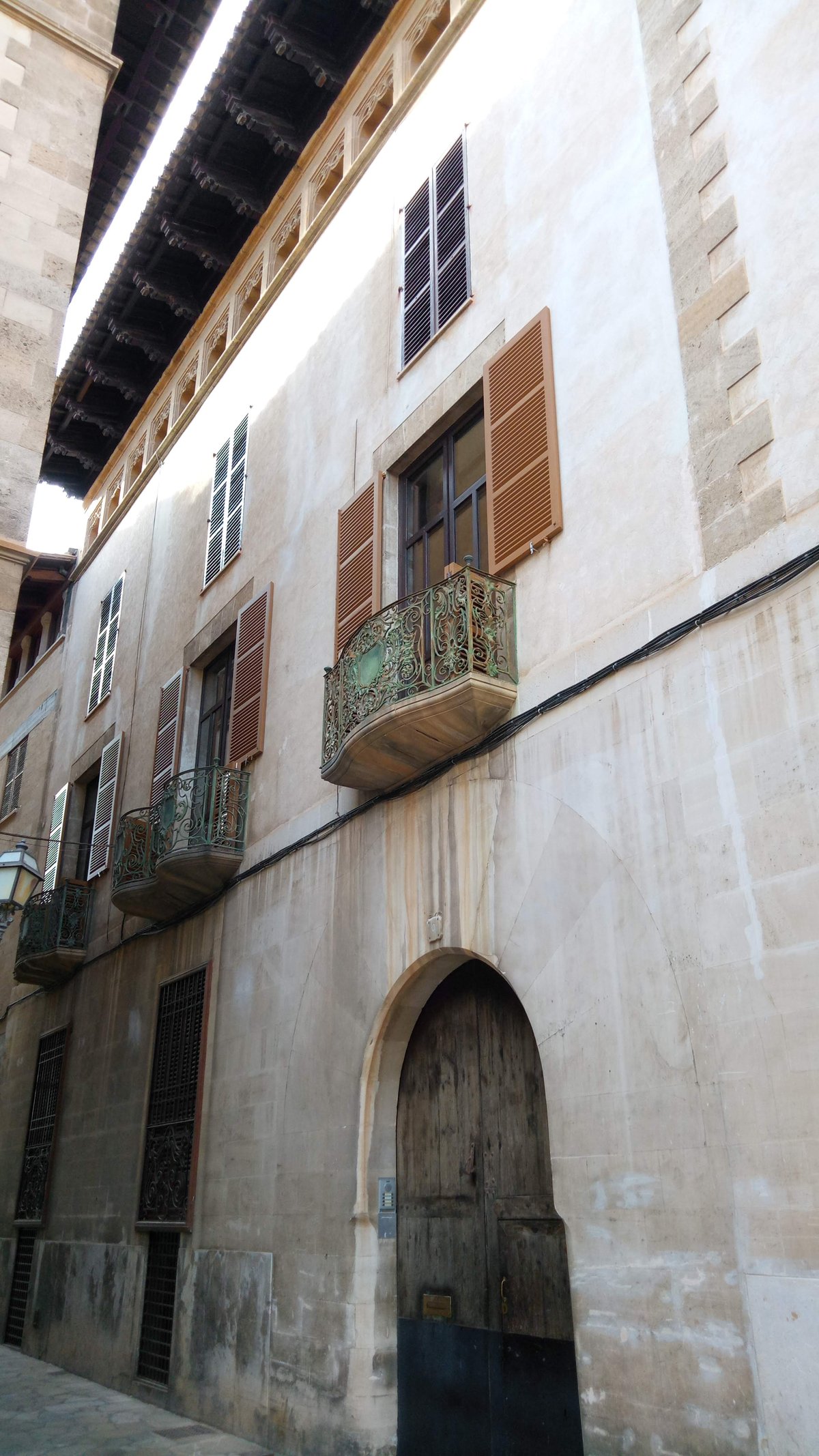
In Palma’s Old Town, Can Caulelles stands as a noble townhouse (casa señorial), built in the 16th century by Joanot de Caulelles, a member of local nobility (Palma Virtual). Over the centuries, the mansion changed hands among prestigious families, including the Pueyo and Vicens lineages, whose heraldic emblems still adorn the property. In the 20th century, architect Josep Ferragut Pou led a major restoration, preserving its historical integrity.
Architectural Highlights
- Façade and Courtyard The mansion’s stone façade is marked by noble heraldry and imposing wooden doors. Its central courtyard features columns, arches, and a grand staircase typical of Palma’s elite residences (Patis de Palma).
- Interior Details High ceilings, exposed beams, period furnishings, and decorative tilework create an authentic atmosphere, while restoration efforts have maintained the mansion’s historical character.
- Integration with Civic Life Located near the historic University of Palma, Can Caulelles exemplifies how noble houses were intertwined with the city’s institutional and social development.
Visiting Can Caulelles: Hours, Tickets & Accessibility
Marratxí (Archaeological Estate)
- Opening Hours Open daily from 9:00 AM to 6:00 PM. Seasonal variations may occur; consult the Marratxí tourism office for updates.
- Tickets Free entry to the site and archaeological cave. Guided tours may be arranged during special events; advance booking is recommended.
- Accessibility Wheelchair-accessible pathways and rest areas are provided; the site is designed to accommodate all visitors.
Palma Old Town (Noble Mansion)
- Address Carrer del Socors 22, 07002 Palma, Spain (Palma Virtual).
- Visiting Hours As a private residence, Can Caulelles is not regularly open to the public. Guided visits are occasionally available during cultural events or by special arrangement.
- Tickets No standard ticketing; access is typically part of guided tours or special programs.
- Accessibility Due to historic architecture, some areas may have limited accessibility.
How to Get There
- To Marratxí/Son Caulelles Reachable by car (parking available) or public transport (bus to Marratxí or Pòrtol, then a short walk).
- To Palma Old Town Easily accessible by foot or public transport from anywhere in Palma. The Old Town is best explored on foot due to limited parking (The Other Mallorca).
Guided Tours, Workshops & Events
Both sites offer enriching experiences:
- Marratxí Guided archaeological tours, cultural workshops, and seasonal festivals. Check the Marratxí municipality calendar for details.
- Palma Old Town Noble mansion tours are available during festivals focusing on Palma’s historic patios. Guided walks often include Can Caulelles as part of a broader exploration of Palma’s architectural heritage (Visit Palma).
Booking in advance is advised, especially for groups or during busy periods.
Nearby Attractions and Complementary Experiences
Enhance your visit by exploring other major Palma historical sites:
- La Seu Cathedral Gothic architectural marvel with Gaudí’s interventions (View Mallorca).
- Almudaina Palace Blending Islamic and Gothic styles, adjacent to the cathedral.
- Banys Arabs Remnants of Palma’s Moorish past.
- Museu de Mallorca and Es Baluard Museum Showcasing Mallorcan art and history.
- Plaça Major and Plaça Cort Vibrant public squares for dining and shopping.
Marratxí also offers community gardens, sports facilities, and tranquil green spaces around Son Caulelles.
Visitor Tips and Practical Information
- Best Time to Visit Spring and autumn offer mild weather and fewer crowds. Summer is peak season—advance booking is recommended (sunshineseeker.com).
- What to Bring Comfortable footwear, sun protection, and water. Light jackets are advised for cooler months.
- Amenities Restrooms, parking, and café facilities are available in Marratxí. In Palma Old Town, cafés and shops are plentiful nearby.
- Safety Exercise standard precautions in urban areas (voyagetips.com).
- Sustainability Both sites encourage responsible tourism—respect the heritage, support local artisans, and follow site guidelines (visitpalma.com).
Frequently Asked Questions
Q: What are the Can Caulelles visiting hours?
A: Marratxí estate is open daily from 9:00 AM to 6:00 PM; Palma mansion is accessible during special tours or events only.
Q: How do I buy Can Caulelles tickets?
A: Marratxí site is free; booking may be required for guided tours. Palma mansion visits are arranged through local cultural programs.
Q: Is Can Caulelles accessible for people with mobility challenges?
A: Marratxí site is accessible; Palma Old Town mansion has limited accessibility due to its historic nature.
Q: Are guided tours available in English?
A: Yes, guided tours are offered in Spanish, Catalan, and English, especially for group or school visits (turispanish.com).
Q: Is photography allowed?
A: Photography is generally permitted outdoors and in courtyards; always respect signage and privacy during tours.