Soviet-Era Origins and Architectural Vision
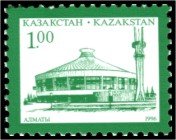
Constructed in 1983, the Palace of Schoolchildren was originally envisioned as a flagship institution for youth education and civic engagement during Kazakhstan’s Soviet period. Its groundbreaking spiral layout, 12 interconnected pavilions, and central Celebration Hall under a golden dome were designed to foster unity, creativity, and progress—core Soviet ideals. The building’s use of local granite and shell rock reflects a deep connection to Kazakhstan’s material heritage (welcome.kz).
The Role of Pioneer Palaces in Soviet Society
Pioneer Palaces, inspired by Moscow’s emblematic model, were established throughout the USSR as centers for ideological, creative, and physical development outside formal schooling. Almaty’s Palace became a leading example in the Kazakh SSR, offering clubs, competitions, and cultural events that blended Soviet values with Kazakh traditions (astanatimes.com).
Heritage Status and Preservation
Recognized as a significant monument of Soviet modernism, the Palace is featured in architectural studies and is valued for maintaining its original integrity despite renovations and a post-independence renaming in 2009. While not a UNESCO World Heritage Site, it stands as a vital example of Kazakhstan’s commitment to preserving architectural and cultural heritage (welcome.kz).
Cultural and Social Significance Today
The Palace of Schoolchildren remains a dynamic center for youth development, offering a range of facilities including a concert hall, swimming pool, sports and dance halls, and various studios. Programming spans mathematics, biology, arts, music (including traditional instruments like the dombra and kobyz), and environmental clubs, nurturing the next generation of Almaty’s creative and scientific minds (welcome.kz).
Integration with Almaty’s Urban Heritage
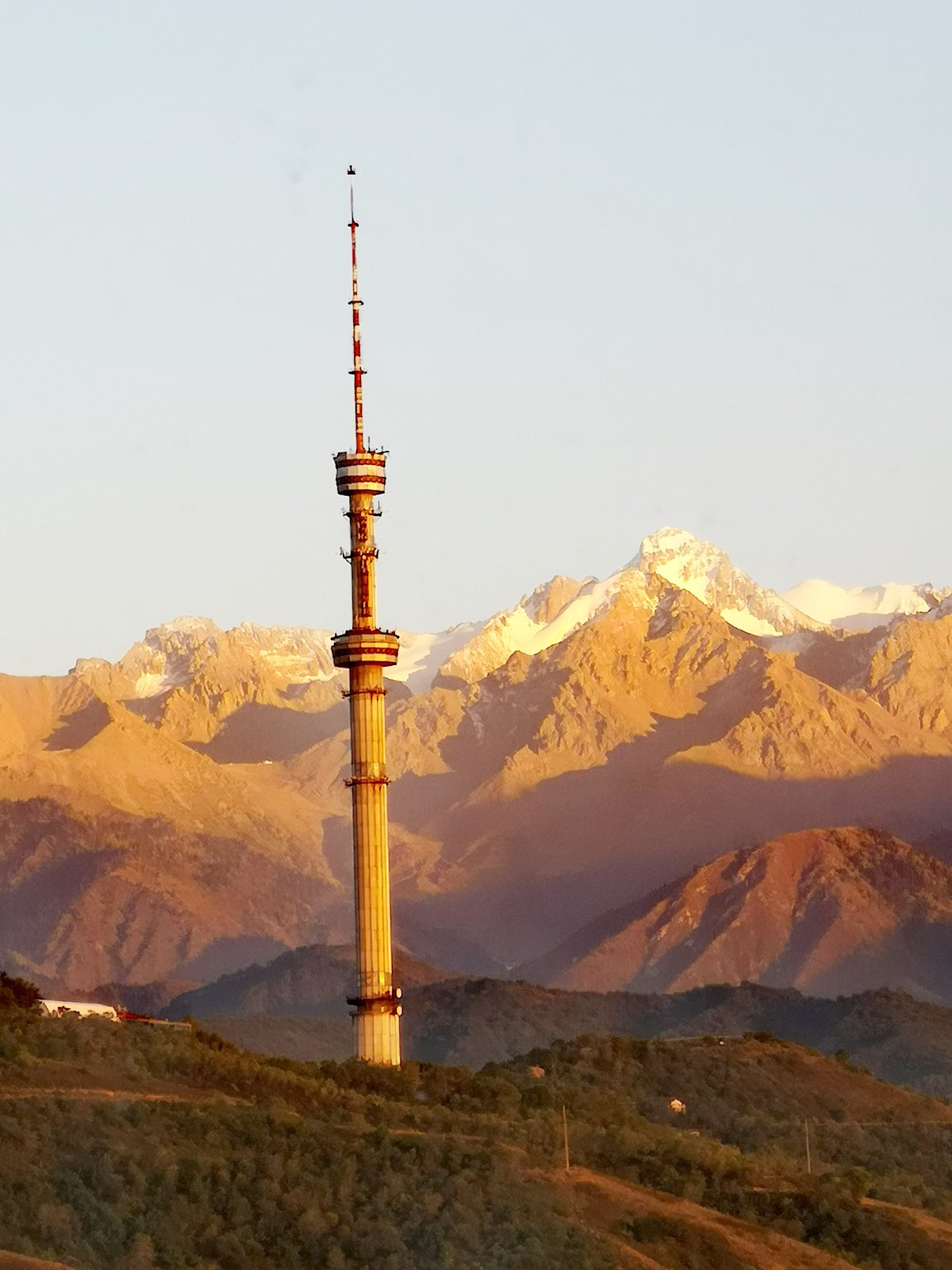
Situated at 124 Dostyk Avenue, the Palace is surrounded by key cultural sites such as the Museum of Almaty, Ascension Cathedral, and the Green Bazaar. Its design complements Almaty’s green urban planning and offers visitors breathtaking views of the Ile-Alatau Mountains, blending urban exploration with natural beauty (astanatimes.com).
Visitor Information
Visiting Hours
- Monday to Saturday 9:00 AM – 6:00 PM
- Closed Sundays and national holidays
- Hours may vary during special events or school functions.
Tickets and Admission
- General admission Free for public exhibitions and most spaces
- Special events/guided tours May require advance booking and a small fee (typically 500–2,000 KZT)
Guided Tours
- Available in Kazakh, Russian, and English by reservation
- Offer insights into architecture, history, and cultural programs
Accessibility
- Ramps and elevators throughout
- Restrooms and baby-changing facilities
- Assistance available upon request
Getting There
- Address 124 Dostyk Avenue, Almaty
- Public transport Multiple bus routes (#5, 5a, 5B, 12, 29, 29R, 45, 48, 95, 99, 128, 141)
- Metro 10–15 minute walk from nearest station
- Taxi/ride-sharing Yandex Go and others offer affordable rides (welcome.kz)
Nearby Attractions
- Panfilov Park Historic green space with the iconic Zenkov Cathedral
- Museum of Almaty Local history and culture
- Green Bazaar Bustling city market
- Central State Museum Kazakhstan’s national history
- Ile-Alatau Mountains Scenic backdrop and recreational area
Architectural Highlights & Design Features
- Spiral Pavilion Layout 12 interconnected pavilions leading to a central Celebration Hall
- Golden Dome Symbolic and visually striking, crowns the central hall
- Modernist Elements Bold geometric forms, expansive glass, and local materials
- Public Art Decorative reliefs, mosaics, and a monumental ‘October’ relief on the west façade
Visitor Experience: What to See and Do
- Admire the Exterior The unique spiral form and golden dome
- Explore the Atrium If accessible, the Celebration Hall is a highlight
- Attend Events Concerts, exhibitions, and youth performances
- Join Workshops Arts, music, robotics, and environmental programs (see schedule for public sessions)
- Photography Capture architectural details and outdoor spaces (check restrictions for events)
Cultural Etiquette and Local Customs
- Dress modestly, especially during performances or children’s activities
- Photography of children requires permission
- Remove hats indoors and keep shoes clean
- Maintain quiet in study and rehearsal areas
- Smoking is not allowed indoors
Language and Communication
- Signage in Kazakh and Russian; limited English
- Some staff speak basic English—translation apps can be useful
- English guides may be available during major events
Safety and Security
- On-site security and CCTV
- Marked emergency exits and first aid
- Supervise children during busy events
Practical Travel Tips
- Check hours and events before visiting
- Bring cash for snacks, souvenirs, or event tickets
- Dress comfortably for walking and variable weather
- Combine your visit with nearby parks and museums
- Use free Wi-Fi for translation or sharing your experience
Accessibility for Families and Groups
- Family-friendly facilities, interactive exhibits, and group tours available
- Advance arrangements recommended for school or large group visits
Sustainability and Community Engagement
- Recycling bins and eco-focused workshops
- Opportunities to join community events and volunteer activities
Frequently Asked Questions (FAQ)
Q: What are the Pioneer Palace visiting hours?
A: Monday to Saturday, 9:00 AM to 6:00 PM; closed on Sundays and public holidays.
Q: Is admission free?
A: General admission is free; some events or tours may require tickets.
Q: How do I get there?
A: By bus, metro (10–15 minute walk), taxi, or ride-hailing services.
Q: Is the Palace accessible for people with disabilities?
A: Yes—ramps, elevators, and accessible restrooms are available.
Q: When is the best time to visit?
A: Mornings or school holidays for a quieter visit; special events offer a lively atmosphere.