
University Highlights and Visitor Experience
History and Legacy
Founded in 1928, Kazakh National Pedagogical University was instrumental in modernizing education and training the first generations of teachers for the Kazakh Soviet Socialist Republic (GTG-4-2024). During the Soviet era, it balanced the promotion of Russian language and culture with the preservation of Kazakh traditions. After Kazakhstan’s independence in 1991, the university took on a renewed mission to revive and promote national identity, updating its curriculum to include Kazakh history, language, and cultural studies (GTG-2-2025).
Architectural and Cultural Heritage
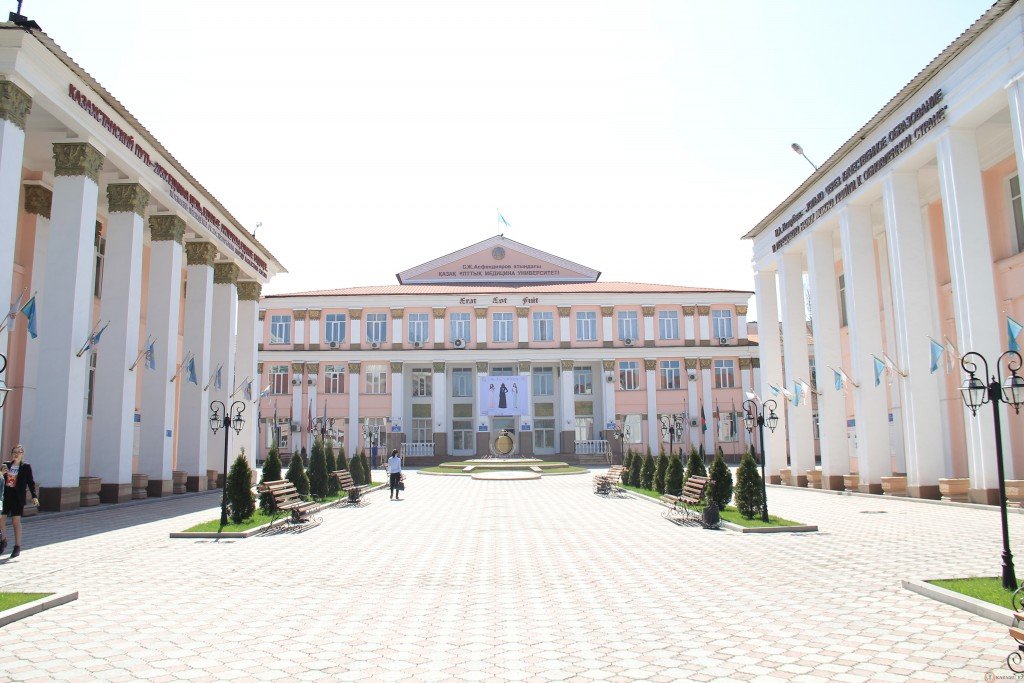
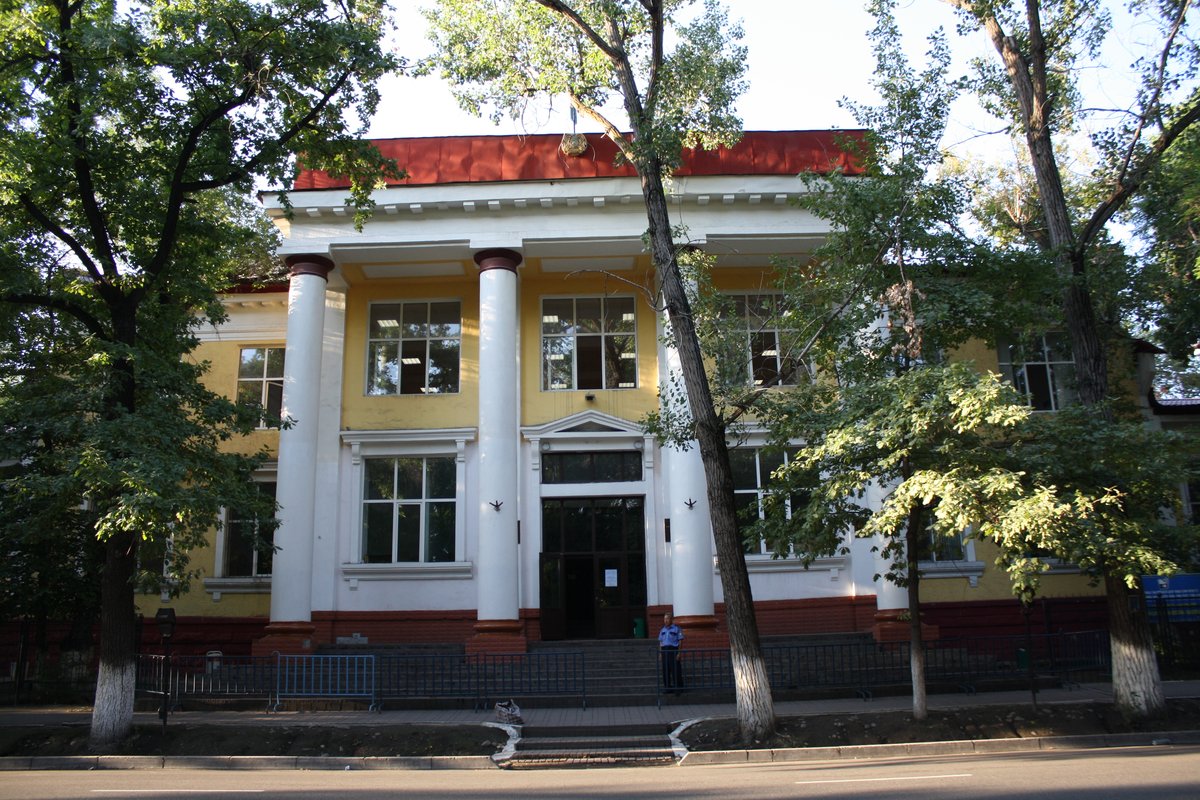
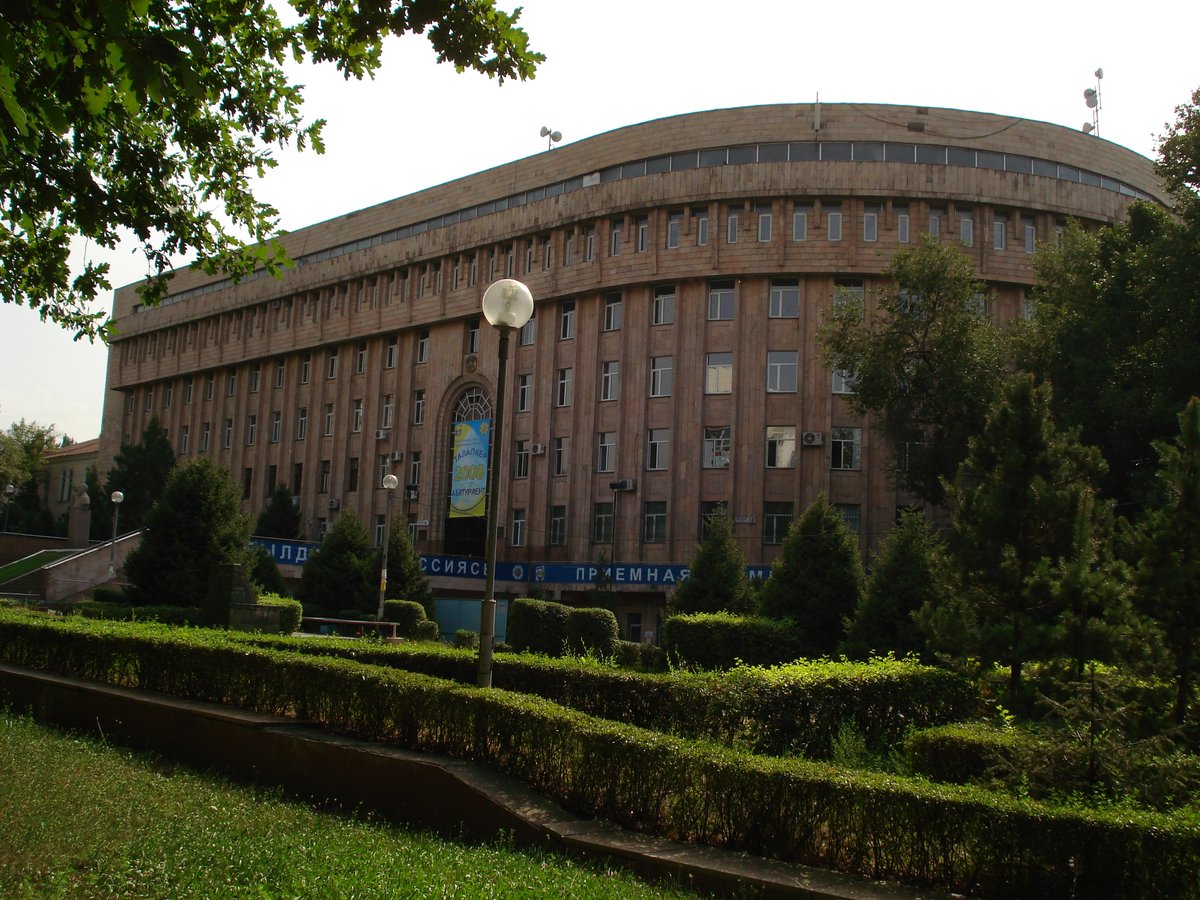
The campus showcases a blend of neoclassical Soviet architecture and contemporary educational buildings. The original structures, built in the 1930s and 1940s, are characterized by grand columns, ornate facades, and spacious courtyards. Recent expansions feature state-of-the-art classrooms, research centers, and student facilities, reflecting the institution’s ongoing commitment to innovation (GTG-4-2024).
Academic Contributions and Notable Alumni
Abai University has produced generations of influential educators, scholars, and public figures. Notable alumni include Vyacheslav Kim (co-founder of Kaspi.kz), Aida Balaeva (Minister of Culture and Information), and Kanysh Satpayev (renowned geologist) (EduRank). The university’s impact is felt across Kazakhstan’s academic, political, and cultural spheres.
Integration with Almaty’s Urban Life
Located centrally, the university is a cornerstone of Almaty’s educational and cultural district. Its proximity to major city attractions such as Panfilov Park, Zenkov Cathedral, and Arbat Street makes it an ideal stop for visitors keen to explore both academic heritage and urban culture (Divergent Travelers).
Visitor Information: Hours, Tickets, and Tours
- Visiting Hours
Main campus areas are open Monday to Friday, 9:00 AM to 6:00 PM. Saturday hours are 10:00 AM to 4:00 PM. The campus is closed on Sundays and national holidays. Some special events and exhibits may have extended or weekend hours (Abai University official). - Tickets and Admission
Entry to the campus grounds is free. Some museums, galleries, or special exhibitions may charge a nominal fee. Guided tours typically include access to these venues. - Guided Tours
Group and individual tours are available by prior arrangement, providing insights into the university’s history, architecture, and cultural significance. Advance booking is recommended, especially during peak tourist seasons. - Accessibility
The campus offers partial accessibility, with ramps and elevators in newer buildings. Visitors with mobility needs should contact the university in advance to arrange accommodations.
Campus Architecture and Facilities
Notable Features
- Central Courtyard Landscaped green spaces and quiet gathering areas.
- Monuments and Memorials Statues of Abai Qunanbayuli and commemorative plaques (AllUniversity.info).
- Historic Lecture Halls Preserved interiors with ornate woodwork and ceilings.
Academic Infrastructure
- Seven major institutes, including partnerships with Paris-Sorbonne, state-of-the-art labs, and specialized research centers (Times Higher Education).
- Comprehensive library collections, digital resources, and multimedia language labs (Wikipedia).
- Modern dormitories, health and counseling services, and dining facilities (Educations.com; GoToUniversity).
Nearby Attractions in Almaty
A visit to Abai University can be combined with exploration of several nearby landmarks:
- Panfilov Park and Zenkov Cathedral Beautiful urban park and a wooden Orthodox cathedral built without nails.
- Green Bazaar A bustling market for traditional Kazakh foods and crafts.
- Central State Museum of Kazakhstan Rich ethnographic and historical exhibits.
- Arbat (Zhibek Zholy Street) Lively pedestrian thoroughfare with shops, cafes, and street art.
- Kok Tobe Hill Cable car access to panoramic city views.
- Medeu and Shymbulak Outdoor sports destinations for ice skating and skiing.
Practical Visitor Tips
- Language Kazakh and Russian are most common, but English is widely spoken in international programs; English-speaking guides are available.
- Transport The university is easily accessible via metro (Abai Station), buses, and taxis.
- Safety Almaty is generally safe; remain attentive in crowded areas.
- Etiquette Dress modestly, respect academic spaces, and seek permission before photographing people or interiors.
- Weather June is comfortable but bring layers for cooler evenings.
Events and Cultural Activities
The academic year runs from September to June, with special events such as University Day (September 1), international conferences, and cultural festivals. For event schedules and updates, consult the official university website or contact the international office.
Frequently Asked Questions (FAQ)
Q: What are the university’s visiting hours?
A: Monday–Friday, 9:00 AM–6:00 PM; Saturday, 10:00 AM–4:00 PM; closed Sundays and national holidays.
Q: Is there an entry fee?
A: General campus access is free. Some exhibitions or guided tours may require a nominal fee.
Q: How can I book a guided tour?
A: Contact the international office or visitor center in advance, or check the university’s website for details.
Q: Is the campus accessible for visitors with disabilities?
A: Yes, many buildings have ramps and elevators. Contact the university to arrange further assistance.
Q: Are there accommodations nearby?
A: Almaty offers numerous hotels and rental options within walking or short taxi distance from the campus.
Summary and Visitor Tips
Kazakh National Pedagogical University stands as a living testament to Kazakhstan’s educational progress and cultural renaissance. Its blend of Soviet-era and modern architecture, prominent alumni, and central location make it a must-visit for anyone interested in Kazakh history and contemporary life (GTG-4-2024; Abai University official). To maximize your visit:
- Arrange guided tours in advance.
- Explore nearby cultural and historical landmarks.
- Download the Audiala app for interactive guides and up-to-date event information.
- Respect university etiquette and local customs.
- Stay informed by following the university’s social media and checking the official website for news and updates.