Introduction
The air in Almaty smells of apples and diesel, a combination that makes perfect sense once you learn the city's name translates to 'Father of Apples' in Kazakh. Kazakhstan's former capital isn't trying to impress you — it just happens to house the world's oldest apple forests while serving cocktails mixed by robots in basement bars. The Tian Shan mountains hover so close that locals use them as a weather app: if you can see the peaks, it's going to rain; if you can't, it's already raining.
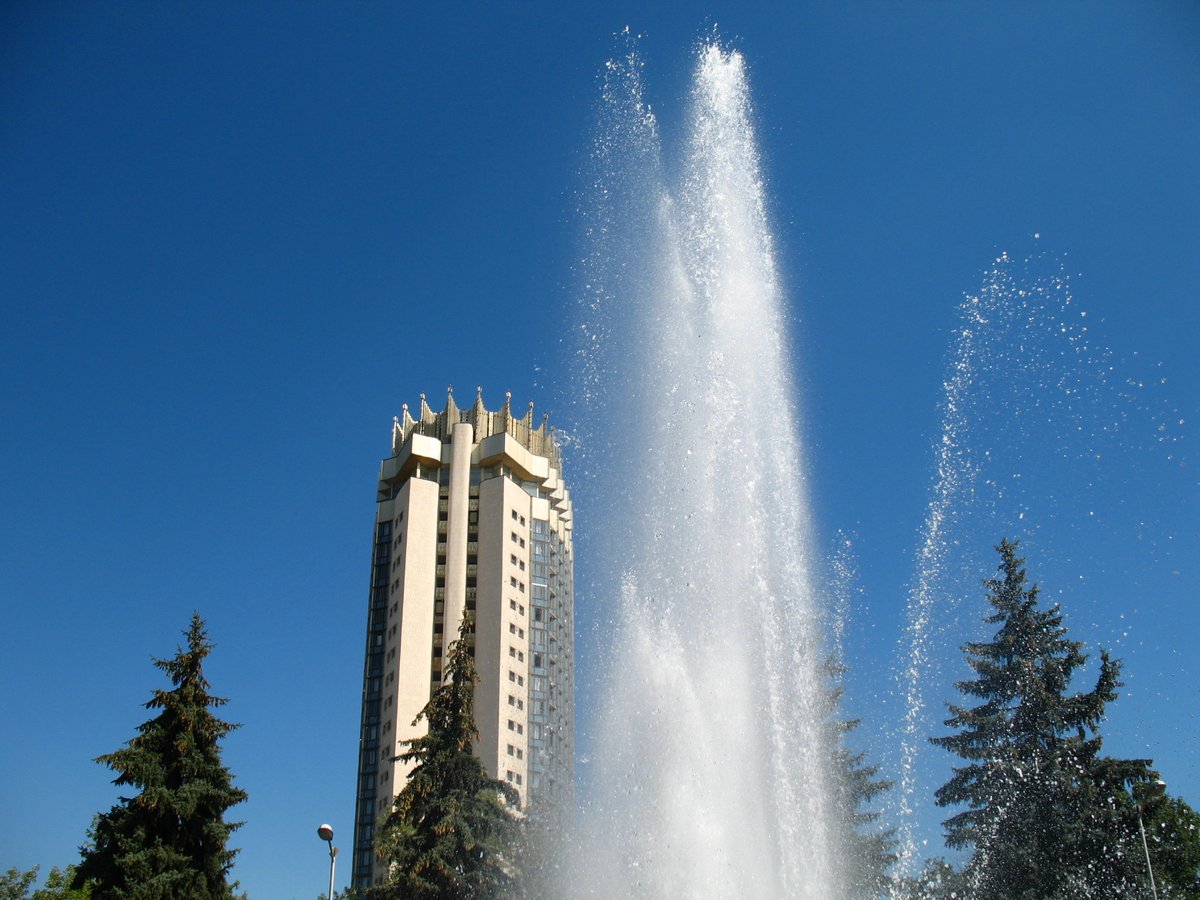
Soviet-era buildings here weren't just designed — they were engineered to survive. The 1911 earthquake that leveled most structures left Zenkov Cathedral standing tall, its 56-meter wooden frame built without a single nail. Walk five blocks south and you'll find Hotel Kazakhstan, a 102-meter concrete tower specifically calculated to sway rather than crack during a 9-point quake. The city wears its seismic paranoia like a badge of honor.
Between the earthquake-proof monuments, Almaty hides its real treasures: babushkas selling fermented mare's milk at the Green Bazaar, contemporary art galleries in converted bread factories, and coffee shops where baristas can explain the difference between Kazakh and Kyrgyz felt patterns. The mountains aren't just scenery — they're infrastructure. In winter, the cable car to Shymbulak operates at full capacity; in summer, the same route drops hikers at trailheads where wild cannabis grows waist-high along the paths.
This is a city that never quite decided what it wanted to be when it grew up. Soviet planned city? Check. Silk Road trading post? Still happening — just substitute Chinese electronics for ancient spices. Modern Central Asian cultural capital? The opera house sells out, but you'll sit next to someone in traditional felt boots eating sunflower seeds. Almaty keeps all its identities in rotation, like a dealer shuffling cards you didn't know were in the deck.
Places to Visit
The Most Interesting Places in Almaty
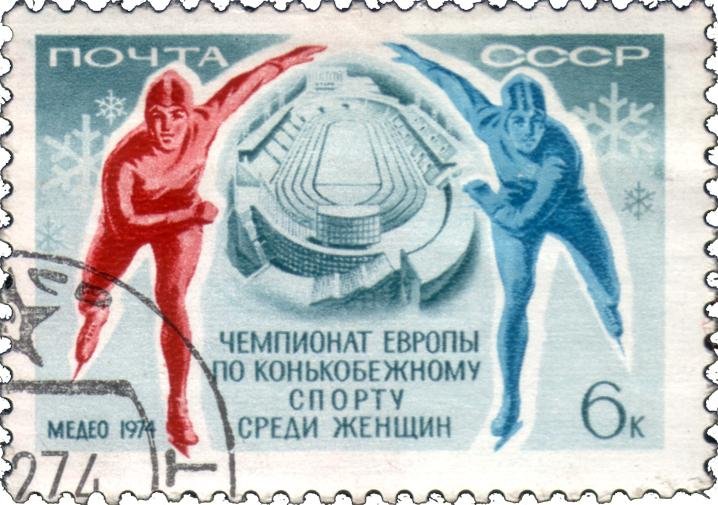
Medeu
Welcome to Medeu, a breathtaking high-altitude ice rink located in the scenic Medeu Valley near Almaty, Kazakhstan.
Ile-Alatau National Park
Ile-Alatau National Park, nestled in the Almaty region of Kazakhstan, is a haven for nature enthusiasts and history buffs alike.
Park of 28 Panfilov Guardsmen, Almaty
The Ascension Cathedral, also known as Вознесенский Кафедральный Собор, stands as a monumental testament to the rich cultural and religious tapestry of…
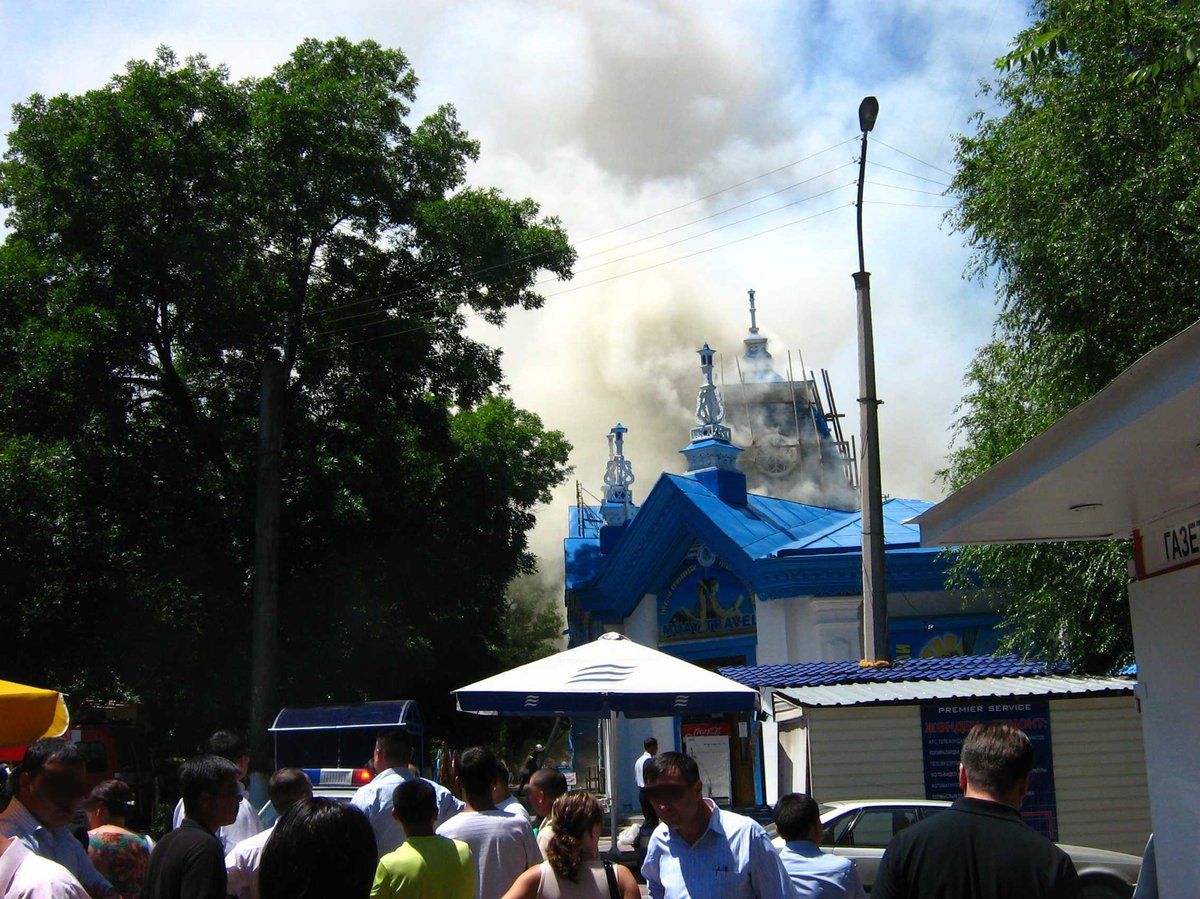
State Puppet Theatre
## Introduction Көк базар, widely known as the Green Bazaar, stands as a historic and cultural cornerstone in Almaty, Kazakhstan.
Kok Tobe
Kok Tobe, meaning "Blue Hill" in Kazakh, stands as one of Almaty's most cherished landmarks.
Abay Opera House
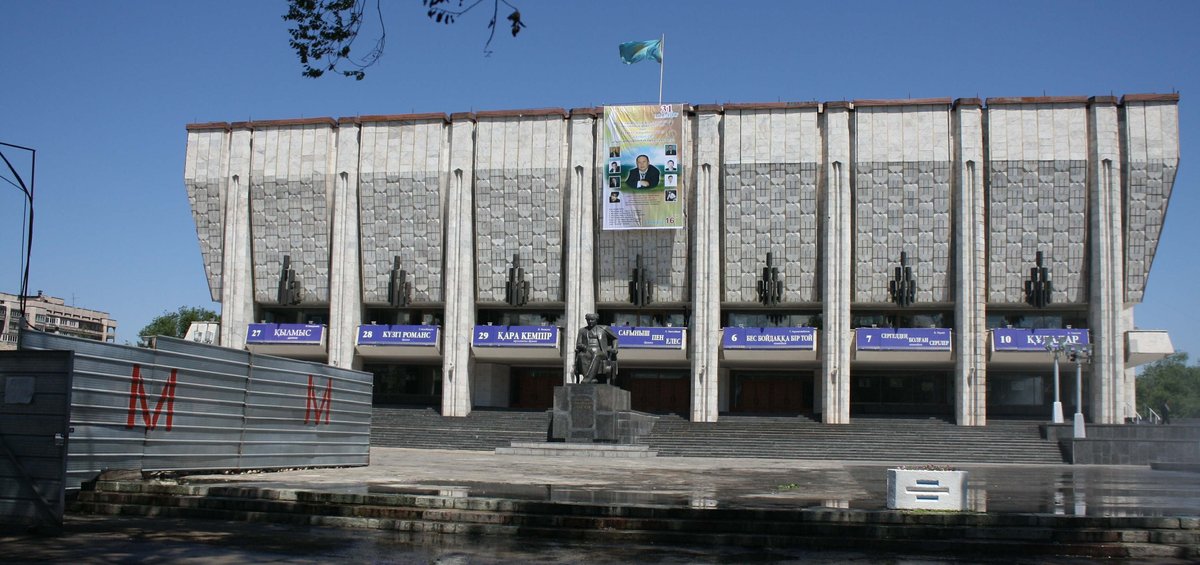
The Abay Opera House, officially the Abay Kazakh State Academic Opera and Ballet Theatre, stands as a monumental symbol of Kazakhstan’s rich cultural heritage…
Auezov Theatre
Nestled in the cultural heart of Almaty, Kazakhstan, the Mukhtar Auezov Kazakh State Academic Drama Theatre stands as a monumental testament to the nation’s…
A. Kasteyev State Museum of Arts
Situated in the vibrant heart of Almaty, Kazakhstan, the A.
Ascension Cathedral
Nestled in the verdant heart of Panfilov Park in Almaty, Kazakhstan, the Ascension Cathedral—also known as Zenkov Cathedral—stands as an extraordinary emblem…
National Library of Kazakhstan
Nestled in the heart of Almaty, the National Library of Kazakhstan stands as a monumental beacon of the country’s cultural, historical, and intellectual…
Musirepov Kazhak Children'S and Youth Theatre
Nestled in the cultural heart of Almaty, Kazakhstan, the Musirepov Kazakh State Academic Theatre for Children and Youth stands as a beacon of artistic…
Kazakhstan National Museum of Instruments
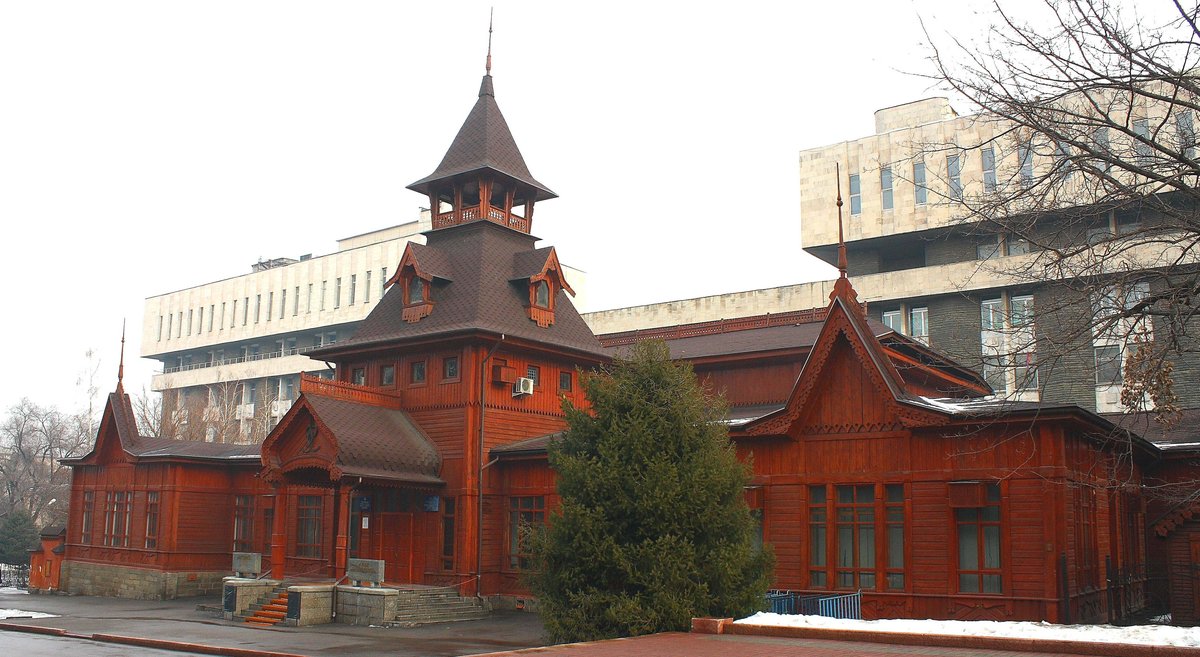
Nestled in the cultural heart of Almaty, Kazakhstan, the Kazakhstan National Museum of Instruments—also known as the Ykylas Dukenuly Museum of Kazakh Folk…
What Makes This City Special
The Nail-Free Cathedral
Zenkov Cathedral rises 56 m without a single nail; its interlocking Tian-Shan spruce beams survived the 1911 quake that flattened most brick buildings. Inside, the scent of pine resin mingles with candle smoke and the faint metallic ring of brass chandeliers in a space engineered to bend, not break.
Apple-Scented Foothills
Wild Malus sieversii trees—ancestors of every supermarket apple—still fruit along the slopes south of the city. A 20-minute cable car from Medeu drops you at 3 200 m where the air smells of juniper and the horizon tilts toward Kyrgyzstan.
Soviet Mosaics in Plain Sight
The 1965 ‘Enlik-Kebek’ mosaic at Hotel Almaty covers 120 m² of façade and retells a 14th-century Kazakh Romeo-and-Juliet in ceramic. Look up while walking Dostyk Avenue: the colours haven’t been retouched since Brezhnev’s planners signed off.
Historical Timeline
Apple trees and aftershocks
How a tsarist fort became Kazakhstan’s cultural engine
Bronze-Age shepherds carve the cliffs
Pastoral tribes scratch hunting scenes into the black varnished rock of Tamgaly Gorge, 170 km northwest of today’s city. Their camels, sun-headed deities and dancing shamans still stare back at visitors who hike the dry canyon at dawn. The petroglyphs mark the first known human fixation with this stretch of the Zailiysky Alatau foothills.
Russia plants Verny fortress
Major Peremyshev’s detachment drives in the first palisade stakes beside the Malaya Almatinka river. The wooden blockhouse is meant to keep the Semirechye caravan route out of Qing hands; locals simply call the place ‘Zailiyskoye’—‘beyond the mountains’. Within a year it is renamed Verny, ‘faithful’, and the first Cossack huts appear.
Verny becomes regional capital
The Tsar’s decree promotes the fort to centre of newly created Semirechye Oblast. Brick replaces timber, a grid of straight avenues is laid over apple-tree roots, and Tatar merchants open the first caravanserai. Russian officers grumble that the bazaar smells of kumis and mutton fat; they stay anyway.
Earthquake flattens the frontier town
At 4 a.m. on 28 May the ground jerks 7.3 metres sideways. Adobe walls crumble like stale bread, 330 people die, and only the timber mosque survives intact. Rebuilding codes insist on one-storey wooden houses with iron roofs; the smell of fresh pine planks drifts through the streets for months.
Zenkov’s nail-less cathedral rises
Engineer Andrey Zenkov supervises 1,200 workers who fit 600 cubic metres of Tian-Shan spruce together like a giant jigsaw—no nails, just wooden dowels and copper plates. When the 1911 quake hits, the 56-metre structure sways, then settles exactly where it started. Worshippers swear the bells rang themselves that night.
Abilkhan Kasteyev, painter of the steppe
Born in a shepherd’s winter hut near Taldykorgan, Kasteyev will walk 250 km to Alma-Ata in 1932 clutching rolled-up watercolours of galloping horses. His vivid yurt interiors and salt-mine scenes become the visual memory of a nomadic world being bulldozed for collective farms. The city’s main art museum now carries his name.
Kebin quake erases the city again
A sub-surface rupture 80 km east snaps telegraph poles in half; Verny loses 780 buildings. Only the cathedral, the mosque and one tsarist school remain upright. Survivors camp in apple orchards while aftershocks drum under their bedding; the scent of crushed fruit mixes with brick dust for weeks.
Bolsheviks rename the city Alma-Ata
Red Army cavalry trot into a half-ruined town still smelling of quake dust. The revolutionary committee drops the Tsarist ‘Verny’ and revives the Kazakh ‘Father of Apples’. Street signs are repainted overnight; shopkeepers wake up unable to spell their own address.
Capital of Kazakh ASSR arrives by train
The Turkestan-Siberia railway unloads government archives, typists and a bronze Lenin bust at the new station. Moscow architects disembark with blueprints for seismic-proof Stalinist squares; apple orchards make way for symmetrical avenues wide enough for May-Day tanks.
Academy of Sciences opens on Pushkin Street
Alexey Shchusev’s neoclassical palace—complete with Corinthian columns and a mosaic of Galileo—welcomes geologists cataloguing uranium in the Tien Shan. The institute’s first task: study why the nearby fault keeps twitching. Seismographs click day and night, a metronome for the atomic age.
Dinmukhamed Kunayev takes the helm
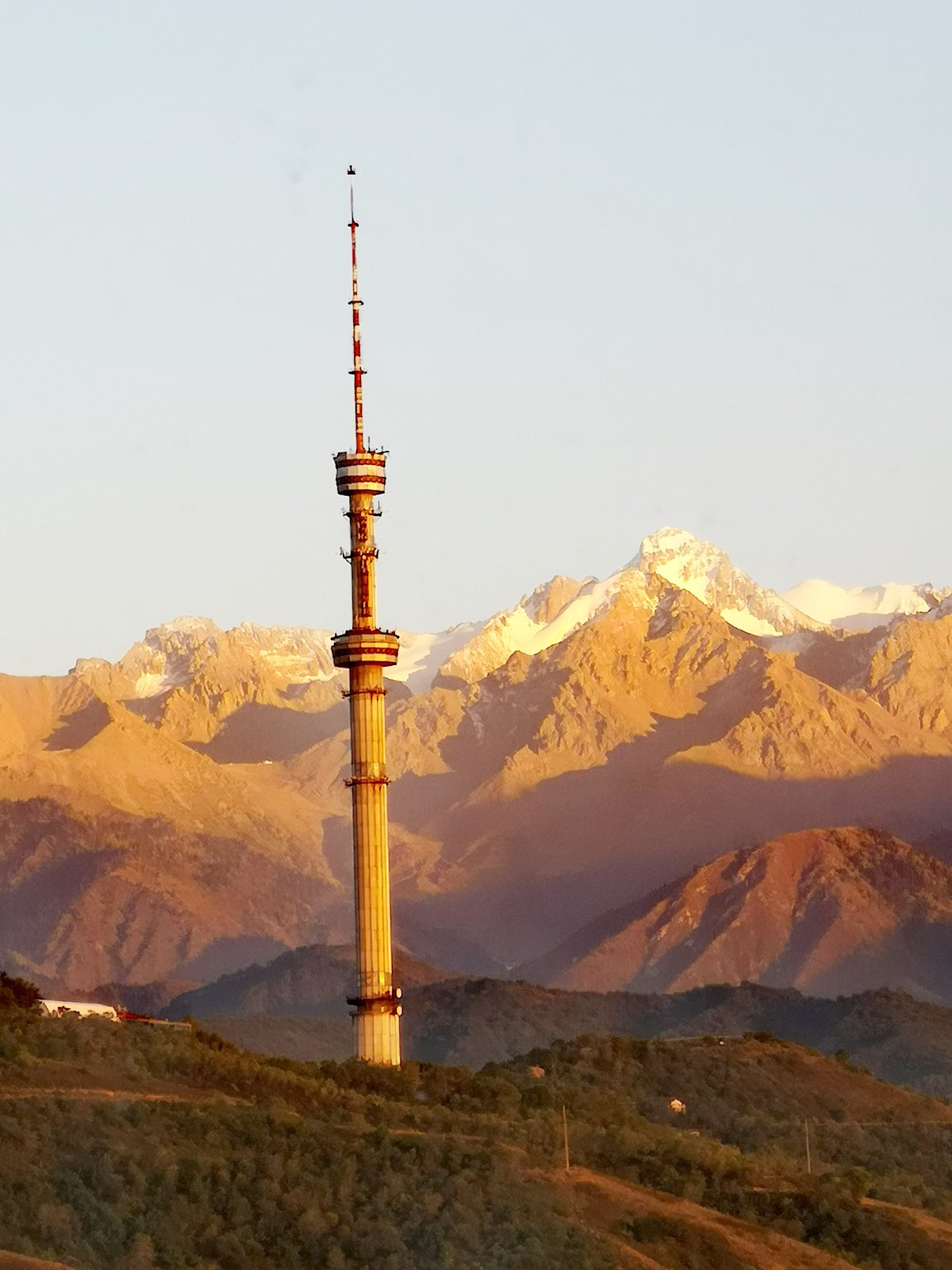
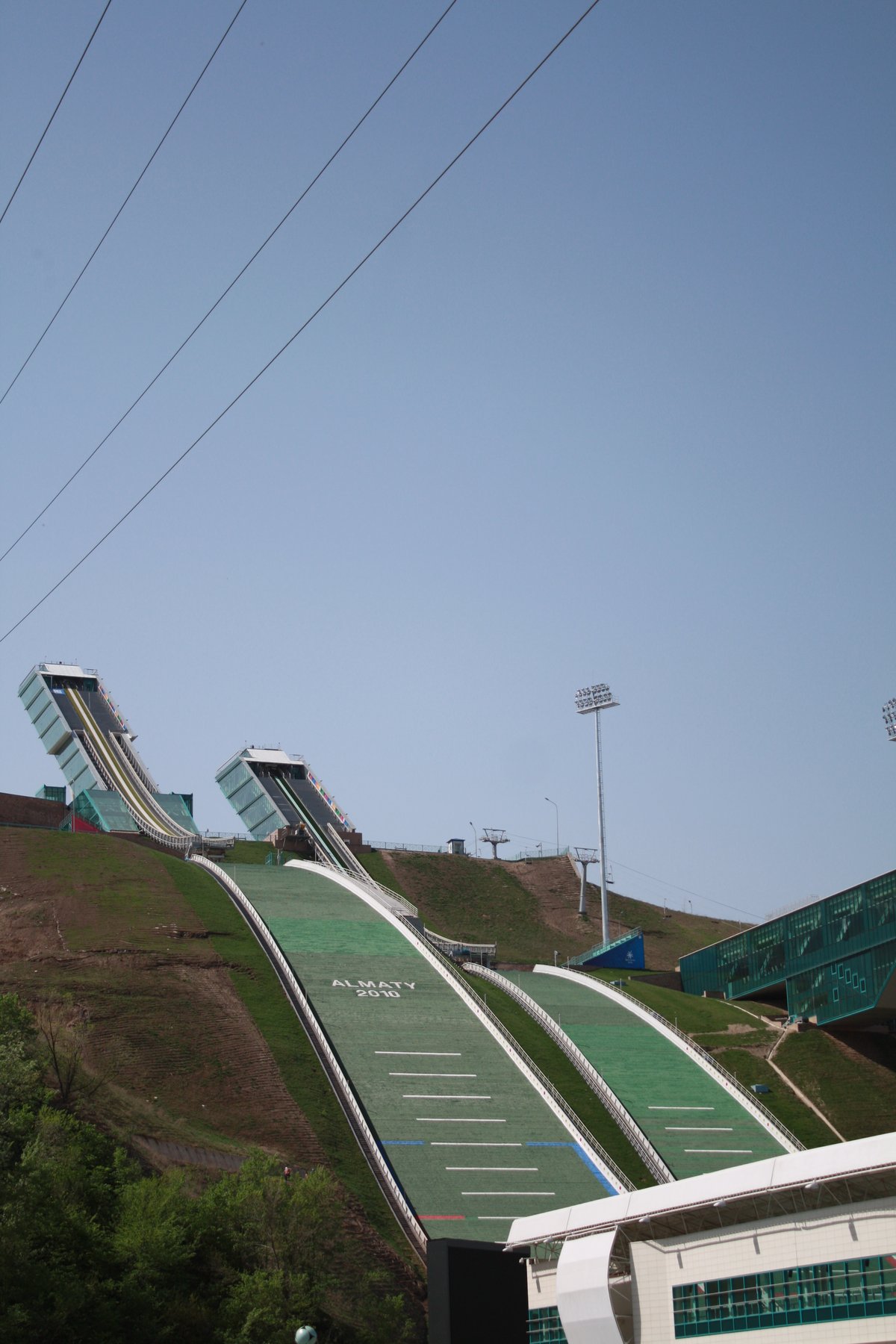
The son of a poor shepherd becomes First Secretary and quietly feeds Alma-Ata the best of Soviet investment: a circus, a ski jump, a television tower. Kunayev rules for 26 years; his photograph hangs in every office, and locals joke the city’s apple trees bloom on his birthday.
Hotel Kazakhstan pierces the skyline
At 102 metres, the turquoise-panelled tower is the first high-rise engineered for a nine-point seismic zone. Its revolving restaurant completes one turn every 90 minutes; diners watch avalanches on the distant peaks between courses of borscht. Earthquake drills interrupt breakfast—waiters calmly guide guests down 26 flights.
Jeltoqsan riots ignite Republic Square
Thousands of students protest Kunayev’s replacement by an ethnic Russian. Police batons crack against young collarbones; buses burn, and the smell of tear-gas drifts into hospital wards. The demonstrations plant the seed that Kazakhstan can, one day, say no to Moscow.
Independence declared on the palace balcony
Nursultan Nazarbayev steps onto the Palace of the Republic’s marble balcony and declares Kazakhstan sovereign while snow falls on the crowd below. The red flag comes down; the sky-blue eagle banner rises. Fireworks echo against the mountains, sounding like distant artillery.
Capital departs for the northern steppe
Government ministries pack into railway containers headed for Astana, 1,200 km away. Alma-Ata keeps its universities, banks and apple-scented parks; overnight it becomes the country’s biggest ex-capital. Locals shrug—‘We still have the mountains,’ they say, and order another coffee on leafy Dostyk Avenue.
Archcode project maps Soviet futures
Volunteers photograph 100 modernist mosaics, bus shelters and constructivist housing blocks before developers swap them for glass cubes. Instagram fills with candy-coloured geometries, and city hall finally lists the Hotel Kazakhstan as heritage. Preservationists toast with plastic cups of kumis on the 1970s rooftop.
UNESCO weighs the quake-proof ensemble
The cathedral, government house and skyscraper are bundled into a tentative World Heritage bid celebrating seismic engineering as art. If accepted, Almaty will be the only city whose claim to fame is surviving itself. Meanwhile, wild apple forests still cloak the southern slopes, quietly fathering the next impossible city.
Notable Figures
Abilkhan Kasteyev
1904–1972 · PainterHe wandered these streets with a折叠 easel, turning nomadic legends into Kazakhstan’s first national art. Visit his namesake museum; his descendants say he’d still sketch the walnut vendors outside.
Mukhtar Auezov
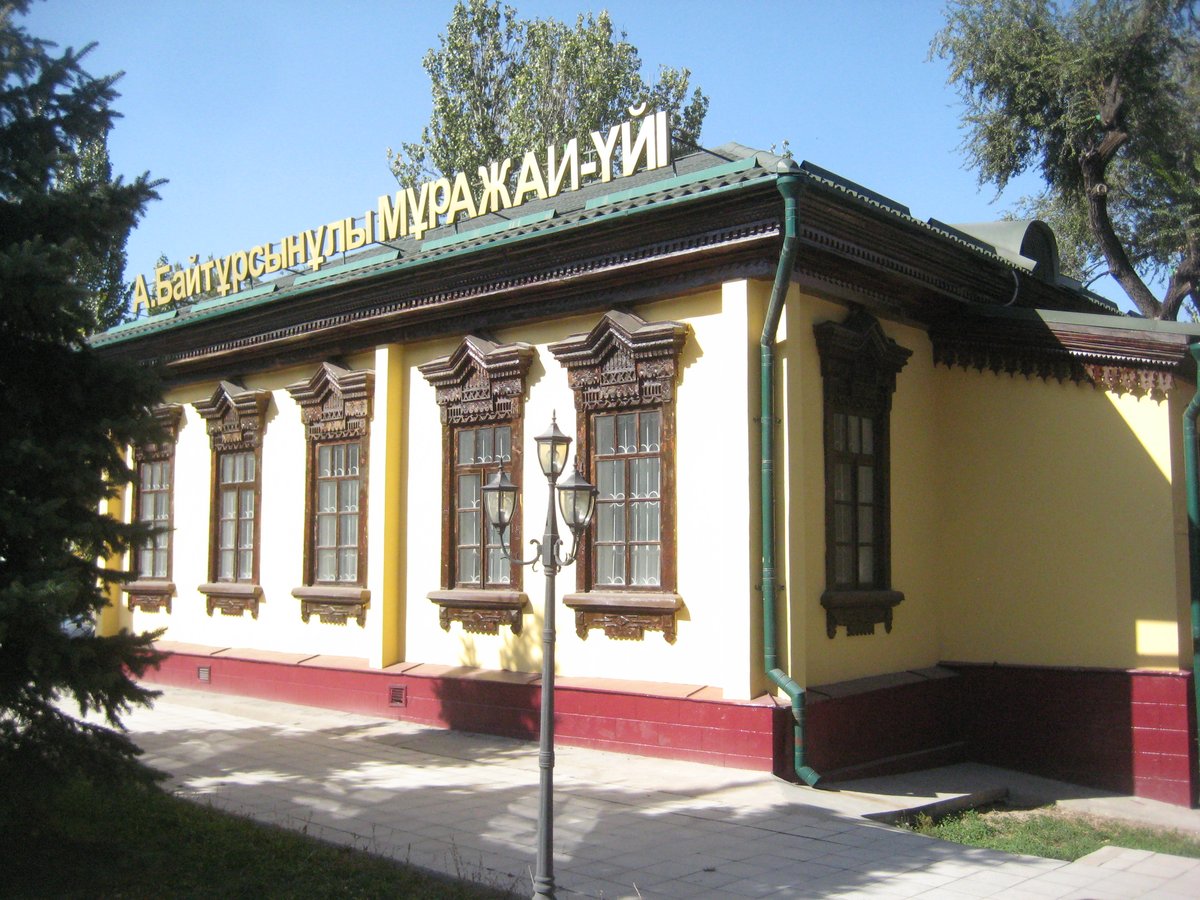
1897–1961 · WriterIn a timber house on Kunayev Street he wrote the 1,500-page epic that gave Kazakhs their literary founding myth. Today the house smells of apple tea—guides recite his dialogue in the same courtyard where he argued with Soviet censors.
Vladimir Zhirinovsky
1946–2022 · PoliticianThe firebrand Russian nationalist first learned to shout in a Soviet classroom on Gogol Street. Alma-Ata’s quiet apple-scented avenues probably shaped the volume he needed to be heard in Moscow.
Photo Gallery
Explore Almaty in Pictures
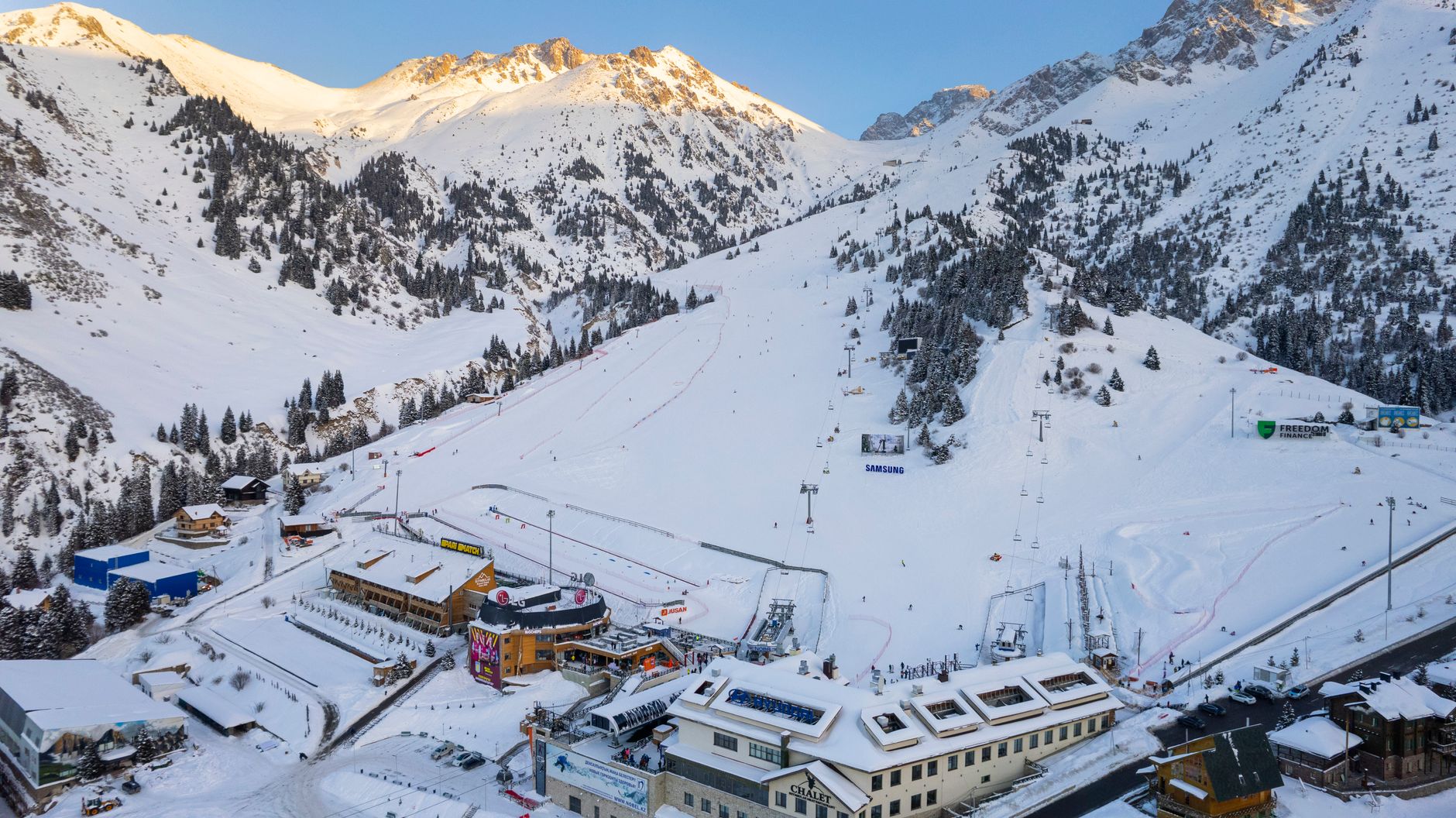
A stunning aerial view of the Shymbulak Ski Resort in Almaty, Kazakhstan, showcasing the majestic snow-capped mountains and alpine lodges at golden hour.
Aleksei Mikhalchuk on Pexels · Pexels License
A peaceful day in an Almaty park, showcasing the grand neoclassical architecture and a prominent monument set against lush greenery.
Aibek Skakov on Pexels · Pexels License
A picturesque view of a highway leading toward the stunning, snow-capped peaks of the Trans-Ili Alatau mountains in Almaty, Kazakhstan.
Aibek Skakov on Pexels · Pexels License
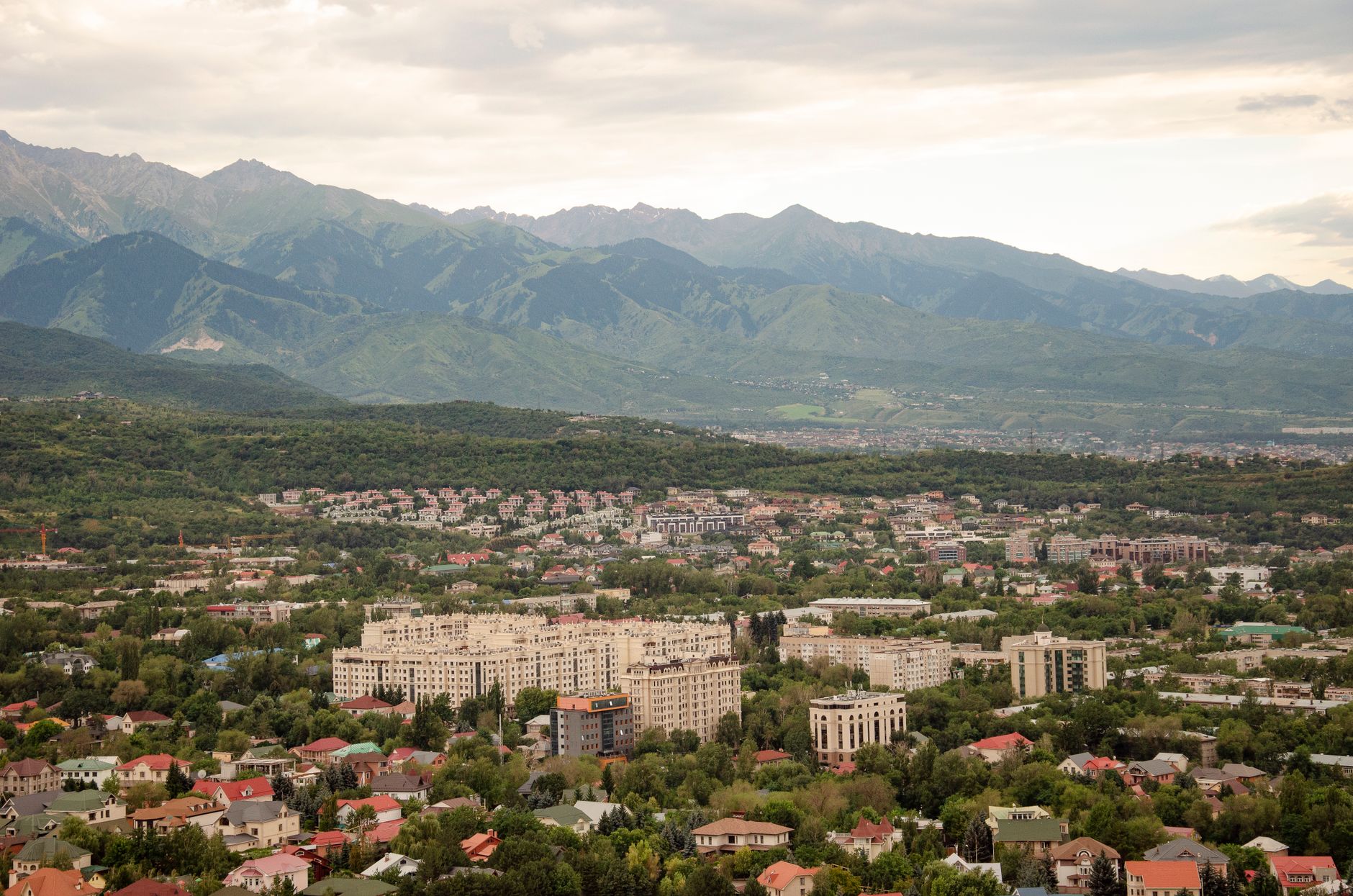
A sweeping aerial view of Almaty, Kazakhstan, showcasing the city's blend of modern urban development and the dramatic backdrop of the surrounding mountain range.
Radis B on Pexels · Pexels License
Bronze sculptures depicting local figures stand prominently in front of a classic Soviet-style high-rise building in the heart of Almaty, Kazakhstan.
Aibek Skakov on Pexels · Pexels License
The sprawling cityscape of Almaty, Kazakhstan, is beautifully framed by the towering peaks of the Trans-Ili Alatau mountains.
Radis B on Pexels · Pexels License
The city of Almaty, Kazakhstan, blends modern urban architecture with the dramatic natural beauty of the snow-capped Trans-Ili Alatau mountains at dusk.
Nursultan's Photos on Pexels · Pexels License
A striking bronze sculpture of a child on horseback stands in front of a classic Soviet-style apartment building in the heart of Almaty, Kazakhstan.
Aibek Skakov on Pexels · Pexels License
A view of a prominent high-rise apartment building in Almaty, showcasing the unique brutalist-inspired residential architecture of Kazakhstan.
Aibek Skakov on Pexels · Pexels License
Practical Information
Getting There
Almaty International Airport (ALA) sits 15 km northeast of centre; express bus 92 reaches Abay Avenue in 30 min. Almaty-1 and Almaty-2 rail stations link to Astana (14 hrs) and Bishkek (6 hrs). The M36 highway north becomes the A2 to Astana; south, the A351 winds toward Bishkek.
Getting Around
One metro line, 11 stations, opened 2011, runs 06:00-23:30 from Raiymbek Batyr to Moskva. Buses and trolleybuses use the ONAY card—400 ₸ purchase, tap flat 150 ₸ fare. Yandex Go rides start at 400 ₸; bike rentals 5 000 ₸/day from Central Park kiosks.
Climate & Best Time
Spring (Apr-May) swings -2 °C to 20 °C and brings tulips to the steppe. Summer (Jun-Aug) hits 30 °C but cools to 15 °C at 3 000 m with afternoon storms. Autumn (Sep-Oct) is dry, 5-25 °C, maples on fire. Winter (Dec-Feb) averages -5 °C, snow reliable for Shymbulak skiing. Come mid-June–early September for hiking; January-February for snow.
Language & Currency
Russian dominates conversation; Kazakh is state language. A simple ‘Salem’ earns smiles. Tenge (KZT) only—cards accepted almost everywhere, but carry cash for bazaar stalls. Tipping 10 % in cafés is polite, not obligatory.
Where to Eat
Don't Leave Without Trying
FLOWER AVENUE - здесь живут цветы
local favoriteOrder: Their fresh pastries and artisan breads are the draw—locals queue early for the daily selection. The cafe stays open late, making it perfect for an evening coffee and dessert.
This is where Almaty's locals actually spend their time. With 345 reviews and a near-perfect rating, it's a genuine neighborhood institution that balances quality baking with a genuine cafe culture.
Kulikov Байтурсынова
quick biteOrder: Kulikov is famous for traditional Kazakh bread and pastries. Their fresh daily items reflect local tastes—grab whatever's warm from the oven.
A trusted local bakery chain with deep roots in Almaty's food culture. With 217 reviews, it's proven itself as a reliable spot for authentic bread and sweets without pretension.
La Barca Fish & Wine
fine diningOrder: Fresh fish and seafood are the stars here—this is where Almaty goes for quality fish dishes and wine pairings. Their wine selection is notably curated for the region.
With 625 reviews and consistent 4.7 rating, La Barca stands out as Almaty's go-to for elevated seafood dining. It's the kind of place locals take visitors who want to eat well.
Coffeetop st.Abay
cafeOrder: Coffee is clearly the focus here—expect quality espresso drinks and thoughtfully prepared coffee. Pair it with their bakery items for a proper Almaty breakfast.
A dedicated coffee spot on Abay Avenue, perfectly positioned for morning commuters and afternoon breaks. The early opening (7:30 AM) makes it ideal for catching Almaty's cafe culture in action.
Isaac toast & coffee
quick biteOrder: Toast and coffee—they keep it simple and do it well. This is a no-fuss spot for a quick, quality coffee and something to eat without overthinking it.
Perfect for a casual midday break or late-night coffee run (open until 11 PM). The straightforward menu and perfect rating suggest locals appreciate its reliability.
HEALTHY JOY
cafeOrder: Health-conscious smoothies, juices, and light meals—the name says it all. This is where Almaty's wellness-minded locals grab something nutritious without compromise.
A perfect option if you want to eat well and light. The early opening (9 AM) and focus on healthy options make it a smart choice for breakfast or a midday pick-me-up.
Pulse Cocktail bar and terrace
fine diningOrder: Craft cocktails are the focus here. Their drinks are thoughtfully made—this is the kind of bar where the bartender knows what they're doing.
A terrace bar on Furmanov Avenue with a late-night scene (open until 2 AM). It's where Almaty's after-work crowd goes for quality cocktails and social atmosphere.
AIDA BAKERY Кондитерлік Үйі
quick biteOrder: Fresh baked goods and pastries—this is a neighborhood bakery where quality is non-negotiable. Whatever's warm is worth trying.
A traditional bakery with a perfect rating, AIDA represents the kind of reliable, unpretentious baking that Almaty locals depend on for daily bread and sweets.
Dining Tips
- check A 10% service charge is standard and often automatically added to the bill. Additional tipping of 5–10% is appreciated if paying in cash.
- check Always carry local currency (Tenge) in small denominations—many smaller establishments and street vendors don't accept cards.
- check Lunch is the main meal for locals, typically eaten between 1:00 PM and 3:00 PM. Dinner comes later in the evening.
- check Reservations are recommended for popular restaurants and high-end spots on weekends; casual dining typically doesn't require advance booking.
- check When dining, it's polite to wait for the host to begin eating. Use your right hand or both hands when handing items to others.
- check The Green Bazaar is closed on Mondays for cleaning and restocking—plan your market visit for Tuesday through Sunday.
- check Cards are widely accepted in city establishments, but cash remains essential for authentic local experiences.
- check Almaty has a strong 'eating out' culture—many locals prefer restaurant food or prepared market items to home cooking.
Restaurant data powered by Google
Tips for Visitors
Use Yandex Go
Skip airport taxis and order via Yandex Go; it's half the price and you can track the route in-app.
Grab ONAY Card
Buy the 500 tenge ONAY card at the airport kiosk for unlimited 90-tenge bus/metro rides instead of 150 cash fare.
Refuse Stranger Snacks
Politely decline food, gum or cigarettes from strangers—druggings for theft still happen on night trains.
Toast Before Eating
Wait for the host's toast and first bite; starting early is considered rude, especially at beshparmaq dinners.
Lake BAO Hike Early
Catch the 8 a.m. marshrutka to Big Almaty Lake; police turn day-trippers back after 11 a.m. when quotas fill.
Explore the city with a personal guide in your pocket
Your Personal Curator, in Your Pocket.
Audio guides for 1,100+ cities across 96 countries. History, stories, and local insight — offline ready.
Audiala App
Available on iOS & Android
Join 50k+ Curators
Frequently Asked
Is Almaty worth visiting? add
Yes—one day you can stand in a 1907 wooden cathedral built without nails, the next hike a turquoise reservoir at 2,500 m. Soviet mosaics, apple-scented markets and a cable car that drops you onto a glacier in 15 minutes make it Central Asia’s easiest thrill.
How many days in Almaty? add
Three full days covers the city sights plus a day trip to Charyn Canyon or Kolsai Lakes. Add two more if you want to ski Shymbulak or tackle multi-day Tian Shan treks.
Is Almaty safe for solo female travellers? add
Generally yes, stick to main streets after dark and use Yandex Go instead of hailing cars. The main risk is drink-spiking—keep your own vodka bottle sealed at bars.
What’s the cheapest way from Almaty airport to the city? add
Express bus 92 or 79 to Respublika Square costs 150 tenge (≈ $0.30). A Yandex Go to Dostyk Avenue runs about 2,000 tenge—still cheaper than taxi touts asking 5,000.
When is the best time to visit Almaty? add
Mid-June to early September for warm city days and accessible alpine lakes. Ski season peaks January–February; April–May brings wildflower meadows but occasional snowmelt mud.
Sources
- verified Kins Voyage – Almaty 2026 Travel Guide — Attractions, transport card prices and seasonal activity calendar.
- verified UNESCO Tentative List – Anti-seismic Ensemble of Almaty — Engineering details on Ascension Cathedral and Hotel Kazakhstan seismic design.
- verified Travel.gc.ca – Kazakhstan Safety Report — Official warnings on drink-spiking and street crime patterns.
Last reviewed: