Nagoya
location_on 12 attractions
calendar_month Spring (late March–early April)
schedule 3-4 days

Introduction

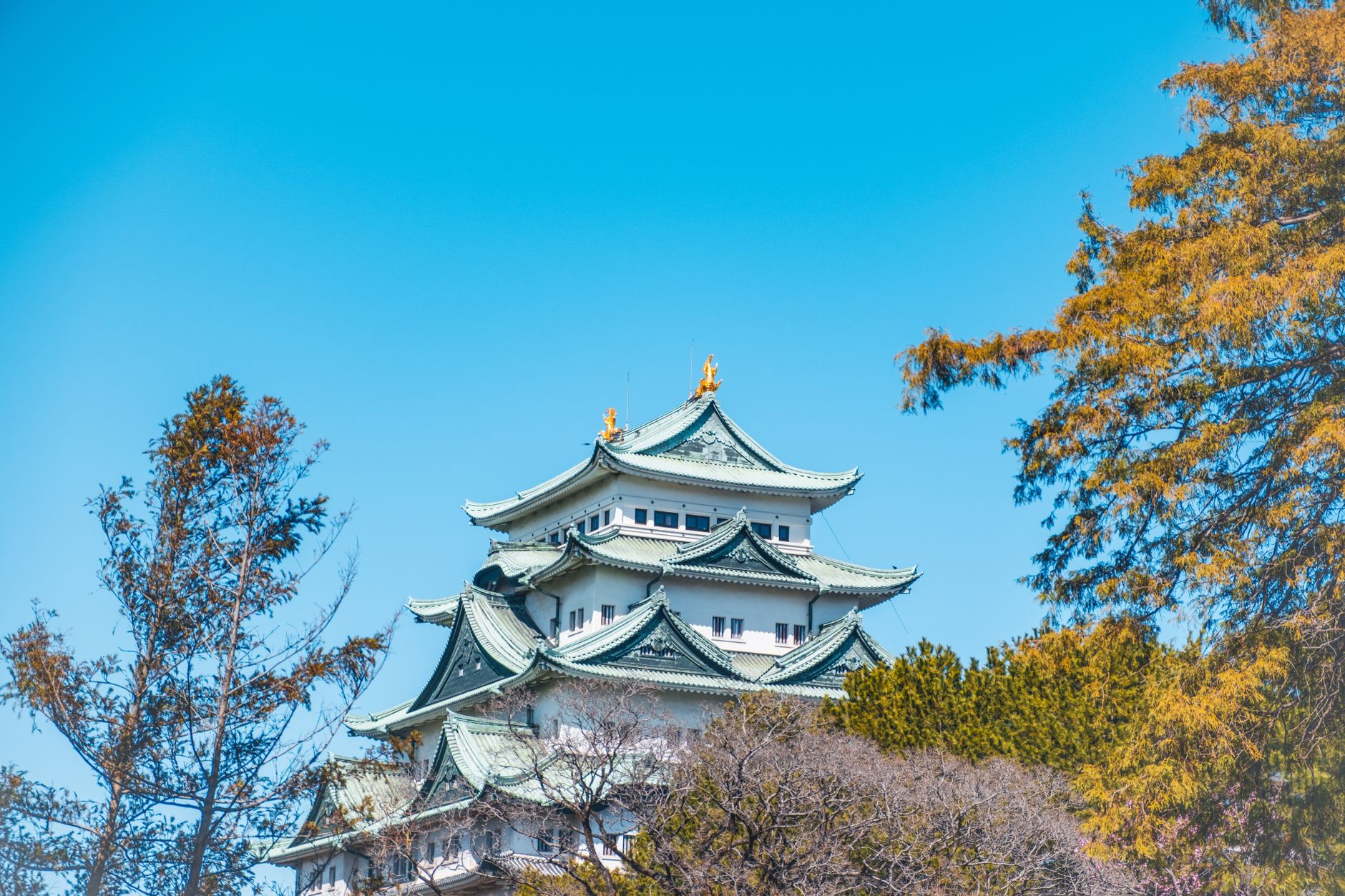
The smell of hatcho miso hits you first, dark and earthy, drifting from a thousand tiny kitchens. Nagoya rarely makes the highlight reels, yet this is the city where Japan’s industrial heart beats loudest while its most sacred sword rests quietly at Atsuta Jingu. Golden shachihoko dolphins still glare from the reconstructed keep of Nagoya Castle, and every coffee order arrives with a free breakfast large enough to silence hunger until dinner.
Locals call their food culture Nagoya-meshi and defend it with quiet pride. Hitsumabushi arrives in a wooden tub at Atsuta Horaiken; you eat the grilled eel three ways, the last one poured over rice as ochazuke while steam curls toward the ceiling. Miso-katsu from Yabaton drips with sweet fermented sauce that clings to the breading. Even toast gets the treatment: ogura toast at Konparu, thick slabs smeared with red bean paste since 1947.

Beneath the concrete and railway lines lies an older city of merchant storehouses and Taisho-era villas. Walk Shikemichi at dusk and the light slips between white-plastered dozo walls exactly as it did when sake and soy barrels rolled down the street. The city’s rhythm feels purposeful, never frantic. Toyota built its empire here, yet you can still sit in a kissaten listening to jazz while your Morning Service toast arrives buttered on one side only.

What changes after a few days is the realization that Nagoya never tried to be Kyoto or Tokyo. It simply became itself: bold flavors, serious industry, and a habit of giving you more than you asked for. That generosity lingers.

Places to Visit

The Most Interesting Places in Nagoya

Nagoya Castle

Nagoya Castle

Nestled in the heart of Nagoya, Japan, Nagoya Castle stands as a monumental testament to the nation's rich feudal history and architectural ingenuity.

landscape

Scmaglev and Railway Park

Nestled in the vibrant city of Nagoya, Japan, the SCMaglev and Railway Park stands as an exceptional museum dedicated to showcasing the rich tapestry of…

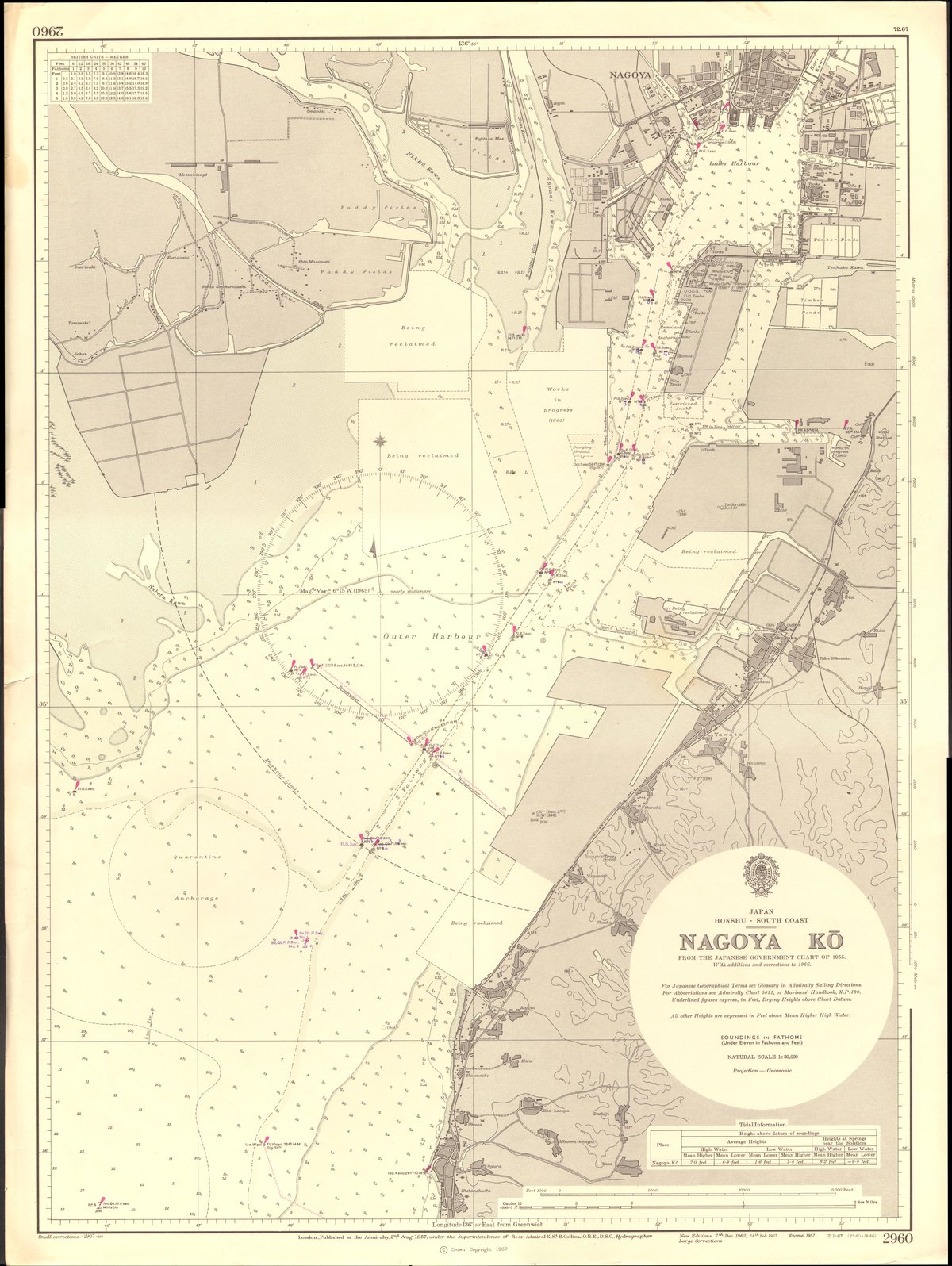
Port of Nagoya

Port of Nagoya

The Port of Nagoya, situated in Ise Bay, is one of Japan's most significant maritime hubs, reflecting a rich tapestry of historical evolution, modern…

landscape

Higashiyama Zoo and Botanical Gardens

Nestled in the vibrant city of Nagoya, Japan, the Higashiyama Zoo and Botanical Gardens stand as a testament to natural beauty, cultural heritage, and…

Nagoya City Art Museum

Nagoya City Art Museum

Nestled in the heart of Nagoya’s vibrant Shirakawa Park, the Nagoya City Art Museum (名古屋市美術館) stands as a premier cultural destination that art lovers and…

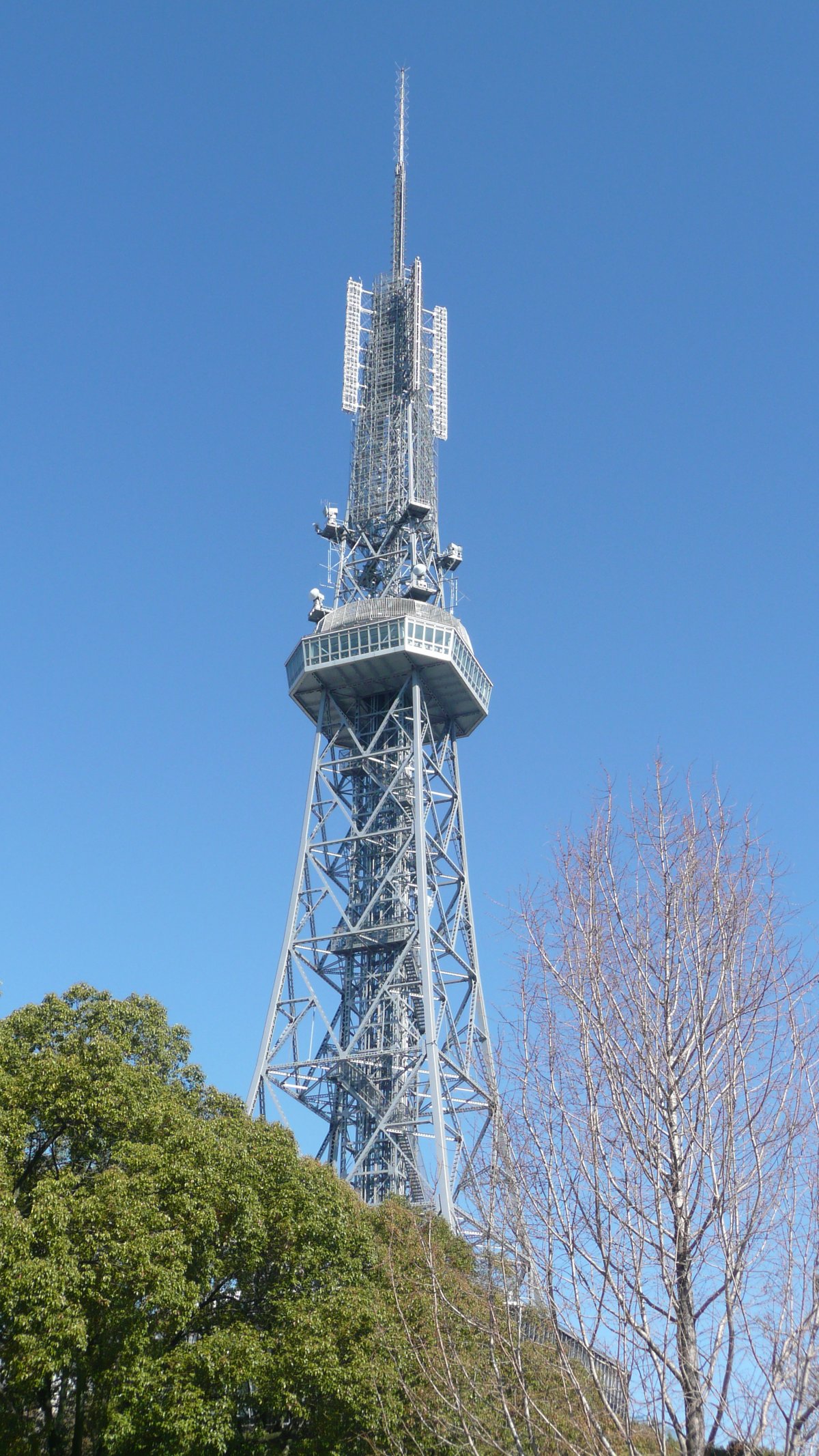
Nagoya Tv Tower

Nagoya Tv Tower

Nagoya TV Tower, officially known as the Chubu Electric Power MIRAI TOWER, stands as a historic and cultural beacon at the heart of Nagoya’s bustling Sakae…

Kiyosu Castle

Kiyosu Castle

Nestled in the heart of western Aichi Prefecture, Kiyosu Castle is a significant historical landmark that offers a captivating glimpse into Japan's feudal era.

Nagoya City Science Museum

Nagoya City Science Museum

Nestled in the vibrant heart of Nagoya, Japan, the Nagoya City Science Museum stands as a beacon of scientific exploration and architectural innovation.

landscape

Oasis 21

Oasis 21 is a remarkable urban landmark situated in the heart of Nagoya’s vibrant Sakae district, renowned for its innovative architecture, multifunctional…

landscape

Jp Tower Nagoya

JP Tower Nagoya stands as a remarkable symbol of Nagoya’s evolution into a vibrant, modern metropolis, seamlessly blending architectural innovation,…

Mode Gakuen Spiral Towers

Mode Gakuen Spiral Towers

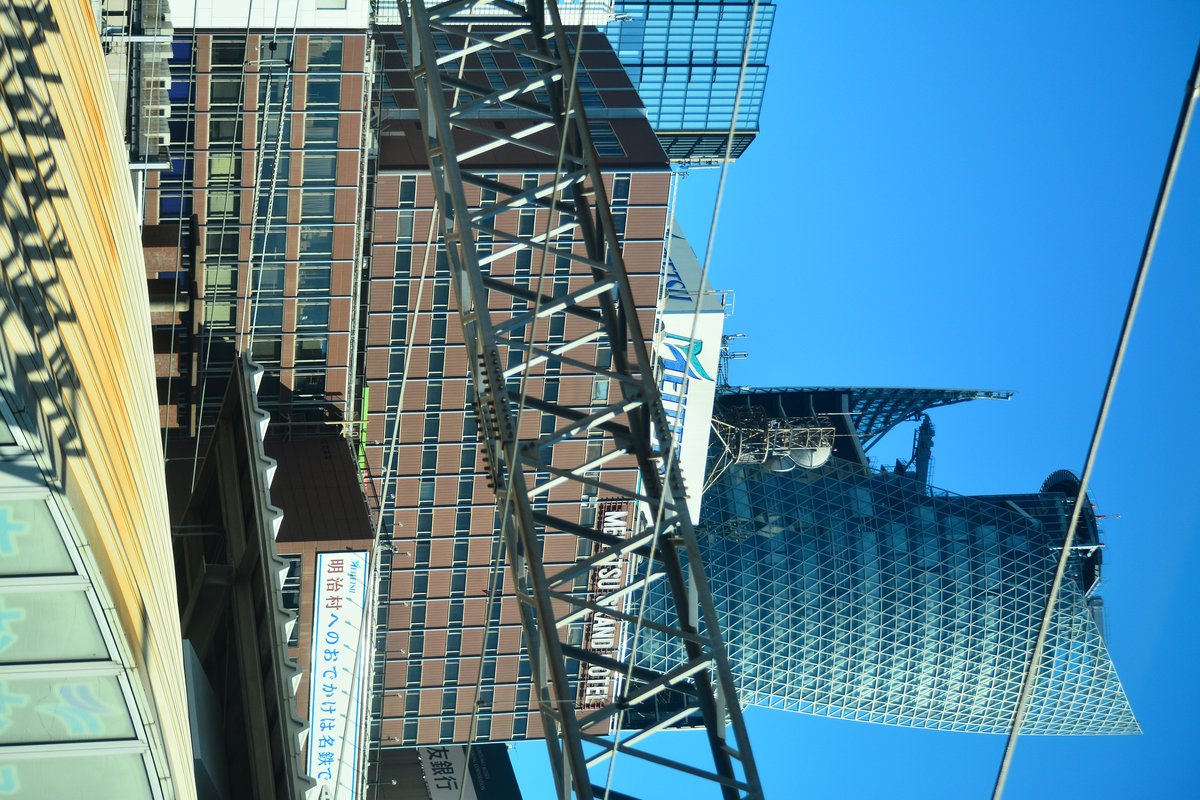
Nestled in the heart of Nagoya’s bustling Meieki district, the Mode Gakuen Spiral Towers stand as a striking symbol of Japan’s innovative approach to…

landscape

Noritake Garden

Noritake Garden, located in Nagoya, Japan, stands as a remarkable fusion of nature, history, and craftsmanship, embodying the city's industrial and artistic…

What Makes This City Special

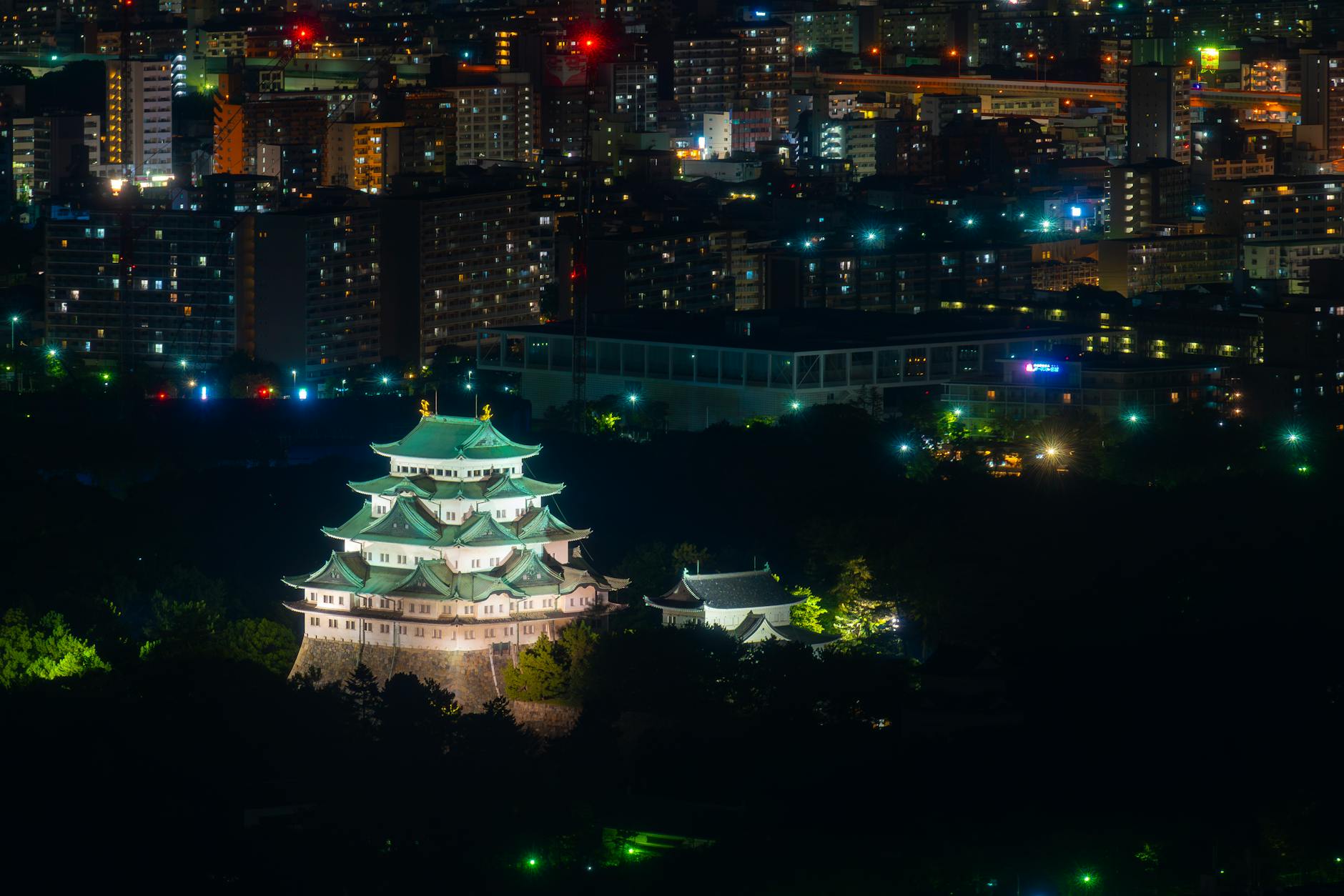
Nagoya Castle

The golden shachihoko dolphins that crown the rebuilt keep catch the light from kilometers away. Right now the main tower is closed for wooden reconstruction, yet the surrounding gardens and Honmaru palace still deliver the hush of 17th-century cedar and the smell of fresh tatami.

Nagoya-meshi

Miso is applied with confident thickness here. Hitsumabushi at a 120-year-old eel house, miso-katsu cutlets that arrive crackling, and morning service coffee that comes with a small mountain of toast, salad, and boiled egg for the price of the drink alone.

Industrial Memory

The Toyota Commemorative Museum occupies a former red-brick spinning mill. You walk past working looms from 1905, then watch a 1:1 scale Shinkansen prototype glide overhead on silent rails. The city’s manufacturing soul made visible.

Noritake Garden

Porcelain roses still bloom beside the old kiln. The six-hectare grounds behind the factory let you watch craftspeople paint 24-carat gold onto plates the same way they did in 1904. Quiet in a city that usually moves fast.

Historical Timeline

From Sacred Sword to Assembly Line

Two thousand years of warriors, craftsmen, and unifiers

church
c. 100

Atsuta Shrine Founded

According to tradition the Kusanagi sword, one of the three Imperial Regalia, was enshrined here after Prince Yamato Takeru's death. The air inside the cedar grove still carries the sharp scent of incense and moss. For two millennia this single blade has quietly anchored Nagoya's identity.

person
113

Prince Yamato Takeru Dies

Local accounts say the legendary prince breathed his last near the shrine grounds. His story became myth before the ink dried. The sword he carried still rests inside Atsuta today.

person
1147

Minamoto no Yoritomo Born

The boy who would become Japan's first shogun entered the world in Owari Province. Nagoya claims him without fanfare. His later victories in the east reshaped the entire country.

person
1534

Oda Nobunaga Born

Born in nearby Owari, the brash warlord spent his youth perfecting tactics on these plains. He never ruled from Nagoya Castle yet his shadow still falls across every map of the city. Without him the later Tokugawa project would never have happened.

person
1543

Tokugawa Ieyasu Born

Though born elsewhere, Ieyasu poured his mature ambition into Nagoya. The castle he ordered built became the seat of the Owari branch for 250 years. His decisions still echo in the city's orderly layout and industrial discipline.

swords
1560

Battle of Okehazama

Oda Nobunaga's outnumbered force surprised Imagawa Yoshimoto in a sudden thunderstorm. The scent of wet gunpowder and trampled grass still seems to linger in local memory. One decisive afternoon altered the course of Japanese unification.

gavel
1610

Kiyosu Transfer Ordered

Tokugawa Ieyasu commanded the entire population and buildings of Kiyosu to relocate eight kilometers east. In one calculated move he created a perfectly gridded new capital on the Tōkaidō route. The streets laid out that year still shape downtown Nagoya.

castle
1612

Nagoya Castle Completed

Workers finished the massive keep topped with two gleaming golden shachihoko dolphins. From its upper floors you could once see all the way to the sea on clear days. The structure survived earthquakes only to burn in 1945.

castle
1615

Honmaru Palace Finished

Artisans covered the sliding doors with delicate pine and tiger paintings using real gold leaf. The palace served as the private heart of the Owari lords. Its 2018 reconstruction used the original 17th-century plans down to the last nail.

factory
1889

Nagoya Becomes a City

Official incorporation papers were signed as Japan raced toward modernization. The old castle town suddenly found itself measured against new Western standards. Cotton mills and brick chimneys replaced wooden merchant houses within a generation.

local_fire_department
1891

Nōbi Earthquake Strikes

The magnitude 8.0 quake flattened thousands of wooden buildings in seconds. Survivors remembered the ground roaring like an angry sea. Reconstruction introduced Western brick techniques that still define parts of the old city.

person
1900

Chiune Sugihara Arrives

A serious schoolboy from distant Gifu spent ten formative years studying in Nagoya. The quiet streets taught him discipline before he became Japan's unlikely diplomat hero. A memorial path now bears his name near his old school.

local_fire_department
1945

Firebombing Destroys City

American B-29s dropped incendiaries on the night of 14 May. Ninety percent of central Nagoya vanished in flames that reached 1,000 degrees Celsius. The castle keep, rebuilt only in 1959, stood as a blackened concrete shell for years afterward.

palette
1955

Akira Toriyama Born

A boy who hated school doodled cartoons in a quiet Nagoya neighborhood. Decades later his Dragon Ball would be read in more languages than anyone could have imagined in postwar Japan. The city still claims him with understated pride.

castle
1959

Castle Keep Rebuilt

Concrete and steel replaced the lost wooden structure atop the original stone base. Tourists now climb stairs where feudal lords once walked. The golden dolphins shine again, though the interior feels strangely modern.

music_note
1961

Koji Kondo Born

The future Nintendo composer first heard melodies in Nagoya's postwar streets. His childhood piano practice eventually gave the world the unmistakable themes of Mario and Zelda. The city produced the soundtrack to millions of childhoods without ever knowing it.

flight
1964

Shinkansen Reaches Nagoya

The bullet train sliced the journey from Tokyo to under two hours. Platform 2 at Nagoya Station became the pulsing artery of modern Japan. What once took days of walking now passed in the time it takes to drink a coffee.

castle
2018

Honmaru Palace Reopens

Carpenters finished an exact replica using 17th-century techniques and hinoki cypress. The smell of fresh wood still lingers in certain corners. For the first time in seventy-three years the palace looked exactly as Ieyasu intended.

public
2026

Asian Games Host City

Athletes from across the continent will compete in venues built on old factory land. The city that once made karakuri mechanical dolls now prepares robotic mascots and high-speed transport. History keeps looping back to invention.

schedule
Present Day

Notable Figures

Oda Nobunaga

1534–1582 · Warlord
Born in Owari Province near Nagoya

Nobunaga launched his brutal, brilliant campaign to unify Japan from the flatlands around what is now Nagoya. The Battle of Okehazama in 1560, fought just outside the city, turned him into a national force. Today he would probably smirk at the Toyota factories that replaced the battlefields he once burned.

Tokugawa Ieyasu

1543–1616 · Shogun
Built Nagoya Castle in 1612

Ieyasu ordered the entire capital of Owari moved from Kiyosu to Nagoya in 1610, creating the grid layout still visible today. He completed the castle two years later as a stronghold for his clan. Standing in front of the golden shachihoko he commissioned, you can sense how carefully he designed permanence.

Chiune Sugihara

1900–1986 · Diplomat
Spent adolescence in Nagoya

Sugihara lived in Nagoya for roughly ten years and attended what is now Zuiryo High School. The quiet boy who studied here later issued thousands of visas in Lithuania that saved Jewish lives during the Holocaust. A small memorial path near his old school is one of the city’s least visited but most moving sites.

Akira Toriyama

1955–2024 · Manga artist
Born in Nagoya

Toriyama grew up drawing in the backstreets of Nagoya before Dragon Ball changed global pop culture. The city never built a big museum to him while he was alive. Locals still claim you can feel his sense of absurd humour in the way the town refuses to take itself too seriously.

Practical Information

flight

Getting There

Chubu Centrair International Airport (NGO) sits 35 km south. The μ-SKY Limited Express reaches Meitetsu Nagoya Station in 28 minutes. JR Central’s Shinkansen stops at Nagoya Station, connecting Tokyo in 1 hour 40 minutes and Osaka in 50 minutes. Highway buses from most major cities arrive at the Meitetsu Bus Center.

directions_transit

Getting Around

Six subway lines circle the city; the Meijo line forms a complete loop. Single rides cost 210–340 yen. The Donichi Eco Kippu gives unlimited subway and bus travel on weekends and holidays for 620 yen. Manaca and TOICA cards work on everything, including shops. In 2026 the Me~guru sightseeing bus still runs its one-day loop for 500 yen with attraction discounts.

thermostat

Climate & Best Time

Spring (March–May) averages 15–22 °C with cherry blossoms along the moats. Summers hit 32 °C and feel like breathing soup from June to August. Autumn (September–November) cools from 24 °C to 12 °C and paints the Higashiyama hills. Winters stay mostly above freezing. Avoid July unless you love humidity.

shield

Safety

Nagoya remains one of Japan’s safest large cities. Women walk alone at 2 a.m. near Sakae without issue. The only real hazard is cyclists on sidewalks. Pickpocketing is rare but rises slightly around the station at rush hour. Keep normal city sense and you’ll be fine.

Where to Eat

local_dining

Don't Leave Without Trying

Hitsumabushi (grilled eel chopped over rice, eaten in four stages) Misokatsu (pork cutlet with sweet-savory miso sauce) Tebasaki (double-fried chicken wings with spicy peppery sauce) Misonikomi Udon (chewy noodles in rich miso broth in earthenware pot) Kishimen (wide, flat silky noodles in seafood dashi) Hatcho Miso (dark soybean miso—the foundation of Nagoya flavor)

月下独酌

local favorite
Izakaya Bar €€ star 4.8 (59)

Order: Order the tebasaki (double-fried chicken wings) and pair with a cold beer or highball—this is where locals come for no-nonsense, perfectly executed yakitori and sake.

The highest-rated spot in this guide, hidden in the Nishiki district. This is a proper neighborhood izakaya where you'll find salarymen and regulars, not tourists—authentic Nagoya drinking culture.

schedule

Opening Hours

月下独酌

Monday–Wednesday 7:00 PM – 11:00 PM
map Maps

Hikiniku no Toriko

local favorite
Yakitori & Grilled Meat €€ star 4.3 (1607)

Order: The yakitori skewers are exceptional—go for the heart, liver, and wing options. The high review count (1,607) speaks volumes about consistency.

Located in Sakae with nearly 1,600 reviews, this is a workhorse favorite for grilled chicken and offal. Locals queue here for lunch and dinner; it's the real deal.

schedule

Opening Hours

Hikiniku no Toriko

Monday–Wednesday 11:00 AM – 10:00 PM
map Maps

Jazz Inn Lovely

local favorite
Jazz Bar €€ star 4.4 (302)

Order: Order a highball or whisky neat and share small plates—the focus here is on the atmosphere and live jazz, not heavy food. Think snacks and conversation.

A genuine jazz bar in the Higashisakura entertainment district with over 300 reviews. This is where you experience Nagoya's nightlife culture with live music and serious cocktails.

schedule

Opening Hours

Jazz Inn Lovely

Monday–Wednesday 6:00 PM – 1:00 AM
map Maps language Web

骨付鳥、からあげ、ハイボール がブリチキン。栄店

local favorite
Fried Chicken & Bone-in Chicken Bar €€ star 4.3 (365)

Order: The bone-in fried chicken (karaage) is the star—crispy, juicy, and seasoned perfectly. Pair with a highball. This is tebasaki territory done right.

A Sakae stalwart with 365 reviews, specializing in the Nagoya tebasaki tradition. The evening crowd is energetic, the portions are generous, and the value is unbeatable.

schedule

Opening Hours

骨付鳥、からあげ、ハイボール がブリチキン。栄店

Monday–Wednesday 4:00 PM – 12:00 AM
map Maps language Web

Kato Coffee Sakae

cafe
Cafe €€ star 4.4 (909)

Order: Order a classic pour-over coffee and a buttered toast set—this is the heart of Nagoya's 'Morning' coffee culture. The coffee is meticulously prepared.

Nearly 1,000 reviews for a reason: this is a beloved neighborhood cafe where locals start their day. The precision and warmth of the service define the Nagoya morning experience.

schedule

Opening Hours

Kato Coffee Sakae

Monday–Tuesday 8:00 AM – 3:45 PM; Closed Wednesday
map Maps language Web

Junmaishu Sake Specialty Shop Yata

local favorite
Sake Bar star 4.4 (98)

Order: Order a flight of junmai (pure rice) sakes and let the staff guide you through the nuances. This is a sake specialist's paradise with affordable pricing.

A rare sake-focused venue in Sakae that celebrates pure sake culture. Limited hours (Wednesday only) make it special—locals know to plan around it.

schedule

Opening Hours

Junmaishu Sake Specialty Shop Yata

Wednesday 5:00 PM – 11:30 PM; Closed Monday–Tuesday
map Maps language Web

Tinkle

local favorite
Cocktail Bar €€ star 4.7 (43)

Order: Order a classic cocktail and trust the bartender's recommendations—Tinkle is known for skillfully crafted drinks and an intimate, refined atmosphere.

A 4.7-rated cocktail bar in the Higashisakura district with a website and serious bartending credentials. This is where Nagoya's discerning drinkers go for craft cocktails.

schedule

Opening Hours

Tinkle

Monday–Wednesday 8:00 PM – 12:00 AM
map Maps language Web

Restaurant Perouges

fine dining
French €€ star 4.6 (146)

Order: Order the seasonal French tasting menu or à la carte specialties—Perouges brings refined French technique to Nagoya without pretension.

A 4.6-rated French restaurant with 146 reviews and a dedicated website, located in Nishi Ward. This is a step up for special occasions—proper French dining in Nagoya.

schedule

Opening Hours

Restaurant Perouges

Monday 11:30 AM – 1:30 PM, 6:00 PM – 10:00 PM; Closed Tuesday–Wednesday
map Maps language Web
info

Dining Tips

  • check Tipping is not customary in Japan. Service charges are included in the bill; attempting to tip may confuse staff.
  • check Cash is king in smaller, traditional izakayas and local spots. Carry yen for street food and neighborhood restaurants.
  • check Chopstick etiquette: never stick chopsticks upright in rice (funerary association) or pass food directly between chopsticks.
  • check Meal times: lunch typically runs 11:30 AM–2:00 PM; dinner 5:00 PM–10:00 PM. Always check individual restaurant hours before visiting.
  • check Popular spots like yakitori restaurants often require queuing. Always join the back of the line and move forward to fill gaps.
  • check Reservations are highly recommended for popular restaurants, especially on weekends and evenings.
  • check The oshibori (wet towel) provided is for your hands only, not your face or table.
Food districts: Sakae: Central district with high concentration of izakayas, yakitori spots, and casual dining—the heart of Nagoya's food scene Higashisakura: Entertainment and nightlife district with cocktail bars, jazz venues, and late-night eateries Nishiki: Traditional neighborhood with intimate izakayas and local favorite bars where salarymen gather Nagoya Station (Meieki) Area: Prime location with ESCA Underground Mall housing multiple legendary Nagoya-meshi spots in one place Osu Shopping District: Historic area around Osu Kannon Temple, famous for street food, casual eateries, and traditional market vibes

Restaurant data powered by Google

Tips for Visitors

wb_sunny
Visit in Spring

Cherry blossoms hit Nagoya Castle grounds from late March to early April. Book your hotel six months ahead because the 2026 Asian Games have already pushed rates up.

restaurant
Order Morning Service

At any kissaten before 11:00, one coffee automatically brings thick toast, boiled egg and salad. Konparu in Osu has done this since 1947 and still charges only ¥650.

payment
Get a Manaca Card

Buy a rechargeable Manaca at any station. It works on subway, Meitetsu trains to the airport, buses and even vending machines. The Donichi Eco Kippu at ¥620 still beats individual tickets on weekends.

train
Take the μ-SKY

From Chubu Centrair the μ-SKY Limited Express reaches Nagoya Station in exactly 28 minutes. Sit on the right side for views of the bay and rice fields.

volume_off
Respect Atsuta Silence

Atsuta Jingu holds one of the Three Imperial Regalia. Photography is forbidden near the main shrine and voices drop to whispers. Follow the locals; they bow twice, clap twice, bow once.

local_dining
Eat Hitsumabushi in Stages

At Atsuta Horaiken divide the grilled eel three ways: straight, with wasabi and nori, then as ochazuke with dashi poured over. The sequence is deliberate and changes the entire meal.

Explore the city with a personal guide in your pocket

Your Personal Curator, in Your Pocket.

Audio guides for 1,100+ cities across 96 countries. History, stories, and local insight — offline ready.

smartphone

Audiala App

Available on iOS & Android

download Download Now

Join 50k+ Curators

Frequently Asked

Is Nagoya worth visiting? add

Yes, if you want to understand modern Japan without the crowds of Kyoto or Tokyo. The city mixes a half-rebuilt castle, one of the country’s holiest shrines, and the boldest regional food culture built on Hatcho miso. Most visitors spend two full days and leave surprised they had never considered it before.

How many days do you need in Nagoya? add

Three days is ideal. One for the castle and Tokugawa area, one for Atsuta and Osu, and one for the SCMAGLEV museum or a day trip to Inuyama. Four days lets you add Yōkisō villa and Noritake Garden without rushing.

What is Nagoya famous for food? add

Nagoya-meshi runs on dark miso and strong flavours. Hitsumabushi, miso-katsu from Yabaton, miso-nikomi udon at Yamamotoya and ankake spaghetti are the classics. Even breakfast is theatrical: order coffee and receive a free full morning set.

How do you get from Centrair Airport to Nagoya? add

The μ-SKY Limited Express train takes 28 minutes and costs ¥1,230. Airport buses serve major hotels but add 20-40 minutes depending on traffic. Taxis start around ¥15,000.

Is Nagoya safe for tourists? add

Extremely safe. The research shows no notable danger zones. Standard big-city awareness is enough. English-speaking staff are stationed at Oasis 21, Kanayama Station and the airport tourist centres.

When is the best time to visit Nagoya? add

Late March to early April for cherry blossoms at the castle, or mid-October to mid-November when temperatures average 18 °C and the light is sharp. Summers are humid and winters can feel raw.

Sources

Last reviewed:

All Places to Visit

52 places to discover

Nagoya Castle

Nagoya Castle

photo_camera

Scmaglev and Railway Park

Port of Nagoya

Port of Nagoya

photo_camera

Higashiyama Zoo and Botanical Gardens

Nagoya City Art Museum

Nagoya City Art Museum

Nagoya Tv Tower

Nagoya Tv Tower

Kiyosu Castle

Kiyosu Castle

Nagoya City Science Museum

Nagoya City Science Museum

photo_camera

Oasis 21

photo_camera

Jp Tower Nagoya

Mode Gakuen Spiral Towers

Mode Gakuen Spiral Towers

photo_camera

Noritake Garden

Hisaya Ōdori Park

Hisaya Ōdori Park

photo_camera

Meijō Park

Tokugawa Garden

Tokugawa Garden

Nagoya University

Nagoya University

Nagoya Lucent Tower

Nagoya Lucent Tower

photo_camera

Shirotori Garden

photo_camera

Nagoya City Sewerage Science Museum

Naya Bridge

Naya Bridge

Hisaya Ōdori Garden Flarie

Hisaya Ōdori Garden Flarie

photo_camera

Nagoya Port Sea Train Land

Togokusan Fruits Park

Togokusan Fruits Park

Nagoya Baseball Stadium

Nagoya Baseball Stadium

Fushimi Underground Shopping Street

Fushimi Underground Shopping Street

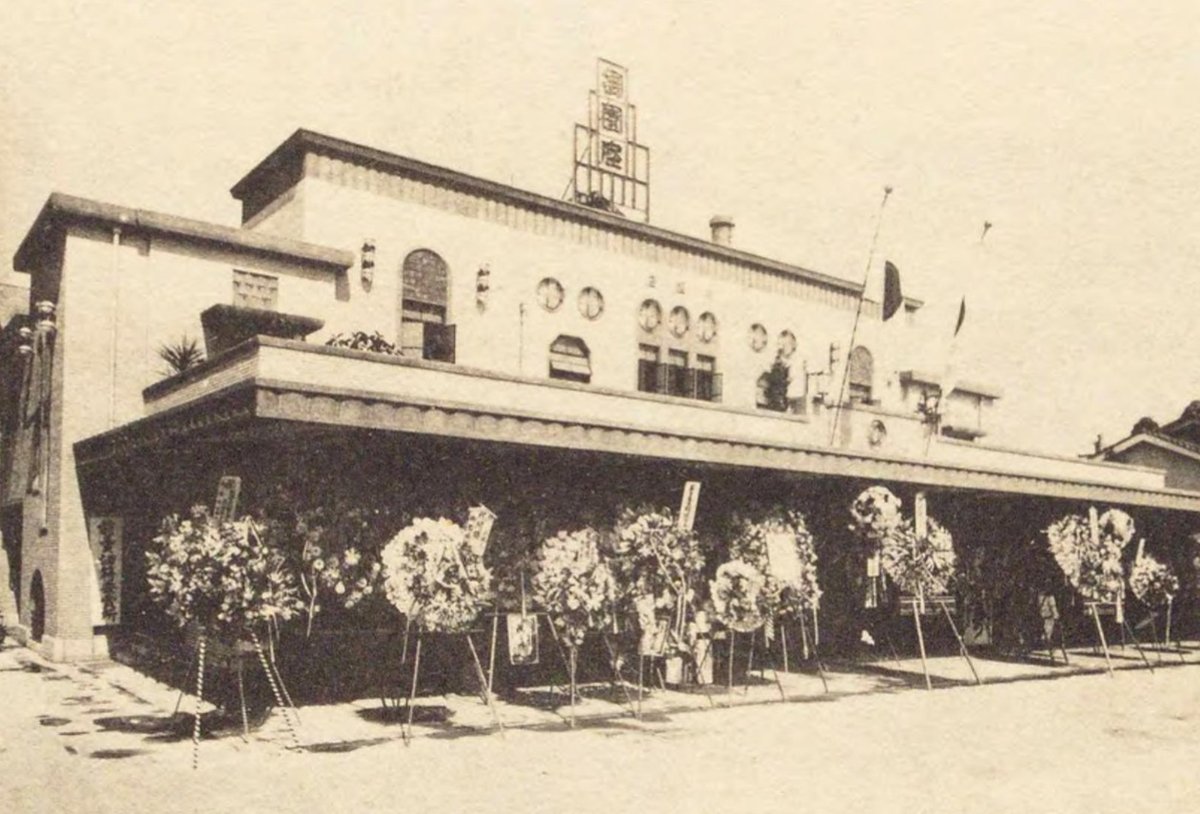
Misono-Za

Misono-Za

photo_camera

Matsushige Lock Gate

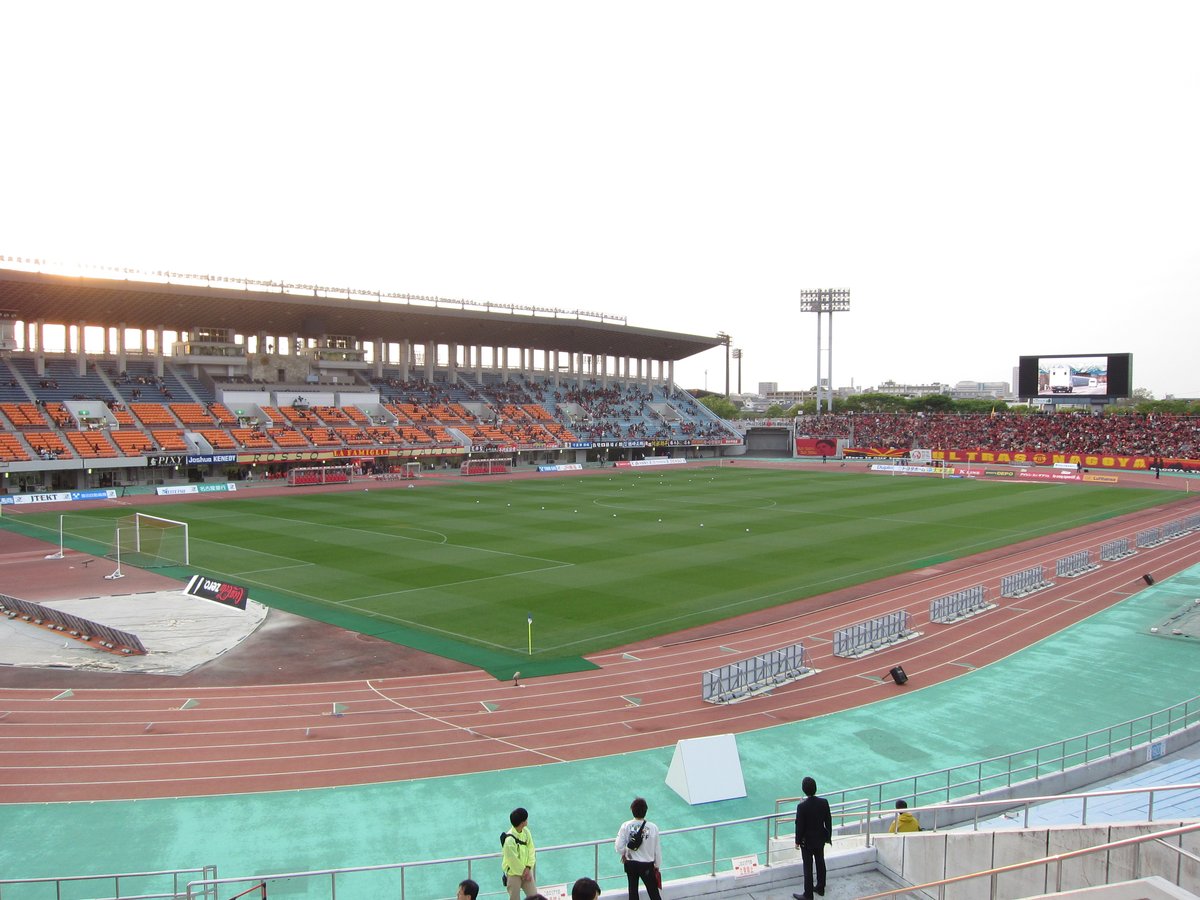
Mizuho Athletic Stadium

Mizuho Athletic Stadium

photo_camera

St. Mary'S College, Nagoya

Consulate of the United States, Nagoya

Consulate of the United States, Nagoya

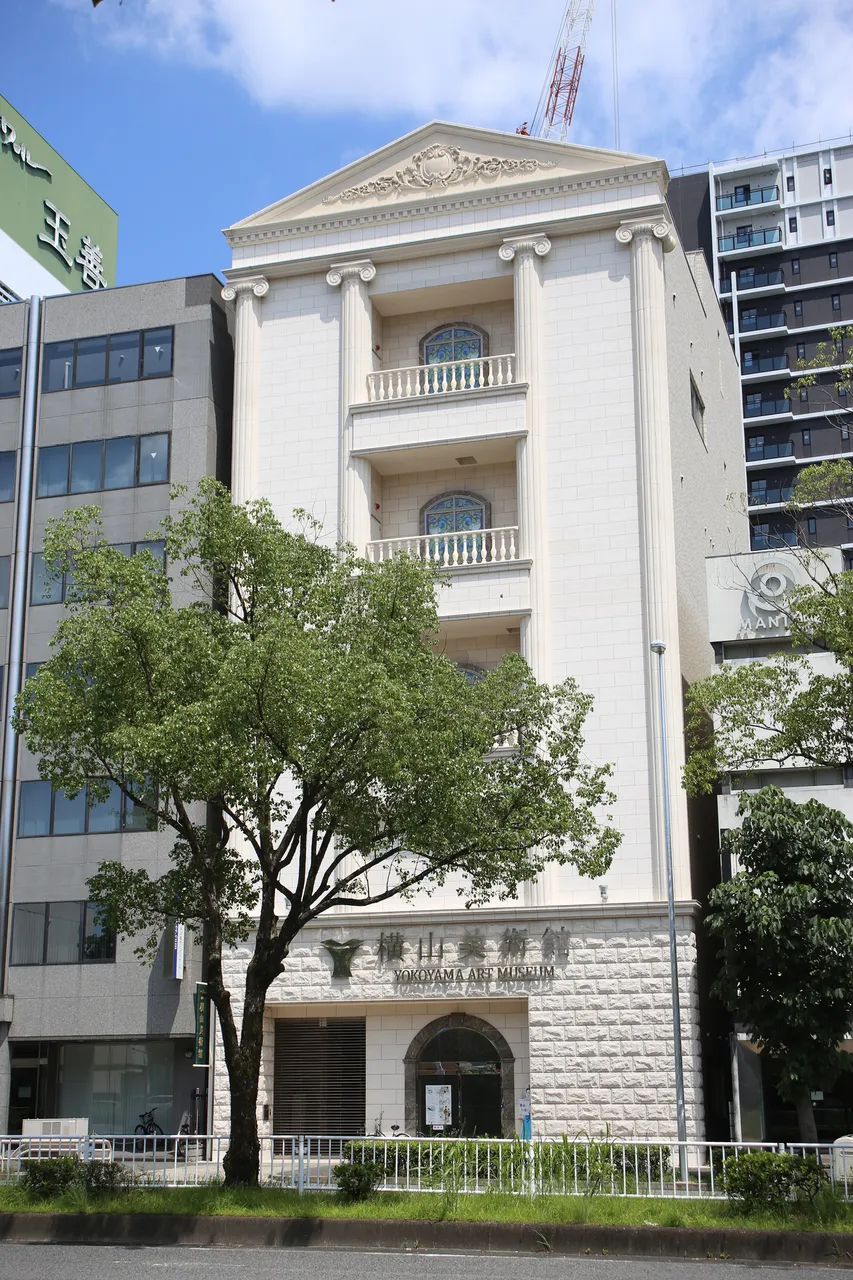
Yokoyama Art Museum

Yokoyama Art Museum

photo_camera

Miya-Juku

photo_camera

Nagoya City Hall

photo_camera

Nagoya Detention House

photo_camera

Kinjō-Futō

photo_camera

Consulate of Canada, Nagoya

Electricity Museum, Nagoya

Electricity Museum, Nagoya

photo_camera

Osu Engeijo

photo_camera

Nittai-Ji

photo_camera

Nagoya Local Meteorological Observatory

Nakagawa Canal

Nakagawa Canal

photo_camera

Global Gate

Nobunaga-Bei

Nobunaga-Bei

photo_camera

Mizuho Rugby Stadium

photo_camera

Nagoya Intercity

photo_camera

Kintetsu Pass'E

Kanayama Minami Building

Kanayama Minami Building

photo_camera

Nagoya Regional Immigration Bureau

photo_camera

Japanese Red Cross Nagoya Daiichi Hospital

Nagoya City University Hospital

Nagoya City University Hospital

photo_camera

Japanese Christian Museum

photo_camera

Nagoya City Kita Playhouse