What the Consulate Is
The Consulate-General of the Philippines in Nagoya serves Filipinos living in Japan’s Chūbu region. It provides consular services and support, and promotes cultural exchange, diplomatic engagement, and closer ties between the Philippines and Japan. Its opening responded to the growing Filipino community in Aichi and neighboring prefectures.
History
Officially inaugurated on December 1, 2020, the consulate is the third Philippine Foreign Service Post in Japan, after Tokyo and Osaka. Before it was established, residents had to travel significant distances to Tokyo or Osaka for consular matters. Its creation was championed by Senator Loren Legarda, with support from the Department of Foreign Affairs and the endorsement of Foreign Affairs Secretary Teodoro Locsin Jr. After receiving Japanese government approval in 2019, the consulate opened in Nagoya’s central Sakae district.
Nagoya Castle was built between 1610 and 1619 by Tokugawa Ieyasu and served as the seat of the Owari Tokugawa family. Heavily damaged during World War II, it was reconstructed in 1959. Restoration efforts aim to return the main keep to its original wooden form.
What to See and Community Significance
The consulate advances cultural diplomacy and economic cooperation through collaboration with local governments, economic federations, and Filipino organizations. Its initiatives include partnerships with Chukeiren (Central Japan Economic Federation) and participation in public health and emergency response programs with Nagoya City officials.
It also supports multicultural coexistence (“tabunka kyōsei”) in collaboration with Japanese authorities and organizations such as JICA and the Filipino Community Central Japan (FCCJ). Established under consular oversight, the FCCJ bridges Filipino and Japanese communities through cultural exchange and mutual support initiatives (Portal Japan).
Community events include:
- Pasko in Nagoya An annual Filipino Christmas celebration featuring traditional cuisine, performances, and guest dignitaries (Portal Japan).
- Philippine Independence Day Reception Gala events featuring Filipino food, music, and community leaders (GlobGov).
- Cultural Exhibitions Art, history, and multicultural programs organized with Japanese institutions (Portal Japan).
Practical Visiting Information
Location and Hours
- Location Sakae district, Naka ward, Nagoya, near Matsuzakaya department store.
- Hours Monday to Friday, 9:00 AM to 5:00 PM; closed on Philippine and Japanese public holidays.
- Address [Insert official consulate address here]
- Phone [Insert official phone number]
- Email [Insert official email address]
The consulate’s central location in Sakae is accessible by subway and bus. For up-to-date schedules, appointment bookings, maps, and directions, visit the Consulate-General of the Philippines in Nagoya website.
Jurisdiction and Services
The consulate’s jurisdiction covers nine prefectures in the Chūbu region: Aichi, Fukui, Gifu, Ishikawa, Nagano, Niigata, Shizuoka, Toyama, and Yamanashi. Its services support tens of thousands of Filipinos in the region, reducing the need for long commutes and helping provide timely assistance.
Services include:
- Passport applications and renewals
- Civil registry services, including birth, marriage, and death certificates
- Visa processing
- Notarial and authentication services
- Assistance to distressed Filipinos
The consulate also offers mobile outreach and hosts special community events.
Leadership and Organization
At its inception, Celeste Vinzon-Balatbat served as the first Consul General. The consulate is also described as having Jerome John O. Castro as acting head of post, and Consul General Roy B. Ecraela and Deputy Consul General Jerome John O. Castro as leaders of its mission. Its team combines experienced diplomats with local staff. Community leaders from the FCCJ and other Filipino organizations also help organize events and represent the diaspora (GlobGov).
Maps, photos, and virtual tours of the consulate and its events are available on the official Consulate-General of the Philippines in Nagoya website.
Tips
Appointments are recommended to minimize wait times. Check the consulate’s official website for event updates. Services and events are conducted in Filipino, English, and Japanese; visitors with specific accessibility needs can contact the consulate in advance.
Visitors can join FCCJ and other Filipino group events for community and cultural activities. Volunteering opportunities are available for those seeking deeper involvement in cultural activities. Follow social media for updates, and consider the Audiala app for mobile access to consular information and event notifications.
Nearby Places
Nagoya Castle
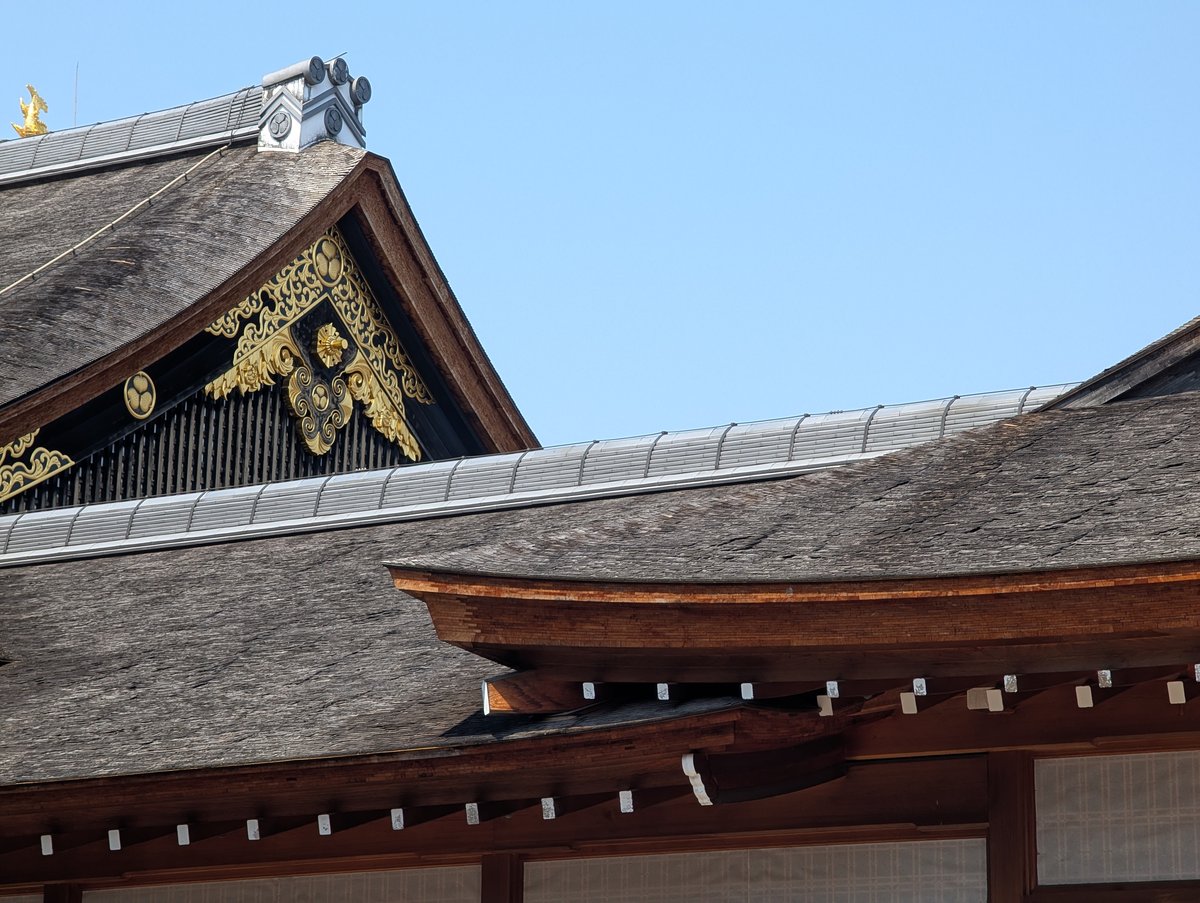
Nagoya Castle is a symbol of Nagoya’s historical and cultural heritage. It is known for its golden shachihoko roof ornaments and surrounding gardens, and offers insights into Japan’s feudal history and seasonal events.
Visiting hours:
- March–November: 9:00 AM–4:30 PM; last admission 4:00 PM
- December–February: 9:00 AM–4:00 PM; last admission 3:30 PM
- Closed December 29–January 1
Admission:
- Adults: 500 yen
- High school students: 300 yen
- Children (junior high/elementary): Free
Tickets can be purchased onsite or online at the official Nagoya Castle website.
Guided tours in Japanese and English offer information about the castle’s history. Seasonal events include cherry blossom festivals and cultural performances.
Attractions within the grounds include:
- Honmaru Palace Historic palace interiors.
- Ninomaru Garden Gardens with ponds and seasonal flowers.
- Castle Museum Exhibits on the castle’s history and reconstruction.
Nagoya Castle is wheelchair accessible, with ramps and elevators. Accessible restrooms and helpful staff are available.
Photography opportunities include the golden shachihoko at sunset, landscape views framed by the stone walls and moat, and springtime cherry blossoms.
Useful links:
Other places mentioned nearby include the Nagoya City Science Museum, Osu Shopping District, and Atsuta Shrine. Nagoya Castle, Osu Shopping District, and Atsuta Shrine are also noted as places to visit alongside a consular appointment.
Frequently Asked Questions
What are the consulate’s visiting hours?
Monday to Friday, 9:00 AM to 5:00 PM, except Philippine and Japanese public holidays.
How do I apply for a Philippine visa?
Submit applications during business hours. Appointments are recommended through the consulate’s website.
Does the consulate offer emergency assistance?
Yes. Assistance includes health, legal, or repatriation emergencies.
Where is the consulate located?
It is in Nagoya’s Sakae district, Naka ward, near Matsuzakaya department store. Check the consulate’s website for maps and directions.
Are there group or senior discounts at Nagoya Castle?
Yes, discounts are available for groups and seniors; check the official site for details.
Can I picnic inside Nagoya Castle’s grounds?
Designated picnic areas are available; follow posted rules.
Are pets allowed at Nagoya Castle?
Pets are not allowed inside buildings but may be permitted in outdoor areas if leashed.