What Doho University Is
Doho University (同朋大学, Dōhō Daigaku), located in Nagoya, Japan, is an institution with roots in Buddhist traditions and a focus on social welfare, humanities, and music. Established in 1826 in the Jōdo Shinshū tradition, it combines this heritage with modern academic pursuits. Its campus is near historical and cultural sites including Nagoya Castle and Atsuta Shrine. For up-to-date details, refer to the official Doho University website.
The university is small and coeducational, with an enrollment of between 1,000 and 1,999 students. Admission is competitive and based primarily on entrance exams. It offers bachelor’s, master’s, and doctoral degrees, with strengths in social welfare, humanities, and music. Small-group teaching supports close interaction between faculty and students. The university also fosters scientific inquiry and research participation; students can take part in seminars and industry placements and receive career advising.
Doho University welcomes international students and supports global engagement through exchange programs, language assistance, and cultural integration activities. Its International Office provides guidance on applications, housing, and visa support.
History
Doho University traces its origins to 1826 in Nagoya, when it was established to promote Buddhist teachings in the Jōdo Shinshū tradition, one of Japan’s largest Buddhist schools. Its values of compassion and inclusivity continue to inform its approach to education and social welfare.
The institution achieved higher education status in 1921 and was chartered as a university in 1950 during Japan’s postwar reforms. It adopted the name “Doho University” in 1959. The integration of Nagoya College of Music (名古屋音楽大学, Meion) expanded its music offerings.
What to See
Doho University Campus
The campus offers a welcoming atmosphere for visitors and students. Facilities include a library, on-campus housing, sports facilities, and student support areas.
Doho Monument
The Doho Monument honors the university’s founding principles and contributions to social welfare and Buddhist studies. Erected in the mid-20th century, it symbolizes peace, education, and spiritual reflection.
Nagoya Castle
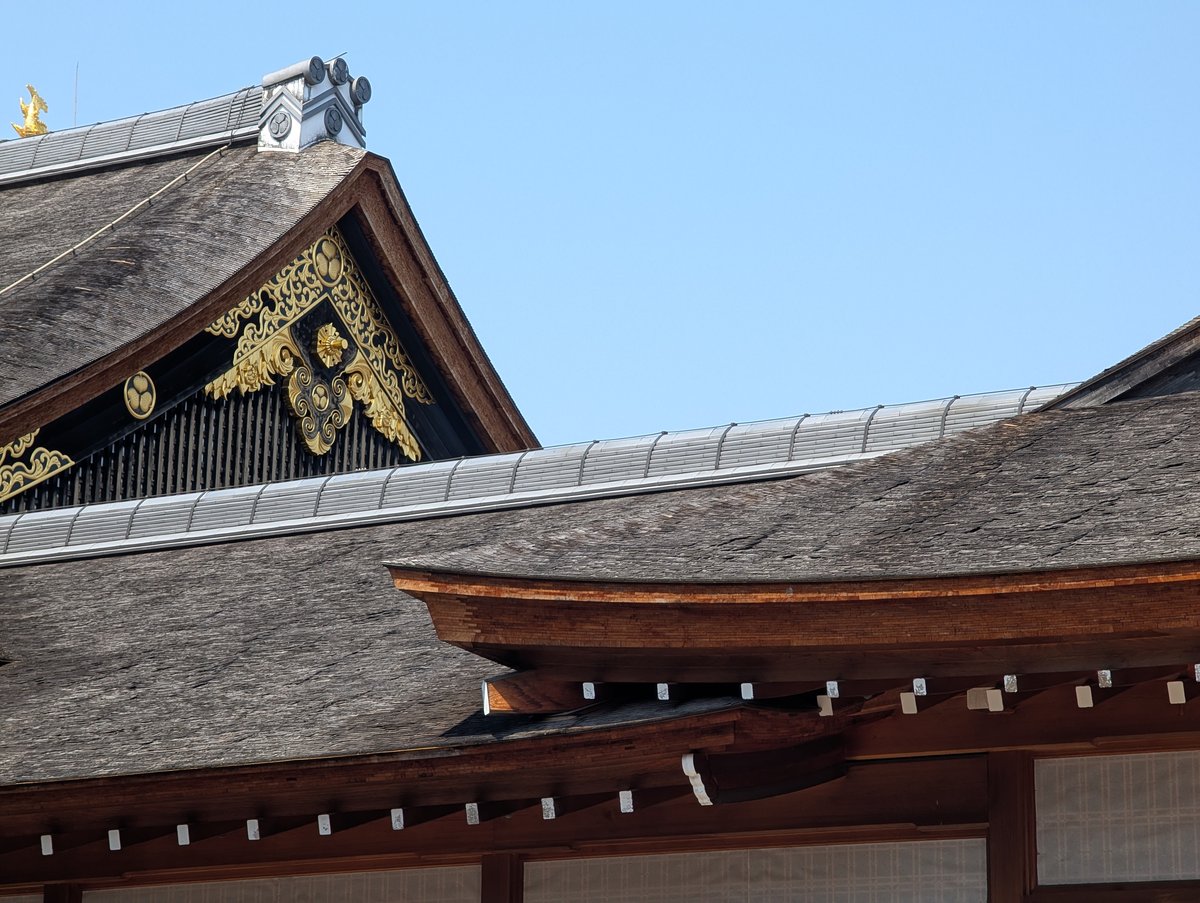
Nagoya Castle is known for its Edo-period architecture and golden shachihoko ornaments. Originally constructed in the 17th century as the Tokugawa family’s seat, it is a prominent example of Japanese feudal heritage.
Practical Visiting Information
Doho University
- Opening hours Monday to Friday, 9:00 AM–5:00 PM.
- Entry General campus visits are free.
- Guided tours Available by appointment through the International Office at [email protected] or +81 52 411 1113.
- Events Concerts and performances, particularly by Nagoya College of Music, may require tickets. Check the event page for details.
- Address 7-1 Inabaji-cho, Nagoya, 453-8540, Japan.
- Getting there The campus is accessible via Nagoya’s subway and bus network; Nagoya Station is the nearest major hub.
- Accessibility The campus has ramps, elevators, and accessible restrooms.
Doho Monument
- Hours Daily, 9:00 AM–5:00 PM; last admission 4:30 PM. Closed on national holidays and December 29–January 3.
- Admission Free.
- Guided tours Offered on weekends and public holidays; advance booking is recommended through the Doho Monument official page.
- Getting there The monument is situated near central Nagoya and can be reached from Nagoya Station by local bus or taxi. Chubu Centrair International Airport (NGO) is about 45 minutes away.
- Accessibility The grounds and restrooms are wheelchair accessible. Contact the visitor center for special assistance.
Nagoya Castle
- Hours Daily, 9:00 AM–4:30 PM; last admission 4:00 PM.
- Admission fees Main Keep: approximately ¥500 for adults and ¥100 for children; Honmaru Palace: approximately ¥500 for adults and ¥100 for children.
- Discounts Available for seniors, students, and groups.
- Tickets Available onsite and online through the Official Nagoya Castle Website.
- Getting there Accessible via the Meijo Subway Line at Shiyakusho or Nagoya Castle Station, followed by a 5–10 minute walk.
- Accessibility Wheelchair access, ramps, and accessible restrooms are provided.
Tips
- Currency Japanese yen; cash is widely used.
- Language Basic English support is available; translation apps are recommended.
- Wi-Fi Free hotspots are available on campus and near major landmarks.
- Safety Nagoya is safe. Emergency numbers are 110 for police and 119 for ambulance.
- Castle tours and events Guided tours in Japanese and limited English, as well as audio guides, are available. The grounds offer photography spots, especially during cherry blossom season. Local cuisine is plentiful nearby, and seasonal events include cherry blossom festivals and night illuminations.
- Doho Monument Spring (March–May) and autumn (September–November) offer pleasant weather and vibrant scenery. Early morning or late afternoon is ideal for photography.
The suggested itinerary is a morning guided campus tour or public lecture at Doho University, lunch at the university or nearby cafés, an afternoon visit to Nagoya Castle or Osu Shopping District, and an evening enjoying city views from Midland Square or a cultural performance (Locals in Japan).
Elevate your Nagoya adventure—download the Audiala app for real-time updates, travel tips, and digital guides to make your journey seamless and memorable.
Nearby Places
- Nagoya Castle Explore samurai heritage and gardens.
- Atsuta Shrine One of Japan’s most important Shinto shrines.
- Osu Shopping District A shopping and street-food district.
- Nagoya City Science Museum Features interactive exhibits and the world’s largest planetarium.
- Doho Monument A site honoring the university’s founding principles and contributions.
Frequently Asked Questions (FAQ)
Q: What are Doho University’s visiting hours?
A: Monday–Friday, 9:00 AM–5:00 PM. Confirm updates on the official website.
Q: Is there an entrance fee?
A: General campus visits are free. Some events may require tickets.
Q: Are guided tours available?
A: Yes, by appointment through the International Office.
Q: Is the campus accessible for people with disabilities?
A: Yes. The campus has ramps, elevators, and accessible restrooms.
Q: What other attractions are nearby?
A: Nagoya Castle, Atsuta Shrine, Osu Shopping District, and the Doho Monument.
For comprehensive updates, check the Doho University website, Nagoya Castle official page, and Doho Monument information.