Medieval Origins and the Fava Transformation
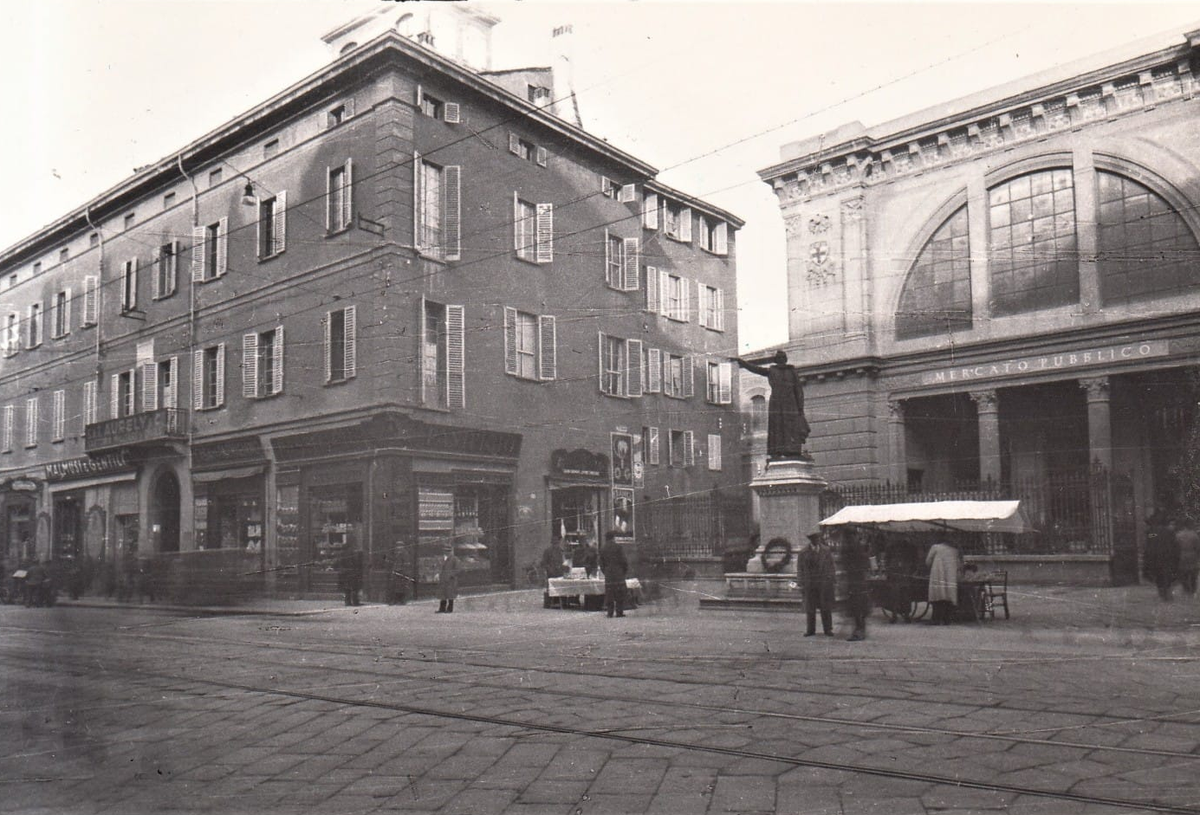
Palazzo Fava’s foundations date back to the Middle Ages, when Bologna’s urban landscape was dominated by fortified towers and noble residences. The Fava family—prominent in the city’s civic and cultural life—acquired the property in 1546 and undertook a Renaissance makeover, adding a grand façade, refined porticoes, and impressive interiors that reflected their status and intellectual ambitions (Genus Bononiae).
The Carracci Frescoes and Artistic Legacy
The late 16th-century commission of the Carracci cousins marked a turning point for both the palazzo and Italian art. Filippo Fava enlisted Ludovico, Annibale, and Agostino Carracci to decorate the “piano nobile” with frescoes depicting mythological and epic tales, including the “Stories of Jason and Medea,” the “Stories of Aeneas,” and the “Stories of Europa.” These works are celebrated for their dynamic composition, naturalistic approach, and vivid storytelling, heralding the advent of the Baroque style and influencing generations of artists (Genus Bononiae; Bologna Welcome; Lonely Planet).
The Carracci project was also notable for its collaborative nature, involving students and contemporaries such as Francesco Albani and Bartolomeo Cesi, whose contributions add further depth to the decorative scheme (Genus Bononiae).
Modern Rebirth and Exhibition Center
Following various changes in ownership, Palazzo Fava was restored in the early 21st century by the Fondazione Cassa di Risparmio in Bologna, reopening in 2011 as the “Palazzo delle Esposizioni.” This transformation preserved its historic grandeur while equipping it with modern exhibition spaces suitable for both classical and contemporary shows (Genus Bononiae; Tiqets). Today, Palazzo Fava serves as a dynamic cultural venue, hosting national and international exhibitions, lectures, and educational activities.
Architectural Features and UNESCO Recognition
Palazzo Fava epitomizes Renaissance Bolognese architecture, with harmonious proportions, a noble staircase, and a portico that forms part of Bologna’s UNESCO-listed network of arcades (Comune di Bologna). The interiors retain period furnishings and decorative elements, while restoration has integrated accessibility features and contemporary amenities.
Visiting Palazzo Fava
Hours and Ticket Information
- Opening Hours Tuesday to Sunday, 10:00 AM – 7:00 PM (last admission at 6:00 PM). Closed Mondays. Hours may vary during special exhibitions or holidays; always check the official website for updates.
- Tickets Standard admission is €10; reduced rate €5 for students, seniors, and children. Children under 18 often enter free. Purchase tickets online via the Genus Bononiae portal or at the entrance. Advance booking is advisable during major exhibitions (Arte.it).
Accessibility and Visitor Amenities
- Accessibility Palazzo Fava is equipped with elevators and ramps, making exhibition areas accessible to visitors with mobility needs. Accessible restrooms are available on-site (Tiqets).
- Amenities A cloakroom is provided for coats and small bags (large luggage is not permitted in exhibition areas). While there is no on-site café, the palace’s central location means numerous dining options are nearby. The museum shop offers catalogues, art books, souvenirs, and local crafts.
Guided Tours and Educational Programs
- Guided Tours Expert-led tours are available in Italian and English (and upon request in other languages), offering in-depth exploration of the Carracci frescoes, historical rooms, and current exhibitions. Advance booking is recommended, especially for groups and school visits.
- Educational Activities Workshops and special events cater to families, students, and art lovers, enhancing engagement with both historical and contemporary art.
Special Exhibitions
Palazzo Fava’s exhibition calendar features both classical masterpieces and contemporary art. Highlights include the 2025 Louise Nevelson retrospective, which explores themes of memory, female empowerment, and innovative sculpture (Artsupp; ANSA). Previous major shows have included works by Ai Weiwei and exhibitions on Bolognese Renaissance painting.
Travel Tips and Nearby Attractions
- Location Centrally located at Via Manzoni 2, a short walk from Piazza Maggiore, the Two Towers, Basilica di San Petronio, and the Quadrilatero market (Triphobo).
- Transport Bologna Centrale train station is about a 10–15 minute walk. Public buses stop nearby; car parking is available in city garages, though spaces are limited and city center driving is restricted.
- Best Times to Visit Weekday mornings and late afternoons are quieter. Allow at least an hour to explore; guided tours may extend the visit to two hours.
- Combining Visits Palazzo Fava is part of the Genus Bononiae museum network, which includes Palazzo Pepoli and San Colombano. Consider combination tickets for a broader cultural experience.
Frequently Asked Questions (FAQ)
Q: What are Palazzo Fava’s opening hours?
A: Tuesday to Sunday, 10:00 AM – 7:00 PM; closed Mondays.
Q: How much are tickets?
A: Standard ticket €10; reduced €5. Free for children under 18. Prices may vary for special exhibitions.
Q: Is the palace accessible for visitors with disabilities?
A: Yes, elevators, ramps, and accessible restrooms are available.
Q: Are guided tours available in English?
A: Yes, upon request and with advance booking.
Q: Can I take photos inside?
A: Photography without flash is generally permitted in permanent collection areas.
Q: Is there a café on-site?
A: No, but numerous cafés and restaurants are located nearby.
Contact Information
- Address Via Manzoni 2, 40121 Bologna, Italy
- Phone +39 051 19936305
- Email [email protected]
- Official website https://genusbononiae.it/en/homepage-english/