
Origins and Dedication
Giardino Nicholas Green is named for Nicholas Green, a seven-year-old American boy tragically killed during a robbery while on vacation in southern Italy in 1994. His parents, Reg and Maggie Green, made the life-changing decision to donate Nicholas’s organs, ultimately saving seven lives and inspiring Italy to embrace organ donation. This act of profound generosity triggered a dramatic rise in organ donation rates, a phenomenon termed the “Nicholas Effect” (Nicholas Green Foundation). The city of Bologna memorialized Nicholas’s legacy by dedicating this garden, transforming it into a lasting symbol of compassion, hope, and international solidarity.
Historical Context and Urban Development
Bologna, celebrated for its rich medieval and Renaissance history, has also prioritized the creation of parks and green spaces as essential urban havens (Taste Bologna: Parks and Gardens). Giardino Nicholas Green was inaugurated in the late 1990s, during a period in which the city expanded its green areas as part of a broader mission to balance historic preservation with contemporary urban needs. This initiative aimed to enhance residents’ quality of life and promote sustainable, inclusive public spaces.
Significance in Italian and International Memory
The garden’s dedication is a local and international testament to the transformative power of empathy. Before 1994, Italy had among the lowest organ donation rates in Europe. Nicholas Green’s story, widely covered by the media, shifted public sentiment and policy, tripling donation rates in the years that followed and setting an example for other nations (Nicholas Green Foundation). The garden serves as both a physical and symbolic reminder of altruism and the enduring impact of individual acts of kindness.
Location and Landscape Features
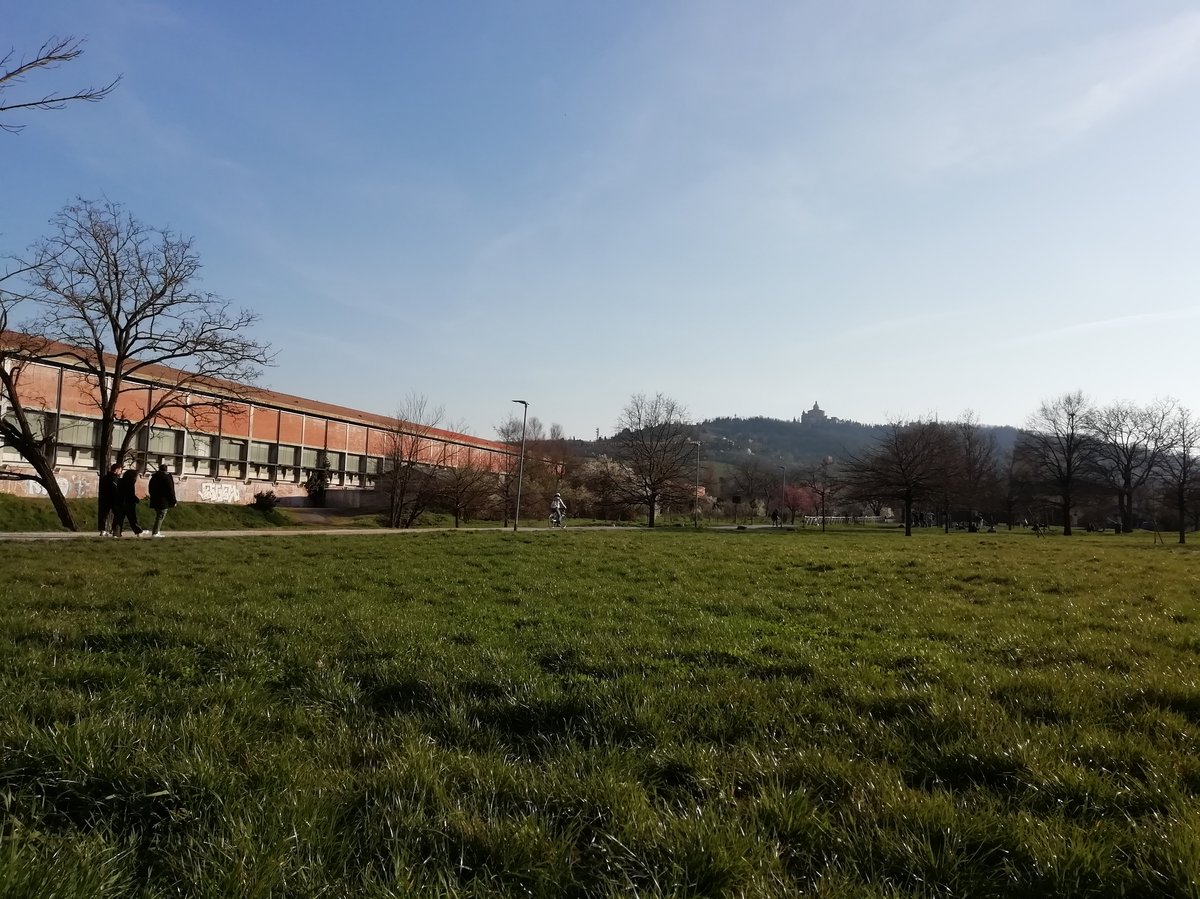
Situated in Bologna’s residential Barca district, Giardino Nicholas Green is easily accessible by public transit and near amenities such as cafés, playgrounds, and the historic Certosa di Bologna cemetery. The garden features paved, wheelchair-accessible paths, open lawns, mature trees, community gardens, and educational plaques recounting Nicholas’s story and the importance of organ donation. Its design encourages both quiet contemplation and vibrant community gatherings.
Visitor Information: Visiting Hours, Tickets, and Accessibility
- Hours Open daily, year-round, from dawn until dusk. Some sources specify 7:00 AM to 9:00 PM.
- Admission Free entry; no tickets required.
- Accessibility Fully accessible for people of all abilities, with smooth paved paths, step-free entrances, and facilities for wheelchairs and strollers.
- Facilities Playgrounds, benches, water fountains, picnic tables, and information boards are found throughout the park. Public restrooms and cafés are nearby.
Cultural and Educational Role
Giardino Nicholas Green is not only a recreational space but also a living classroom. Local schools and community groups use the garden for educational programs in health, citizenship, and ethics. Commemorative events—such as organ donation awareness days—reinforce the garden’s role in passing on Nicholas’s legacy and promoting a culture of empathy and civic responsibility.
Integration with Bologna’s Green Network
As part of Bologna’s extensive green system, the garden links to other parks and natural corridors, including Giardini Margherita and the historic Orto Botanico (Taste Bologna: Parks and Gardens). Its proximity to the Canale di Reno greenway and Villa Serena makes it a vital node for both recreation and sustainable mobility (Quartiere Barca Bologna; Komoot).
Preservation and Community Involvement
The garden’s upkeep is managed by the Bologna municipality with strong support from local residents, advocacy groups, and neighborhood committees. Community gardening, volunteer days, and public events encourage civic engagement, ensuring the garden remains a vibrant and meaningful space. These efforts reflect Bologna’s broader commitment to sustainability and participatory urban stewardship.
Garden Layout and Features
Geographic Setting
Located adjacent to Certosa di Bologna and near Villa Contri, the garden’s southern boundary connects to Villa Serena and the Canale di Reno pedestrian/cycling path (Quartiere Barca Bologna).
Spatial Organization
- Central Lawns Ideal for picnics and gatherings.
- Tree-Lined Walkways Offer shaded, tranquil routes for walking and jogging.
- Perimeter Paths Connect entrances and features, suitable for wheelchairs and strollers (Komoot).
Key Features
- Community Gardens (Orti Comunali) Locals cultivate vegetables and flowers, fostering sustainability and community spirit.
- Playgrounds Modern play areas for children and open spaces for informal sports (MyPacer).
- Fitness and Sports Amenities Walking/jogging paths and fitness programs like “Parchi in Movimento” (Cultura Bologna).
- Memorial Monument Honoring Nicholas Green and his impact on organ donation (Quartiere Barca Bologna).
- Villa Contri A historical site within the park, with origins as a military fortification.
- Integration with Urban Greenways Direct access to the Canale di Reno path and other parks (Komoot).
Visitor Experience: Activities and Tips
- Relaxation Enjoy the tranquil ambiance, read, or unwind on the lawns.
- Family Outings Children’s playgrounds and open spaces are ideal for families.
- Walking & Jogging Level, scenic paths are perfect for exercise.
- Photography Capture the community gardens, memorial, and seasonal foliage.
- Events Participate in fitness programs, cultural events, and environmental workshops. Check local calendars for updates (Diverdeinverde; Bologna Welcome).
Community Engagement and Events
Giardino Nicholas Green is a hub for community involvement. Residents, schools, and local organizations collaborate to maintain the park and run events, including:
- “Parchi in Movimento” Fitness Program Free, instructor-led exercise classes from May to July and in September (Cultura Bologna).
- Open-Air Concerts & Festivals Summer performances and children’s events.
- Environmental Awareness Days Tree planting, birdwatching, and recycling workshops.
- Integration with Citywide Events The park often hosts satellite events for major Bologna festivals (Cultura Bologna Calendar).
Green Network and Urban Sustainability
The park is a crucial part of Bologna's urban resilience strategy, supporting biodiversity, mitigating heat, and fostering sustainable mobility. Its connections to other green spaces facilitate walking and cycling while supporting ecological connectivity.
Frequently Asked Questions (FAQ)
Q: What are the opening hours?
A: Daily from dawn until dusk; some sources specify 7:00 AM–9:00 PM.
Q: Is entry free?
A: Yes, admission is always free.
Q: Is the park accessible for those with disabilities?
A: Yes, paved, barrier-free paths and accessible playgrounds.
Q: Are pets allowed?
A: Yes, keep pets on a leash; dog-walking areas are provided.
Q: How do I get there by public transport?
A: Bus lines 25 and 36 serve the Barca district.
Q: Are there guided tours or special events?
A: Guided tours and events occur seasonally; check local event calendars.
Related Attractions
- Giardini Margherita: Bologna’s Largest Park
- Two Towers: Iconic Medieval Landmarks
- Orto Botanico di Bologna: Historic Botanical Garden