About SAIS Europe Bologna Center
Founded in 1955, the SAIS Europe Bologna Center is a cornerstone of transatlantic academic cooperation. As a campus of the Johns Hopkins University School of Advanced International Studies (SAIS), it offers graduate programs in international relations, policy research, and economics. The Center’s mission is to foster global leaders within an intellectually vibrant and culturally immersive environment.
Visiting Hours and Access
- General Hours Monday to Friday, 9:00 AM – 6:00 PM. Some facilities may close during Italian national holidays or for special events.
- Location Via Belmeloro 11, 40126 Bologna, Italy – centrally located and accessible by foot, bicycle, or public transportation.
- Advance Booking While campus entry is generally open, guided tours and event attendance often require advance registration.
Tickets and Entry
- General Admission Free access to campus grounds and common areas.
- Special Events Some lectures, conferences, or exhibitions require prior registration or tickets, available via the SAIS Europe events page.
- Guided Tours Available by appointment for individuals and groups; bookings should be made in advance through the campus visit page.
Guided Tours and Campus Highlights
Key Facilities
- Robert H. Evans Library One of Europe’s most extensive English-language collections in international relations, with 85,000+ volumes, digital resources, and quiet study spaces. (SAIS Europe Library)
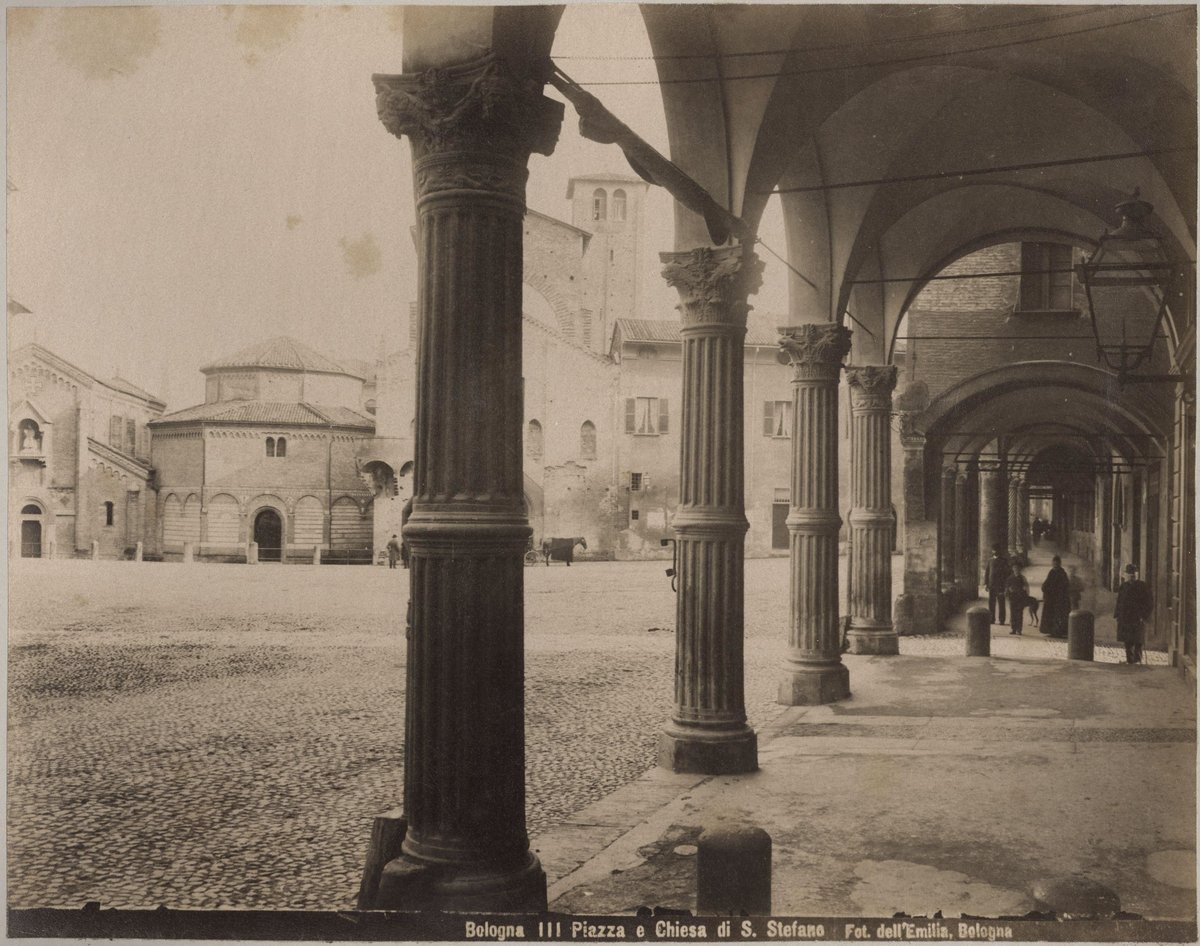
- Historic Architecture The campus marries modern amenities with Bologna’s medieval cityscape, offering inspiring spaces for study and reflection.
- Research Institutes Home to the Bologna Institute for Policy Research and the Center for Constitutional Studies and Democratic Development.
Technology and Accessibility
- High-speed Wi-Fi throughout campus.
- Wheelchair access, elevators, accessible restrooms, and assistive listening devices.
- Notify admissions in advance for special accommodations.
Nearby Attractions and Cultural Sites
- Piazza Maggiore The city’s main square, surrounded by medieval buildings and lively cafes.
- Two Towers (Due Torri) Iconic medieval towers with panoramic city views.
- University of Bologna Founded in 1088—the world’s oldest university in continuous operation.
- Bologna Porticoes UNESCO-listed arcades, perfect for exploring the city on foot.
- MAMbo (Museum of Modern Art) Contemporary art exhibitions nearby.
Student Life and Culinary Traditions
Bologna’s university quarter is alive with international students and local culture:
- Aperitivo Culture Enjoy evening drinks and snacks at local cafes—ideal for mingling with students and faculty.
- Gastronomy Nicknamed “La Grassa” (The Fat), Bologna is Italy’s culinary capital. Try tagliatelle al ragù, tortellini in brodo, mortadella, and lasagna in the nearby Quadrilatero market district.
- Student Organizations Frequent cultural events, lectures, and film screenings open to the public.
Arts, Music, and Local Events
- Music & Theater Attend performances at Teatro Comunale di Bologna and music festivals such as Botanique.
- Film Experience the annual Il Cinema Ritrovato festival, celebrating restored classics.
- Cultural Calendar Spring and autumn feature major events; check the SAIS Europe Events Calendar and All Events in Bologna.
Transportation and Travel Tips
- Getting There Bologna Centrale train station is a 15-minute walk from campus; airport and bus connections are frequent.
- Public Transport Efficient city buses and regional trains; tickets available at tabacchi shops or via mobile apps. (Bologna Public Transport)
- Accessibility Most city attractions and the campus are accessible; let the admissions office know in advance if you require accommodations.
- Language Italian is the local language, but English is widely spoken on campus and in tourist areas.
Accommodation Options
- Hotels & B&Bs Options range from boutique hotels to budget guesthouses in the city center.
- Short-Term Rentals Apartments and studios available via platforms like Airbnb.
- University Residences Limited; primarily for students.
- Booking Reserve early during festivals or academic events. (SAIS Accommodation)
FAQ
Q: What are the SAIS Bologna Center visiting hours?
A: Monday to Friday, 9:00 AM – 6:00 PM. Check the official website for holiday schedules.
Q: Is there an entrance fee?
A: General admission is free; special events may require tickets.
Q: Are guided tours available?
A: Yes, by appointment; book in advance.
Q: Is the campus accessible for people with disabilities?
A: Yes, with fully accessible buildings and services—notify the office for specific needs.
Q: What sites are near the SAIS Bologna Center?
A: Piazza Maggiore, Two Towers, University of Bologna, and more.