

About Menahemia
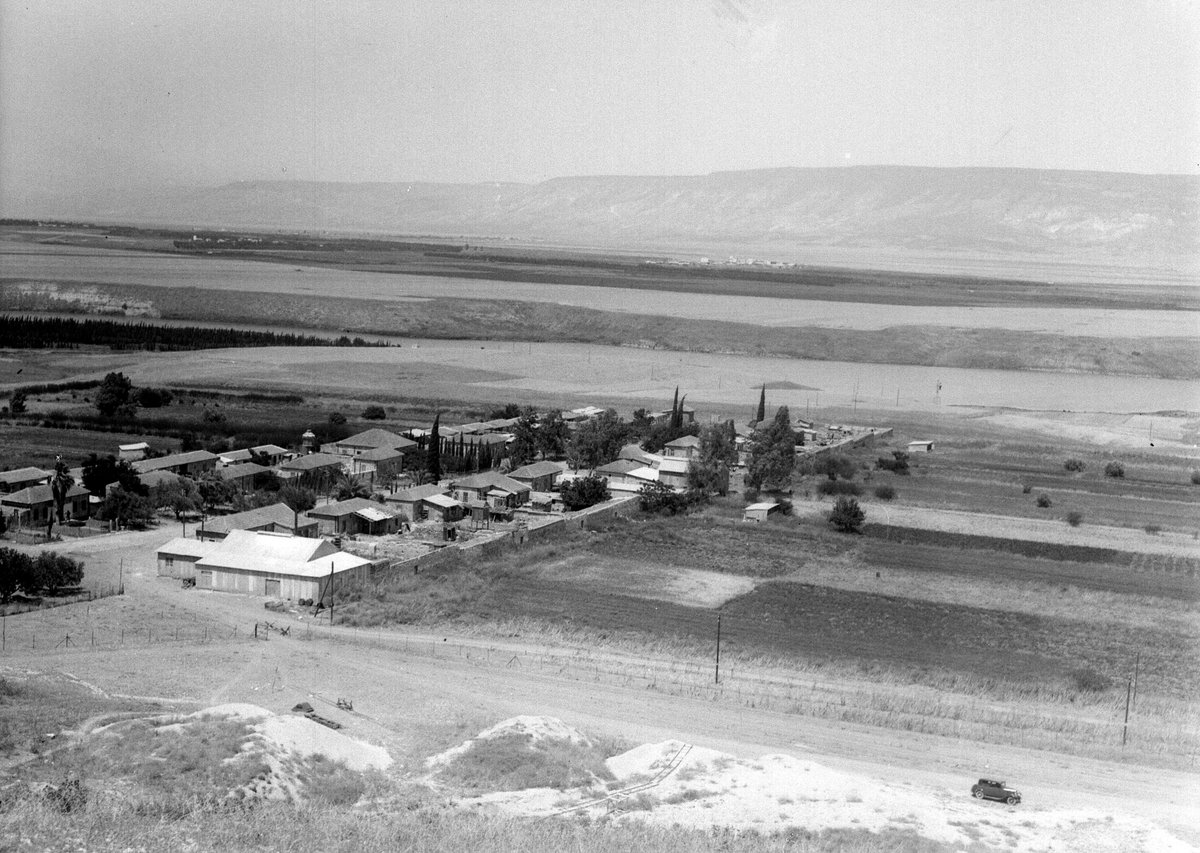
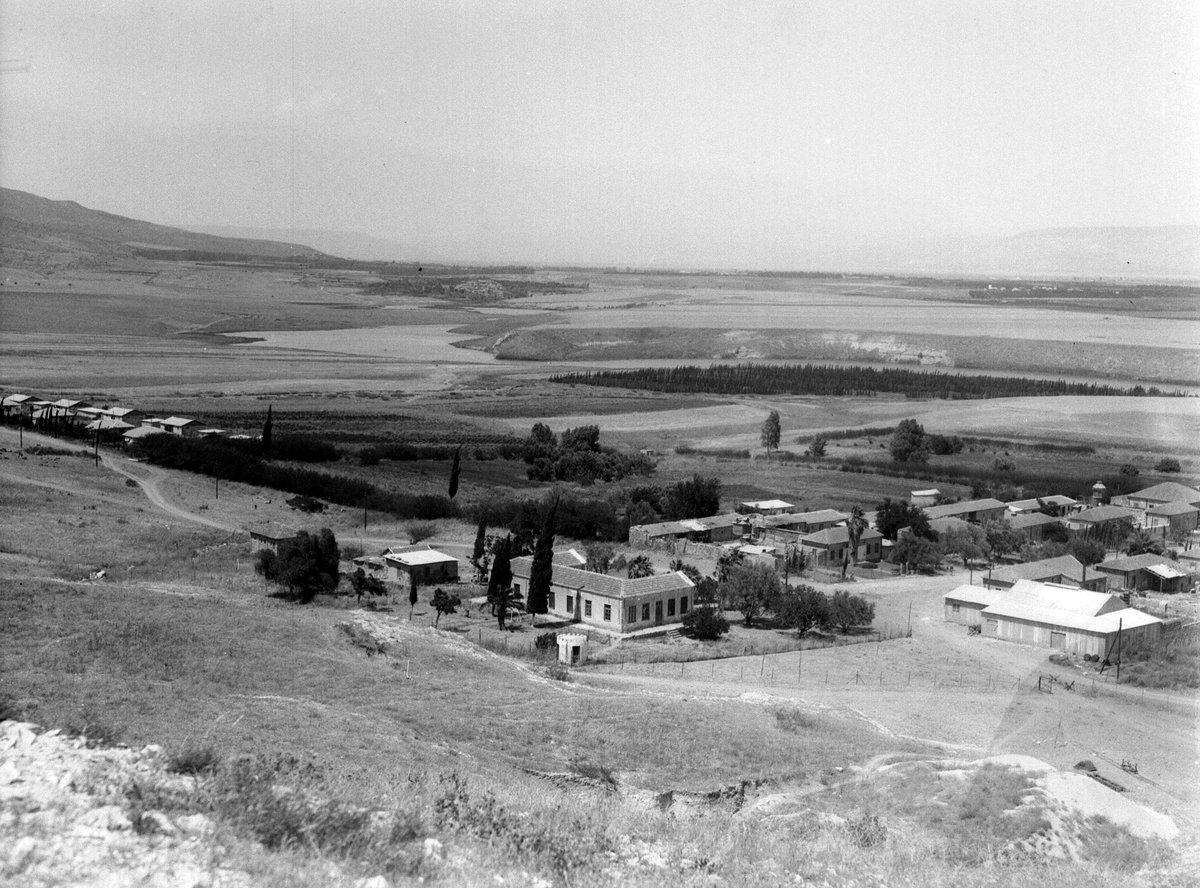
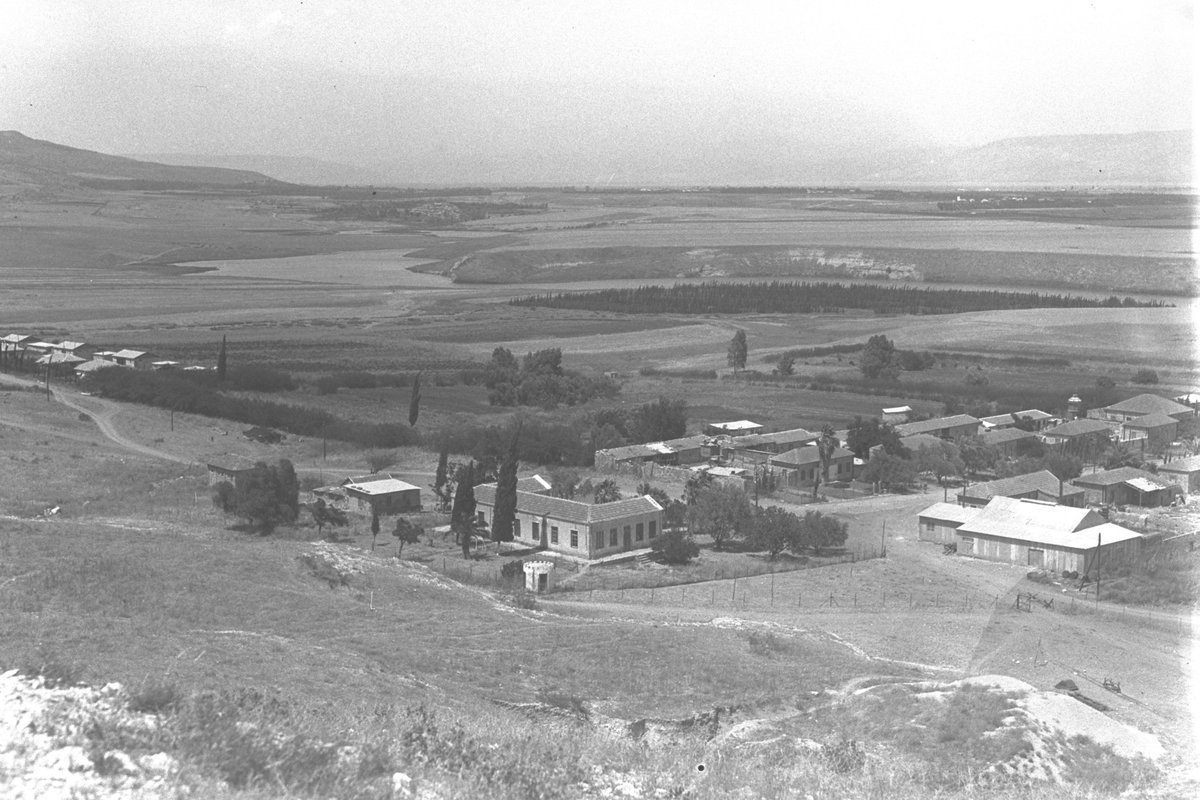
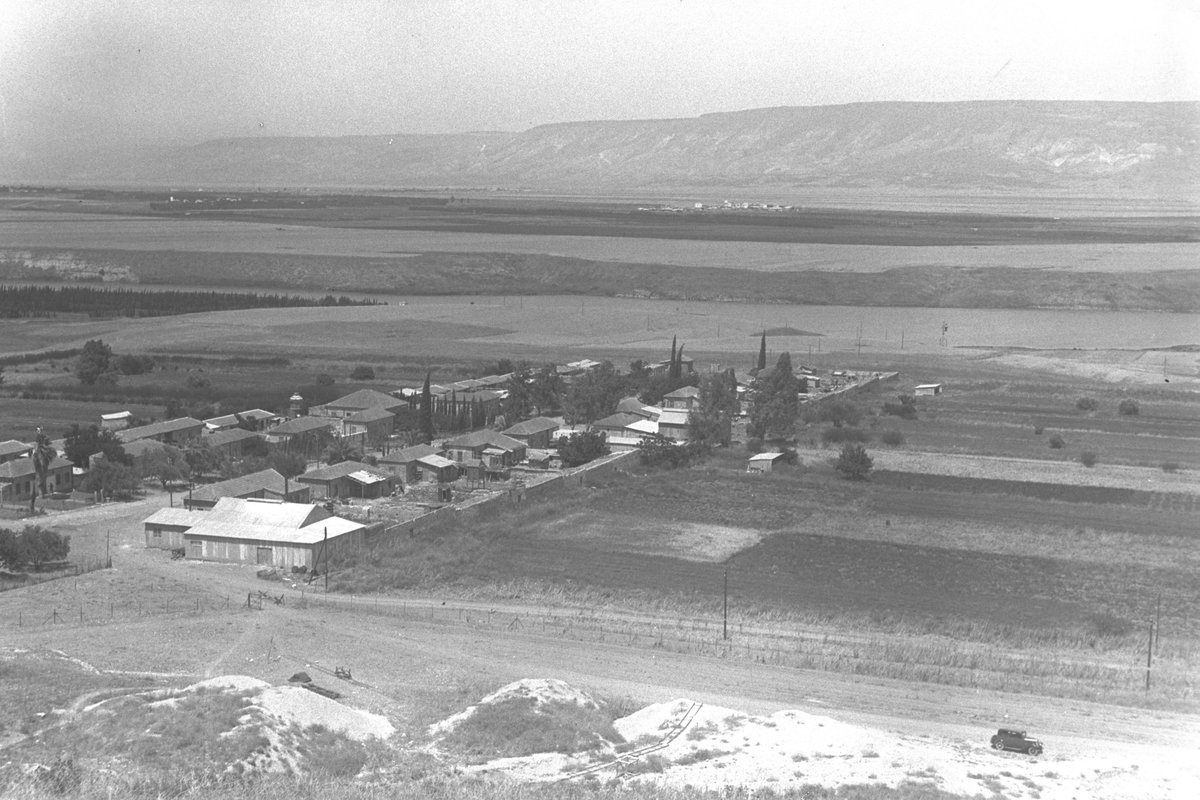
Menahemia is a rural village in the Jordan Valley of Israel’s Northern District, known for its early Zionist agricultural heritage, historic buildings, museums, cultural traditions, and agricultural landscape. Founded in 1901 as one of the earliest Zionist agricultural moshavot, it lies near Highway 90, about 5 km south of Tzemah, just south of Beit She’an and north of the Sea of Galilee (JewishGen).
The village covers approximately 6,000 dunams (6 sq km) of cultivated land and residential space. The Jordan Valley is known for its sub-sea-level elevation and agricultural output. Menahemia is governed by the Valley of Springs Regional Council and had around 1,065 residents in 2022 (Valley of Springs Regional Council).
History
Founding and early years
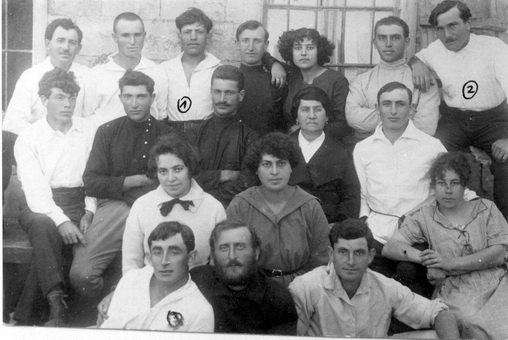
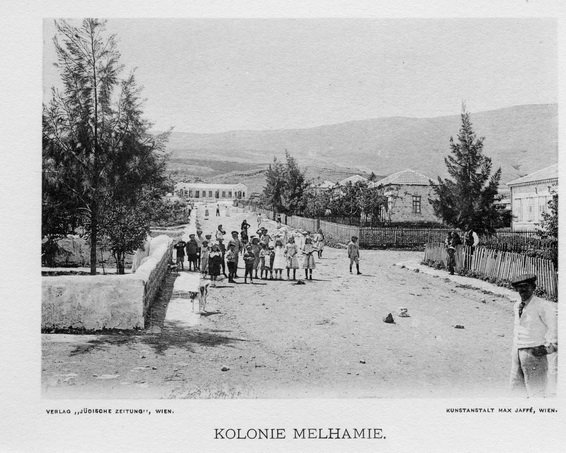
Established in December 1901 under the name Milhamia, Menahemia was among the first Jewish agricultural settlements in the southern Jordan Valley. The Jewish Colonization Association’s land purchase marked a significant phase of the Second Aliyah (1904–1914), when Jewish immigrants from Eastern Europe sought refuge and a connection to their ancestral homeland (JewishGen).
In 1921, the settlement was renamed Menahemia in honor of Menachem Samuel, father of Herbert Samuel, the first High Commissioner of Mandatory Palestine. Its founding preceded the 1917 Balfour Declaration and represents the grassroots agricultural and communal efforts associated with the Zionist movement. The moshava model, with its emphasis on self-sufficiency and cooperation, influenced Israel’s rural landscape and national identity (World History Edu; Britannica).
Development and heritage
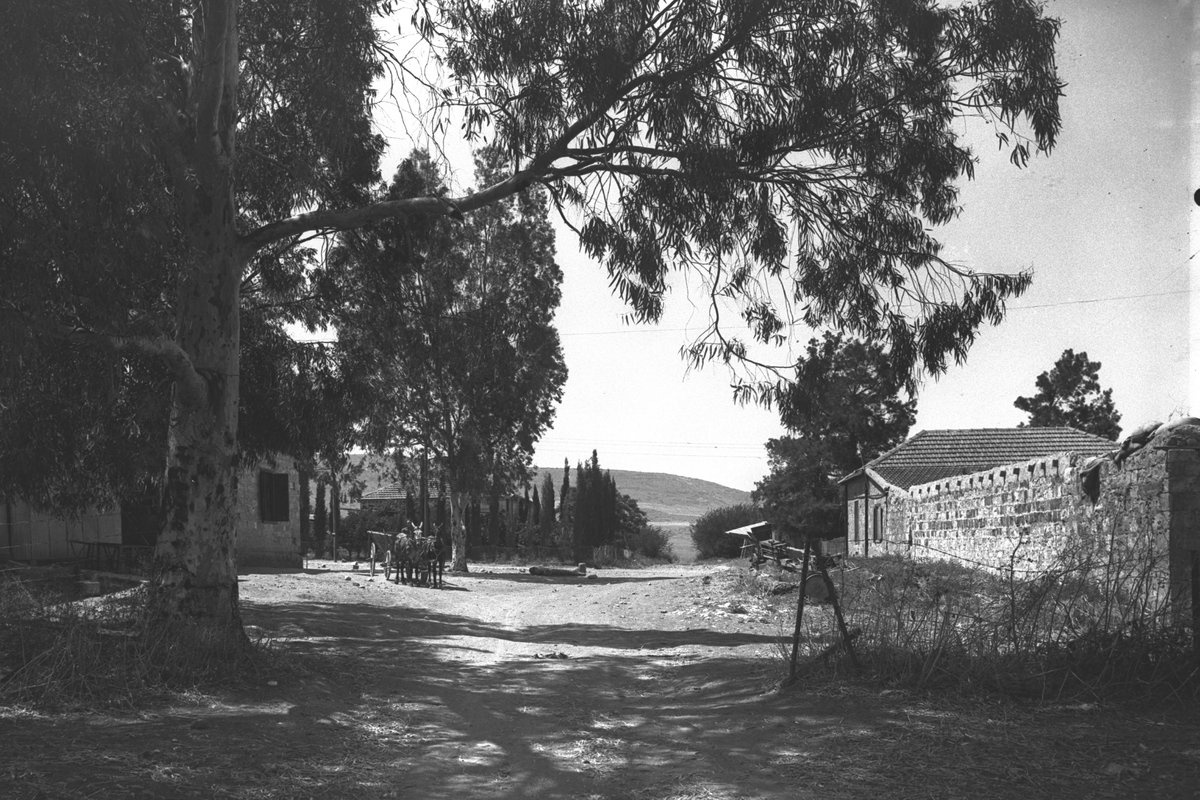
Early settlers endured malaria, a harsh climate, and challenging terrain as they reclaimed land and built the community. Its historic core includes homes along Hameyasdim Street, the original schoolhouse, and the Tchizik house. Under the British Mandate, the village expanded with a pharmacy, quarry, and gypsum plant serving local and regional residents (JewishGen).
The village’s medical history museum is housed in Dr. Max Giliot’s former residence. Its exhibits describe early settlers’ health challenges and pioneering medical solutions. A second museum covers the broader development of the Jordan Valley and Menahemia’s place in it (JewishGen).
What to See and Do
Historic buildings and museums
Walk along Hameyasdim Street to see early 20th-century buildings, the old schoolhouse, and the Tchizik house. The medical history museum and the museum on the development of the Jordan Valley offer further historical context (JewishGen).
Nature and outdoor activities
Menahemia’s riverside setting provides access to hiking and cycling routes along the Jordan River and through the adjacent Menahemia Nature Reserve. The reserve is home to wildflowers, gazelles, and diverse birdlife (Secret Israel).
Public areas, including walking paths and landmarks, are generally open during daylight hours and free to visit.
Agriculture, food, and local events
Farm visits may include fruit picking, irrigation demonstrations, and tastings of local honey, olive oil, and cheeses. Weekend farmers’ markets feature regional produce and artisan goods (Nomadic Matt).
Family-run restaurants serve Jordan Valley and Galilean dishes, often with views of the surrounding fields. Annual spring and autumn harvest festivals feature local music, food, crafts, and agricultural demonstrations. Local craftsmen also offer pottery and weaving workshops.
Practical Visiting Information
Hours and tickets
- Menahemia museums Sunday–Friday, 9:00 AM–4:00 PM; closed Saturdays and Jewish holidays.
- Menahemia museum entry 20 ILS per adult; children under 12 free. Group rates and guided tours are available by advance booking.
- Village and outdoor sites Public areas, including walking paths and landmarks, are generally open during daylight hours and free to visit.
Accessibility
Menahemia is accessible by car via Highway 90, with ample parking. Main visitor sites are wheelchair accessible, though access to some historic buildings may be limited because of preservation. Contact the local visitor center in advance about specific access needs.
Tours and transportation
Guided tours are available by appointment and focus on Menahemia’s founding story, architecture, and agricultural practices. Seasonal agricultural workshops and cultural events are also offered; advance booking is encouraged.
Car rental is recommended. Public transportation is available but limited, especially on weekends; public buses may be infrequent.
Tips
Spring (March–May) and autumn (September–November) are noted as pleasant times to visit. The Jordan Valley’s landscapes and historic sites are suited to sunrise and sunset photography.
Nearby Places
The region offers access to archaeological, religious, and ecological attractions, including Beit She’an National Park and the Hula Nature Reserve (Jordan Valley Tourism; Beit She'an National Park).
- Beit She’an National Park Roman and Byzantine ruins, an amphitheater, and mosaics (Go Israel).
- Hamat Gader Natural hot springs and spa facilities.
- Yardenit Baptismal Site A popular destination for Christian pilgrims.
- Sea of Galilee (Lake Kinneret) A short drive north, with beaches, water sports, and historic sites including Capernaum and Tiberias (Tourist Israel).
- Nazareth and Mount Tabor Accessible for day trips (Secret Israel).
Ubeidiya National Park
Located near Menahemia, Ubeidiya National Park is one of Israel’s oldest prehistoric sites, with layers dating back over 1.5 million years. Its highlights include Acheulian archaeological finds and the Tell ‘Ubeidiya mound, which has biblical associations.
- Hours Open daily, 8:00 AM–5:00 PM.
- Tickets Adults 30 ILS; children aged 5–12, 15 ILS; seniors and students, 20 ILS; children under 5 free (Israel Nature and Parks Authority).
- Group and guided tours Available by advance reservation.
- Facilities and access The park has well-marked trails, restrooms, shaded picnic areas, and multilingual signage. Most main trails are wheelchair accessible, though some archaeological zones require assistance.
Frequently Asked Questions (FAQ)
Q: What are Menahemia’s visiting hours?
A: Museum and outdoor-site hours are listed under Practical Visiting Information.
Q: Are there entrance fees?
A: Menahemia museum and Ubeidiya ticket information is listed under Practical Visiting Information and Nearby Places.
Q: Are guided tours available?
A: Yes. Menahemia tours are available by appointment; book in advance with the visitor center. Ubeidiya group and guided tours require advance reservation.
Q: Is the area family-friendly?
A: Nature trails, historical sites, and agricultural experiences suit all ages.
Q: How do I reach Menahemia?
A: By car via Highway 90. Public buses are available but may be infrequent.
Q: Is accessibility provided for disabled visitors?
A: Most key areas are accessible. Contact the visitor center for details.
For maps, images, and virtual tours, visit the Jordan Valley Tourism portal (Jordan Valley Tourism). For real-time updates, event listings, and travel resources, visit the Menahemia visitor website, download the Audiala app, and follow official social media channels.