
Historical Development of Basmat Tab'Un
Foundation and growth
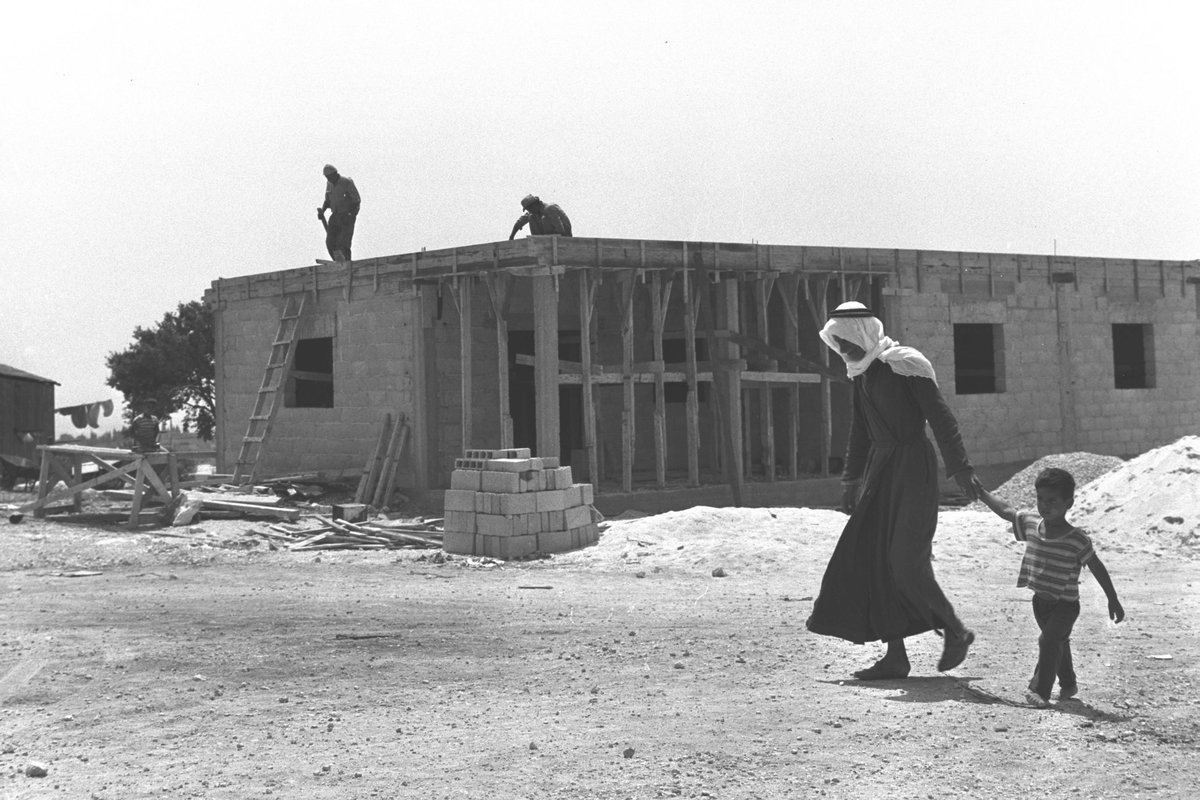
Basmat Tab’Un was established in 1965 as part of a government effort to provide a permanent home for the al-Sa’adia and al-Zabidat Bedouin tribes, who had previously led semi-nomadic lives in the region (Israel Ministry of Interior). The transition changed land use and housing patterns and began a process of social and economic adaptation.
Declared a local council in 1965, the town grew from around 6,300 residents in 2006 to more than 8,100 by 2022 (CityPopulation.de). A 2011 four-year government plan allocated NIS 350 million for infrastructure, education, healthcare, and employment in northern Bedouin towns (Israel Ministry of Finance).
Cultural Significance and Community Life
Basmat Tab’Un’s cultural life includes community events, oral storytelling, and culinary customs such as serving mansaf and maqluba. Hospitality is important, and traditional gatherings known as majlis are central to community cohesion.
The town is predominantly Muslim. Mosques serve as places of worship and social gathering, and Ramadan and Eid al-Fitr are celebrated with communal prayers and feasts. Education and civic engagement are valued, with increasing participation from women and young people.
Municipal and community organizations work on public spaces, youth programs, and women’s empowerment. These efforts, along with government support, have contributed to infrastructure development while respecting Bedouin traditions. Basmat Tab’Un also serves as a cultural center for surrounding Bedouin and Arab villages, with proximity to Haifa and Kiryat Tiv’on supporting economic and educational exchange.
Demographic and Social Dynamics
Basmat Tab’Un has a youthful population, with a high percentage of residents under 18, creating demand for educational and social services (CityPopulation.de). Large families and close-knit kinship networks are characteristic of Bedouin society.
The town faces challenges that include limited access to higher education and employment opportunities. Education and social mobility are strong aspirations, particularly for young women.
Notable Attractions Within Basmat Tab’Un
Alonei Aba Nature Reserve
The Alonei Aba Nature Reserve near Basmat Tab’Un has ancient oak groves and spring wildflowers. It is open from 8:00 AM to sunset, with no entrance fee, and is suitable for hiking, birdwatching, and nature observation. It is also a birdwatching hotspot, especially during migration seasons.
Central Library and Memorial Center
The Central Library and Memorial Center is a cultural hub with literature in Arabic and Hebrew and exhibitions on local history. It is open Sunday to Thursday, 9:00 AM–5:00 PM, with free admission.
Community parks and green spaces
The town has several parks with views of the Jezreel Valley and Carmel range. They are open daily from dawn to dusk and are popular for family outings and community gatherings.
Cultural and Educational Points of Interest
The Ein Bustan Waldorf School provides a multicultural curriculum for Arab and Jewish students, promoting mutual understanding and coexistence (Ein Bustan Official Website). Community events and exhibitions at the library and memorial center also highlight Bedouin traditions and history.
Oranim College in Kiryat Tiv’on offers cultural programs and public lectures.
Unique Experiences and Activities
Hiking and biking
Basmat Tab’Un is a gateway to hiking and biking trails in the Carmel foothills, the Jezreel Valley, and Nahal Tavor. Many vacation rentals offer trail access (Airbnb Basmat Tab’un Stays).
Markets and food
Nearby markets in Ramat Yishay and Kiryat Tiv’on offer fresh produce and local delicacies. Many accommodations have kitchens for preparing meals with regional ingredients.
Tours and events
Regional tour operators offer guided experiences in Basmat Tab’Un and nearby attractions, including the Ein Bustan Waldorf School and cultural centers. Bedouin festivals offer opportunities to engage with local traditions.
Visiting Basmat Tab'Un: Practical Information
Visiting hours and tickets
Basmat Tab’Un is an open community; visitors do not need tickets or pay an entrance fee to visit the town. The town can be explored at any time, though daytime visits are recommended for safety and to experience local life.
Most attractions in Basmat Tab’Un and the surrounding area are open daily, often with free or nominal admission. Some cultural activities or nearby parks may require booking or an entrance fee. Check official websites or local tourism offices for current information.
Getting there and accessibility
Basmat Tab’Un can be reached by car or regional bus from Haifa and Kiryat Tiv’on. The FAQ also lists bus or car travel from Nazareth. Roads are well-maintained, but plan ahead, especially during religious holidays or events. The nearest train station is in Haifa (Official Israel Railways), and Ben Gurion Airport is about an hour’s drive away.
Some areas are wheelchair accessible. Many public areas are accessible, but visitors with specific needs are advised to contact local authorities or tour operators in advance.
Accommodation and services
Lodging options include guesthouses and vacation homes. Popular choices include:
- Dreams in Kish Overlooks Nahal Tavor.
- Beautiful Loft in Nature Has a creative atmosphere near a natural grove.
- Unit on the Forest Offers a peaceful setting in Tivon forest.
Nearby towns have supermarkets, pharmacies, cafes, and medical services.
Practical Visitor Tips
Spring and autumn offer pleasant weather. Summers are hot, while winters are mild with some rain. For current information on visiting hours, tickets, and events, consult official tourism websites and local social media channels; the guide also recommends downloading the Audiala app.
Dress modestly, especially in religious or communal spaces, and respect local customs. Basic Arabic or Hebrew phrases are appreciated. Support local businesses, engage local guides, minimize waste, and practice environmental stewardship (World History Journal, UNWTO Responsible Tourist).
Safety, History, and Travel Tips
The region is generally safe, but Basmat Tab’Un has experienced isolated security incidents (Israel Hayom). Stay informed through the Israeli Home Front Command (Home Front Command) and check international travel advisories (Times of Israel, UK FCDO, U.S. Embassy).
Points of Interest in the Surrounding Area
Basmat Tab’Un is well situated for exploring archaeological sites in the Jezreel Valley and the rolling hills and biblical landmarks of the Lower Galilee (Official Israel Tourism). Guided tours are available through local and regional tourism offices.
Nearby villages and towns include:
- Alonei Abba German Templar heritage and historic architecture.
- Alonim Agricultural landscapes.
- Nofit Panoramic valley views.
Day trips include:
- Haifa The Baháʼí Gardens and a vibrant cultural life.
- Nazareth A key Christian pilgrimage city.
- Sea of Galilee and Mount Carmel Both within an hour’s drive and featuring natural and historical sites.
Discover More
Basmat Tab’Un offers opportunities to explore Bedouin culture and Northern Israel’s landscapes, including hiking in the Alonei Aba Nature Reserve, attending community festivals, and learning about multicultural education at the Ein Bustan Waldorf School. Supporting local initiatives contributes to the sustainable development of the community.
Frequently Asked Questions (FAQ)
Q: Do I need tickets to visit Basmat Tab’Un?
A: No tickets are needed to visit the town. Some cultural activities or nearby parks may require booking or an entrance fee.
Q: Are guided tours available?
A: Yes. Guided tours can be arranged through local operators and tourism offices.
Q: Is Basmat Tab’Un suitable for families?
A: Yes. Families can enjoy cultural activities and nature sites. Plan ahead for accessibility and facilities.
Q: How do I get to Basmat Tab’Un?
A: Travel by car or regional bus from Haifa, Kiryat Tiv’on, or Nazareth. The nearest train station is in Haifa.
Q: Is the area safe for tourists?
A: It is generally safe, but check current security advisories and follow local guidance.
Q: What are the best months to visit?
A: Late spring and early summer (May–June), and autumn, offer pleasant weather and community events.