


Historical Background: Lucas Cranach the Elder
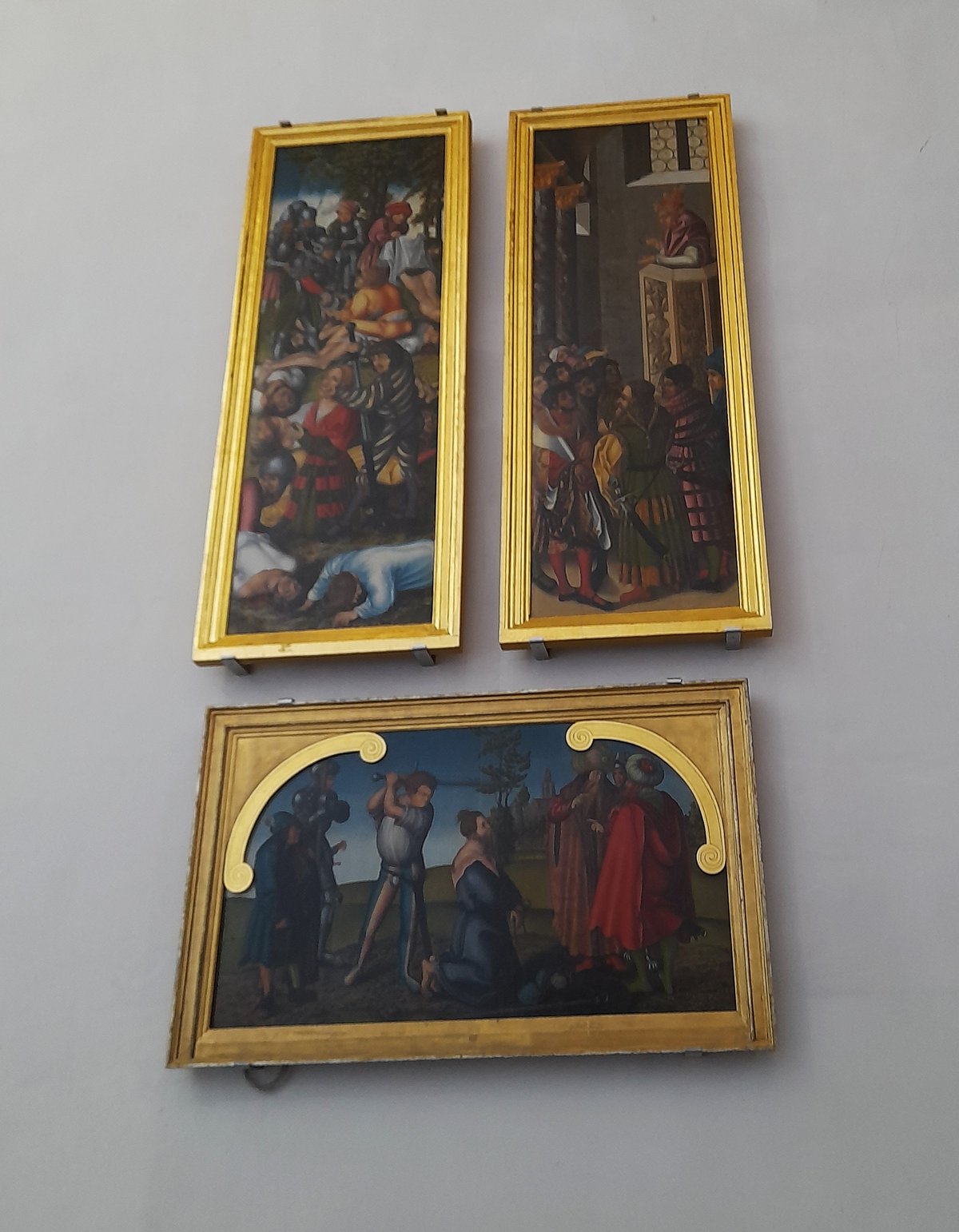
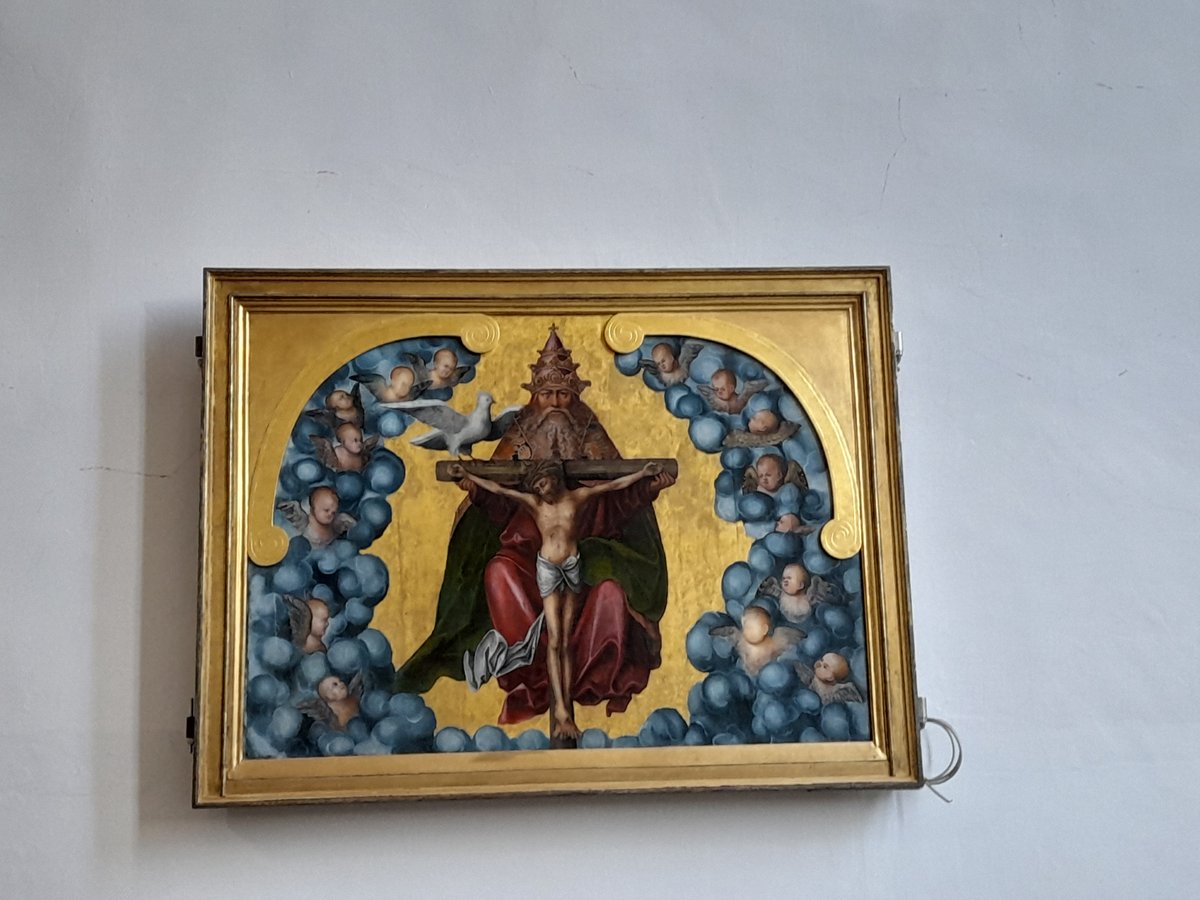
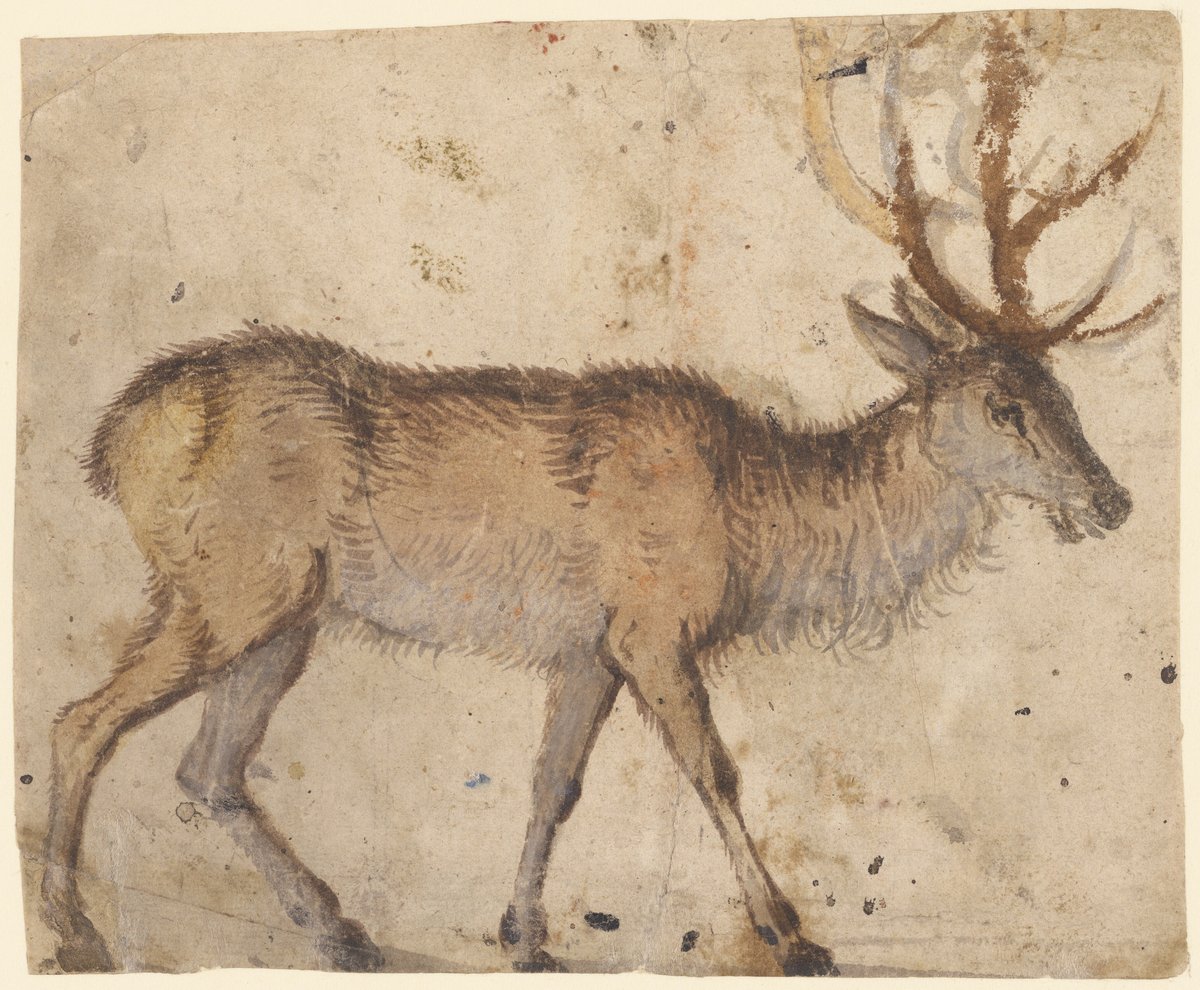
Lucas Cranach the Elder (c. 1472–1553) was born in Kronach, Germany. After training under his father, he rose to prominence as a court painter for the Elector of Saxony in Wittenberg. Cranach’s workshop produced an extensive body of portraits, religious paintings, and woodcut illustrations, many of which advanced the Protestant Reformation’s theological ideas. His close friendship with Martin Luther and his innovative visual storytelling made Cranach a central figure in both art and religious reform. In his final years, Cranach lived in Weimar, where his home and burial site remain key cultural landmarks (artmovements.net).
Key Cranach-Related Historical Sites in Weimar
Stadtkirche St. Peter und Paul (Herderkirche) & the Cranach Altarpiece
- Location Herderplatz 8, 99423 Weimar
- Significance The Herderkirche is home to the monumental Cranach Altarpiece, completed in 1555 by Lucas Cranach the Younger following his father’s designs. The central panel, “Christus am Kreuz” (Christ on the Cross), includes a powerful depiction of Cranach and Martin Luther at the foot of the cross, symbolizing the Reformation’s message of direct faith (Weimar.de, Wikipedia).
- Visiting Hours Monday–Saturday 9:00–17:00; Sunday 12:00–17:00. Hours may vary during services and special events.
- Tickets Entry is free; donations appreciated.
- Guided Tours Available by prior arrangement.
- Accessibility Wheelchair accessible.
- Extra The church also features Cranach’s grave slab; his remains rest at the nearby Jacobsfriedhof.
Cranach House (Cranachhaus)
- Location Markt 11, 99423 Weimar
- History Built between 1547 and 1549, this Renaissance house was Cranach’s final residence. The left side was occupied by Cranach, while the right side belonged to his daughter and her husband, Christian Brück, the ducal chancellor (Angie’s Travel Routes).
- Current Use Today, the building hosts the “Theater im Gewölbe.” While its interior is not set up as a museum, the exterior and historical context are key attractions (Tripadvisor).
- Admission Free for exterior viewing; tickets required for theater performances.
Jacobsfriedhof (Jacob’s Cemetery)
- Location Near the city center, about a 10-minute walk from Cranach House
- Significance The burial place of Lucas Cranach the Elder, Jacobsfriedhof offers a tranquil spot for reflection and an opportunity to pay respects (Weimar.de).
- Visiting Hours Open daily, dawn to dusk.
- Admission Free.
- Accessibility Paths are cobblestone; assistance is advised for visitors with mobility issues.
Herzogin Anna Amalia Bibliothek: Renaissance Hall & “Cranach’s Torrent of Images” Exhibition
- Location Platz der Demokratie 1, 99423 Weimar
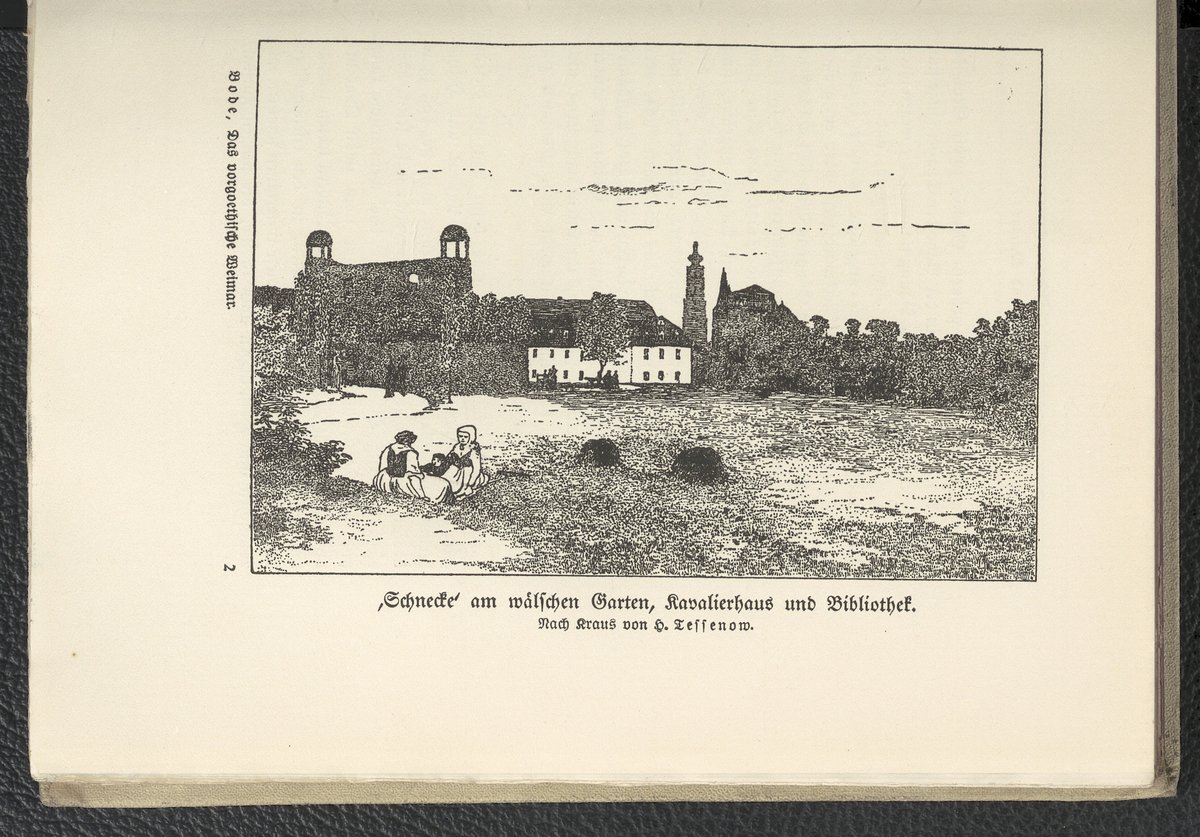
- Exhibition Focus The Renaissance Hall features the acclaimed “Cranach’s Torrent of Images” permanent exhibition, which displays paintings, prints, illustrated books, and medals from Cranach and his workshop. The exhibition explores the intersection of art, religious reform, and political upheaval (Klassik Stiftung Weimar).
- Visiting Hours Tuesday–Sunday, 9:30–18:00 (closed Mondays).
- Tickets Adults €6; Reduced €4; Pupils €2. Combo tickets (€12) include access to both the Rococo Hall and the Cranach exhibition. Advance time-slot booking is strongly recommended (Klassik Stiftung Weimar).
- Accessibility Wheelchair accessible; Weimar+ app provides audio guides (German/English).
Weimar City Palace (Stadtschloss)
- Location Burgplatz 4, 99423 Weimar
- Highlights The Stadtschloss houses a significant collection of paintings from 1500–1900, including works by Cranach and other Renaissance masters (onlyingermany.com).
- Visiting Hours Summer: 10:00–18:00 (closed Mondays); closed in winter.
- Tickets Adults €7; Reduced €5; Students €3; Children under 16 free.
- Accessibility Near Ilm Park and centrally located.
Practical Visitor Tips
Tickets, Passes, and Accessibility
- MuseumCard Annual pass for unlimited entry to all Klassik Stiftung Weimar museums and exhibitions.
- Weimar Card 48-hour (€32.50) and 96-hour (€59.50) passes offering free or discounted entry to multiple attractions, public transport, and tours (Angie’s Travel Routes).
- Booking Advance online booking with time-slot reservation is essential for popular sites like the Herzogin Anna Amalia Bibliothek.
Guided Tours and Thematic Walks
- Providers Several private and official providers offer walking tours focused on Cranach, the Reformation, and Weimar’s art history (Mike’s Travel Guide, GetYourGuide).
- Duration 1.5–2 hours; small group sizes for a personalized experience.
- Events Check the Klassik Stiftung Weimar events calendar for exhibitions and themed walks.
Nearby Attractions and Transportation
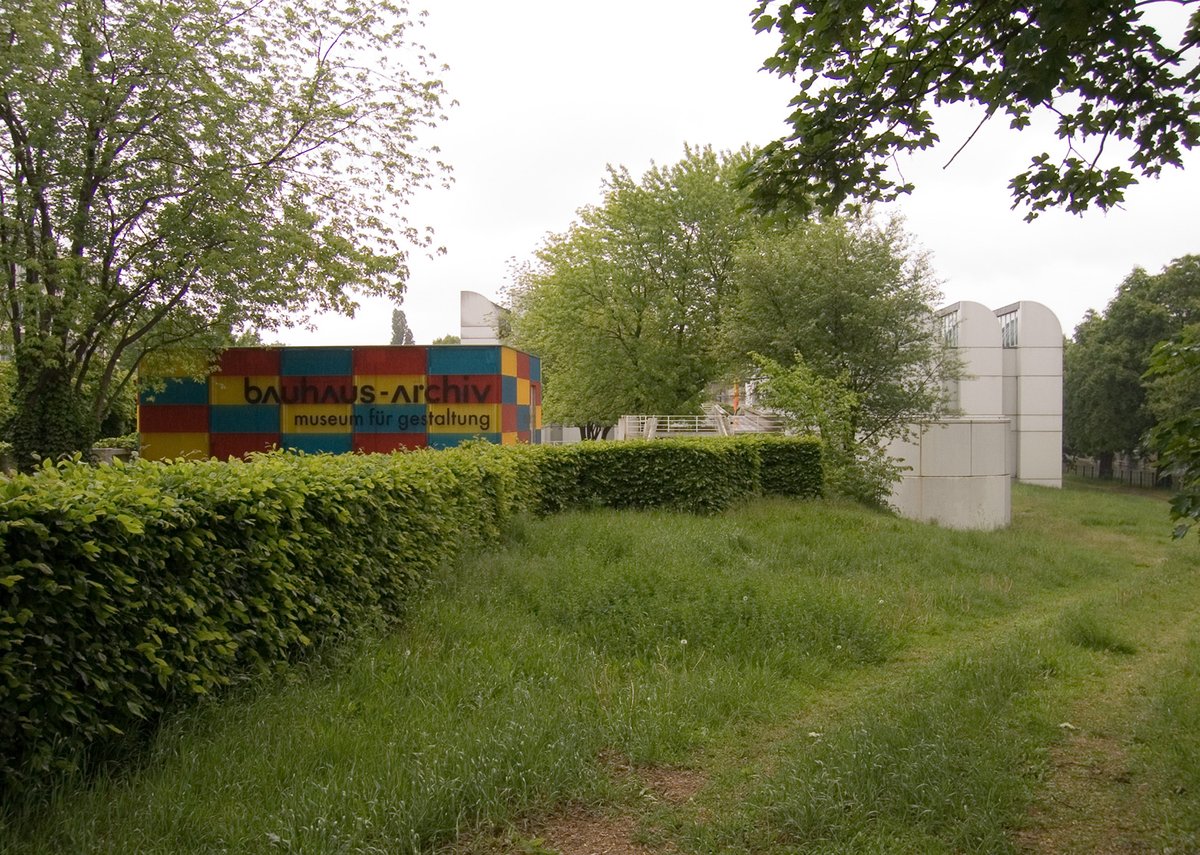
- Other Sights Goethe’s House, Schiller Museum, Bauhaus Museum, Park an der Ilm—all within walking distance.
- Getting Around Weimar’s historic center is compact and walkable. The Weimar Card covers local bus travel. Public parking is limited; use garages or arrive by train.
Frequently Asked Questions (FAQ)
Q: What are the visiting hours for the Herzogin Anna Amalia Bibliothek?
A: Tuesday–Sunday, 9:30–18:00; closed Mondays.
Q: Do I need a ticket for the Cranach Altarpiece at Stadtkirche St. Peter und Paul?
A: No ticket required; donations appreciated.
Q: Are guided tours available?
A: Yes, at most major sites and through private providers. Advance booking is advised.
Q: Is the Cranach House open for tours?
A: Not as a museum; exterior viewing is free. Interior access is limited to theater events.
Q: Are these sites accessible for visitors with disabilities?
A: Most central sites are wheelchair accessible. Some areas (e.g., Jacobsfriedhof) have cobblestone paths.