


Welcome to the University of Tübingen
As a premier destination for history, culture, and academic heritage, the University of Tübingen offers an immersive experience for visitors. The university’s historic campus, vibrant student life, and unique integration with the city make it a must-see for travelers seeking a blend of tradition and innovation in Germany.
Practical Visitor Information
- Location Central Tübingen, Baden-Württemberg, Germany
- Opening Hours Most university buildings and museums operate Monday to Friday, 9:00 AM–5:00 PM. The Museum of the University of Tübingen (MUT) typically opens Tuesday to Sunday, 10:00 AM–6:00 PM. Hours may vary; always check official sources.
- Tickets Entry to the university grounds is free. Special exhibitions and guided tours may require tickets.
- Guided Tours Guided walking tours are available, offering insights into the university’s history, architecture, and notable alumni. Book online or through the local tourism office.
- Accessibility Main campus areas and museums are wheelchair accessible. Some historic buildings may have limited access; contact ahead for specific needs.
What to See and Do
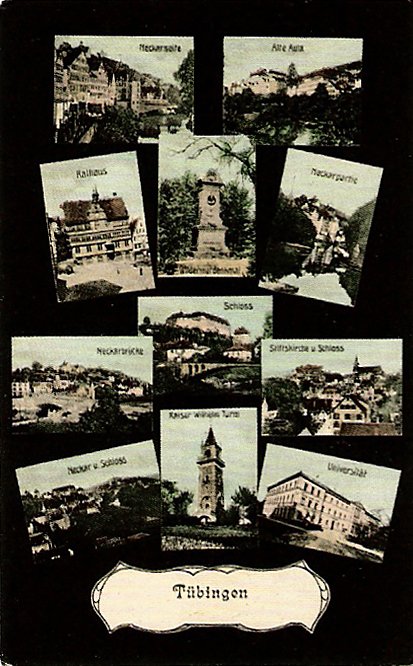
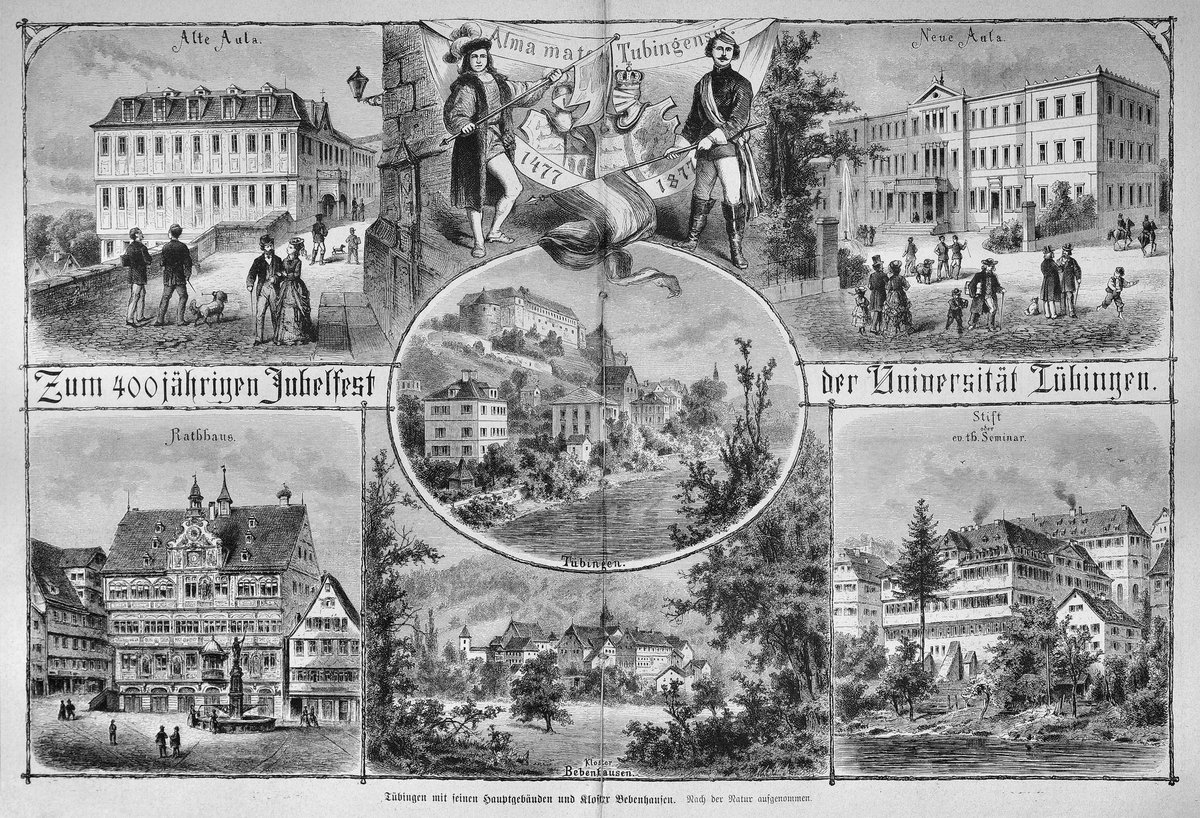
- Historic Campus Buildings Discover Renaissance, Baroque, and modern structures, all set within the city’s medieval core.
- Museum of the University of Tübingen (MUT) Explore exhibitions on the university’s 500-year legacy, scientific breakthroughs, and notable collections.
- Tübinger Stift Visit the former seminary attended by philosophers such as Hegel and Schelling.
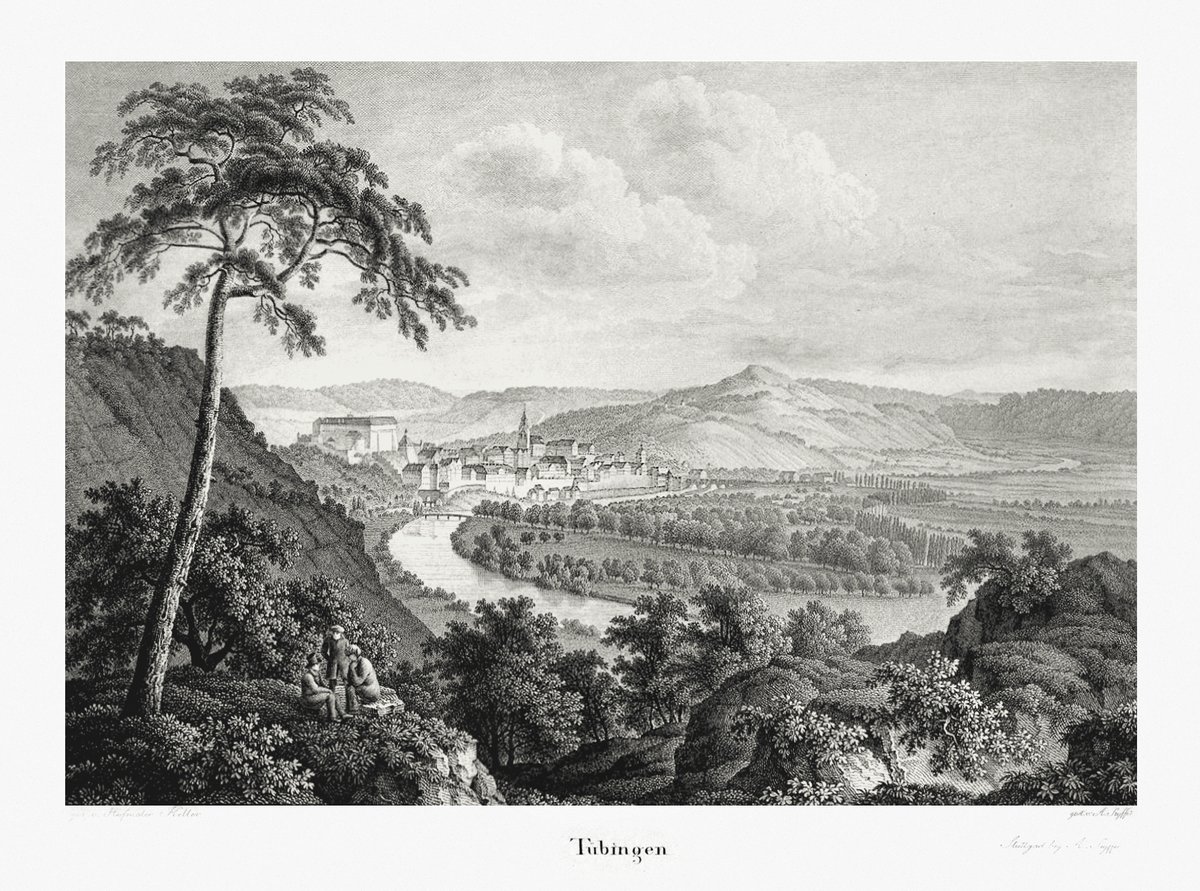
- Photographic Spots Capture panoramic views of the Neckar River, medieval cityscape, and university architecture.
- Special Events Participate in public lectures, academic conferences, and cultural festivities open to visitors.
Nearby Attractions
- Old Town Tübingen Wander cobblestone streets lined with cafes, boutiques, and timber-framed houses.
- Neckar River Cruises Enjoy scenic boat rides with views of the university and historic city.
- Hohentübingen Castle Home to university museums and offering stunning panoramic vistas.
Tips for Visitors
- Wear comfortable shoes for exploring cobblestone streets.
- Check event schedules and tour availability online before your visit.
- Sample regional Swabian cuisine at local restaurants and university cafeterias (Mensa).
Frequently Asked Questions (FAQ)
Q: Is there an entrance fee to visit the University of Tübingen?
A: Access to the university grounds is free. Some museums and exhibitions may charge a fee.
Q: Can I join a guided tour?
A: Yes, guided tours are offered and provide in-depth historical and architectural context. Advance booking is recommended.
Q: How do I get to the university?
A: Tübingen is easily accessible by train, bus, or car. The university is within walking distance from the city center.
Q: Is the campus accessible for visitors with disabilities?
A: The main buildings and museums are wheelchair accessible; some historic spaces may have limitations.
Architectural and Campus Highlights
Historic Core and University Buildings
The university’s main hub is centered around Geschwister-Scholl-Platz, within the charming Altstadt (Old Town). Noteworthy sites include:
- Alte Aula (Old Auditorium) A neoclassical masterpiece hosting ceremonial events and public lectures; open for tours during select times.
- University Library Admire its historic façade and, during open days, the impressive interior.
Modern Campus Areas
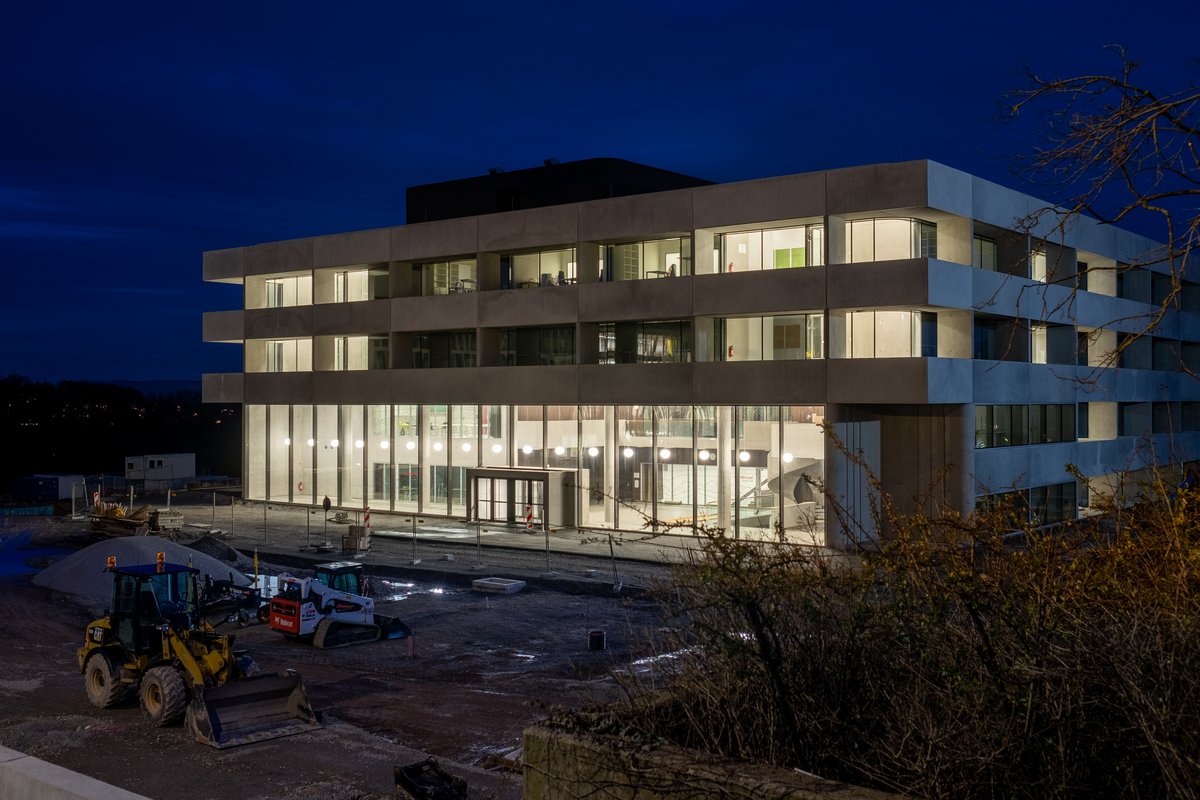
- Morgenstelle Campus Set on a hill overlooking the Neckar Valley, this area is home to the Geo- and Environmental Centre and other innovative research facilities. Guided tours may be arranged for groups with prior notice.
Green Spaces and Outdoor Areas
- Botanical Garden Open daily, with free entry. Features themed gardens and serene walking paths.
- Platanenallee Promenade A scenic avenue of plane trees, ideal for a leisurely stroll.
Integration with City Life
The university’s buildings and student life are seamlessly integrated across Tübingen. Academic and cultural sites blend with the city’s architecture, cafes, and public spaces, creating a dynamic urban campus.
Cultural Significance and Visitor Experience
The University of Tübingen is a cultural catalyst, hosting festivals, academic events, and exhibitions that enrich city life. The Museum der Universität Tübingen (MUT) curates exceptional collections, while frequent public lectures and community events foster engagement between the university and local residents.
For more, explore the Museum der Universität Tübingen (MUT).
Visitor Tips and Practical Information
- Transportation Tübingen is well-served by public buses and regional trains. Biking is popular thanks to extensive bike paths.
- Best Times to Visit Spring and early autumn offer pleasant weather and fewer crowds.
- Duration Allocate 2–4 hours to explore campus highlights, or extend your stay to enjoy city attractions and events.
Summary Table: University of Tübingen’s Contemporary Role
| Aspect | Details |
|---|---|
| Student-Inhabitant Ratio | 1:3 (one of Germany's youngest cities) |
| International Partnerships | Over 550 |
| Research Strengths | Neurosciences, Max Planck Institutes, interdisciplinary excellence |
| Cultural Influence | Museums, festivals, public lectures, lively café and arts scene |
| Urban Impact | Historic preservation, architectural innovation, integrated campus-city layout |
| Economic Contribution | Largest employer, supports local businesses, sustains service sectors |
| Public Engagement | Open days, science nights, community programs, accessible facilities |
| Innovation | Start-up incubators, research-industry collaboration, technology transfer |
Planning Your Visit
- University Website https://uni-tuebingen.de/en/
- Tourist Information Tübingen Tourist Center
- Museum der Universität Tübingen (MUT) https://uni-tuebingen.de/en/university.html
- Tübingen Research Campus https://tuebingenresearchcampus.com/en/tuebingen/
- Komoot: Local Attractions https://www.komoot.com/guide/210692/attractions-around-landkreis-tuebingen
For the latest updates on opening hours, special events, and guided tours, visit the University of Tübingen’s official website and Tübingen Research Campus portal.