Origins and Early Development (1477–1817)
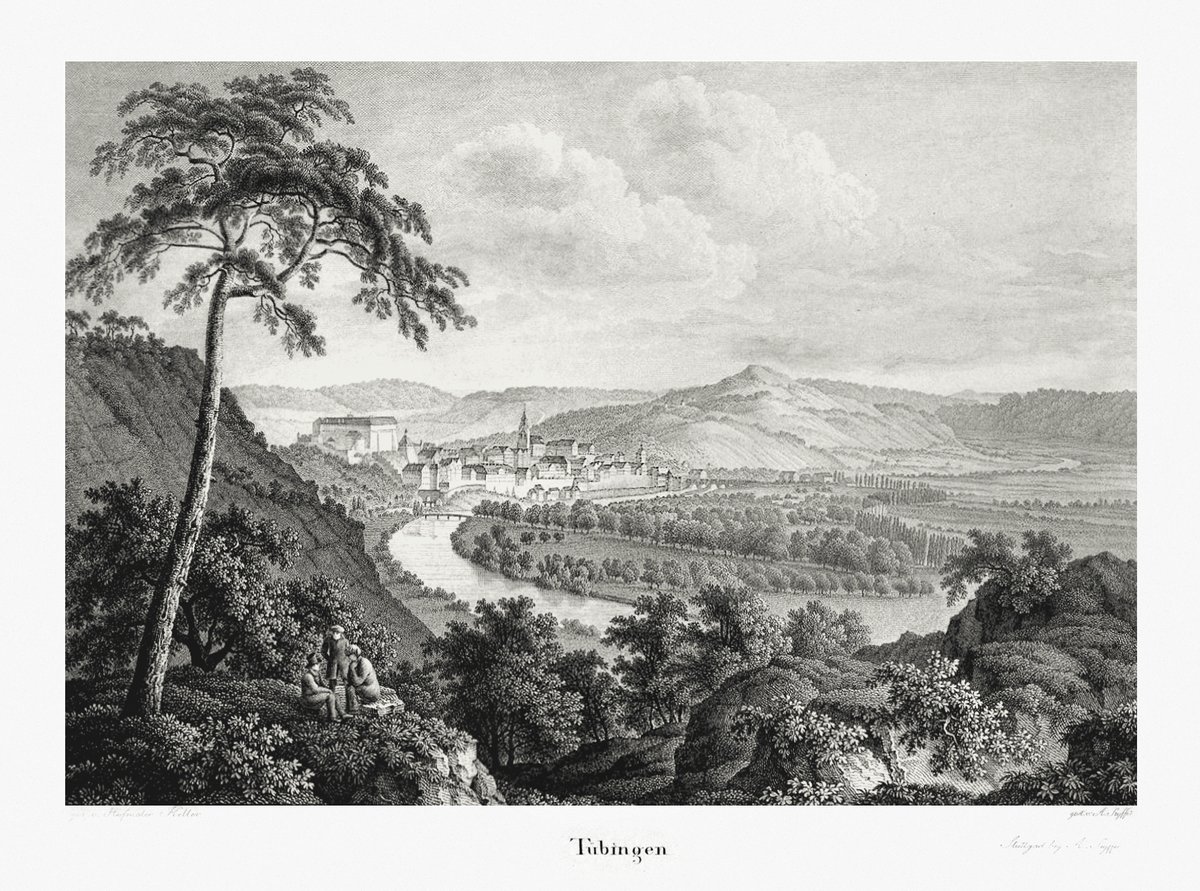
Founded alongside the University of Tübingen by Count Eberhard im Bart, the Faculty of Catholic Theology has been central to the institution since its inception. Initially, it functioned within a four-faculty structure—covering theology, law, medicine, and philosophy—mirroring the university ideals of the time. The period of the Reformation brought significant upheaval, especially after 1534, when the university shifted toward Protestantism under Duke Ulrich of Württemberg.
The Ellwangen Connection and Modern Era (1812–Present)
The faculty’s modern era began with the short-lived Catholic university in Ellwangen (1812–1817), whose faculty was integrated into Tübingen, creating a distinct Catholic presence within a predominantly Protestant university. This move fostered interdenominational dialogue and led to the establishment of the Wilhelmsstift, a Catholic residence and academic house.
Scholarly Influence and the Tübingen School
The 19th-century Catholic Tübingen School marked an intellectual high point, emphasizing historical-critical theology and dialogue between Catholic and Protestant thought. Notable theologians include Johann Adam Möhler, Johann Sebastian von Drey, and, in later years, Joseph Ratzinger (Pope Benedict XVI) and Hans Küng, all of whom contributed to the faculty’s international reputation. Since 1819, the faculty has published the Theologische Quartalschrift, one of the oldest Catholic theological journals in the world.
Architectural and Cultural Heritage
The faculty is housed in historically significant buildings, notably the Wilhelmsstift, and preserves religious artworks such as the Mantelteilung des heiligen Martin von Tours by the Meister des Riedener Altars. These features underscore the faculty’s status as both a center of scholarship and a guardian of Catholic artistic heritage.
Visiting the Faculty: Practical Information
Location
- Address Liebermeisterstraße 18, D-72076 Tübingen, Germany
- Setting Centrally located within Tübingen’s old town, a short walk from the main train station and city center
Visiting Hours
- Typical Hours Monday–Friday, 8:00 AM–6:00 PM
- Closed Weekends and public holidays; some areas may have restricted access during university events or holidays
Entry and Ticketing
- General Access Free; no tickets required for entry to public areas or to attend most lectures
- Special Events Certain exhibitions or guided tours may require advance booking or a fee; consult the official faculty website for details
Accessibility
- Wheelchair Access Main entrances and public areas are wheelchair accessible; some historic sections may be less accessible.
- Inquiries Visitors with specific needs should contact the faculty ahead of their visit (Faculty Contact)
Guided and Self-Guided Tours
- Guided Tours Available via the university visitor center and local tourism offices—these often cover the broader campus and historic buildings
- Self-Guided Options Informational plaques in German and English are placed throughout the campus
Campus Life and Visitor Experience
Academic and Cultural Events
- Public Lectures The faculty regularly hosts lectures, academic seminars, and public events. Schedules are posted on the university’s events calendar
- Annual Open Day Offers introductory lectures, tours, and opportunities to meet faculty and students
Student Life
- Community The faculty’s intimate academic environment (about 300 students and 100 doctoral candidates) fosters direct engagement during open events and lectures
- Nearby Amenities Cafés, student dining halls, and green spaces are available throughout campus
Nearby Attractions
- Stiftskirche (St. George’s Church) A Gothic landmark and a symbol of Tübingen’s religious heritage (The Tourist Checklist)
- Alte Aula (Old Auditorium) Historic lecture hall, open during special events (The Tourist Checklist)
- Hohentübingen Castle & University Museum Features archaeological and theological exhibits, including UNESCO-listed Ice Age figurines (The Design Tourist)
- Old Town (Altstadt) Cobblestone streets, medieval buildings, and the vibrant Marktplatz
Visitor Tips
- Plan Ahead Check the faculty’s website for the latest on visiting hours, events, and closures
- Combine Visits Pair your faculty visit with a tour of Tübingen’s old town and other university landmarks
- Engage Attend public lectures or events for a deeper experience
- Photography Permitted outdoors and in public spaces; ask permission before photographing inside buildings or during events
FAQs
Do I need tickets to visit the Faculty of Catholic Theology?
No tickets are required for general visits or most public lectures. Special events may require advance registration.
What are the visiting hours?
Typically Monday–Friday, 8:00–18:00; check in advance during holidays or exam periods.
Are guided tours available?
Guided tours of the broader campus, including the faculty, can be booked through the university or tourism office.
Is the faculty accessible for those with mobility challenges?
Most main areas are accessible, but some historical sections may be less so. Contact the faculty for details.
Can I attend lectures?
Many public lectures are open to visitors; see the university’s events calendar for current offerings.
Internal and External Links
- University of Tübingen Faculty of Catholic Theology official site
- University of Tübingen main page
- Tübingen Tourism Office
- Expatrio: Eberhard Karls Universität Tübingen
- The Tourist Checklist: Things to do in Tübingen
- The Design Tourist: Top Things to Do in Tübingen