
Historical Development of Kunsthalle Düsseldorf
Origins and Mission
The origins of Kunsthalle Düsseldorf date back to the 19th century with the original Kunsthalle (1881), a venue for the Düsseldorf School of Painting. After World War II, the destroyed building was replaced by a new, purpose-built Kunsthalle at Grabbeplatz, inaugurated in 1967. From the start, the institution broke with museum tradition by forgoing a permanent collection, instead focusing on temporary exhibitions of contemporary art (Kunsthalle Düsseldorf History).
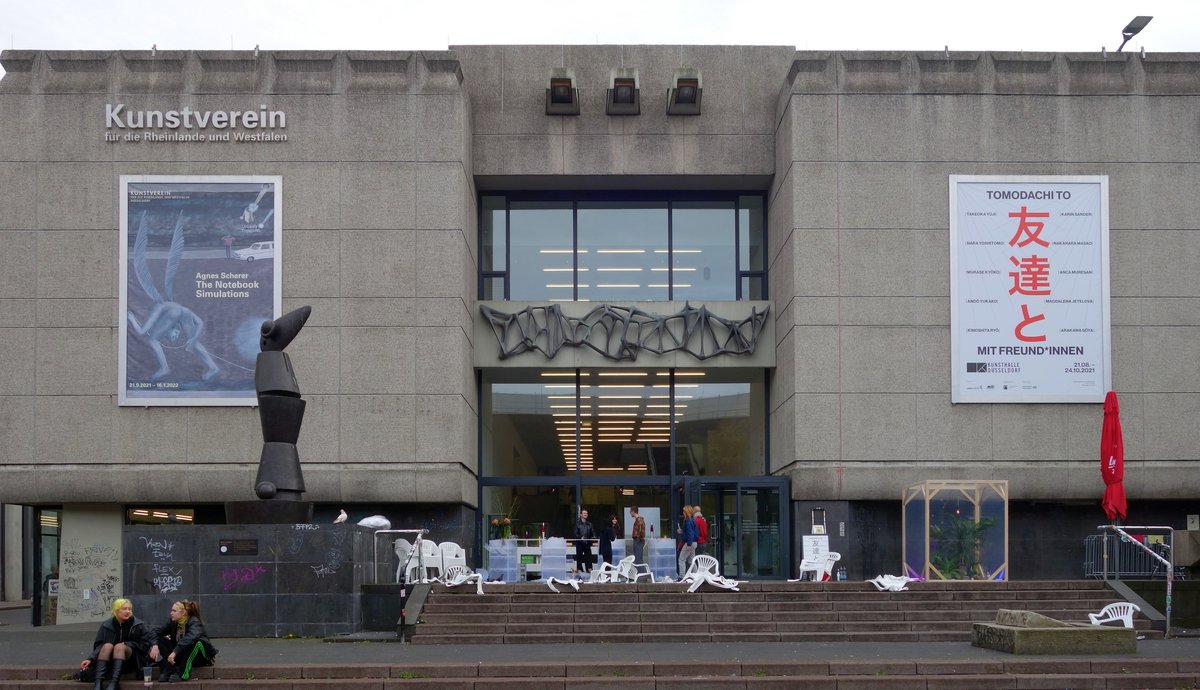
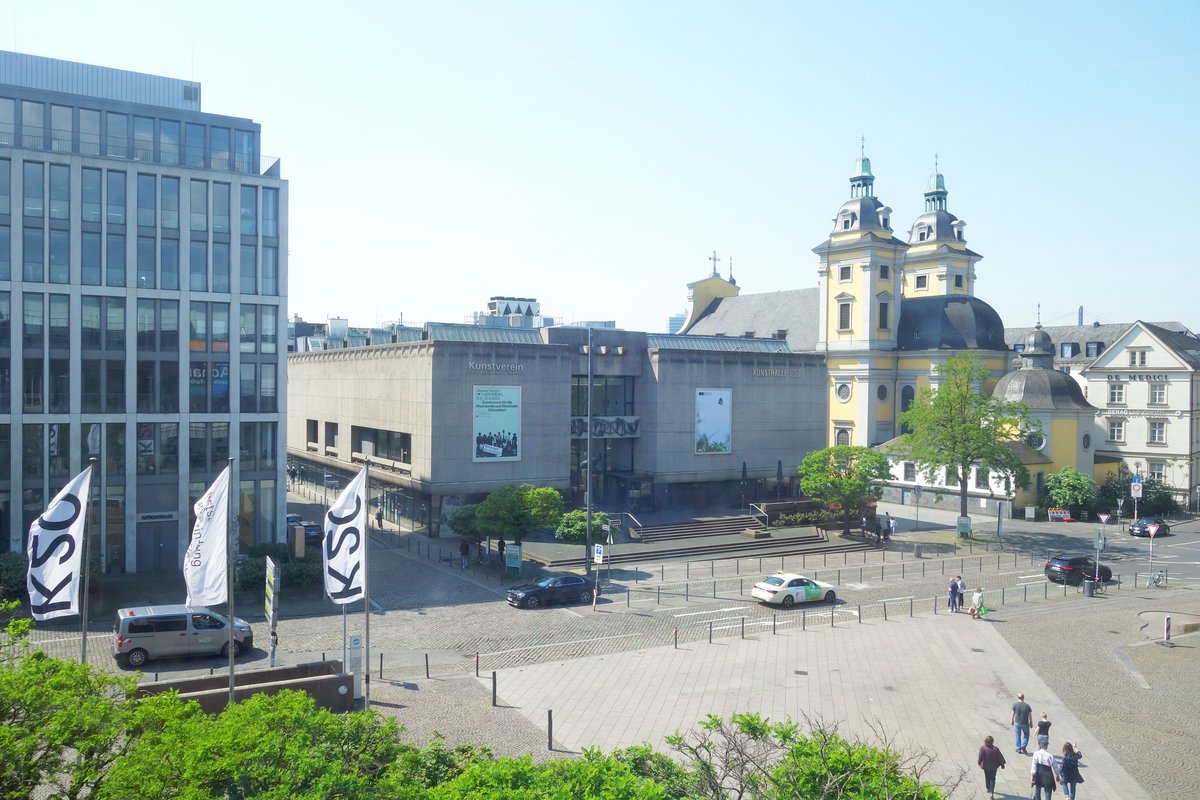
Kunsthalle Düsseldorf also houses the Kunstverein für die Rheinlande und Westfalen, founded in 1829, forming a dual-institutional structure that supports both international and local artistic developments. The Kunsthalle’s mission is rooted in agility and innovation, emphasizing experimental, conceptual, and avant-garde works without the constraints of a permanent collection (Wikipedia).
Pioneering Cultural Impact
Kunsthalle Düsseldorf has played a pivotal role in shaping the trajectory of contemporary art in Germany and beyond. Its “Prospect” exhibition series (1968–1976) launched international artists into the European scene. Over the decades, the Kunsthalle has hosted landmark exhibitions for artists such as Joseph Beuys, Gerhard Richter, Sigmar Polke, and Sheila Hicks, and has been a crucible for Düsseldorf’s influential music and interdisciplinary art scenes (BBC).
Renovations and Modernization
Significant renovations in the late 1990s and early 2000s modernized the gallery spaces and improved technical infrastructure, while recent plans (to commence in 2026) will focus on energy efficiency, accessibility, and structural upgrades. During these renovations, the Kunsthalle will operate as a nomadic venue, continuing its programming throughout Düsseldorf (Kunsthalle Düsseldorf Renovation).
Architectural Significance
Brutalist Landmark
The Kunsthalle building, designed by Konrad Beckmann and Brockes, is a quintessential example of Brutalist architecture—characterized by raw, prefabricated concrete panels and an uncompromising modernist aesthetic. While initially controversial, the building is now recognized as a historic monument, celebrated for its urban significance and as a rare example of postwar experimentation in Düsseldorf (RP Online).
Interior and Artistic Integration
Inside, flexible gallery spaces accommodate a wide range of contemporary installations. Permanent and semi-permanent artworks—including Karl Hartung’s “Relief,” Joseph Beuys’ 1981 stovepipe intervention, and Wilhelm Albermann’s caryatid sculptures—are integrated into the fabric of the building, highlighting its dual role as both container and canvas (Kunsthalle Düsseldorf The House).
Visiting Kunsthalle Düsseldorf: Practical Information
Location and Getting There
- Address Grabbeplatz 4, 40213 Düsseldorf
- Public Transport Tram lines 706, 709, 707; bus lines; and proximity to Düsseldorf Hauptbahnhof (Evendo)
- Parking Public garages nearby, including Königsallee
Visiting Hours
- Tuesday to Sunday 11:00 AM – 6:00 PM
- Closed Mondays and most public holidays
- Special Events “Late Night Thursday” (last Thursday monthly): Extended hours and free admission (Kunsthalle Düsseldorf Art Education)
Tickets and Admission
- General Admission €7–€8 (varies by exhibition)
- Reduced €4–€5 (students, seniors, disabled)
- Children under 18 Free
- Discounts Available for Düsseldorf Art Card holders; free entry on Family Day and “Late Night Thursday”
- Ticket Purchase On-site or via the official website
Accessibility and Facilities
- Wheelchair Access Step-free entry, elevators, and accessible restrooms
- Inclusive Programs Audio-described tours, guided tours in German Sign Language, and workshops for all ages and abilities (Kunsthalle Düsseldorf Art Education)
- Cloakroom and Lockers Available
- Family Amenities Baby-changing facilities and stroller-friendly spaces
Exhibitions and Public Programs
Temporary and Thematic Exhibitions
Kunsthalle Düsseldorf’s rotating exhibitions feature a balance of international and local talent, embracing diverse media—painting, sculpture, photography, video, and installation. Thematic exhibitions often tackle cultural, social, or political issues, while retrospectives provide deep dives into influential artists’ practices (whichmuseum.com).
Recent and Upcoming Highlights
- Sheila Hicks (2024–2025) Over 250 fiber-based works, including monumental installations (kunsthalle-duesseldorf.de)
- Bernd-und-Hilla-Becher-Preis 2025 Featuring Ursula Schulz-Dornburg and Farah Al Qasimi (visitduesseldorf.de)
- VdDK 1844 exhibition Showcasing works by Düsseldorf’s historic artist association (visitduesseldorf.de)
Guided Tours and Educational Programs
- Guided Tours Regularly scheduled, and available for groups or special needs visitors
- Workshops Led by professional artists and educators; suitable for all ages and skill levels
- Family Day Free entry and hands-on activities on the second Sunday of each month
- Special Events “Late Night Thursday,” “Treffpunkt Kunsthalle,” and citywide events like Night of the Museums (Kunsthalle Düsseldorf Art Education)
Digital and Inclusive Offerings
- Digital Education Collaborative KuKi Instagram project with KIT – Kunst im Tunnel
- Accessibility Initiatives Inclusive tours and materials for visitors with disabilities
Nearby Attractions and Visitor Amenities
Düsseldorf Historical Sites and Cultural Hotspots
- Altstadt (Old Town) Historic buildings, pubs, and restaurants
- Kunstsammlung Nordrhein-Westfalen (K20/K21) Renowned art museum
- Rheinuferpromenade Riverside walks and outdoor dining
- Schlossturm Castle Tower and local history museum (visitduesseldorf.de)
Dining, Shopping, and Accommodation
- Dining Wide range of cafés and restaurants in Altstadt and Königsallee
- Shopping Art supply stores, boutiques, and bookstores nearby
- Hotels Accommodation for all budgets within walking distance (Evendo)
Frequently Asked Questions (FAQ)
What are the opening hours?
Tuesday to Sunday, 11:00 AM – 6:00 PM; closed Mondays and on most public holidays.
How much are tickets?
General admission €7–€8; reduced €4–€5; free for children under 18. Discounts available.
Is the Kunsthalle accessible?
Yes—step-free access, elevators, accessible restrooms, and inclusive programming.
Are guided tours offered?
Yes—regular public tours, group tours by appointment, and accessible tours.
Can I take photographs?
Photography rules vary by exhibition; check signage or ask staff.
Where can I buy tickets?
Online via the Kunsthalle Düsseldorf website or at the entrance.
What’s the best way to reach the Kunsthalle?
By tram, bus, or on foot from Düsseldorf Hauptbahnhof; parking available nearby.
Are there special events or free admission days?
Yes—Family Day (second Sunday monthly) and “Late Night Thursday” offer free entry and special programming.
Summary and Visitor Tips
Kunsthalle Düsseldorf is a vital hub for contemporary art, distinguished by its rotating exhibitions, inclusive programs, and striking Brutalist architecture. Key visitor tips:
- Check the official website for current exhibitions, ticket options, and special events before your visit.
- Plan your trip during Family Day or “Late Night Thursday” for free admission and a unique atmosphere.
- Explore nearby attractions—the Altstadt, Rhine promenade, and K20/K21 are all within walking distance.
- Utilize accessibility services if needed—contact in advance for tailored support.
- Download the Audiala app for personalized tours, digital guides, and real-time updates on Düsseldorf’s cultural scene.
As major renovations begin in 2026, take advantage of the 2025 program and the institution’s innovative “farewell” exhibitions reflecting on Kunsthalle’s architectural and cultural legacy.