Historical Background and Legal Mandate
Origins and Evolution
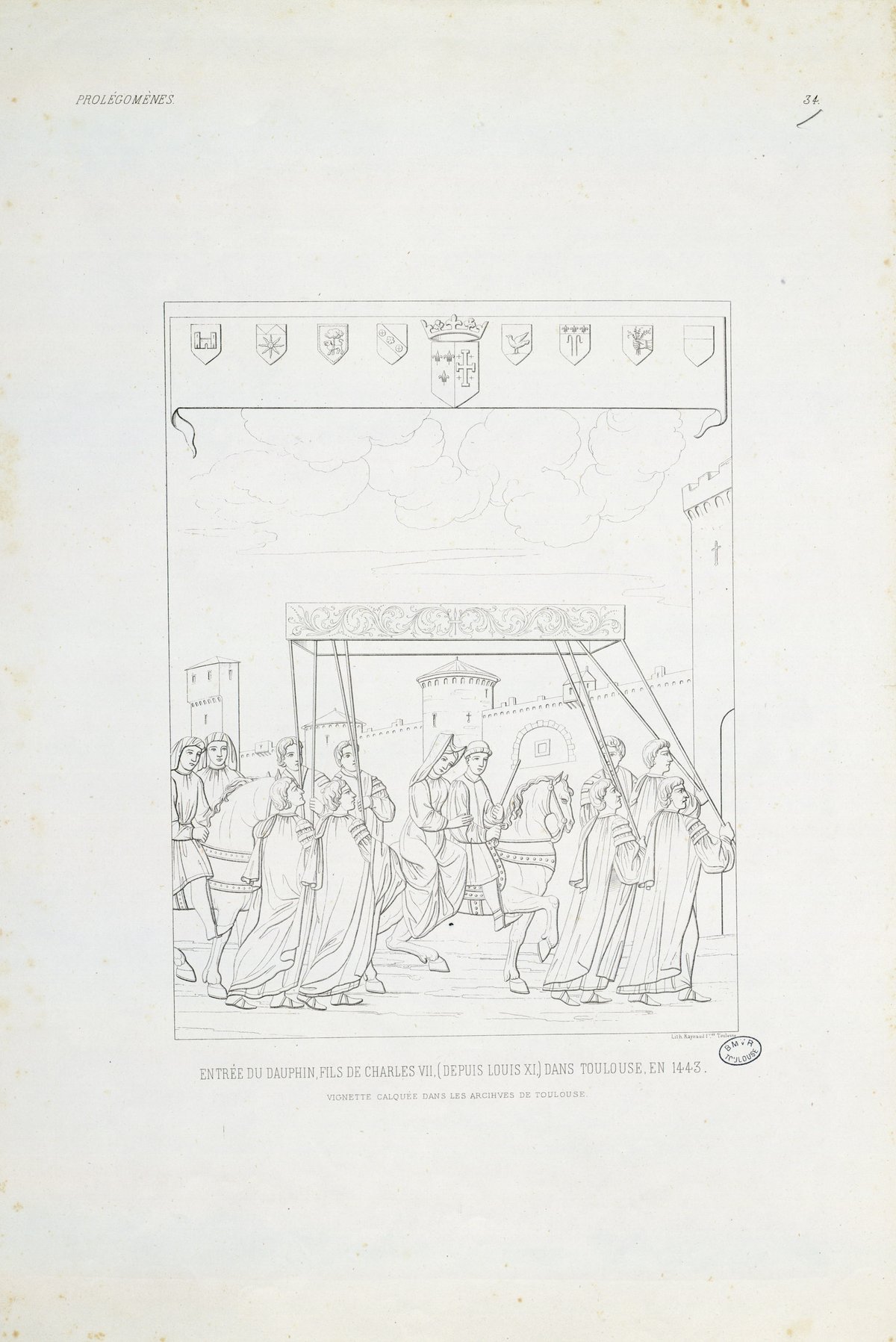
The Departmental Archives of Haute-Garonne trace their origins to the 16th century, when early recordkeeping was initiated under the Capitouls of Toulouse. Their modern incarnation began in 1796, following the French law of 5 Brumaire an V, which required the centralization and preservation of administrative documents across France. Over the centuries, the archives have expanded to include not only official records but also private donations, business archives, and unique photographic collections, reflecting the region’s evolving social, economic, and cultural landscape (FamilySearch France Archives and Libraries).
Legal Mandate and Governance
Governed by the French Heritage Code (Code du patrimoine), the archives operate under the authority of the Conseil Départemental of Haute-Garonne and are overseen by the Ministry of Culture. Their mission encompasses the collection, preservation, inventory, and communication of documents of historical, administrative, and legal value, ensuring the continuity of public memory and the protection of citizens’ rights.
Civil and Parish Registers
The archives house extensive civil and parish registers, with records dating from the 16th century, including baptisms, marriages, and burials. These are crucial for genealogical research and tracing the demographic evolution of the region. Many of these records have been digitized and are available online (Geneanet). To address occasional gaps in records, the archives provide access to specific census and register years, ensuring comprehensive coverage (Archives Toulouse).
Military, Census, Notarial, and Judicial Records
Military recruitment registers and population censuses document the social fabric and historical events that have shaped Haute-Garonne. Notarial documents (such as wills, contracts, and property transactions) and judicial records offer insight into economic activities, inheritance, and local governance. The archives also preserve extensive cartographic collections (cadastral maps and urban plans) and visual records (photographs, postcards) that chart Toulouse’s transformation (Archives Haute-Garonne).
Specialized and Collaborative Collections
Beyond official records, the archives include unique collections from local administrations, schools, associations, and private donors. Notably, the Airbus France photographic negatives (fonds 62 Fi) document the aerospace industry and 20th-century urban development (Patrimoines du Sud). The archives collaborate with the Musée départemental de la Résistance et de la Déportation, providing access to World War II and Resistance documents (Musée départemental de la Résistance et de la Déportation).
Planning Your Visit: Practical Information
Location and Directions
- Main Site 11, boulevard Griffoul-Dorval, 31400 Toulouse
- Accessible by public transport (bus lines, Saouzelong metro station, Line B)
- Limited street parking; public transport is recommended (archives.haute-garonne.fr)
- Saint-Gaudens Branch Espace Pégot, 31800 Saint-Gaudens (haute-garonne.fr)
Visiting Hours and Admission
- Toulouse Site
- Monday: 13:00 – 18:30 (8:30 – 17:00 from mid-July to end of August)
- Tuesday to Friday: 8:30 – 17:00
- Annual closure: July 7–20, 2025
- Saint-Gaudens Branch
- Tuesday, Thursday, and Friday: 8:30 – 12:00 and 13:30 – 17:00
- Closed during end-of-year school holidays
Admission is free for all visitors; no tickets are required.
Note: Renovation and expansion works starting late 2025 may cause temporary disruptions. Check the official website for updates.
Accessibility
The Toulouse site is fully accessible to visitors with reduced mobility, with adapted reading rooms and facilities. The digital archive portal also meets web accessibility standards (Archives Toulouse).
Registration and Access Procedures
On arrival, visitors must register at reception (photo ID required) and will receive a free reader’s card. Appointments are recommended for consulting special collections (e.g., photographic archives, architectural plans); advance booking is advised (haute-garonne.fr).
Facilities and Visitor Experience
- Reading Rooms Spacious, well-lit, with Wi-Fi, desks, and power outlets. Archivists are available for assistance.
- Digital Resources Extensive digitization allows users to access documents via on-site terminals and the online portal.
- Lockers Free lockers for personal belongings; bags, coats, and food are not permitted in reading rooms.
- Photography Personal research photography is permitted under certain conditions; high-resolution reproductions require formal permission.
Special Events, Educational Programs, and Community Engagement
The archives regularly organize exhibitions, workshops, and educational activities tailored to diverse audiences. Upcoming highlights include the 2025 photo exhibit “Rephotographions Saint-Cyprien... du noir et blanc à la couleur” (July 2 – October 1, 2025). During renovations, educational teams will offer off-site workshops in schools and community venues. All activities are free but require advance booking (archives.haute-garonne.fr).
The archives actively involve the public in collaborative projects, such as identifying photographs and contributing to the enrichment of collections (Patrimoines du Sud).
Nearby Attractions in Toulouse
Enhance your visit by exploring nearby cultural and historical sites:
- The Capitole de Toulouse Historic city hall and square
- Basilica of Saint-Sernin UNESCO World Heritage Site
- Canal du Midi Scenic 17th-century canal
- Musée des Augustins Fine arts museum
Further information is available on Toulouse’s official tourism site.
Frequently Asked Questions (FAQ)
Q: What are the Departmental Archives’ visiting hours?
A: Toulouse site: Monday 13:00–18:30 (8:30–17:00 in summer), Tuesday to Friday 8:30–17:00. Saint-Gaudens: Tuesday, Thursday, Friday 8:30–12:00 and 13:30–17:00. Closed during annual breaks and school holidays.
Q: Is there an admission fee or are tickets required?
A: Admission is free; no tickets required.
Q: Do I need to make an appointment?
A: Registration is required on arrival. Appointments are recommended for special collections and for Wednesday/Thursday afternoons.
Q: Can I access the archives online?
A: Yes, many collections are digitized and accessible via the official portal.
Q: Is the site accessible to visitors with reduced mobility?
A: Yes, the Toulouse site and the digital platform are accessible.
Q: Are guided tours or workshops available?
A: Yes, check the archives’ website for schedules and booking.
Q: Can I photograph documents?
A: Yes, for personal use with restrictions; high-quality reproductions for publication require permission.
Summary and Visitor Recommendations
The Departmental Archives of Haute-Garonne in Toulouse are a cornerstone of regional historical preservation, offering unparalleled access to centuries of archival materials. Their comprehensive collections, free and accessible facilities, and commitment to digital innovation ensure that both local and international visitors can explore the rich heritage of Haute-Garonne.
Whether you are conducting detailed research, attending an exhibition, or simply exploring Toulouse’s historic sites, the archives offer invaluable resources and a welcoming environment. To maximize your visit, check updated hours and event schedules on the official Departmental Archives website and consider using the Audiala app for guided tours and curated content.
Begin your exploration today and connect with the stories and documents that have shaped the history of Toulouse and Haute-Garonne (FamilySearch France Archives and Libraries, Patrimoines du Sud).