
Historical Background
Villa Suzanne was commissioned and constructed in 1903 by Casimir Croizet, a prominent local architect. The villa exemplifies the period of economic prosperity and urban expansion that followed the arrival of the railway in Aurillac in 1886. As the town’s western quarters developed, affluent families built grand residences that reflected their status and the prevailing architectural tastes of the Belle Époque (Monumentum; France-Voyage).
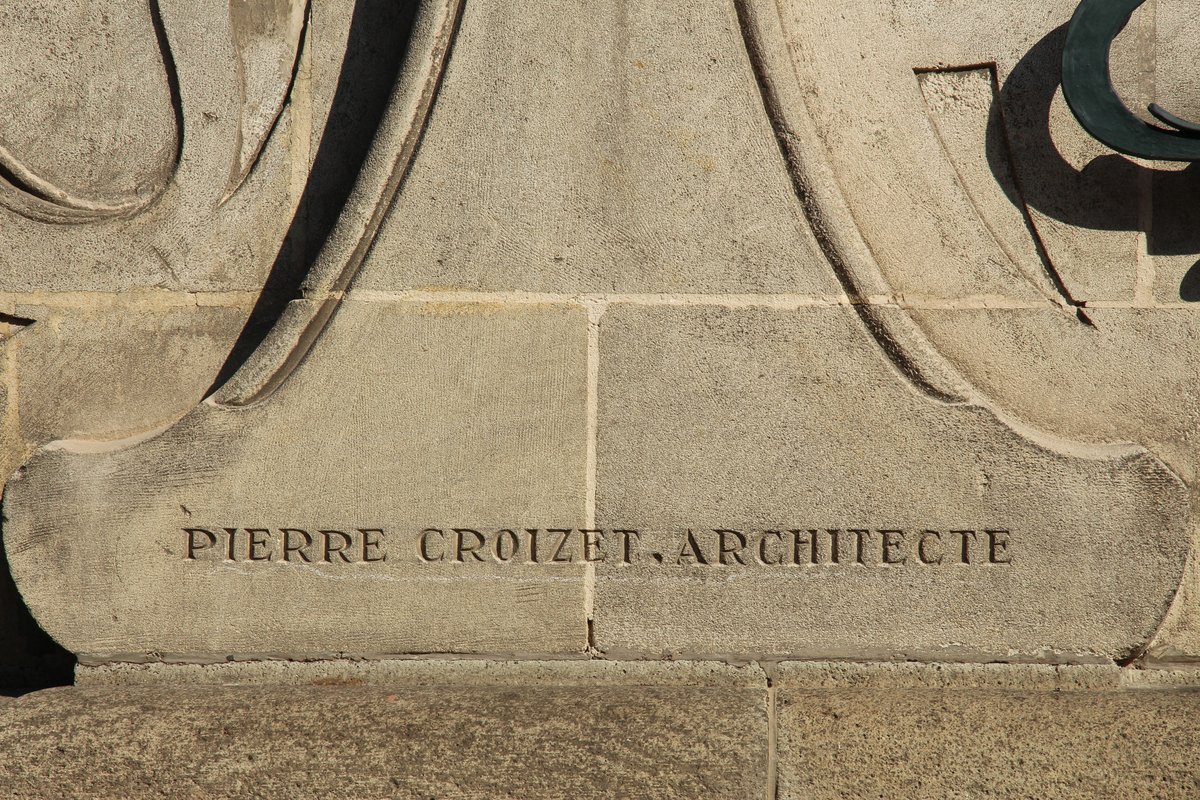
Originally a private home, Villa Suzanne was later modified in the 1960s by Pierre Croizet, believed to be a relative of Casimir. These updates preserved the essential character and artistry of the villa. In 2009, Villa Suzanne was officially recognized as a Monument Historique, ensuring its protection for future generations (POP Culture Gouv; Wikipedia - Villa Suzanne).
Architectural Features
Exterior and Style
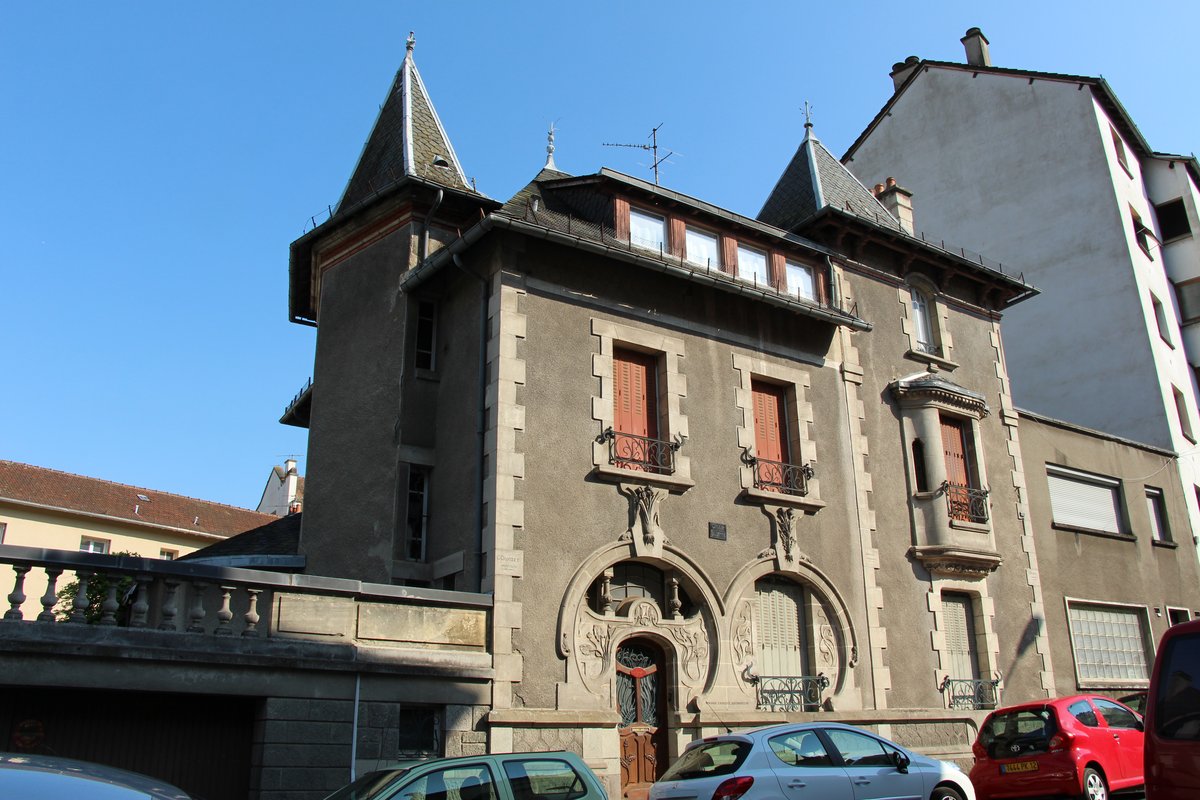
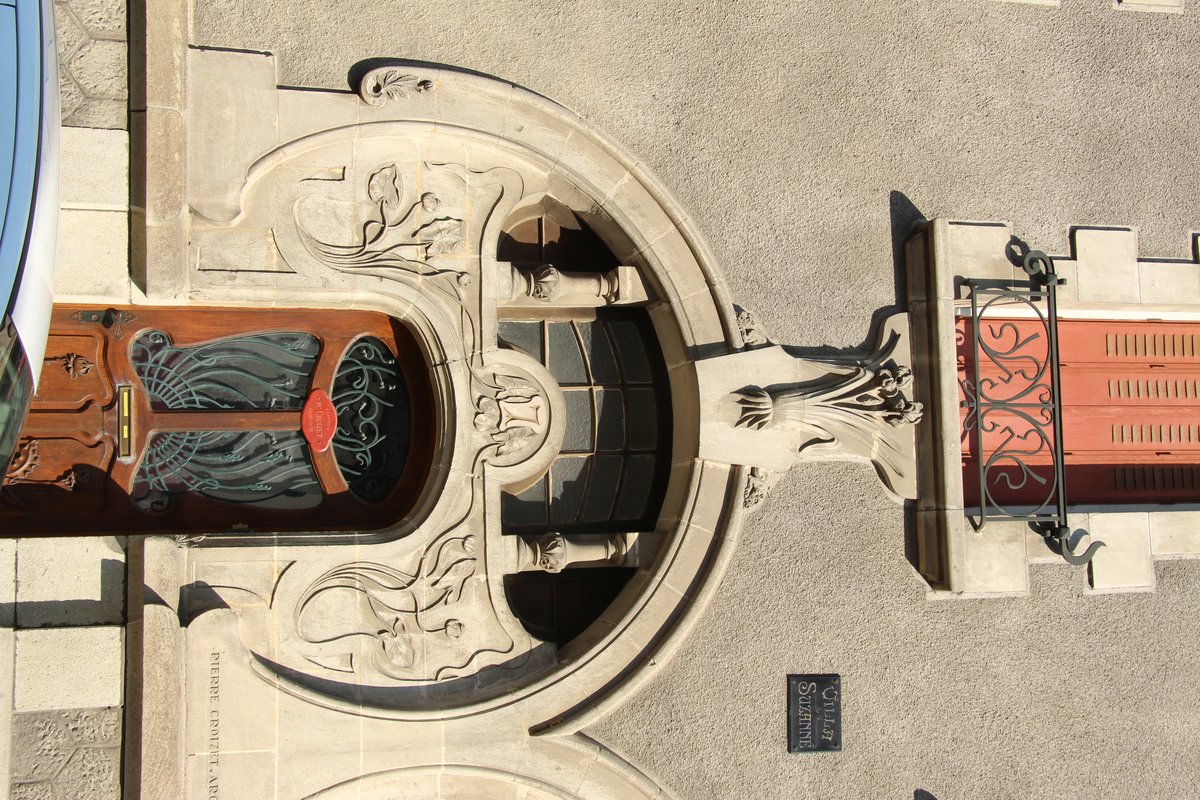
Villa Suzanne’s façade is a distinguished example of Art Nouveau design, characterized by flowing lines, organic motifs, and the use of luminous white and local volcanic stone. The two-storey structure features decorative ironwork, sinuous window bays, and finely crafted stone details that echo the movement’s emphasis on harmony between art and architecture (About Art Nouveau). The house opens onto both a courtyard and a garden, typical of bourgeois residences of the era.
Interior Details
Though the interior is rarely accessible to the public, notable features include original Norwegian pitch pine woodwork and joinery, as well as a painted panel from the 1937 Exposition Universelle’s Massif Central Pavilion. These elements highlight both the villa’s artistic pedigree and its role in the broader narrative of French design and regional identity (Monumentum).
Cultural and Regional Significance
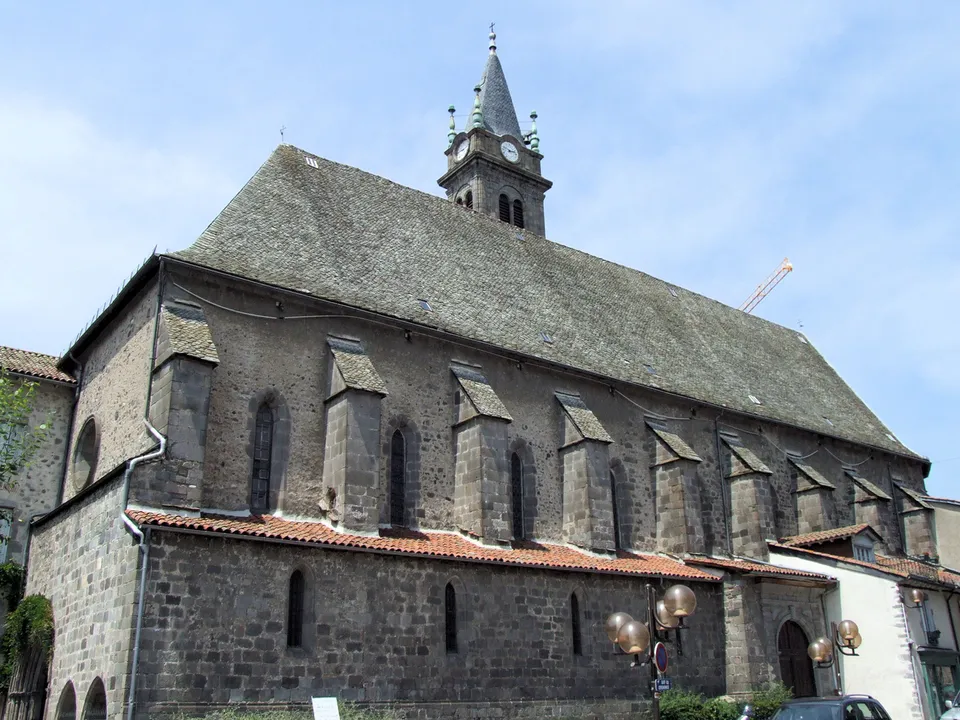
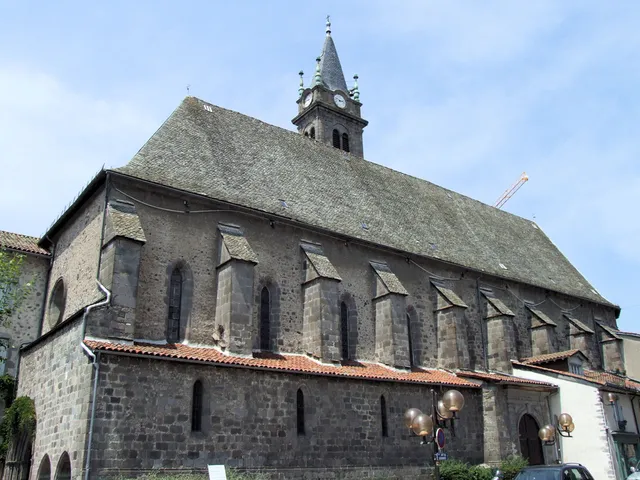
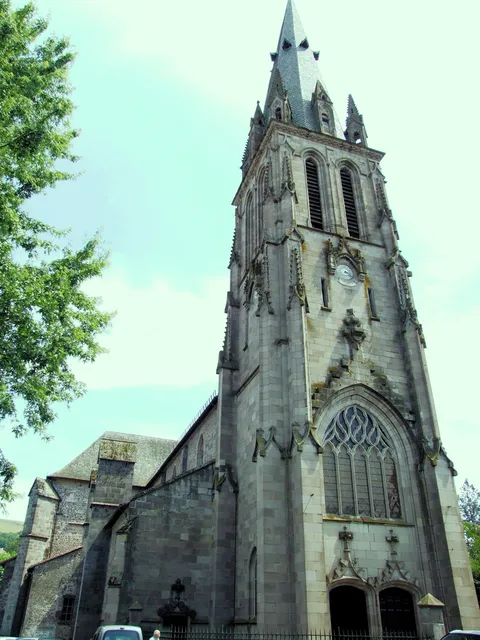
Villa Suzanne represents the aspirations and cultural sophistication of Aurillac’s early 20th-century elite. Its Art Nouveau style contrasts with the town’s predominantly Romanesque and Gothic heritage, offering insight into the town’s transformation during the Belle Époque and interwar periods. The villa’s preservation as a Monument Historique underscores its importance as a unique architectural and historical asset (Pays Aurillac Tourisme; France-Voyage).
Visitor Information
Visiting Hours and Ticketing
Villa Suzanne is a private residence and does not have regular visiting hours or ticketed tours. Public access is typically limited to special heritage events, such as the Journées Européennes du Patrimoine (European Heritage Days) held in September, when occasional guided tours or open-house visits may be organized (POP Culture Gouv). For details on upcoming opportunities to visit, consult the Office de Tourisme du Pays d’Aurillac or local event listings.
Accessibility and Travel Tips
- Location 3 rue Henri-Mondor, 15000 Aurillac, France. The villa is centrally located and easily accessible from the historic center (Triplyzer).
- Getting There Aurillac is served by train and bus, and the city center is walkable. Street parking is available but may be limited during peak seasons.
- Accessibility The streets surrounding Villa Suzanne are paved and pedestrian-friendly, but the villa itself does not have accessibility facilities due to its private residential status.
- Photography Visitors may photograph the villa’s exterior from the street. Please be considerate of the residents’ privacy.
Nearby Attractions
Combine your visit to Villa Suzanne with other Aurillac highlights:
- Château Saint-Étienne Offers panoramic views and a museum on volcanology (The Crazy Tourist).
- Musée d’Art et d’Archéologie d’Aurillac Showcases regional art and history (Pays Aurillac Tourisme).
- Place du Square Lively town square, perfect for sampling local cuisine and people-watching.
- Local Markets Place des Carmes hosts weekly markets, ideal for tasting local specialties (Audiala).
Practical Visitor Tips
- Best time to visit Spring and summer (May–September) for pleasant weather and vibrant city life.
- Events Plan your trip around the European Heritage Days for potential access to Villa Suzanne’s interior.
- Local etiquette Greet residents with “Bonjour” and use basic French phrases for a friendly experience.
- Dining Try local dishes like truffade, aligot, and pounti, and enjoy regional wines (Audiala).
- Responsible tourism Respect private property, maintain quiet in residential areas, and avoid blocking sidewalks.
Frequently Asked Questions (FAQ)
Q: Can I visit Villa Suzanne year-round?
A: No, it is a private residence. Access is occasionally allowed during special heritage events—check with the tourist office for updates.
Q: Are there guided tours?
A: Guided tours may be offered during open days or heritage events.
Q: Are tickets required?
A: No regular ticketing is in place. Event-based visits may require advance registration.
Q: Is the villa accessible for those with limited mobility?
A: The street view is accessible, but the villa itself does not provide specific facilities.
Q: Can I take photos?
A: Yes, exterior photography from public spaces is welcome.