

Origins and Legacy of the Ancient Library
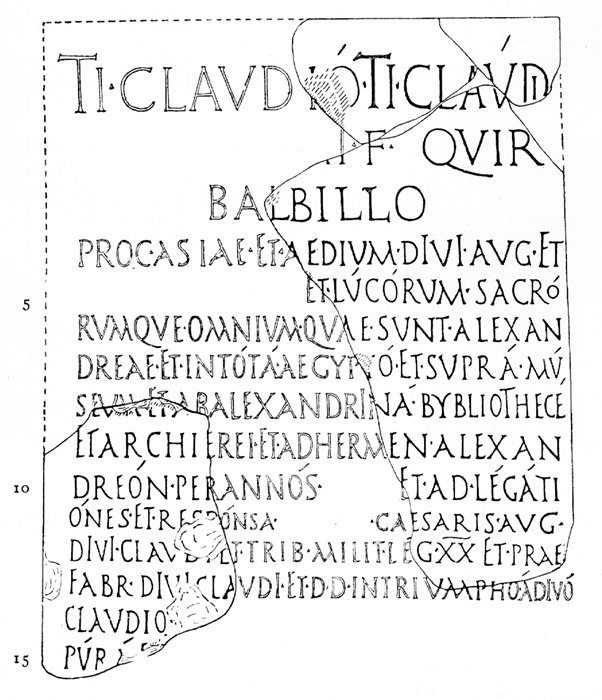
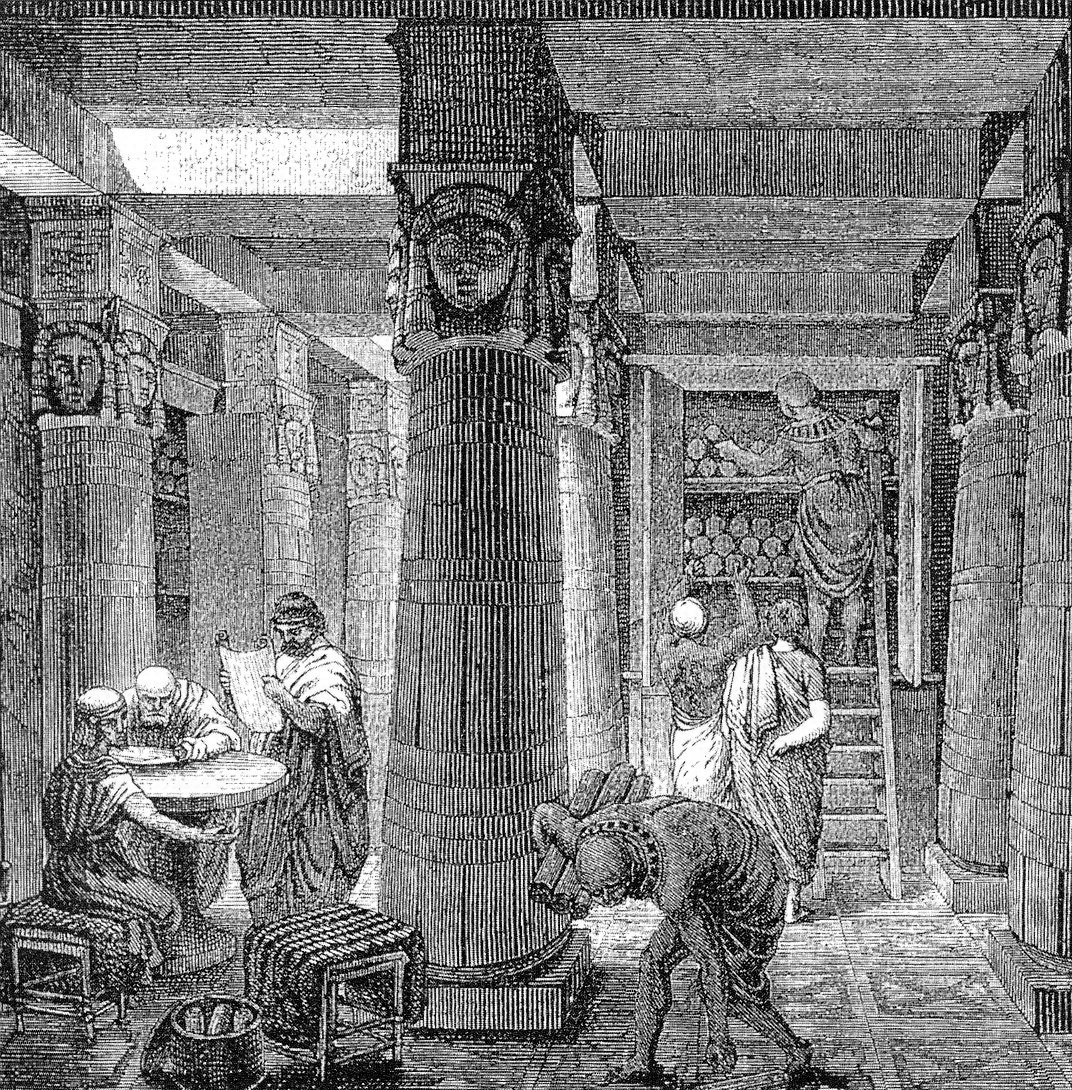
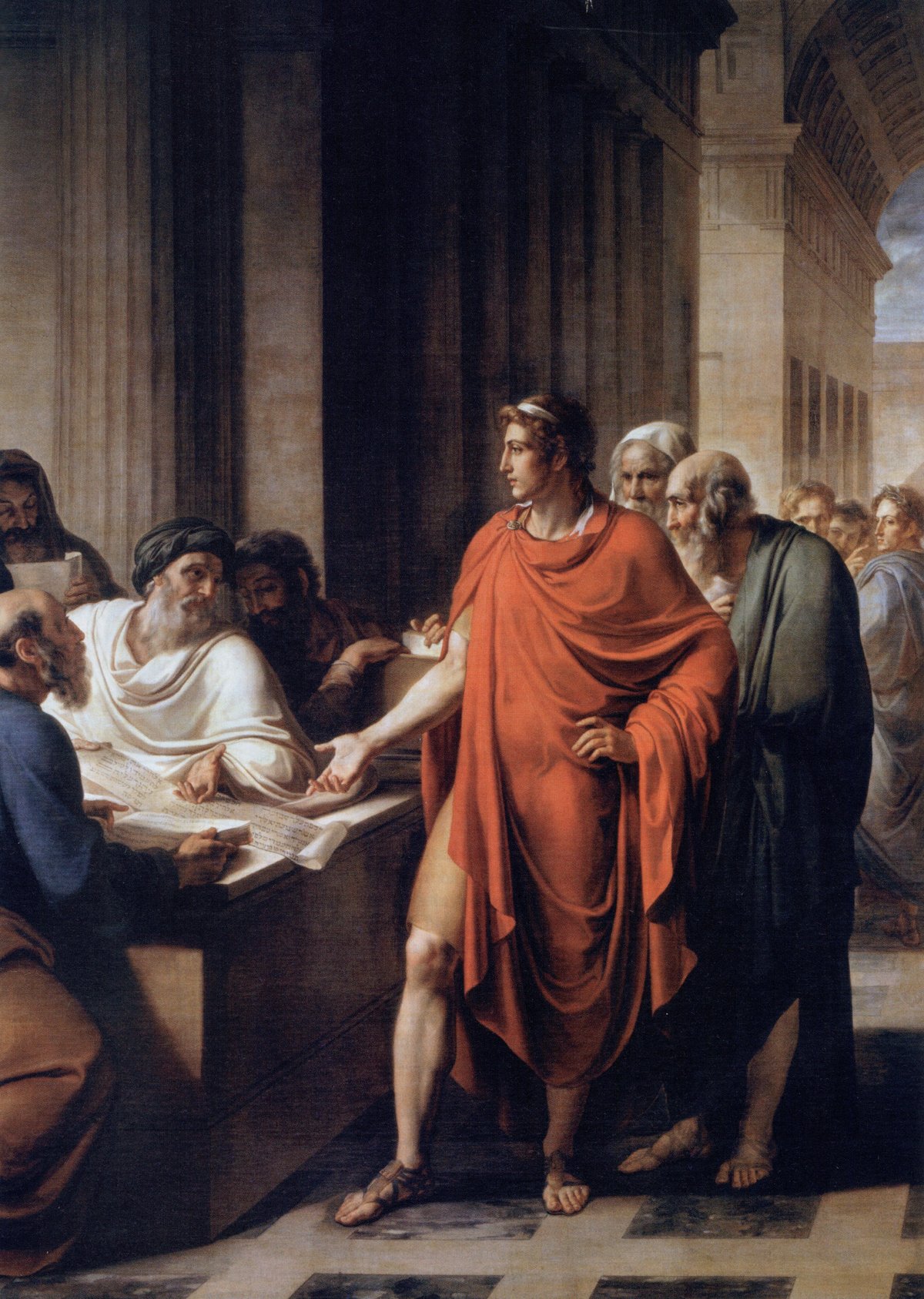
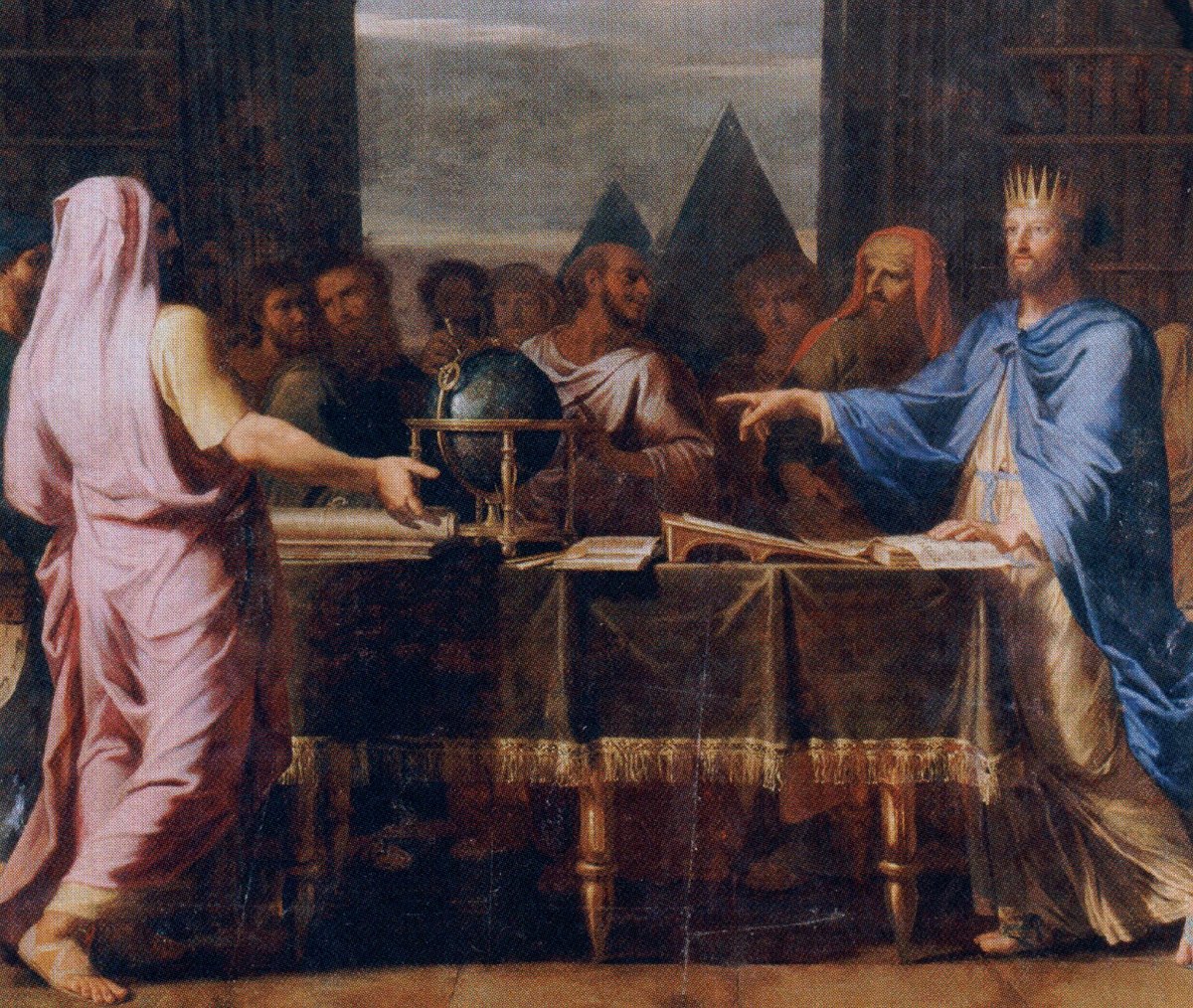
Founded in the 3rd century BCE under the Ptolemaic dynasty, the original Library of Alexandria was envisioned as more than a mere collection of scrolls. Situated near the royal palace in Alexandria’s Brucheion district, it became the world’s most significant center for learning. Its collection—estimated between 400,000 and 700,000 papyrus scrolls—included works on philosophy, mathematics, science, and literature, drawing scholars such as Euclid, Archimedes, and Eratosthenes (World History Edu; Egypt Best Vacations).
The library's association with the Mouseion, a research institution dedicated to the Muses, fostered cross-cultural dialogue and academic innovation. Aggressive acquisition policies, such as copying texts from ships docked in Alexandria, ensured the collection’s breadth and diversity (World History Encyclopedia).
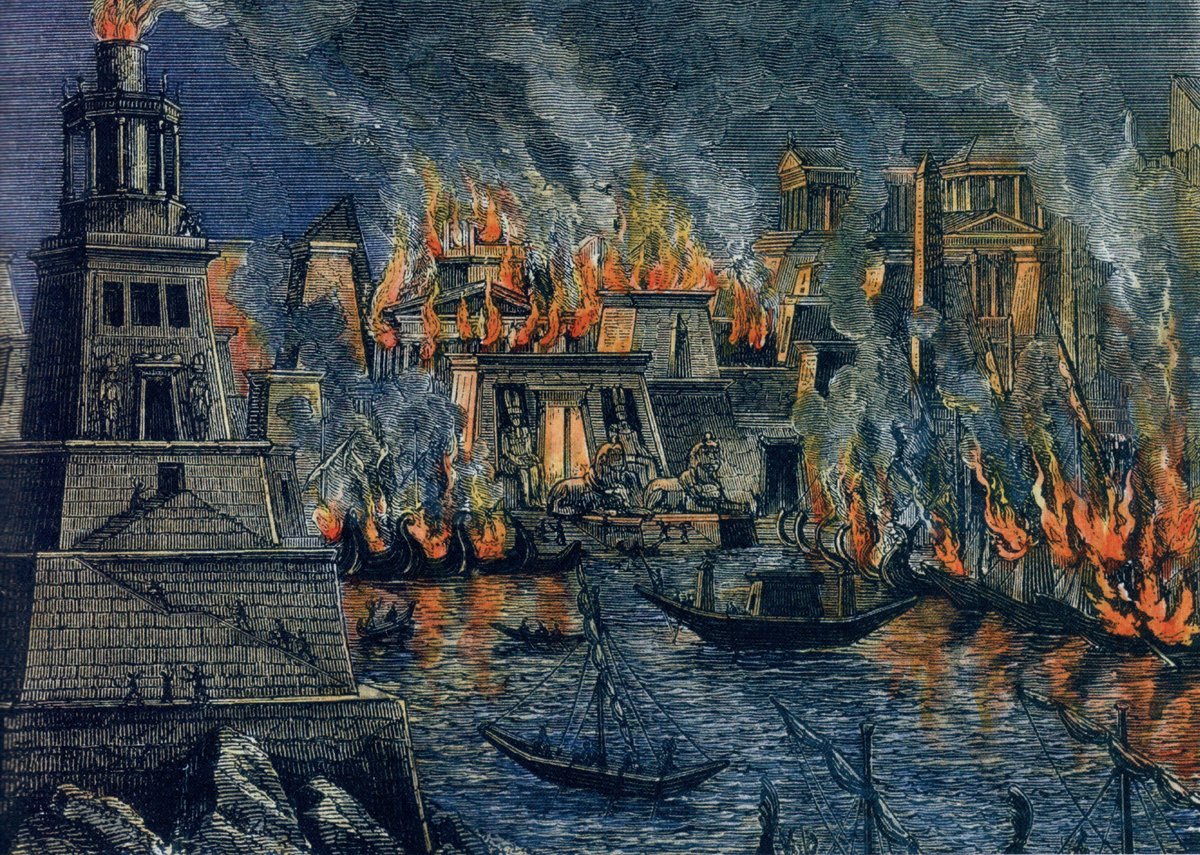
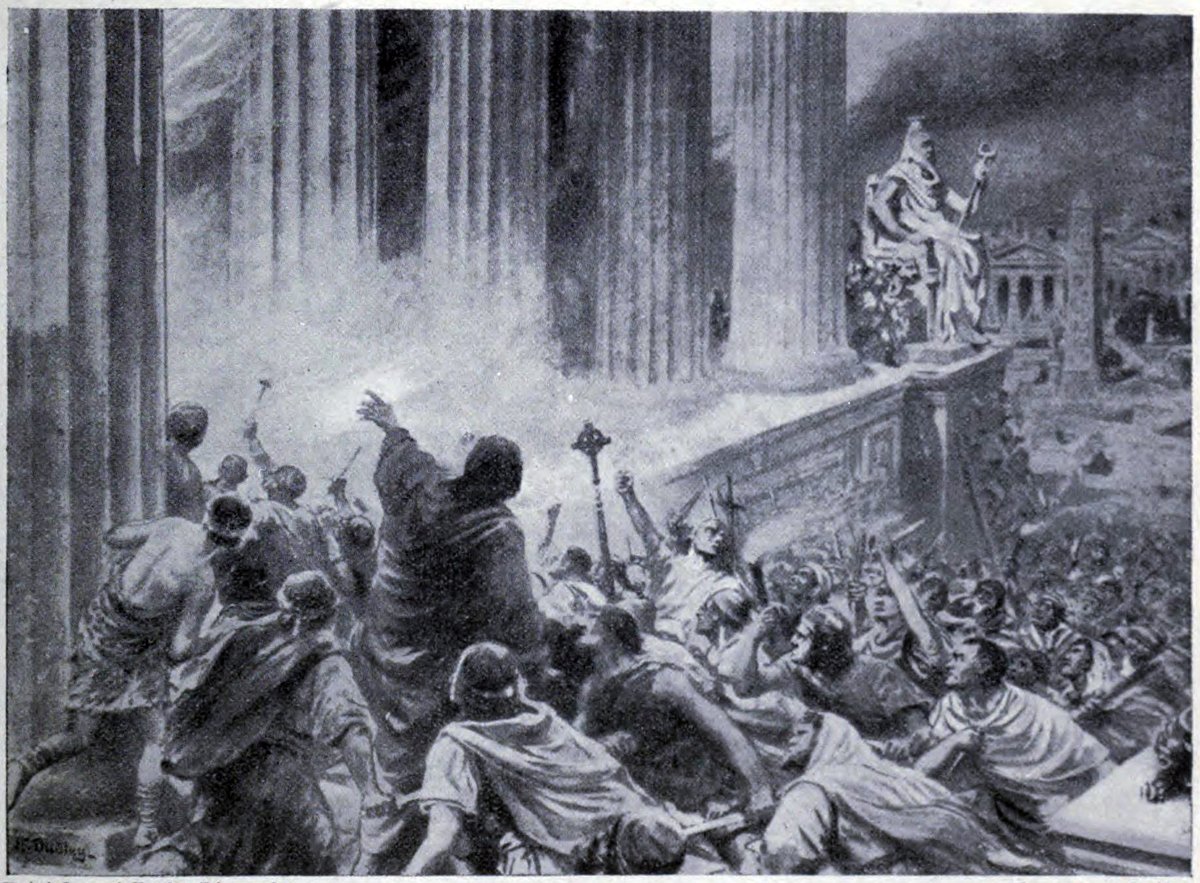
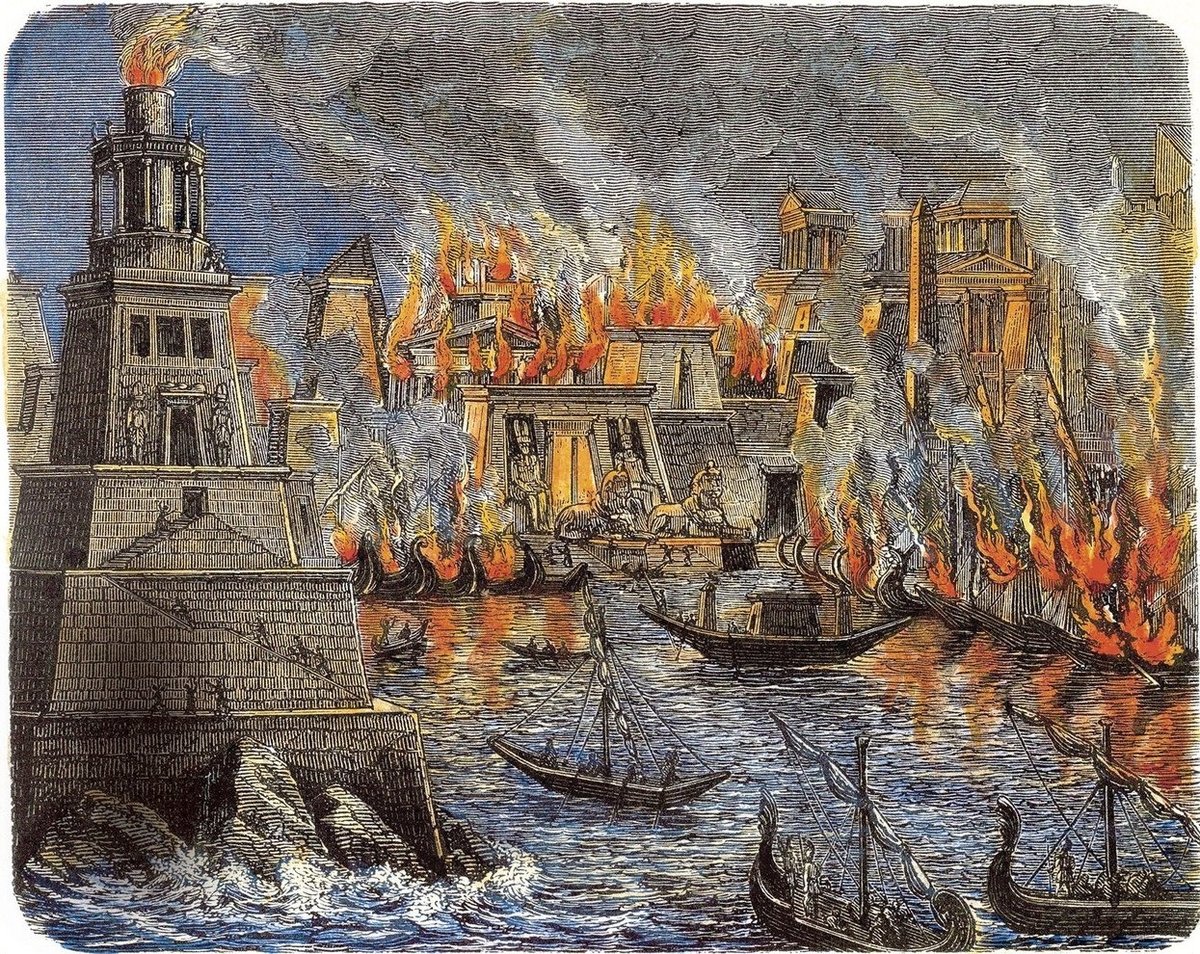
Tragically, the library was lost to history through a series of fires and political turmoil, most notably during Julius Caesar’s siege in 48 BCE. Its destruction is considered one of history’s greatest cultural losses, symbolizing the fragility of knowledge (CLRN; Greek City Times).
The Modern Bibliotheca Alexandrina
Revival and Architectural Marvel
Inspired by the ancient library’s legacy, the modern Bibliotheca Alexandrina opened in 2002. Designed by the Norwegian architectural firm Snøhetta, the library’s circular, tilted roof and inscribed granite façade (featuring over 120 scripts) symbolize the universality of knowledge (Snøhetta - Bibliotheca Alexandrina). Its main reading room is among the world’s largest, flooded with natural light and offering panoramic views of the Mediterranean (Bibliotheca Alexandrina Official Site).
The library is located in Alexandria's Al-Shatby district along the scenic Corniche, making it easily accessible and close to other major city attractions (TourTravelWorld).
Collections and Facilities
The Bibliotheca Alexandrina’s offerings extend far beyond its impressive book collection:
- Main Library Capacity for up to 8 million books with current holdings exceeding 1.5 million volumes.
- Specialized Libraries Including the Taha Hussein Library (for the visually impaired), Children’s Library, Young People’s Library, Rare Books Library, Map Library, and Multimedia Library.
- Museums
- Museum of Antiquities—Artifacts from Egypt’s Pharaonic, Greco-Roman, Coptic, and Islamic periods.
- Manuscripts Museum—Rare and ancient texts.
- History of Science Museum—Celebrating scientific achievements from the region.
- Sadat Museum—Focusing on President Anwar Sadat’s legacy.
- Planetarium Science Center Interactive astronomy exhibits and immersive shows.
- Conference and Exhibition Halls Host to lectures, festivals, and international events.
- Digital Resources Extensive digital archives, multimedia collections, and access to the Internet Archive (TourTravelWorld; Divergent Travelers).
Visiting Information
Location and Access
- Address El Shatby, Alexandria 21526, Egypt
- Getting There Easily reached by taxi, public bus, or car. Approx. 3 km from Alexandria Railway Station (TourTravelWorld).
- Nearby Walking distance to hotels, restaurants, and prominent Alexandria historical sites.
Opening Hours
- Sunday to Thursday 10:00 AM – 7:00 PM
- Saturday 10:00 AM – 2:00 PM
- Friday Closed (open during some special events)
- Note: Hours may vary during public holidays or Ramadan. Check the official website before visiting.
Tickets and Entry Fees
- General Admission
70 EGP ($2.25 USD) - Discounts For students, children, seniors, and Egyptian nationals
- Museums/Exhibitions Separate tickets required
- Purchase Tickets available onsite or online via the official Bibliotheca Alexandrina website
Guided Tours
- Available in Arabic, English, and French
- Highly recommended for first-time visitors
- Can be booked in advance online or at the information desk
Accessibility
- Library is fully wheelchair accessible, with ramps, elevators, and accessible restrooms
- Services for visitors with disabilities, including the Taha Hussein Library
Onsite Facilities
- Cafés and snack bars for meals and refreshments
- Gift shops with books, souvenirs, and crafts
- Clean restrooms and lockers for personal items
- Free Wi-Fi throughout public areas
What to See and Do
- Main Reading Room Iconic, naturally lit space for reading and study
- Museums Antiquities, Manuscripts, Science, and Sadat Museums
- Planetarium Astronomy shows for all ages
- Exhibitions Rotating art, science, and cultural displays
- Children’s Library Dedicated space for young readers
- Events Lectures, film screenings, concerts, and festivals (Bibliotheca Alexandrina Official Site)
Practical Tips for Visitors
Dress Code and Etiquette
- Dress modestly out of respect for Egyptian customs
- Comfortable shoes recommended due to the library’s size
- Maintain silence in reading/study areas; set mobile phones to silent
Photography
- Permitted in most public areas; restricted in some exhibition spaces
- Flash and tripods generally not allowed—check signage
Safety and Security
- Security screening at entrance; bags may be inspected
- The premises are considered very safe with visible security presence
Best Times to Visit
- Ideal Season October to April, with pleasant Mediterranean weather (TourTravelWorld)
- Crowd Tips Weekday mornings are quietest; avoid school holidays for a more peaceful visit
Nearby Alexandria Historical Sites
- Citadel of Qaitbay Fortified 15th-century castle on the site of the ancient Lighthouse of Alexandria
- Catacombs of Kom El Shoqafa Underground Roman burial site
- Alexandria National Museum Artifacts spanning Pharaonic, Greco-Roman, Coptic, and Islamic eras
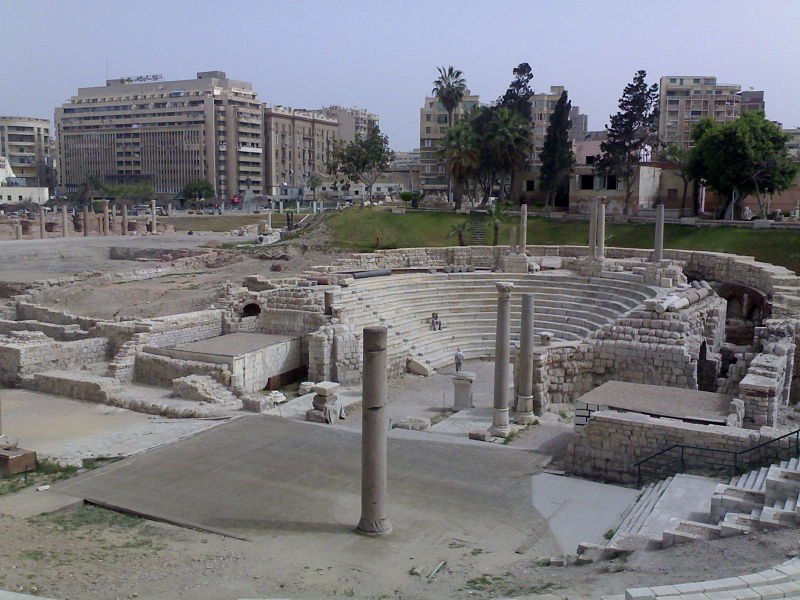
- Pompey’s Pillar and Roman Amphitheatre Remnants of ancient Alexandria
- Waterfront Corniche and local markets Experience Alexandria’s vibrant culture and cuisine (Divergent Travelers)
Frequently Asked Questions (FAQ)
Q: What are the Bibliotheca Alexandrina visiting hours?
A: Sunday–Thursday, 10:00 AM–7:00 PM; Saturday, 10:00 AM–2:00 PM; closed Friday and public holidays. Always check the official website for updates.
Q: How much are tickets?
A: General admission is around 70 EGP (~$2.25 USD); discounts apply. Separate tickets for museums/exhibitions.
Q: Are guided tours available?
A: Yes, in multiple languages. Book in advance or at the library.
Q: Is the library accessible for people with disabilities?
A: Yes, with ramps, elevators, accessible restrooms, and services for the visually impaired.
Q: Can I take photos inside?
A: Photography is allowed in most areas, but restricted in some exhibits. No flash or tripods.
Summary and Final Tips
The Bibliotheca Alexandrina is a living tribute to the legendary Library of Alexandria, blending ancient wisdom with modern innovation. Its expansive collections, world-class museums, and vibrant cultural programming make it a must-visit for anyone traveling to Egypt's Mediterranean coast. By consulting this guide and the official website, planning ahead, and booking tours in advance, you can maximize your experience at this global beacon of learning and cultural exchange (My Great Egypt Tours; Egypt Tours Portal).
Discover More
For the latest updates, tickets, and event announcements, visit the official Bibliotheca Alexandrina website. Download the Audiala app for enhanced travel planning, and follow us on social media for expert tips and special offers. Don’t miss our related articles on Alexandria’s museums and waterfront attractions to make the most of your visit.