Historical Background and Evolution
Founding and Mission
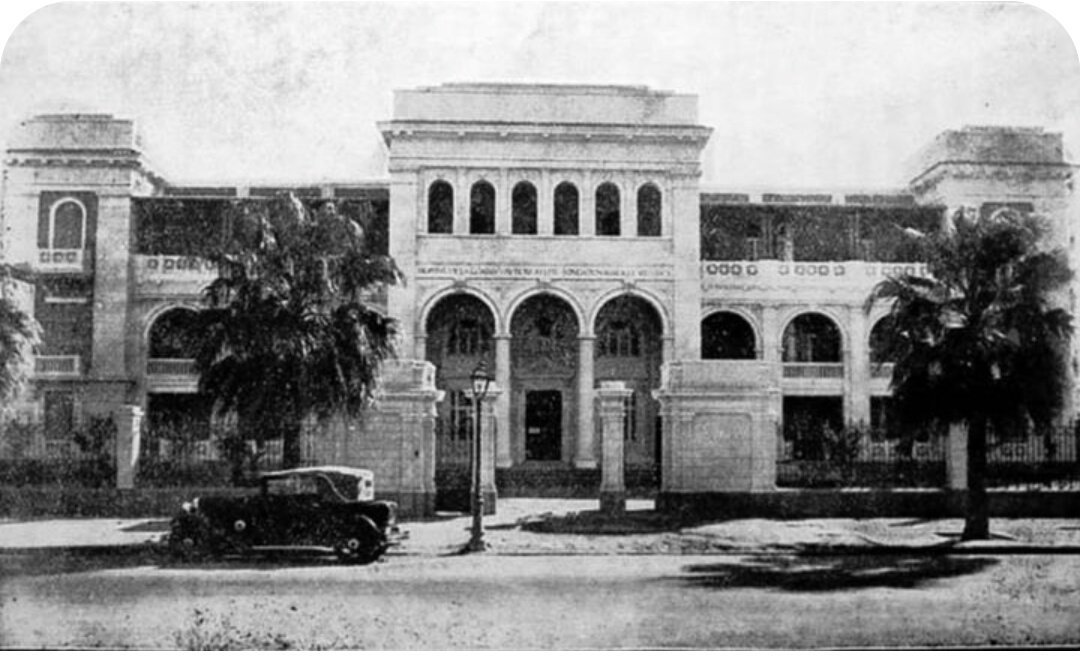
AASTMT was founded in 1972 in Alexandria to address the increasing need for maritime expertise in the Arab region and support economic integration among Arab countries. Its initial focus was on producing highly qualified seafarers and maritime professionals, leveraging Alexandria’s strategic position as a historic port city (AASTMT Overview).
Growth and Diversification
During the 1980s and 1990s, the Academy broadened its academic portfolio to include engineering, computing, logistics, management, and more. Today, the Alexandria campus in the Montaza district remains the flagship, boasting modern facilities such as simulation centers, research labs, and training vessels. Investment in hands-on training distinguishes AASTMT as a leader in maritime education.
International Recognition
AASTMT is a member of the Association of Arab Universities and the International Association of Maritime Universities. Accredited programs attract students regionally and globally, while additional campuses in Cairo, Aswan, Port Said, and partnerships across the Arab world have expanded its reach (QS China).
Technological and Societal Impact
Beyond teaching, AASTMT supports maritime safety and technological advancement through research centers addressing issues like marine pollution and logistics optimization. The Academy is at the forefront of digital transformation, offering online courses, simulation-based training, and virtual labs (AASTMT official).
Community and Cultural Role
AASTMT contributes to Alexandria’s socio-economic landscape, fostering cross-cultural exchange and hosting outreach programs that enhance awareness of maritime and technological fields.
Visitor Information
Visiting Hours
- Sunday to Thursday 9:00 AM – 5:00 PM
Confirm hours and any special closures on the official website.
Admission and Tickets
- General Admission Free for most campus areas.
- Special Facilities or Events Some areas (e.g., simulation centers, exhibitions) may require advance booking or tickets.
Accessibility
- The campus is wheelchair accessible, with ramps and designated parking.
- Public transport and taxi services are convenient; limited parking is available for private vehicles.
Guided Tours
- Guided Tours Available by advance request, covering maritime simulation facilities, training ships, and research centers.
- Booking Contact the administration or International Study Center (NCUK Contact).
Travel Tips
- Bring valid ID for entry.
- Wear comfortable shoes for walking.
- Dress modestly to align with local customs.
- Check weather forecasts for outdoor activities.
Campus Experience
Location and Facilities
- Address 9 Abou Qear, Abu Qir Al Gharbeyah, Montaza 2, Alexandria Governorate (NCUK)
- Layout Modern buildings, state-of-the-art maritime training centers, and recreational spaces close to the Mediterranean Sea.
Academic Highlights
- Colleges 14 faculties covering Maritime Transport, Engineering, Computing, Logistics, Pharmacy, Dentistry, Law, Archaeology, AI, and more (AASTMT Overview).
- Simulation Centers Advanced maritime navigation and safety simulators (AASTMT Testimonials).
- Research Institutes Regional Maritime Safety Institute, Maritime Accident Investigation Center, and more (AASTMT About).
Student Life
- Accommodation On-campus housing for local and international students (EDUopinions Review).
- Sports & Wellness Gym, football fields, basketball/volleyball courts, clinics, and counseling.
- Clubs & Events Active Student Union, cultural and academic clubs, and frequent events (AASTMT Student Activities).
Amenities
- Dining Cafeterias with Egyptian and international cuisine.
- Wi-Fi & ATMs Campus-wide connectivity and banking services.
- Shops Convenience stores for daily needs.
Notable Features
- Maritime Heritage Training ships and regattas highlight AASTMT’s maritime tradition (AASTMT Maritime Activities).
- Sustainability Green campus initiatives and renewable energy research (AASTMT Sustainability).
- International Community Students from over 59 countries foster a vibrant, multicultural atmosphere.
Nearby Alexandria Attractions
- Montaza Palace and Gardens
- Alexandria National Museum
- Bibliotheca Alexandrina (official site)
- Citadel of Qaitbay (Egypt Tourism Authority)
- Corniche Waterfront
- Abu Qir Bay and Beaches
Combine your campus visit with these landmarks for a comprehensive Alexandria experience.
FAQ
Q: What are the campus visiting hours?
A: 9:00 AM to 5:00 PM, Sunday to Thursday; specialized areas may require booking.
Q: Are guided tours available?
A: Yes, book in advance through administration or the International Study Center.
Q: Is the campus accessible for people with disabilities?
A: Yes, with ramps, accessible restrooms, and clear signage.
Q: Can I attend events or conferences?
A: Many are open to visitors with registration; check the events calendar.
Q: What are the options for reaching the campus?
A: By taxi, car, or public transportation from central Alexandria and the airport.
Additional Alexandria Highlights
Citadel of Qaitbay
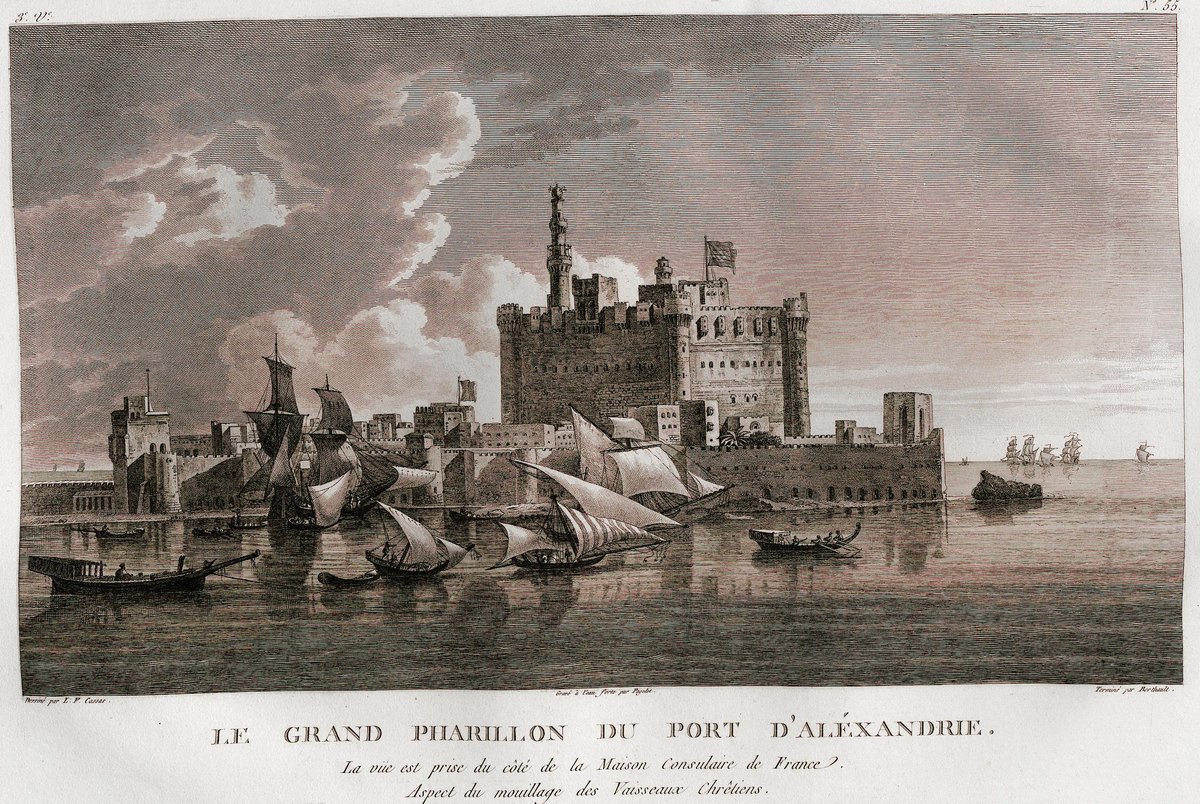
A 15th-century fortress at the former site of the Lighthouse of Alexandria, offering panoramic sea and city views.
- Hours Daily, 9:00 AM – 5:00 PM
- Tickets Adults 60 EGP, Students/Seniors 30 EGP.
- More Citadel of Qaitbay - Alexandria Tourism
Bibliotheca Alexandrina
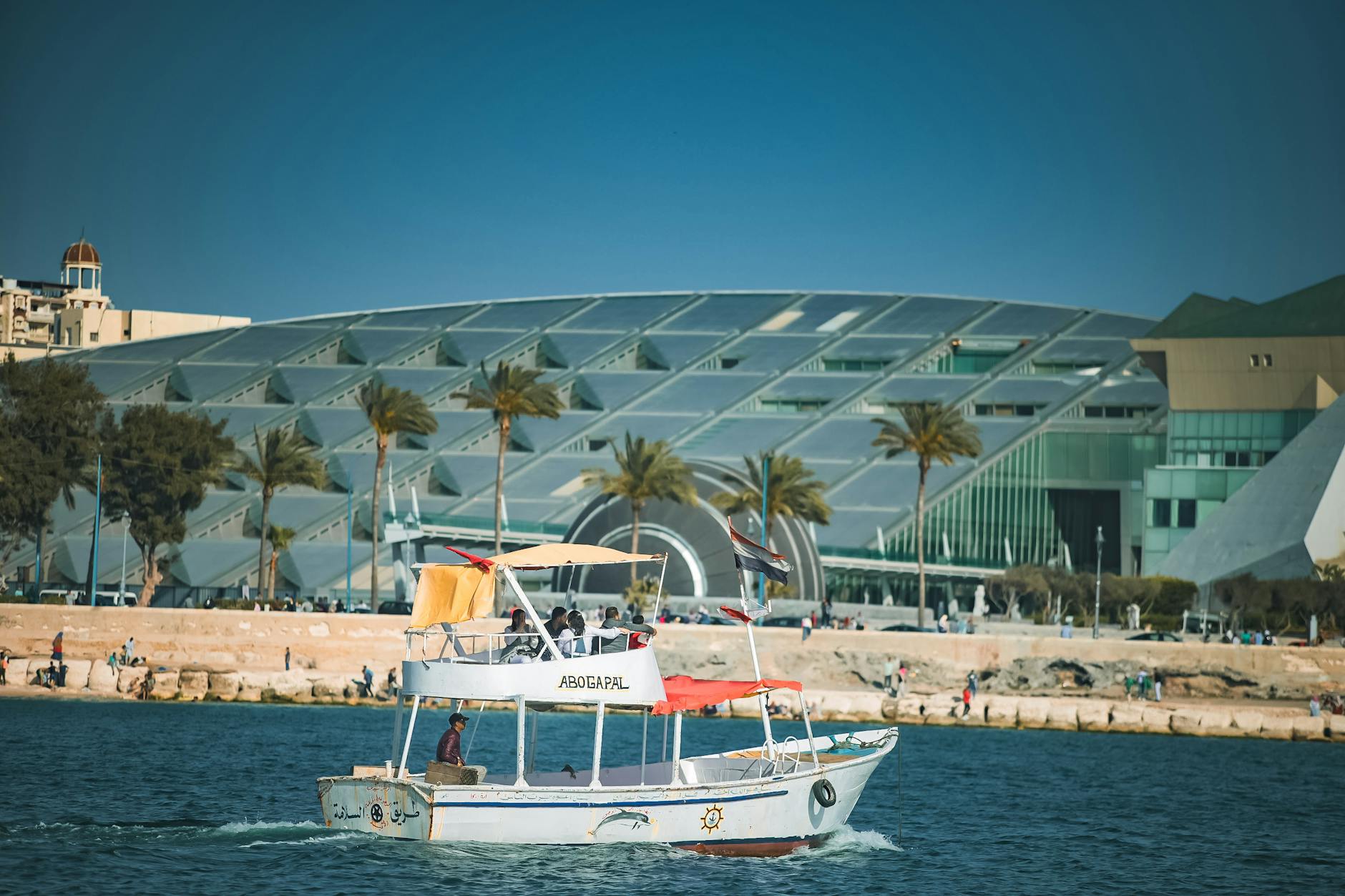
A modern revival of the ancient library, open for exploration of reading halls, planetarium, and exhibitions.
- Hours Sun–Thurs 9:00 AM–7:00 PM; Fri–Sat 10:00 AM–4:00 PM
- Tickets General admission is free; special exhibitions 20–50 EGP.
- More Bibliotheca Alexandrina
Visitor Recommendations
Plan in advance by checking AASTMT’s official website for up-to-date hours, tour bookings, and event schedules. Leverage virtual tours and campus media to preview your visit. Engage with students and faculty, dress respectfully, and take time to explore Alexandria’s nearby historical and cultural treasures.
Stay informed about educational events and exhibitions by downloading the Audiala app and following AASTMT on social media. This ensures you remain updated on the Academy’s dynamic role in Egypt’s maritime and scientific landscape.