What is the Centre d’Études Alexandrines (CEAlex)?
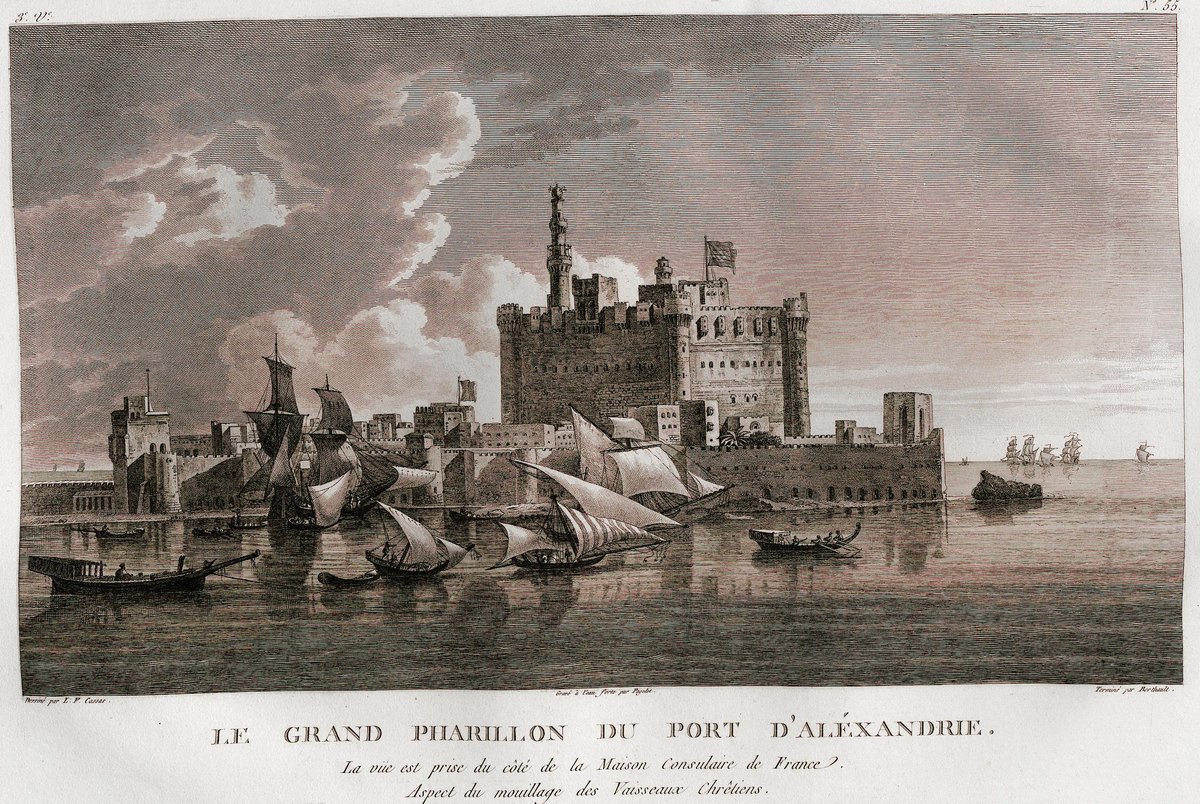
Founded in 1990, CEAlex is a leading research center dedicated to the study, excavation, and preservation of Alexandria’s archaeological and historical heritage. Its multidisciplinary teams—specializing in land, urban, and underwater archaeology—have made groundbreaking discoveries, including the submerged remains of the Lighthouse of Alexandria (Pharos).
CEAlex is not a conventional museum, but it shapes how locals and visitors experience Alexandria’s rich past through its collaborations with museums, digital initiatives, and public education (greece.org).
Top Historical Sites Linked to CEAlex Research
1. The Lighthouse of Alexandria and Qaitbay Citadel
Overview:
The ancient Lighthouse of Alexandria, one of the Seven Wonders of the Ancient World, once stood at the entrance to the Eastern Harbor. CEAlex’s underwater archaeology projects have revealed immense architectural fragments and statuary now lying beneath the sea (pharos.cealex.org). Direct diving access is restricted, but the Qaitbay Citadel—built on the original lighthouse’s site—offers panoramic harbor views and maritime exhibits.
- Visiting Hours Daily, 8:00 AM – 5:00 PM
- Tickets Approx. 60 EGP for foreign tourists; discounts for students/Egyptians
2. Alexandria National Museum
Overview:
Home to artifacts unearthed by CEAlex, this museum chronicles Alexandria’s history from the Pharaonic period through the modern era.
- Visiting Hours Saturday–Thursday, 9:00 AM – 7:00 PM (closed Fridays)
- Tickets Approx. 70 EGP for foreign visitors
3. Bibliotheca Alexandrina
Overview:
A modern homage to the ancient Library of Alexandria, this cultural center hosts exhibitions, digital reconstructions, and lectures, including collaborations with CEAlex.
- Visiting Hours Sunday–Thursday, 10:00 AM – 7:00 PM; Friday–Saturday, 12:00 PM – 7:00 PM
- Tickets General library access is free; some exhibitions may require tickets
Visiting CEAlex: Location, Hours, and Access
- Location 19 rue Morsi Badr, Attarine, Alexandria (CEAlex official contact)
- Public Access The research center itself is not open for walk-in visits. Access is by appointment only, typically for special events, lectures, guided tours, or educational workshops.
- Arranging a Visit Contact [email protected] or call +20 3 965937 to inquire about availability and book guided tours, workshops, or special exhibitions.
- Accessibility Exhibition and public spaces are equipped for visitors with limited mobility; staff can assist with special needs.
Practical Tips for Exploring Alexandria’s Heritage
- Best Time to Visit October to April offers pleasant weather for outdoor exploration.
- Tickets & Passes Purchase tickets at official site entrances; combo passes may be available.
- Guided Tours Numerous operators provide tours of CEAlex-affiliated sites, often including in-depth commentary on archaeological discoveries.
- Dress & Comfort Wear comfortable shoes and bring sun protection, especially in summer.
- Photography Non-flash photography is permitted at most sites; always check posted guidelines.
CEAlex’s Archaeological Research and Achievements
- Underwater Discoveries CEAlex has led pioneering underwater excavations at the site of the Lighthouse of Alexandria, recovering colossal statues and architectural fragments now displayed at affiliated museums (Honor Frost Foundation).
- Urban Archaeology Rescue excavations, such as the Gabbari Necropolis (discovered during highway construction in 1996), shed light on ancient burial practices and city life (whitelevy.fas.harvard.edu).
- Publications The “Études Alexandrines” series offers in-depth research on Alexandria’s history, accessible to both specialists and the general public (ifao.egnet.net).
- Digital Projects The CartAlex platform provides interactive historical maps, while 3D reconstructions allow virtual exploration of lost monuments (CartAlex map platform).
Special Events and Public Programs
- Heritage Festivals CEAlex organizes the annual “Journées du patrimoine alexandrin,” featuring guided tours, workshops, and scholarly lectures (jpa.cealex.org).
- Temporary Exhibitions Rotating displays highlight recent discoveries, historical themes, and collaborative research.
- Educational Outreach Workshops for school groups, university students, and the public foster archaeological awareness (Ambassade de France).
Frequently Asked Questions (FAQs)
Can I visit the underwater Lighthouse of Alexandria site?
No, diving access is restricted. Exhibits at the Qaitbay Citadel and affiliated museums provide insights into these discoveries.
Are there guided tours of CEAlex and related sites?
Yes, guided tours can be arranged in advance. Many local operators also offer thematic tours of Alexandria’s archaeological highlights.
What are the visiting hours for CEAlex exhibitions?
Exhibitions at partner sites are generally open 9:00 AM – 5:00 PM. The CEAlex research facility is accessible by appointment.
Is the center accessible for people with disabilities?
Yes, main exhibition areas are accessible; staff can provide assistance as needed.
How can I access digital resources or virtual tours?
Visit the CEAlex website and the CartAlex map platform.
Nearby Attractions
Enhance your Alexandria itinerary by visiting:
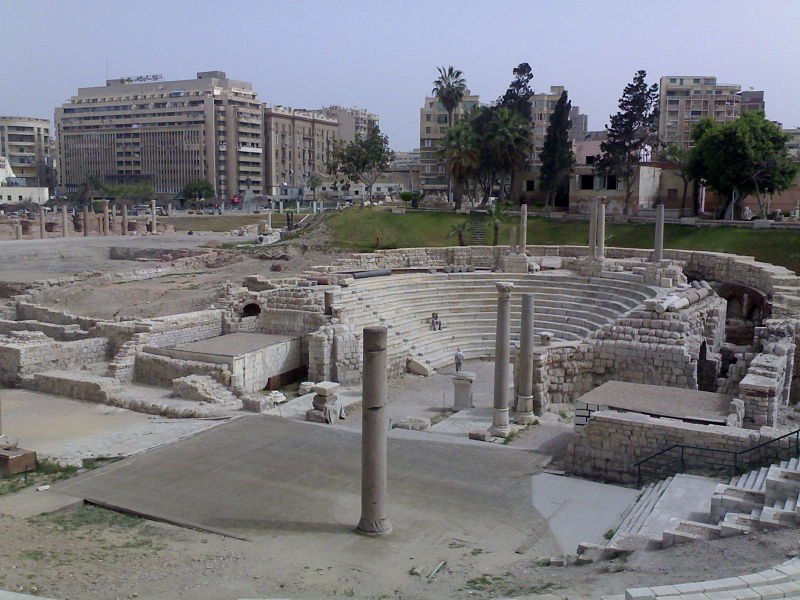
- Kom el-Dikka Open-Air Museum Showcasing artifacts from CEAlex excavations
- Catacombs of Kom El Shoqafa Unique Greco-Roman funerary architecture
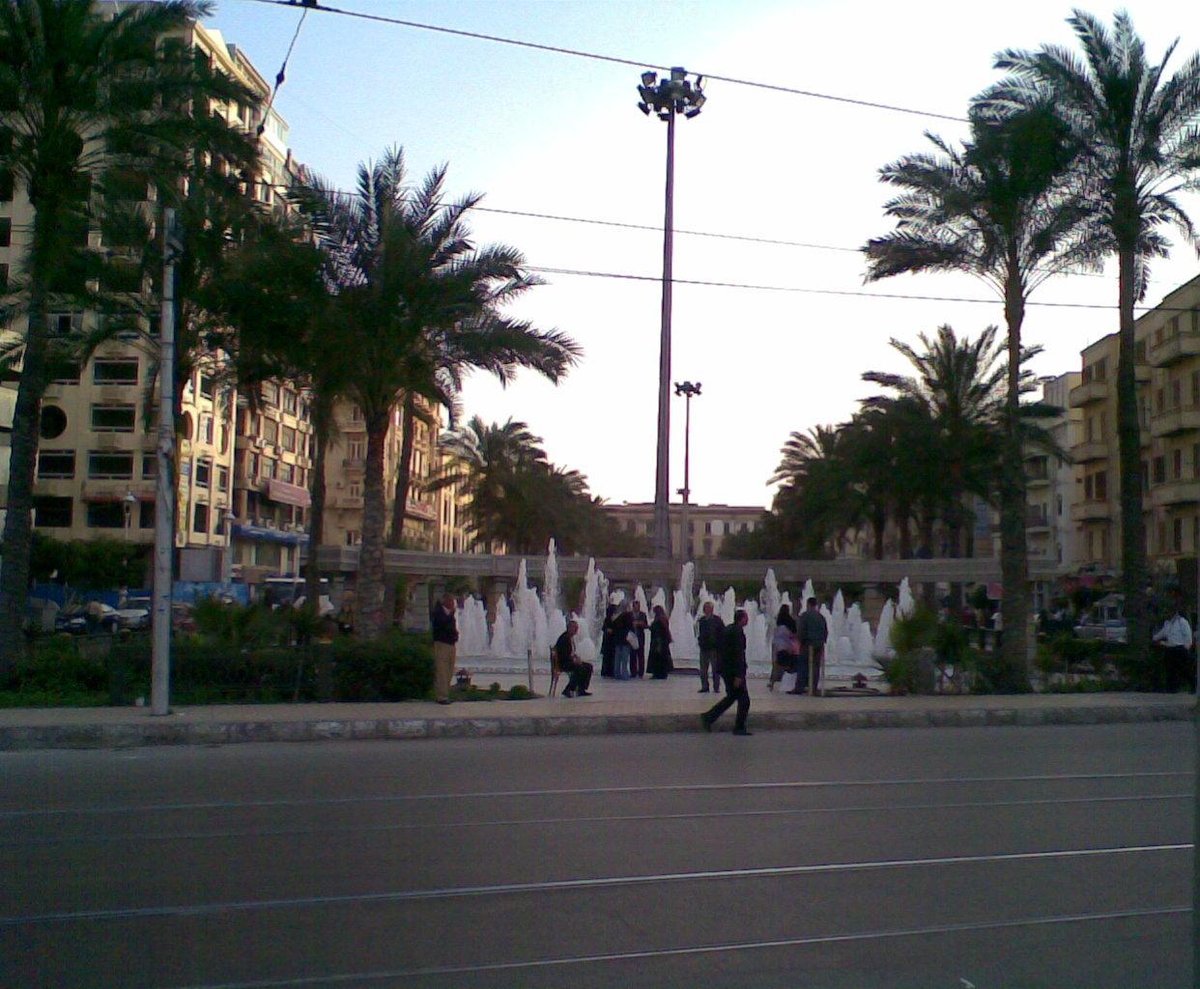
- Alexandria’s Corniche Scenic seafront promenade near several heritage sites
Discover More
The Centre d’Études Alexandrines is a cornerstone of Alexandria’s ongoing archaeological renaissance. While it is not a walk-in tourist destination, its research, exhibitions, and educational initiatives enrich every exploration of the city’s ancient wonders. Plan your visit to affiliated sites, attend special events, and access digital resources to fully immerse yourself in Alexandria’s storied past.
Stay informed by following CEAlex’s official channels and consider downloading the Audiala app for expertly curated audio tours of Alexandria’s historical treasures.