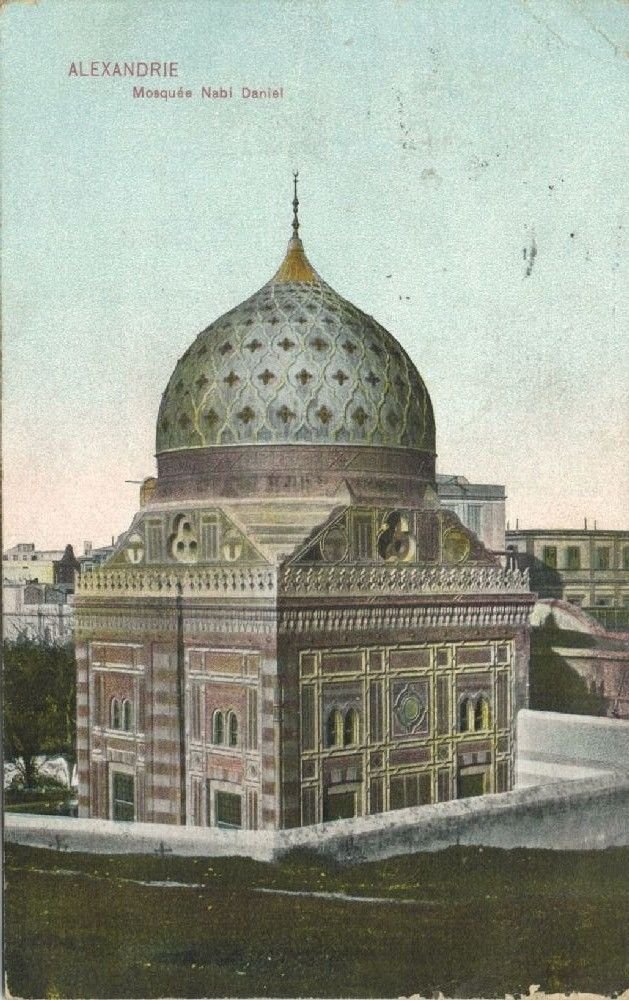

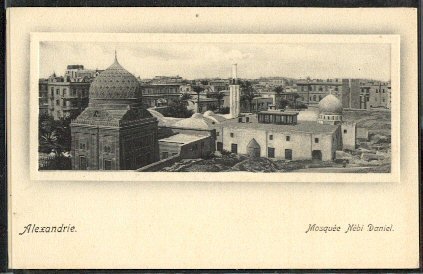
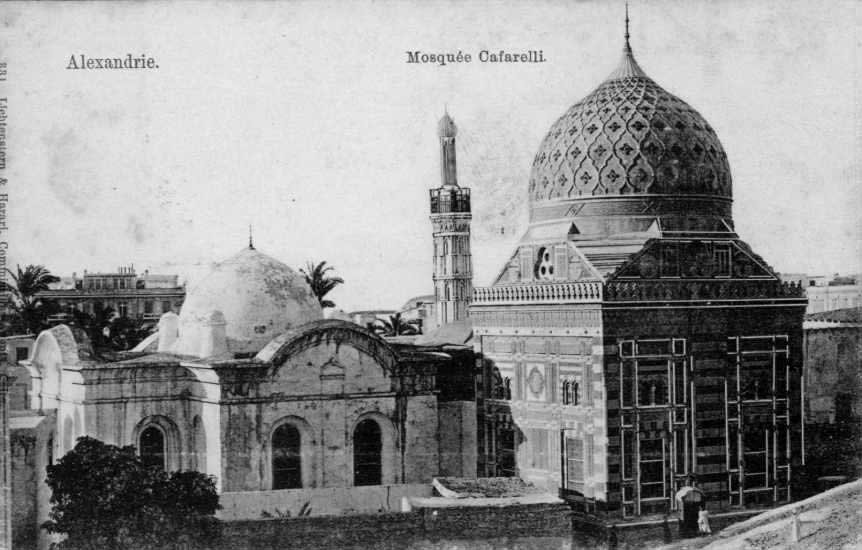
What 25th Street is
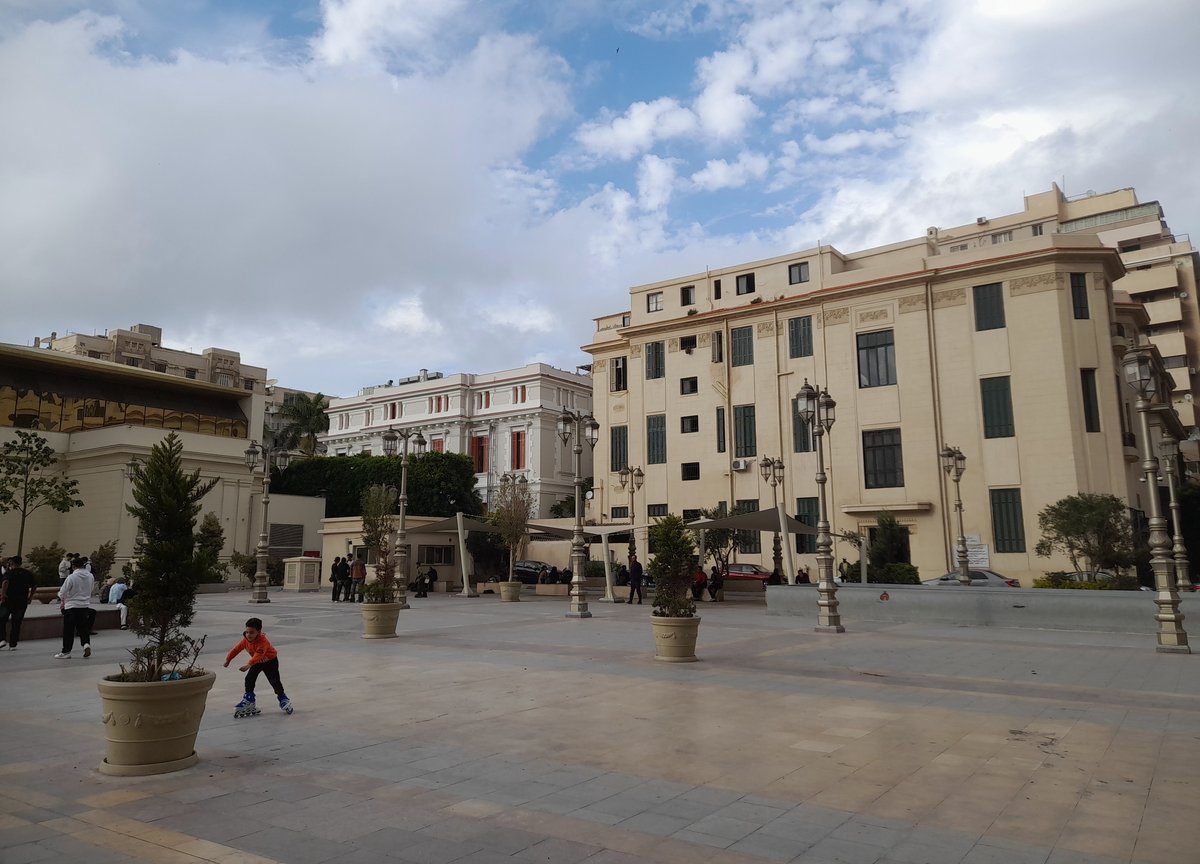
شارع 25, or 25th Street, is a thoroughfare in the heart of Alexandria, Egypt. Its mix of historical landmarks, bustling markets, and contemporary attractions reflects the city’s blend of ancient history and modern life. The surrounding area features architectural influences ranging from ancient Roman structures to modern Egyptian buildings.
History
Alexandria was founded by Alexander the Great in 331 BCE (also given as 331 BC). It became a major center of Hellenistic civilization and was home to the Library of Alexandria and the Lighthouse of Alexandria, one of the Seven Wonders of the Ancient World. Its location on the Mediterranean coast made it a hub for trade and cultural exchange (source).
During the Roman and Byzantine periods, Alexandria continued to thrive as a center of learning and commerce. Roman styles influenced the city’s architecture and urban planning, and public buildings, temples, and baths were constructed. The street layout, including what would become شارع 25, followed a grid pattern typical of Roman cities.
Alexandria was conquered in 642 CE by the Arab Muslim army led by Amr ibn al-As and became part of the Islamic Caliphate. Mosques, madrasas, and other buildings reflecting Islamic architectural styles began to shape the city.
Ottoman rule began in the 16th century. Alexandria experienced a period of relative decline but remained an important port and commercial center. Some older buildings along شارع 25 retain Ottoman-influenced features, including wooden balconies and ornate facades.
In the 19th century, Alexandria underwent significant modernization, particularly during the period of British occupation from 1882 to 1952. Infrastructure was improved, and buildings in European styles were constructed. شارع 25 gained residential and commercial properties serving the growing expatriate community.
After Egypt gained independence in 1952, the city continued to grow. شارع 25 became a busy thoroughfare lined with historical buildings and contemporary structures, reflecting Alexandria’s varied architectural heritage.
The street’s architectural mix reflects Alexandria’s long history of cultural exchange and adaptation. The Egyptian government and international organizations have undertaken projects to restore and maintain historical buildings and sites along the street, with the aim of protecting the city’s architectural heritage while promoting tourism and education (source).
What to see
Roman Amphitheater and Kom El-Dikka
The Roman Amphitheater, also known as Kom El-Dikka, is an archaeological site near شارع 25. Discovered in the 1960s, the well-preserved amphitheater dates to the 2nd century CE. The site includes a small theater, Roman baths, and a residential area with mosaics. Excavations have also revealed artifacts that provide insight into daily life in ancient Alexandria.
The site is open daily from 9 AM to 5 PM. Tickets are $5 for adults and $2 for children (source). Further information, including visiting hours and ticket prices, is available on the Egyptian Ministry of Tourism website.
Pompey’s Pillar
A short distance from شارع 25, Pompey’s Pillar is a granite column approximately 27 meters tall. Erected in 297 CE in honor of Emperor Diocletian, it is one of the largest ancient monoliths and a significant symbol of Roman Alexandria (source).
Catacombs of Kom El Shoqafa
Situated near شارع 25, the Catacombs of Kom El Shoqafa date to the 2nd century CE. Used as a burial site, they combine Egyptian, Greek, and Roman architectural styles and feature intricate carvings and sculptures (source).
Practical visiting information
شارع 25 is accessible 24/7, but individual attractions have their own hours and ticket arrangements. The Roman Amphitheater is open daily from 9 AM to 5 PM. Bibliotheca Alexandrina’s hours are 11 AM to 7 PM on weekdays and 3 PM to 7 PM on weekends; check the official website for changes.
Taxis and ride-sharing services are widely available around شارع 25 and Alexandria. Visitors can also use the city’s tram system, one of the oldest in the world, or explore the area on foot.
Tips
- When to visit The cooler months from October to April are recommended to avoid intense summer heat. Spring, from March to May, and autumn, from September to November, are also described as mild and pleasant. Summers can be hot and humid; winters are relatively mild but can be rainy.
- Guided tours Many tours offer detailed insights into the history and architecture of the area.
- Local cuisine Restaurants and cafés along the street serve Egyptian dishes including koshari, falafel, ful medames, and fresh seafood. Koshari combines rice, pasta, and lentils; seafood is abundant in Alexandria, and street food vendors also offer local dishes.
- Footwear Exploring involves walking, and cobblestone paths and uneven surfaces can be challenging. Comfortable shoes are recommended.
- Photography Bring a camera to capture the architecture and landmarks. Some sites may restrict photography, so check their rules. Ask permission before photographing people.
- Safety and etiquette Alexandria is generally safe for tourists, but stay vigilant in crowded areas, keep personal belongings secure, and take care when crossing streets because traffic can be hectic. Dress modestly, particularly when visiting religious sites.
Nearby places
Bibliotheca Alexandrina
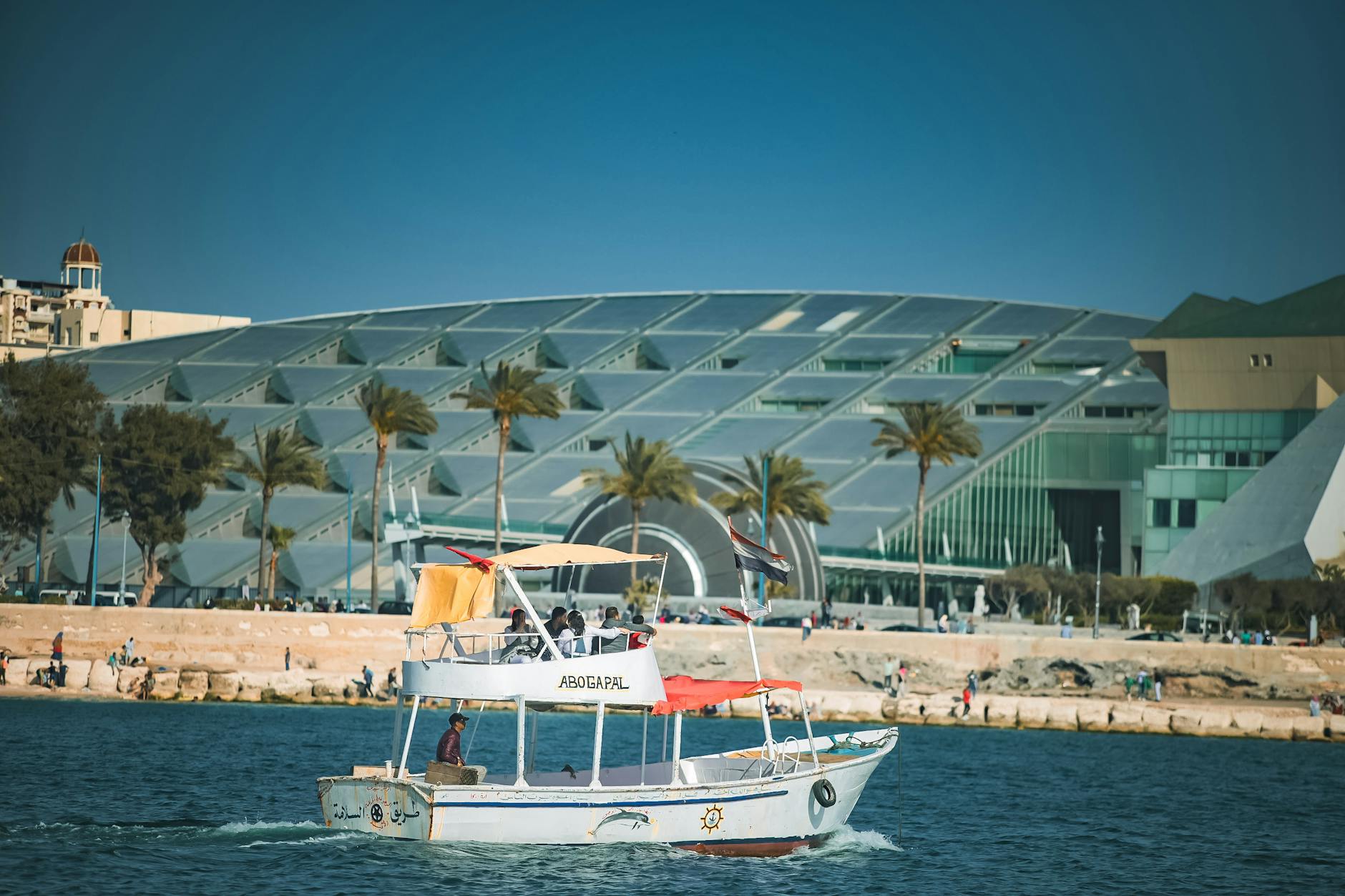
This modern library and cultural center pays tribute to the ancient Library of Alexandria, once one of the largest and most significant libraries of the ancient world. It houses millions of books and hosts cultural events, exhibitions, and conferences. Visitors can explore its collection and architecture. Find more information, including visiting hours and ticket prices, on the official website.
Alexandria National Museum
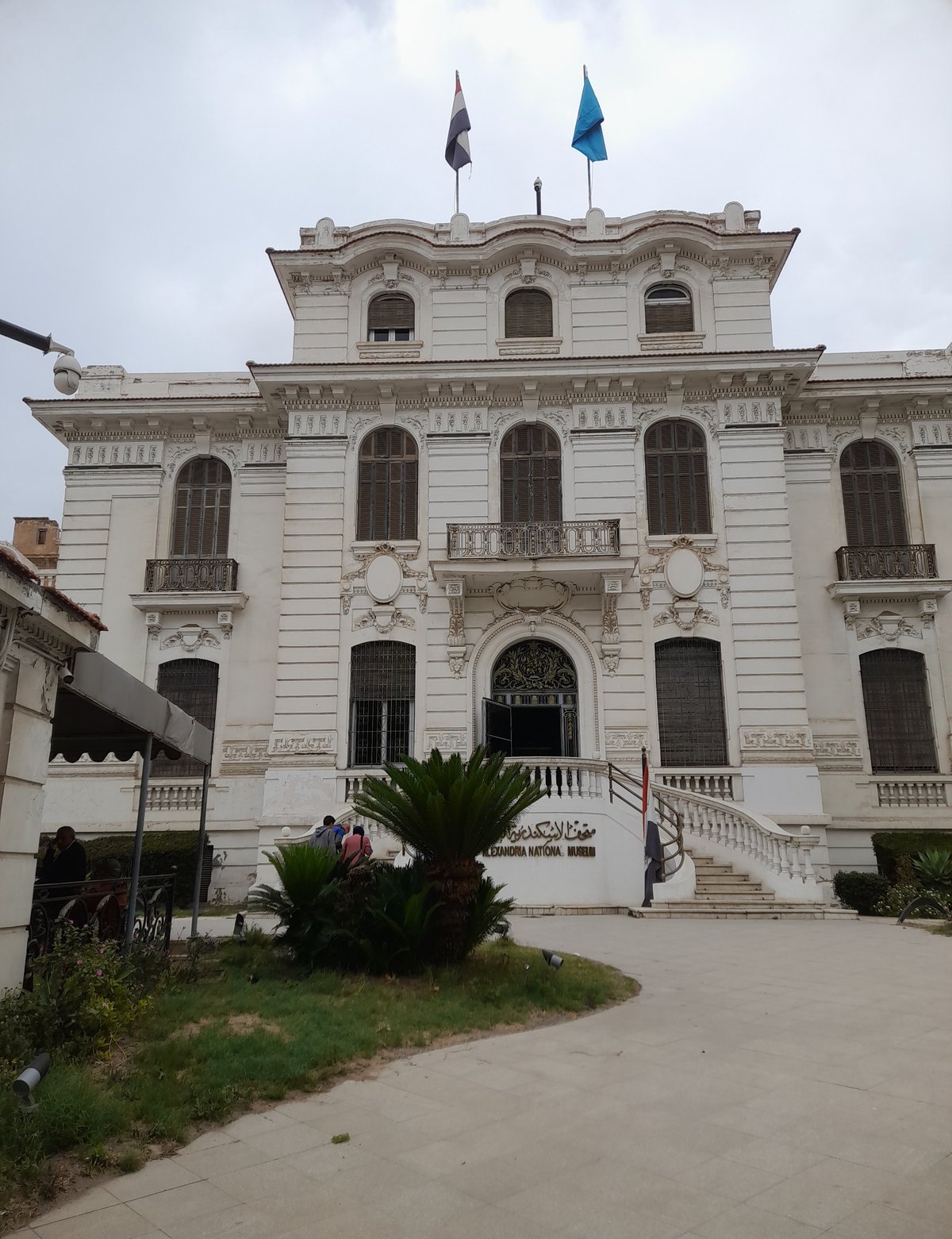
A short distance from شارع 25, the Alexandria National Museum is housed in a restored Italianate mansion. Its collection covers the Pharaonic, Greco-Roman, Coptic, and Islamic periods, with highlights including ancient statues, jewelry, and underwater antiquities recovered from the harbor. More details, including opening hours and ticket prices, are available on the museum's page.
El-Mursi Abul Abbas Mosque
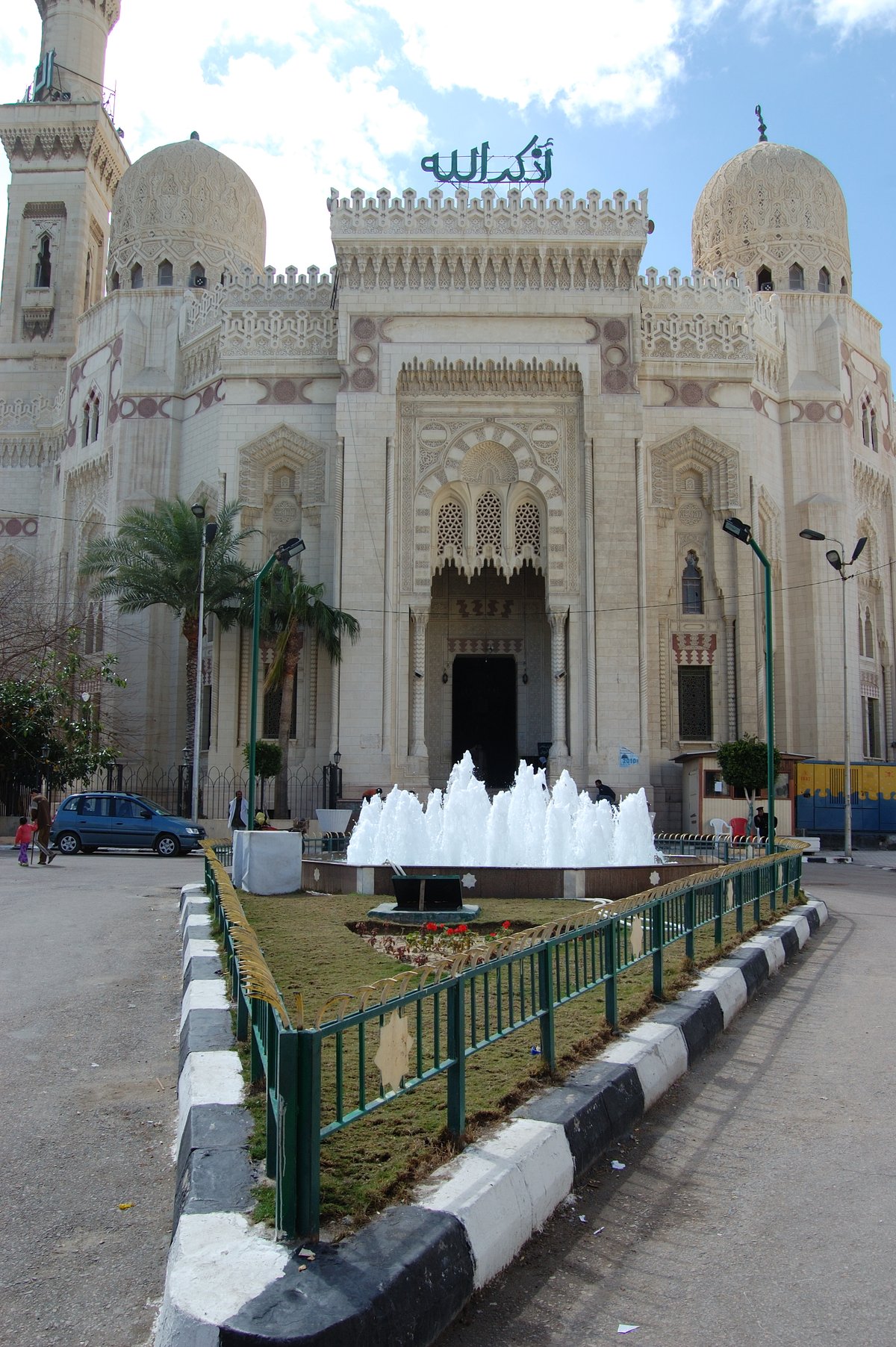
Located near شارع 25, this mosque is dedicated to the 13th-century Andalusian Sufi saint El-Mursi Abul Abbas. Its architecture combines Islamic and Mediterranean styles and features intricate mosaics and a large central dome. It is both a place of worship and a popular tourist attraction. Learn more, including about visiting hours, here.
Stanley Bridge
Stanley Bridge is located along the Corniche near شارع 25. It offers views of the Mediterranean Sea and is popular with locals and tourists. The bridge is especially beautiful at sunset and is a popular photography spot. It connects to several cafés and restaurants where visitors can enjoy local cuisine. More information, including visiting hours, is available here.
San Stefano Grand Plaza
Near شارع 25, San Stefano Grand Plaza is a shopping and entertainment complex with international and local brands, a cinema, and dining options. It also includes a five-star hotel. Visit the San Stefano Grand Plaza website for details.
FAQ
Q — What are the opening hours for شارع 25?
A — شارع 25 is accessible 24/7. Individual attractions have set hours; for example, the Roman Amphitheater is typically open from 9 AM to 5 PM daily.
Q — Are there special events on شارع 25?
A — The street often hosts cultural festivals, art exhibitions, and local markets. Check local listings or official websites for the latest events.
Q — What are Bibliotheca Alexandrina’s visiting hours?
A — It is open from 11 AM to 7 PM on weekdays and from 3 PM to 7 PM on weekends. Check the official website for changes.
Q — Are guided tours available at the Alexandria National Museum?
A — Yes. Guided tours are available, and it is recommended to book in advance via the museum's page.