Introduction
Stand on the seawall at dusk and you’ll smell it before you see it: the sharp, clean brine of the Pacific mixing with cedar from the forest that begins just blocks away. Vancouver, Canada surprises instantly. It is a city where a 400-hectare rainforest park sits next to glass condo towers, where 462 sushi counters serve fish caught that morning, and where you can ride a seawall for 8.8 kilometres without ever losing sight of snow-capped mountains.
This is not a city that settled for one identity. The totem poles of Stanley Park speak to millennia of Coast Salish presence, while the Marine Building’s Art Deco tower and the Roman-Colosseum curves of the Central Library tell stories of 20th-century ambition and late-modern experimentation. Walk ten minutes in almost any direction and the soundtrack changes: the echoing clang of a float plane taking off from Coal Harbour, the low murmur of dim sum carts in Chinatown, the hiss of espresso machines on Commercial Drive.
What keeps visitors coming back is the friction. Vancouver refuses to be only pretty. Its best neighbourhoods reward those willing to leave the waterfront: the independent breweries and murals of Mount Pleasant, the contemplative silence of the Nitobe Memorial Garden at UBC, the unpolished energy of Commercial Drive where Italian grandmothers still argue with hipsters over the best cannoli. The rain, far from a drawback, becomes a character; it sharpens the light on wet pavement and sends everyone indoors to the city’s 840 cafés and crowded izakayas.
In the end, Vancouver changes how you see other cities. Once you’ve watched the sun set behind the North Shore mountains from Spanish Banks while eating fish and chips on a driftwood log, or sipped an oyster at Fanny Bay while a float plane lands behind it, the usual urban checklist feels strangely incomplete.
Places to Visit
The Most Interesting Places in Vancouver
Bc Place
Nestled in the heart of downtown Vancouver, BC Place stands as a monumental symbol of the city’s rich sporting culture, architectural innovation, and vibrant…
Canada Place
Canada Place is an architectural and cultural landmark located in Vancouver, British Columbia.
Stanley Park
Stanley Park stands as Vancouver’s premier urban green space, a verdant sanctuary that encapsulates a rich tapestry of Indigenous heritage, colonial history,…
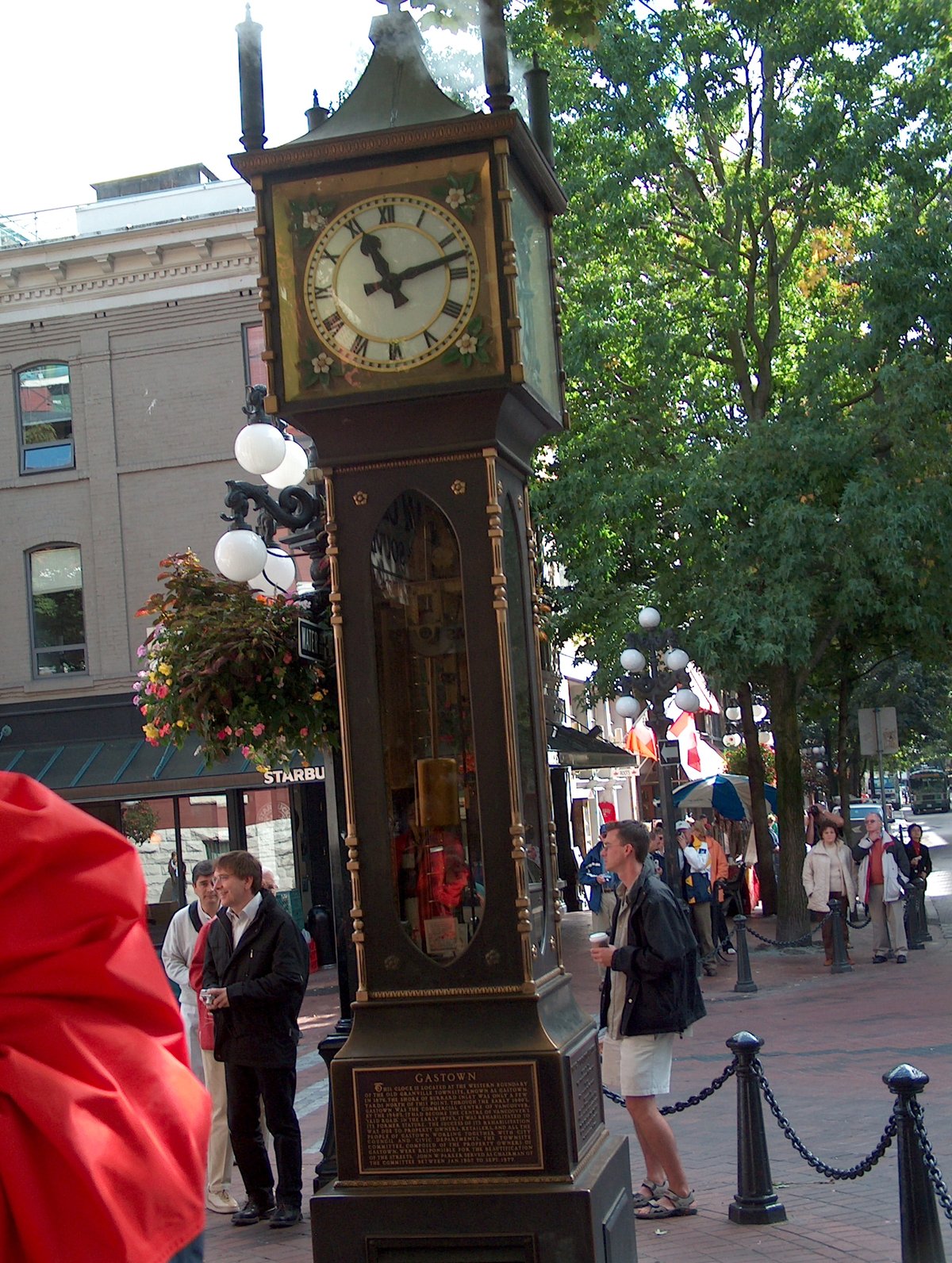
Gastown Steam Clock
Nestled in the historic Gastown district at the corner of Water and Cambie Streets, the Gastown Steam Clock stands as one of Vancouver’s most iconic and…
Vandusen Botanical Garden
Nestled in the heart of Vancouver, Canada, the VanDusen Botanical Garden is a testament to the city's dedication to preserving natural beauty and fostering…
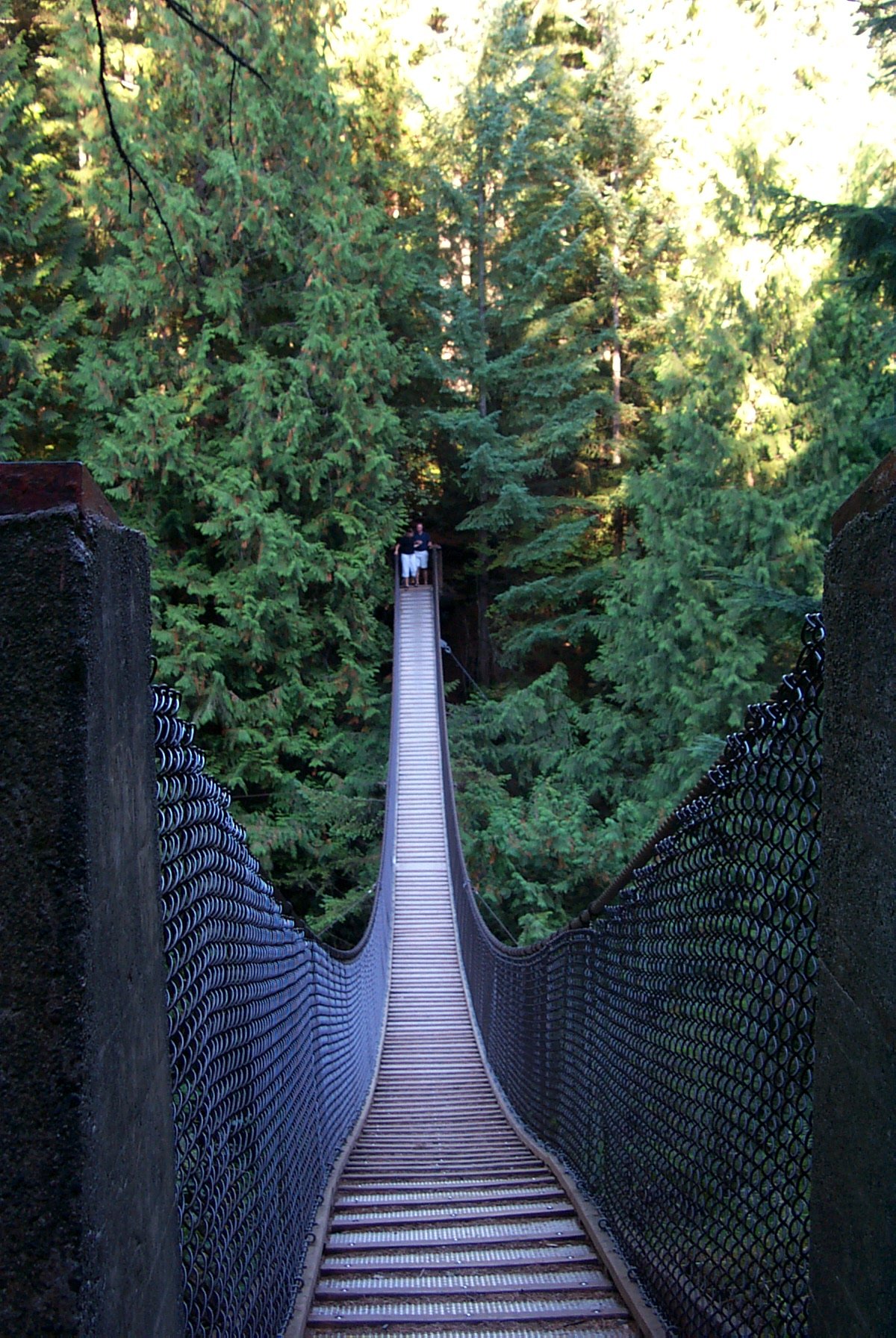
Lynn Canyon Suspension Bridge
The Lynn Canyon Suspension Bridge, located in North Vancouver, British Columbia, is a must-visit for both locals and tourists alike.
Museum of Anthropology at Ubc
Nestled on the traditional, ancestral, and unceded territory of the Musqueam people, the Museum of Anthropology (MOA) at the University of British Columbia…
Burnaby Village Museum
Discover the allure and historical depth of the Burnaby Village Museum, a living history museum nestled in Burnaby, British Columbia.
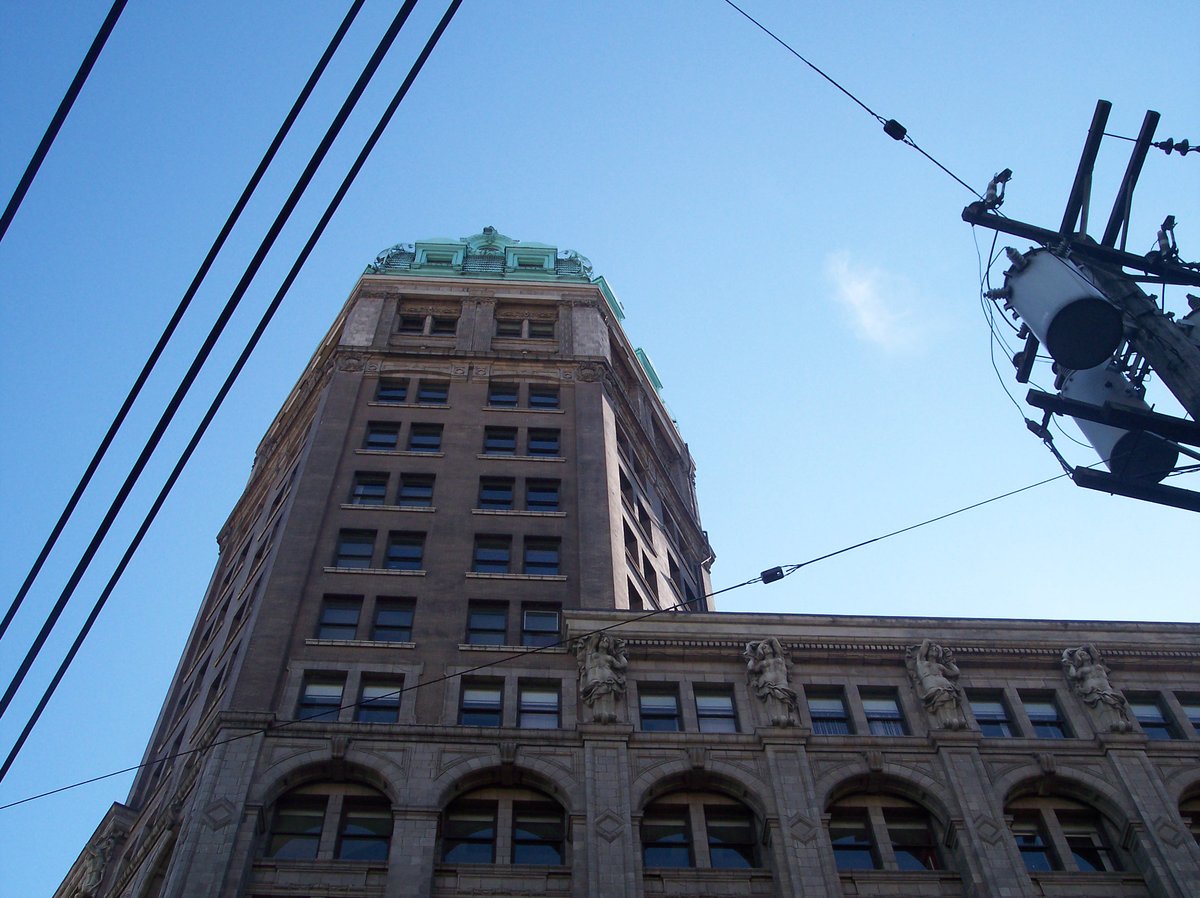
Sun Tower
Nestled in the heart of downtown Vancouver, Canada, the Sun Tower stands as a captivating emblem of the city’s rich architectural heritage and vibrant…
University of British Columbia
Nestled on the scenic Point Grey Peninsula overlooking the Pacific Ocean, the University of British Columbia (UBC) in Vancouver stands as a beacon of academic…
Vancouver Lookout
Nestled atop the Harbour Centre in the heart of downtown Vancouver, the Vancouver Lookout stands as an iconic beacon offering visitors breathtaking 360-degree…
Queen Elizabeth Park
Nestled atop Vancouver’s highest point, Queen Elizabeth Park stands as a stunning urban oasis that seamlessly blends horticultural beauty, rich history, and…
What Makes This City Special
Stanley Park Rainforest
A 400-hectare temperate rainforest right against downtown, where the 8.8 km seawall curves past ancient cedars, totem poles, and the occasional heron. The light filtering through the canopy feels like it belongs to a much wilder place than a city of 2.6 million.
Indigenous Art Powerhouse
From the Museum of Anthropology’s monumental Northwest Coast poles to the intimate Bill Reid Gallery downtown, Vancouver treats Indigenous art as living culture rather than artifact. The city’s collections are among the finest in the world.
Mountain Meets Ocean
Stand on the waterfront at Canada Place and the North Shore mountains rise straight out of the sea just across Burrard Inlet. This rare geography gives Vancouver its particular light and its peculiar habit of feeling both urban and wild at once.
Asian-Canadian Food Culture
The city’s Cantonese, Japanese, and modern West Coast cooking scenes are not side dishes to the tourist experience; they are the main story. Granville Island Public Market at 10:30 a.m. on a weekday is one of the best free food theatres in North America.
Historical Timeline
From Cedar Longhouses to Glass Towers
Vancouver's unceded land, fire, exclusion, and reinvention
First Peoples Arrive
Coast Salish ancestors paddle into the Fraser estuary and Burrard Inlet. They build cedar longhouses at X̱wáýx̱way in what is now Stanley Park and at c̓əsnaʔəm near the river. Salmon runs, cedar forests, and intricate kinship networks shape a world that will endure for millennia before any European map includes this place.
Vancouver Names the Inlet
Captain George Vancouver sails into the sheltered waters of Burrard Inlet in June. He spends only a few days charting the shoreline yet his name will later be given to the city that grows here. The Spanish had arrived the year before; both empires claim land already belonging to the Musqueam, Squamish, and Tsleil-Waututh.
Gassy Jack Opens His Saloon
John "Gassy Jack" Deighton beaches his canoe near Hastings Mill, sets up a barrel of whisky, and starts serving loggers and mill workers. The cluster of shacks that grows around his establishment becomes Gastown, the muddy, boozy birthplace of settler Vancouver.
City Incorporated Then Burned
On 6 April Vancouver is officially incorporated. Two months later, on 13 June, a careless brush fire escapes and levels the wooden town in ninety minutes. Between 600 and 1,000 buildings vanish; at least 21 people die. Survivors immediately begin rebuilding in brick and stone.
First Anti-Chinese Violence
White mobs rampage through the fledgling Chinatown, smashing windows and assaulting residents. The riot reveals the ugly bargain the new city has already made: it will grow on the labour of Chinese workers yet deny them dignity and safety.
Stanley Park Established
The city reserves 400 hectares of ancient rainforest as a public park. Behind the romantic gesture lies a darker reality: Indigenous families living at Brockton Point are quietly displaced and their village sites erased. The park becomes Vancouver's green heart even as its origins remain contested.
Anti-Asian Riots Explode
For two days in September a mob of several thousand attacks Chinatown and Japantown, smashing storefronts and looting homes. The violence shocks even some of the city's white residents and leaves a permanent scar on race relations in the young port city.
Komagata Maru Turned Away
The Japanese steamship Komagata Maru sits in Vancouver harbour for two months with 376 Punjabi passengers denied entry because of the Continuous Journey regulation. The standoff becomes a symbol of Canadian immigration racism. When the ship is finally forced back to Asia, 19 passengers are later killed in an uprising in India.
Amalgamation Creates Big Vancouver
Point Grey and South Vancouver merge with the original city on 1 January. Overnight Vancouver becomes Canada's third-largest city. The new metropolis stretches from the mountains to the Fraser, preparing for the next era of growth.
Battle of Ballantyne Pier
Striking longshoremen clash with police at Ballantyne Pier in one of the bloodiest labour battles in Canadian history. The waterfront smells of tear gas and blood. The strike is broken but the memory fuels union organising for decades.
Japanese Canadians Interned
In the spring and summer of 1942, roughly 8,000 Japanese Canadians are confined behind barbed wire at Hastings Park before being sent to inland camps. Their homes, businesses, and boats are seized and sold. This remains one of the darkest chapters in the city's history.
Jeff Wall Born
Jeff Wall is born in Vancouver. He will later transform photography into a major contemporary art form, staging large-scale backlit images that often use the ordinary streets and light of this city as their stage.
Granville Island Reborn
The derelict industrial island under the Granville Bridge is reopened as a public market and arts district. Factories become theatres and studios; the smell of fresh bread and cedar replaces coal smoke. It quickly becomes the city's most loved gathering place.
Expo 86 Transforms the City
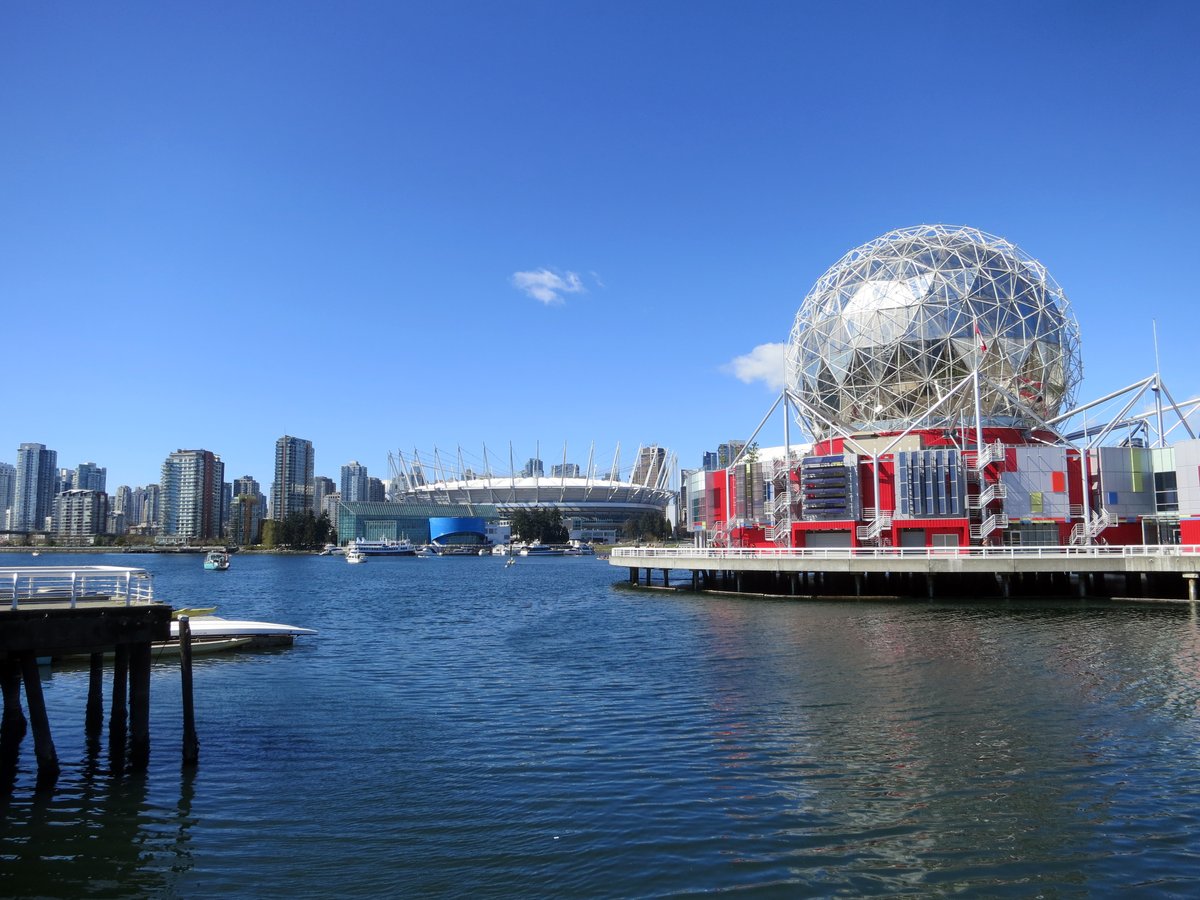
Twenty-two million visitors pour into Vancouver for the World's Fair. The event leaves Canada Place, Science World, and the foundations of the SkyTrain system. More importantly, it marks the moment Vancouver decides it wants to be seen as a sophisticated Pacific Rim city.
David Suzuki Returns Home
David Suzuki, born in Vancouver in 1936 and interned as a child, becomes one of the city's most recognised voices. Through his CBC programs and environmental activism he forces the city and the country to confront both its natural beauty and its ecological limits.
Stanley Park Windstorm
A ferocious December storm topples thousands of trees across Stanley Park, levelling 41 hectares of rainforest in hours. The city mourns the loss of familiar giants. Restoration becomes an act of both ecology and public memory.
Winter Olympics Arrive
Vancouver hosts the 21st Winter Olympic and Paralympic Games. The city gains new venues, an expanded convention centre, and a fleeting moment of global attention. Many residents remember the games as much for the evictions and soaring costs as for the spectacle.
Heat Dome Disaster
In late June and early July an unprecedented heat dome settles over the Pacific Northwest. Temperatures in Vancouver reach 41°C. At least 117 people die in the city alone. The event becomes a brutal reminder that climate change has already arrived on these shores.
Canada Place Co-Named
Canada Place is officially co-named Komagata Maru Place. More than a century after the ship's passengers were turned away in the harbour, the city finally acknowledges this stain on its history in a prominent public space.
FIFA World Cup Host
Vancouver prepares to host seven matches of the 2026 FIFA World Cup at BC Place. The city that began as a sawmill settlement will once again measure itself against the eyes of the world, still standing on unceded Coast Salish land.
Notable Figures
Arthur Erickson
1924–2009 · ArchitectArthur Erickson grew up in Vancouver and later designed two of its most important buildings: the Museum of Anthropology at UBC and the concrete terraces of Robson Square. His work married West Coast modernism with the dramatic rainforest light he knew as a boy. Today you can still see his influence in how the city frames mountain views through concrete and glass.
David Suzuki
born 1936 · Scientist and environmentalistDavid Suzuki was born in Vancouver, taught genetics at UBC, and became one of Canada’s clearest voices on the climate crisis. The same forests and ocean he explored as a child are now the places he urges residents to protect. Walking Stanley Park today, you can almost hear his calm, urgent narration in the background.
Joe Fortes
1863–1922 · Lifeguard and civic heroJoe Fortes arrived in 1885, settled at English Bay, and taught thousands of Vancouver children to swim. The city eventually made him its first official lifeguard. When he died in 1922, thousands lined the streets for his funeral. His statue still watches over the beach where he spent most of his life.
Joy Kogawa
born 1935 · Novelist and poetJoy Kogawa’s childhood in Vancouver’s Japanese-Canadian community was shattered by wartime internment. Her novel Obasan turned that personal and collective trauma into literature that forced Canada to confront its history. The quiet streets she once knew still carry the weight of those stories for those who listen.
William Gibson
born 1948 · NovelistWilliam Gibson moved to Vancouver in 1972, studied at UBC, and wrote Neuromancer here, inventing much of the cyberpunk genre from a basement apartment. The city’s persistent rain and layered urban fabric still seep into his later work. Locals like to claim he saw the future from rainy Kitsilano.
Plan your visit
Practical guides for Vancouver — pick the format that matches your trip.
Vancouver Money-Saving Passes & Cards
Should you buy a Vancouver pass? Usually only in specific cases. Compare transit passes, museum bundles, ferry day passes, break-even math, and traps.
Vancouver First-Time Visitor Tips From a Savvy Local
First-time visitor tips for Vancouver from a local angle: free sights worth your time, transit traps, airport taxi scams, and where to save money.
Photo Gallery
Explore Vancouver in Pictures
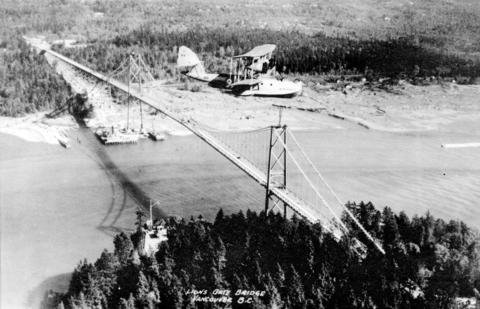
The historic Lions Gate Bridge stands tall over the waters of Vancouver, framing the picturesque Brockton Point Lighthouse and rugged coastal cliffs.
Travis Kerkvliet on Pexels · Pexels License
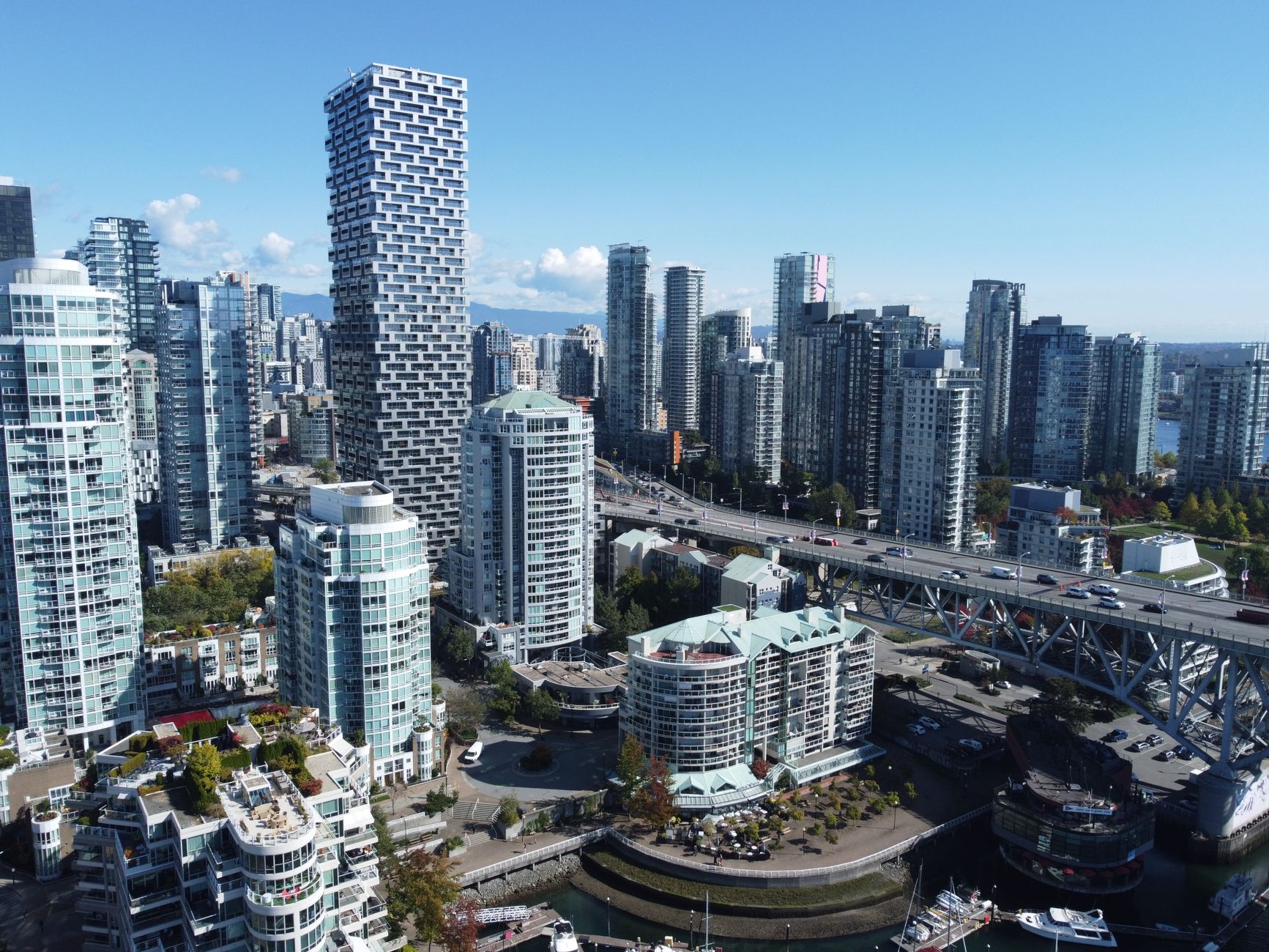
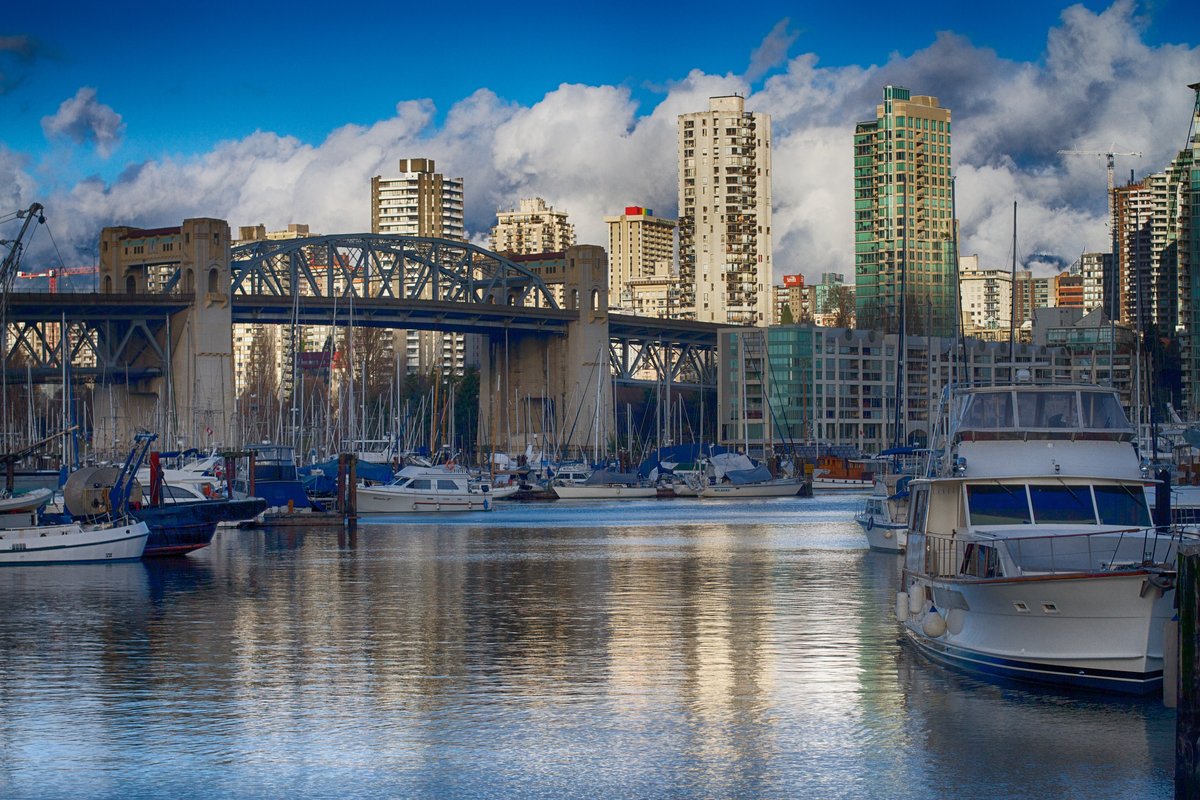
A stunning aerial perspective of Vancouver's urban architecture, showcasing the Granville Street Bridge spanning across the False Creek waterfront.
The Six on Pexels · Pexels License
The Vancouver skyline glows under a warm sunset, highlighting the city's modern architecture and the iconic sails of Canada Place.
Luke Lawreszuk on Pexels · Pexels License
The modern skyline of Vancouver, Canada, rises above a tranquil harbor, framed by the majestic, snow-capped North Shore Mountains.
Luke Lawreszuk on Pexels · Pexels License
Practical Information
Getting There
Vancouver International Airport (YVR) connects directly to downtown via the Canada Line SkyTrain in under 30 minutes (add $5 YVR fare). The smaller Vancouver Harbour Flight Centre (CXH) seaplane terminal sits steps from Waterfront Station. In 2026, most visitors still arrive by air; there are no direct intercity trains from major Canadian cities except via Amtrak from Seattle.
Getting Around
The SkyTrain network has three driverless lines (Expo, Millennium, Canada) plus the SeaBus that crosses to North Vancouver in 12 minutes. Buses, including five RapidBus routes, run on a Frequent Transit Network. A DayPass costs $11.95 CAD in 2026 and covers everything; contactless cards and mobile wallets work on all gates and vehicles.
Climate & Best Time
Summers (Jul–Aug) average 22°C with only 39 mm of rain; winters (Dec–Feb) hover around 6°C but bring 150–180 mm monthly. The driest, most reliable window is July through September. May, June and September offer the best balance of weather and lighter crowds.
Safety
Vancouver is generally safe for tourists, but avoid the Downtown Eastside (especially Main and East Hastings) after dark. Standard big-city rules apply: keep valuables secure and don’t leave anything visible in parked cars. 911 works for emergencies.
Where to Eat
Don't Leave Without Trying
Blue Water Cafe
fine diningOrder: Sit at the raw bar and order the spot prawns (in season, May–June), local sashimi, and grilled West Coast fish. The oyster selection rotates with the season.
This is where serious Vancouver seafood lovers go—no pretense, just pristine local catch prepared simply. The counter seats you inches from the action, and the team knows every supplier by name.
The Sandbar Seafood Restaurant
local favoriteOrder: Order the roasted halibut or seasonal grilled fish. When spot prawns are in season (May–June), get them any way they're prepared.
Located right on False Creek with water views, Sandbar is where locals celebrate with visitors. The kitchen respects the ingredient—no heavy sauces, just excellent seafood and local produce done right.
Vij's
local favoriteOrder: Order the tasting menu or ask the kitchen what's seasonal. Vij's menu changes constantly, but expect boldly spiced, contemporary Indian cooking that doesn't play it safe.
Vij's is a Vancouver institution that treats Indian cooking as high art without losing warmth or humor. The owner's personal touch means every table feels like a conversation, not a transaction.
49th Parallel Café & Lucky's Doughnuts - Main Street
cafeOrder: Get the Lucky's doughnuts—they rotate seasonal flavors but the classics are always solid. Pair with a serious pour-over from 49th Parallel's rotating roaster list.
This is where Main Street locals start their day. It's the perfect marriage of third-wave coffee culture and nostalgic, made-fresh doughnuts—no Instagram theater, just good execution.
Earls Kitchen + Bar (Yaletown)
local favoriteOrder: Order the seasonal fish special or the house burger. Earls keeps a strong cocktail program and a wine list that rewards curiosity without breaking the bank.
Yaletown's Earls is a reliable go-to for a solid meal without fuss—the kind of place where you can bring a date, a work crew, or just yourself and feel at home.
Moxies West Georgia Restaurant
local favoriteOrder: Order the seasonal fish or a well-executed steak. The cocktails are solid, and the menu respects local ingredients without overthinking.
Downtown's Moxies is where business lunches happen and casual dinners feel polished. It's a reliable anchor that gets the fundamentals right—good service, good food, good vibes.
Whole Foods Market
quick biteOrder: Grab a fresh pastry from the in-house bakery, prepared salads, or a sandwich made to order. The prepared foods counter is excellent for a quick, quality lunch.
The Cambie location is a neighborhood staple for health-conscious locals who want real food fast. The bakery section punches above typical grocery-store standards.
Joti's NOFRILLS Vancouver
quick biteOrder: Grab a fresh pastry, bread, or prepared meal from the deli counter. The bakery section offers reliable daily options at neighborhood prices.
Joti's is where locals actually shop and eat—no frills, good value, and a genuine neighborhood feeling. The bakery section is legitimately good for a quick breakfast or snack.
Dining Tips
- check Spot prawn season runs 6–8 weeks from early May to late June — chase them while they're available; they're best as sashimi, nigiri, grilled, or bought fresh off the dock.
- check Granville Island Public Market (1689 Johnston St) is open daily, 9 AM–6 PM (some sources say 7 PM — check same day). It's the best grazing market in the city.
- check Richmond Night Market runs April 25–October 13, 2025, Friday–Saturday–Sunday 7 PM–12 AM (Sunday/stat holidays 7 PM–11 PM). Most vendors are cash-only or cash-preferred; ATMs on site.
- check Vancouver's food culture rewards mixing high-end destination dining with very local habits — hit one splurge night, one Chinatown or Richmond run, one Granville Island graze, and one bakery crawl.
- check Seasonal produce and West Coast seafood are the backbone of Vancouver's best restaurants — ask servers what's currently at peak.
Restaurant data powered by Google
Tips for Visitors
Visit July–September
July and August average only 39–40 mm of rain with 22°C highs, making them the only reliably dry months. September offers the same mild weather with noticeably fewer crowds.
Get a DayPass
Buy the $11.95 adult DayPass for unlimited SkyTrain, SeaBus and bus travel. It’s cheaper than two or three single fares and removes the stress of zone calculations.
Carry Some Cash
While cards are widely accepted, small Granville Island vendors and some food stalls still prefer cash. Keep $20–40 CAD handy and remember to tip 12–18% at sit-down restaurants.
Respect the Seawall
Stick to the 15 km/h speed limit on Stanley Park’s shared Seawall path and always keep right. Cyclists must yield to pedestrians; ignoring this quickly earns local disapproval.
Avoid DTES at Night
Stay clear of East Hastings and Main after dark. The Downtown Eastside has visible open drug use and elevated crime; even daytime visits warrant extra awareness.
Sunrise at Spanish Banks
Head to Spanish Banks for wide tidal flats and mountain-backed sunrises with almost no tourists. The light on the water at low tide is worth the early start.
Explore the city with a personal guide in your pocket
Your Personal Curator, in Your Pocket.
Audio guides for 1,100+ cities across 96 countries. History, stories, and local insight — offline ready.
Audiala App
Available on iOS & Android
Join 50k+ Curators
Frequently Asked
Is Vancouver worth visiting? add
Yes, especially if you like cities where ocean, mountains and forest meet within 30 minutes of downtown. The combination of Stanley Park’s 400-hectare rainforest, the seawall, and Granville Island’s working waterfront makes it unique among North American cities.
How many days do you need in Vancouver? add
Three full days is the realistic minimum. Day 1 for Stanley Park and the seawall, Day 2 for Granville Island and downtown viewpoints, Day 3 for either Capilano Suspension Bridge or the Museum of Anthropology at UBC. Five days lets you slow down and explore neighbourhoods.
How do you get from Vancouver airport to downtown? add
Take the Canada Line SkyTrain from YVR-Airport station. The ride to downtown takes under 30 minutes. Expect a $5 YVR AddFare on top of the normal fare; contactless cards and mobile wallets work at the gates.
Is Vancouver safe for tourists? add
Vancouver is generally safe in tourist areas, but avoid the Downtown Eastside (especially East Hastings between Main and Gore) after dark. Standard big-city rules apply: keep valuables secure and stick to well-lit streets at night.
When is the best time to visit Vancouver? add
July to September offers the driest and warmest weather (22°C highs, under 40 mm rain). May, June and September give a good balance of weather and smaller crowds. November to January is relentlessly wet.
Do I need a car in Vancouver? add
No. The SkyTrain, SeaBus, and frequent buses cover all major attractions efficiently. Stanley Park, Granville Island and downtown are walkable or easily reached by transit. Renting a car only makes sense for multi-day trips outside the city.
Sources
- verified Destination Vancouver Official Site — Primary visitor information for attractions, weather, neighbourhoods and practical travel advice.
- verified TransLink — Official transit fares, SkyTrain, SeaBus and DayPass information used for transport details.
- verified City of Vancouver Parks — Stanley Park hours, VanDusen, Queen Elizabeth Park and seawall regulations.
- verified Vancouver International Airport (YVR) — Canada Line connection, taxi zone fares and rideshare pickup information.
Last reviewed: