
Vitosha Mountain - A Historical Backdrop
Ancient Times
Vitosha was revered by the Thracian tribes who inhabited the region in antiquity. They believed the mountain to be sacred, a place where gods and nymphs resided. This reverence for nature is a recurring theme in Bulgarian folklore, often intertwined with tales of mystical beings and hidden powers.
Medieval Era
During the Middle Ages, Vitosha's dense forests provided refuge for Bulgarian rulers and rebels alike. The mountain became a symbol of resistance against Byzantine and Ottoman rule, its peaks echoing with tales of bravery and sacrifice.
19th Century Onwards
With the Bulgarian National Revival in the 19th century, Vitosha transformed into a symbol of national pride and a popular destination for writers, artists, and intellectuals. This period saw a surge in interest in Bulgarian folklore and natural beauty, further cementing Vitosha's place in the national consciousness.
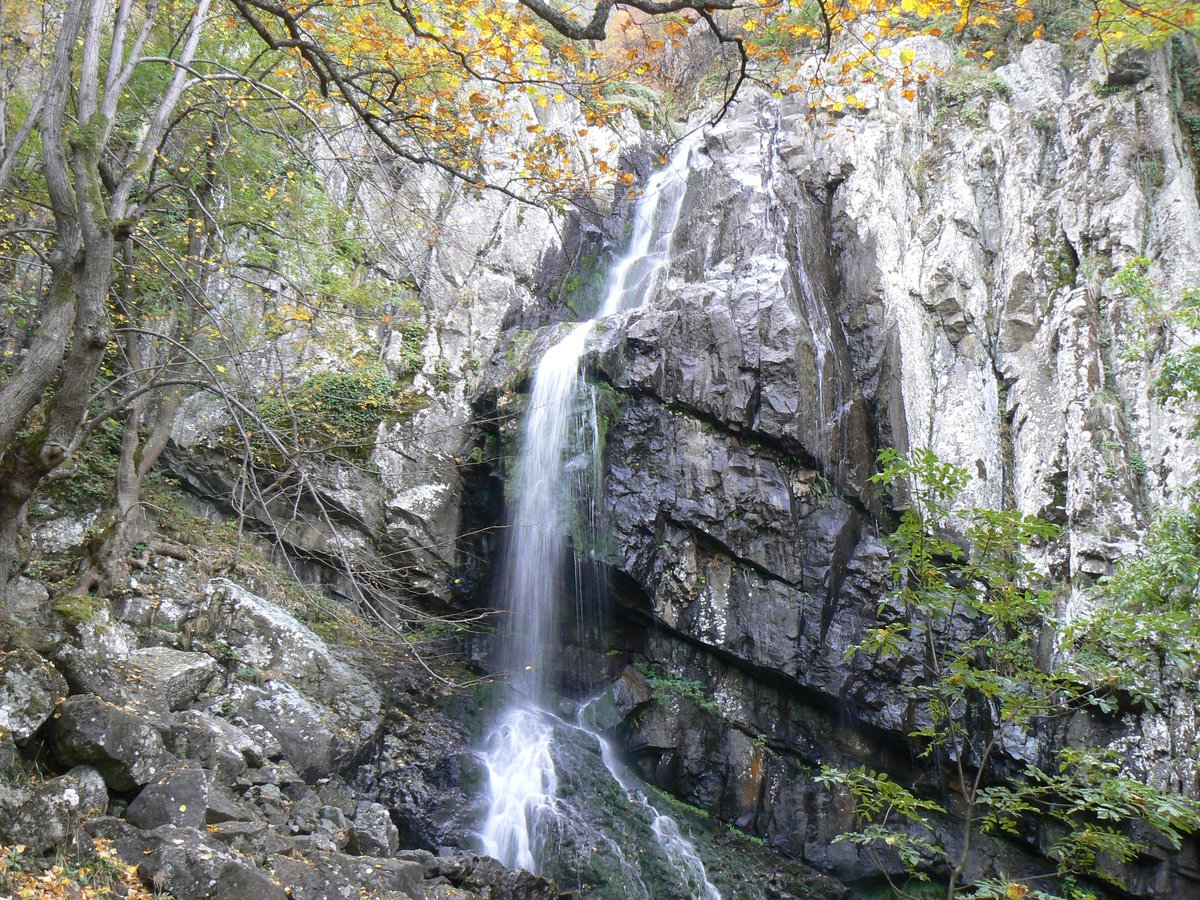
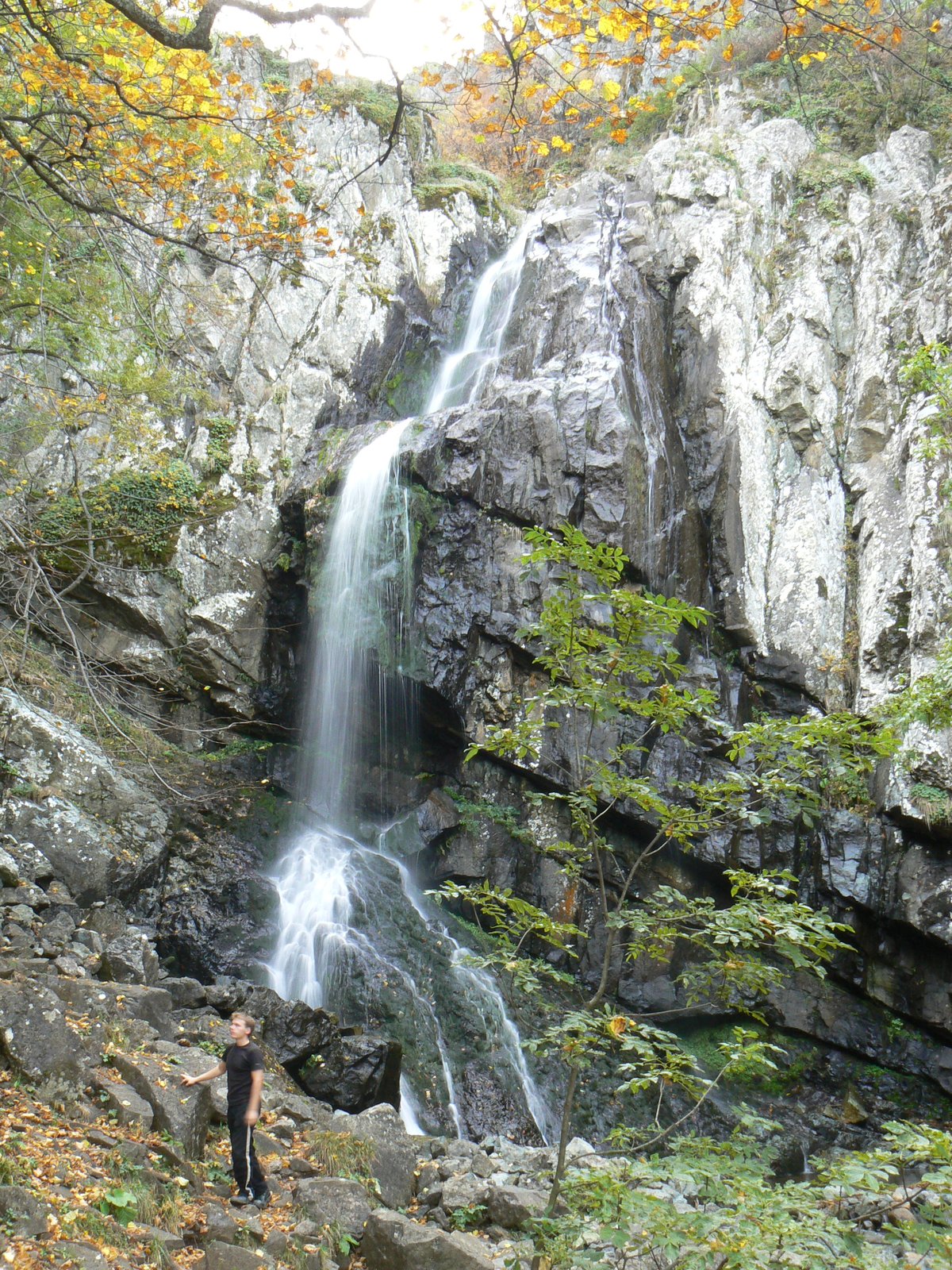
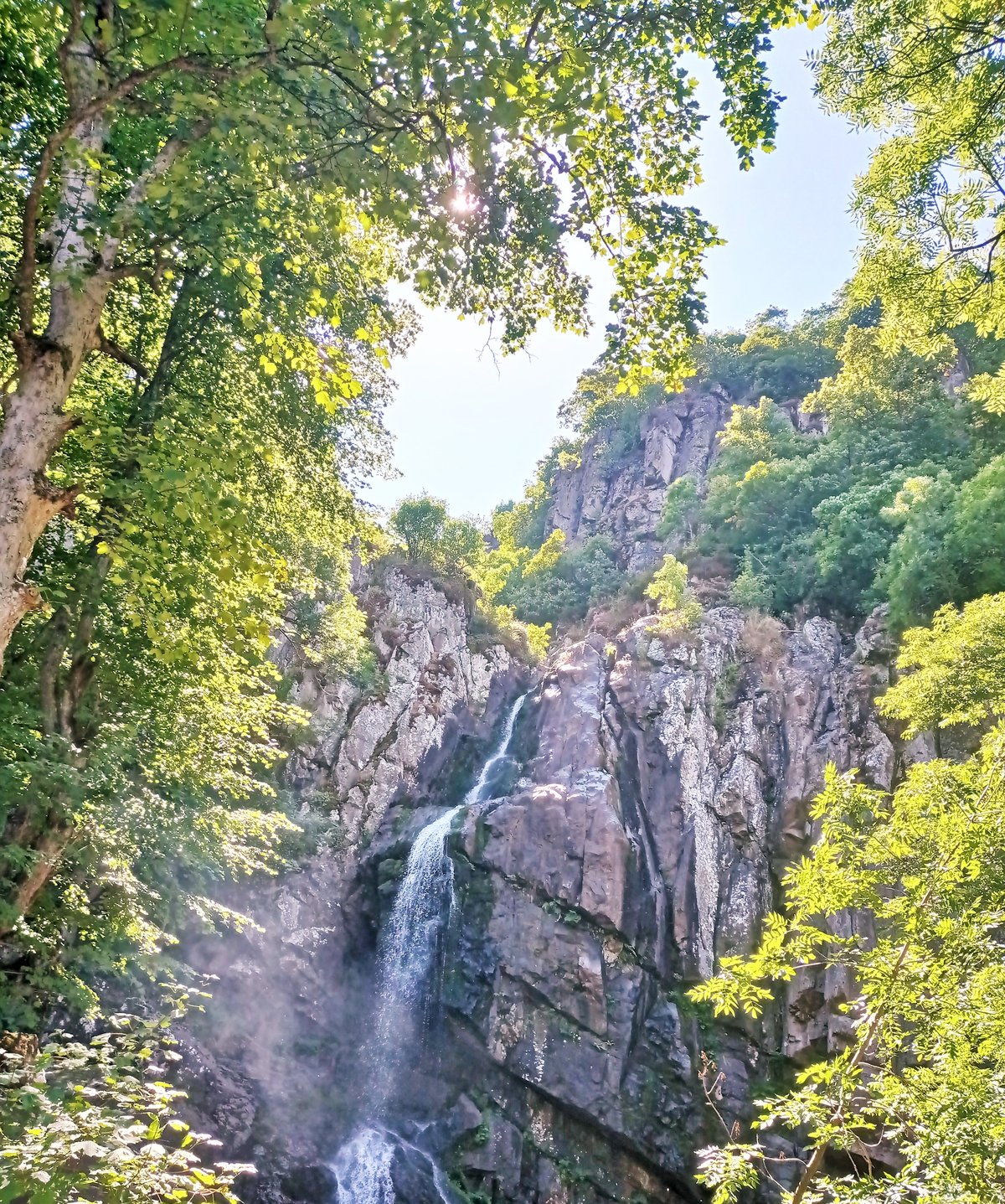
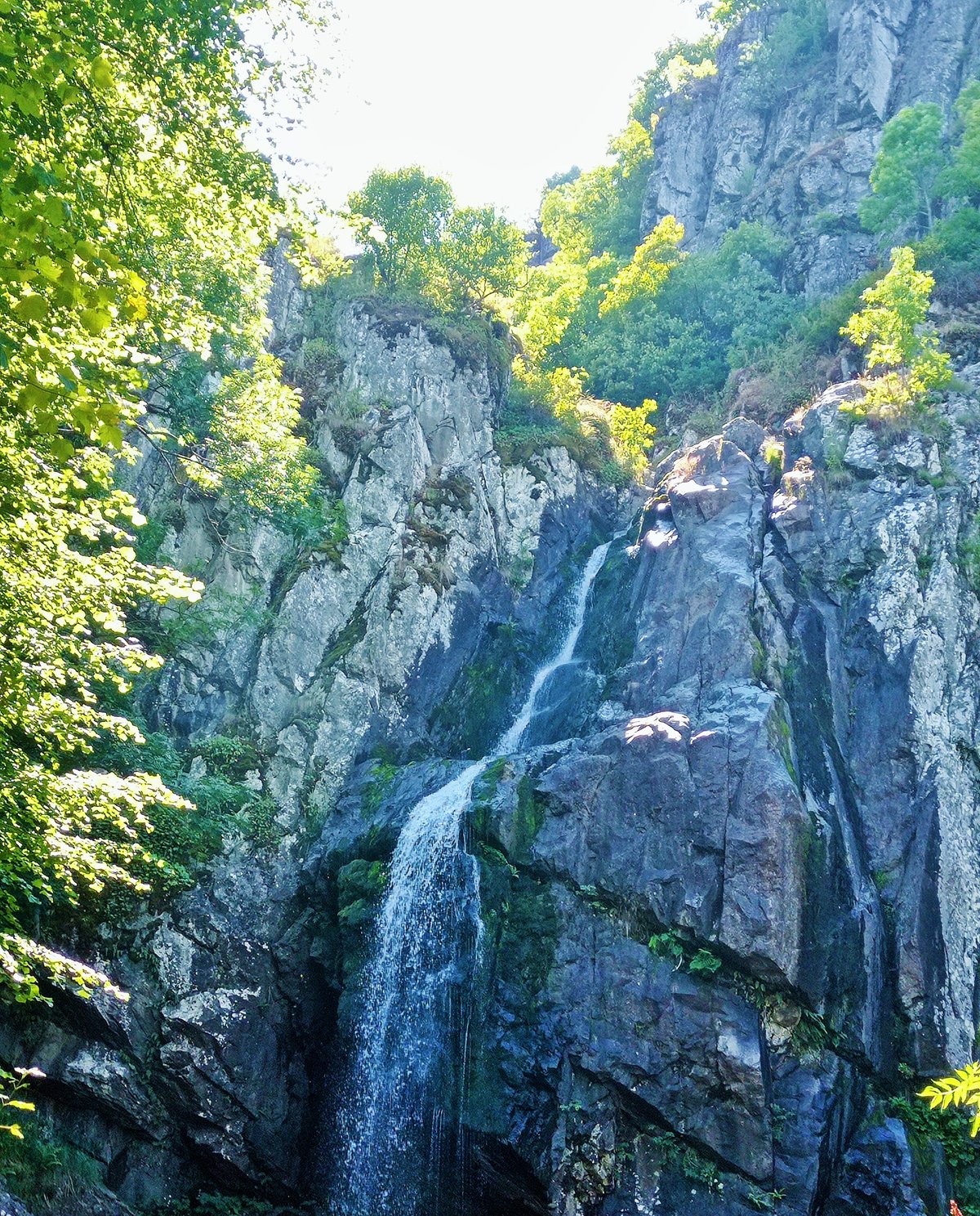
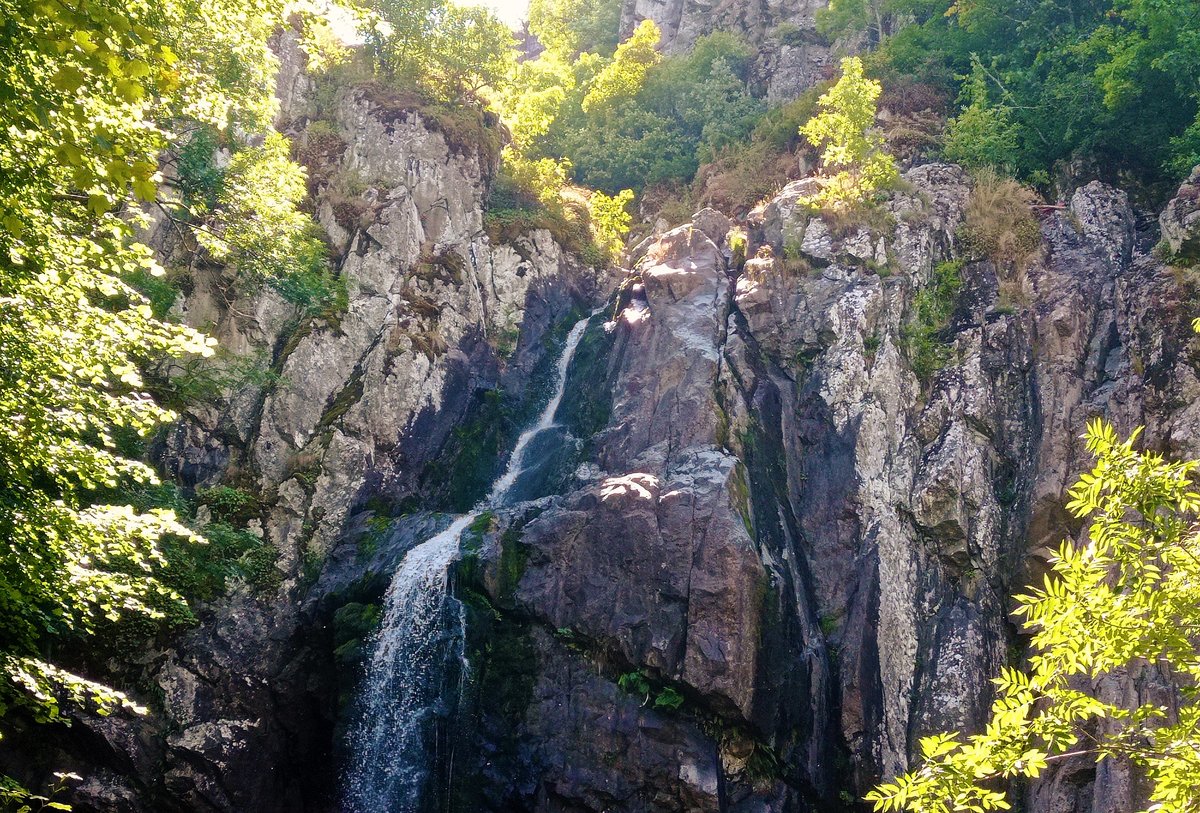
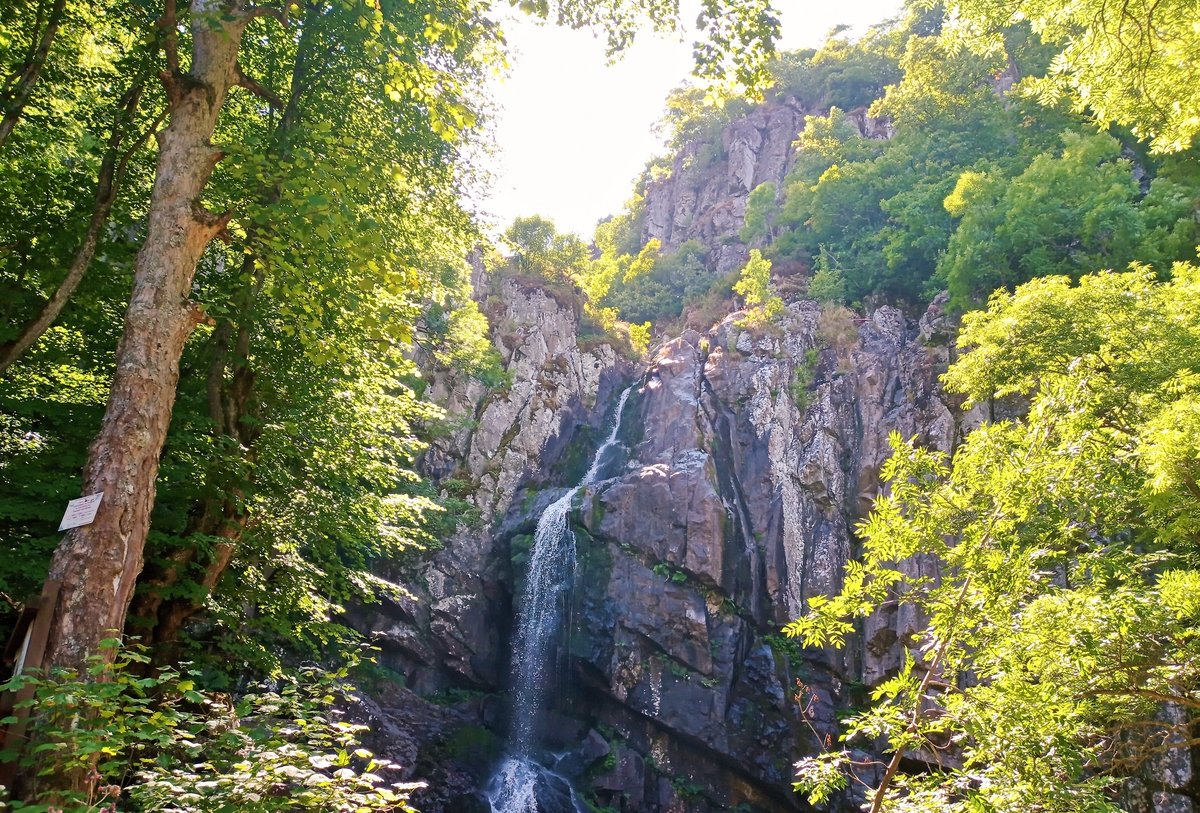
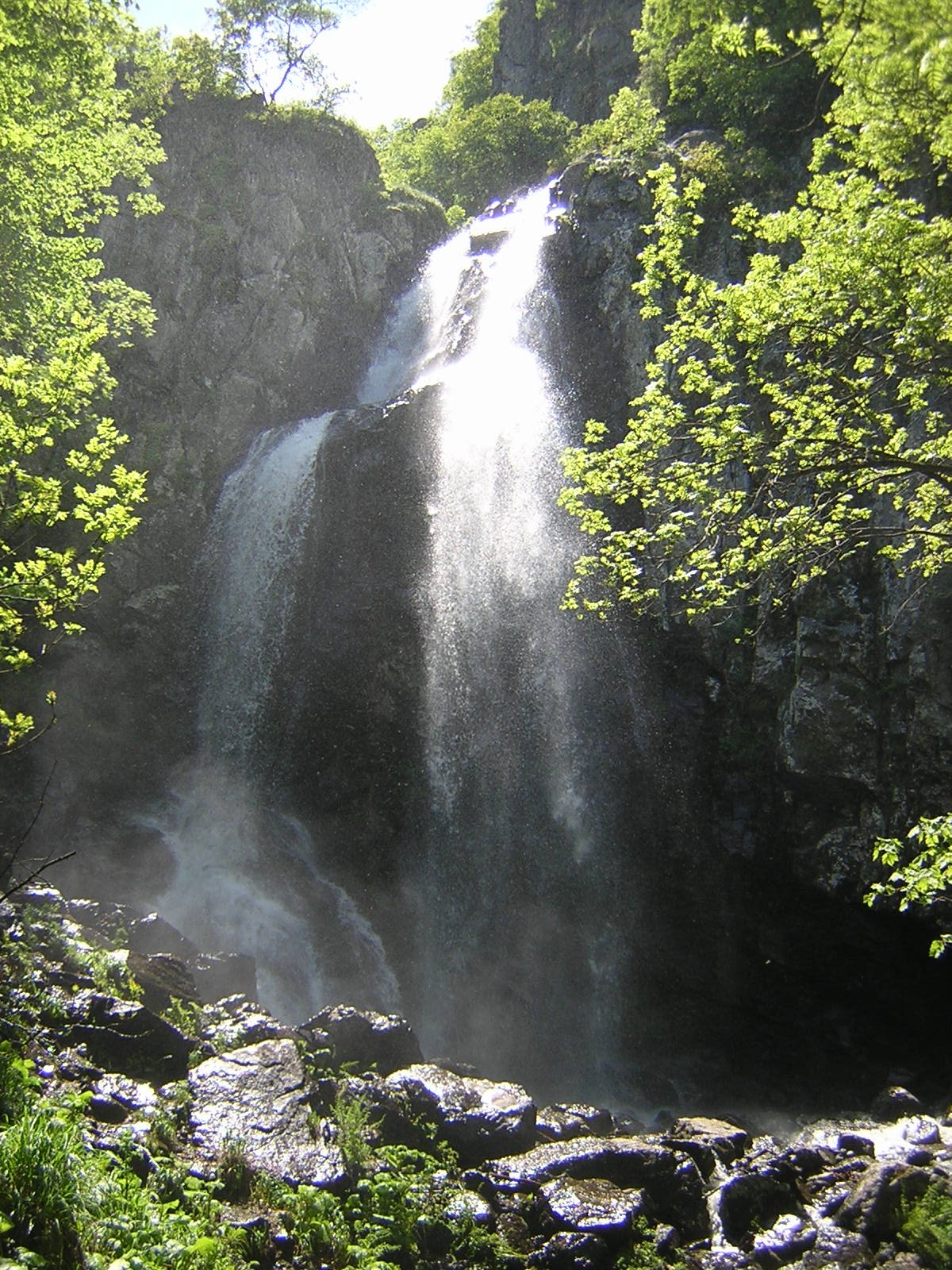
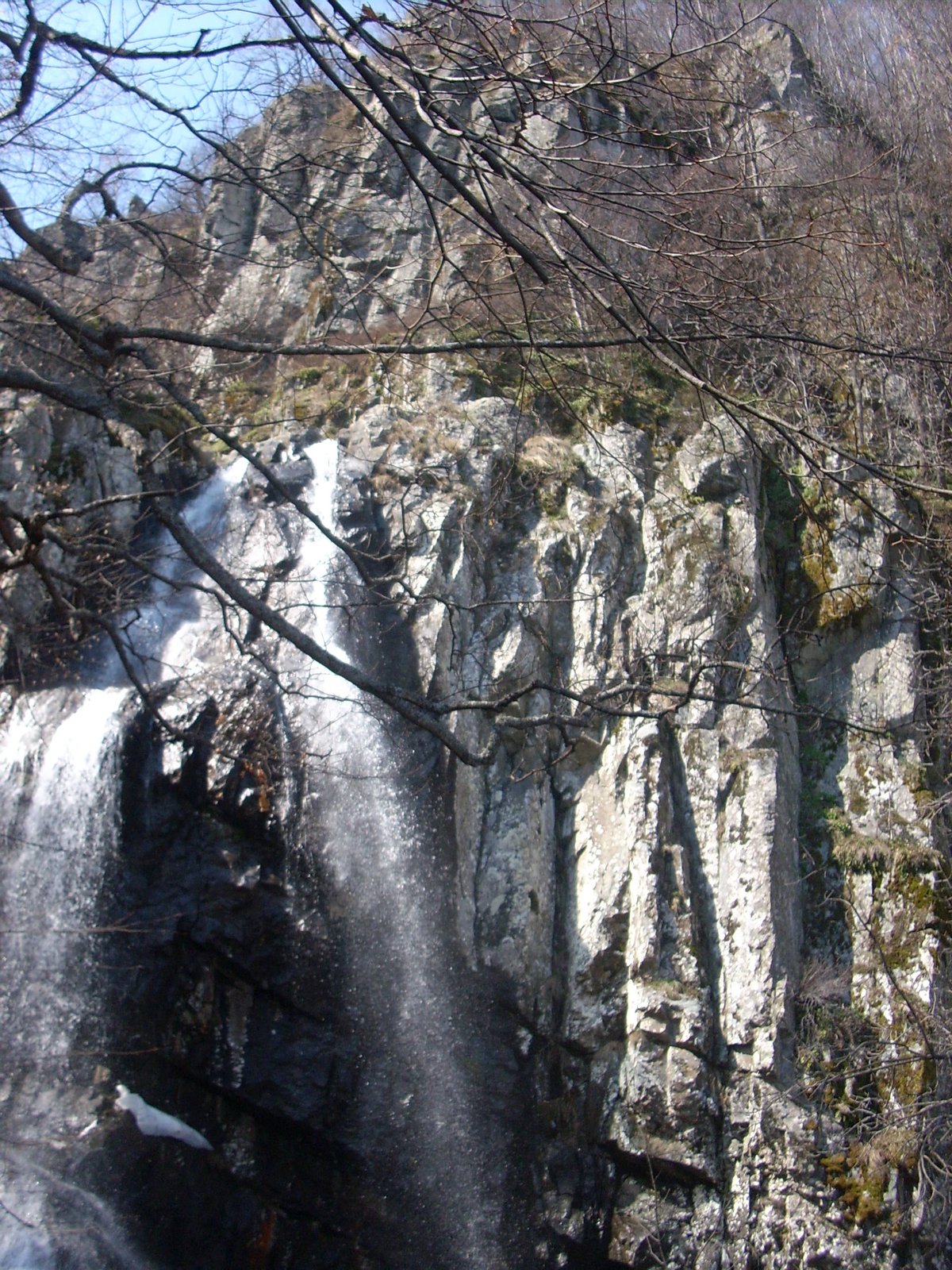
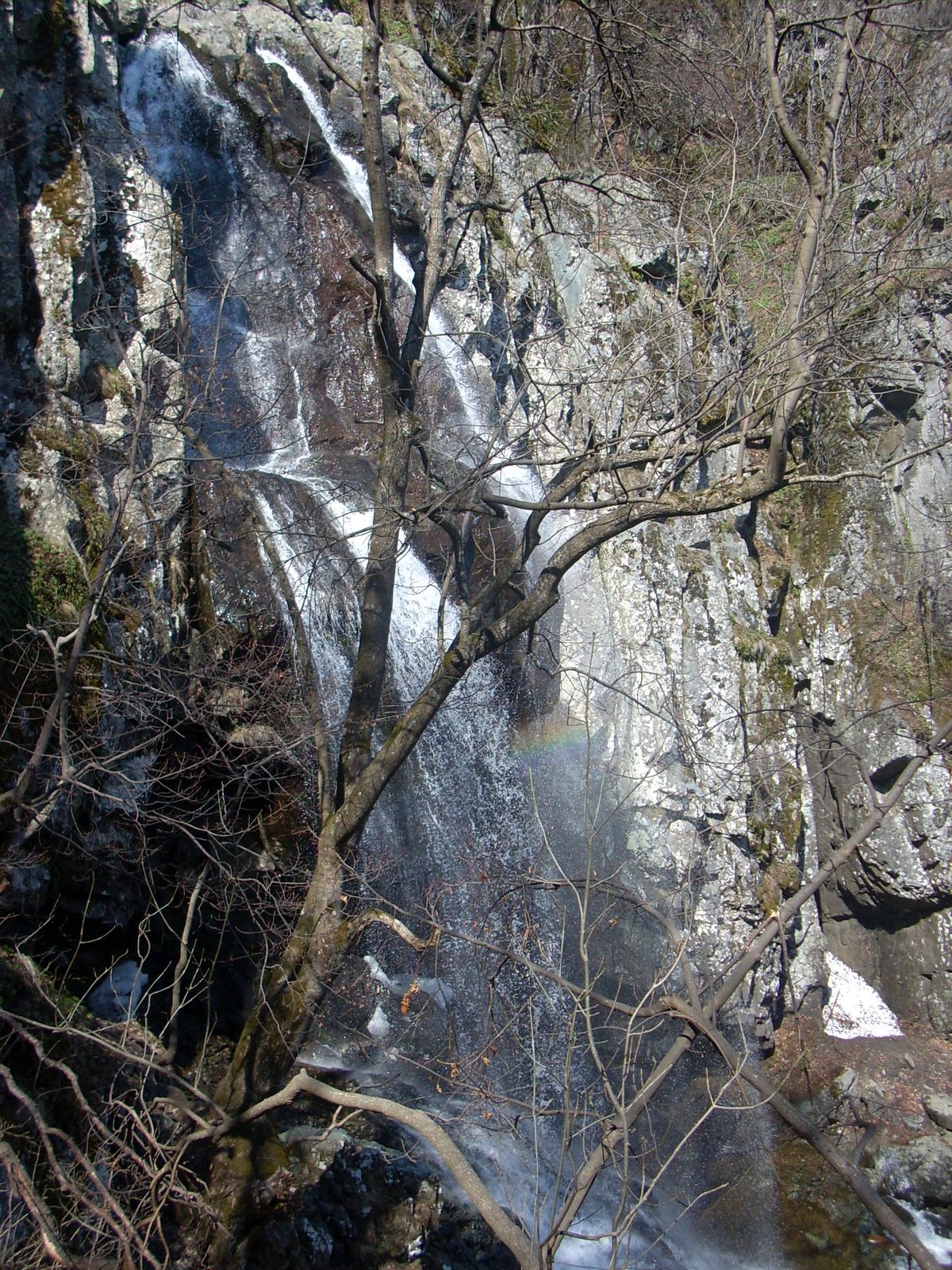
Boyana Waterfall - A Local Treasure
A Source of Life
For centuries, the waterfall and the Boyana River, which it feeds, served as a vital resource for the local population. The water was essential for agriculture, powering mills, and sustaining daily life. This dependence on natural resources fostered a deep respect for the environment, a sentiment still palpable today.
A Place of Legend
Like many natural landmarks, Boyana Waterfall has inspired its share of local legends. While difficult to trace to their origins, these stories often revolve around mythical creatures inhabiting the surrounding forests or supernatural events occurring near the waterfall. One such legend speaks of a beautiful water nymph who resides in the pool beneath the cascading water, her laughter echoing through the forest.
Visiting Boyana Waterfall Today
Visitor Information
- Visiting Hours Boyana Waterfall is accessible year-round, but the best time to visit is during the spring and early summer when the water flow is at its peak.
- Tickets There is no fee to visit the waterfall, making it a perfect budget-friendly attraction.
- Guided Tours While you can explore on your own, local guides offer tours that provide insights into the history and legends of the area.
Travel Tips
- Hiking The hike to Boyana Waterfall is moderately challenging. Wear sturdy footwear and bring water and snacks.
- Photography The waterfall offers stunning photo opportunities, especially in the early morning or late afternoon light.
Nearby Attractions
- Boyana Church A UNESCO World Heritage site, this medieval church is renowned for its beautiful frescoes.
- Vitosha Mountain Explore other trails and natural features within Vitosha Nature Park.
Accessibility
- Transport Boyana Waterfall is accessible via public transport from Sofia, with bus routes leading to the trailhead. For those driving, parking is available near the Boyana Church.
Frequently Asked Questions
What are the visiting hours for Boyana Waterfall?
Boyana Waterfall is accessible year-round. The best time to visit is during the spring and early summer.
How much are tickets to Boyana Waterfall?
There is no entrance fee to visit Boyana Waterfall.
What are the best times to visit Boyana Waterfall?
The best times to visit are in the spring and early summer when the water flow is at its peak.