1. Historical Roots and Cultural Significance
The School’s Foundation and Evolution
Founded in 1960 as the 91st Polytechnical Secondary School, the institution quickly distinguished itself through a pioneering bilingual curriculum, established in collaboration with educators from the German Democratic Republic. In 1990, it was renamed to honor Prof. Dr. Konstantin Gylybov, reflecting a renewed commitment to linguistic and cultural excellence.
Over the decades, the school has forged strong academic partnerships with German institutions, implemented binational diploma programs, and cultivated a reputation as one of Bulgaria’s leading foreign language schools. Its alumni include prominent figures in diplomacy, academia, and public life.
The Monument of Prof. Konstantin Gylybov
Erected near the school, the monument celebrates Prof. Gylybov’s enduring impact on Bulgarian education and German-Bulgarian relations. It serves as a focal point for cultural events and commemorations, symbolizing Sofia’s embrace of multilingualism and European integration.
2. Visitor Information
Location and Accessibility
- Address ul. "Pozitano" 26, 1000 Sofia, Bulgaria
(forsofialovers.com) - Public Transit Accessible via Sofia’s metro (Serdika station), tram, and bus lines.
- Car and Parking Metered “green zone” street parking is available on weekdays; parking is free on weekends. Payment is by local methods or meters (Travelling Buzz).
- Accessibility The campus and monument are wheelchair accessible.
Visiting Hours and Ticketing
- School Open to visitors by appointment only, typically during weekdays (9:00–17:00) in the academic year. Special open days and cultural events may be scheduled—check the school’s website for details.
- Monument Open daily, 9:00–19:00, free of charge.
(Sofia Tourism) - Tickets General visits are free; some events may require registration or a nominal fee.
Guided Tours and Special Events
Guided tours can be arranged through the school’s administrative office, offering insights into the school’s heritage, academic programs, and international partnerships. The monument is included in walking tours of central Sofia, often organized by the Sofia City Tourism Office.
Annual events—such as German Language Days, film festivals, and theater performances—often welcome the public and provide further opportunities for engagement.
(Goethe-Institut Bulgaria Events)
3. Academic and Cultural Programs
Curriculum and Certification
The school offers a rigorous bilingual curriculum, with German taught intensively from the preparatory year. Students pursue certifications including the Deutsches Sprachdiplom (DSD) I and II, enabling direct application to German universities without additional exams (Kultusministerkonferenz). The binational diploma is recognized in both Bulgaria and Germany.
Exchange Programs and International Partnerships
Partnerships with German schools and universities facilitate regular student exchanges, joint projects, and teacher collaborations, supported by the Goethe-Institut and the German Embassy. These exchanges foster cultural understanding and linguistic proficiency.
Cultural Events and Community Engagement
The school hosts:
- German Language Days
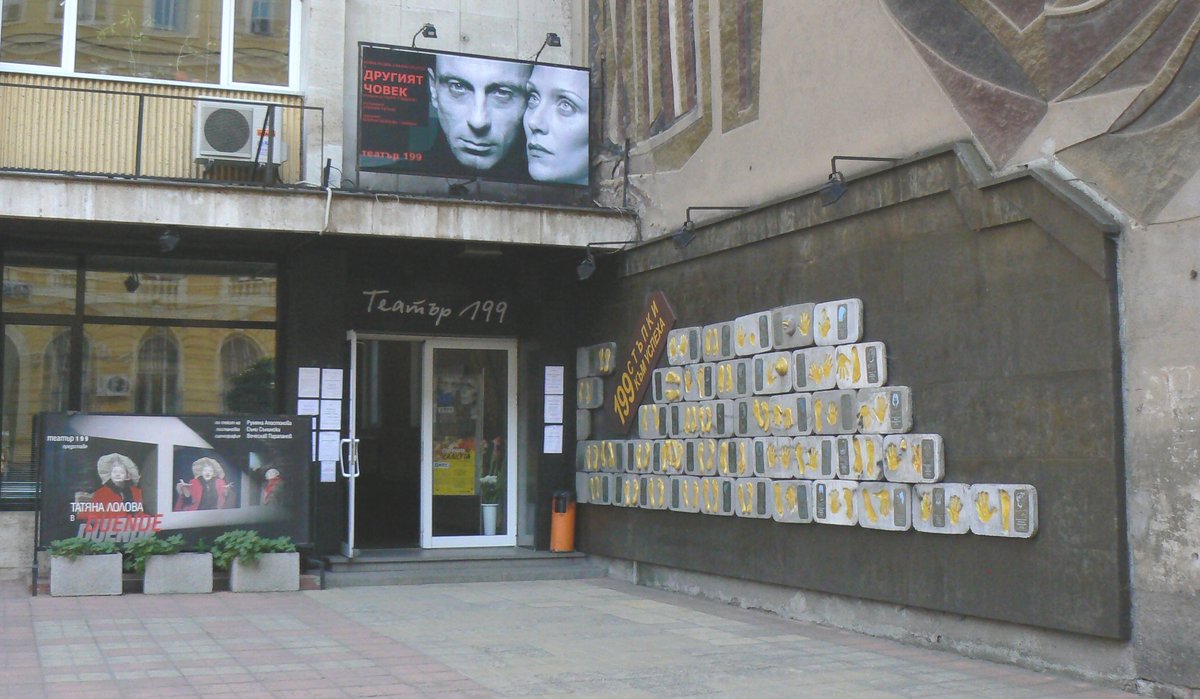
- Film and theater festivals
- Career orientation programs (e.g., with Sofia University)
- Public lectures and commemorative events
Participation in these events is often open to visitors and the local community.
4. Visitor Experience and Practical Tips
Campus Environment and Facilities
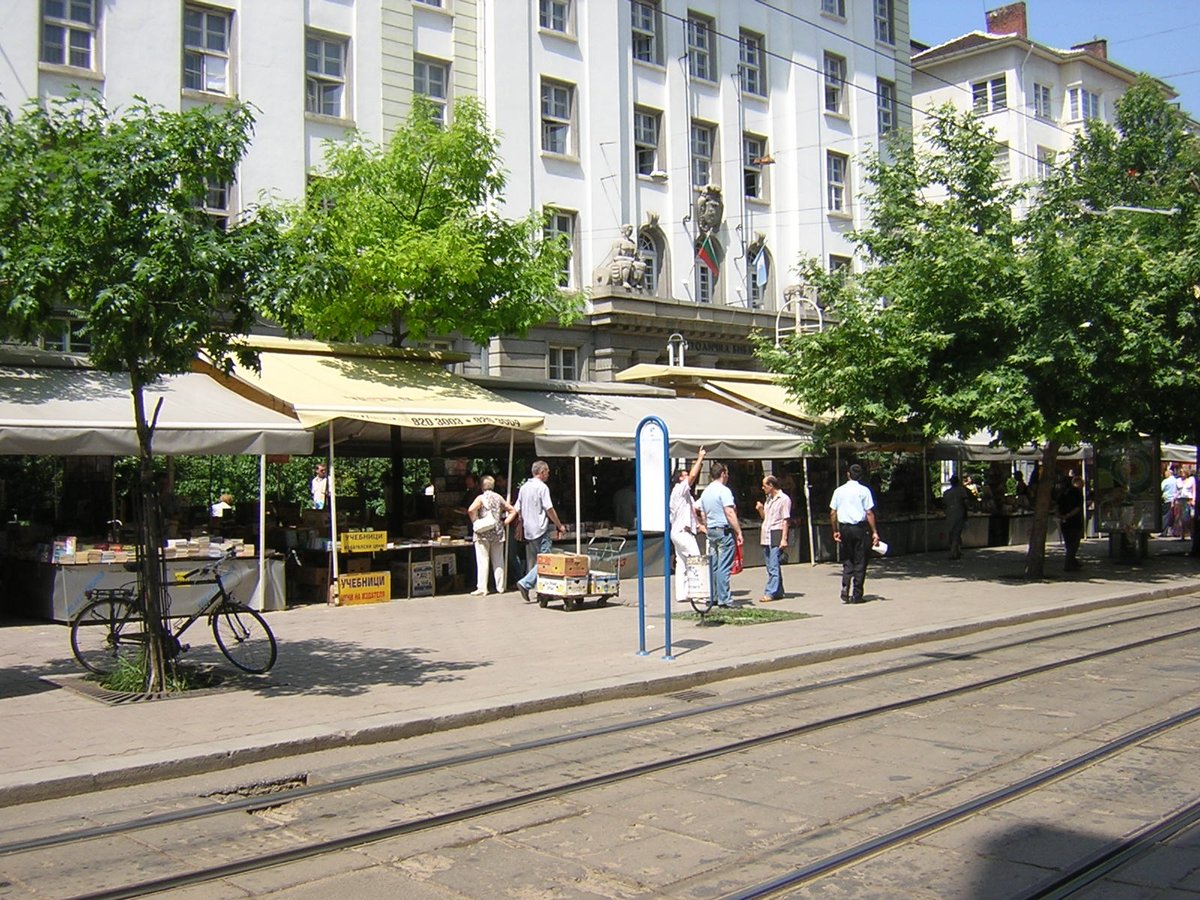
The school features a blend of traditional and modern architecture with well-equipped classrooms, language labs, and a library. The surrounding area is lively, safe, and filled with cafes, bookstores, and cultural venues.
Nearby Attractions
Within walking distance:
- Holy Nedelya Church
- Alexander Nevsky Cathedral
- National Archaeological Institute
- National Art Gallery
- City Garden (Gradska Gradina)
- Ancient Serdica Complex
(Lonely Planet Sofia Guide)
Safety, Accessibility, and Visitor Etiquette
- Sofia is a safe city; standard precautions apply (Travelling Buzz).
- The school and monument are accessible for visitors with disabilities.
- Dress modestly, behave respectfully, and avoid disrupting academic activities.
- Permission may be required for photography inside the school.
Practical Tips
- Luggage Storage Services like GIFTED shop (24 Ivan Denkoglu St.) offer lockers (Travelling Buzz).
- Tourist Info Visit official tourist information centers for maps, advice, and event details.
- Language German, Bulgarian, and English are commonly spoken.
5. Frequently Asked Questions (FAQ)
Q: Can tourists visit the 91 German Language School freely?
A: Public access requires prior arrangement or attendance during open days or public events.
Q: Are guided tours available?
A: Yes, guided tours can be arranged in advance through the school administration.
Q: Is the monument accessible year-round?
A: Yes, the monument is open daily, year-round.
Q: Are there entrance fees?
A: General visits and tours are free; some special events may have a registration fee.
Q: What are the best nearby attractions?
A: The Ancient Serdica Complex, Alexander Nevsky Cathedral, and the National Gallery are all nearby.