
Origins and Early History
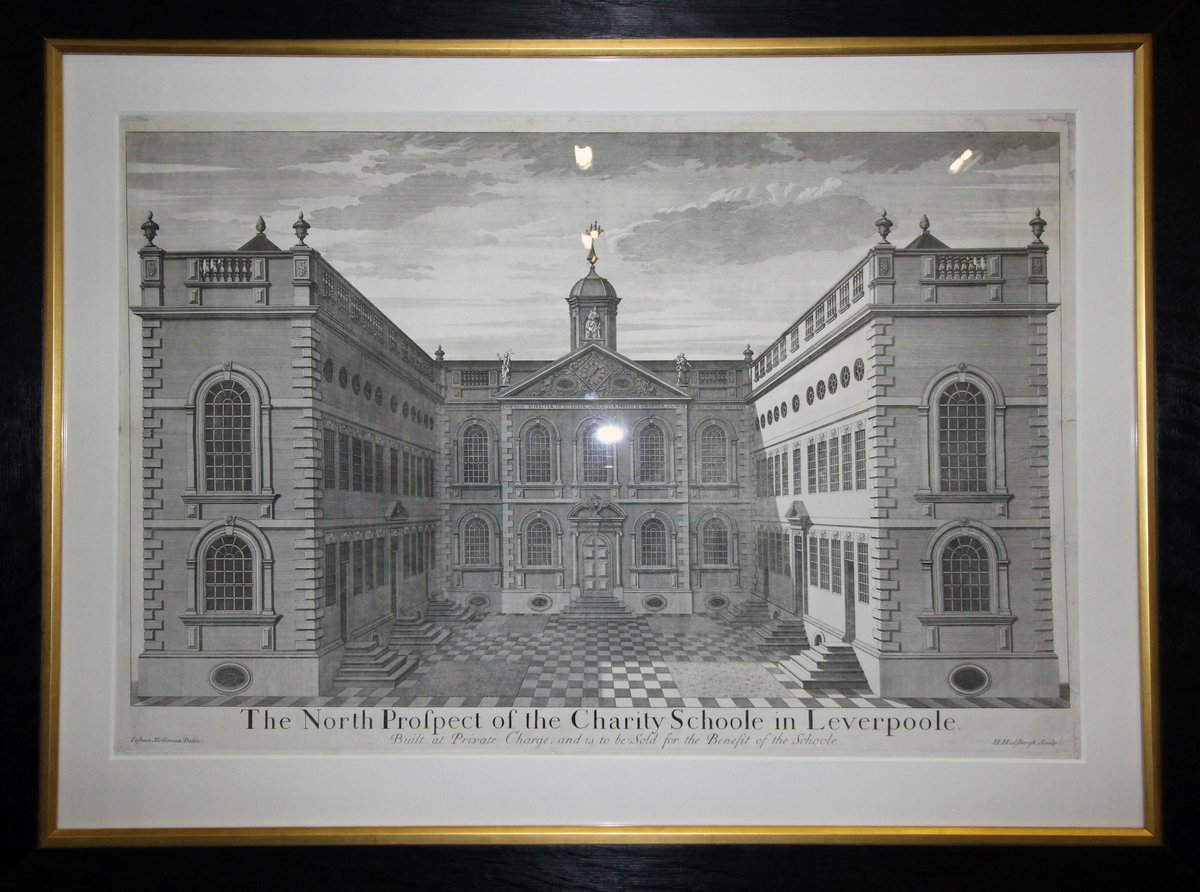
Founded by master mariner Bryan Blundell and Reverend Robert Styth in 1717, the Bluecoat began as a charity school for underprivileged children. Its name derives from the blue uniforms worn by its pupils, a symbol of the city’s commitment to social welfare. The school operated for nearly two centuries, reflecting Liverpool’s growth as a major port and philanthropic centre.
Architectural Significance
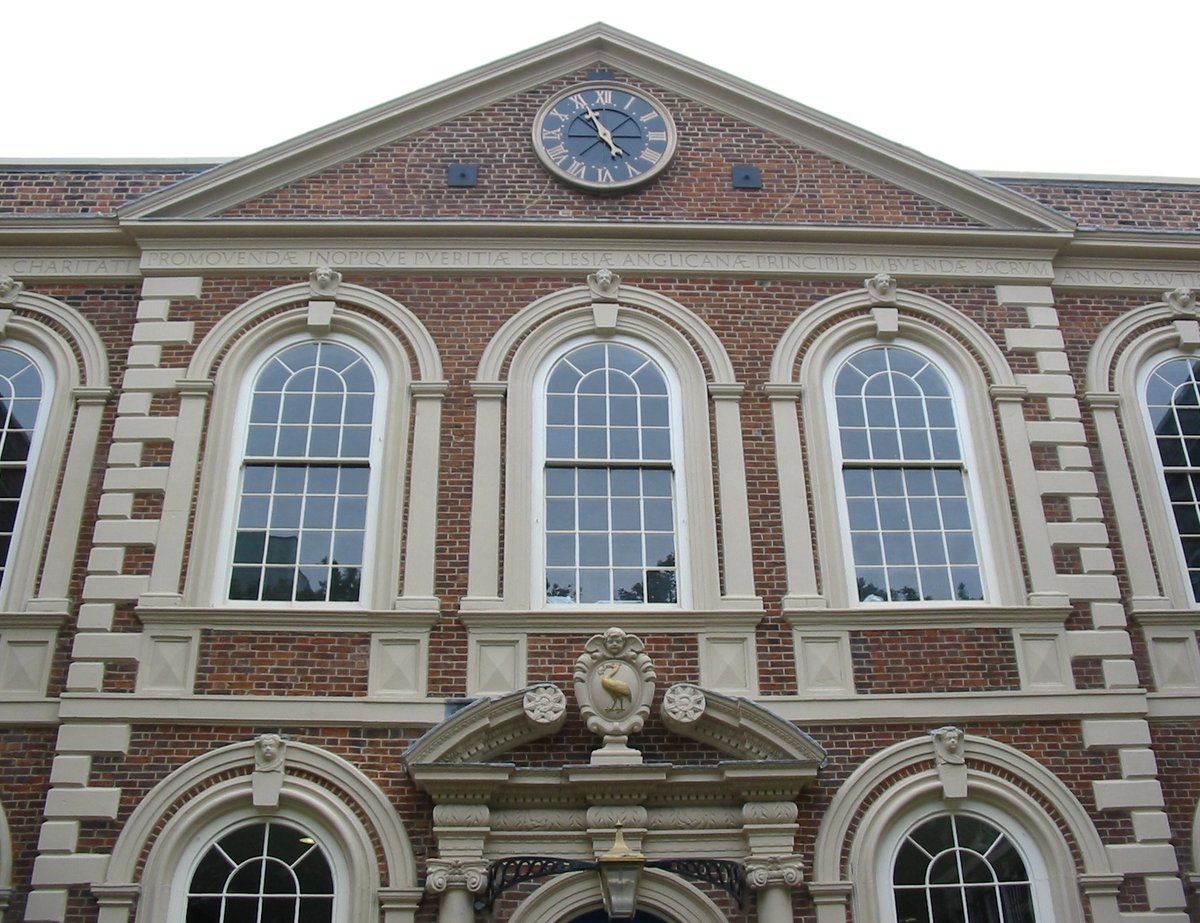
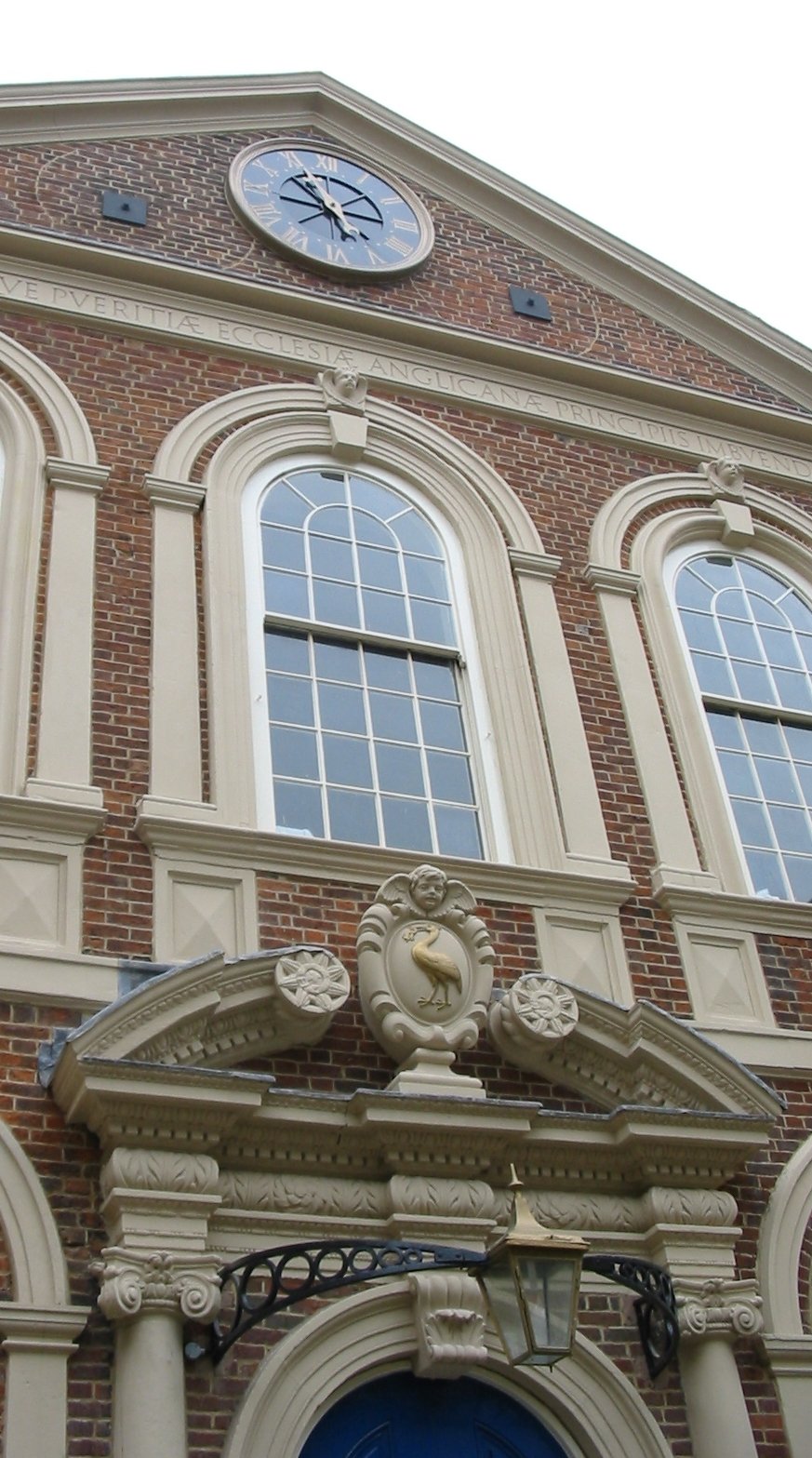
The Bluecoat is an exceptional example of Queen Anne architecture, featuring red brickwork, stone dressings, a symmetrical façade, and a distinctive roof cupola. As Liverpool’s first Grade I listed building, it retains original wood panelling and period details, while tranquil courtyards and a secret garden offer a retreat amidst the city bustle.
Transformation into an Arts Centre
When the school relocated in 1906, the building was at risk of demolition. Artists and advocates—including the Sandon Studios Society and architect Charles Herbert Reilly—transformed it into a creative hub. Industrialist William Lever’s intervention and public support secured its future, leading to the establishment of the Bluecoat Society of Arts, thus marking its place as the UK’s first arts centre.
Wartime Challenges and Restoration
The Bluecoat sustained significant damage during the Liverpool Blitz of World War II. Community-led restoration efforts culminated in its reopening in 1951, underscoring its resilience and importance as a cultural landmark.
Artistic Legacy and Contemporary Role
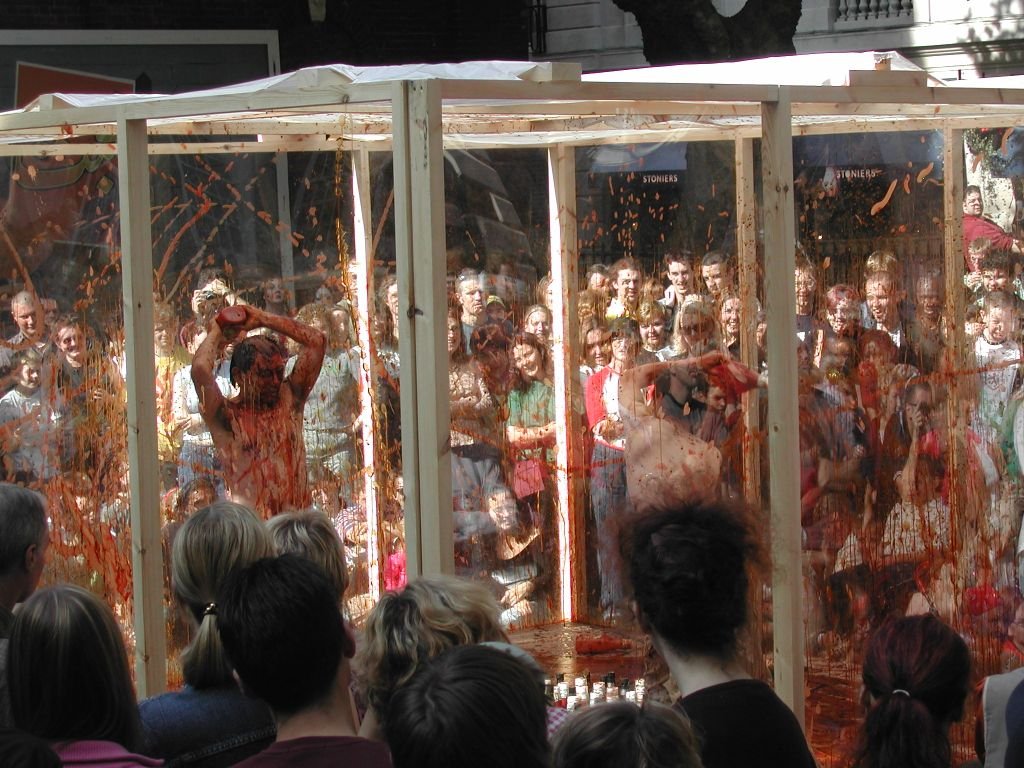
Over the decades, the Bluecoat has hosted renowned artists such as Pablo Picasso, Henri Matisse, Igor Stravinsky, and Yoko Ono, who held her first paid exhibition here. The Bluecoat Display Centre, established in 1959, continues to champion UK craft and design, supporting both emerging and established artists. The Bluecoat is also a key venue for major arts festivals, including the Liverpool Biennial.
Visiting Information
Opening Hours
- Arts Centre Tuesday–Sunday, 11:00am–5:00pm (closed Mondays)
- Bluecoat Display Centre (craft gallery/shop) Monday–Saturday, 10:00am–5:30pm; closed Sundays
Hours may vary during special events or holidays. Always confirm via the official Bluecoat website.
Tickets and Admission
- General admission to galleries and garden is free.
- Some special exhibitions, performances, or workshops require advance booking and paid tickets.
- Consult the Bluecoat events calendar for current ticketing information.
Directions and Accessibility
- Location School Lane, Liverpool L1 3BX, adjacent to Liverpool ONE shopping district.
- Accessibility Step-free access via College Lane entrance (L1 3BZ), accessible toilets, baby changing facilities, hearing loops, and staff assistance available. (Bluecoat Display Centre)
- Transport 5–10 minute walk from Liverpool Lime Street and Central stations; multiple bus routes nearby; parking available at Liverpool ONE.
Tours and Special Events
- Guided Tours Available for groups (10+ people) by advance arrangement. Tours offer in-depth insight into the Bluecoat’s history and architecture.
- Events and Workshops Family-friendly activities, contemporary art exhibitions, poetry readings, performances, and artist talks are scheduled year-round. (Liverpool ONE Bluecoat Events)
- Print Studio Open-access printmaking workshops and private hire are available.
Nearby Attractions
- Liverpool Cathedral
- St George’s Hall
- Walker Art Gallery
- Albert Dock All are within walking distance, making the Bluecoat an ideal starting point for exploring Liverpool’s historic and cultural sites.
Community Engagement and Recent Developments
The Bluecoat supports a resident community of nearly 30 artists and creative organisations. It emphasizes inclusivity through educational workshops, participatory art, and the Blue Room programme for learning-disabled artists. The digitization of archives and ongoing heritage projects ensure its legacy is accessible to all. The Bluecoat’s café, independent shops, and tranquil garden further enhance its role as a social and cultural hub.
Frequently Asked Questions (FAQs)
Q: What are the Bluecoat Liverpool’s opening hours?
A: Arts Centre: Tuesday–Sunday, 11:00am–5:00pm; Display Centre: Monday–Saturday, 10:00am–5:30pm.
Q: Is admission free?
A: Yes, general entry to galleries and garden is free. Some events require paid tickets.
Q: Is the Bluecoat accessible for wheelchair users?
A: Yes. There are step-free entrances, accessible toilets, and friendly staff to assist.
Q: Are guided tours available?
A: Yes, for groups by prior arrangement. Contact the venue for details.
Q: Can I bring children?
A: Absolutely. There are family-friendly activities, a children’s corner, and garden play areas.
Q: Are dogs allowed?
A: Only assistance dogs are permitted inside.
Q: Is photography allowed?
A: Usually yes, but some exhibitions may have restrictions. Always check signage or with staff.