Place
United Kingdom Updated Oct 2026
The Mersey wind reaches Liverpool before the music does: it rattles the flags at the Pier Head and carries the smell of salt past the great brick warehouses. In this port city in the United Kingdom, maritime wealth, working-class wit and pop history sit side by side, often on the same street. Come for the waterfront; stay to hear how many different stories it can tell.
 Photo: Daviessimo · CC BY-SA 3.0
Built from cited sources · see the method · How we make our guides →
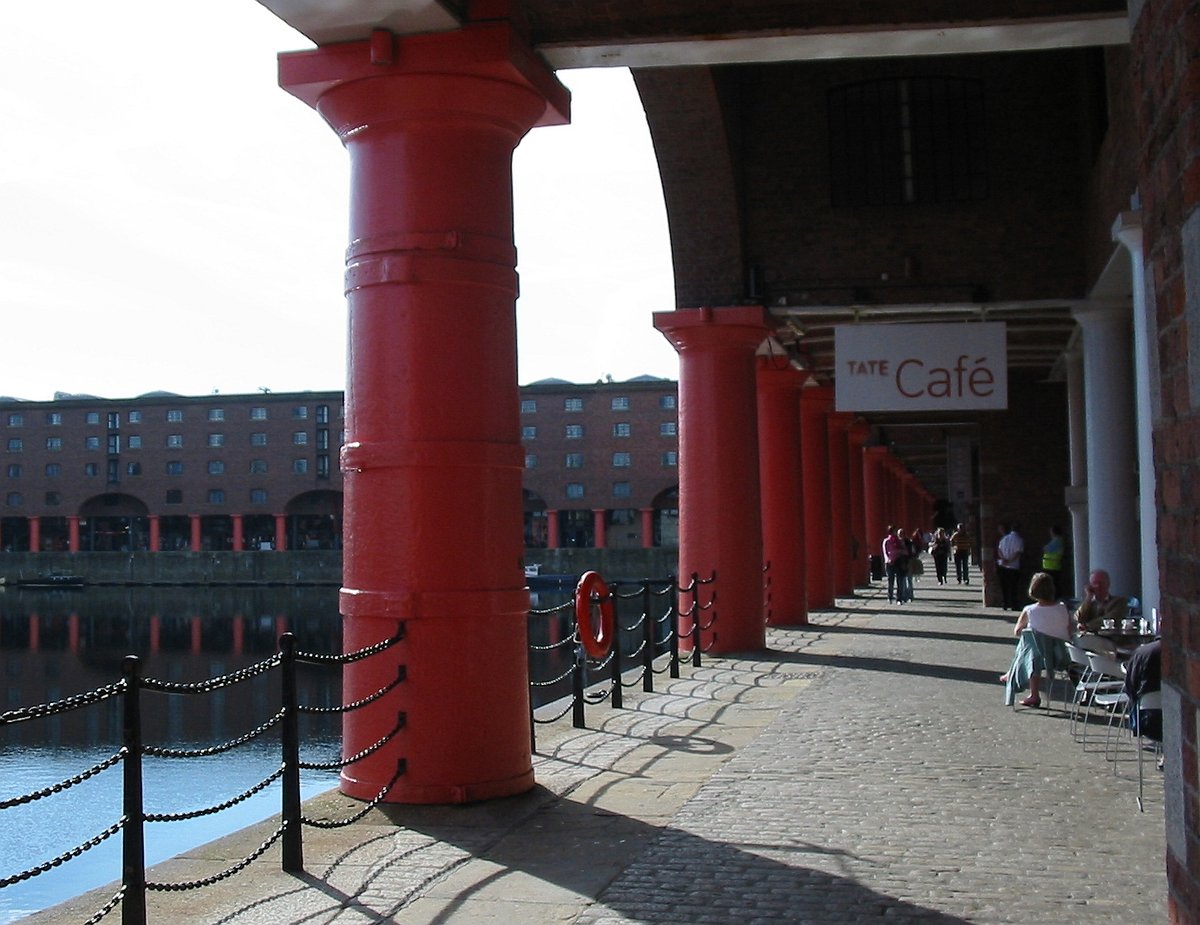
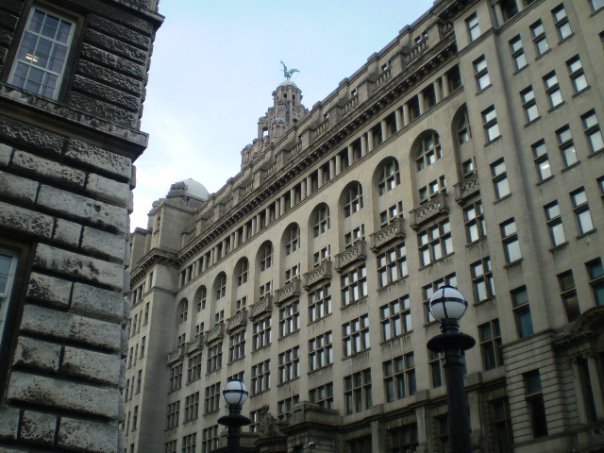
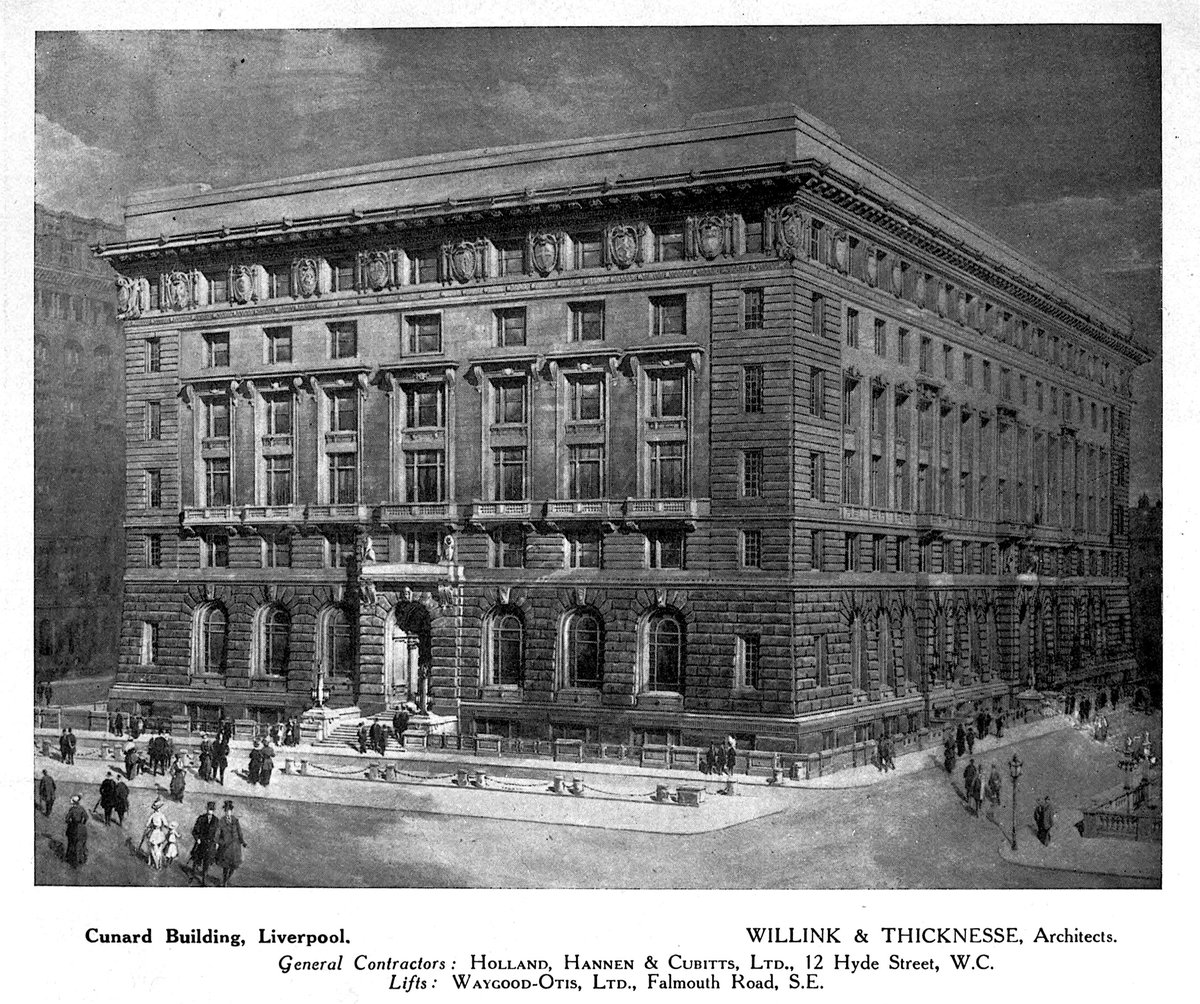
Royal Albert Dock opened in 1846, its brick, stone and cast iron built for ships and cargo; now its old warehouses hold museums, galleries and places to eat. Across the water-facing promenade, the Royal Liver Building, Cunard Building and Port of Liverpool Building form the Three Graces, their stonework changing colour with the weather.
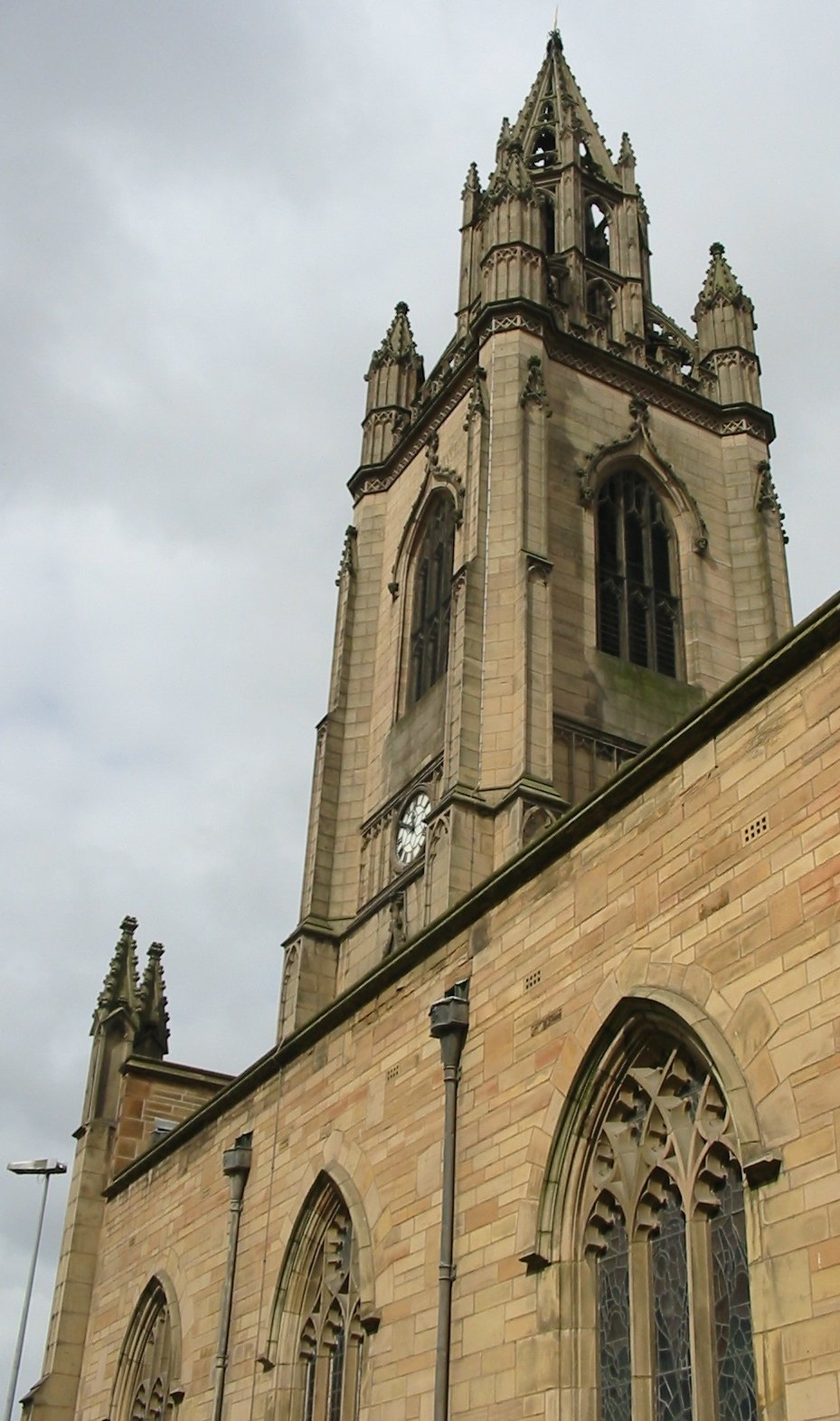
Liverpool makes room for two very different kinds of grandeur. The Anglican Cathedral rises in Gothic stone above Hope Street, while the Metropolitan Cathedral, designed by Frederick Gibberd and completed in 1967, gathers worshippers beneath a circular lantern of coloured glass.
Music is woven into the city’s geography: the Cavern Club’s brick-vaulted cellar on Mathew Street hosted the Beatles nearly 300 times. So is food; a bowl of scouse, the slow-cooked stew that gave local people their nickname, makes the port’s history feel less like a museum exhibit and more like supper.
Not every monument, just the ones we'd walk you past ourselves.
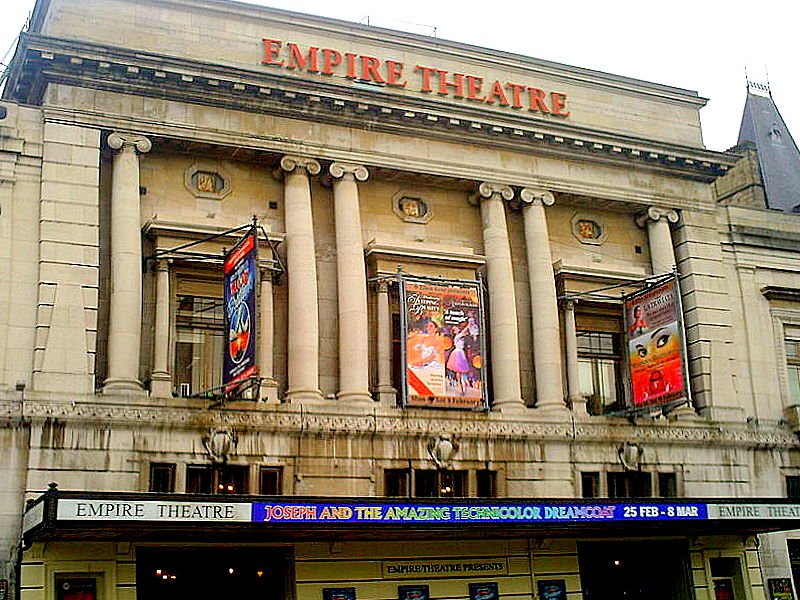
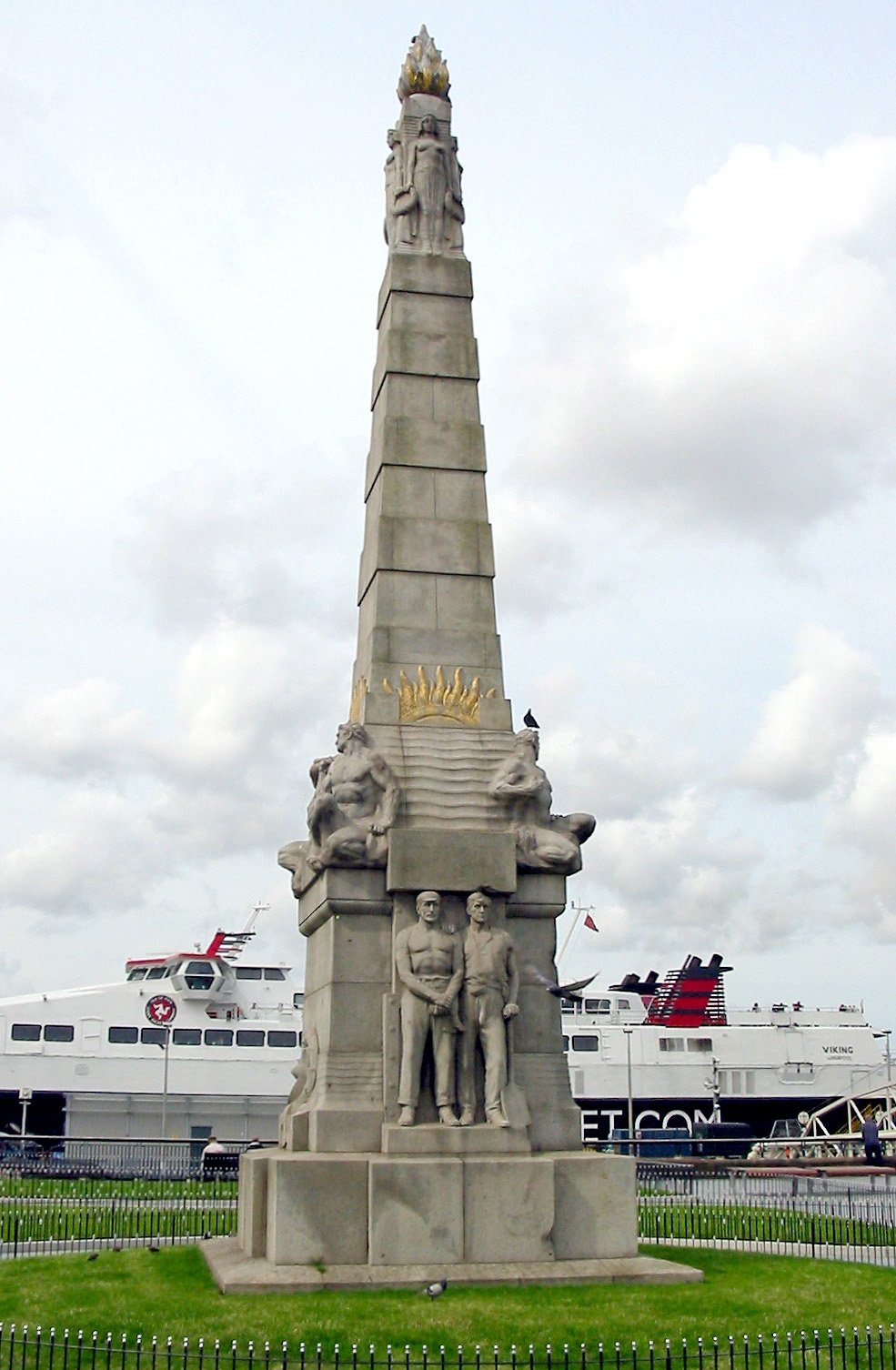
Where to wander, by quarter — each with its own rhythm.
Before you go
Curated from places in this city. Same price as official sites.


Prices shown are indicative — final pricing and availability are confirmed at checkout. Audiala may receive a commission from bookings made via these links.
From a Neolithic burial ground to a port remade by music and migration
Long before Liverpool had a name, Neolithic communities built a chambered tomb at Calderstones, in what is now the south of the city. Its stones are a reminder that the Mersey’s story began with people living here, not with the later port.
On 28 August, King John granted Liverpool a royal charter, establishing a small planned borough and port. Its seven streets clustered near the Mersey; the name may refer to a muddy pool or tidal creek.
A stone castle was built near today’s Derby Square, probably in the 1230s, to guard the growing port. Its position above the waterfront made the settlement’s military purpose plain: Liverpool faced Ireland and the Irish Sea as much as Lancashire.
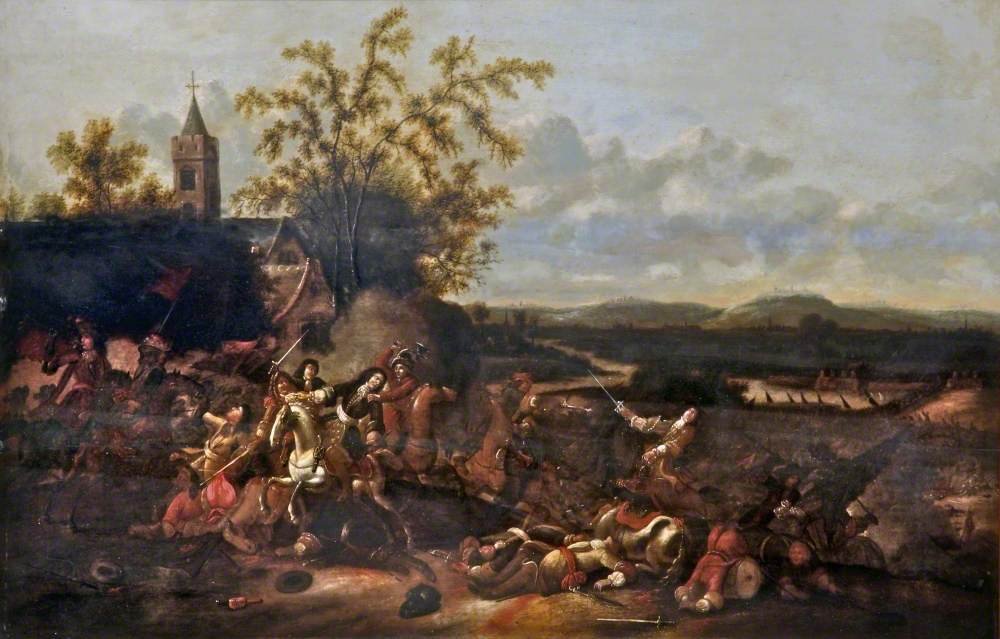
During the Civil War, Prince Rupert’s Royalist forces stormed Liverpool on the night of 10–11 June after bombardment and a breach in the town’s defenses. The town was sacked; Parliamentarian troops retook it in November, but the siege had exposed the price of its strategic position.
Engineer Thomas Steers’s Old Dock opened, letting ships load and unload behind gates despite the Mersey’s powerful tides. Liverpool had created the world’s first commercial enclosed wet dock—and a model for the port city to come.
Born in Liverpool, William Roscoe became a lawyer, historian, and cultural patron who challenged the wealth built on the slave trade. His 1787 poem The Wrongs of Africa gave that opposition a public voice in a city deeply invested in the trade.
Irish-born Catherine, known as Kitty, Wilkinson made Liverpool her home and became a pioneer of public hygiene. During the 1832 cholera epidemic she let neighbors boil infected clothes in her home; her work helped lead to the city’s public washhouse, opened in 1842.
By the late 18th century, Liverpool had become Britain’s leading slave-trading port; estimates put its share at about 80 percent of the British trade by 1795. Over the trade’s lifetime, Liverpool ships forcibly carried well over a million enslaved Africans across the Atlantic, while profits helped build the city’s commercial fortunes.
The British Parliament outlawed the slave trade, ending Liverpool’s legal slave-trading voyages. Slavery itself continued in British colonies until 1833, and illegal trafficking did not stop with the new law.
William Ewart Gladstone was born at 62 Rodney Street, in a city whose merchants and politics shaped his early world. He later became prime minister four times, but his Liverpool beginnings remain written into the city’s streets.
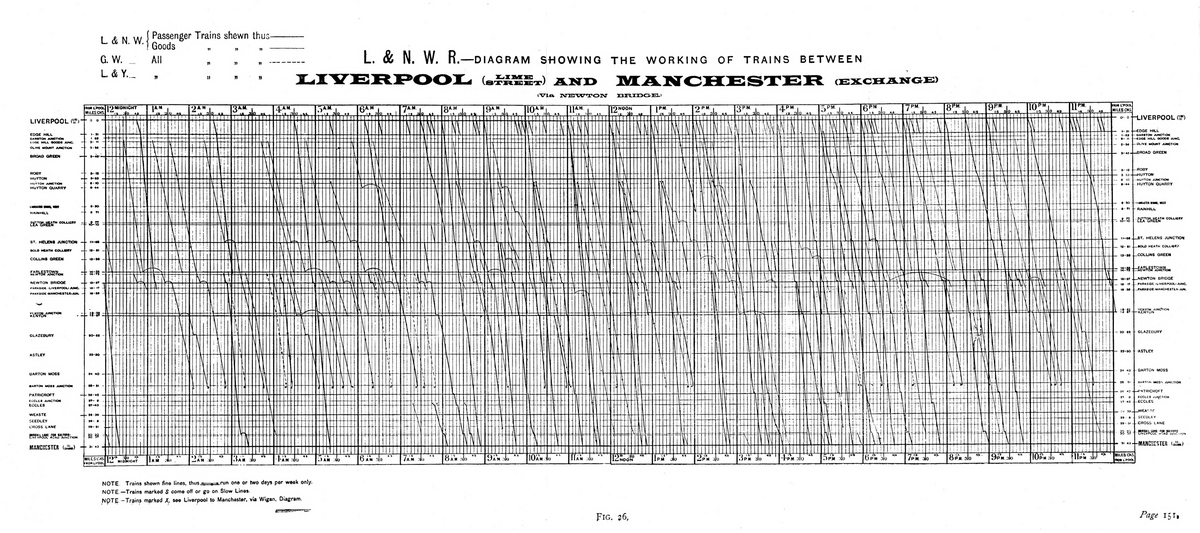
The Liverpool and Manchester Railway opened on 15 September, carrying passengers by scheduled steam service between the two industrial cities. At Crown Street station, the hiss of locomotives announced a new kind of connection between port and factory.
Prince Albert opened the dock complex designed by Jesse Hartley and Philip Hardwick. Brick, granite, and cast iron replaced combustible timber in its warehouses, built to protect cargoes and withstand the Mersey’s tidal demands.
As the Irish Famine drove people from their homes, Liverpool became a crowded point of arrival and departure across the Irish Sea. Hundreds of thousands passed through or settled in the city, often in cramped cellars and tenements where disease spread quickly.
St George’s Hall opened on Lime Street, its neoclassical columns and vast interior declaring civic confidence in stone. Designed by Harvey Lonsdale Elmes and completed by Charles Robert Cockerell, it still makes the surrounding city feel momentarily quieter.
Queen Victoria granted Liverpool city status by royal charter as its docks and population continued to expand. The new title recognized a place already reshaped by maritime trade, migration, and industry.
The foundation stone of Liverpool’s Anglican cathedral was laid on 19 July, beginning a project designed by the young Giles Gilbert Scott. Work stretched across decades and war; the cathedral was finally completed in 1978.
A general transport strike brought dock and railway workers into conflict with employers and authorities. On 13 August, police and troops charged a huge gathering at St George’s Plateau; two men were shot dead during the unrest.
The Royal Liver Building opened on the waterfront, its twin copper Liver Birds looking out over the Mersey and the city. Designed by Walter Aubrey Thomas, it began the skyline ensemble later completed by the Cunard Building in 1917.
King George V opened the Queensway Tunnel on 18 July, linking Liverpool with Birkenhead beneath the river. Its traffic entered a long, curved passage under the Mersey, turning a ferry crossing into a road journey.
John Lennon was born in Liverpool on 9 October and grew up in the city’s streets, schools, and music culture. The songs he later wrote with the Beatles carried some of that local sound far beyond the Mersey.
During eight nights of bombing in May, German raids killed around 1,900 people across Merseyside and left tens of thousands homeless; the Durning Road shelter disaster had already killed 166 civilians in 1940. Liverpool’s docks supplied the Atlantic war effort, and the raids damaged the port as heavily as they struck homes.
The Beatles began playing at the Cavern Club on Mathew Street, a low-ceilinged cellar where the crowd stood close enough to feel the music in the floor. They played there nearly 300 times before Liverpool’s beat scene reached listeners around the world.
The Metropolitan Cathedral of Christ the King was consecrated, bringing a radical circular design to Liverpool’s skyline. Frederick Gibberd’s concrete structure gathers worshippers beneath a lantern of colored glass, a striking counterpart to the city’s older Anglican cathedral.
Nine nights of unrest in Toxteth followed years of racial discrimination, aggressive policing, and severe deprivation. Police deployed CS gas for the first time on mainland Britain; the smoke marked a crisis the city could not explain away as a policing problem alone.
After years of decline, the restored Albert Dock reopened as a cultural and public complex, with Tate Liverpool opening that year. The warehouses that once held cargo now held art and visitors—a visible answer to the loss of thousands of dock jobs.
At Hillsborough Stadium in Sheffield, 96 Liverpool supporters died in a crush at an FA Cup semi-final; a 97th later died from his injuries. A 2016 inquest found the victims unlawfully killed, after families and supporters had spent decades demanding the truth.
UNESCO inscribed Liverpool’s Maritime Mercantile City as a World Heritage Site, recognizing its docks, commercial buildings, and waterfront history. The designation placed the city’s built record of global trade before an international audience.
Liverpool became European Capital of Culture, while Liverpool ONE and the new arena formed part of a wider wave of redevelopment. The title brought audiences and investment, but it also raised a harder question: how could a city renew its center without losing the history that made it matter?
UNESCO removed Liverpool’s World Heritage status, judging that waterfront development had caused an irreversible loss of the site’s value. The decision turned the city’s old argument between growth and preservation into a formal international verdict.
Liverpool hosted the Eurovision Song Contest on behalf of Ukraine, whose invasion by Russia made it impossible for the 2022 winners to stage the event at home. For one week, the city’s musical inheritance became an act of solidarity as well as a show.
Musician and songwriter · 1940–1980
Born and raised in Liverpool
Lennon was born in Liverpool in 1940 and spent his boyhood at Mendips in Woolton, long before the city turned his story into a trail of landmarks. He might recognize the irreverence in the Cavern’s cellar crowds, even if today’s Beatles pilgrims would make the old club feel like another world.
Musician and songwriter · born 1942
Born and raised in Liverpool
McCartney grew up at 20 Forthlin Road, where he and Lennon worked on early songs. The house keeps the story close to its ordinary beginnings: a front room, a guitar and two young musicians trying ideas out loud.
Musician and songwriter · 1943–2001
Born and raised in Liverpool
Harrison was born in Liverpool in 1943 and grew up in Wavertree, away from the grand waterfront buildings that now frame the city’s visitor routes. He might like that Liverpool still makes room for its quieter corners, not just its famous chorus.
Drummer and singer · born 1940
Born and raised in Liverpool
Starr was born in the Dingle district in 1940, in a part of Liverpool far removed from the Pier Head postcard. His story keeps the city’s musical mythology grounded in its residential streets and small beginnings.
Where locals actually book dinner — not the tourist menus.
Small things that change how the city treats you.
The city, as it actually looks.

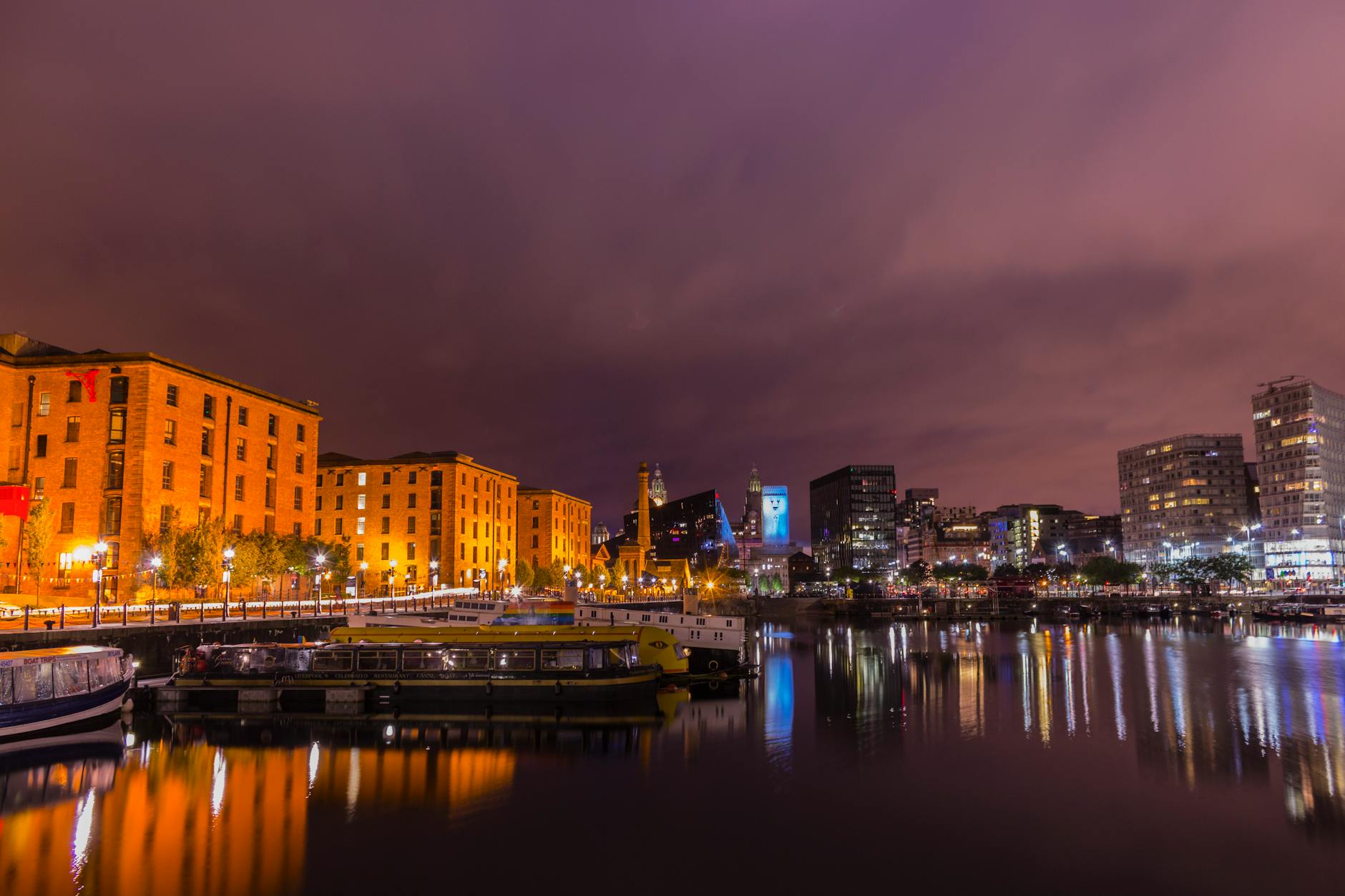
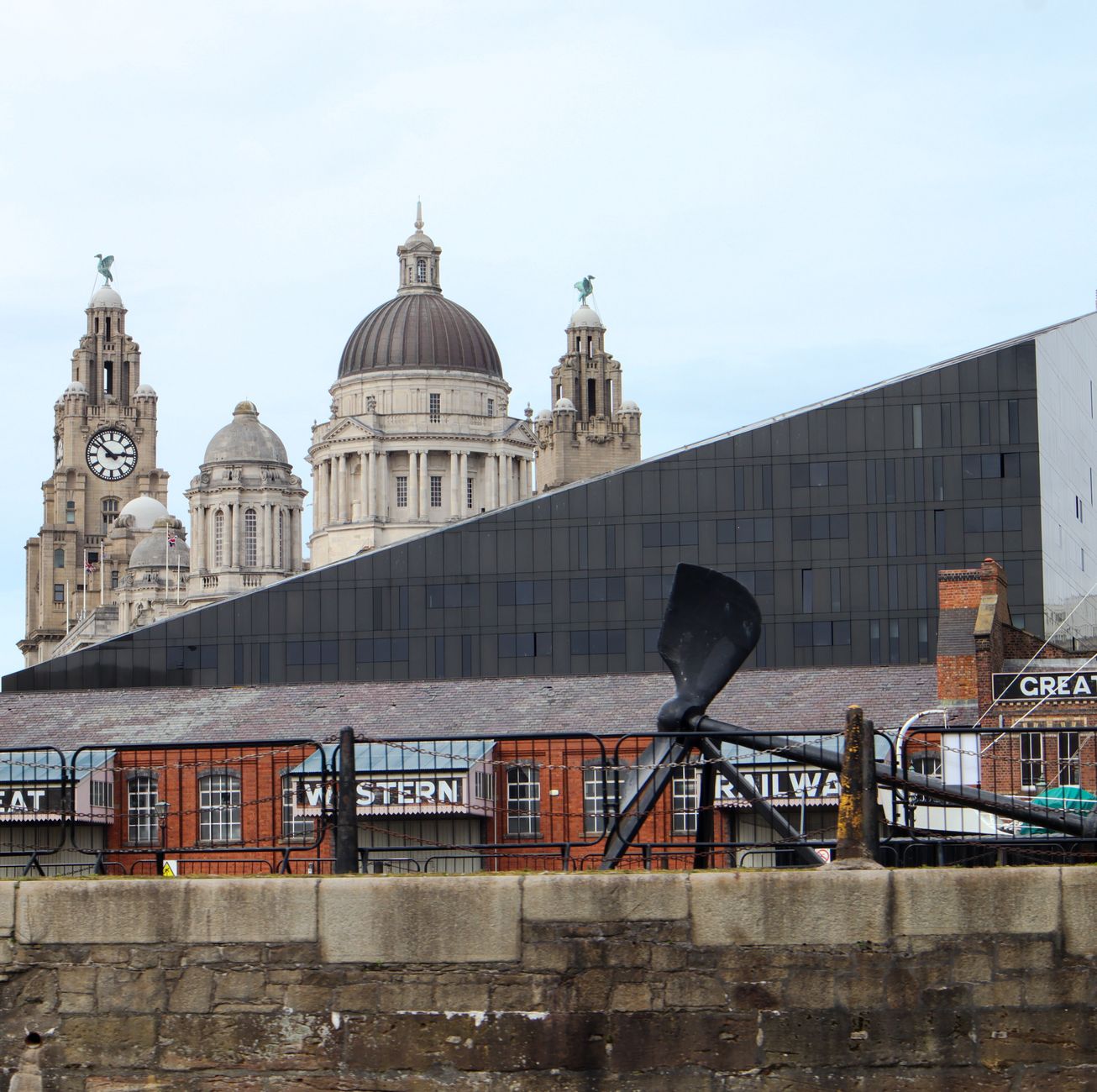
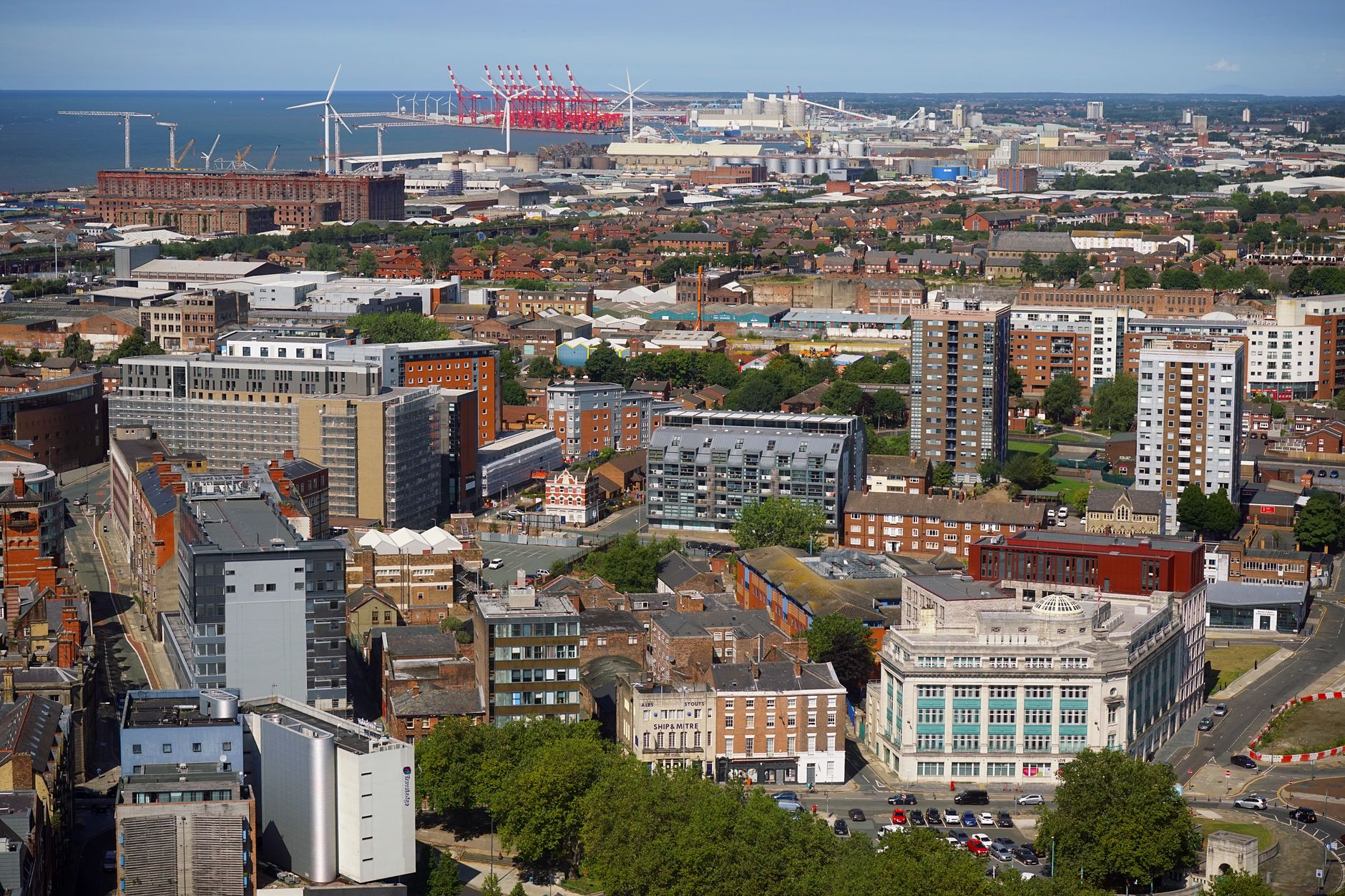


Yes, especially if you like music, architecture and museums you can enter without an admission fee. The waterfront’s dock buildings, the Cavern Quarter and the two contrasting cathedrals give the city a character that goes well beyond its Beatles history.
Plan 2–3 days for the main sights, with more time if you want a day trip. One day can cover the waterfront and city centre, but it leaves little room for the cathedrals, parks or Beatles sites farther out.
The Arriva 500 bus goes directly to Liverpool ONE Bus Station in about 30–38 minutes. Route 86A also runs from the airport and connects with trains at Liverpool South Parkway.
Yes: the central sights are close enough to explore on foot, and Merseyrail serves destinations beyond the centre. Buses connect the airport and neighbourhoods, while contactless Tap & Go is available on Merseyrail.
Liverpool’s central visitor areas are generally manageable for tourists, though nightlife streets can become rowdy late at night. Keep to well-lit routes, watch your belongings and drink, and take extra care on unfamiliar residential streets after dark.
If noise bothers you, avoid booking directly on nightlife streets such as Concert Square, Mathew Street, Fleet Street or Wood Street. Those areas are busy late on Friday and Saturday nights; check recent reviews for comments about street noise.
It can be manageable on a budget, since general admission at many major museums is free and local buses have capped fares. Check current transport prices and exhibition charges before travelling, as those can change.
105 places to discover


Showing 1–48 of 105 places
Saved and recently read places — kept on this device only.
Photos may have been resized or cropped.