
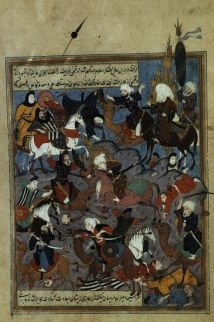
Historical Background of the Battle of Uhud
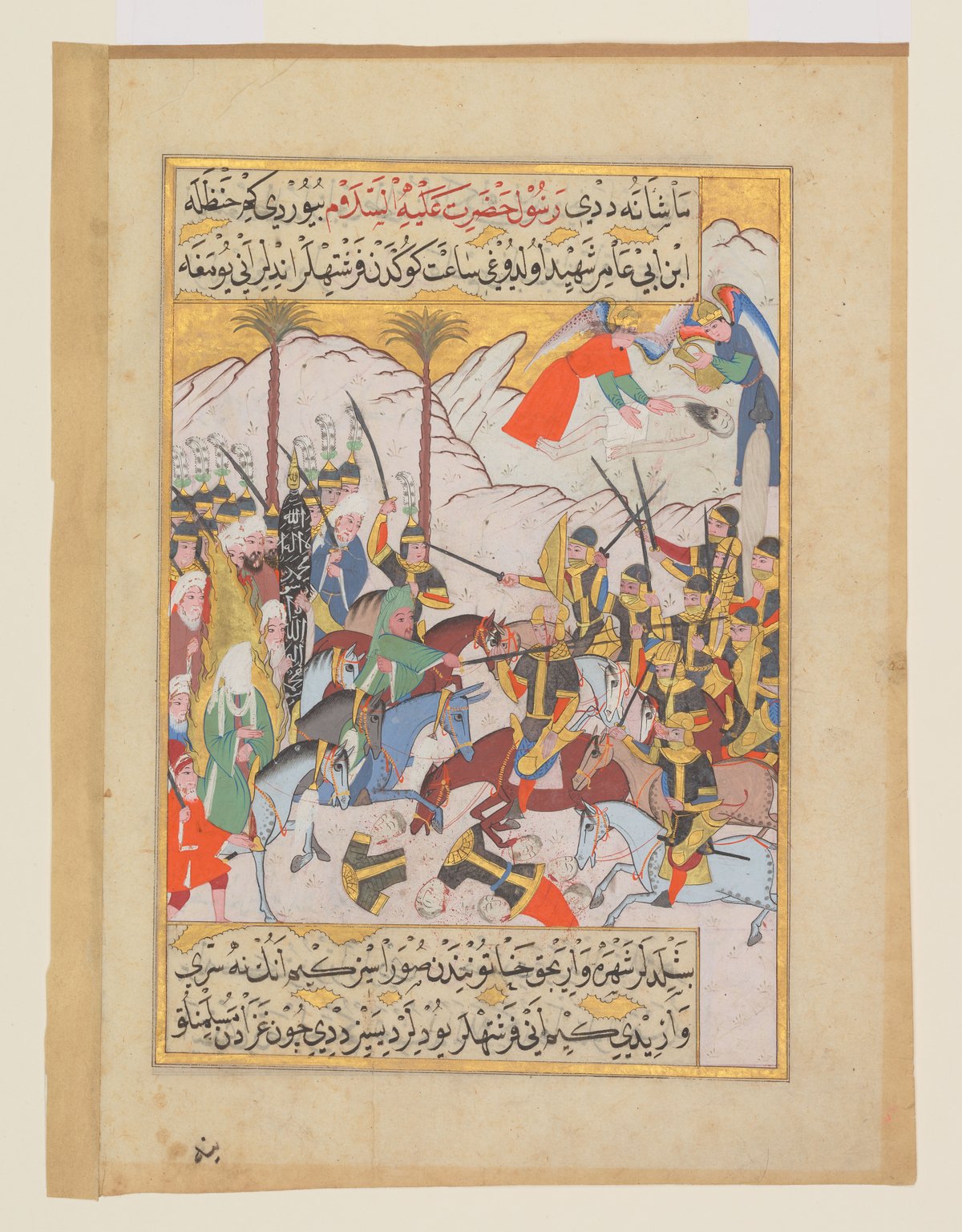
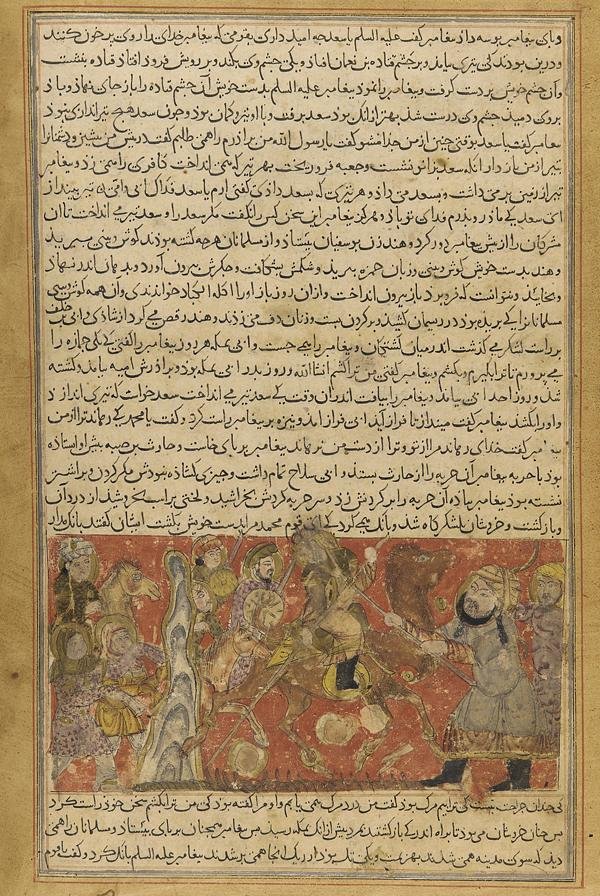
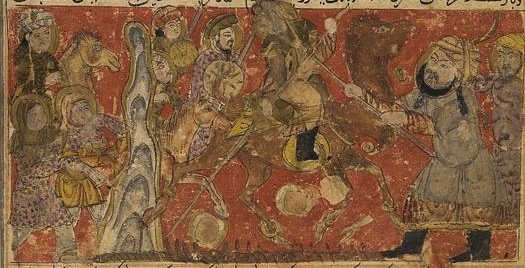
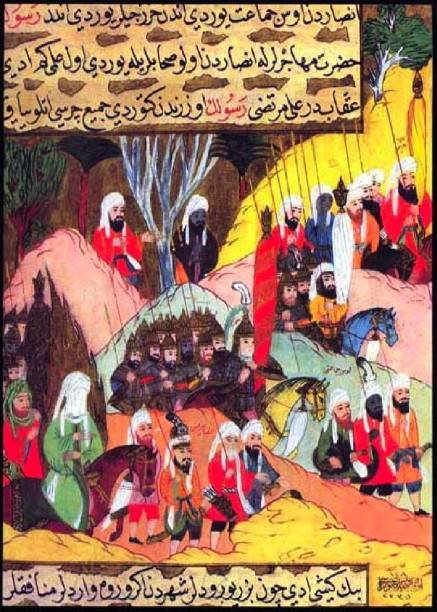
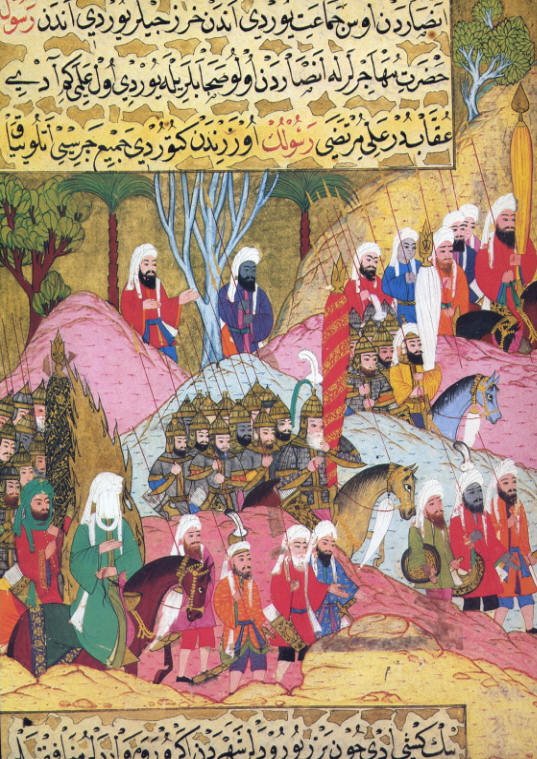
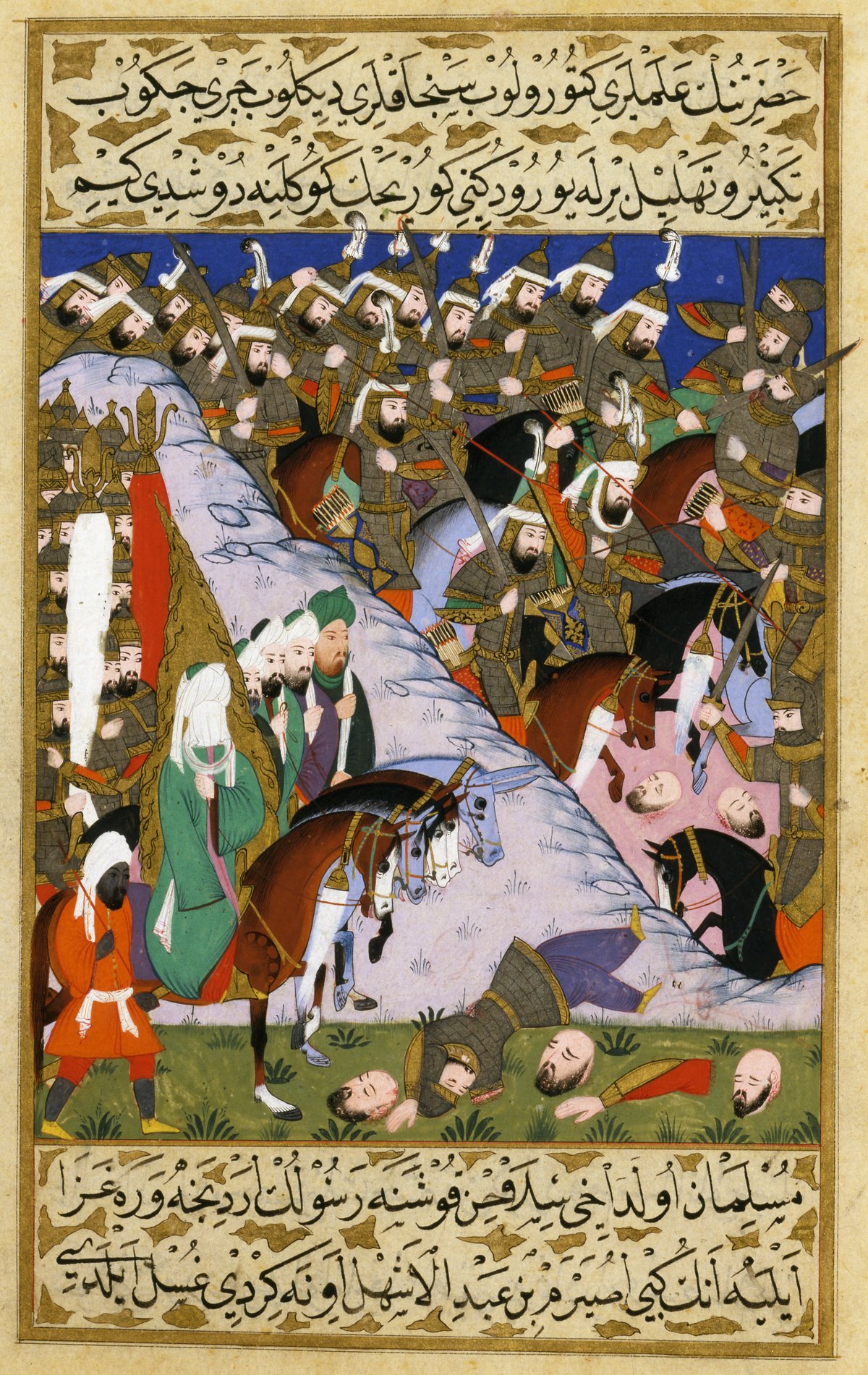
The Battle of Uhud stands as a defining moment in early Islamic history. In response to the previous defeat at Badr, the Quraysh of Mecca, led by Abu Sufyan, assembled some 3,000 fighters to confront a Muslim force of roughly 700. The battle unfolded on the slopes and in the valley beneath Mount Uhud, a 7.5 km long ridge rising to 1,077 meters.
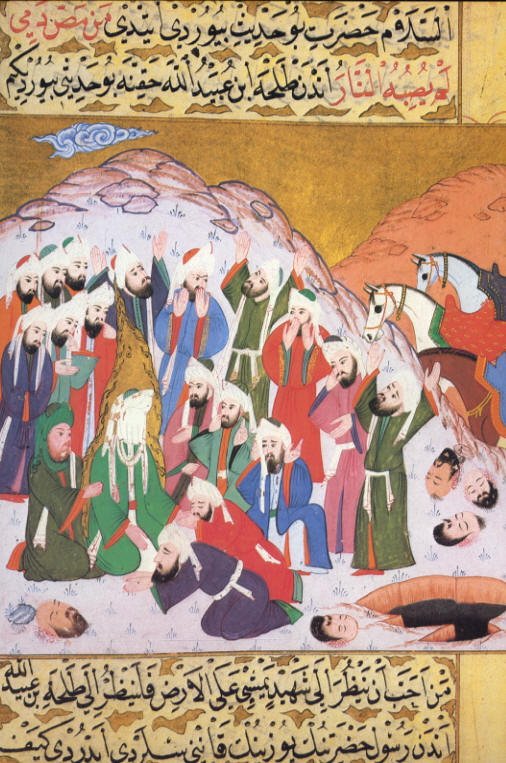
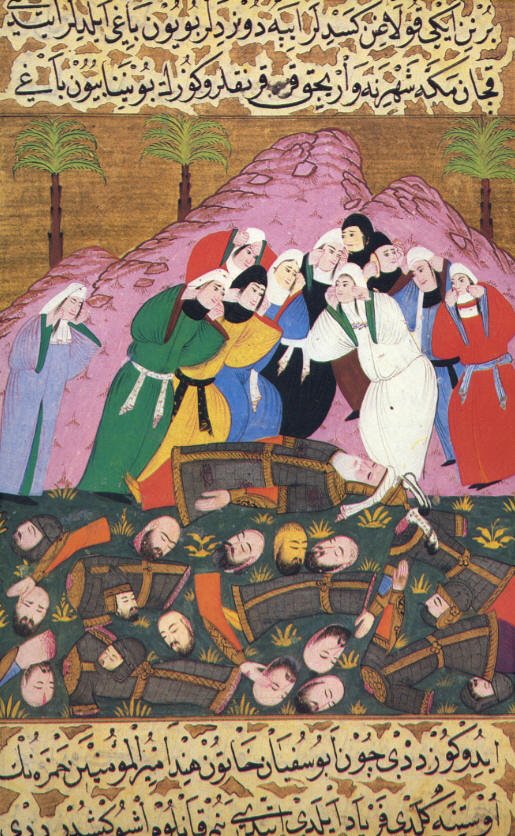
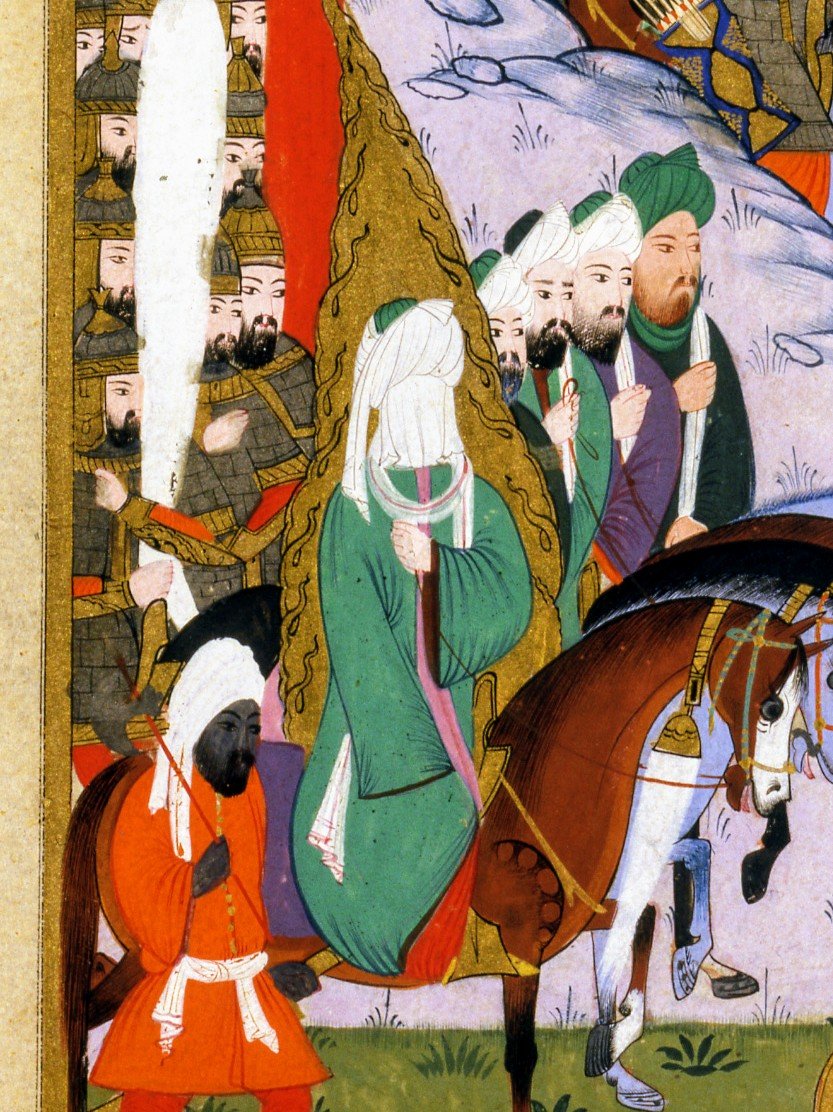
Prophet Muhammad (peace be upon him) strategically positioned his forces with the mountain to their rear and stationed 50 archers atop Jabal al-Rumah to guard against enemy cavalry. The Muslims initially gained an advantage, but a premature withdrawal by some archers allowed the Quraysh cavalry, under Khalid ibn al-Walid, to outflank the Muslims, resulting in significant losses—including the martyrdom of Hamza ibn Abdul-Muttalib, the Prophet's uncle (karmaadve.com; visitalmadinah.com).
Religious and Cultural Significance
Mount Uhud’s sanctity is deeply rooted in Islamic tradition. The Prophet Muhammad (peace be upon him) described it as, “Uhud is a mountain which loves us and we love it” (Sahih Bukhari), reflecting the spiritual connection between the early Muslim community and this landscape. The battle’s outcome reinforced vital lessons in obedience, unity, and resilience for generations of Muslims.
The Martyrs’ Cemetery, resting place of over 70 companions including Hamza ibn Abdul-Muttalib, serves as a focal point for prayer and reflection, fostering a spiritual bond with the earliest generations of Islam. Pilgrims honor the sacrifices made here and meditate on the enduring values of faith and perseverance (myislamicdua.com; visitalmadinah.com).
Practical Visitor Information
Visiting Hours
- Open daily 8:00 AM to 6:00 PM
- Best times Early morning or late afternoon to avoid midday heat and for optimal photography conditions
- Note Visiting hours may change during Ramadan or religious holidays; always check official sources before your visit (visitalmadinah.com).
Ticketing and Guided Tours
- General entry Free of charge
- Guided tours Available through authorized operators; fees may apply for tours that include in-depth historical narration or access to the on-site museum
- How to book Reserve guided tours online, via travel agencies, or at Medina visitor centers (visitalmadinah.com).
Accessibility and Facilities
- Site access Reachable by car, taxi, or organized tour from central Medina (5–7 km from Masjid al-Nabawi)
- Parking Available near the main entrance
- Facilities Restrooms, shaded rest areas, kiosks for snacks and drinks, information centers, and souvenir shops
- Terrain Some paths are uneven or steep; wear comfortable shoes. Wheelchair access is available in main areas, but hiking trails are not suitable for those with mobility limitations (puretrip24.com).
Transportation
- Taxis & Ride-Hailing Widely available (Uber, Careem)
- Public Transport SAPTCO buses connect major sites; nearest stop may require a short walk
- Car Rental Convenient for flexible travel; ample parking at the site (puretrip24.com; blog.seyaha.net).
Dress Code and Etiquette
- Modest attire Cover arms and legs; women should wear an abaya and headscarf
- Footwear Sturdy, comfortable shoes for walking or hiking
- Religious etiquette Maintain respect at graves and during prayer times, avoid loud behavior, and follow photography restrictions as posted (visit Al Madinah).
Health, Safety, and Comfort
- Hydrate Carry sufficient water, especially in hot weather
- Sun protection Use sunscreen, hats, and sunglasses
- First aid Bring a basic kit if hiking
- Weather Check forecasts, especially in summer or during rare rainfall (regencyholidays.com).
Key Features and Memorials
- Martyrs’ Cemetery Resting place of over 70 companions, including Hamza ibn Abdul-Muttalib. Visitors often offer prayers and reflect on the sacrifices made here (audiala.com).
- Archers’ Hill (Jabal al-Rumah) Significant vantage point during the battle; visitors can climb for panoramic views and to appreciate its historical importance (visitalmadinah.com).
- Battlefield Markers and Museum Plaques and boards detail the battle’s events; the museum displays artifacts such as weapons and documents for immersive learning (travelsetu.com).
Additional activities include hiking trails, traditional archery experiences, family picnic areas, and guided photography tours focusing on sunrise, sunset, and the natural landscape.
Nearby Attractions
Combine your visit to Mount Uhud with other historic sites in Medina for a comprehensive spiritual and cultural experience:
- Masjid al-Nabawi (The Prophet’s Mosque)
- Masjid al-Qiblatain (Mosque of the Two Qiblas)
- Quba Mosque
- Jannat al-Baqi Cemetery
- Medina’s Old City markets (audiala.com).
Environmental and Conservation Considerations
Saudi authorities have implemented preservation efforts, including:
- Controlled access Fencing and signage to protect sensitive areas
- Maintenance Regular cleaning and repairs
- Educational outreach Information centers and guided tours
- Conservation Archaeological research and clear visitor guidelines (visitalmadinah.com; regencyholidays.com).
Visitors are encouraged to respect the environment by disposing of litter responsibly and avoiding disturbance of natural features or wildlife.
FAQs
Q: What are Mount Uhud's visiting hours?
A: Daily from 8:00 AM to 6:00 PM, with possible variations during religious holidays.
Q: Is entry free?
A: Yes, general entry is free. Fees may apply for guided tours or museum access.
Q: Are guided tours available?
A: Yes, in multiple languages, bookable through official channels or local operators.
Q: How do I get there from Medina’s city center?
A: By taxi, ride-hailing apps, public bus, or car rental.
Q: Is the site family-friendly?
A: Yes, with educational opportunities and picnic areas for children and families.
Q: Can I hike to the summit?
A: Yes, but trails are steep and require appropriate footwear and fitness.