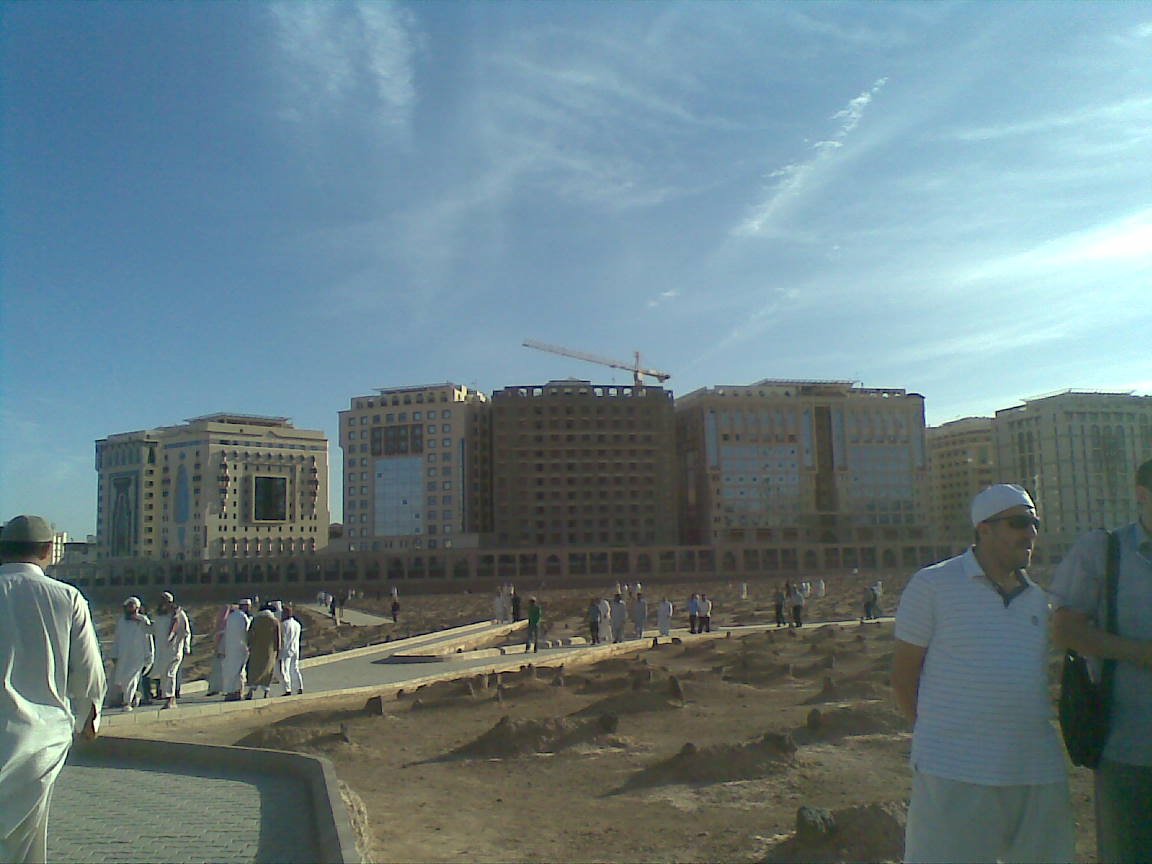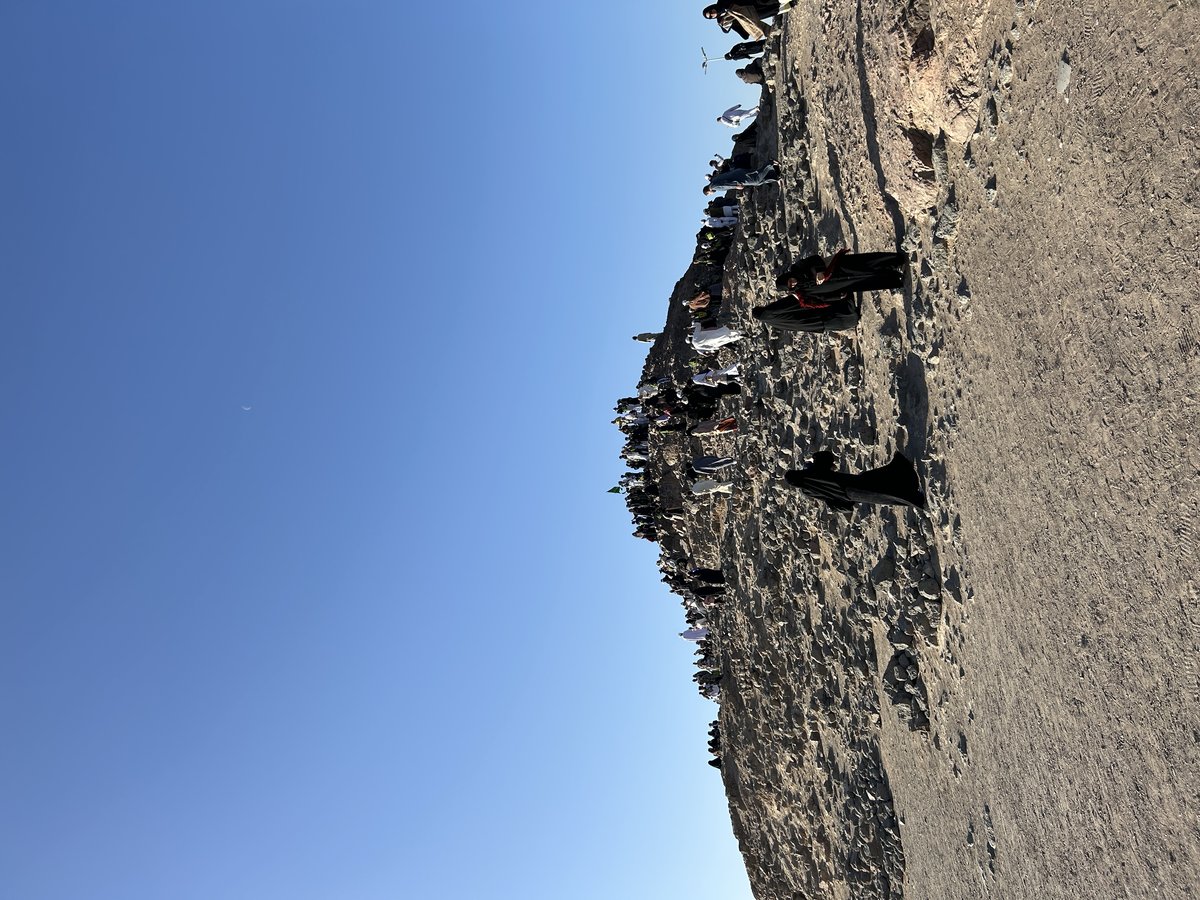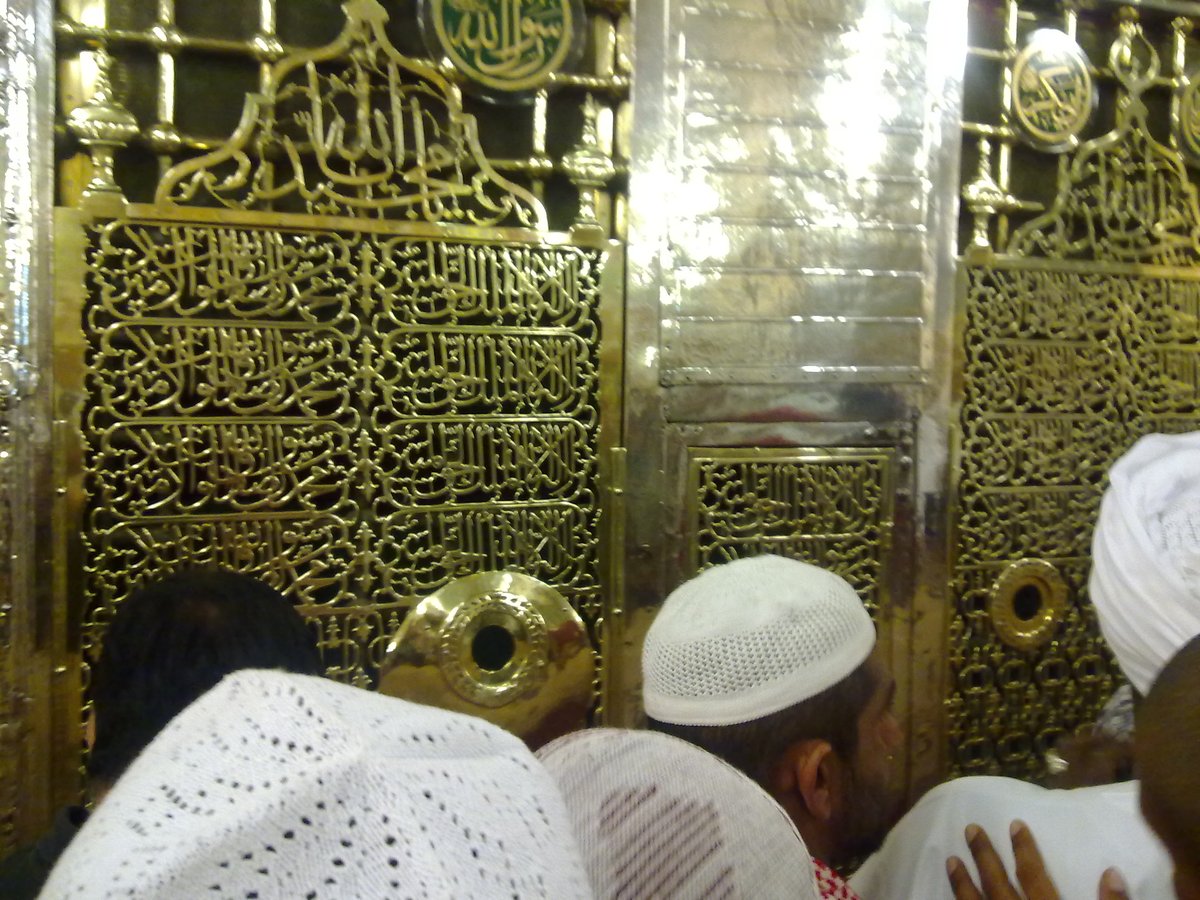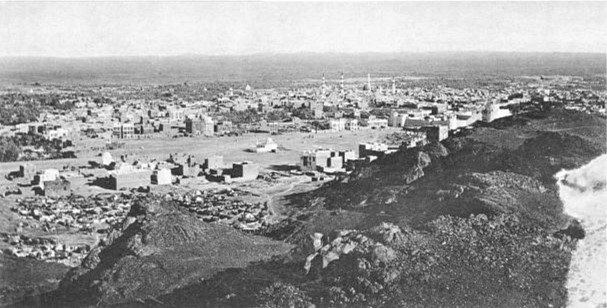
Medina
location_on 18 attractions
calendar_month November to March
schedule 3-4 days

Introduction

The call to prayer rolls across Medina at sunset and something shifts. Thousands of shoulders brush in the Prophet’s Mosque courtyards while the scent of Ajwa dates and frankincense drifts from the stalls outside. In Saudovskaya Araviya’s second-holiest city the sacred and the everyday refuse to stay separate. You feel it the moment you step into the evening air.
Most visitors arrive expecting only the Haram and the classic ziyarat. They miss the basalt ruins of Ottoman forts on the slopes of Uhud, the quiet wells where the Prophet once drank, and the revived Hejazi markets where women still work alabaster in the old Al-Ainiyah workshops. Medina keeps layers most pilgrims never see.

The city moves to prayer times. Shops pause, streets empty for minutes, then refill with families heading to Quba Boulevard for coffee and tamees after Isha. This rhythm is not background noise. It is the city itself.

Yet Medina has begun showing a second face. New walking trails thread through Al-Aqiq Valley, the Heritage Quarter mixes restored houses with craft stalls, and the Hijaz Railway Museum sits inside its original 1906 station like an unopened letter from the Ottoman past. Stay long enough and the place stops feeling like a pilgrimage stop. It starts feeling like a city that remembers everything.

Places to Visit

The Most Interesting Places in Medina

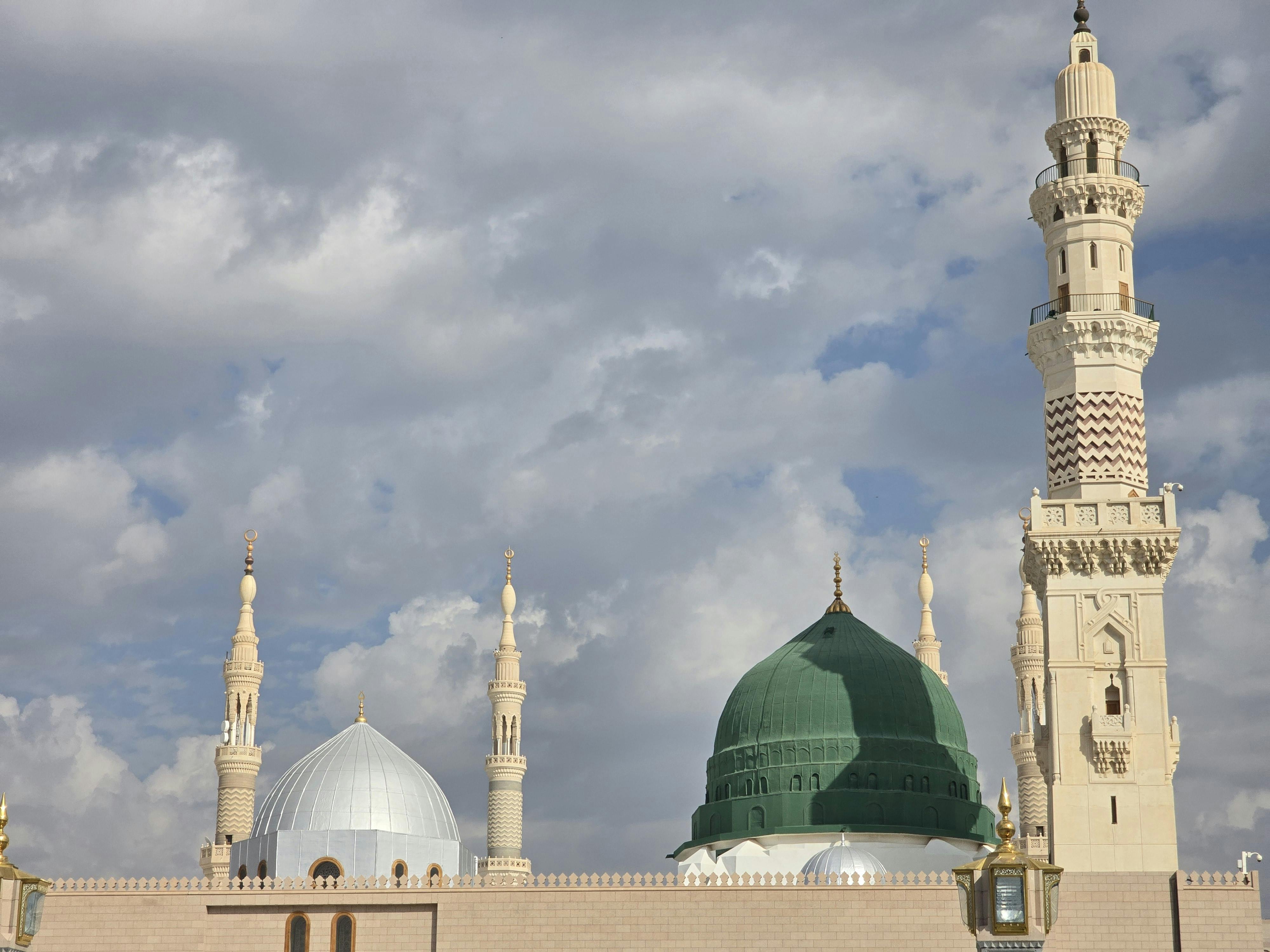
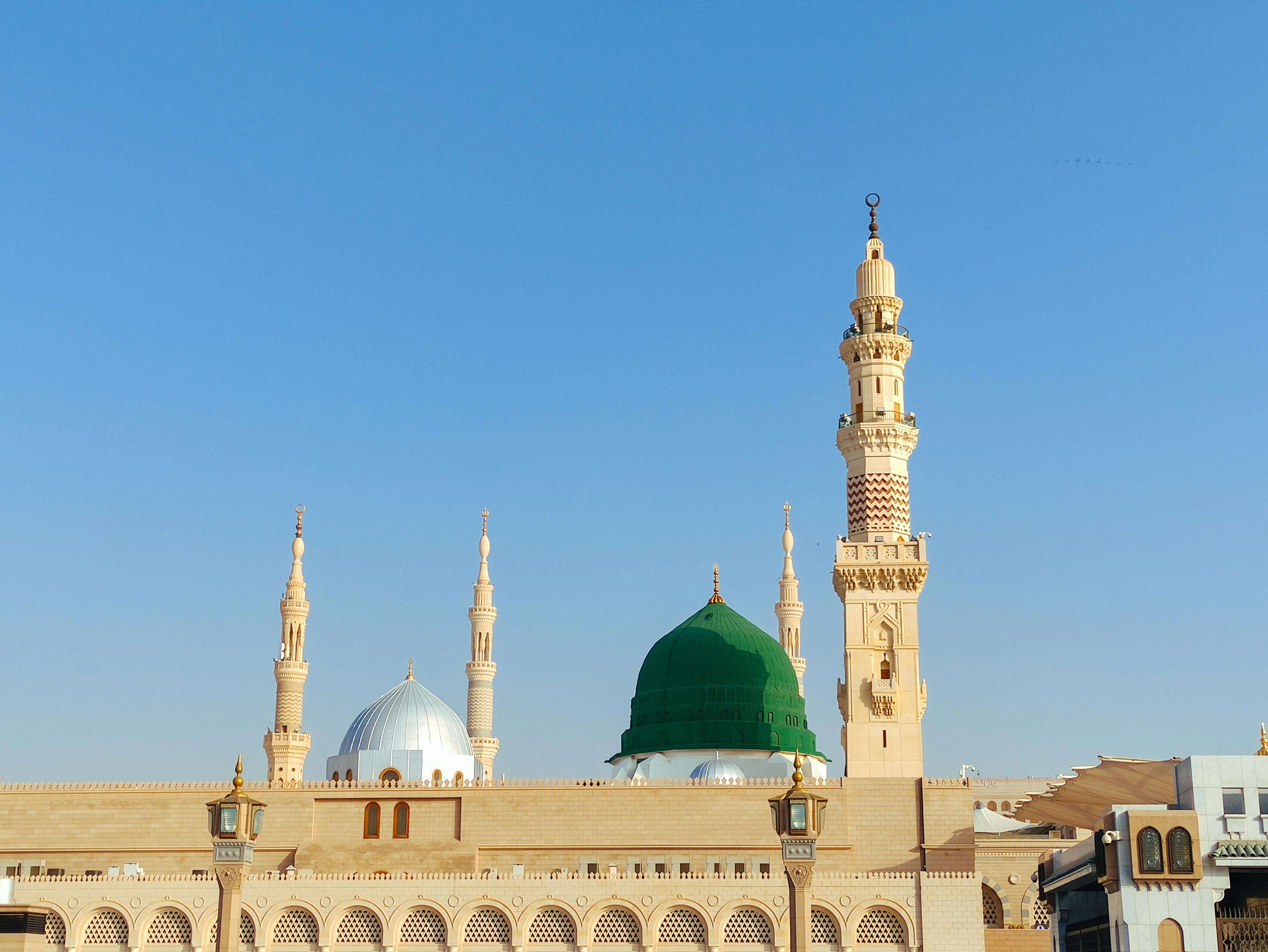
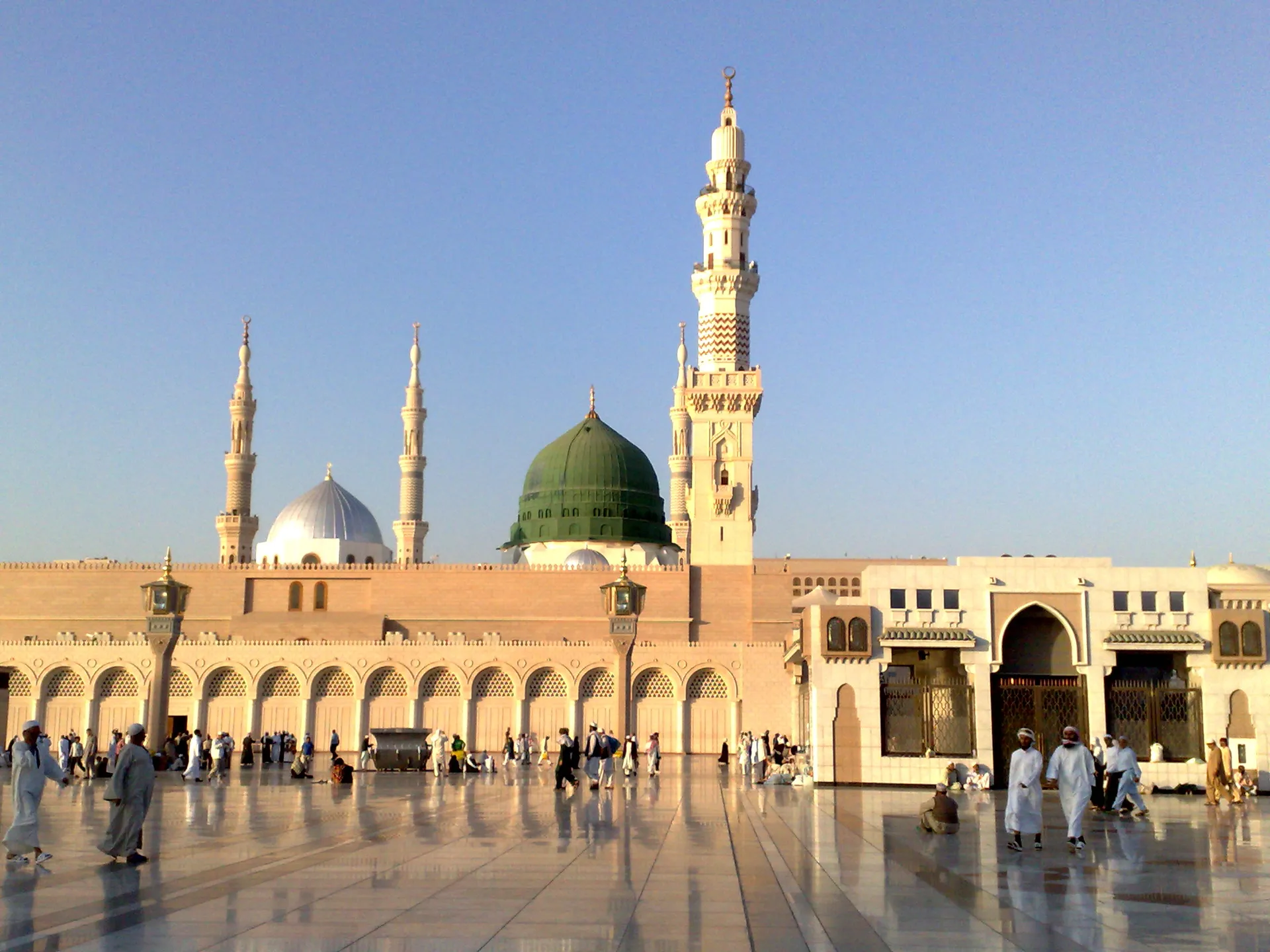
Prophet'S Mosque

Prophet'S Mosque

Founded in 622 as a palm-trunk prayer space, the Prophet's Mosque became Medina's sacred center, where gates, prayer rhythms, and memory still shape the city.

Quba Mosque

Quba Mosque

Islam's oldest mosque, founded 622 CE, promises a reward equal to Umrah for every prayer said here — and locals return every Saturday to claim it.

Green Dome

Green Dome

The Prophet was buried in Aisha's room here in 632, and Medina grew around that fact. The Green Dome is less a monument than the city's sacred compass.

landscape

Al-Salam Museum

The Dar Al Madinah Museum, located in the historic city of Medina, Saudi Arabia, offers visitors a unique opportunity to delve into the rich and diverse…

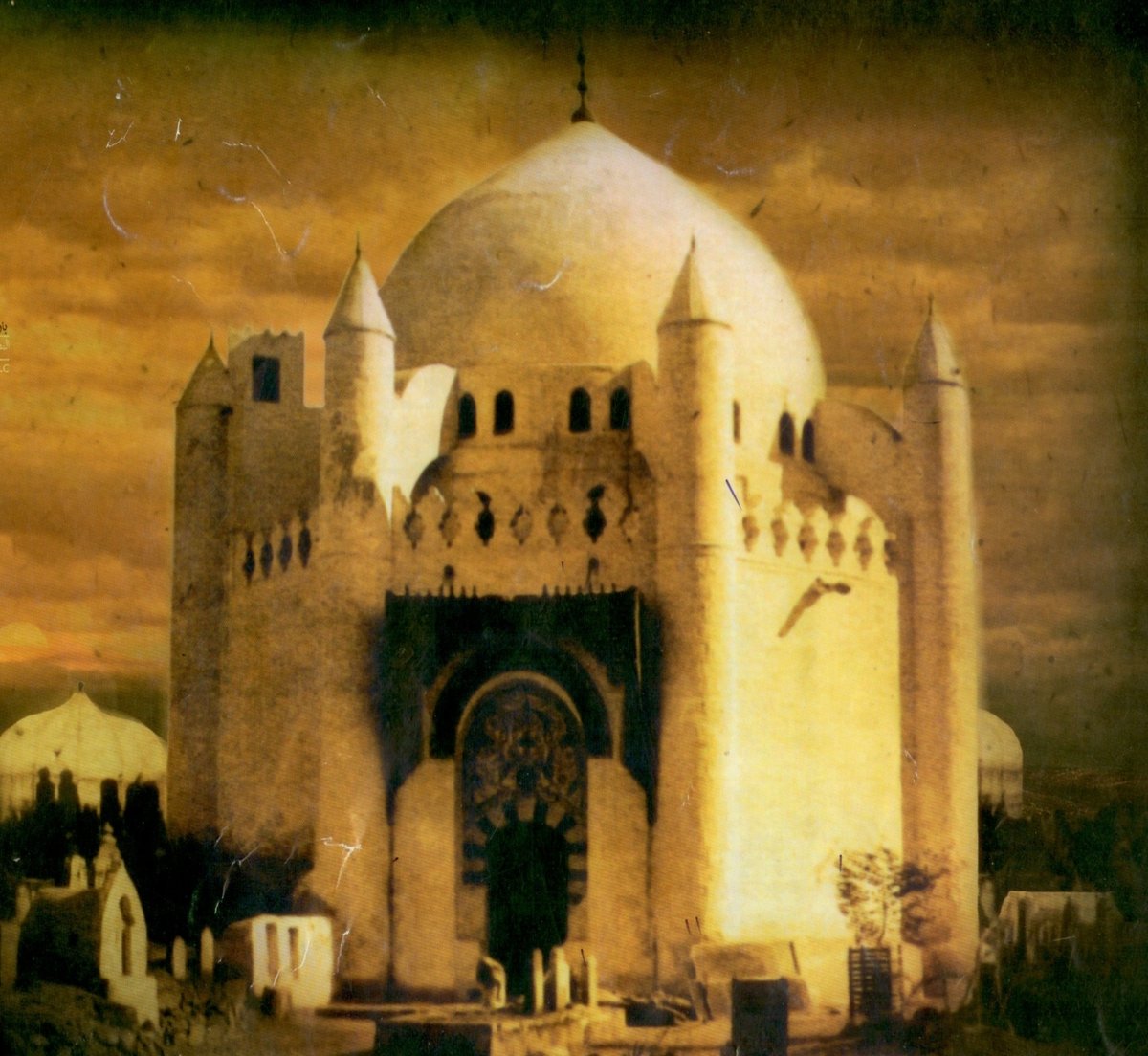
Hassan Ibn Ali

Hassan Ibn Ali

Visiting the tomb of Hasan ibn Ali in Medina, Saudi Arabia, offers an extraordinary journey through Islamic history, spirituality, and cultural heritage.

landscape

The Seven Mosques

The Seven Mosques, also known as Saba Masajid, stand as a cluster of historically and spiritually significant small mosques located on the western edge of…

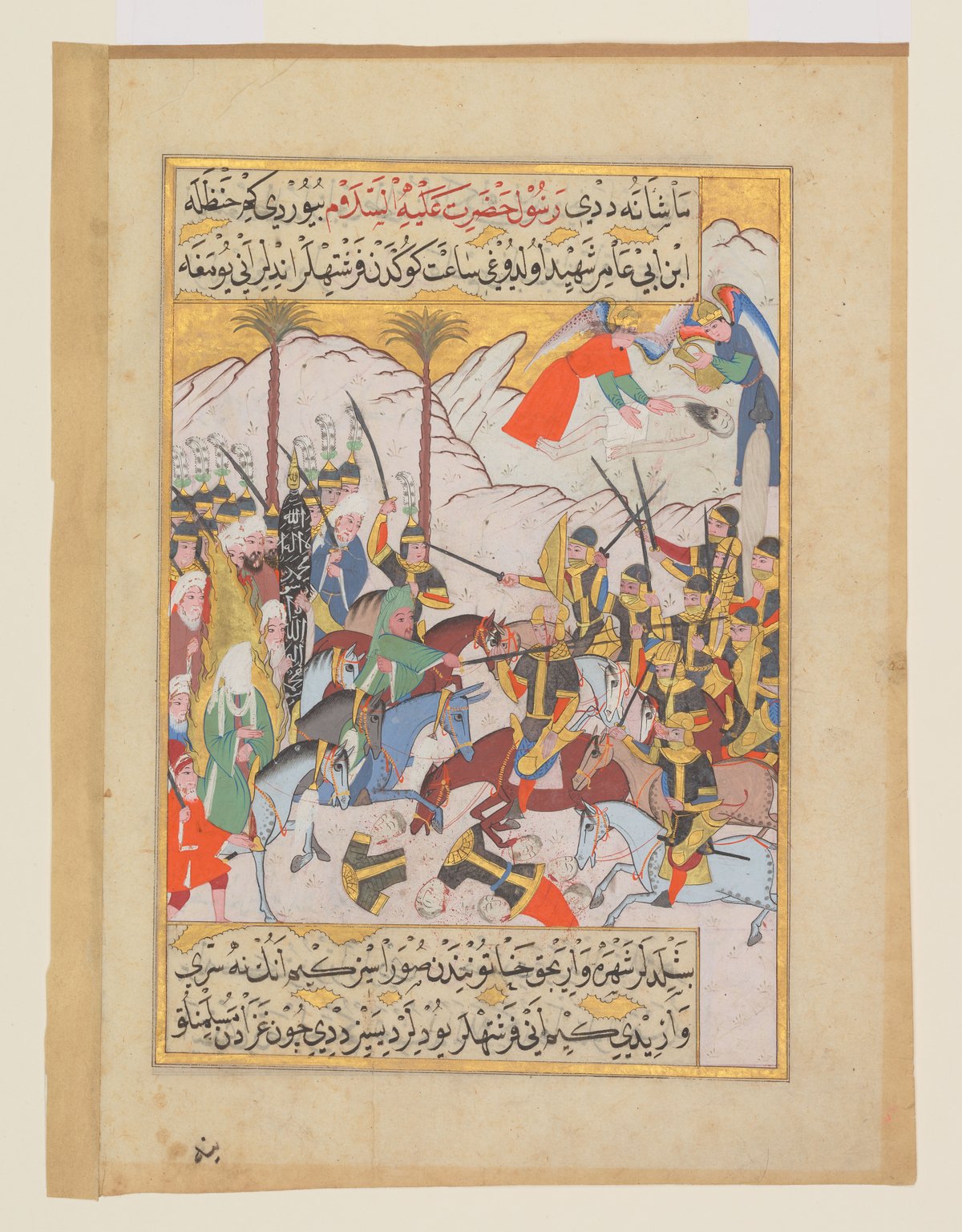
Battle of Uhud

Battle of Uhud

Mount Uhud, situated just north of Medina, Saudi Arabia, stands as one of the most historically and spiritually significant landmarks in Islamic heritage.

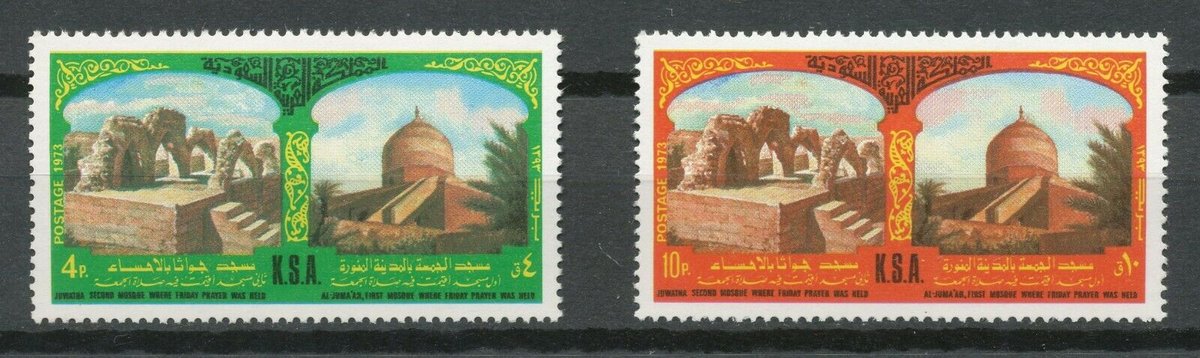
Al Jum'Ah Mosque

Al Jum'Ah Mosque

Al Jum'Ah Mosque, also known as Masjid Al-Jummah, stands as one of Medina’s most historically and spiritually significant mosques.

landscape

Al-Madinah Museum

Nestled in the heart of one of Islam’s holiest cities, the Al-Madinah Museum, also known as Dar Al Madinah Museum, offers an immersive journey through…

landscape

Amberiye Mosque

Nestled in the historic city of Medina, Saudi Arabia, the Amberiye Mosque—also known as Masjid al-Anbariya—is a distinguished Ottoman-era landmark that…

landscape

Al-Ijabah Mosque

Al-Ijabah Mosque, also known as Masjid Bani Muawiya or Masjid al-Mubahalah, stands as a beacon of spiritual heritage and historical depth in the holy city of…

landscape

As-Sabaq Mosque

Situated in the historic and spiritually rich city of Medina, Saudi Arabia, As-Sabaq Mosque offers visitors a unique window into the early Islamic era,…

What Makes This City Special

The Prophet’s Mosque

Everything in Medina orbits Al-Masjid an-Nabawi. Stand in the vast courtyard at night and watch the green dome glow under floodlights while thousands move in quiet circles. The scale surprises you first, then the calm that somehow holds inside millions of footsteps.

Quba Walking Trail

The 3-kilometre shaded path between the Prophet’s Mosque and Quba Mosque is the city’s real secret. Palm trees, date vendors, and the low murmur of walkers replace traffic noise. Bike it at dawn or walk it after sunset when the air finally cools.

Hijaz Railway Museum

Inside the restored Ottoman station in Anbariya sits one of Medina’s least-visited treasures. The old Hejaz Railway carriages and faded timetables tell the story of a desert empire that tried to shrink time. Free entry, empty most afternoons.

Al-Aqiq Valley Trails

A 1,600-metre walking path above the valley floor gives the only real elevated view of Medina’s palm groves and distant mountains. The light here changes dramatically at sunset, turning the basalt hills the colour of burnt copper.

Historical Timeline

The Oasis That Became an Empire's Cradle

From ancient Yathrib to the city that still shapes one billion lives

castle
c. 550 BCE

First Written Mention

Babylonian king Nabonidus left inscriptions naming Yathrib. The oasis already supported date palms, wells, and rival tribes. Jewish settlers had begun arriving, fleeing troubles farther north. Their presence would define the city's character for the next thousand years.

church
c. 135 CE

Jewish Settlement Deepens

After Hadrian crushed the Bar Kokhba revolt, more Jewish refugees reached the Hejazi oasis. They brought learning, agriculture, and stone-working skills. By the fifth century they dominated Yathrib's economy and politics. The stage was quietly set for a transformation no one could foresee.

church
622

The Hijrah Changes Everything

On 20 September the Prophet Muhammad arrived in Yathrib after a dangerous journey from Mecca. The oasis was renamed Medina. Within months he drafted the Constitution of Medina, binding Arab and Jewish tribes into a single political community. The Islamic calendar begins here.

church
622

Muhammad Builds First Mosque

Muhammad personally helped construct a simple courtyard mosque of palm trunks and mud bricks. It doubled as home, court, and meeting hall. This modest building became the architectural template for every mosque that followed. Its shadow still falls across the modern city's heart.

swords
625

Battle of Uhud

Meccan forces clashed with the Muslims at the foot of Mount Uhud, just north of the city. Muhammad was wounded. The archers' premature descent from the mountain cost the Muslims dearly. Yet the city held. The mountain and the martyrs' cemetery remain places of quiet reflection today.

swords
627

The Trench Saves Medina

Salman al-Farisi suggested digging a defensive ditch around the vulnerable sides of the city. Ten thousand confederates camped outside for weeks but could not cross. The Battle of the Trench marked the last serious attempt to destroy the young community by force. Medina would never again be so vulnerable.

church
632

Muhammad Dies in Medina

The Prophet died in the small room beside his mosque. Abu Bakr steadied the shocked community with a few calm words. Muhammad was buried where he died. That simple grave remains the second-holiest site in Islam. The city's destiny was now permanently tied to his memory.

person
632

Abu Bakr Becomes Caliph

Born in 573, Abu Bakr had been Muhammad's closest companion during the Hijrah. He was chosen as the first caliph right here in Medina. For two years he ruled the fragile new state from the same modest mosque. He too was buried beside the Prophet.

swords
656

Uthman Assassinated

The third caliph was killed in his Medina home while reading a Qur'an. Rebels from Egypt and Iraq broke into the house. Blood from his wounds stained the pages. The murder shattered the unity of the early community and ended Medina's time as political capital.

church
706-709

Umayyad Mosque Expansion

Caliph al-Walid I ordered the Prophet's Mosque completely rebuilt on a grander scale. Governor Umar ibn Abd al-Aziz oversaw the work. For the first time the Prophet's burial chamber was incorporated inside the mosque itself. The building lost its original simplicity forever.

person
717

Umar II, the Pious Caliph

Born in Medina in 682, Umar ibn Abd al-Aziz briefly restored moral authority to the caliphate. He had served as governor here and knew the city's scholars well. His short reign from 717 to 720 is still remembered as a golden moment between conquest and dynastic excess.

school
777-781

Abbasid Reconstruction

Caliph al-Mahdi poured money into yet another expansion of the mosque. The building grew again. Medina had become the intellectual heart of the emerging Maliki school of law. Scholars sat in circles under the palm trees, arguing fine points of jurisprudence that still shape Muslim life.

local_fire_department
1256

Fire and Lava

Two disasters struck the same year. First a fire ravaged the Prophet's Mosque. Then earthquakes shook the ground and a volcano erupted 20 km southeast. Lava flowed toward the city for days before miraculously turning away. The terrified residents saw both divine wrath and divine protection.

church
1279

Birth of the Green Dome

A simple wooden cupola was built above the Prophet's tomb. Over the centuries it would be rebuilt and finally painted the distinctive green that millions recognize today. The dome became the visual symbol of Medina more than any minaret or gate.

church
1481

Mamluk Rebuilding

Another lightning-caused fire damaged the mosque. Sultan Qaitbay responded with lavish restoration. The Mamluks understood that control of Medina's holy sites mattered as much as control of Egypt itself. Their craftsmen left their mark on the shrine for the next three centuries.

castle
1517

Ottomans Take Control

After conquering Egypt, the Ottomans extended their authority over the Hejaz. Medina became an imperial city governed from Istanbul yet still led locally by sharifs. The balance between distant sultan and local holy families would last four hundred years.

church
1837

The Dome Turns Green

Ottoman craftsmen painted the dome its current green color. The shade has remained unchanged ever since. From a distance across the date palms, the Green Dome still signals to pilgrims that they have reached their destination.

factory
1908

Hejaz Railway Arrives

The 1,320-kilometre railway from Damascus finally reached Medina. Steam engines brought thousands more pilgrims each year. The grand Ottoman station still stands, now a museum. You can almost hear the whistles and smell the coal smoke in its empty halls.

swords
1916-1919

The Long Siege of Medina

During the Arab Revolt, Ottoman commander Fahreddin Pasha refused to surrender. He held the city for two and a half years while the desert around him fell to Hashemite forces. His men ate their horses and then their dogs. The siege ended only in January 1919.

swords
1925

Ibn Saud Captures Medina

Wahhabi forces entered the city in December. Ikhwan units destroyed many ornate tombs and markers around the mosque. The Green Dome itself survived, but Medina's physical connection to its medieval past was deliberately thinned. A new era had begun.

factory
1953

Date Processing Plant Opens

The new factory processed millions of Medina's famous dates for export. Even as pilgrimage grew, agriculture remained central to the local economy. The scent of drying dates still drifts through certain neighborhoods during harvest season.

church
1984

King Fahd's Massive Expansion

The second Saudi expansion of the Prophet's Mosque added 82,000 square metres. The complex could now hold over 650,000 worshippers. Air-conditioned galleries and vast marble courtyards replaced older structures. The scale changed the experience of visiting forever.

church
2012

Third Expansion Begins

The largest project in the mosque's history was launched. When completed the entire precinct will cover over one million square metres. Engineers worked around the clock while millions continued to pray. The city is still growing around this ever-expanding heart.

flight
2023

Fourteen Million Visitors

Official figures recorded more than 14.1 million visitors in a single year. They spent 49 billion Saudi riyals. The ancient oasis has become one of the most visited religious cities on earth. Yet at night, away from the floodlit mosque, you can still find quiet corners that feel like old Medina.

schedule
Present Day

Notable Figures

Muhammad

c. 570–632 · Prophet of Islam
Migrated here in 622, lived and died here

He arrived as a refugee in 622 and within a decade turned a collection of feuding tribes into the nucleus of a new civilisation. He died in the small room attached to the mosque he built with his own hands. Today that same mosque covers more than 400,000 square metres, yet the original footprint remains visible beneath glass.

Abu Bakr

573–634 · First Caliph
Migrated with Muhammad, buried in Medina

He walked beside Muhammad during the Hijrah and then led the community from the same city after the Prophet’s death. His two-year rule began and ended in Medina. Visitors still see his simple grave beside Muhammad’s in the Chamber.

Umar ibn al-Khattab

c. 586–644 · Second Caliph
Governed the early Islamic state from Medina

He expanded the empire from a small house near the mosque yet kept the same austere lifestyle. Assassinated in the Prophet’s Mosque itself, his tomb sits next to Abu Bakr’s. The city he once administered now handles millions of pilgrims each year.

Malik ibn Anas

c. 715–795 · Islamic jurist, founder of Maliki school
Lived and taught in Medina his entire life

For eighty years he rarely left the city, teaching hadith in the shade of the same palm trees the Prophet once knew. His book al-Muwatta’ was compiled from lessons given in Medina’s circles of learning. The city’s legal tradition still carries his name.

Jamal Khashoggi

1958–2018 · Journalist and dissident
Born in Medina

He grew up walking the streets around the Prophet’s Mosque that he later described in his columns. The city that shaped his early years also became part of the story of his final, very public disappearance.

Practical Information

flight

Getting There

Prince Mohammad Bin Abdulaziz International Airport (MED) sits 30 minutes from the Prophet’s Mosque. The official Al-Madinah Region Development Authority shuttle runs every 40 minutes for SAR 11.50. Haramain High-Speed Railway station connects directly to Makkah; bus route 130 links it to the city centre every 15 minutes, 24 hours a day.

directions_transit

Getting Around

Medina operates 177 buses on 15 routes with no metro or tram system in 2026. Single rides cost SAR 3.45 on normal lines, SAR 11.50 on the airport route 400. Buy the daily pass for 10 rides at SAR 10 or weekly for 35 rides at SAR 60 through the Madinah Bus app. The 3 km Quba Walking Trail is the only dedicated pedestrian and cycling corridor.

thermostat

Climate & Best Time

November to February bring daytime highs of 24–30°C and lows around 12–18°C with almost no rain. Summers hit 43°C from May to September. Winter months deliver the only comfortable temperatures for walking between mosques and sites. March remains tolerable while October already feels like an oven.

translate

Language & Currency

Arabic is the everyday language but English works at the airport, Haramain station, major hotels and all official tourism apps. The Saudi riyal (SAR) is used everywhere. Buses accept only cards, Apple Pay or the Madinah Bus app — cash is not taken on board.

Where to Eat

local_dining

Don't Leave Without Trying

Mandi (slow-cooked rice and meat, especially lamb) Haneeth (slow-roasted meat in a sealed clay pot) Fahsa (meat stew with malooga bread) Masoob (sweet Yemeni breakfast of banana, ghee, and honey) Areekah (creamy wheat and ghee breakfast dish) Ful Medames (stewed fava beans, often with eggs) Kibda (spiced liver, a breakfast staple) Ajwa dates (Medina's signature variety) Harees (wheat and meat porridge) Shawarma and kebabs (grilled meat wraps and skewers)

Zaitoon Restaurant

local favorite
Pakistani & Arabic €€ star 4.8 (33826)

Order: Mutton biryani, chicken karahi, kebabs, and the cheese manakish—this is the casual sit-down pick pilgrims and families return to again and again.

One of Medina's most consistently praised restaurants near the Haram with strong value and a reliable kitchen. The biryani and karahi have earned a loyal local following.

schedule

Opening Hours

Zaitoon Restaurant

Monday–Wednesday 12:30 PM – 12:30 AM
map Maps language Web

Sea Spice Restaurant

local favorite
Seafood & International €€ star 4.6 (1992)

Order: Fresh seafood preparations—this is the spot for grilled fish and curries when you want something lighter than meat-heavy Medina fare.

Excellent rating with a focused seafood menu in a city where grilled meat dominates. Located in the Taiba center near the Haram for convenience.

schedule

Opening Hours

Sea Spice Restaurant

Monday–Wednesday 12:30 PM – 12:30 AM
map Maps

Saja by Warwick, Madinah

fine dining
International & Arabic €€ star 4.5 (22673)

Order: Hotel dining with polished service—order the Arabic mezze spreads or international mains depending on the buffet service.

A Warwick hotel property with high review volume and consistent ratings; reliable for upscale hotel dining if you want air-conditioned comfort and professional service.

Dar Al-Taqwa Hotel Madinah

cafe
Cafe & Light Meals €€ star 4.4 (10971)

Order: Coffee, light breakfasts, and pastries—ideal for a quiet morning before or after prayers near the Prophet's Mosque.

Positioned directly near the Haram with a substantial review base; perfect for a calm cafe break without leaving the sacred area.

Pizza Hut

quick bite
Pizza & International €€ star 4.4 (1527)

Order: Standard pizza and pasta—useful for late-night eating after evening prayers when many visitors are hungry.

Late hours (until 2 AM) make this a reliable option for post-prayer meals when local restaurants may have limited availability.

schedule

Opening Hours

Pizza Hut

Monday–Wednesday 12:00 PM – 2:00 AM
map Maps language Web

ALBAIK

quick bite
Saudi Fast Food star 4.1 (2680)

Order: Broasted chicken with garlic sauce—this is Saudi Arabia's beloved fast-food institution and absolutely part of everyday local food culture.

Open from 8 AM to 3 AM with excellent value; a genuine taste of how Saudis eat, not a tourist play.

schedule

Opening Hours

ALBAIK

Monday–Wednesday 8:00 AM – 3:00 AM
map Maps language Web

Starbucks

cafe
Cafe €€ star 4.0 (2569)

Order: Coffee and pastries—a familiar anchor if you need reliable Western-style cafe standards.

Early opening at 6 AM makes it convenient for pre-dawn breakfast or morning coffee before prayers.

schedule

Opening Hours

Starbucks

Monday–Wednesday 6:00 AM – 12:00 AM
map Maps language Web

KFC

quick bite
Fried Chicken €€ star 4.0 (2919)

Order: Fried chicken—straightforward and available when you want something quick and familiar.

Reliable late-night option (until 1 AM) in the Tibah Center with consistent quality across the chain.

schedule

Opening Hours

KFC

Monday–Wednesday 1:00 PM – 1:00 AM
map Maps language Web
info

Dining Tips

  • check Souq Al-Tabbakha on Qurban Street is the strongest 'eat like a local' experience—open daily with breakfast items (foul, kibda, tamees) until 10 AM, then grilled meat, mandi, and fish until 2 AM.
  • check Haraj al-Halaqah market opens after Fajr prayer until around 9–10 AM for the freshest dates and produce; visit 6–8 AM for peak selection.
  • check Cash is preferred in traditional markets and smaller restaurants; modern establishments accept cards.
  • check Many restaurants operate very late (until 1–3 AM) to serve crowds after evening prayers—plan accordingly if eating after Isha.
  • check Yemeni restaurants (Balqis, Hadramout Kitchen, Qasim) consistently outperform generic 'Arabic' hotel buffets for authentic local flavor.
Food districts: Souq Al-Tabbakha (Qurban Street) — breakfast offal, grilled meats, mandi, and fish in an open-air market setting Al-Masani / Sayyid Al-Shuhada — concentrated Yemeni and South Asian restaurants; the real local eating corridor Prince Abdul Majeed Road — Yemeni specialists and late-night spots popular with pilgrims Taiba Commercial Center / Bada'ah — modern sit-down dining and hotel restaurants near the Haram Haraj al-Halaqah market — early-morning dates, produce, and spices northeast of Masjid an-Nabawi

Restaurant data powered by Google

Tips for Visitors

mosque
Respect prayer times

The Prophet’s Mosque complex closes its outer gates to non-Muslims during the five daily prayers. Plan your visits between salah times or wait quietly outside the marked boundaries.

directions_walk
Walk the Quba Trail

The 3 km shaded path between the Prophet’s Mosque and Quba Mosque is cooler in the early morning. Locals finish the walk before 9 am when the temperature climbs.

shopping_bag
Buy dates at source

Head to the date market near Qurban Street instead of hotel shops. Ajwa dates bought here cost roughly half the price and taste noticeably fresher.

wb_sunny
Avoid summer midday

Temperatures regularly exceed 40 °C from May to September. Schedule outdoor sites like Mount Uhud and the wells for before 10 am or after 4 pm.

restaurant
Eat after Isha

Qurban Street and Quba Boulevard come alive after the evening prayer around 8 pm. Souq Al-Tabbakha offers the most authentic Madini dishes then.

attach_money
Use cash for markets

Smaller food stalls and date sellers around the Heritage Quarter rarely accept cards. Carry 100-riyal notes to avoid overpaying with large bills.

no_drinks
No public eating near Haram

Drinking and eating in the immediate vicinity of the Prophet’s Mosque is frowned upon. Step back at least one block before having water or snacks.

Explore the city with a personal guide in your pocket

Your Personal Curator, in Your Pocket.

Audio guides for 1,100+ cities across 96 countries. History, stories, and local insight — offline ready.

smartphone

Audiala App

Available on iOS & Android

download Download Now

Join 50k+ Curators

Frequently Asked

Is Medina worth visiting? add

Yes, if you are interested in early Islamic history or pilgrimage. The city feels quieter and more introspective than Mecca, with several important mosques and battle sites all within a few kilometres of each other.

How many days do you need in Medina? add

Three full days work for most visitors. One day for the Prophet’s Mosque and immediate surroundings, one for Quba, Uhud and the wells, and one for museums and the Heritage Quarter. Add a fourth if you plan a day trip to Badr or AlUla.

Can non-Muslims visit the Prophet’s Mosque in Medina? add

Non-Muslims may enter the outer courtyards and some public areas of the Prophet’s Mosque but are not allowed inside the main prayer hall or near the Prophet’s Chamber. Security staff enforce these boundaries clearly.

How do you get around Medina? add

Taxis and Careem are cheap and plentiful. The new electric bus network connects the Prophet’s Mosque with Quba and Uhud. Many visitors simply walk the central circuit because distances are short.

Is Medina safe for tourists? add

Medina is one of the safest cities in Saudi Arabia. Petty crime is almost non-existent around the Haram. The main risk is heat exhaustion rather than crime.

When is the best time to visit Medina? add

November to March brings pleasant daytime temperatures between 20-28 °C. Avoid the summer months when the heat makes walking between sites uncomfortable.

What should women wear in Medina? add

Wear loose clothing that covers shoulders, arms and legs. An abaya is not required but a headscarf is advisable near the Prophet’s Mosque. Local women generally cover their hair.

Sources

Last reviewed:

All Places to Visit

35 places to discover

Prophet'S Mosque star Top Rated

Prophet'S Mosque

Quba Mosque star Top Rated

Quba Mosque

Green Dome star Top Rated

Green Dome

photo_camera

Al-Salam Museum

Hassan Ibn Ali

Hassan Ibn Ali

photo_camera

The Seven Mosques

Battle of Uhud

Battle of Uhud

Al Jum'Ah Mosque

Al Jum'Ah Mosque

photo_camera

Al-Madinah Museum

photo_camera

Amberiye Mosque

photo_camera

Al-Ijabah Mosque

photo_camera

As-Sabaq Mosque

photo_camera

Mosque of Al-Saqiya

photo_camera

Al-Fuqair Mosque

photo_camera

Mosque of Al-Fadeekh

Mosque of Al-Ghamama star Top Rated

Mosque of Al-Ghamama

photo_camera

Mosque of Bani Haram

photo_camera

Bani Bayadhah Mosque

photo_camera

Mosque of Atban Bin Malik

photo_camera

Bani Haritsah Mosque

photo_camera

As-Sajadah Mosque

Manartain Mosque

Manartain Mosque

photo_camera

Al-Rayah Mosque

photo_camera

Hejaz Railway Museum

Al-Baqi'

Al-Baqi'

photo_camera

Sayyid Ash-Shuhada Mosque

photo_camera

Masjid Al-Qiblatain

Mount Uhud

Mount Uhud

Sacred Prophetic Chamber

Sacred Prophetic Chamber

Sela

Sela

photo_camera

Al Romat Mountain

photo_camera

Maktabat Al-Masjid Al-Nabawī Al-Sharīf

Q16125427

Q16125427

photo_camera

Prince Mohammed Bin Abdul Aziz Stadium

photo_camera

Boustan Mostazal