Founding and Early Development
USLS originated in 1952 as La Salle College-Bacolod, established amidst the economic boom brought by the sugar industry. The De La Salle Brothers started with just 175 male students, providing primary and secondary education. Their vision laid the groundwork for an institution dedicated to educational excellence and social responsibility (alluniversity.info; Wikipedia).
Expansion and University Status
The institution expanded in the 1960s, becoming co-educational in 1966 and introducing higher education courses. On July 5, 1988, it was granted university status, marking its evolution into a hub for comprehensive academic programs and community engagement (Wikipedia).
Lasallian Mission and Values
USLS is part of the global Lasallian network, upholding the core values of faith, service, and accessible education. Through scholarships and outreach initiatives, the university continues to serve marginalized communities and promote social transformation (usls.edu.ph; edarabia.com).
Institutional Growth and Academic Structure
Today, USLS operates seven colleges offering programs from preschool to postgraduate studies. The main city campus covers 10 hectares, while the 55-hectare Granada Campus supports agribusiness and environmental initiatives (sheenstein.com).
Regional and National Importance
As the second oldest De La Salle campus and the first outside Manila, USLS has shaped education in Western Visayas. Its facilities have hosted regional events, including the 2005 Southeast Asian Games, further cementing its prominence (Wikipedia).
Cultural and Community Contributions
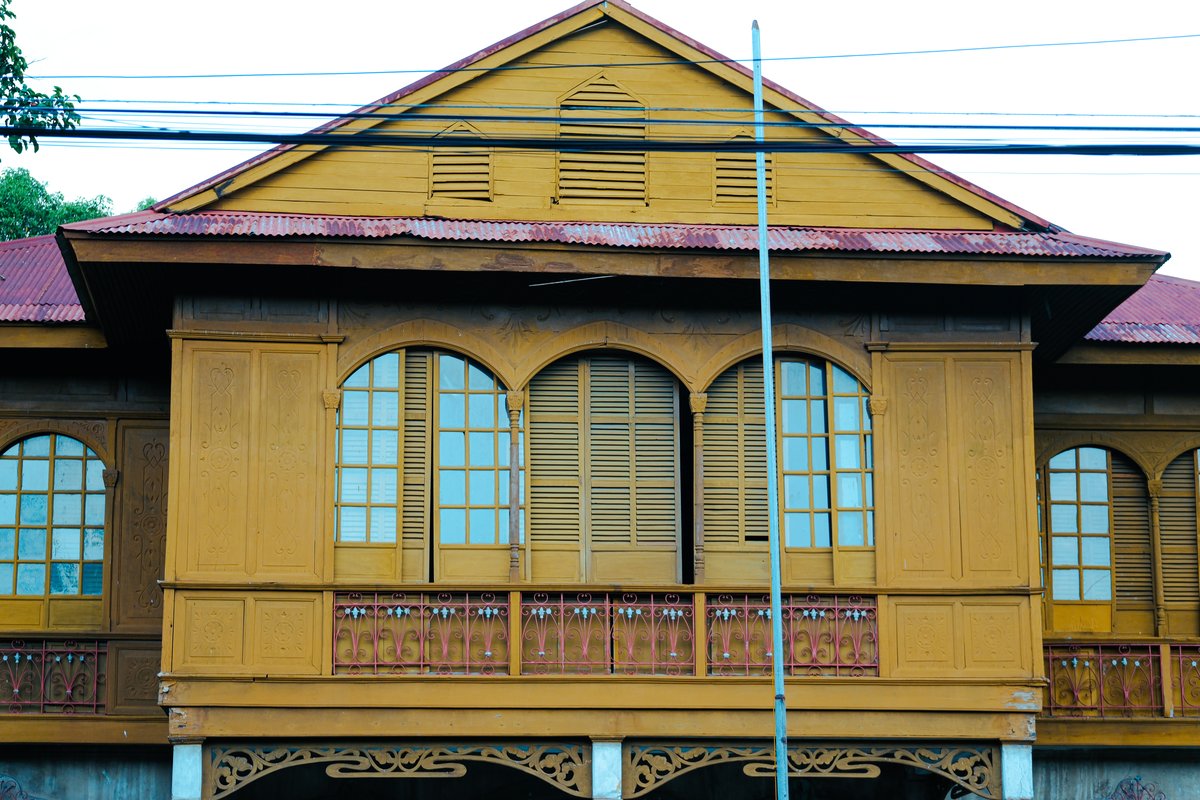
USLS is home to the Museo Negrense de La Salle, which celebrates Negros’ cultural heritage. The university fosters arts, cultural expression, and social justice through vibrant programs and partnerships (trek.zone; alluniversity.info).
Notable Alumni
Distinguished alumni include actor Christian Vasquez and artist Ronnie Lazaro, reflecting USLS’s impact beyond academia (edurank.org).
Accreditation and Internationalization
USLS welcomes foreign students, offers TESDA and senior high programs, and holds PHREB Level 2 Accreditation for Research Ethics, with regional and national quality awards (usls.edu.ph).
2. Visiting the University of St. La Salle
Visiting Hours
USLS is open to visitors from 8:00 AM to 5:00 PM, Monday through Saturday. For the latest updates regarding holiday schedules or special events, consult the USLS official website.
Entrance Fees and Tickets
General access to the campus and Museo Negrense de La Salle is free. Some special exhibitions or events may require tickets; information is provided in advance on the university's calendar (Trek Zone).
Guided Tours and Visitor Experience
Guided campus and museum tours can be arranged through the Office of Student Affairs or the museum administration. Tours typically include key sites such as the La Salle Coliseum, Granada Chapel, and museum galleries, providing historical and cultural insights. Advance booking is recommended for groups or educational visits.
Accessibility
The campus features ramps, elevators, and accessible restrooms in most buildings. Visitors with specific needs should notify the university prior to arrival for assistance.
Tips for Tourists
- Wear comfortable shoes and bring water, especially when visiting the Granada Campus.
- Modest attire is required, particularly in chapels and during religious ceremonies.
- Photography is allowed in public areas; seek permission for restricted zones or events.
- Check the university calendar for cultural events or exhibitions during your visit.
3. Key Attractions and Nearby Bacolod Sites
On-Campus Highlights
- Museo Negrense de La Salle Features religious artifacts and local heritage exhibits.
- University Chapel A serene space for reflection and architectural appreciation.
- La Salle Coliseum Used for sports and community events.
- Gardens and Open Spaces Ideal for leisurely walks and photography.
Nearby Historical and Cultural Sites
- San Sebastian Cathedral A historic church with beautiful Gothic-inspired architecture.
- Negros Museum Showcases regional history and art.
- Bacolod Public Plaza Central gathering space for community events.
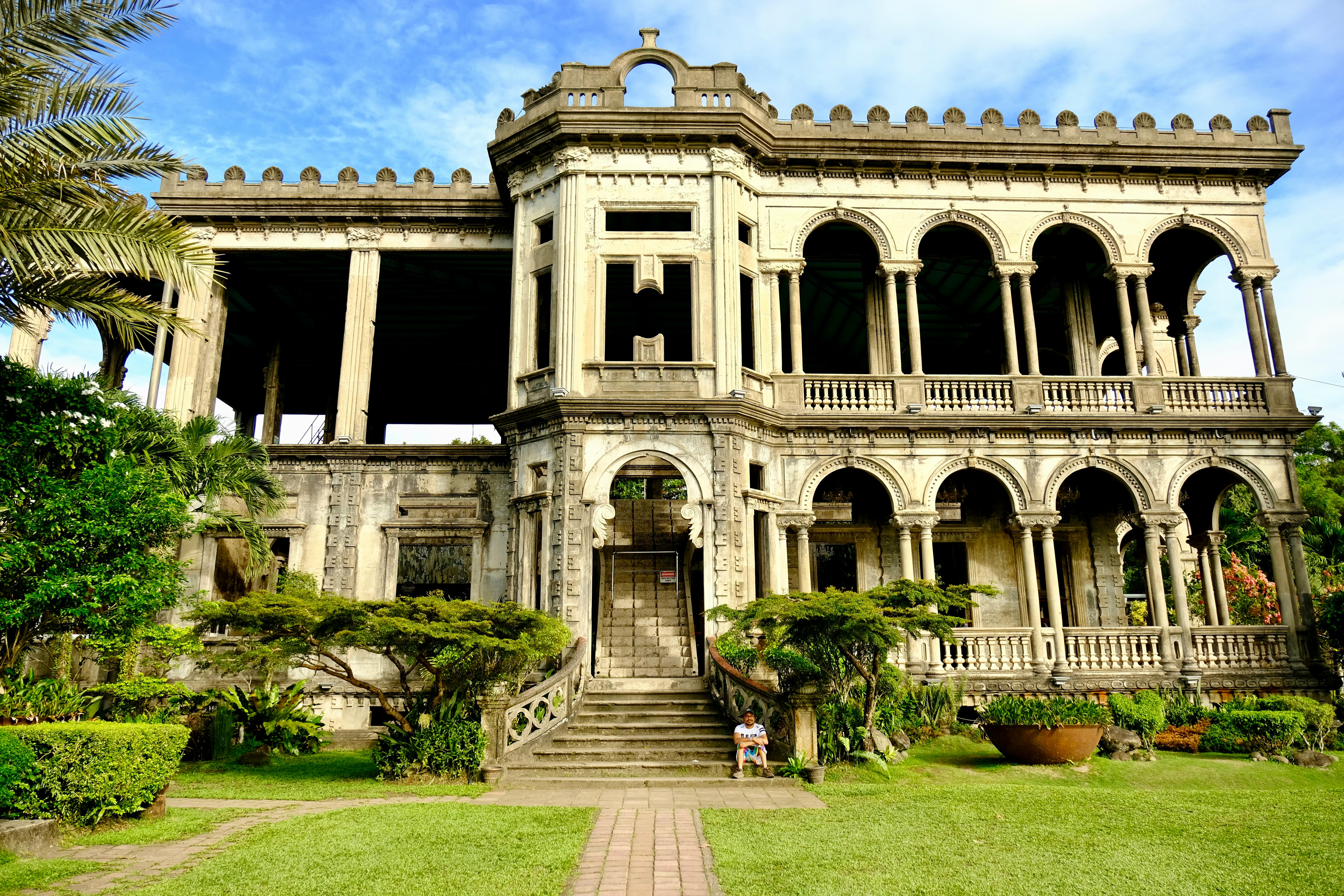
- The Ruins A heritage mansion, perfect for day trips.
- The Upper East Modern township with shops, cafes, and art (Guide to the Philippines).
4. Practical Visitor Information
Dress Code and Conduct
USLS observes a modest dress code in line with its Catholic values. Visitors are expected to dress appropriately and maintain respectful behavior.
Safety and Security
The campus is monitored by 24-hour security and CCTV. While Bacolod is generally safe, visitors should stay alert, especially after dark, and secure personal belongings (Guide to the Philippines).
Food, Refreshments, and Souvenirs
Campus cafeterias serve local and international cuisine, including Bacolod specialties. The campus bookstore offers USLS-branded merchandise. Nearby markets are ideal for local crafts and delicacies.
6. Frequently Asked Questions (FAQ)
Q: What are the visiting hours of the University of St. La Salle?
A: 8:00 AM to 5:00 PM, Monday to Saturday.
Q: Is there an entrance fee?
A: No, general access is free; some events may require tickets.
Q: Are guided tours available?
A: Yes, arrange through the Office of Student Affairs or museum administration.
Q: Is the campus wheelchair accessible?
A: Most facilities are accessible; contact ahead for specific needs.
Q: Are there nearby historical sites to visit?
A: Yes, including San Sebastian Cathedral, Negros Museum, and The Ruins.