
Origins and Foundation
Shri Swaminarayan Mandir Karachi was established in the 19th century, with sources citing its founding year as either 1849 or 1868. The temple was constructed during the British colonial era by migrating Hindu communities from Gujarat and Kutch, inspired by the teachings of Swaminarayan (1781–1830), a renowned spiritual leader and reformer from India. Over the decades, the temple has grown in both size and significance, serving as a spiritual, social, and cultural hub for Hindus in Karachi (Bagicha Blog; Swaminarayan Faith).
Architectural Features and Complex
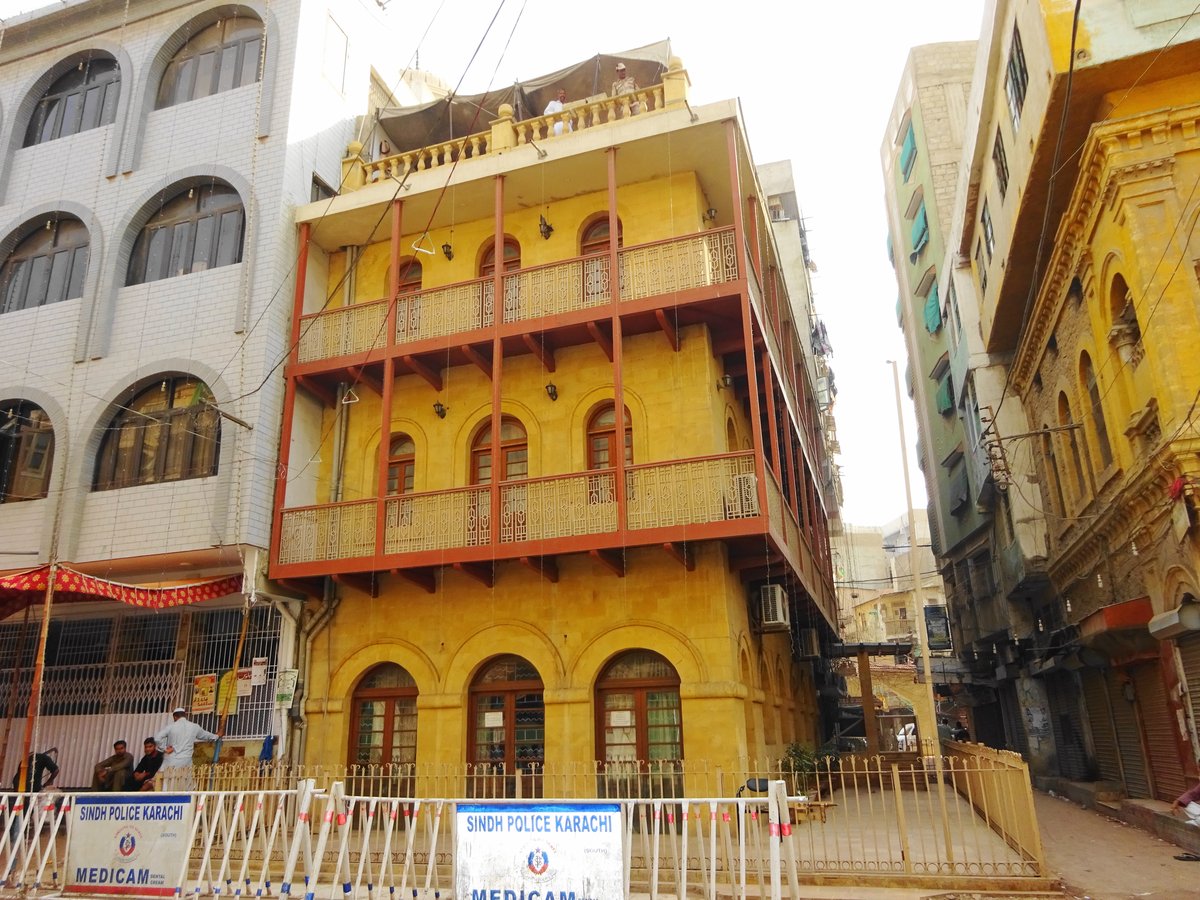
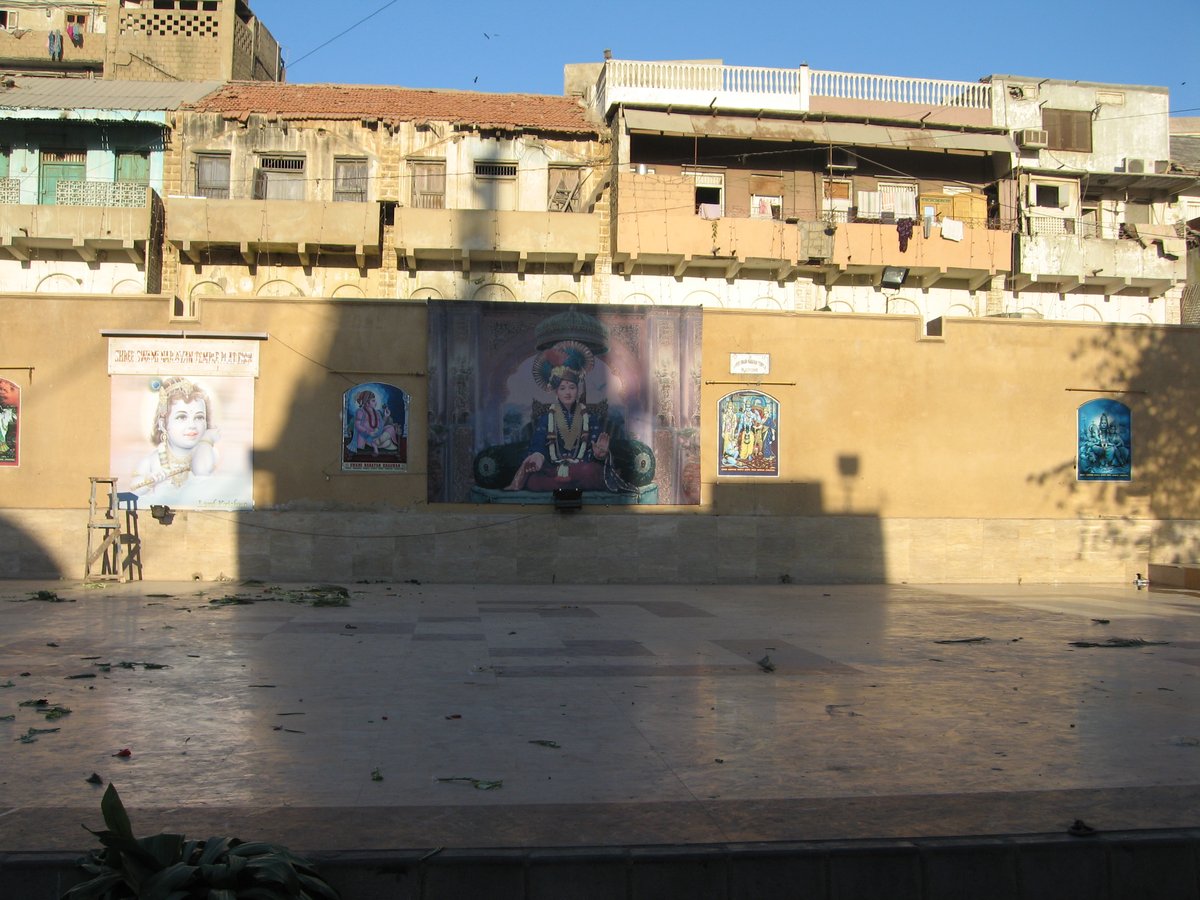
Spanning more than 32,000 square yards, Shri Swaminarayan Mandir is the largest Hindu temple in Karachi (Wikipedia). Its architecture blends traditional Hindu motifs with local influences, featuring vibrant colors, intricately carved columns, ornate domes, and spacious courtyards. The temple complex includes a sacred cowshed (gaushala), a dharamshala (once a guesthouse, now repurposed), and a unique Sikh Gurdwara within the grounds—underscoring its role as a center for interfaith harmony (The Karachi Walla; TripJive).
Religious and Cultural Significance
The Mandir is not only a sacred space for worship but also a focal point for Karachi’s Hindu community, hosting major festivals such as Diwali, Holi, Janmashtami, Dussehra, and Swaminarayan Jayanti (The Daily Guardian). Its inclusive ethos is reflected in the regular influx of visitors from various faith backgrounds, including Muslims and Sikhs, especially during festival times (Swaminarayan Faith). The temple also promotes social welfare, educational activities, and community engagement.
Key Historical Milestones
Colonial Era and Early Years
The temple was built during a period of urban expansion in British-era Karachi and became a vital center for the Swaminarayan community and other Hindu migrants (Wikipedia).
Partition of India (1947)
During the traumatic events of Partition, Shri Swaminarayan Mandir served as a refuge for Hindu families awaiting evacuation to India. Muhammad Ali Jinnah visited the temple during this time, highlighting its humanitarian role (Bagicha Blog). The original sacred idols were carried to India and enshrined in new temples in Rajasthan.
Post-Partition Era and Contemporary Developments
Despite demographic shifts and the conversion of some temple spaces to government offices, the Mandir remains a vibrant center for religious and cultural life. Since 1989, pilgrimages and exchanges with Swaminarayan communities in India have rekindled cross-border spiritual connections (Bagicha Blog).
Visiting Shri Swaminarayan Mandir Karachi
Location and Accessibility
Shri Swaminarayan Mandir is centrally located on M.A. Jinnah Road, making it easily accessible by public transport, taxis, and ride-share services (The Karachi Walla).
Visiting Hours
- Daily 6:00 AM – 9:00 PM (may vary slightly; check in advance during major festivals)
- Note Special festival days may affect general visiting hours.
Entry and Ticket Information
- Entry Free for all visitors
- Donations Welcomed to support temple maintenance and community services
Facilities and Accessibility
- Wheelchair accessible Ramps and assistance available
- Rest areas and water facilities: Provided
- Photography Permitted in public areas; always seek permission before photographing ceremonies or devotees
Guided Tours
Guided tours are available through advance arrangement with the temple or community organizations. These provide valuable insights into the temple’s history, architecture, and daily rituals.
Travel Tips and Nearby Attractions
- Best times to visit Early morning for a quiet experience; during major festivals for vibrant celebrations
- Dress code Modest clothing recommended; remove shoes before entering temple buildings
- Safety The temple is secured by staff and local authorities
- Nearby attractions Empress Market, Frere Hall, Hindu Gymkhana, and the Karachi Port Trust Building are within easy reach for a broader cultural tour
Festivals and Community Activities
Major Festivals
- Swaminarayan Jayanti – Celebrates the birth of Lord Swaminarayan with prayers, bhajans, and special decorations (BAPS Annual Celebrations).
- Holi – Karachi’s largest Holi celebration, featuring bonfires and color play (Liquisearch Festivals and Events).
- Janmashtami – Devotional music and Krishna-themed performances (MyAdhyatm Festivals).
- Diwali – Lighting of lamps, prayers, and fireworks (Liquisearch Festivals and Events).
- Ram Navami – Rituals and community meals, often coinciding with Swaminarayan Jayanti (MyAdhyatm Festivals).
- Dussehra – Dramatizations and symbolic effigy burning.
Community Activities
- Mass Weddings Providing dignified ceremonies for underprivileged couples (Liquisearch Festivals and Events).
- Hinglaj Yatra Starting Point Annual pilgrimage to Hinglaj Mata temple begins here (MyAdhyatm Hinglaj Yatra).
- Interfaith Harmony The Mandir welcomes Muslim and Sikh visitors, especially during festivals (TravelPakistani Overview).
Sikh Gurdwara within the Complex
The temple complex includes a Gurdwara, housing Sikh scriptures and serving Karachi’s Sikh community, with celebrations like Baisakhi and Guru Nanak’s birthday observed here (MyAdhyatm Gurdwara).
Visuals and Media Suggestions
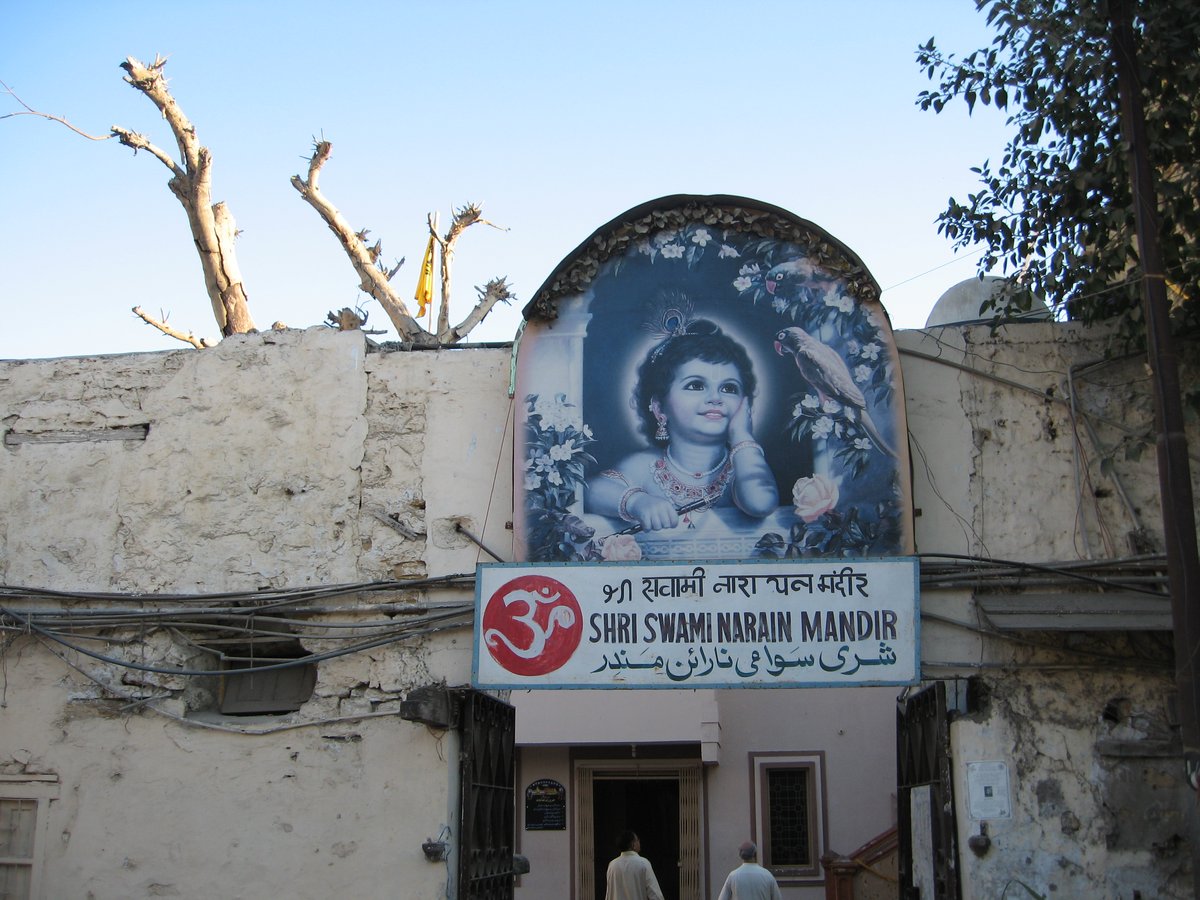
- Images Façade, interior carvings, festival scenes (e.g., "Shri Swaminarayan Mandir Karachi entrance," "Holi celebrations at the Mandir")
- Interactive map Highlighting location on M.A. Jinnah Road
- Virtual tour Recommended for inclusion on temple or tourism websites
Frequently Asked Questions (FAQs)
Q: What are the visiting hours?
A: Daily from 6:00 AM to 9:00 PM. Hours may be extended during major festivals.
Q: Is there an entry fee?
A: No. Entry is free; donations are appreciated.
Q: Is the temple wheelchair accessible?
A: Yes, with ramps and assistance available.
Q: Are guided tours available?
A: Yes, by prior arrangement.
Q: Which festivals are celebrated?
A: Major festivals include Holi, Diwali, Janmashtami, Dussehra, Swaminarayan Jayanti, Ram Navami, and more.
Q: Is photography allowed?
A: In public areas, yes. Please seek permission before photographing rituals or people.
Q: How do I reach the Mandir?
A: Central location allows easy access via public transport, taxis, or ride-hailing services.